Reunion Plaza Healthcare & Rehabilitation

Save

  • Interior

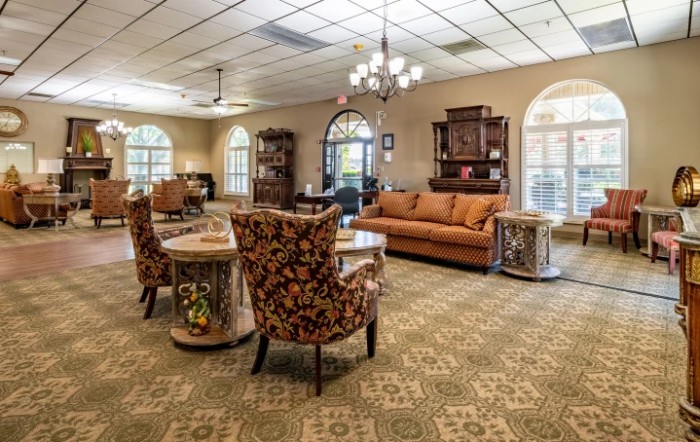
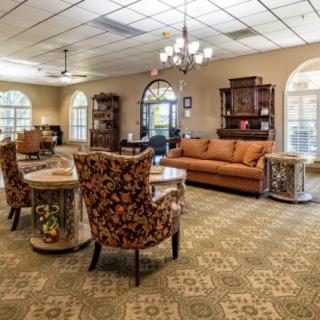
    A cozy and traditionally decorated living room featuring a large sofa, patterned chairs, and elegant lighting.
  • Outdoors

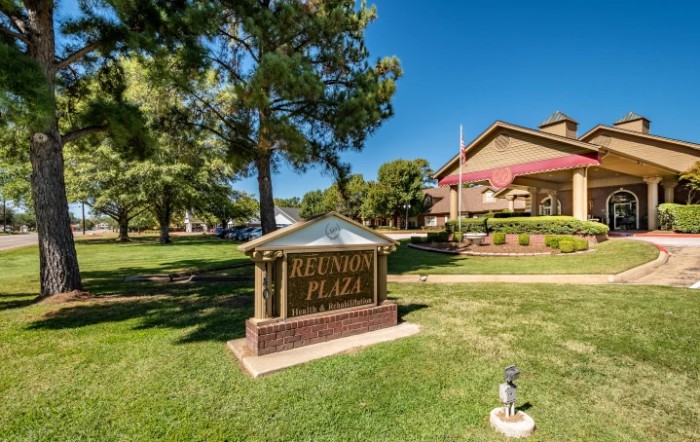
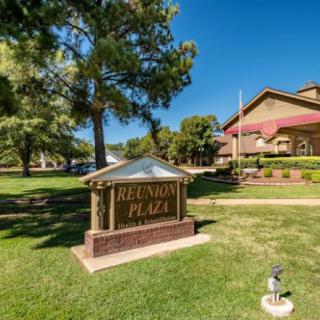
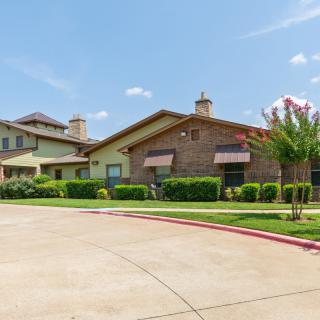
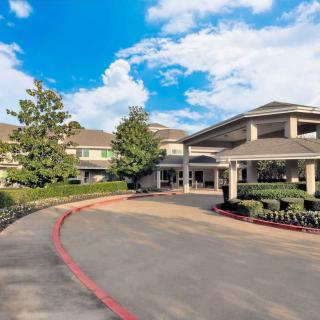
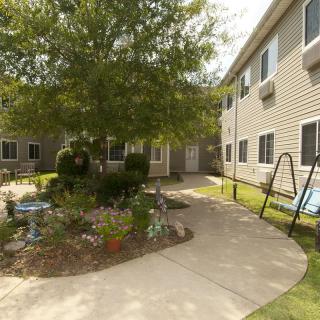
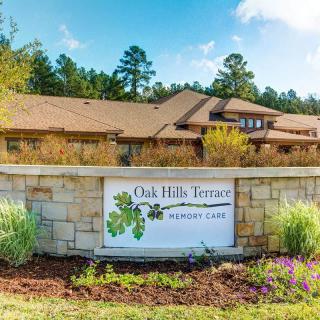
    A landscaped area with a building and a sign reading 'Hudson Plaza'.
  • Decor

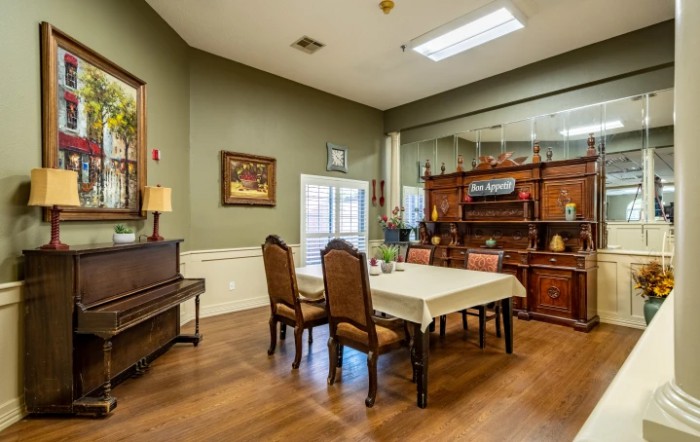
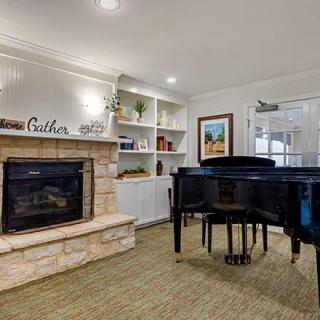
    A vintage-style dining room with antique furniture and a piano.
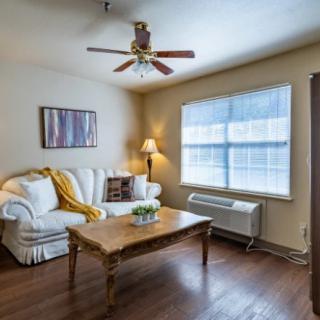
  • Living Room

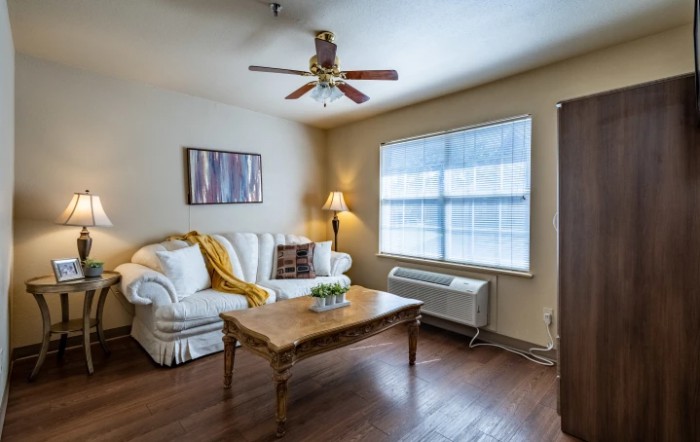
    A cozy living room with a sofa, coffee table, and large window.
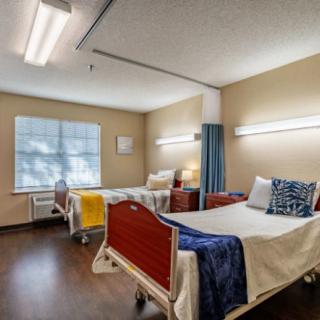
  • Bedroom

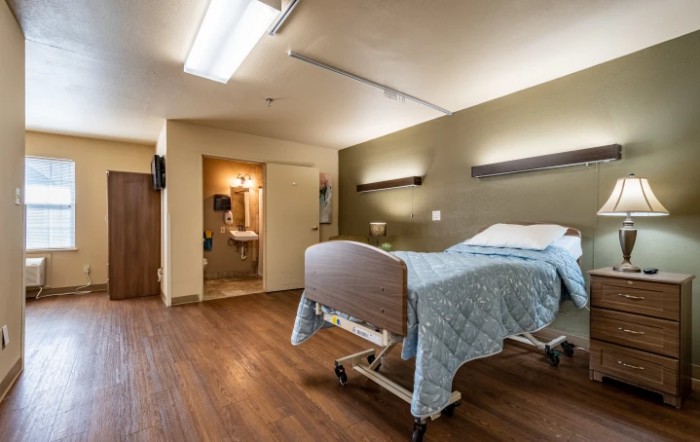
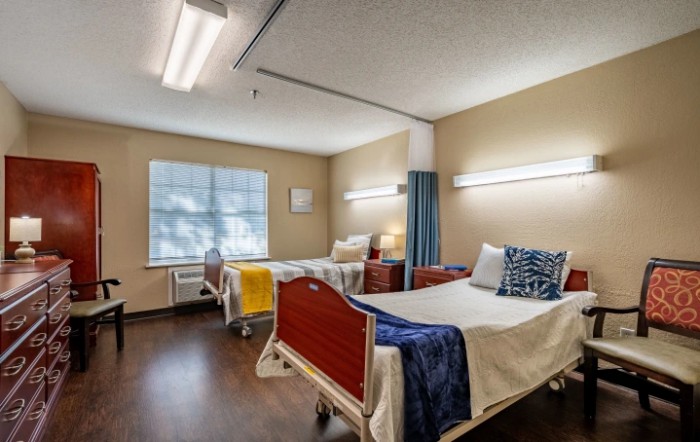
    Hospital room interior with two patient beds and medical equipment.
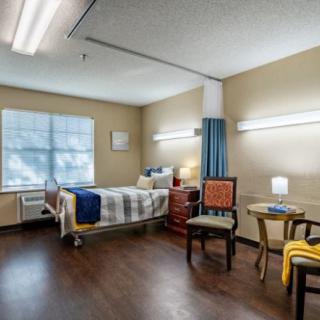
  • Windows

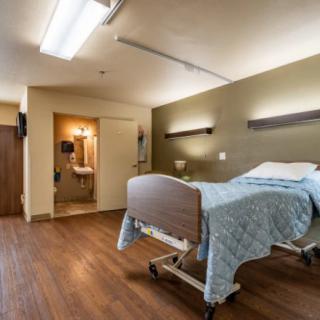
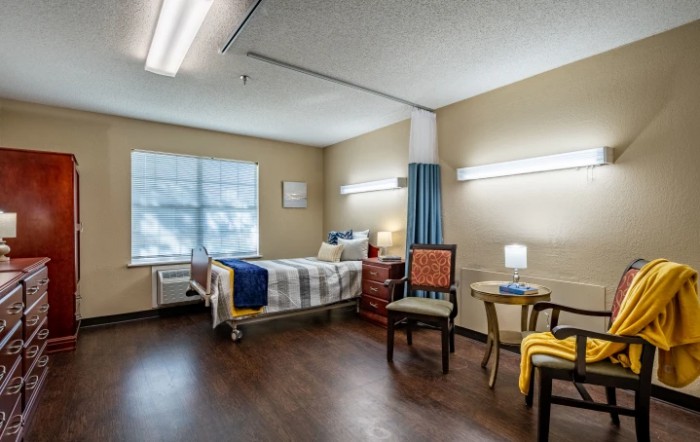
    A well-lit hospital room with a patient bed and comfortable seating.
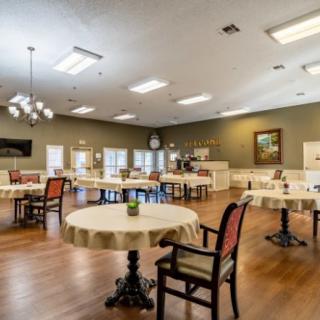
  • Dining

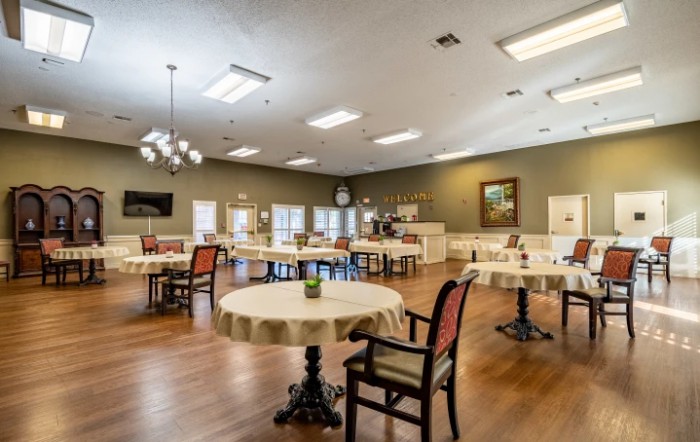
    A spacious and well-lit dining room with multiple tables and chairs arranged neatly.
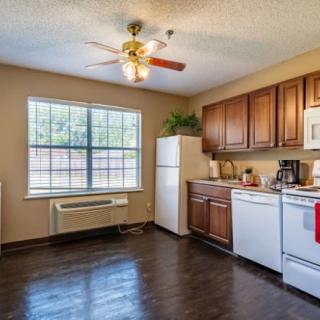
  • Kitchen

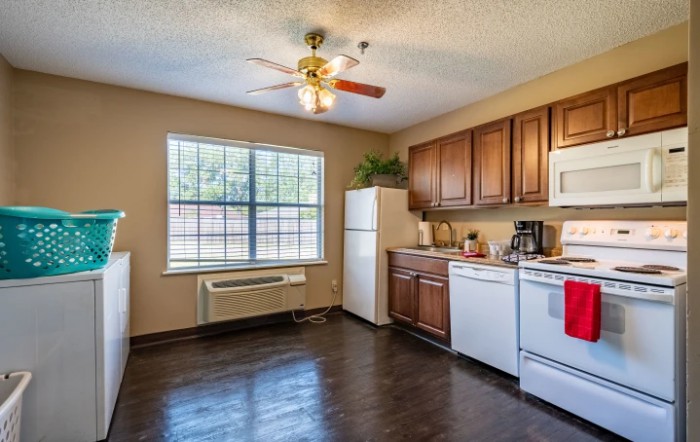
    A modern kitchen with wooden cabinets, a fridge, and a dishwasher under natural light from a large window.
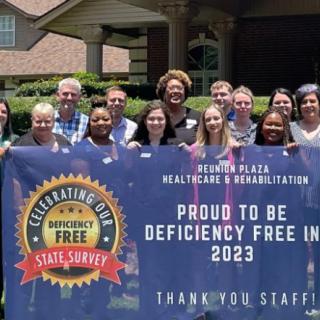
  • Outdoor

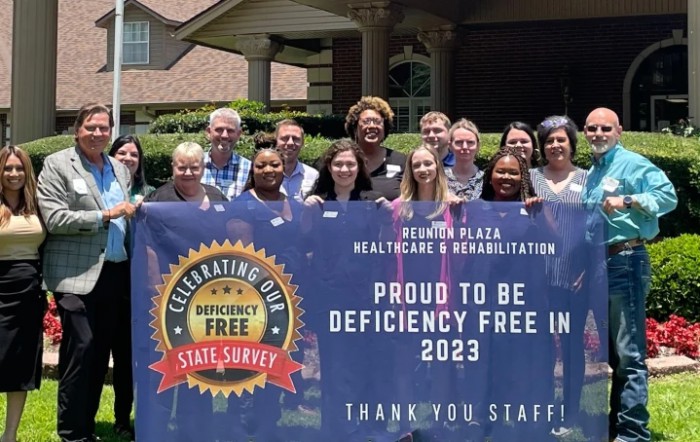
    A group of healthcare staff celebrating a deficiency-free survey result in 2023, holding a banner outside.
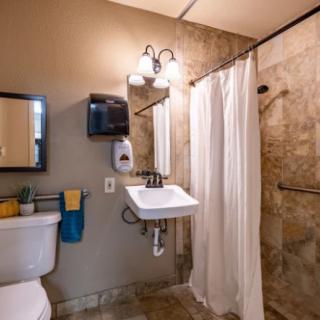
  • Bathroom

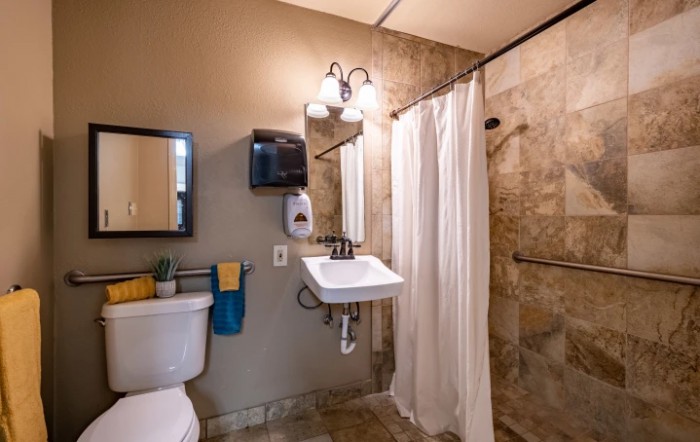
    A clean and modern bathroom featuring a sink, toilet, mirror, and shower with a white curtain.
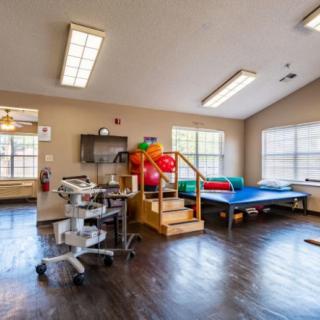
  • Exercise Equipment

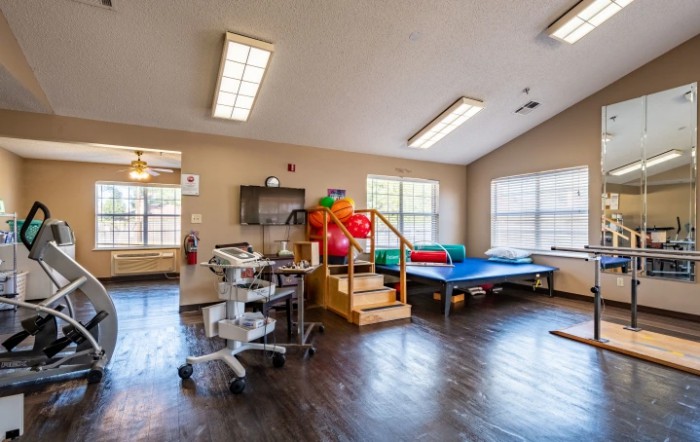
    A rehabilitation room equipped with exercise equipment and therapy tools.
  • Healthcare

    A clean and organized hospital room with a single bed and attached bathroom.

Reunion Plaza Healthcare & Rehabilitation

1401 Rice Road, Tyler, TX 75703

For more information about senior living options: (844) 490-3973

4.1 from 100 reviews
5 stars
62
4 stars
15
3 stars
4
2 stars
6
1 stars
13

Skilled Nursing Facility

What level of care are you interested in?

Assisted Living

Memory Care

Independent Living

Skilled Nursing Facility

Continuing Care Retirement Community (CCRC)CCRC

Other


Request a tour at Reunion Plaza Healthcare & Rehabilitation

    Overall Review of Reunion Plaza Healthcare & Rehabilitation

    Pros

    • pro The staff are quick to respond when called.
    • pro The director Keith and MiMi were very helpful with the resident's hearing aid issues.
    • pro The activity assistant has been very kind and helpful with the resident.
    • pro The new front desk staff member was polite and helpful.
    • pro The center was clean, well-run, and very organized.
    • pro The visit was rated five stars.
    • pro The new management is better than before.
    • pro Every member of the staff is excellent; admissions to housekeeping to nursing are outstanding.
    • pro The staff are friendly and knowledgeable, and residents are treated with respect and care.
    • pro Ladeetra Beasley, LVN, was very nice, courteous, and helpful.
    • pro Lori is helpful and communicative, keeping families updated.
    • pro Madison Cannedy is professional and kind, with a smile and positivity.

    Cons

    • pro The rooms were small and lacked chairs.
    • pro No one answered the phone; the line rang endlessly.
    • pro There was a persistent discrepancy between what staff told and what the patient experienced.
    • pro The facility was dirty with slow service and unhappy staff.
    • pro The place smelled upon arrival, and the bed was very uncomfortable; there was nowhere to sit to visit.
    • pro The facility was filthy with broken fences and a smelly dumpster.
    • pro There were not enough staff and they did not seem motivated to help.

    Review

    The facility presents itself as a place with real warmth and a strong sense of community, even as the experiences of visitors vary widely. On the positive side, several reviewers highlight a welcoming lobby where people can sit, visit, and feel at ease, plus a staff that is quick to respond when called. Families appreciate the efficiency of the nursing station - the moment a need is indicated, help is usually on the way. In a number of notes, the directors and certain staff members are singled out for praise, including Keith Koehler and MiMi for handling hearing aid issues promptly, and a thoughtful activity assistant who has shown kindness and attentiveness to loved ones. A new front desk clinician is described as polite and helpful, reinforcing an impression of a facility that strives to be well run and organized. Overall, many visitors leave with a sense that the center can be a supportive and caring home for a loved one when interactions go smoothly.

    Yet the personal experiences of families are not uniform. Several reviews stress the importance of a warm welcome, noting that while staff often respond quickly, a simple smile and greeting from everyone who works there can make a meaningful difference in how people feel about their loved ones' care. This sentiment recurs across entries: the human touch matters as much as the technical care, and a smile or a friendly hello can transform a tense moment into a more hopeful one. The discrepancy between what's said and what's observed at the bedside is also a recurring theme, with some families reporting clear communication and transparency, while others encounter gaps between staff narratives and the patient's experience.

    The facility's atmosphere and maintenance are a mixed bag. Some reviewers describe the center as clean, well kept, and orderly, with operations that run efficiently. They praise the staff's attentiveness and the general sense that the place is cared for. On the other hand, other accounts paint a bleaker picture: a facility described as run-down, with chipped floor tiles and peeling paint, and even external neglect such as fallen fences and a smelly dumpster. Noise levels are cited as an issue in some shifts, and safety concerns surface when doors are left unlocked and the outside access isn't controlled. These divergent impressions suggest a facility that is capable of presenting well on some days while facing significant challenges on others, depending on the shift, time of day, and perhaps the specific wing or unit.

    Concerns about responsiveness and safety dominate several negative reviews. One persistent thread is the difficulty in reaching someone by phone, with call lines described as ringing for long periods and only being answered after a concerned email to the social worker. Long wait times for call lights, especially during certain shifts, are repeatedly recounted, sometimes with residents or visitors waiting hours for assistance. There are also harrowing anecdotes of a resident who fell and spent an extended time on the floor before help arrived, and reports that phones were not available in patient rooms, complicating communication and emergency responses. These accounts emphasize the need for stronger staffing consistency, more reliable call systems, and diligent monitoring to prevent dangerous delays.

    Food, laundry, and routine care emerge as other focal points of critique and praise. Some reviews describe the food as good and care as timely when it comes to daily needs, with several staff members and residents expressing gratitude for the efforts of nurses, physical therapists, and aides. Conversely, others recount substandard experiences: terrible food, beds changed only sporadically, and laundry items lost with no apology or clear plan for replacement, leaving families frustrated and distrustful. The disparity between positive mentions of some meals and negative memories of mishandled laundry underscores how seemingly small issues can color overall satisfaction and trust in the facility.

    Compassion and connections with residents recur as bright spots in many narratives. Staff members are repeatedly described as caring, personable, and attentive, with specific individuals singled out for praise. Comments like "the staff is all so caring and attentive," and "the care and compassion shown by the staff is absolutely a step above" show a deep appreciation for the personal relationships that develop in the care setting. There are mentions of staff who go above and beyond - Ladeetra Beasley, an LVN, is thanked for being especially nice and helpful during a visit; Madison Cannedy is called out as professional and kind; and a number of nurses, aides, and administrators receive heartfelt thanks for their ongoing support. These positive notes demonstrate that, when the human element shines, families feel seen, heard, and supported.

    There are also stories that reflect a more complicated reality of management and operations. A number of reviewers acknowledge improvements with new leadership and better coordination, while others call for more decisive oversight and accountability. Themes include the need for consistent supervision across all shifts, more robust staffing, and stronger efforts to investigate and respond to incidents - such as the loss of personal belongings or concerns about safety and cleanliness. Some reviewers express confidence in the leadership and the direction of the facility, while others urge administrators to be more proactive, to address recurring complaints, and to foster a culture that truly prioritizes residents' dignity and well-being.

    In the midst of both praise and frustration, there are bright moments of interaction and generosity. Volunteers and visitors bring warmth, such as a local martial arts academy that delivered homemade Christmas cards and care packages to residents, creating meaningful connections and smiles. Families report being impressed by how staff talk with residents in a respectful, almost parental way, and how small gestures - like bringing items from home to comfort a loved one - make a real difference. The overall takeaway is that the facility is capable of delivering excellent care, especially when the staff are cohesive, compassionate, and well supported by thoughtful management; when that alignment falters, the experiences become far more challenging for residents and their families.

    Ultimately, the reviews present a place with substantial potential, anchored by a core of caring, capable, and dedicated staff, but also plagued by inconsistencies that can undermine trust and satisfaction. For families seeking care here, the message is nuanced: the quality of experience can swing significantly based on the day, the shift, and the particular staff members who are on duty. Prospective residents and their loved ones may want to visit with questions in mind - about response times, cleanliness, noise levels, and the availability of meaningful communal spaces - as well as to meet with administrators and observe how staff interact with residents. When the team is thriving, the facility shines with warmth, efficiency, and genuine compassion; when challenges prevail, it becomes a place where attention to detail, safety, and clear communication must be a top priority to truly honor those who call it home.

    Features

    Housing

    • 80 resident community capacity 80 resident community capacity

    Types of Care

    • Skilled Nursing Facility Skilled Nursing FacilitySkilled Nursing Facilities are crucial for seniors as they provide round-the-clock medical care, rehabilitation services, and assistance with daily activities. These facilities ensure that seniors receive the specialized care they need to maintain their health and well-being as they age.

    Amenities

    • Air-conditioning Air-conditioningAir conditioning is important for seniors as they are more vulnerable to heat-related illnesses and may have underlying health conditions that make it difficult for them to regulate their body temperature. It helps to keep them comfortable, safe, and healthy in hot weather.
    • Beauty salon Beauty salonBeauty salons are important for seniors because they provide a space for them to feel pampered, socialize, and maintain their personal grooming and hygiene. Regular visits to a beauty salon can help boost seniors' self-esteem and overall well-being.
    • Cable or satellite TV Cable or satellite TVCable or satellite TV is important for seniors because it provides entertainment, news, and companionship, helping to combat loneliness and boredom. It also offers a wide range of programming options tailored to different interests and preferences.
    • Computer center Computer centerA computer center is essential for seniors as it provides access to technology, communication tools, and resources that can enhance their daily lives. It allows them to stay connected with loved ones, engage in online activities, and learn new skills, ultimately promoting socialization and mental stimulation.
    • Dining room Dining roomDining rooms are important for seniors as they provide a space for socialization, connection, and nutritious meals. They offer opportunities for residents to bond over shared meals, foster a sense of community, and promote healthy eating habits. Dining rooms also ensure that seniors have access to well-balanced meals tailored to their dietary needs and preferences.
    • Fitness room Fitness roomHaving a fitness room in a senior living community is essential for seniors to stay active, maintain their physical health, and improve their overall well-being. Regular exercise can help prevent falls, reduce the risk of chronic diseases, and promote mental sharpness. It also provides social opportunities for residents to connect with others and enjoy a sense of community.
    • Fully furnished Fully furnishedFully furnished senior living communities are important for seniors because they provide convenience, comfort, and a hassle-free moving experience. Seniors can easily settle into their new living space without the stress of having to buy and move furniture. This allows them to focus on enjoying their new home and community.
    • Gaming room Gaming roomGaming rooms are important for seniors as they provide a fun and engaging environment for socializing, cognitive stimulation, and physical activity. Games can improve memory, problem-solving skills, and overall mental well-being while fostering friendships and reducing feelings of isolation.
    • Garden GardenGardens are important for seniors as they provide a peaceful and therapeutic environment for relaxation, physical activity, and socialization. Being in nature has been shown to reduce stress, improve mood, and promote overall well-being. Gardens also offer opportunities for seniors to engage in gardening activities, which can improve mobility, flexibility, and cognitive function. Additionally, gardens create a sense of community and connection with others who share a passion for plants and outdoor spaces.
    • Housekeeping services Housekeeping servicesHousekeeping services are important for seniors because they help maintain a clean and safe living environment, promote independence, and reduce the risk of accidents or illnesses. Additionally, having assistance with household chores can alleviate physical strain and allow seniors to focus on other aspects of their well-being.
    • Kitchenette KitchenetteKitchenettes are important for seniors living in senior living communities because they provide the convenience and independence of being able to prepare simple meals and snacks in the comfort of their own living space. This can help promote a sense of autonomy and well-being for seniors, allowing them to maintain some level of control over their dietary choices and daily routines.
    • Move-in coordination Move-in coordinationMove-in coordination is important for seniors because it helps ease the transition into their new living environment. It ensures that all logistics, such as packing, organizing movers, and setting up utilities are taken care of, allowing seniors to focus on settling in and adjusting to their new home. Having a smooth move-in process can alleviate stress and anxiety, making the transition smoother and more enjoyable for seniors.
    • Outdoor space Outdoor spaceOutdoor spaces are important for seniors as they provide opportunities for physical activity, social interaction, exposure to natural light and fresh air, and a sense of connection to nature. Having access to outdoor spaces can improve overall well-being and quality of life for older adults living in senior communities.
    • Private bathrooms Private bathroomsPrivate bathrooms are important for seniors in senior living communities because they provide independence, dignity, and comfort. Having a private bathroom allows seniors to maintain their personal hygiene routines without the need for assistance, promoting a sense of autonomy and privacy. Additionally, private bathrooms help prevent the spread of infections and provide a safe and clean environment for seniors to navigate safely.
    • Restaurant-style dining Restaurant-style diningRestaurant-style dining is important for seniors because it allows them to enjoy delicious, nutritious meals in a social and upscale setting. This enhances their dining experience, promotes healthy eating habits, and fosters socialization with fellow residents, ultimately contributing to their overall well-being and quality of life.
    • Small library Small librarySmall libraries are important for seniors as they provide access to a variety of reading materials, including books, newspapers, and magazines. This can help stimulate their minds, keep them engaged, and provide a sense of community through book clubs and other social activities. Additionally, reading has been shown to improve cognitive function and overall mental well-being in older adults.
    • Telephone TelephoneTelephones are important for seniors as they provide a lifeline for communication with loved ones, emergency services, and healthcare providers. They offer a sense of security and independence, enabling seniors to stay connected and access assistance when needed.
    • Wellness center Wellness centerWellness centers are important for seniors because they offer a variety of programs and services that promote physical, mental, and emotional well-being. These centers provide opportunities for exercise, socialization, education, and relaxation, helping seniors maintain their overall health and quality of life.
    • Wi-Fi/high-speed internet available Wi-Fi/high-speed internet availableWi-Fi/high-speed internet is important for seniors to stay connected with loved ones, access online resources, and participate in virtual activities to combat feelings of loneliness and isolation. It also allows them to easily manage healthcare needs, access entertainment, and engage in lifelong learning opportunities.

    Transportation

    • Tyler Pounds (6 miles away) Tyler Pounds (6 miles away)
    • Community operated transportation Community operated transportationCommunity operated transportation is crucial for seniors as it provides them with the means to access essential services, social activities, and medical appointments. It allows seniors to maintain their independence and quality of life by ensuring they can participate in activities outside of their homes. Additionally, community-operated transportation services offer a safe and reliable way for seniors to travel without having to rely on family or friends for assistance.
    • Transportation arrangement Transportation arrangementTransportation arrangements are crucial for seniors as they may face challenges with driving, mobility, or access to public transportation. Having reliable transportation services ensures that seniors can easily attend appointments, social activities, and maintain their independence and quality of life.
    • Transportation arrangement (non-medical) Transportation arrangement (non-medical)Transportation arrangements are essential for seniors as they provide access to essential services, activities, and social interactions outside the home. This service helps maintain independence, mobility, and overall well-being for seniors who may have limited transportation options.
    • Transportation to doctors appointments Transportation to doctors appointmentsTransportation to doctors appointments is crucial for seniors as it ensures they have access to necessary medical care and support, promoting their health and well-being. It allows them to receive timely treatment, monitor existing conditions, and address any new health concerns efficiently. Additionally, transportation services can help seniors maintain their independence and quality of life by enabling them to stay connected with their healthcare providers.

    Care Services

    • 12-16 hour nursing 12-16 hour nursing12-16 hour nursing care is crucial for seniors in order to ensure around-the-clock monitoring, timely medication administration, and prompt response to any health concerns or emergencies. This level of care helps to promote the overall well-being and safety of seniors living in senior living communities.
    • 24-hour call system 24-hour call system24-hour call systems are important for seniors because they provide peace of mind and immediate assistance in case of emergencies. This technology ensures that help is always available, promoting safety and security for elderly individuals living alone or in assisted living facilities.
    • 24-hour supervision 24-hour supervision24-hour supervision is important for seniors to ensure their safety, well-being, and access to immediate assistance in case of emergencies or health issues. This constant support provides peace of mind for both seniors and their loved ones, allowing them to age in place with dignity and security.
    • Activities of daily living assistance Activities of daily living assistanceActivities of daily living assistance are important for seniors because they provide essential support with tasks such as eating, bathing, dressing, and mobility. This assistance helps seniors maintain their independence, dignity, and overall quality of life as they age.
    • Assistance with bathing Assistance with bathingAssistance with bathing is crucial for seniors as it helps maintain personal hygiene, prevents infections, and ensures their overall well-being and comfort. It also provides a sense of dignity and independence for seniors who may struggle with this task on their own.
    • Assistance with dressing Assistance with dressingAssistance with dressing is important for seniors because it helps maintain their independence, promotes personal hygiene, prevents accidents and injuries, and improves overall quality of life. This service ensures that seniors can continue to dress comfortably and confidently, despite any physical limitations they may have.
    • Assistance with transfers Assistance with transfersAssistance with transfers is crucial for seniors as it helps prevent falls and injuries, maintains their independence, and ensures they can safely navigate their living environment. It also provides peace of mind for both seniors and their loved ones.
    • Diabetes diet Diabetes dietA diabetes diet is crucial for seniors as it helps manage blood sugar levels, reduce risks of complications, and improve overall health and well-being. By following a balanced and nutritious diet tailored to their specific needs, seniors can better control their diabetes and enhance their quality of life.
    • Meal preparation and service Meal preparation and serviceMeal preparation and service are crucial for seniors as they may have limited mobility or energy to cook nutritious meals. Having access to healthy and convenient food options can ensure they are getting the proper nutrition needed to maintain their overall health and well-being.
    • Medication management Medication managementMedication management is crucial for seniors to ensure they are taking the right medications at the correct dosages and times. This helps prevent adverse drug interactions, reduces the risk of medication errors, and promotes overall health and well-being. Proactive management also allows for adjustments as needed based on changing health conditions or new prescriptions.
    • Mental wellness program Mental wellness programMental wellness programs are essential for seniors as they promote cognitive stimulation, emotional support, and social engagement. These programs help prevent isolation, depression, and cognitive decline, ultimately enhancing the overall quality of life for older adults.
    • Special dietary restrictions Special dietary restrictionsSpecial dietary restrictions are important for seniors because age-related changes in metabolism and health conditions can make it difficult for their bodies to process certain foods. By following a diet tailored to their specific needs, seniors can maintain their overall health and well-being, manage chronic conditions, and reduce the risk of complications such as malnutrition or food interactions with medications.

    Dining

    • Diabetes diet Diabetes dietA diabetes diet is crucial for seniors as it helps manage blood sugar levels, reduce risks of complications, and improve overall health and well-being. By following a balanced and nutritious diet tailored to their specific needs, seniors can better control their diabetes and enhance their quality of life.
    • Special dietary restrictions Special dietary restrictionsSpecial dietary restrictions are important for seniors because age-related changes in metabolism and health conditions can make it difficult for their bodies to process certain foods. By following a diet tailored to their specific needs, seniors can maintain their overall health and well-being, manage chronic conditions, and reduce the risk of complications such as malnutrition or food interactions with medications.

    Activities

    • Community-sponsored activities Community-sponsored activitiesCommunity-sponsored activities are important for seniors as they provide opportunities for social interaction, mental stimulation, and physical activity. These activities can help improve overall well-being, combat loneliness and isolation, and promote a sense of belonging and purpose among older adults.
    • Concierge services Concierge servicesConcierge services are essential for seniors as they provide assistance with daily tasks and errands, enhance their quality of life by offering convenience and personalized care, and promote a sense of safety and security.
    • Fitness programs Fitness programsFitness programs are crucial for seniors as they help improve strength, flexibility, balance, and overall well-being. Staying active can reduce the risk of chronic diseases, improve mental health, and enhance quality of life in older adults.
    • Planned day trips Planned day tripsPlanned day trips are important for seniors because they offer opportunities for socialization, mental stimulation, and physical activity. They provide a change of scenery and help seniors stay engaged and connected to their community, promoting overall well-being and quality of life.
    • Resident-run activities Resident-run activitiesResident-run activities are important for seniors as they encourage social interaction, creativity, and a sense of autonomy. These activities empower seniors to stay engaged and active in their community while fostering meaningful connections with their peers.
    • Scheduled daily activities Scheduled daily activitiesScheduled daily activities are important for seniors because they provide structure, socialization, mental stimulation, and physical activity. Engaging in regular activities can improve overall well-being and quality of life for seniors living in a community setting.

    Description

    Reunion Plaza Healthcare & Rehabilitation is an assisted living community located in Tyler, TX. Our community offers a wide range of amenities to ensure the comfort and well-being of our residents. Residents can enjoy access to a beauty salon, cable or satellite TV, community-operated transportation, a computer center, and a fitness room. We provide fully furnished accommodations with private bathrooms and housekeeping services.

    In our dining room, residents can savor delicious meals served in a restaurant-style setting. We cater to special dietary restrictions and offer diabetes-friendly meal options. Additionally, we have a small library for those who love reading and a gaming room for entertainment.

    At Reunion Plaza Healthcare & Rehabilitation, we prioritize the care of our residents. Our dedicated staff is available 24/7 with assistance in activities of daily living such as bathing, dressing, and transfers. Medication management is also provided to ensure the proper administration of medications.

    We understand the importance of mental wellness and offer a mental wellness program to support the emotional well-being of our residents. Transportation arrangements are available for non-medical purposes as well as transportation to doctors' appointments.

    Our community encourages an active lifestyle through various activities. Residents can participate in fitness programs, planned day trips, and resident-run activities. We also organize scheduled daily activities for social engagement.

    In addition to our exceptional amenities and care services, Reunion Plaza Healthcare & Rehabilitation is conveniently located near several amenities within close proximity including cafes, parks, pharmacies, physicians' offices, restaurants, places of worship, theaters, and hospitals.

    At Reunion Plaza Healthcare & Rehabilitation in Tyler, TX we strive to create an inviting environment where seniors can receive excellent care while enjoying a vibrant lifestyle surrounded by convenient amenities.

    Nearby Places of Interest

    Physicians

    • Drug & Alcohol Testing Compliance Services (0.3 miles)
    • Dermatology Associates of Tyler (0.4 miles)
    • Dr Hope Short, MD (0.4 miles)
    • Health At Work (0.6 miles)
    • Audiology Associates of East Texas (0.8 miles)
    • Trinity Clinic, Medical Specialties, Urgent Care, Directcare (1.1 miles)
    • Epiphany Dermatology (1.4 miles)

    Restaurants

    • Texas Music City Grill & Smokehouse (0.4 miles)
    • 1836 Texas Kitchen (0.6 miles)
    • Whataburger (0.8 miles)
    • Yamato Hibachi & Sushi Bar (0.8 miles)
    • Mercado's (0.8 miles)
    • Kawa's Hibachi Grill & Lounge (0.9 miles)
    • Taco Bell (0.9 miles)

    Places of Worship

    • Congregation Beth El (0.7 miles)
    • Tyler Christian Fellowship (1.3 miles)
    • Calvary Baptist Church (1.4 miles)
    • Green Acres Baptist Church (2.9 miles)

    Pharmacies

    • Kinsey's Pharmacy (0.8 miles)
    • Walmart Pharmacy (0.9 miles)
    • Good's Pharmacy (1 miles)
    • Walgreens (1.1 miles)
    • Brookshire Food & Pharmacy (1.1 miles)
    • Brookshire's (1.1 miles)
    • Smart Rx Pharmacy (1.2 miles)

    Theaters

    • Times Square Movie Theater (1 miles)

    Cafes

    • Ming's Cafe (1.1 miles)
    • Panera Bread (1.1 miles)
    • Starbucks (1.3 miles)
    • Coffee City USA (1.7 miles)
    • Crema Coffee Co. (1.9 miles)
    • The Coco Bean (2.1 miles)
    • Starbucks (3.1 miles)

    Transportation

    • Hertz Rent A Car (1.7 miles)

    Parks

    • Faulkner Park (2.6 miles)

    Hospitals

    • Christus Trinity Mother Frances Rehabilitation Hospital, a partner of Encompass Health (3 miles)

    Frequently Asked Questions

    Where is Reunion Plaza Healthcare & Rehabilitation?
    What photos are available for Reunion Plaza Healthcare & Rehabilitation in Tyler, Texas?

    Nearby Communities

    Skilled Nursing Facility in Nearby Cities

    Related Resources

    • uti in elderlyUrinary Tract Infections in Older Adults: Comprehensive Insights on Symptoms, Treatment, and Prevention

      Older adults with urinary tract infections (UTIs) often present atypical symptoms, complicating diagnosis due to factors like incomplete bladder emptying and chronic health conditions that increase their susceptibility. Effective management involves prompt treatment with antibiotics, hydration, and preventive strategies while minimizing antibiotic resistance and focusing on holistic care approaches.

    • 602 formCalifornia's Form 602A: An In-Depth Examination of Senior Care Assessment

      California's Form 602A is a vital tool for evaluating the health needs of seniors seeking residential care, detailing their medical conditions and daily living requirements to ensure proper service alignment. This standardized form enhances communication among physicians, families, and facilities, serving as a regulatory measure for admissions and ongoing care while adapting to changing healthcare practices.

    • elderly blood pressure chartComprehensive Look at Senior Blood Pressure Charts: Normal and Elevated Levels by Age
      The overview of blood pressure management for seniors emphasizes the importance of monitoring and interpreting blood pressure readings, noting that normal ranges can vary due to age-related factors and individual health conditions. It highlights tailored guidelines for systolic and diastolic levels, the necessity of early detection and consistent management to prevent serious health complications, and advocates for personalized care strategies that incorporate lifestyle changes and medication adherence.


    Get Pricing Ask A Question Schedule A Tour Contact Senior Advisor