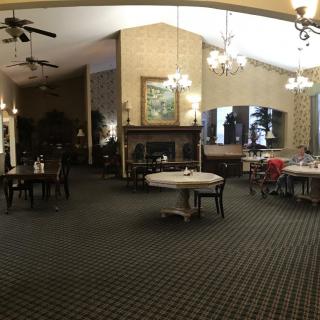
Primrose Retirement Community of Tyler
Save2780 Three Lakes Pkwy, Tyler, TX 75703
For more information about senior living options: (844) 490-3973
What level of care are you interested in?

Assisted Living

Memory Care

Independent Living

Skilled Nursing Facility

Continuing Care Retirement Community (CCRC)CCRC

Other
Primrose Retirement Community of Tyler is best suited for seniors who want a lively, socially rich assisted-living experience delivered by a genuinely caring staff and guided by dependable leadership. The community shines for residents who value warmth from the moment of arrival, a clean, thoughtfully designed setting, robust programming, and consistent, attentive care. Families seeking a place where activities are plentiful, meals are nourishing, transportation runs smoothly, and residents feel truly connected will find Primrose Tyler a compelling match. The 24-hour nursing presence and a leadership track record that earns peace of mind for loved ones further sharpen its appeal for those with higher care needs who still desire an active daily life.
There are clear reasons to consider alternatives, especially for families watching budgets or seeking very stable memory-care dynamics. Several reviews flag price as a significant consideration, noting increases that outpace expectations. One memory-care-specific critique highlights staffing instability and limited resident interaction, portraying a less engaging atmosphere that can feel depressing despite an attractive physical plant. For families prioritizing dementia-care stability and predictable, lower-variance pricing, a side-by-side comparison with other Tyler options is prudent. In short, Primrose Tyler delivers exceptionally on engagement and warmth, but price sensitivity and memory-care stability are legitimate reasons to look at other communities.
The strengths of Primrose Tyler tend to offset most of the drawbacks when framed through the lens of everyday practicality. The staff's genuine care, warmth, and sense of community come through in every testimony: residents stay active, meals are described as nutritious and frequently enjoyed, and the environment is clean, safe, and comfortably designed for aging-in-place. The executive leadership - highlighted by references to a knowledgeable director and the engaged leadership of employees such as Silvia Gibbons - offers a reassuring sense of continuity and accountability. The Life Enrichment Coordinator and transportation program are repeatedly praised for keeping residents engaged and mobile, reducing isolation and helping families maintain peace of mind that their loved one is not just cared for but thriving socially.
Where the pros converge with the cons, the practical impact becomes clear. For families seeking a comprehensive, high-energy social calendar and deeply personal attention from staff, Primrose Tyler largely delivers. The combination of attentive caregiving, responsive admissions teams, and a capable administrative backbone creates a reliable, home-like culture that many families cherish during transitions from independent living or hospital stays. Yet the one-star memory-care concern - staffing consistency and engagement - serves as a caution. It signals that while the assisted-living wing hums with activity and warmth, memory-care experiences can be more variable. Another concrete caveat is food quality, which reviewers note can range from excellent to average, suggesting that dining experiences may depend on menus, kitchen staffing, or day-to-day execution. Taken together, the core advantages - care, community, leadership, and activity - outweigh the occasional meals quirk or memory-care staffing uncertainty for many families, but not for all.
From a practical decision-making standpoint, a tour should focus on observable staffing dynamics, especially in memory care, and on the specifics of pricing and contract structure. Prospective residents should ask about current staff-to-resident ratios, turnover rates, and how care planning is communicated to families. Request to sample a menu and observe meal service, noting variety, flavor, and whether meals accommodate dietary restrictions. Inquire about memory-care capabilities: programming, staffing stability, environmental design, and whether residents with dementia have consistent staff assignments and predictable routines. Finally, verify transportation schedules, opportunities for respite stays, and the protocol for price increases - how often they occur and by how much.
In sum, Primrose Tyler stands out as a best-fit choice for families needing a vibrant, well-supported community where staff genuinely care and residents remain actively engaged. It is especially compelling for those with elevated care needs who still want a bustling social life and reliable 24-hour nursing under capable leadership. Alternatives deserve consideration for families prioritizing budget predictability or seeking especially stable memory-care environments with consistently egalitarian dining and lower price volatility. For most Tyler-area families, however, Primrose Tyler offers a practical, confident path to a secure, connected, and enjoyable senior living experience.
The Primrose Retirement Community of Tyler in Tyler, TX, offers top-notch assisted living and memory care services for seniors. Our community is dedicated to providing exceptional care and support to residents who may need assistance with daily activities or have memory-related conditions.
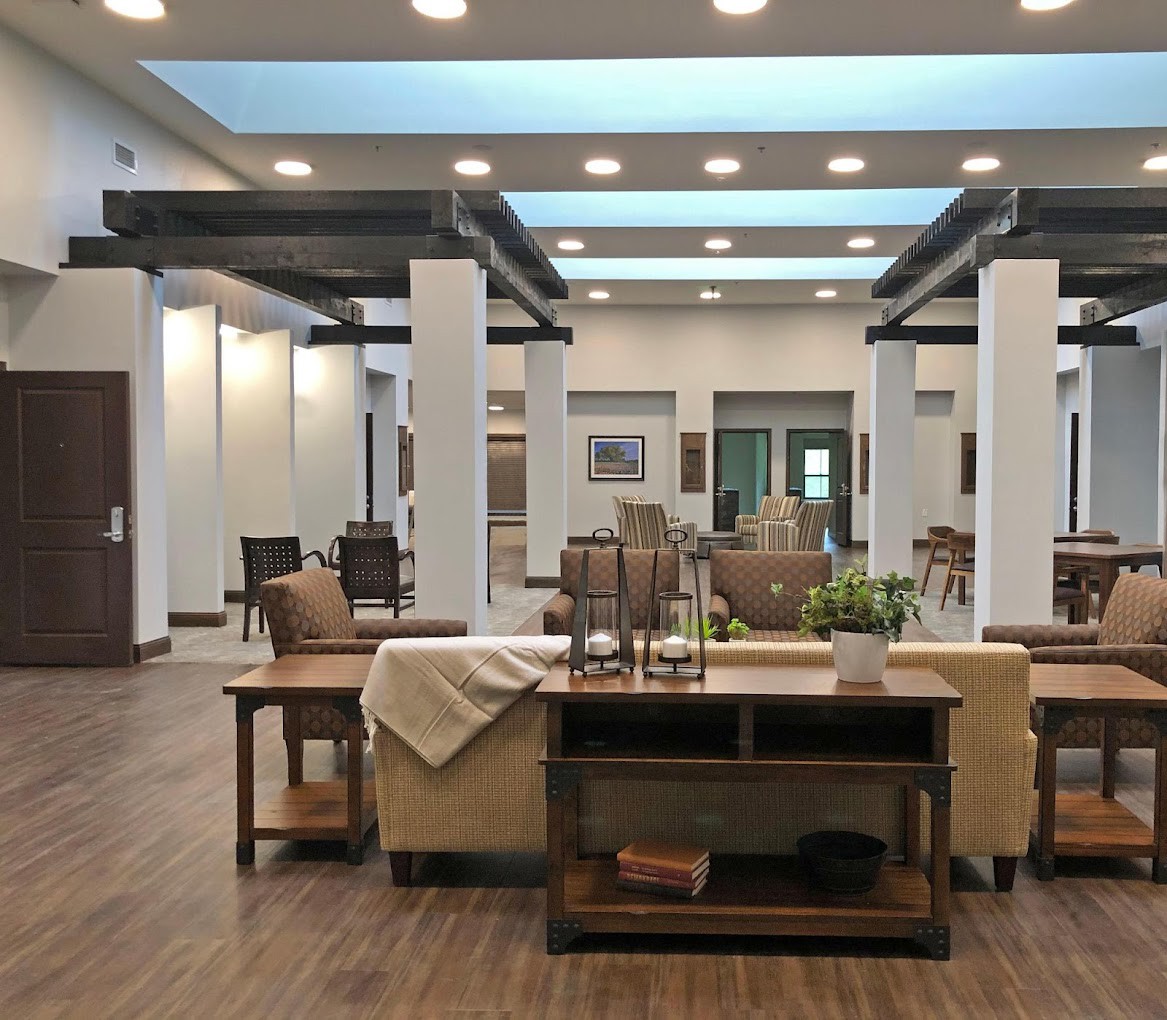
One of the notable features of our community is the availability of devotional services off-site, which allows residents to maintain their spiritual practices. Additionally, we offer indoor common areas where residents can socialize and engage in various activities, fostering a sense of community among our residents.
Our highly skilled staff includes healthcare professionals experienced in diabetic care, ensuring that residents with diabetes receive the necessary support and attention they need to manage their condition effectively.
Residents at Primrose Retirement Community can also participate in devotional activities offsite, allowing them to continue engaging with their faith communities.
Furthermore, our location provides easy access to numerous amenities and services nearby. With eight cafes, 42 restaurants, twelve pharmacies, sixteen physicians' offices, three places of worship, two theaters all within close proximity. Residents can conveniently enjoy dining out or shopping at nearby stores while having access to medical facilities and essential services.
At Primrose Retirement Community of Tyler in Tyler, TX, we prioritize the well-being and happiness of our residents by offering a comfortable environment combined with quality care and ample opportunities for socialization and engagement.
Primrose Retirement Community of Tyler is located at 2780 Three Lakes Pkwy, Tyler, TX 75703 in Smith County, Texas
Yes, Primrose Retirement Community of Tyler provides memory care services for residents with mild or advanced stages of dementia or Alzheimer's disease.
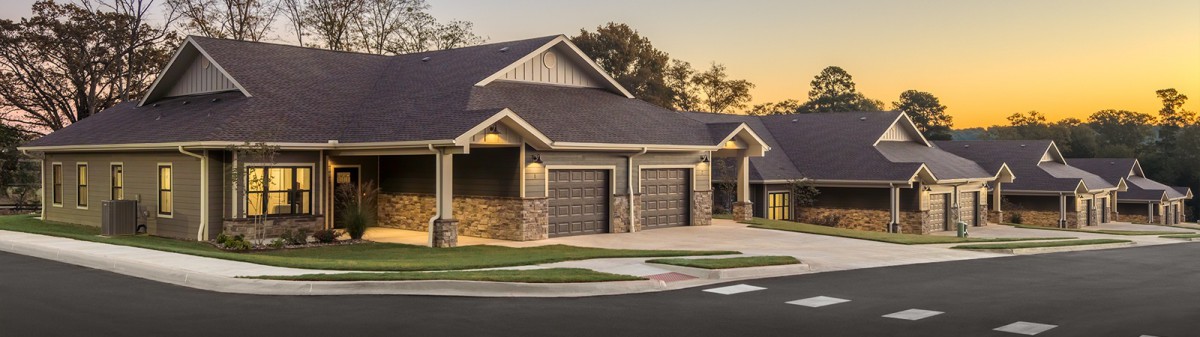
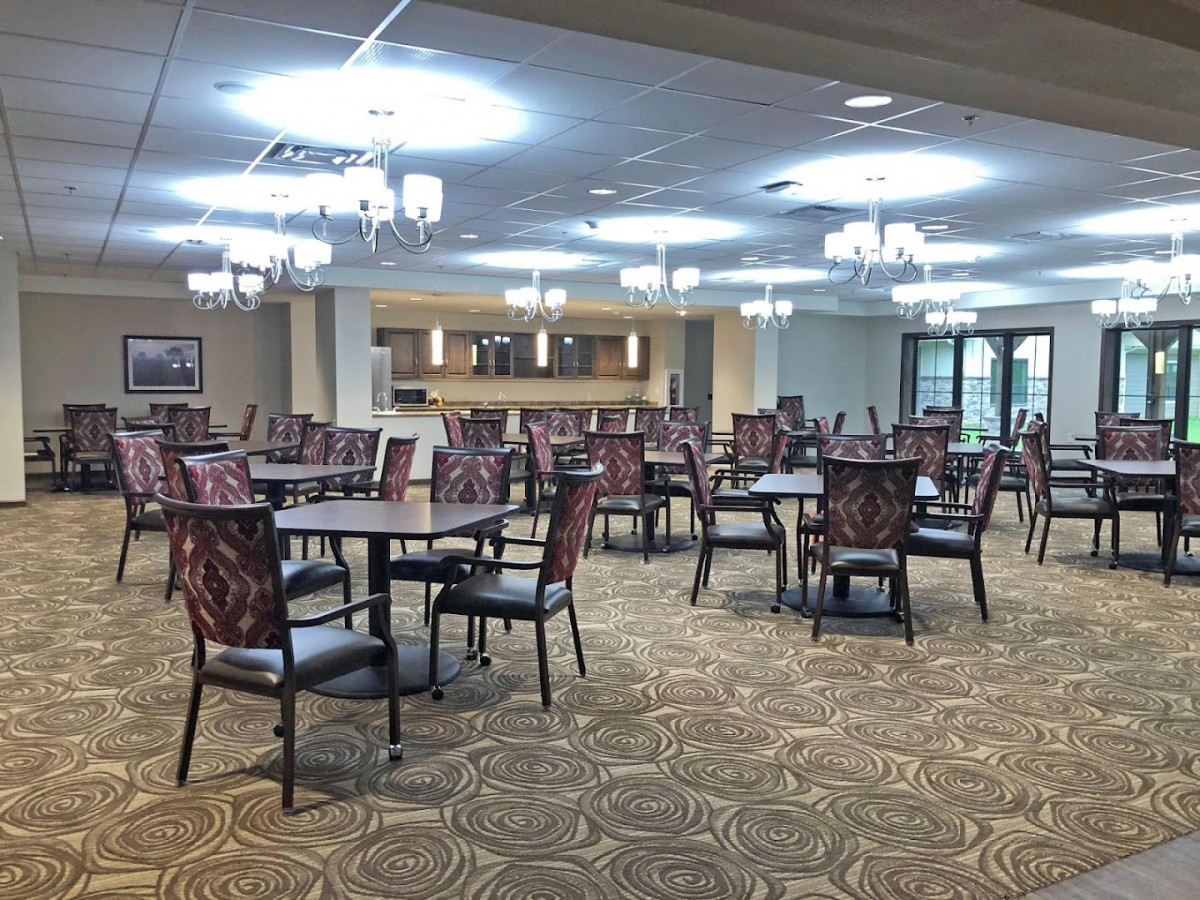
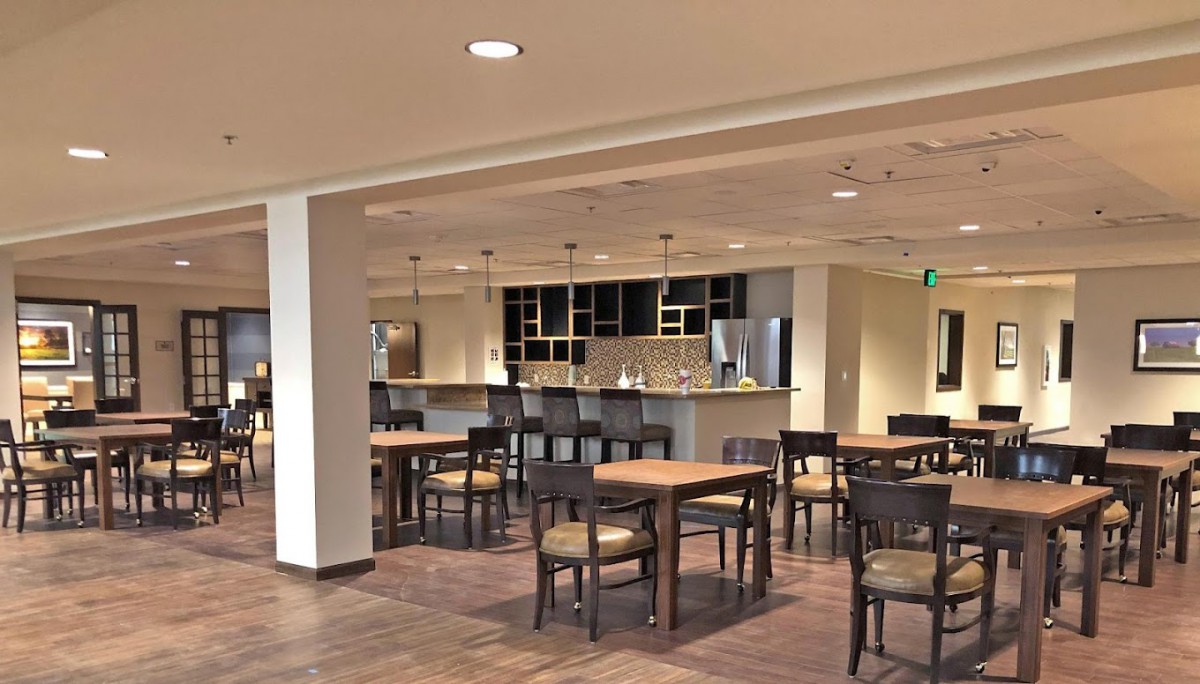
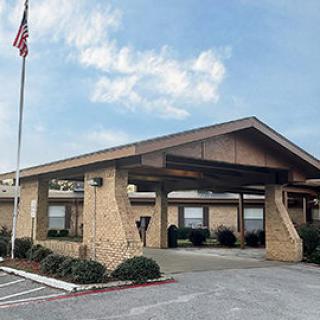
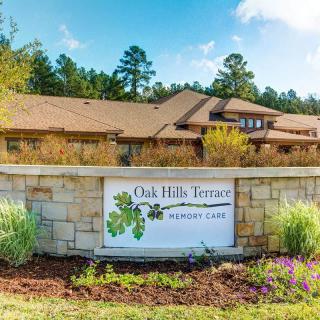
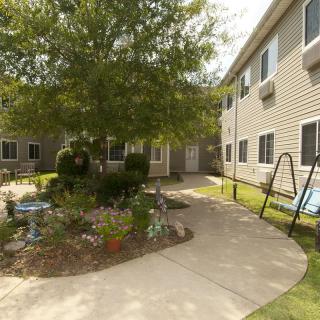
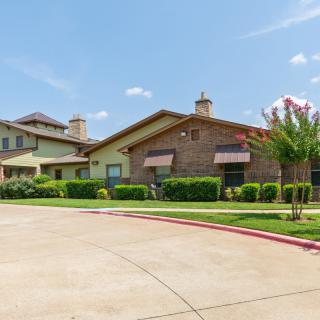
Primrose Retirement Community of Tyler on seniors.fyi includes 5 photos including images showing interior, dining, garage, architecture, landscaping, lighting, lobby, spacious, and more.
Assisted Living and Memory Care: Understanding Their Core Differences

Assisted living provides moderate support for seniors seeking independence, while memory care offers specialized support for individuals with dementia or cognitive impairments through structured routines and trained staff. Key differences include care approaches, environment security measures, staff training levels, activity types, and cost considerations.
Choosing the Right Senior Care: A Detailed Exploration of Assisted Living and Nursing Homes
Choosing between assisted living and nursing homes involves evaluating emotional and financial factors, with assisted living offering independence and support for daily activities at a lower cost, while nursing homes provide intensive medical care for individuals with significant health needs. The decision is influenced by personal preferences, health status, cognitive function, and varying Medicaid coverage across states.
Safeguarding Your Memory Through the Golden Years: Eight Ways to Preserve Cognitive Health


The article presents eight strategies for preserving cognitive health and memory in older adults, emphasizing a nutrient-rich diet, regular exercise, intellectually stimulating activities, adequate sleep, social connections, stress management techniques, limiting harmful substances, and regular medical checkups to mitigate age-related memory decline.