The Center At Grande in Tyler, TX

Save

  • Interior

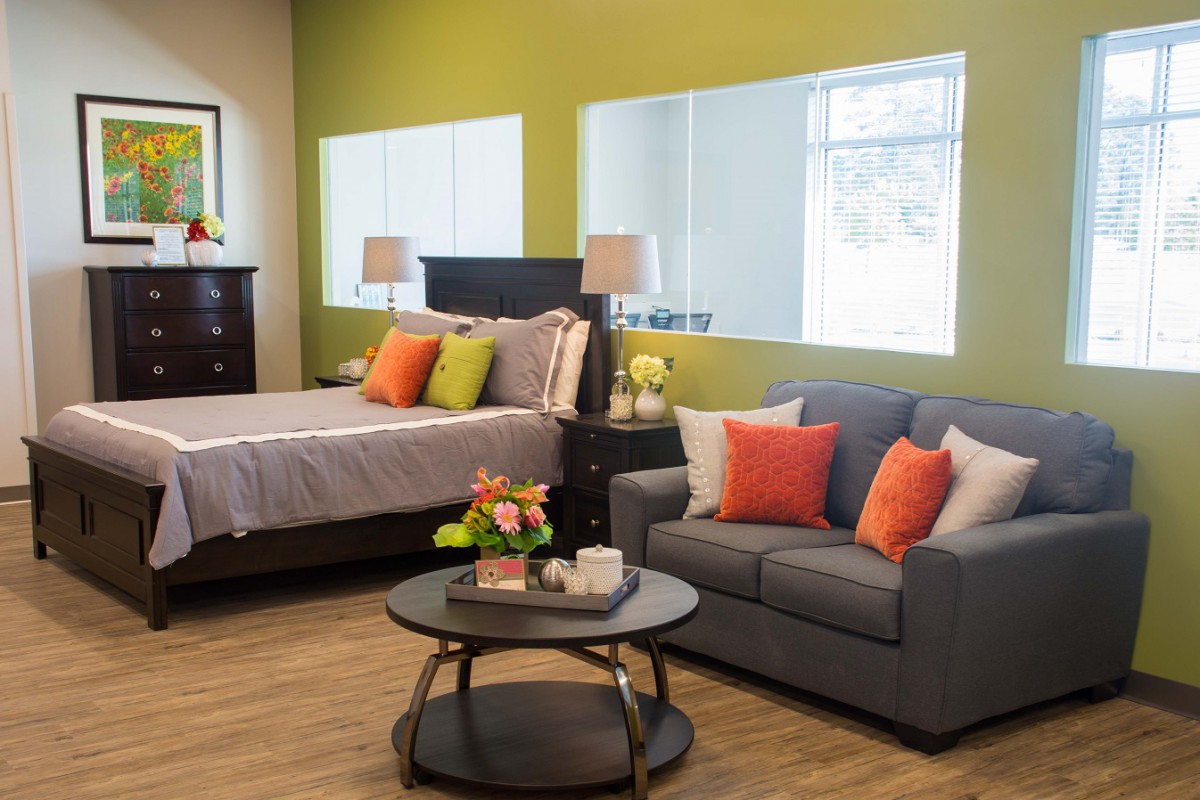
    A cozy bedroom and living area with a modern design, featuring a bed and a sofa adorned with colorful pillows.
  • Decor

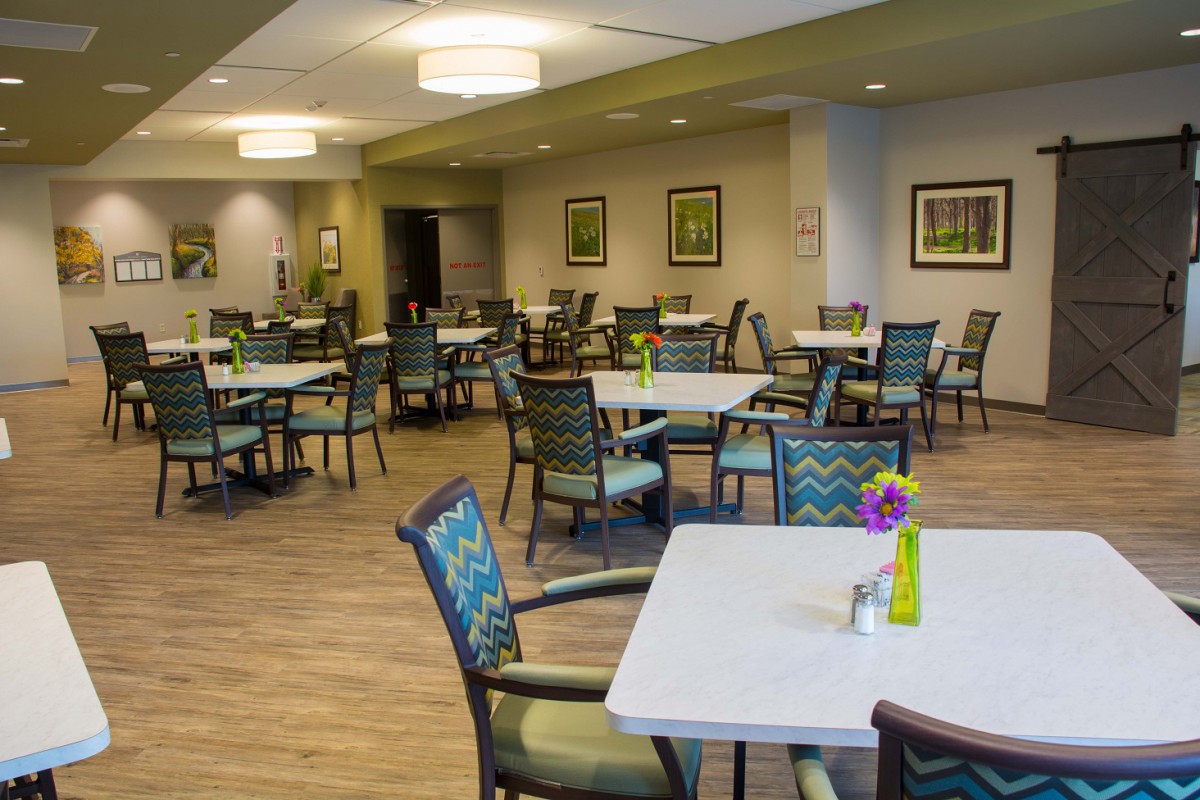
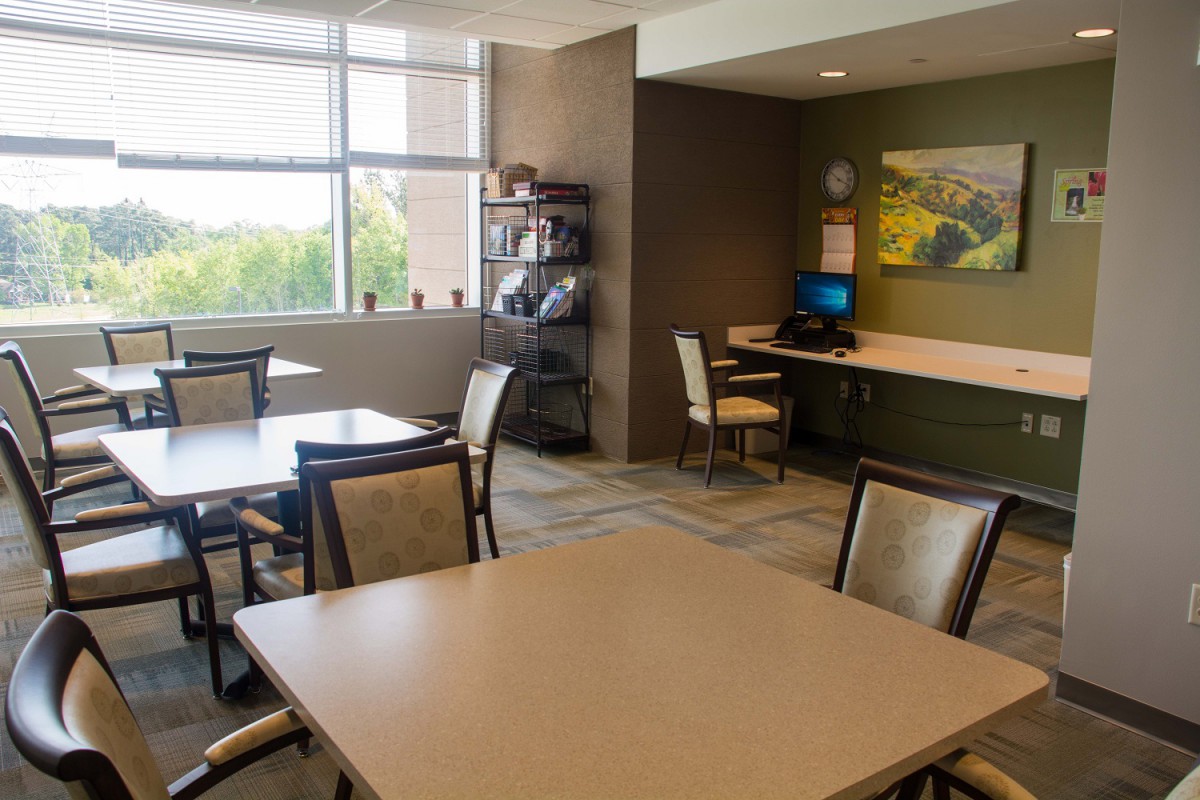
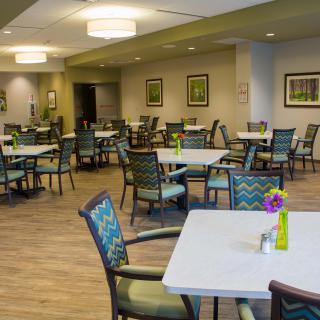
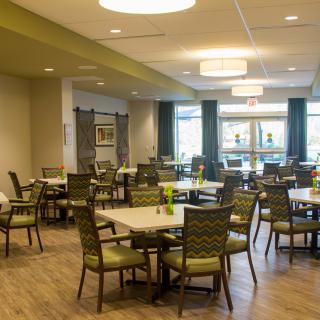
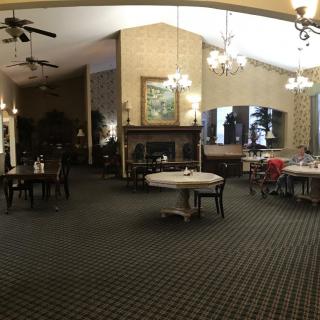
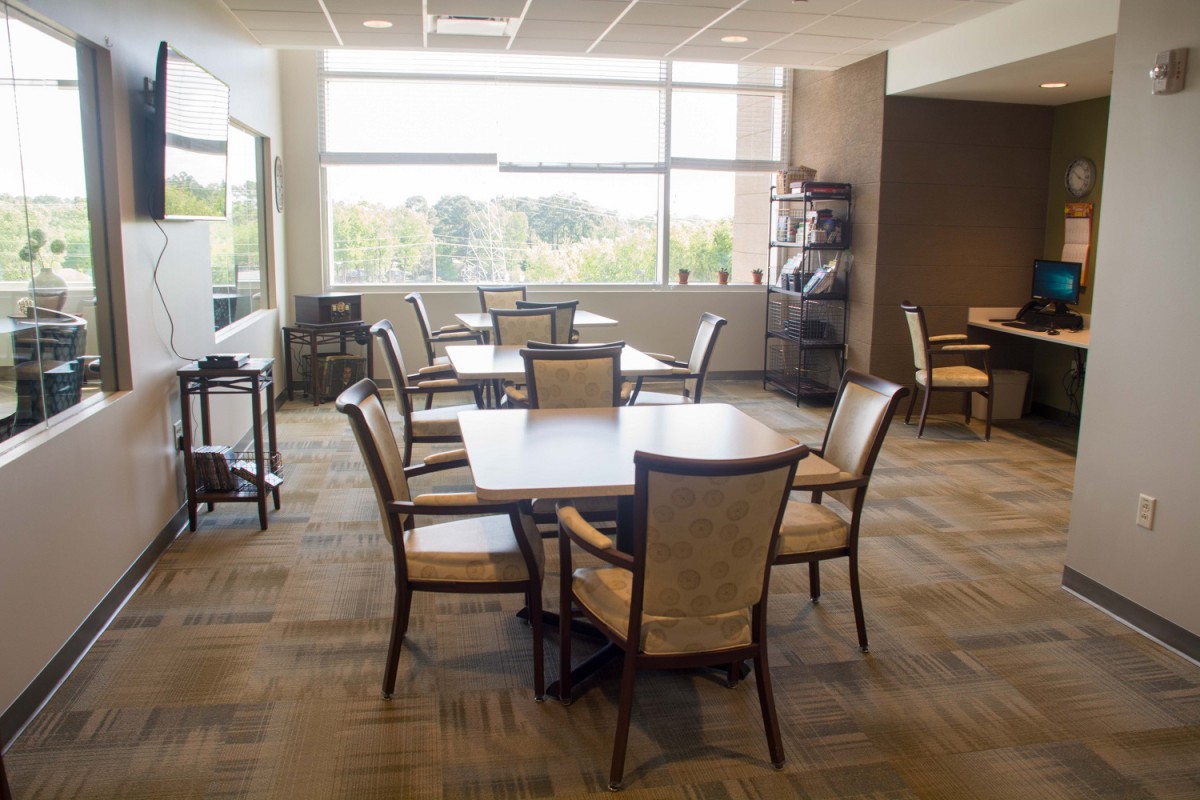
    A cozy dining area featuring neatly arranged tables and chairs with modern decor.
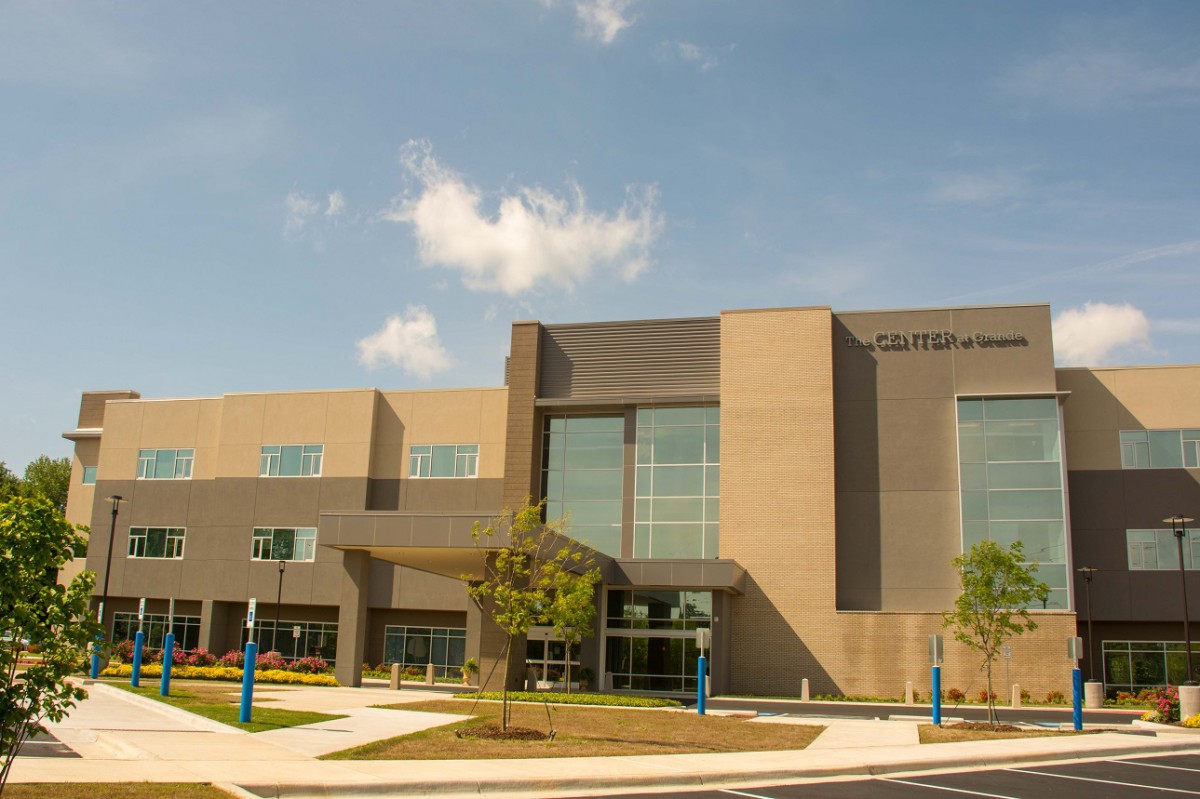
  • Building

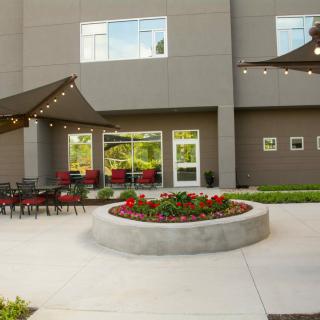
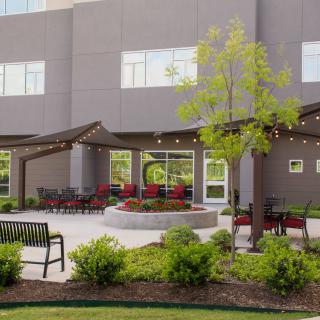
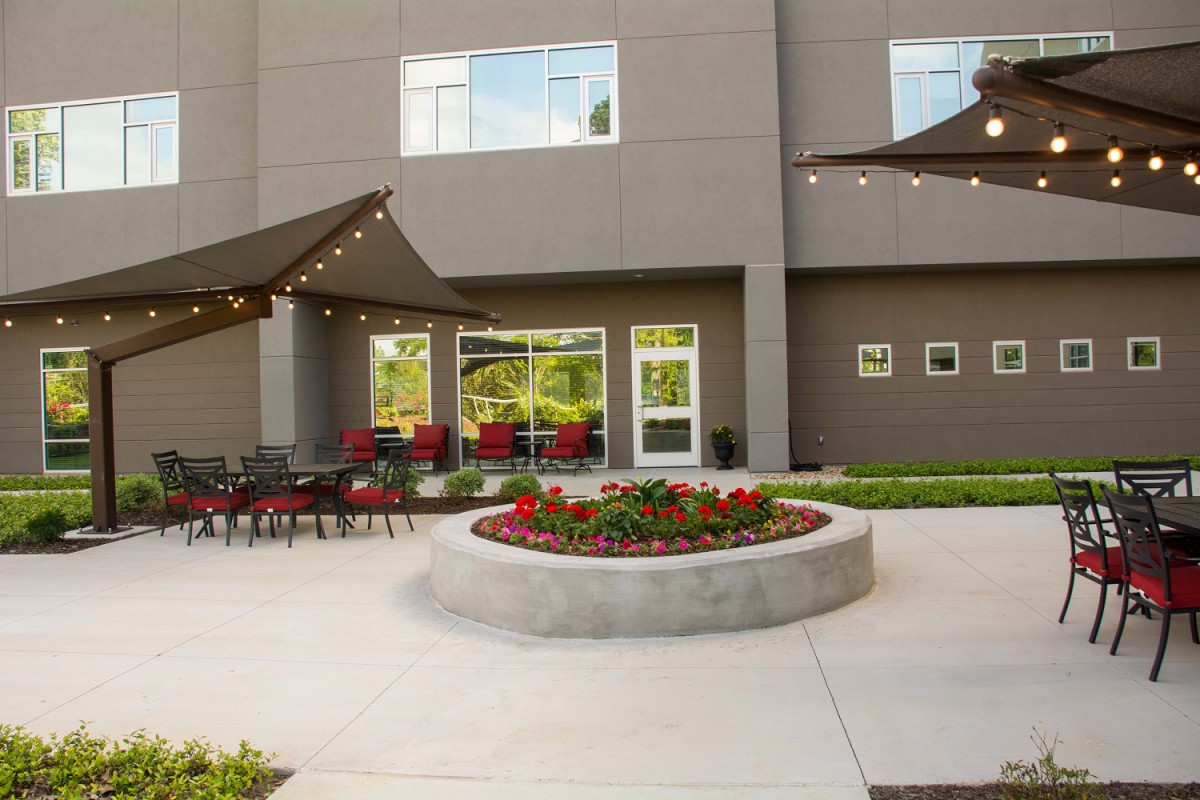
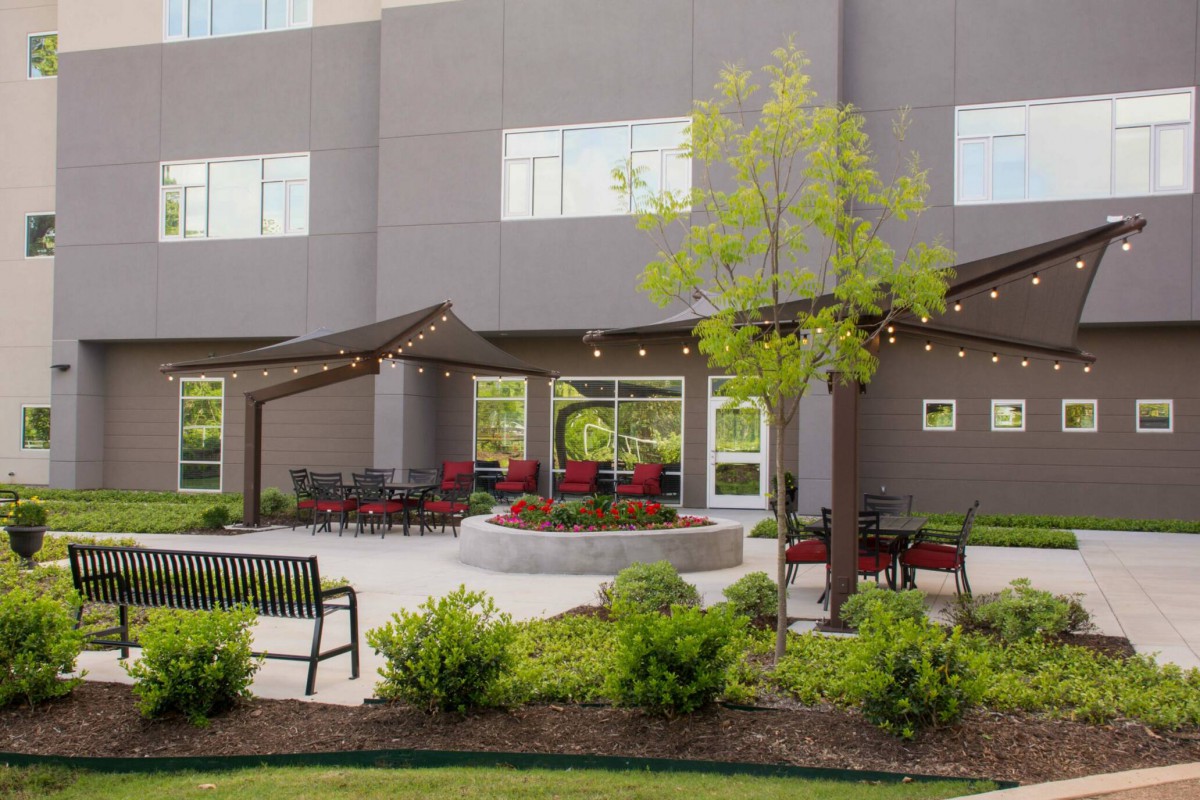
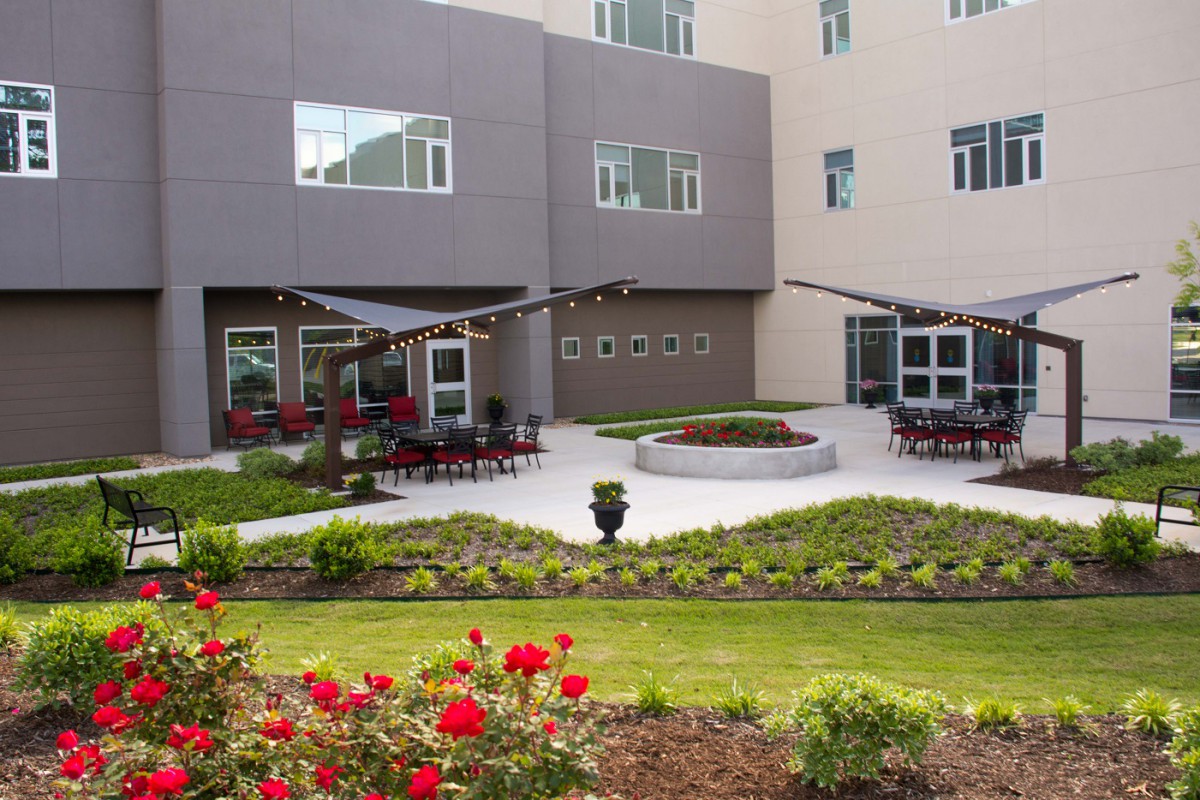
    A modern building with a landscaped courtyard featuring outdoor seating and vibrant flowers.
  • Architecture

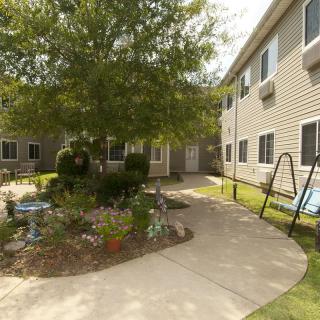
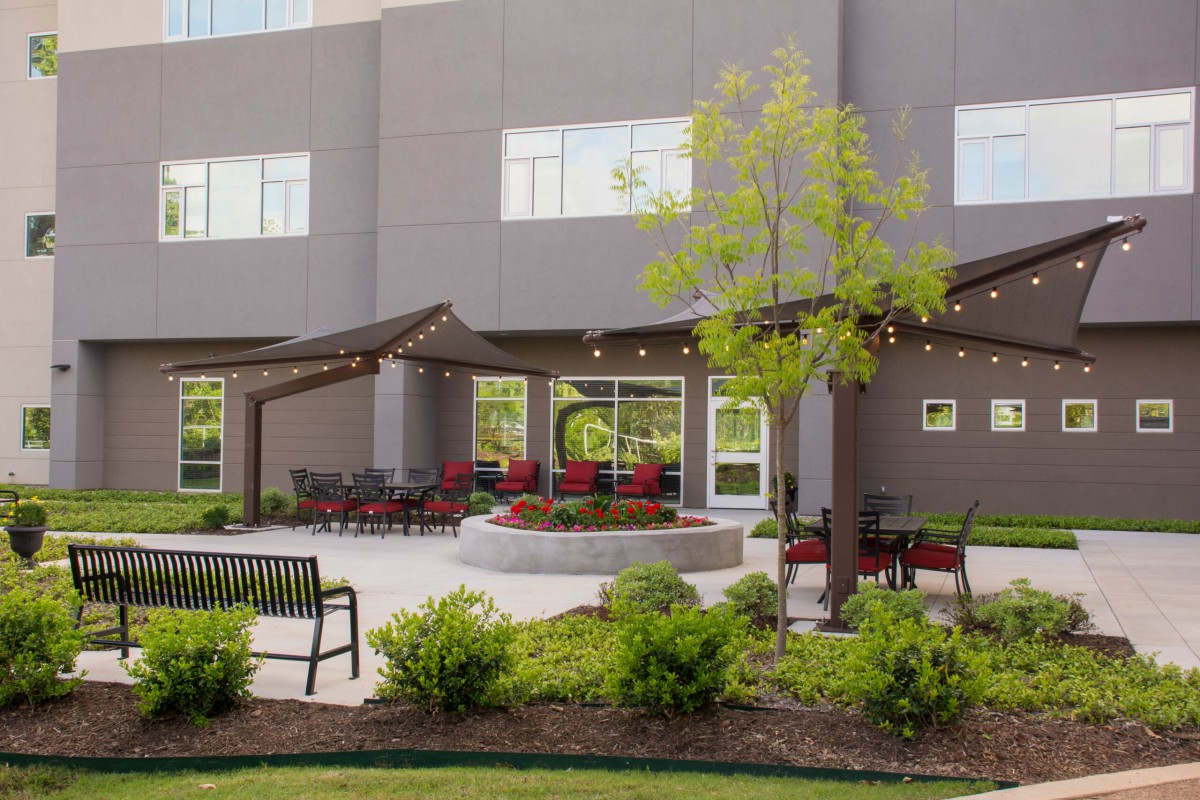
    A serene outdoor patio with seating areas under curved structures, surrounded by lush greenery and trees.
  • Bedroom

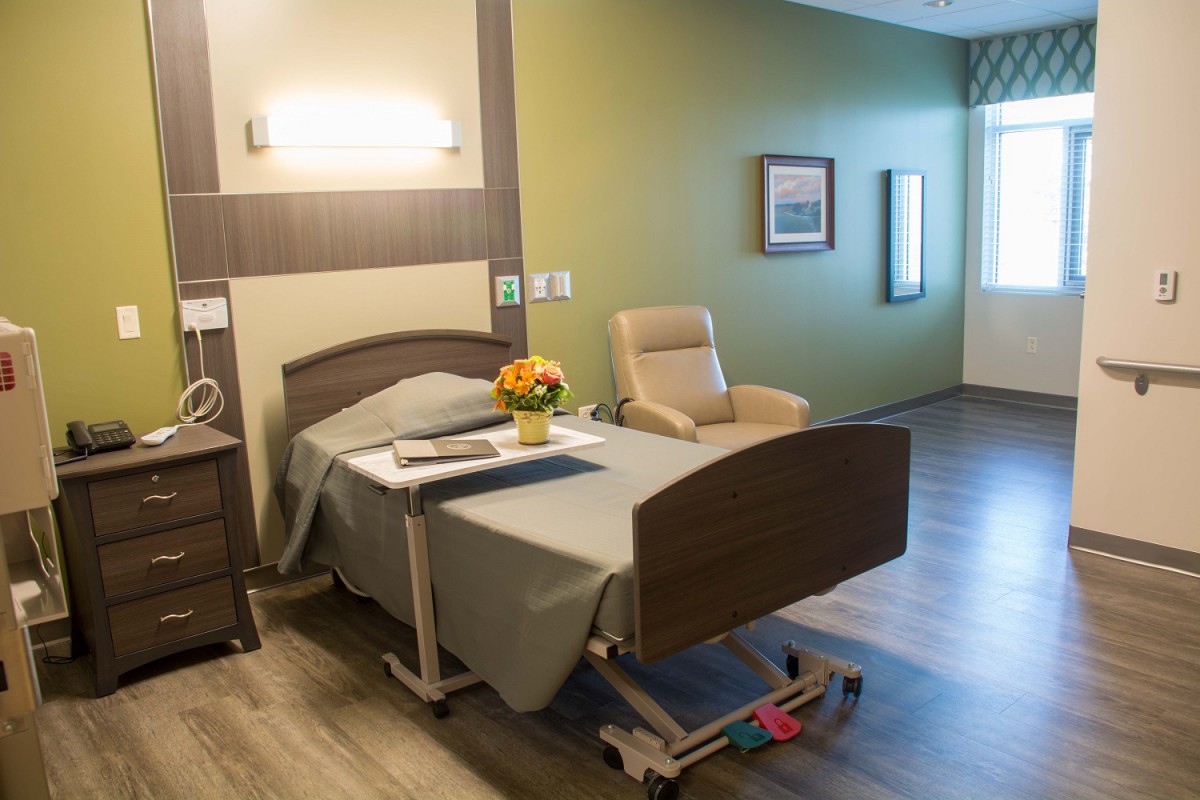
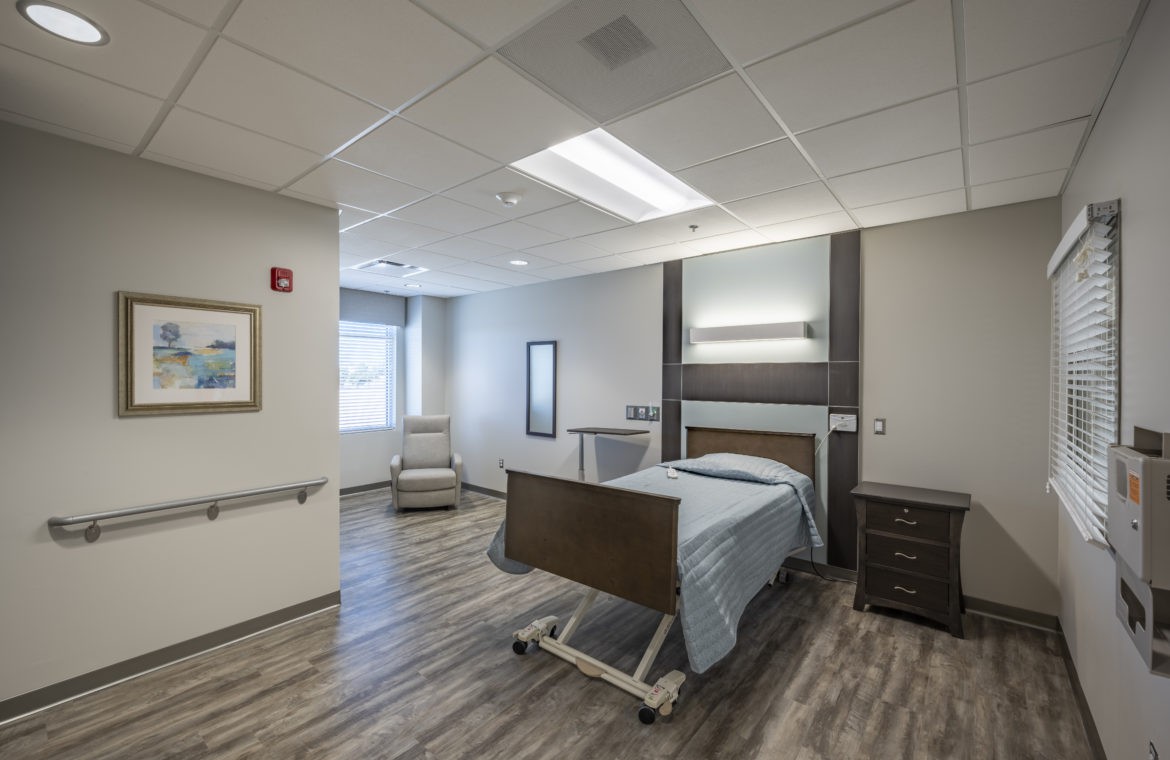
    A modern hospital room with a bed, comfortable chair, and decorative flowers.
  • Windows

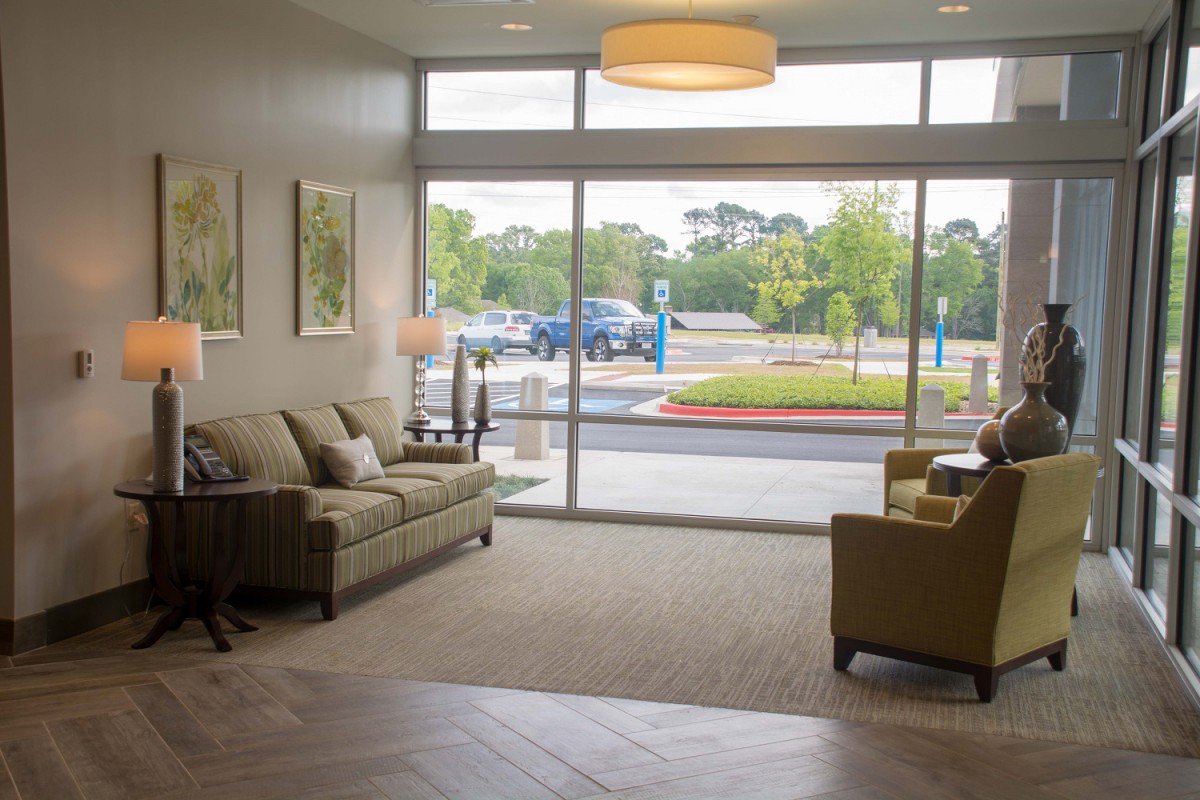
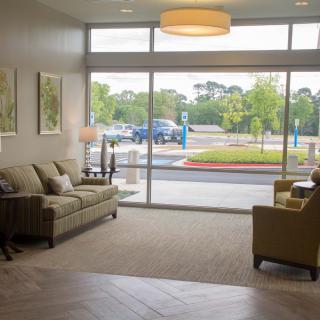
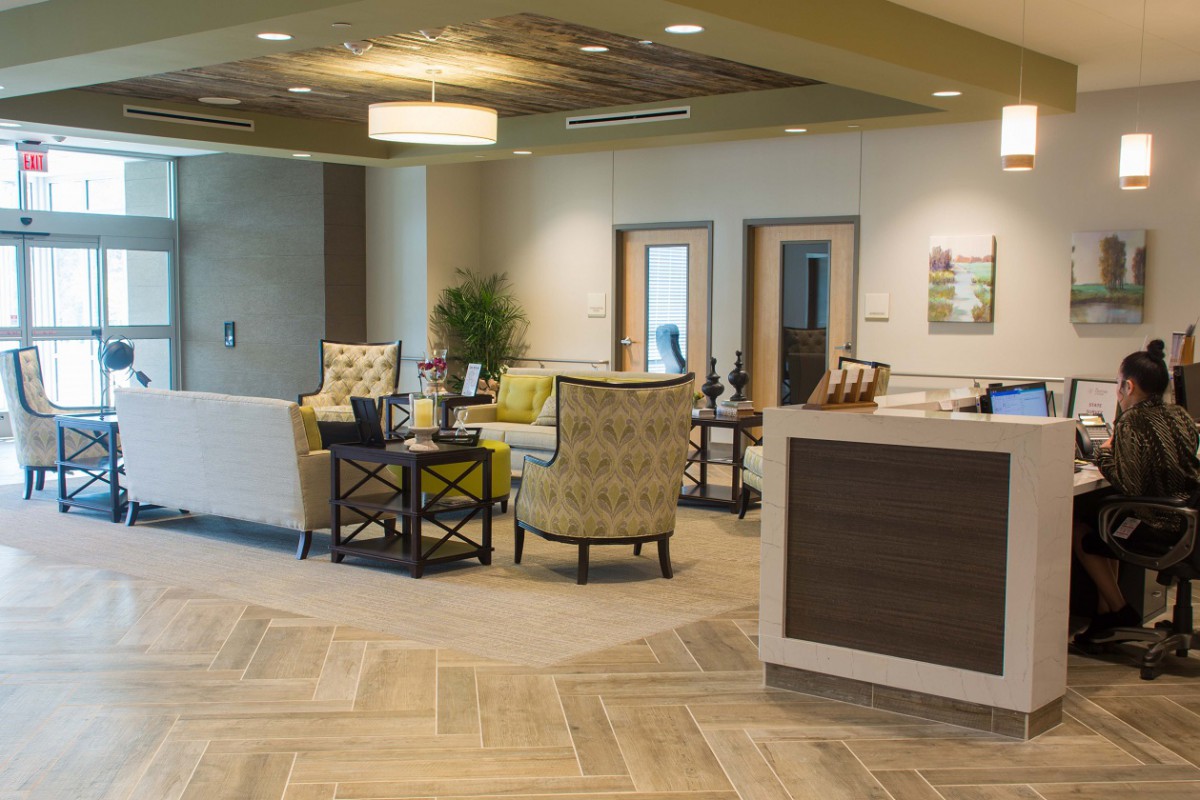
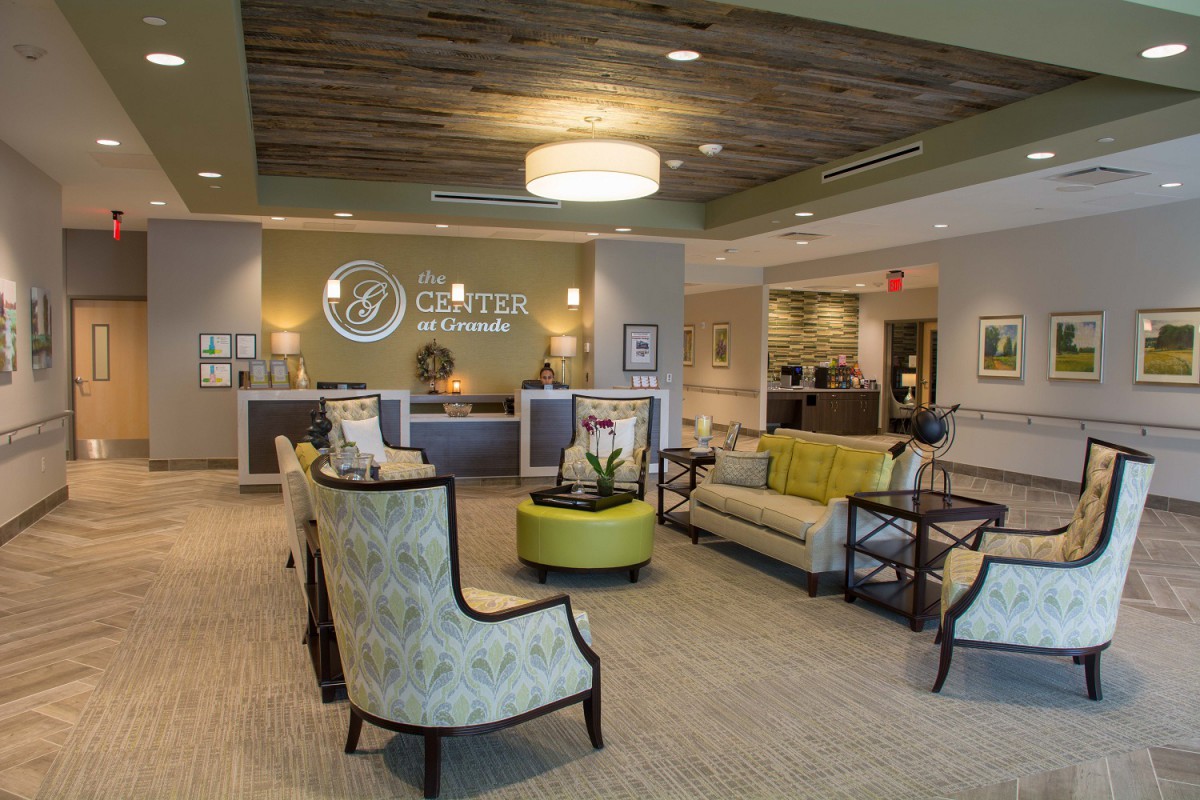
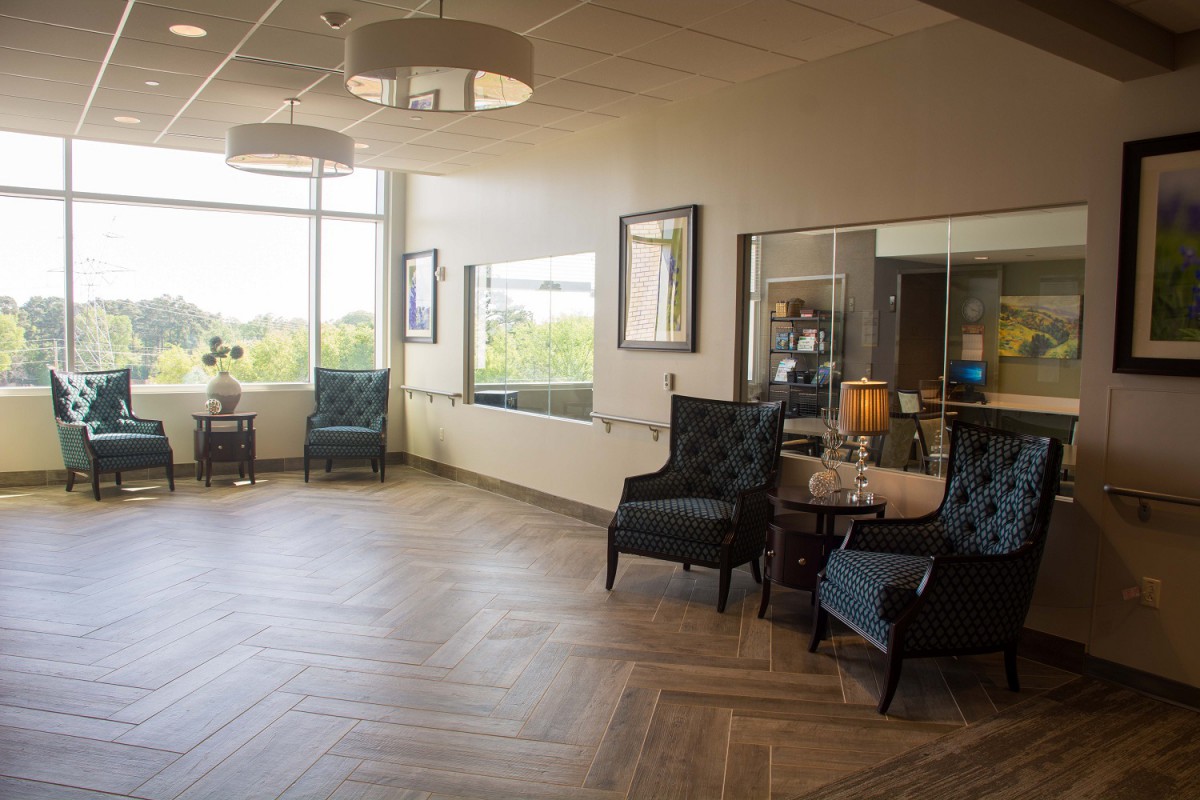
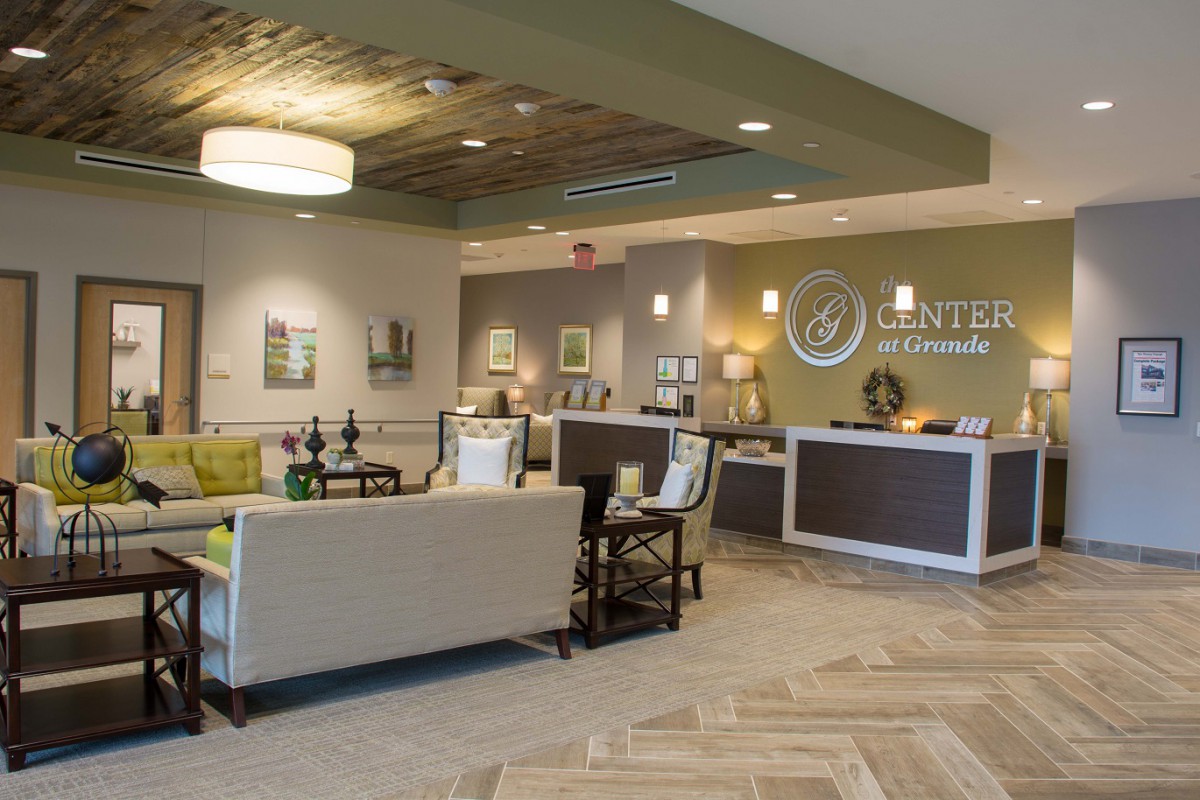
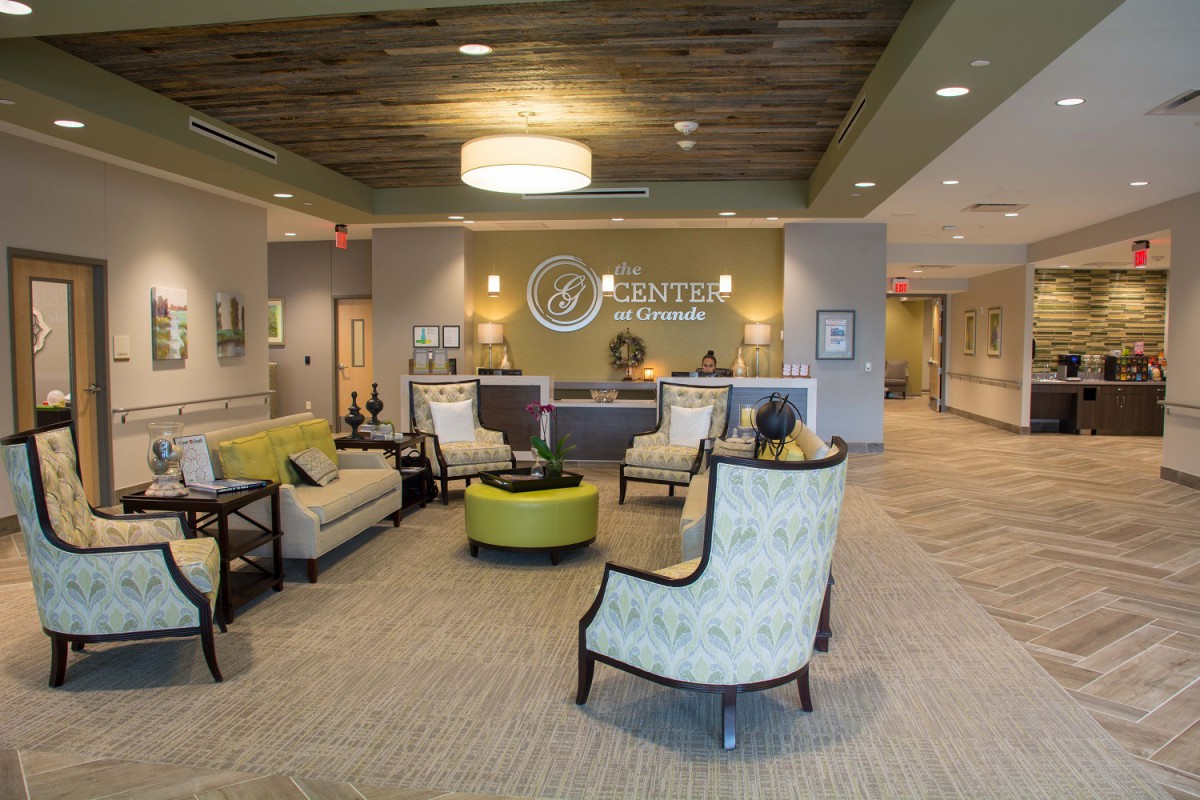
    A cozy lobby area featuring a sofa and chairs with ample natural light from large windows.
  • Dining

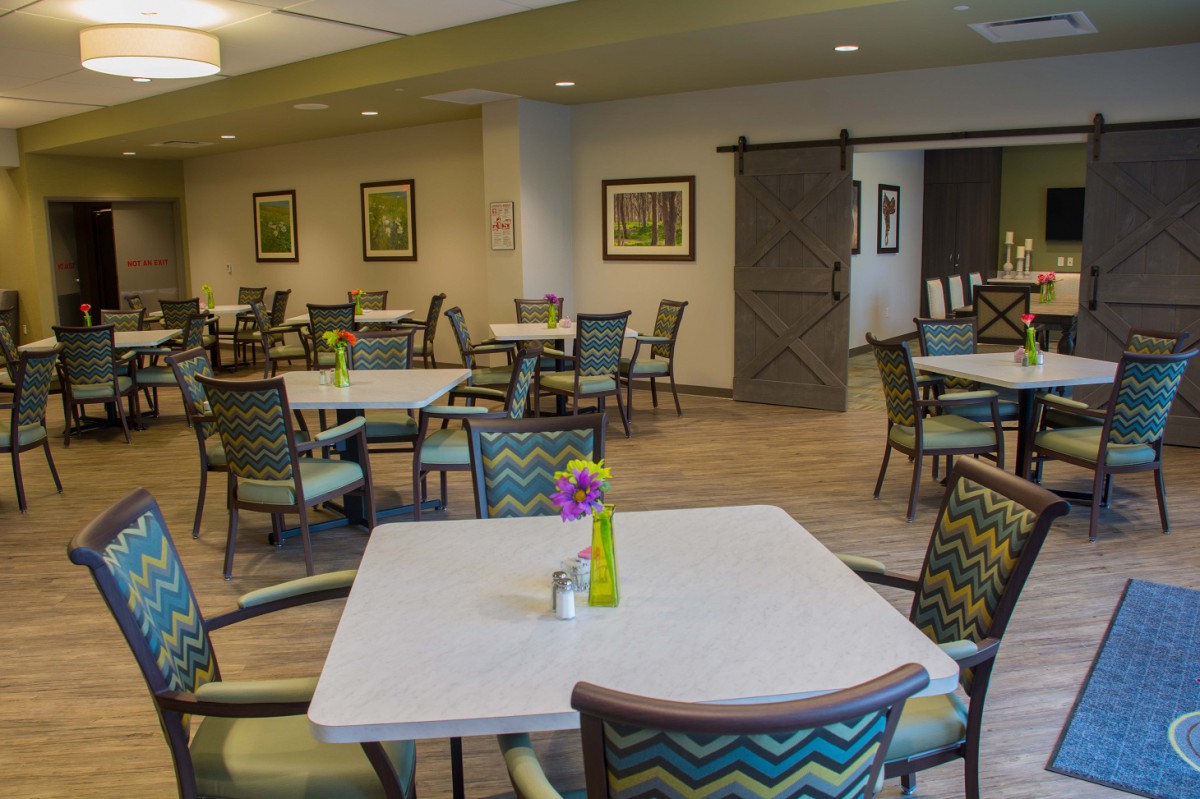
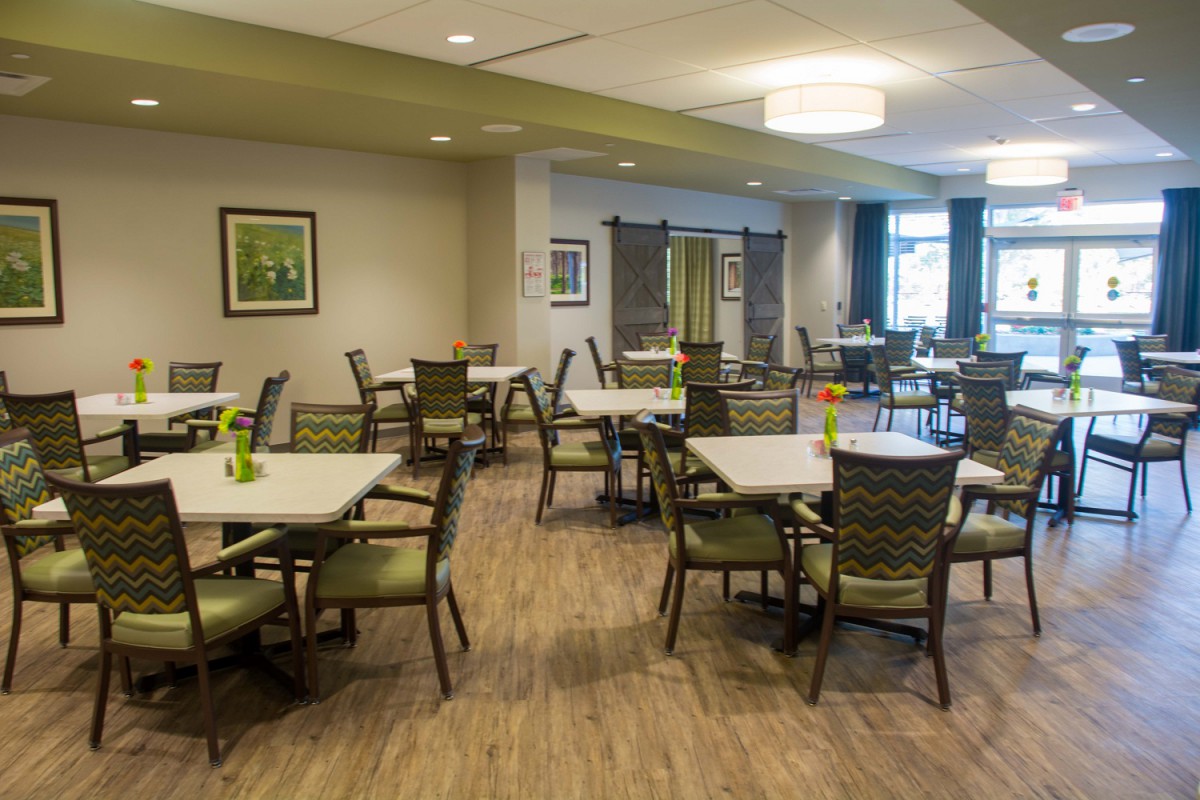
    A modern dining room with empty tables and chairs, featuring contemporary decor.
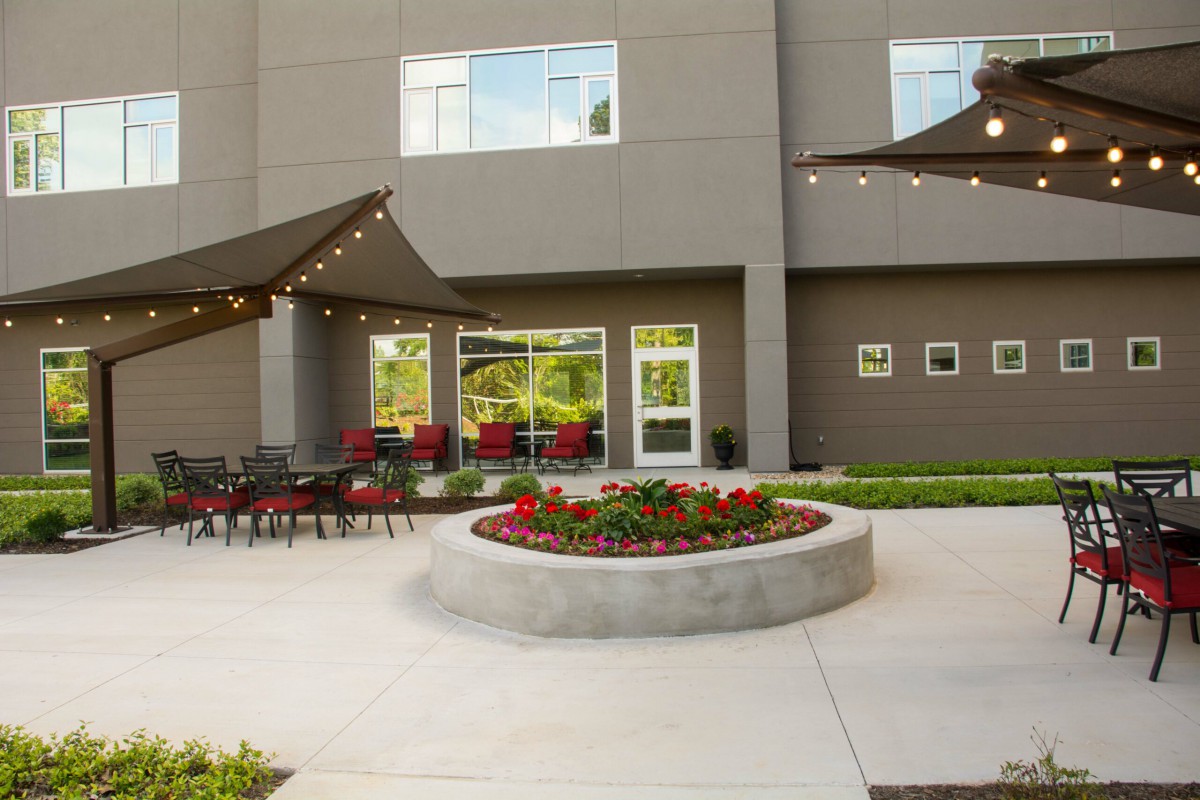
  • Landscaping

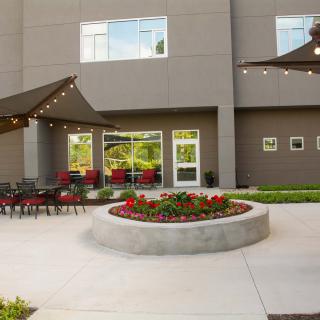
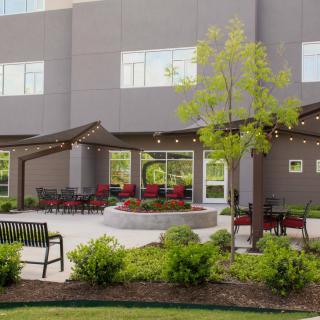
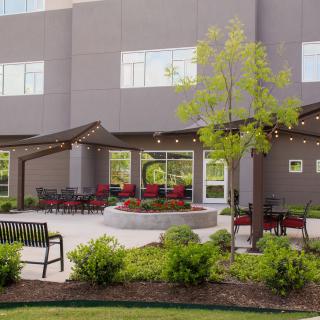
    Outdoor patio area with seating and string lights next to a building.
  • Lighting

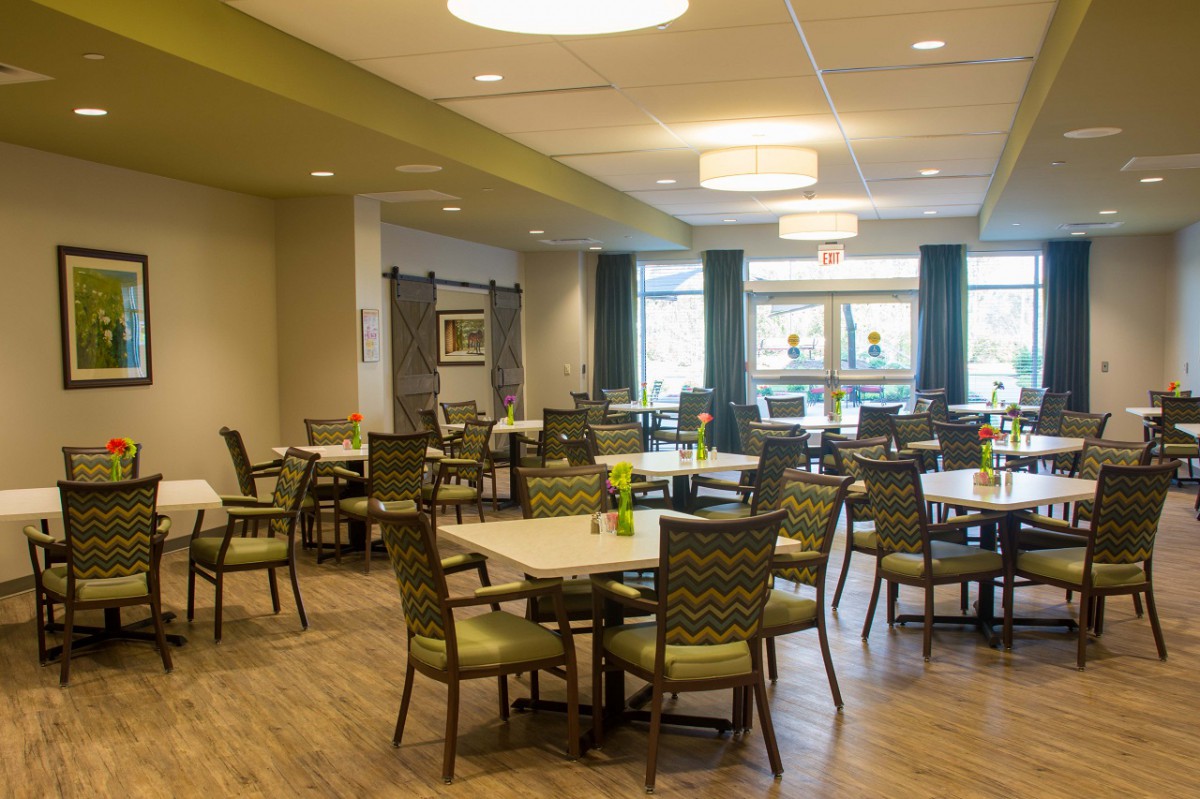
    A modern dining area with neatly arranged tables and chairs, featuring contemporary decor and ample lighting.
  • Garden

    A modern patio featuring comfortable seating, pergolas, and well-maintained landscaping outside a building.
  • Entrance

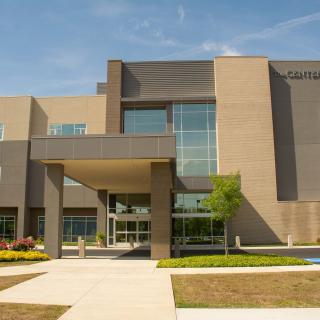
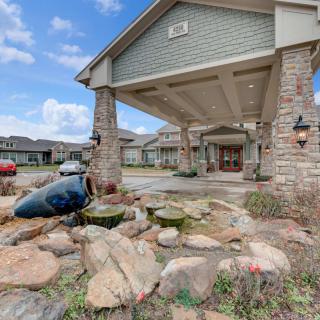
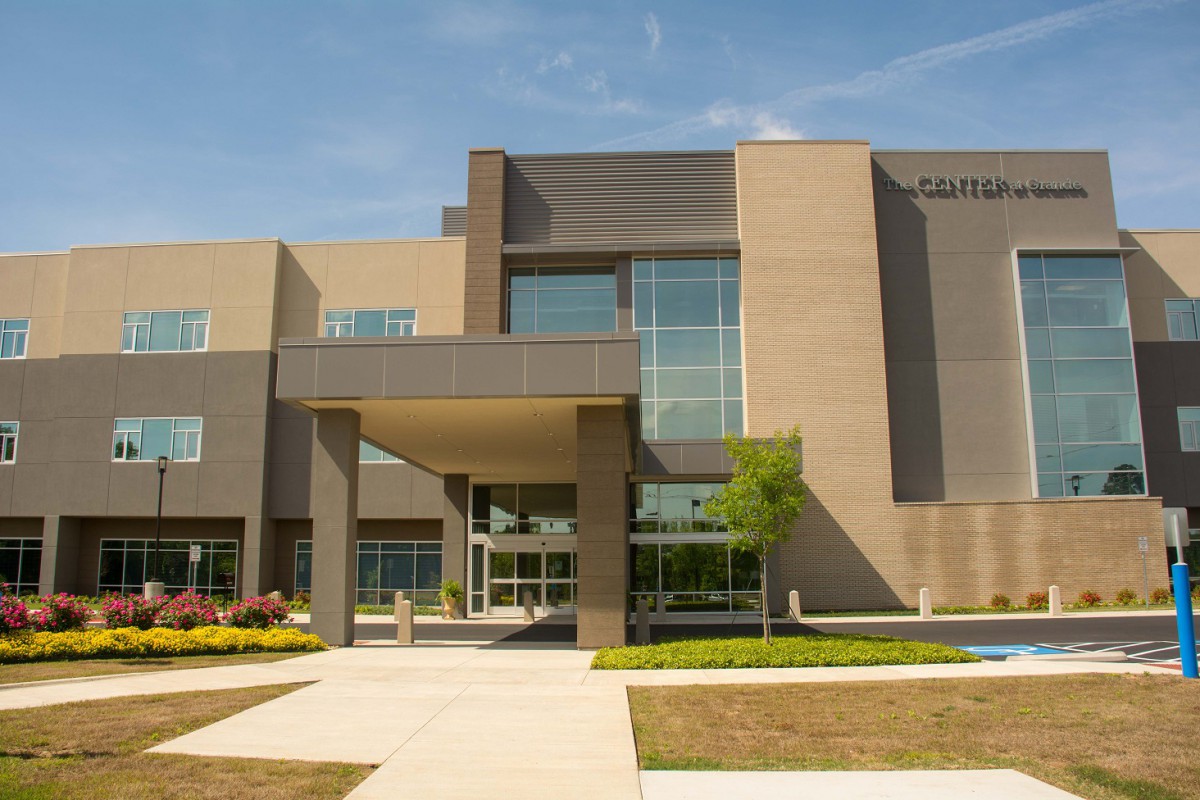
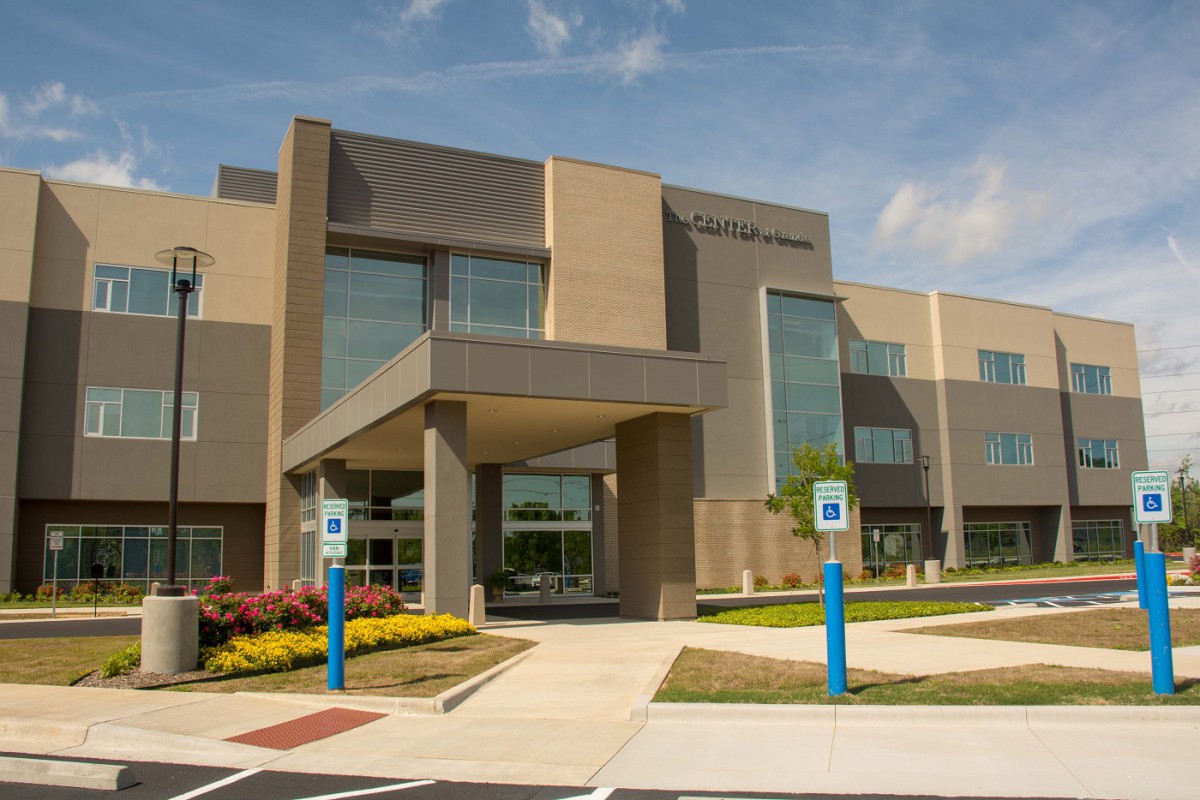
    A modern educational building with large windows and landscaped surroundings.
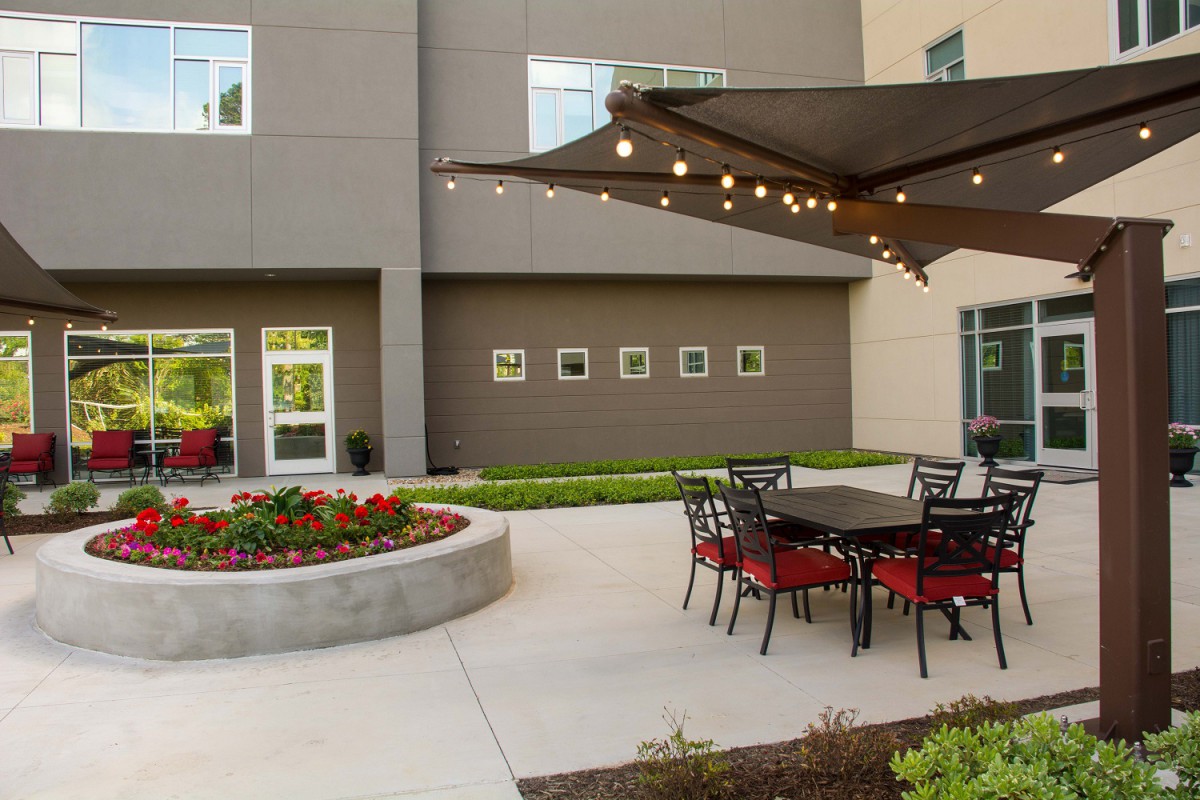
  • Seating Area

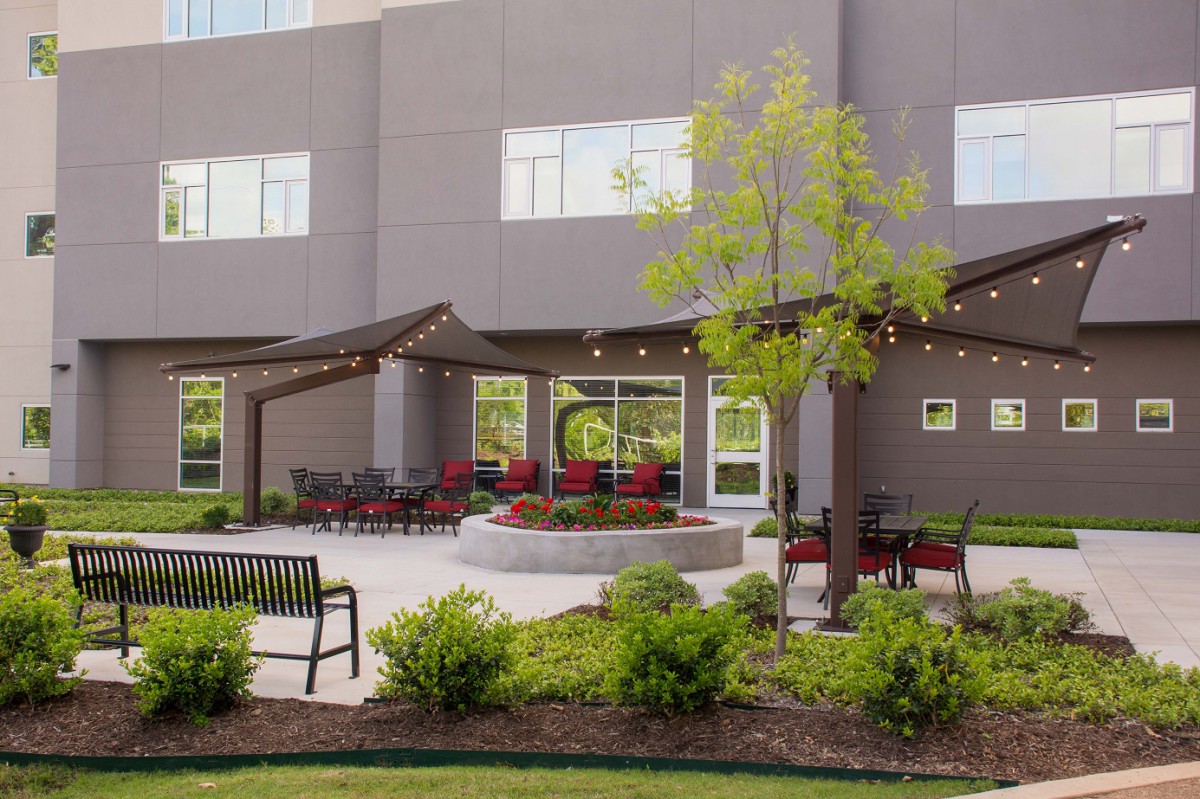
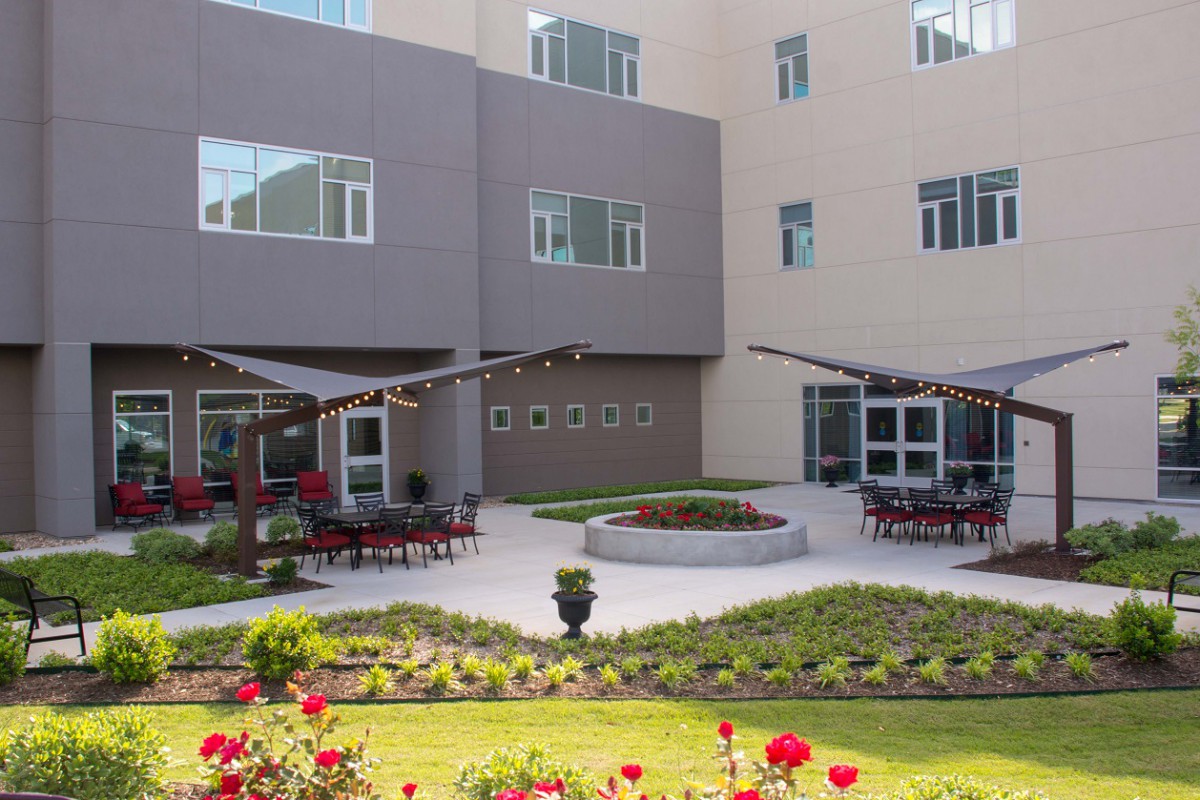
    A modern outdoor patio area with seating, landscaping, and string lights.
  • Outdoor

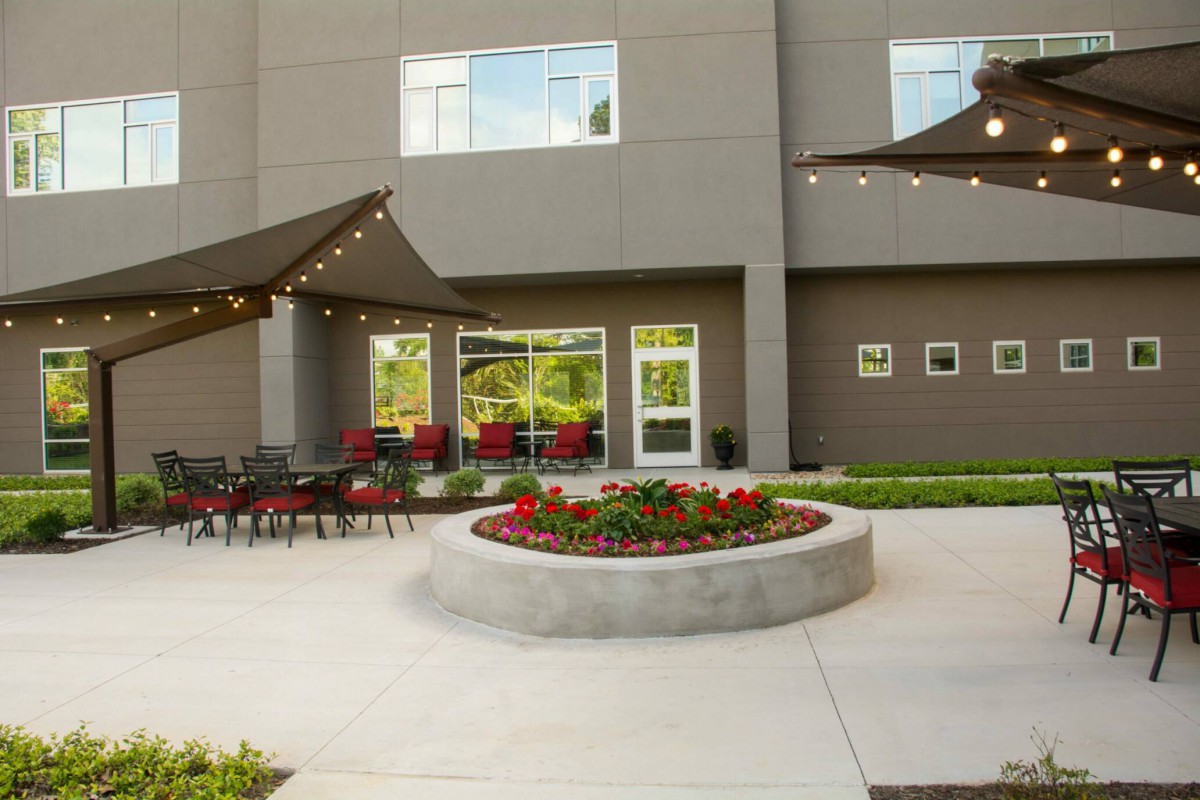
    A modern outdoor patio with seating and string lights next to a building.
  • Patio

    An inviting outdoor patio area with seating, string lights, and landscaping in front of a modern building.

The Center At Grande in Tyler, TX

Information last verified:

3219 East Grande Boulevard, Tyler, TX 75707

For more information about senior living options: (844) 490-3973

3.9 from 103 reviews
5 stars
68
4 stars
7
3 stars
0
2 stars
4
1 stars
24

Overall Review of The Center At Grande

Pros

  • pro The Center at Grande is described as having exceptional care and therapy, with staff going above and beyond to meet patients’ needs.
  • pro The physical therapy team is superb in knowledge and training.
  • pro The facility is beautiful, clean, and well maintained.
  • pro The nursing staff and CNAs are consistently caring, attentive, and professional.
  • pro Case managers, such as Mina Starks, are noted for understanding, compassion, and responsiveness.
  • pro The center offers seven-day-a-week rehab with private rooms and consistently good meals.
  • pro The atmosphere at Grande feels welcoming and like a home away from home, thanks to friendly staff.
  • pro Admissions and support teams (admissions, transportation, case management, meals, maintenance, housekeeping, activities) are praised for coordinated care and service.
  • pro Patients often regain independence through therapy, with many walking again after rehab.

Cons

  • pro The nursing staff is described as unacceptable, neglectful, and uninterested in patient care.
  • pro The facility is severely understaffed, with one tech for 10–14 patients, causing long call-bell delays.
  • pro Nurses and supervisors appear disengaged, often at the nurses’ station eating or on the phone instead of helping patients.
  • pro Families report repeated neglect in basic care, including insufficient toileting and shower assistance.
  • pro Medication management is unreliable, with meds missing, delayed, or inconsistently administered.
  • pro The food is frequently criticized as terrible, with wrong meals, small portions, and poor quality.
  • pro Some staff are described as cold, unprofessional, or outright rude, including yelling at patients.
  • pro The leadership is depicted by some reviewers as cold or militant and not truly caring for patients.
  • pro Multiple reviews explicitly warn not to send loved ones there due to neglect and safety concerns.
  • pro There are serious safety issues cited, such as soiled bedding, unaddressed bedsores, misinserted catheters, and dehydration leading to hospital transfers.

Review

The Center at Grande is best suited for families pursuing aggressive post-acute rehabilitation in a patient-centered, hotel-like setting, where private rooms, clean surroundings, and a robust therapy program are priorities. For someone recovering from knee or hip surgery, stroke, or complex wounds, the facility’s seven-days-a-week therapy model, combined with attentive case management and a focus on discharge readiness, creates a clear path back to independence. The strongest endorsements center on the rehab team, PT, OT, and wound care, paired with a well-kept environment, reliable transportation, and a patient-facing culture that makes families feel involved and informed. In short, Grande excels when the primary goal is intensive rehabilitation with a strong emphasis on moving patients home.

That said, a candid read of the community’s spectrum of reviews reveals important caveats. Families should consider alternatives if 24/7 nursing attentiveness and consistently timely medication administration are non-negotiable. Numerous accounts describe understaffing, slow response to call bells, and care gaps at night or on weekends. Several families report medication errors or delays, incomplete nap-time care, and episodes of neglect or lack of empathy from some staff. Instances of bedsores, dehydration, or inadequate daily hygiene surface in enough reviews to warrant caution. For residents with memory issues, high daily assistance needs, or medical fragility, Grande’s variability in nursing performance can translate into ongoing risk, despite its impressive therapy program.

The most persuasive argument for Grande rests on the substantial PROs that often offset the cons, when rehab is the priority. Therapists are repeatedly lauded as top-notch, with patients walking out the door after intensive programs and private accommodations that help with privacy and dignity. Case management and admissions staff are frequently praised for coordination, timely communication, and helpful guidance through the transition back home. Cleanliness and the quality of meal service also appear as durable strengths in a large share of reviews. For families seeking a facility that treats rehabilitation like a full-time job for staff and a home-like environment for residents, these elements create a compelling case to choose Grande, provided expectations align with the level of nursing reliability offered.

However, the downsides cannot be dismissed. Several reviews paint a troubling contrast, night and weekend care that feels reactive rather than proactive, call lights ignored for long stretches, and inconsistent medication administration. Some families report dramatic, even life-threatening lapses in care, including delayed diagnoses or inadequate monitoring, which underscore the risk of relying on a facility whose nursing footprint can appear thin during off-peak hours. The food landscape is uneven in perception as well, with some praising variety and quality while others describe portions or menu execution as disappointing. Laundry and some ancillary services crop up as logistical gaps in others’ experiences, reinforcing the message that Grande’s strengths are strongest when therapy and management coordination are in focus, not as a universal guarantee of daily nursing excellence.

For families evaluating Grande, a pragmatic decision framework is advisable. First, define the care axis most important: if rehab outcomes and a responsive case-management team are paramount, Grande’s strengths become a persuasive fit. Second, verify staffing reliability and communication channels before admission, request a tour that includes conversations with the DON and front-line nurses, and ask for recent census data on nurse-to-patient ratios. Third, probe the med- and pain-management process, especially for patients on complex regimens or requiring precise timing. Fourth, discuss dietary accommodations and meal service realism, since nutrition underpins recovery and mood, and ensure beready plans for special diets are documented and tested. Finally, clarify eligibility and payment flexibility, noting that Medicaid acceptance and payer specifics can influence long-term viability, particularly if private-pay options become a constraint.

The takeaway is unapologetically practical. The Center at Grande delivers remarkable rehabilitation potential in a setting that many families describe as warm, clean, and empowering. Its therapists and case managers frequently become pivotal advocates, guiding patients from bed to transfer chair to home with a sense of dignity and momentum. Yet the facility’s nursing consistency remains the lever that can tilt a stay from uplifting to distressing, depending on shifts, floor, and staffing fluctuations. For families who can actively monitor daily care, insist on strong night and weekend coverage, and demand predictable medication workflows, Grande can be transformative. For those whose loved one requires near-constant nursing vigilance, or who cannot afford gaps in attention, exploring other options with a more uniformly staffed model may be prudent. In any case, a disciplined due diligence process, live tours, direct conversations with care teams, and explicit confirmation of care plans, will determine whether Grande fulfills its promise for a given senior’s recovery journey.

Features

Housing

  • 96 resident community capacity 96 resident community capacity

Types of Care

  • Memory Care Memory CareMemory care is crucial for seniors as it provides specialized support and services for individuals with dementia or Alzheimer's disease. These programs offer a safe and secure environment where residents receive personalized care, cognitive stimulation, and help with daily activities. Memory care helps seniors maintain their independence, quality of life, and dignity while also providing peace of mind for their families.
  • Skilled Nursing Facility Skilled Nursing FacilitySkilled Nursing Facilities are crucial for seniors as they provide round-the-clock medical care, rehabilitation services, and assistance with daily activities. These facilities ensure that seniors receive the specialized care they need to maintain their health and well-being as they age.

Amenities

  • Air-conditioning Air-conditioningAir conditioning is important for seniors as they are more vulnerable to heat-related illnesses and may have underlying health conditions that make it difficult for them to regulate their body temperature. It helps to keep them comfortable, safe, and healthy in hot weather.
  • Beauty salon Beauty salonBeauty salons are important for seniors because they provide a space for them to feel pampered, socialize, and maintain their personal grooming and hygiene. Regular visits to a beauty salon can help boost seniors' self-esteem and overall well-being.
  • Cable or satellite TV Cable or satellite TVCable or satellite TV is important for seniors because it provides entertainment, news, and companionship, helping to combat loneliness and boredom. It also offers a wide range of programming options tailored to different interests and preferences.
  • Computer center Computer centerA computer center is essential for seniors as it provides access to technology, communication tools, and resources that can enhance their daily lives. It allows them to stay connected with loved ones, engage in online activities, and learn new skills, ultimately promoting socialization and mental stimulation.
  • Dining room Dining roomDining rooms are important for seniors as they provide a space for socialization, connection, and nutritious meals. They offer opportunities for residents to bond over shared meals, foster a sense of community, and promote healthy eating habits. Dining rooms also ensure that seniors have access to well-balanced meals tailored to their dietary needs and preferences.
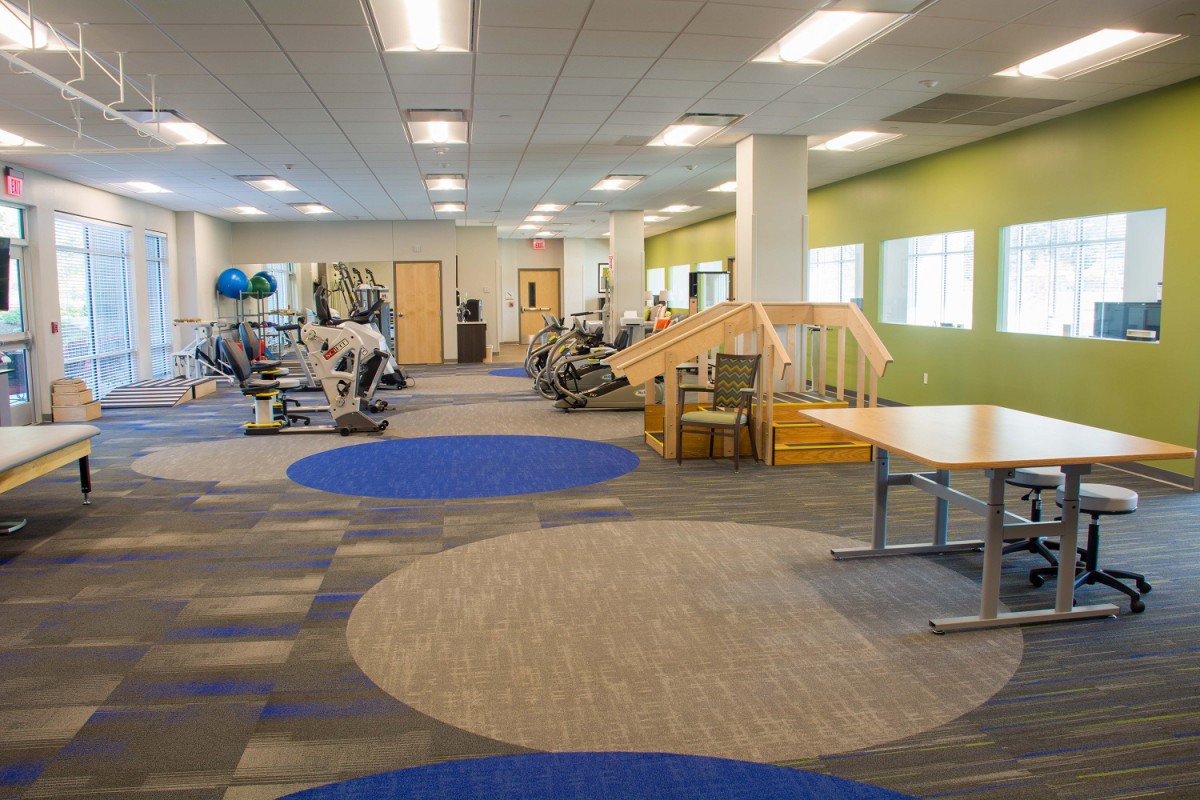
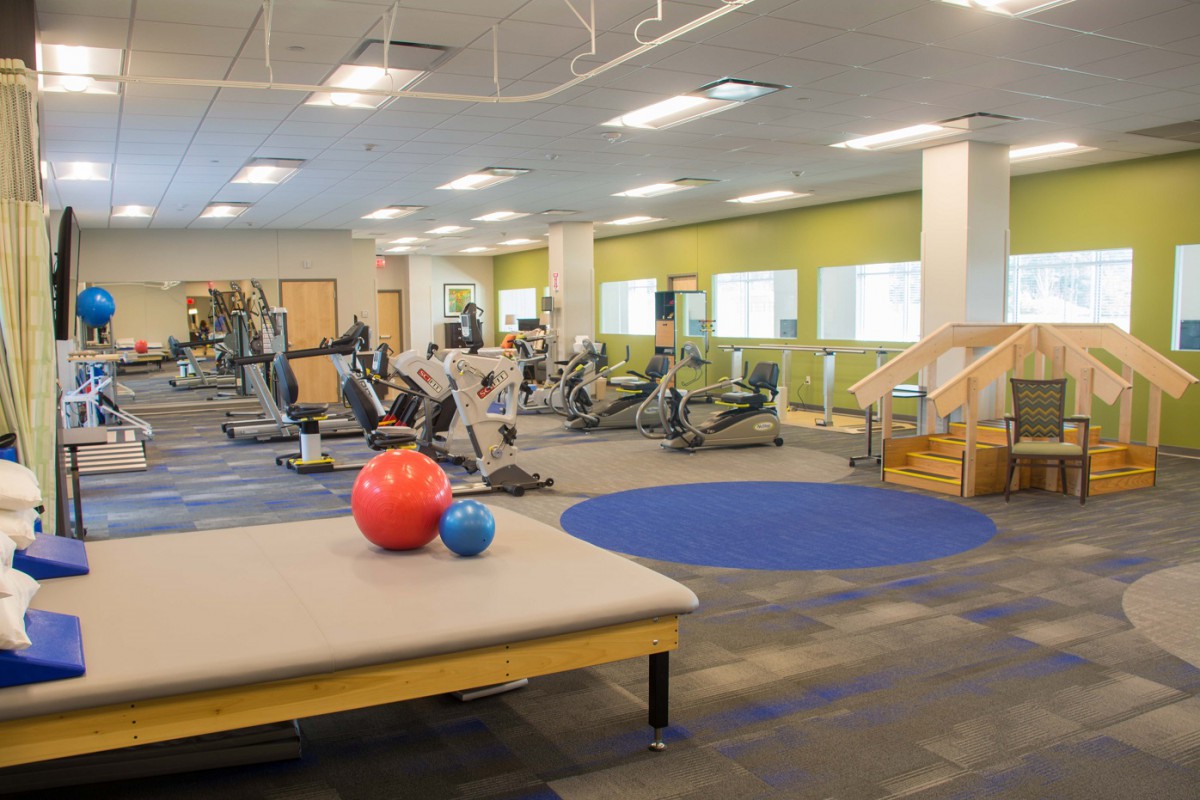
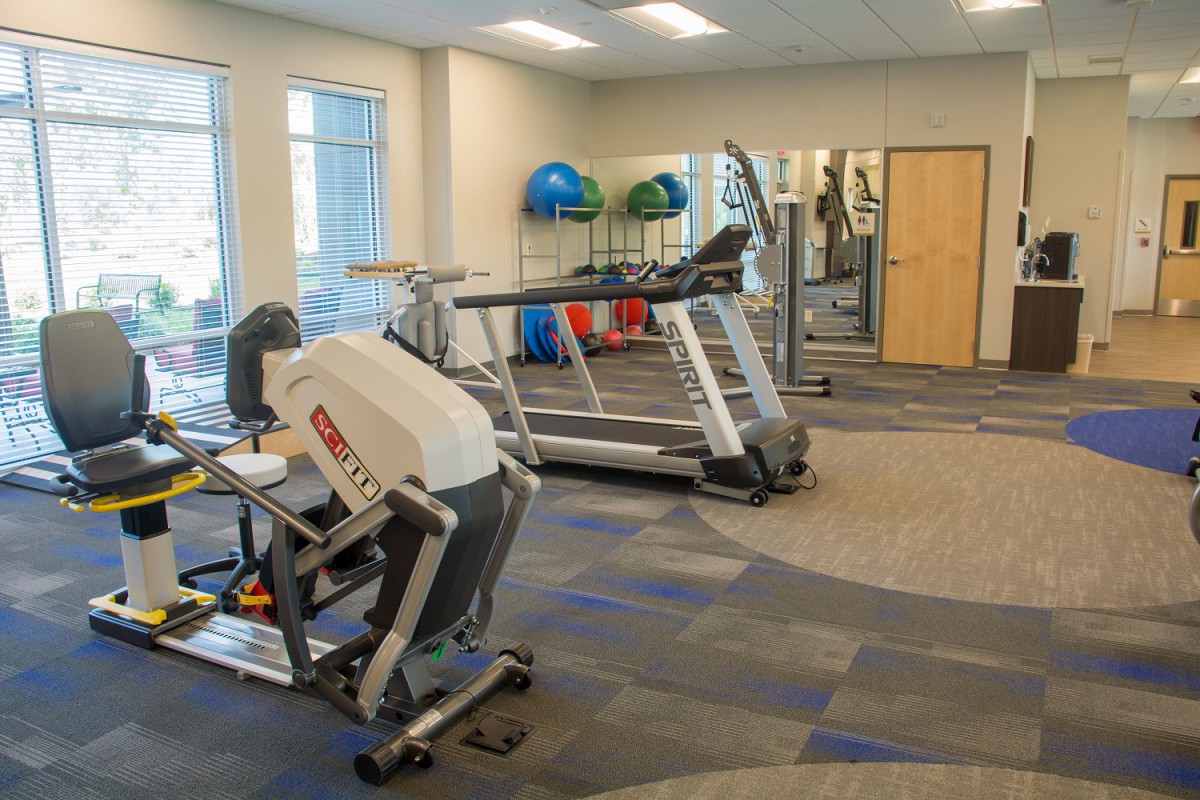
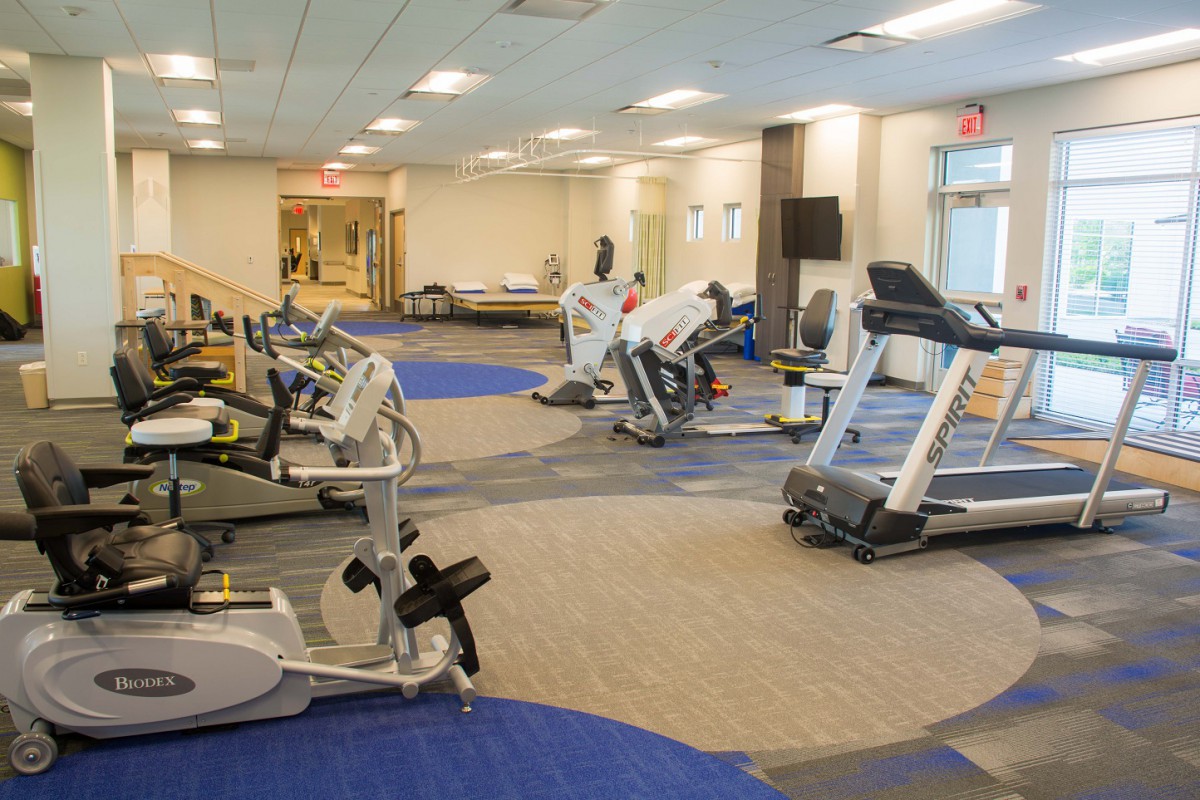
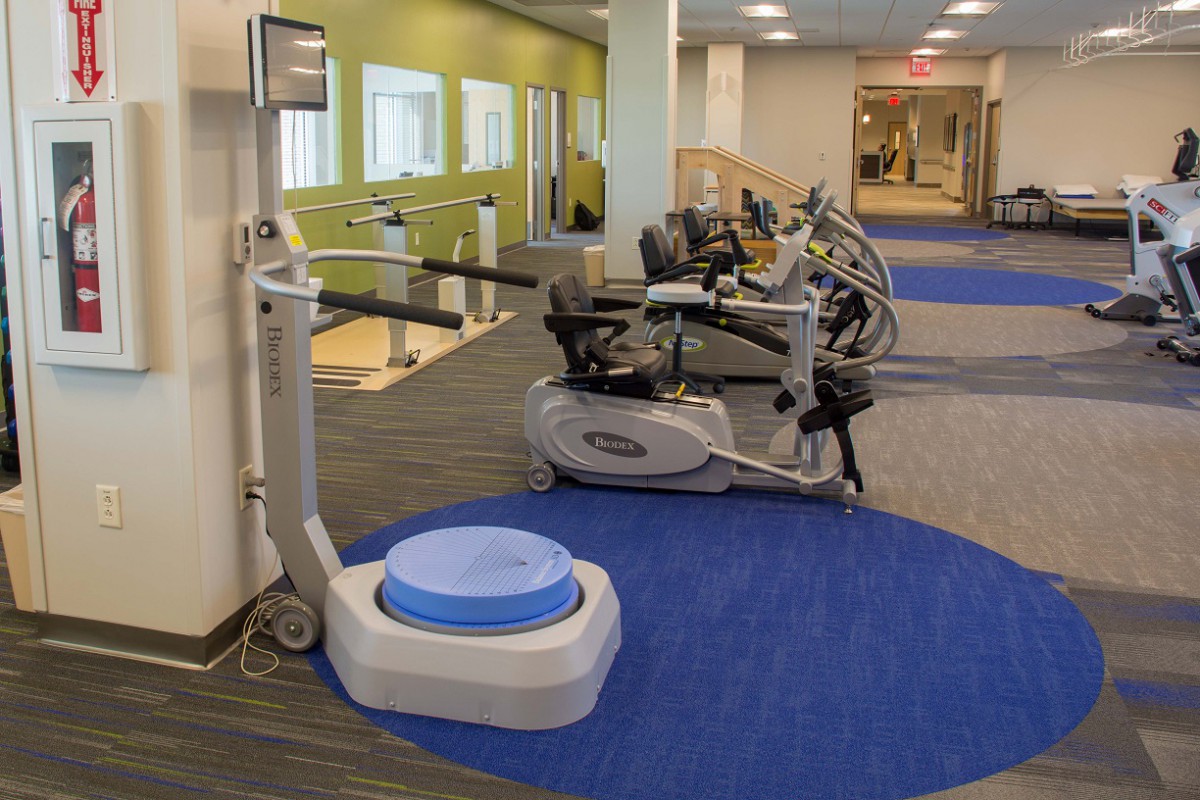
  • Fitness room Fitness roomHaving a fitness room in a senior living community is essential for seniors to stay active, maintain their physical health, and improve their overall well-being. Regular exercise can help prevent falls, reduce the risk of chronic diseases, and promote mental sharpness. It also provides social opportunities for residents to connect with others and enjoy a sense of community.
  • Fully furnished Fully furnishedFully furnished senior living communities are important for seniors because they provide convenience, comfort, and a hassle-free moving experience. Seniors can easily settle into their new living space without the stress of having to buy and move furniture. This allows them to focus on enjoying their new home and community.
  • Gaming room Gaming roomGaming rooms are important for seniors as they provide a fun and engaging environment for socializing, cognitive stimulation, and physical activity. Games can improve memory, problem-solving skills, and overall mental well-being while fostering friendships and reducing feelings of isolation.
  • Garden GardenGardens are important for seniors as they provide a peaceful and therapeutic environment for relaxation, physical activity, and socialization. Being in nature has been shown to reduce stress, improve mood, and promote overall well-being. Gardens also offer opportunities for seniors to engage in gardening activities, which can improve mobility, flexibility, and cognitive function. Additionally, gardens create a sense of community and connection with others who share a passion for plants and outdoor spaces.
  • Housekeeping services Housekeeping servicesHousekeeping services are important for seniors because they help maintain a clean and safe living environment, promote independence, and reduce the risk of accidents or illnesses. Additionally, having assistance with household chores can alleviate physical strain and allow seniors to focus on other aspects of their well-being.
  • Kitchenette KitchenetteKitchenettes are important for seniors living in senior living communities because they provide the convenience and independence of being able to prepare simple meals and snacks in the comfort of their own living space. This can help promote a sense of autonomy and well-being for seniors, allowing them to maintain some level of control over their dietary choices and daily routines.
  • Move-in coordination Move-in coordinationMove-in coordination is important for seniors because it helps ease the transition into their new living environment. It ensures that all logistics, such as packing, organizing movers, and setting up utilities are taken care of, allowing seniors to focus on settling in and adjusting to their new home. Having a smooth move-in process can alleviate stress and anxiety, making the transition smoother and more enjoyable for seniors.
  • Outdoor space Outdoor spaceOutdoor spaces are important for seniors as they provide opportunities for physical activity, social interaction, exposure to natural light and fresh air, and a sense of connection to nature. Having access to outdoor spaces can improve overall well-being and quality of life for older adults living in senior communities.
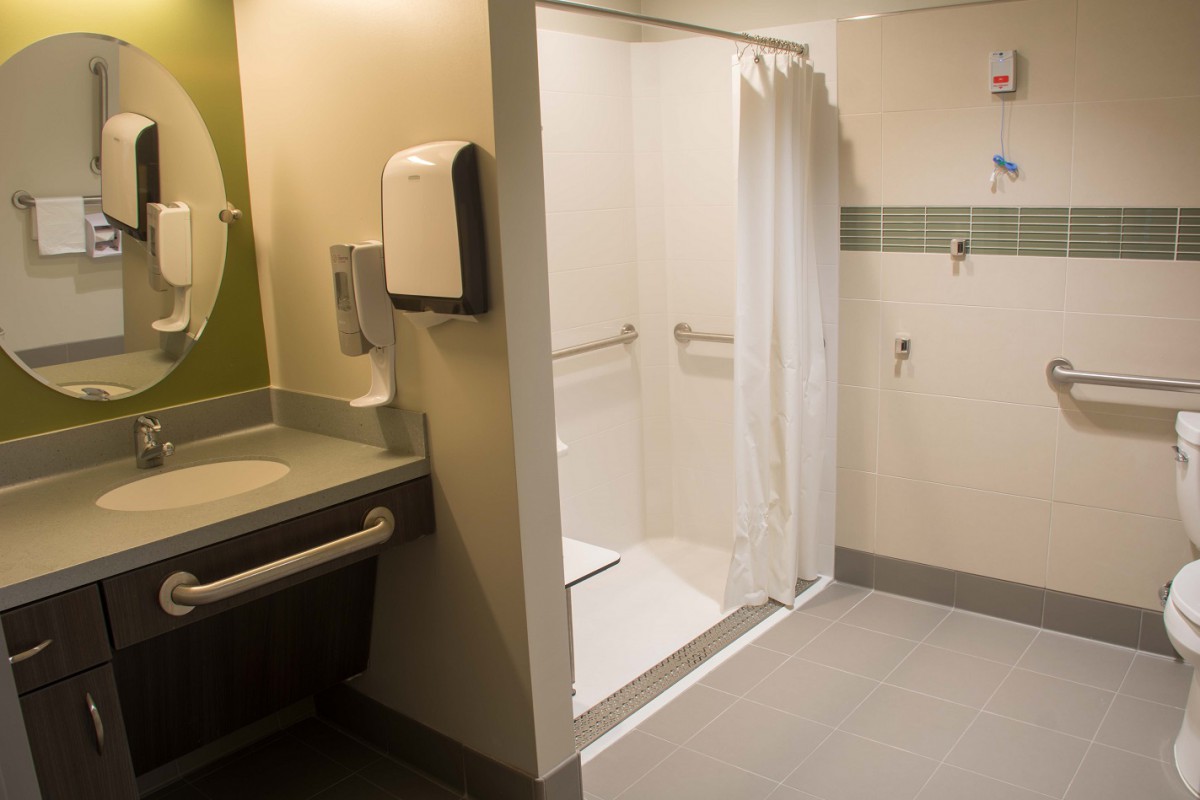
  • Private bathrooms Private bathroomsPrivate bathrooms are important for seniors in senior living communities because they provide independence, dignity, and comfort. Having a private bathroom allows seniors to maintain their personal hygiene routines without the need for assistance, promoting a sense of autonomy and privacy. Additionally, private bathrooms help prevent the spread of infections and provide a safe and clean environment for seniors to navigate safely.
  • Restaurant-style dining Restaurant-style diningRestaurant-style dining is important for seniors because it allows them to enjoy delicious, nutritious meals in a social and upscale setting. This enhances their dining experience, promotes healthy eating habits, and fosters socialization with fellow residents, ultimately contributing to their overall well-being and quality of life.
  • Small library Small librarySmall libraries are important for seniors as they provide access to a variety of reading materials, including books, newspapers, and magazines. This can help stimulate their minds, keep them engaged, and provide a sense of community through book clubs and other social activities. Additionally, reading has been shown to improve cognitive function and overall mental well-being in older adults.
  • Telephone TelephoneTelephones are important for seniors as they provide a lifeline for communication with loved ones, emergency services, and healthcare providers. They offer a sense of security and independence, enabling seniors to stay connected and access assistance when needed.
  • Wellness center Wellness centerWellness centers are important for seniors because they offer a variety of programs and services that promote physical, mental, and emotional well-being. These centers provide opportunities for exercise, socialization, education, and relaxation, helping seniors maintain their overall health and quality of life.
  • Wi-Fi/high-speed internet available Wi-Fi/high-speed internet availableWi-Fi/high-speed internet is important for seniors to stay connected with loved ones, access online resources, and participate in virtual activities to combat feelings of loneliness and isolation. It also allows them to easily manage healthcare needs, access entertainment, and engage in lifelong learning opportunities.

Transportation

  • Tyler Pounds (10 miles away) Tyler Pounds (10 miles away)
  • Community operated transportation Community operated transportationCommunity operated transportation is crucial for seniors as it provides them with the means to access essential services, social activities, and medical appointments. It allows seniors to maintain their independence and quality of life by ensuring they can participate in activities outside of their homes. Additionally, community-operated transportation services offer a safe and reliable way for seniors to travel without having to rely on family or friends for assistance.
  • Transportation arrangement Transportation arrangementTransportation arrangements are crucial for seniors as they may face challenges with driving, mobility, or access to public transportation. Having reliable transportation services ensures that seniors can easily attend appointments, social activities, and maintain their independence and quality of life.
  • Transportation arrangement (non-medical) Transportation arrangement (non-medical)Transportation arrangements are essential for seniors as they provide access to essential services, activities, and social interactions outside the home. This service helps maintain independence, mobility, and overall well-being for seniors who may have limited transportation options.
  • Transportation to doctors appointments Transportation to doctors appointmentsTransportation to doctors appointments is crucial for seniors as it ensures they have access to necessary medical care and support, promoting their health and well-being. It allows them to receive timely treatment, monitor existing conditions, and address any new health concerns efficiently. Additionally, transportation services can help seniors maintain their independence and quality of life by enabling them to stay connected with their healthcare providers.

Care Services

  • 12-16 hour nursing 12-16 hour nursing12-16 hour nursing care is crucial for seniors in order to ensure around-the-clock monitoring, timely medication administration, and prompt response to any health concerns or emergencies. This level of care helps to promote the overall well-being and safety of seniors living in senior living communities.
  • 24-hour call system 24-hour call system24-hour call systems are important for seniors because they provide peace of mind and immediate assistance in case of emergencies. This technology ensures that help is always available, promoting safety and security for elderly individuals living alone or in assisted living facilities.
  • 24-hour supervision 24-hour supervision24-hour supervision is important for seniors to ensure their safety, well-being, and access to immediate assistance in case of emergencies or health issues. This constant support provides peace of mind for both seniors and their loved ones, allowing them to age in place with dignity and security.
  • Activities of daily living assistance Activities of daily living assistanceActivities of daily living assistance are important for seniors because they provide essential support with tasks such as eating, bathing, dressing, and mobility. This assistance helps seniors maintain their independence, dignity, and overall quality of life as they age.
  • Assistance with bathing Assistance with bathingAssistance with bathing is crucial for seniors as it helps maintain personal hygiene, prevents infections, and ensures their overall well-being and comfort. It also provides a sense of dignity and independence for seniors who may struggle with this task on their own.
  • Assistance with dressing Assistance with dressingAssistance with dressing is important for seniors because it helps maintain their independence, promotes personal hygiene, prevents accidents and injuries, and improves overall quality of life. This service ensures that seniors can continue to dress comfortably and confidently, despite any physical limitations they may have.
  • Assistance with transfers Assistance with transfersAssistance with transfers is crucial for seniors as it helps prevent falls and injuries, maintains their independence, and ensures they can safely navigate their living environment. It also provides peace of mind for both seniors and their loved ones.
  • Diabetes diet Diabetes dietA diabetes diet is crucial for seniors as it helps manage blood sugar levels, reduce risks of complications, and improve overall health and well-being. By following a balanced and nutritious diet tailored to their specific needs, seniors can better control their diabetes and enhance their quality of life.
  • Meal preparation and service Meal preparation and serviceMeal preparation and service are crucial for seniors as they may have limited mobility or energy to cook nutritious meals. Having access to healthy and convenient food options can ensure they are getting the proper nutrition needed to maintain their overall health and well-being.
  • Medication management Medication managementMedication management is crucial for seniors to ensure they are taking the right medications at the correct dosages and times. This helps prevent adverse drug interactions, reduces the risk of medication errors, and promotes overall health and well-being. Proactive management also allows for adjustments as needed based on changing health conditions or new prescriptions.
  • Mental wellness program Mental wellness programMental wellness programs are essential for seniors as they promote cognitive stimulation, emotional support, and social engagement. These programs help prevent isolation, depression, and cognitive decline, ultimately enhancing the overall quality of life for older adults.
  • Special dietary restrictions Special dietary restrictionsSpecial dietary restrictions are important for seniors because age-related changes in metabolism and health conditions can make it difficult for their bodies to process certain foods. By following a diet tailored to their specific needs, seniors can maintain their overall health and well-being, manage chronic conditions, and reduce the risk of complications such as malnutrition or food interactions with medications.

Dining

  • Diabetes diet Diabetes dietA diabetes diet is crucial for seniors as it helps manage blood sugar levels, reduce risks of complications, and improve overall health and well-being. By following a balanced and nutritious diet tailored to their specific needs, seniors can better control their diabetes and enhance their quality of life.
  • Special dietary restrictions Special dietary restrictionsSpecial dietary restrictions are important for seniors because age-related changes in metabolism and health conditions can make it difficult for their bodies to process certain foods. By following a diet tailored to their specific needs, seniors can maintain their overall health and well-being, manage chronic conditions, and reduce the risk of complications such as malnutrition or food interactions with medications.

Activities

  • Community-sponsored activities Community-sponsored activitiesCommunity-sponsored activities are important for seniors as they provide opportunities for social interaction, mental stimulation, and physical activity. These activities can help improve overall well-being, combat loneliness and isolation, and promote a sense of belonging and purpose among older adults.
  • Concierge services Concierge servicesConcierge services are essential for seniors as they provide assistance with daily tasks and errands, enhance their quality of life by offering convenience and personalized care, and promote a sense of safety and security.
  • Fitness programs Fitness programsFitness programs are crucial for seniors as they help improve strength, flexibility, balance, and overall well-being. Staying active can reduce the risk of chronic diseases, improve mental health, and enhance quality of life in older adults.
  • Planned day trips Planned day tripsPlanned day trips are important for seniors because they offer opportunities for socialization, mental stimulation, and physical activity. They provide a change of scenery and help seniors stay engaged and connected to their community, promoting overall well-being and quality of life.
  • Resident-run activities Resident-run activitiesResident-run activities are important for seniors as they encourage social interaction, creativity, and a sense of autonomy. These activities empower seniors to stay engaged and active in their community while fostering meaningful connections with their peers.
  • Scheduled daily activities Scheduled daily activitiesScheduled daily activities are important for seniors because they provide structure, socialization, mental stimulation, and physical activity. Engaging in regular activities can improve overall well-being and quality of life for seniors living in a community setting.

Description

The Center At Grande in Tyler, TX is a skilled nursing facility that offers top-quality care and a wide range of amenities for its residents. This community provides a comfortable and homely environment for seniors who require assistance with their daily living activities.

Residents at The Center At Grande can enjoy a variety of amenities designed to enhance their quality of life. These include a beauty salon, cable or satellite TV, community-operated transportation for outings and appointments, a computer center, and access to high-speed Wi-Fi. For relaxation and entertainment, there is a gaming room, small library, and outdoor space where residents can enjoy the beautiful surroundings.

Care services at this assisted living community are provided around the clock. Residents have access to a 24-hour call system and supervision to ensure their safety and well-being at all times. The staff is trained to provide assistance with activities of daily living such as bathing, dressing, transfers, and meal preparation. Medication management is also available to ensure that residents receive their medications on time.

The dining experience at The Center At Grande takes into consideration any special dietary restrictions residents may have. Meals are prepared and served restaurant-style in the dining room, allowing residents to enjoy delicious and nutritious food tailored to their individual needs.

Engaging activities are an essential part of life at The Center At Grande. Residents have access to concierge services for any assistance they may need throughout the day. Fitness programs help promote physical health and well-being among residents. Planned day trips provide opportunities for exploration outside of the community, while resident-run activities allow individuals to contribute ideas for group events. Scheduled daily activities ensure that there is always something fun happening within the community.

The Center At Grande benefits from its excellent location in Tyler, Texas. There are numerous cafes, parks, pharmacies, physicians' offices, restaurants, places of worship, theaters, and hospitals nearby – making it convenient for residents to access various services and stay connected with the local community.

Overall, The Center At Grande is a welcoming and supportive assisted living community that offers comprehensive care services and amenities to meet the diverse needs of its residents.

Videos

Nearby Places of Interest

Restaurants

  • Shipley's (1.1 miles)
  • Whataburger (1.4 miles)
  • Coach's and Cowboy's (1.5 miles)
  • Slim Chickens (2.2 miles)
  • Chick-Fil-A (2.3 miles)
  • Republic Icehouse (2.3 miles)
  • Daniel Boone's Grill & Tavern (2.6 miles)

Hospitals

  • DaVita Renal Center Of Waterton (1.3 miles)
  • Christus Trinity Mother Frances Rehabilitation Hospital, a partner of Encompass Health (2.9 miles)
  • Medigy (3.6 miles)

Pharmacies

  • Red River Pharmacy LTC of Tyler (1.6 miles)
  • Super 1 Foods (2.3 miles)
  • Walgreens (2.6 miles)
  • Drug Emporium (2.8 miles)
  • Family First Pharmacy (2.8 miles)
  • Smart Rx Pharmacy (2.9 miles)
  • CVS Pharmacy (2.9 miles)

Physicians

  • Sante (1.6 miles)
  • Northeast Texas Neurology Associates - Dr Gina Jetter, MD (1.6 miles)
  • SoundLogic (1.9 miles)
  • Ear, Nose & Throat Associates of East Texas (1.9 miles)
  • Texas Arthritis & Rheumatology Specialists (2.2 miles)
  • Magnolia Internal Medicine Associates (2.3 miles)
  • East Texas Medical Center Regional Healthcare System (2.3 miles)

Cafes

  • Corner Bakery Cafe (2.7 miles)
  • Ming's Cafe (3 miles)
  • Panera Bread (3 miles)
  • Starbucks (3 miles)
  • Starbucks (3.6 miles)
  • HTeaO (4.1 miles)

Theaters

  • Times Square Movie Theater (3.1 miles)
  • SMG Tyler (3.4 miles)

Places of Worship

  • Green Acres Baptist Church (3.3 miles)
  • Tyler Tabernacle (3.7 miles)
  • Congregation Beth El (3.8 miles)

Parks

  • Faulkner Park (3.9 miles)

Frequently Asked Questions

Where is The Center At Grande?
Does The Center At Grande provide care for residents with dementia or Alzheimer's disease?
What photos are available for The Center At Grande in Tyler, Texas?

Nearby Communities

  • East Texas - Waterton Inn

    East Texas - Waterton Inn

    Tyler, TX

    4.3 from 44 reviews
    $2,850 to $3,550 / month

    pro Clean facility with engaging activities and good meal options.


  • Waterton Healthcare & Rehabilitation

    Waterton Healthcare & Rehabilitation

    Tyler, TX

    4.5 from 33 reviews
     

    pro 24/7 supervision with comprehensive care (ADL support, meals, and transportation).

  • Prestige Estates Assisted Living and Memory Care

    Prestige Estates Assisted Living and Memory Care

    Tyler, TX

    4.6 from 50 reviews
    $3,200 to $4,875 / month

    pro Kind, hands-on staff in a warm, home-like setting with strong dining and activities.

  • The Hamptons Of Tyler

    The Hamptons Of Tyler

    Tyler, TX

    4.2 from 97 reviews
     

    pro Caring, friendly staff with engaging activities and a clean, well-maintained environment.

  • The Hamptons

    The Hamptons

    Tyler, TX

    4.3 from 56 reviews
     

    pro Wide housing options with 24/7 care and extensive amenities.

  • The Hamptons at Greenridge Independent Living

    The Hamptons at Greenridge Independent Living

    Tyler, TX

    4.2 from 70 reviews
    $1,915 to $2,365 / month

    pro Friendly, attentive staff and engaging activities.

  • Reunion Inn Assisted Living

    Reunion Inn Assisted Living

    Tyler, TX

    3.4 from 11 reviews
    $2,800 to $3,500 / month

    pro Genuine care from owners and staff in a warm, affordable setting with included transportation and housekeeping.

  • Garden Estates of Tyler

    Garden Estates of Tyler

    Tyler, TX

    4.5 from 127 reviews
    $2,295 to $3,695 / month

    pro Friendly, professional staff with clean, spacious apartments and a warm community.

  • Oak Hills Terrace Memory Care

    Oak Hills Terrace Memory Care

    Tyler, TX

    4.8 from 149 reviews
    $4,630 to $5,045 / month

    pro Caring staff with engaging activities in a clean, home-like setting.

Related Resources

  • do dementia patients sleep a lotWhy Do Dementia Patients Sleep So Much? Understanding Oversleeping, Stages, and Care Approaches

    Dementia often results in disrupted sleep patterns, leading to excessive daytime sleeping due to factors like brain damage affecting circadian rhythms, medication side effects, and lack of structure in daily activities. Caregivers must monitor these changes closely, as oversleeping can increase risks such as malnutrition or dehydration, and provide necessary support and routines to enhance patient engagement and well-being.

  • when to move from assisted living to nursing home8 Key Indicators That Suggest It May Be Time to Transition from Assisted Living to Skilled Nursing Care

    The transition from assisted living to skilled nursing care is often prompted by complex medical needs that assisted living cannot meet, with key indicators including frequent health declines, increased falls, severe memory issues, and caregiver burnout. Families should recognize these signs early to discuss options with healthcare providers and prepare for the emotional and logistical aspects of moving to a facility that offers comprehensive medical support.

  • best foods for dementia patients to eatNourishing the Mind: Essential Dietary Approaches for Dementia
    Dementia is characterized by cognitive decline, with nutrition playing a vital role in brain health; while no specific diet can prevent or reverse it, a nutrient-dense diet rich in antioxidants and healthy fats may support cognitive function. The MIND diet, which emphasizes beneficial foods and limits processed items, along with proper hydration and individualized meal strategies, can enhance the well-being of dementia patients.