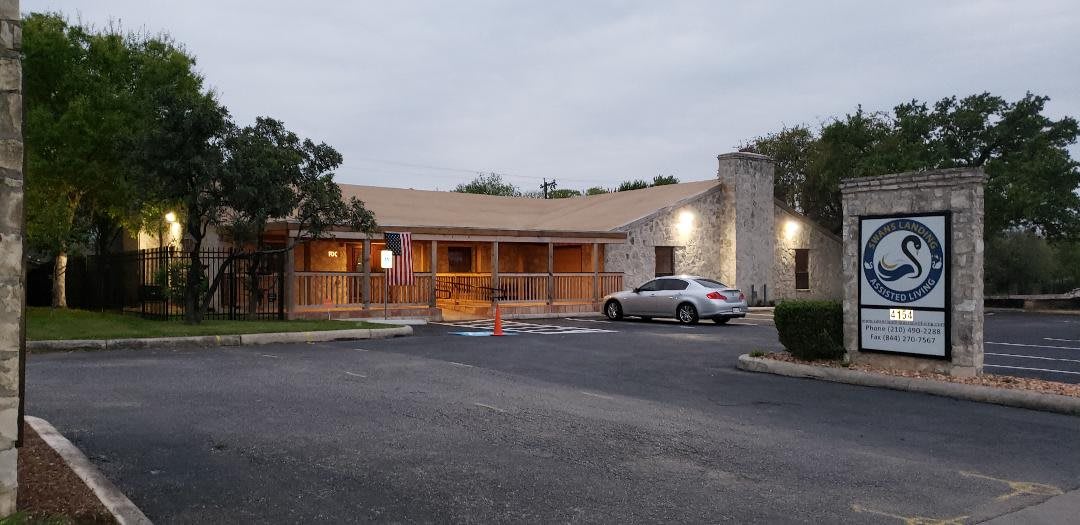
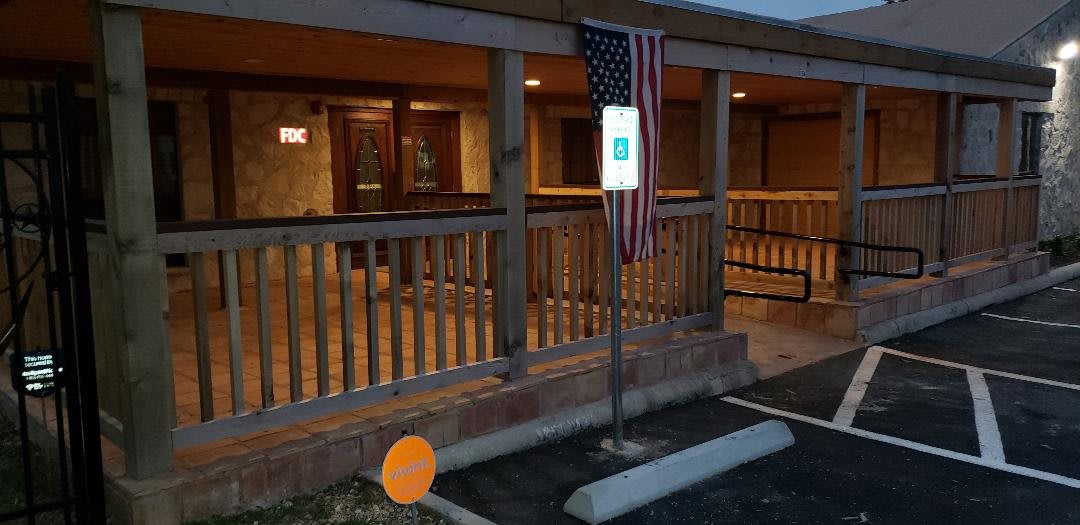
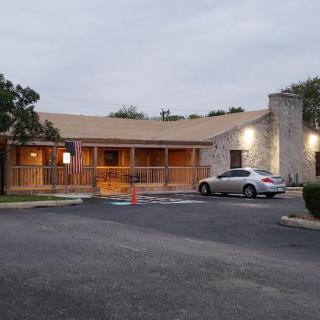
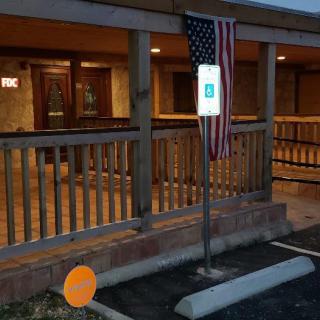
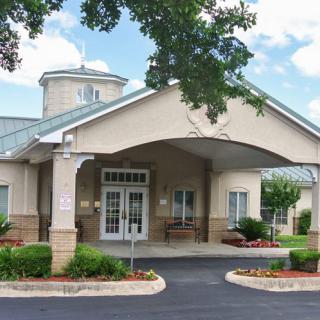
4154 Swans Landing, San Antonio, TX 78217
For more information about senior living options: (866) 208-4318
Assisted Living At Swans Landing Costs & Pricing
Assisted Living At Swans Landing offers competitive pricing for its services, making it an attractive option for those seeking assisted living arrangements. For a studio unit, residents can expect a monthly cost of $2,500, significantly lower than the average rates in Bexar County ($3,708) and the broader state of Texas ($3,758). For those in need of more space, the one-bedroom accommodation is available at $3,500 per month. This rate not only compares favorably to the county's average of $3,506 but also falls slightly below the state average of $3,761. Overall, Assisted Living At Swans Landing provides a financially viable choice for families and individuals looking for quality care without straining their budgets.
| Floor plans | Assisted Living At Swans Landing | Bexar County | Texas |
|---|---|---|---|
| Studio | $2,500 | $3,708 | $3,758 |
| 1 Bedroom | $3,500 | $3,506 | $3,761 |
Assisted Living communities with a similar price nearby
-
from +$100 / mo
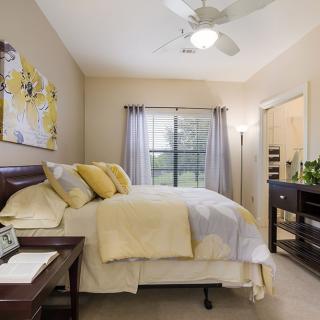
Villa De San Antonio
$2,600 to $3,000 / month11.5 miles away -
from -$100 / mo
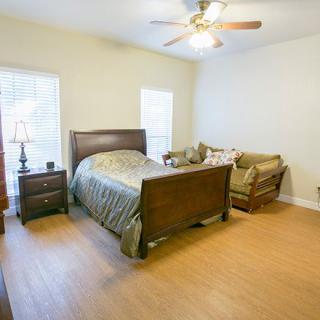
Patriot Heights San Antonio
$2,400 to $3,000 / month10.4 miles away -
About the same
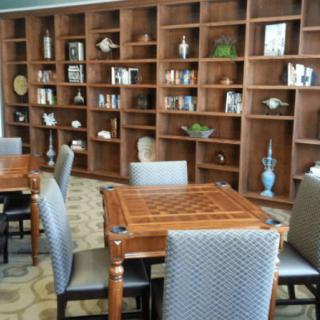
Lakeside Assisted Living By Trisun Healthcare
$2,545 to $4,445 / month16.0 miles away -
from +$399 / mo

The Etta at Shavano Park
$2,899 to $5,199 / month9.8 miles away -
from +$250 / mo
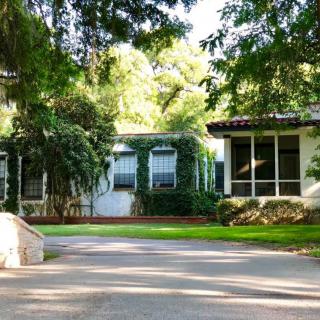
Leon Springs Lodge
$2,750 to $4,250 / month16.6 miles away
Overall Review of Assisted Living At Swans Landing
Pros
 The facility is fantastic and clean, with residents well taken care of.
- The environment is small, nice, and quiet.
- The meals are well liked by residents, and requests are accommodated within reason.
- Staff give everyone plenty of attention.
- The reviewer would stay there if possible.
Cons
 Residents have no activities and stay in their rooms all day, only coming out to eat Roman noodles or sandwiches.
- Dead roaches are found throughout the facility.
- The initial conversation with the owner is not trustworthy / is perceived as misleading.
Review
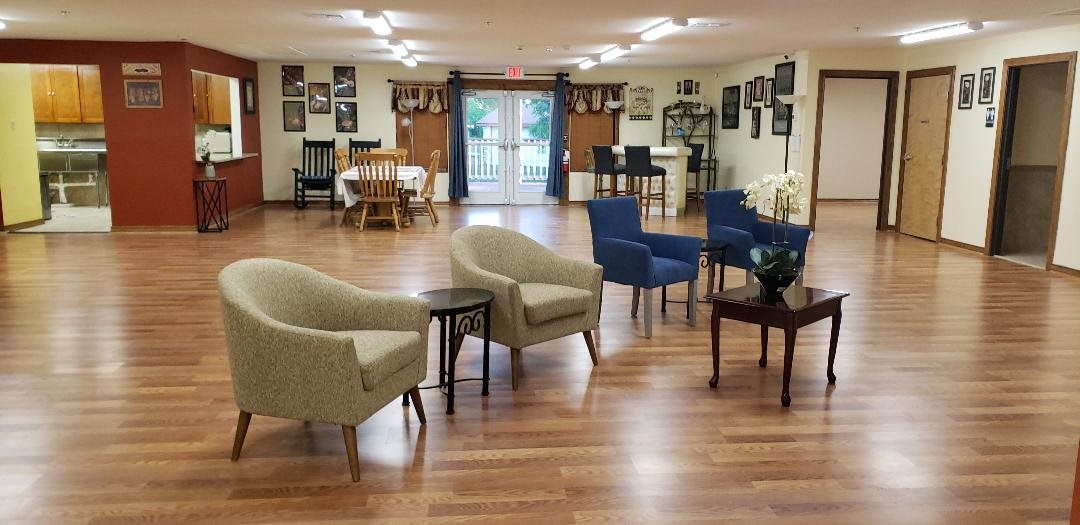
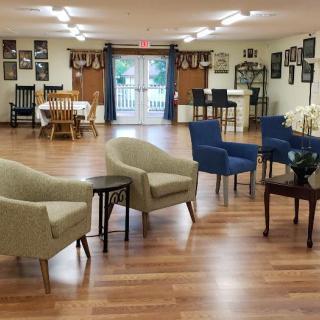
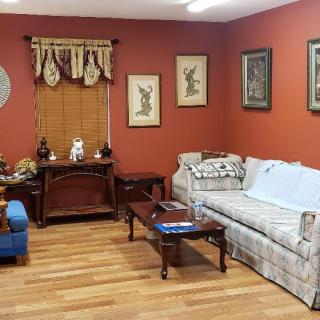
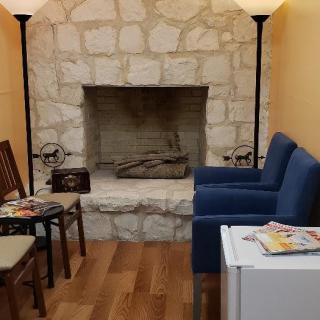
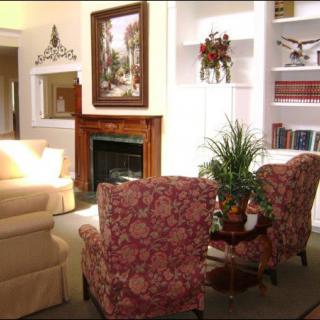
Assisted Living At Swans Landing is best suited for seniors who want a small, quiet, home‑like setting where cleanliness and personal attention from staff are the primary selling points. It works for residents who prioritize predictability, good meals, and responsive care within reasonable boundaries rather than a bustling calendar of activities or a resort‑style atmosphere. The intimate footprint translates to easier supervision and more consistent staff interactions, which benefits those who value a calmer daily rhythm and staff who remember individual preferences.
Those weighing alternatives should consider whether a livelier social calendar and broader programming matter. One review highlights a striking lack of resident activities and a routine of staying in rooms, which can leave some seniors socially under-stimulated. Another red flag centers on pests and questions about transparency in conversations with the owner, suggesting potential governance and maintenance concerns. Families needing frequent, structured engagement opportunities or clear, proactive leadership may want to compare options with more robust activity schedules and stronger pest control and governance practices.
The main positives here, cleanliness, a quiet environment, and attentive staff, can substantially offset some drawbacks for the right resident. When a facility is small, staff can offer highly personalized attention, and residents reportedly receive care with a level of warmth and consideration that makes daily living easier to navigate. Residents praising good food and the willingness to accommodate reasonable requests add up to a sense of comfort and dignity that can be decisive for families prioritizing everyday quality of life over formal programming. In that light, Swans Landing delivers meaningful value for seniors who place a premium on relational care and dependable daily routines.
However, the most consequential concerns are hard to ignore. The absence of an engaging activity lineup can lead to social isolation, especially for seniors who thrive on variety and structured opportunities to socialize. Combined with the reported pest issue and questions about how upfront conversations with ownership are handled, this creates legitimate questions about ongoing maintenance, reliability, and governance. For families assessing long-term satisfaction, these elements matter as much as, if not more than, cleanliness or meals. In practice, the deficits could erode the overall experience if not actively addressed.
To evaluate the fit, families should request a current activity calendar and observe any opportunities for socializing, classes, outings, or group meals. Ask direct questions about staffing levels during peak hours, maintenance response times, and the facility’s pest control plan, including frequency and recent history. Check what is included in the base rate versus add‑on services, and talk with several residents or family members about day‑to‑day experiences. If social engagement, transparent governance, and consistent maintenance are nonnegotiable, Swans Landing may still be worth a visit, but it demands careful corroboration and a contingency plan if programming falls short.
In sum, Swans Landing operates best for seniors seeking a clean, intimate, and attentive setting where meals and personalized care shine and daily rhythms feel predictable. It is not the best choice for those who require a robust activity program, aggressive pest control, and unwavering governance transparency as non‑negotiable standards. For families, the prudent path is a thorough tour complemented by candid conversations with current residents and staff, plus a concrete check on pest management and programming. When those elements align with a resident’s priorities, this community can be a gentle, reassuring home; when they do not, more dynamic options in San Antonio should be pursued.
 16 resident community capacity
 Assisted Living
 Cats allowed
 Dogs allowed
 Activities on-site
 Air-conditioning
 Cable or satellite TV
 Devotional services off-site
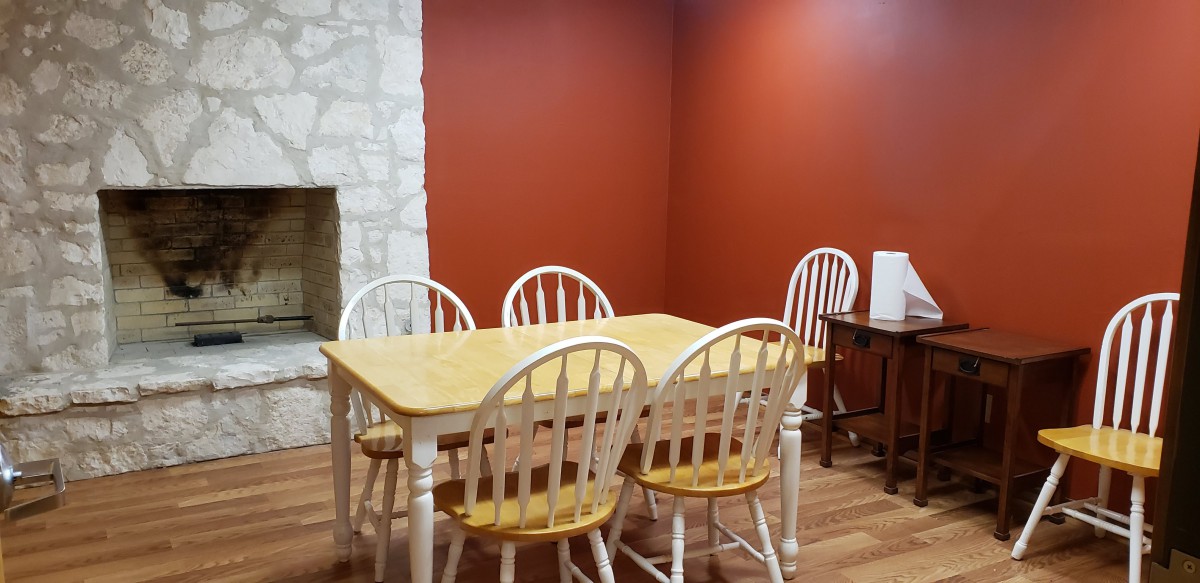
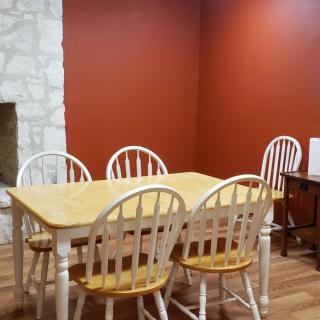
 Dining room
 Fully furnished
 Garden
 Housekeeping services
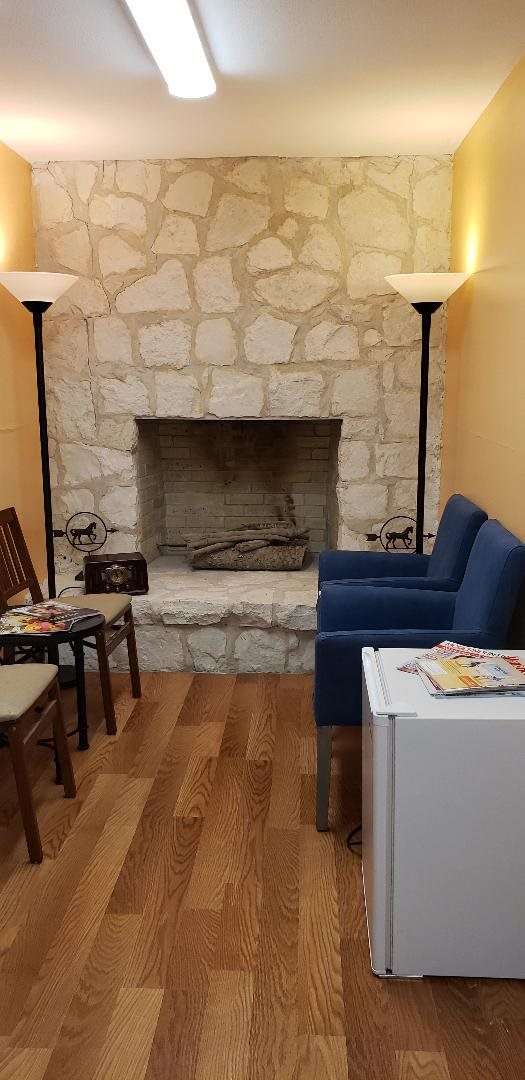
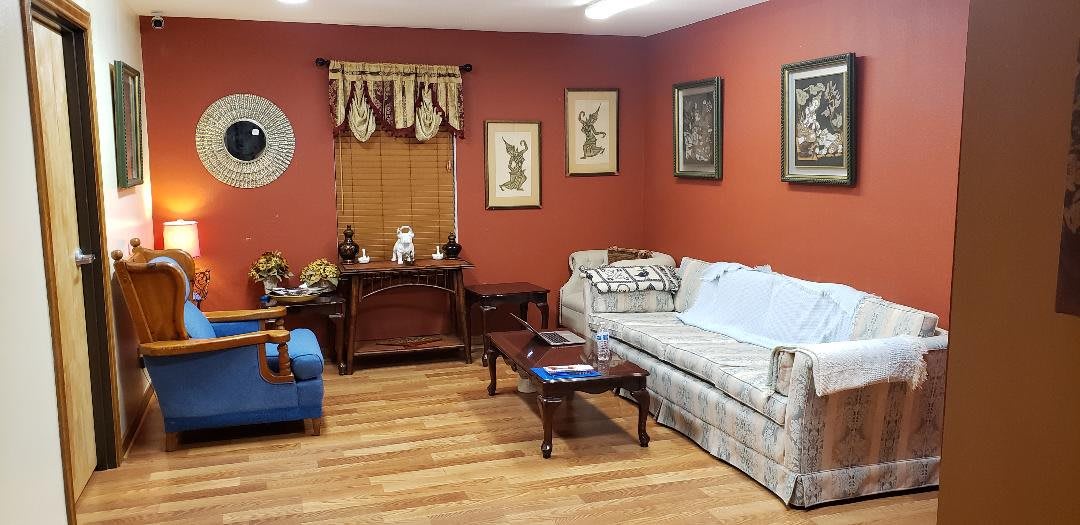
 Indoor common areas
 Move-in coordination
 Outdoor common areas
 Respite or short term stays offered
 Telephone
 Wheelchair accessible showers
 Wi-Fi/high-speed internet available
 San Antonio International (4 miles away)
 24-hour supervision
 Ambulatory care
 Assistance with bathing
 Assistance with dressing
 Assistance with transfers
 Diabetes diet
 Diabetic care
 Incontinence care
 Meal preparation and service
 Medication management
 Special dietary restrictions
 Transportation arrangement (medical)
 Transportation to doctors appointments
 Art classes
 Birthday parties
 Day trips and outings
 Live musical performances
 Visiting chaplain or priest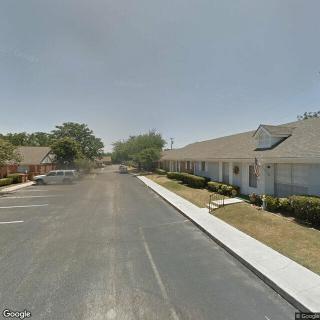




 Senior Transition Services: Understanding Their Role, Cost, and Importance
 Exploring the Path to Senior Living: A Comprehensive Look at Independent Living and Assisted Living
 Is Assisted Living Deductible on Your Taxes? Understanding the Complexities of Assisted Living Expenses and Deductions