
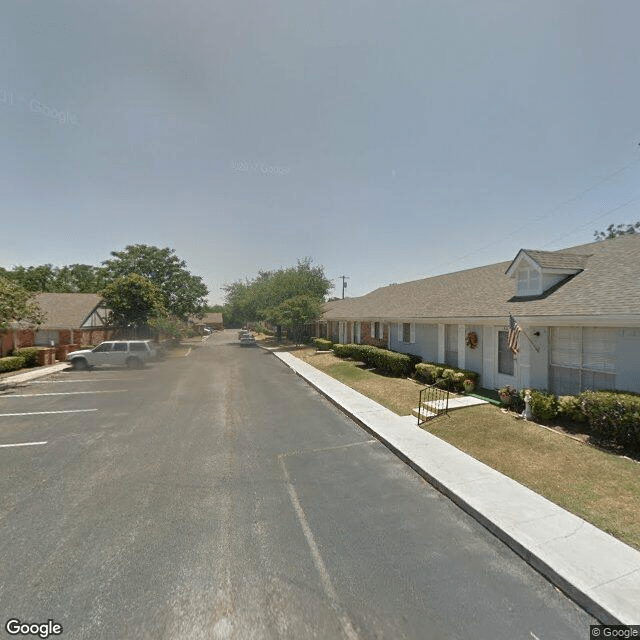
8622 Starcrest Dr, San Antonio, TX 78217
To contact a resident: (210) 655-1011
For more information about senior living options: (866) 208-4318
Overall Review of Towne Oaks Apartments
Pros
 The townhomes are nice.
- The townhomes are amazing.
- The reviewer loves this place.
Cons
 The wall trims in the townhomes were exposed to the interior.
- They would not recommend renting there.
- Rent keeps rising.
- Roaches are rampant and tenants must pay pest-control costs themselves.
- The apartments are very old and smelly, with terrible old AC units that are small and occasionally leak.
- The roofs have had numerous leaks and mold, especially after hail storms.
- The roofs on these buildings have had to be repaired every few months.
- Nothing new or updated is found in the apartments.
- The mailbox doors have fallen off repeatedly, exposing mail.
- Amazon packages have been stolen from the front door.
- Washer and dryer connections are outside and inconvenient.
- The plumbing was often unreliable.
Review
Towne Oaks Apartments in San Antonio is best suited for independent renters who want a townhouse-style living feel at a competitive price and can tolerate an aging property with imperfect infrastructure. The layout and square footage can appeal to those who prefer more private space and a sense of home, rather than a compact, cookie-cutter apartment. This community is not recommended for seniors or families seeking dependable safety, predictable operating costs, and consistently updated accommodations. In short, it serves a niche: value-conscious renters who can manage ongoing maintenance realities without relying on on-site care or robust safety guarantees.
Those who may want to consider alternatives fall into a few clear camps. First, families and seniors who prioritize modern, dependable systems, reliable roofing, plumbing, electrical, and climate control, will likely be better off elsewhere. Second, households needing predictable budgets and minimal disruption from pests, leaks, or security concerns should look for communities with active property management, transparent maintenance plans, and stronger reputations for upkeep. Finally, anyone who would feel unsettled by frequent noise, neighbor activity, or occasional safety incidents would be wise to broaden the search to properties with stronger on-site security and a quieter, more settled environment.
On the upside, the interior space in the townhomes can feel appealing. Some residents describe the units as "nice," and the roomier layouts can offer genuine convenience for households that want more storage and a comfortable living plane. This is not a luxury setting, but the potential for a more spacious home inside can be a selling point for those who can overlook the surrounding building realities. The occasional positive sentiment, paired with favorable comments about layout and some tired but serviceable features, signals that the core living space isn’t inherently unusable. Yet, space alone does not counterbalance the pervasive maintenance and safety concerns that accompany the property.
The reasons to proceed with caution are substantial and well-supported by consistent patterns in the experience there. Chronic maintenance issues rear their head repeatedly: roofs that leak, mold risk after hail, and old, inefficient AC units that struggle to keep comfortable in Texas heat. The complex’s infrastructure shows signs of aging: plumbing faults, doors that don’t latch properly, and several reports of hardware failures such as mailbox doors and door hinges. Pest challenges compound the discomfort, with roaches requiring tenants to incur pest-control costs themselves. Security and neighborhood dynamics carry their own weight: notices of police presence, noise from nearby residents, and occasional alarming incidents create a stressful baseline that undermines the sense of safety many families expect from a residence they’ll rely on daily.
In weighing pros against cons, the bright spots, space, potential affordability, and a few satisfied residents, do not meaningfully offset the gravity of ongoing maintenance failures, safety concerns, and reliability gaps. For families evaluating assisted living or closer to-care options, the primary decision hinge is predictable quality of life: will the home consistently support health, safety, and peace of mind? Here, the risks, leaks, mold, pest costs, older wiring, and episodic fires, point decisively toward alternatives. The occasional praise cannot erase the reality that a substantial portion of the resident experience centers on uncertainty, maintenance lag, and safety anxieties.
The bottom line is practical and clear: Towne Oaks is a possibility only for those who are willing to accept frequent maintenance interruptions, imperfect environments, and potential security concerns in exchange for lower rent and a townhouse feel. For families weighing assisted living or transitionary care, stronger options exist. Look toward newer buildings with transparent maintenance protocols, on-site management committed to rapid response, and safety features that align with health and peace of mind. If a thorough, steady, and low-friction living environment is the priority, Towne Oaks should be deprioritized in favor of communities with proven reliability and clearer long-term stability.
 Independent Living
 San Antonio International (3 miles away)




 Fecal Incontinence in Older Adults: A Comprehensive Guide
 Recognizing the Journey: Understanding and Navigating Anticipatory Grief
 Encouraging Participation in Adult Day Care: A Guide to Supporting a Hesitant Parent