
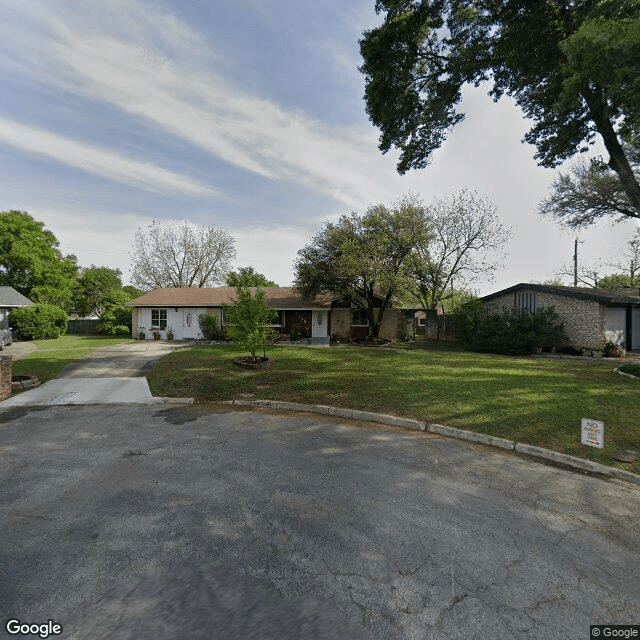
4139 Briar Glen Drive, San Antonio, TX 78218
To contact a resident: (210) 590-8927
For more information about senior living options: (866) 208-4318
Brooks Home For Seniors Costs & Pricing
Brooks Home For Seniors offers competitive pricing compared to both Bexar County and the broader Texas market for senior living accommodations. For a semi-private room, residents at Brooks will find costs at $2,500 per month, significantly lower than the county average of $3,488 and the state average of $3,680. Similarly, those seeking private rooms at Brooks pay $3,500 per month, which is also more affordable than Bexar County's rate of $3,627 and Texas's average of $4,096. These cost advantages may make Brooks Home an appealing option for families considering quality senior care without the hefty price tag often associated with such services in the region.
| Floor plans | Brooks Home For Seniors | Bexar County | Texas |
|---|---|---|---|
| Semi-Private | $2,500 | $3,488 | $3,680 |
| Private | $3,500 | $3,627 | $4,096 |
Memory care communities with a similar price nearby
-
About the same
Pipestone Place Assisted Living
$2,500 to $3,000 / month6.3 miles away -
About the same

Lakeside Assisted Living By Trisun Healthcare
$2,545 to $4,445 / month15.6 miles away -
from +$399 / mo

The Etta at Shavano Park
$2,899 to $5,199 / month10.2 miles away -
from +$400 / mo
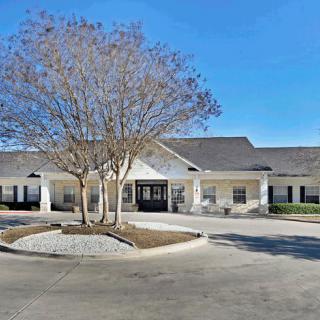
Sodalis Windcrest at San Antonio
$2,900 to $5,200 / month3.6 miles away -
from +$195 / mo
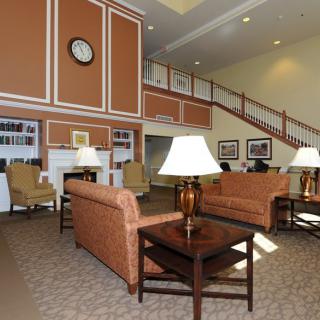
The Gardens of Castle Hills
$2,695 to $4,295 / month5.9 miles away
Overall Review of Brooks Home For Seniors
Pros
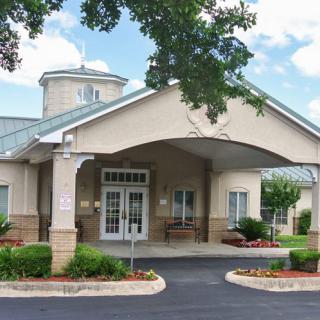
 Brooks Home for Seniors is a nice-looking, well-kept community that is very clean.
- The staff are friendly and do a great job caring for the residents.
- The cooks are good, and the meals look very appealing.
- The staff are very nice, friendly, and accommodating to questions and concerns.
- Those who know Brooks Home for Seniors would definitely recommend it to others.
Review
Brooks Home For Seniors in San Antonio is best suited for seniors who prioritize a clean, well-run, home-like setting where friendliness and dependable daily care are the core promise. The community presents as well-kept and visually appealing, with an emphasis on a warm, approachable staff and meals that look appealing. For families seeking a straightforward transition into assisted living without the complexity of advanced clinical programs, the environment offers reassurance through orderly spaces, clear routines, and a focus on daily comfort that can ease the relocation cascade.
Those evaluating options for residents requiring advanced medical oversight, memory care, or extensive rehabilitative services should consider alternatives. The feedback centers on kindness, accessibility, and good food, but there is no explicit confirmation of dementia-care programming, 24/7 clinical coverage, or a robust therapeutic lineup. Pricing details and value-for-care aren’t described in the comments, so families should verify what level of medical attention is on site and whether therapies or specialized support come at additional cost. In short, Brooks seems strong for standard assisted living, not for complex care needs.
The strongest positives revolve around cleanliness, appearance, and a genuinely welcoming staff. Descriptions that the facility is among the cleanest seen, coupled with a well-kept atmosphere, create a reassuring sense of safety and pride in the space. Friendly personnel who are accommodating to questions and concerns help reduce relocation anxiety, signaling a resident-first culture. The dining experience adds a meaningful daily benefit; cooks produce meals that look appetizing, contributing to overall satisfaction and a sense of normalcy in everyday routines. These factors collectively make daily life predictable and pleasant, which matters as families weigh long-term comfort.
Operational reliability and human warmth appear to be Brooks’ quiet drivers. Recurrent notes about staff being easy to talk to and responsive suggest a governance approach that prioritizes consistency and open communication. When spaces are neat and routines are predictable, families can anticipate fewer surprises and better monitoring of basic safety and well-being. The caveat remains that without clear evidence of advanced clinical capabilities, the facility aligns more with steady everyday care than with high-acuity support. For many seniors, that balance between a gentle pace, sociable living, and dependable staff is precisely the right mix.
For families preparing for a first-hand assessment, several practical questions should guide the visit. Inquire about memory-care availability and whether specialized staff or programs exist for residents with cognitive challenges. Ask about nursing coverage, medication management, and the cadence of activities that promote engagement. Request a thorough tour of rooms, common areas, and transportation options for appointments, along with a transparent breakdown of what is included in the monthly rate versus what incurs extra charges. These specifics turn impressions into actionable comparisons across communities.
In sum, Brooks Home For Seniors stands out as a practical, reassuring choice for seniors who value cleanliness, a friendly, responsive staff, and appealing daily meals within a well-maintained setting. It is a particularly good fit for residents who thrive on routine, social interaction, and transparent, low-stress caregiving. Those prioritizing robust medical oversight, specialized memory care, or intensive therapy should look elsewhere and compare options with explicit offerings in those areas. A focused tour coupled with candid conversations about care levels will reveal whether Brooks meets the particular senior-care needs at hand.
 Board and Care Home
 Memory Care
 Activities off-site
 Devotional services on-site
 Indoor common areas
 Outdoor common areas
 Private
 Respite or short term stays offered
 Wheelchair accessible showers
 San Antonio International (4 miles away)
 Ambulatory care
 Diabetic care
 High acuity care
 Incontinence care
 Medication management
 Kosher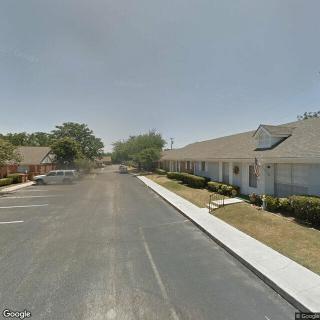





 Exploring the Power of Reminiscence Therapy for Individuals With Dementia
 An In-Depth Look at Reminiscence Therapy in Dementia Care
 Dementia-Related Hallucinations: Causes, Experiences, and Practical Approaches