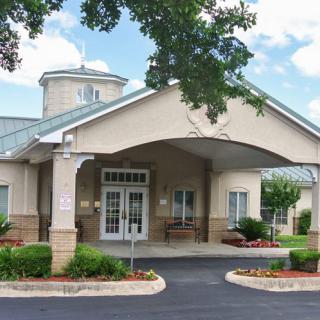
Neurorestorative San Antonio Twisted Oaks in San Antonio, TX

3502 Twisted Oaks Drive, San Antonio, TX 78217

For more information about senior living options: (844) 490-3973

4.6 from 32 reviews
5 stars
28
4 stars
1
3 stars
0
2 stars
1
1 stars
2

Assisted Living Board and Care Home

What level of care are you interested in?

Assisted Living

Memory Care

Independent Living

Skilled Nursing Facility

Continuing Care Retirement Community (CCRC)CCRC

Other


Request a tour at Neurorestorative San Antonio Twisted Oaks

    Overall Review of Neurorestorative San Antonio Twisted Oaks

    Pros

    • pro NeuroRestorative's staff are highly praised for their care.
    • pro The programs are challenging and promote progress.
    • pro Clients would definitely recommend NeuroRestorative to stroke survivors.
    • pro The PT and OT staff are amazing.
    • pro The speech and yoga therapists are well-liked.
    • pro The administrators are awesome.
    • pro Therapists are nice, friendly, and skilled at helping patients recover from injuries or strokes.
    • pro The group demonstrates genuine care for patients and feels like a second family.
    • pro NeuroRestorative provides honest explanations and practical strategies, listening, observing, and pushing patients toward success.

    Cons

    • pro The patient felt they were treated like an inmate and would never return.
    • pro They argued there was not enough staff and that care was under-resourced.
    • pro They described the staff as unfair, unfriendly, and rude.
    • pro They claimed they were forced to exercise too much and left exhausted.
    • pro They stated they would rather die than return to that rehab, calling it low-class and saying it totally sucked.
    • pro They observed staff members making out on the sofa and hogging the TV and computers.
    • pro They criticized the high charges for the service.

    Review

    Neurorestorative San Antonio Twisted Oaks is best suited for adults recovering from stroke or traumatic brain injury who want an intensely hands-on, highly personalized rehabilitation experience delivered in a warm, family-like atmosphere. The program shines when a patient needs a robust mix of physical, occupational, and speech therapies that are tailored to individual deficits, with therapists who push for real, measurable progress. It also serves those navigating long-term recovery considerations, including long COVID?type presentations, where the team can adapt goals and modalities while maintaining a strong sense of community and accountability.

    Families should consider alternatives if the priority is a lighter touch, shorter stay, or a setting perceived as less demanding or less regimented. A few reviews signal that the culture can feel overly strict or brisk in pace for some individuals, and there are isolated complaints about staff consistency or intensity. Prospective levers of caution include concerns about staff availability in certain shifts and experiences that paint the clinical climate as less supportive or responsive to personal preferences. For families prioritizing autonomy, discretion about daily routines, or a more relaxed pace, exploring other rehab options may yield a better cultural fit.

    The program's strongest positives outweigh its drawbacks in practical, meaningful ways. Across PT, OT, and speech, the therapists are repeatedly described as skilled, dedicated, and genuinely invested in patient goals. Patients report rapid gains in basic independence - standing, walking, speaking - with objective progress and increased confidence. The clinicians' methodical, goal-driven approach - paired with clear explanations of barriers and actionable strategies - helps families understand what to expect and how to sustain improvement after discharge. The care culture often feels like a close-knit team, with administrators and therapists coordinating closely to keep therapy aligned with daily life demands, transportation needs, and personal priorities.

    Minimal but real concerns show up in some reviews. A small number of commenters describe experiences that felt transactional or overly punitive, and one account depicts dissatisfaction with perceived staff attitudes. A few notes point to staffing gaps or perceived staffing-related limits on therapy intensity, and a negative experience highlights a sense of being treated more like a number than a person. Taken together, these outliers are the exception at this campus, but they signal the importance of confirming current staffing levels, daily schedules, and the exact pace of therapy with the treating team prior to admission.

    Despite the occasional discordant voice, the core value proposition remains intact: a proven, patient-centered pathway from inpatient rehabilitation through outpatient therapy, guided by a cohesive team that remembers each patient's name, goals, and progress. The ability to customize programs, involve families in planning, and maintain continuity as patients transition between care settings stands as a major differentiator. That continuity - coupled with a track record of patients regaining speech, mobility, and independence - positions Neurorestorative San Antonio as a strong contender for those who must rebuild function after a brain injury or stroke and who want to be actively involved in a clearly defined recovery plan.

    Decision-makers should prioritize a specific, pragmatic checklist before choosing. Visit the Twisted Oaks campus to observe therapy depth and staff engagement firsthand, and speak with the lead therapists about goal setting, expected timelines, and how long the inpatient-to-outpatient bridge lasts. Confirm current therapist-to-patient ratios, especially on weekends, and ask how the program adapts for long COVID or non-stroke brain injuries. Inquire about transportation assistance, family communication norms, and how progress is documented and shared with caregivers. If the aim is a high-touch, evidence-based rehabilitation environment with a strong sense of community - and the willingness to embrace a structured, intensive program - Neurorestorative San Antonio Twisted Oaks is recommended. If those factors are less critical, or if a more autonomous, lower-intensity setting is preferred, explore alternate facilities with similar specialty focus but different pacing and culture.

    Features

    Housing

    • 5 resident community capacity 5 resident community capacity

    Types of Care

    • Assisted Living Assisted LivingAssisted living facilities provide crucial support and care for seniors who may need help with daily tasks such as medication management, bathing, and meal preparation. These communities offer a safe and comfortable environment where seniors can maintain their independence while receiving the assistance they need to thrive in their golden years.
    • Board and Care Home Board and Care HomeBoard and care homes provide a smaller, more intimate setting for seniors who require assistance with daily tasks but do not need the level of care offered by a nursing home. They offer personalized care, meals, and social activities in a homelike environment, ensuring that seniors receive individualized attention and support in their golden years.

    Amenities

    • Cable or satellite TV Cable or satellite TVCable or satellite TV is important for seniors because it provides entertainment, news, and companionship, helping to combat loneliness and boredom. It also offers a wide range of programming options tailored to different interests and preferences.
    • Dining room Dining roomDining rooms are important for seniors as they provide a space for socialization, connection, and nutritious meals. They offer opportunities for residents to bond over shared meals, foster a sense of community, and promote healthy eating habits. Dining rooms also ensure that seniors have access to well-balanced meals tailored to their dietary needs and preferences.
    • Fully furnished Fully furnishedFully furnished senior living communities are important for seniors because they provide convenience, comfort, and a hassle-free moving experience. Seniors can easily settle into their new living space without the stress of having to buy and move furniture. This allows them to focus on enjoying their new home and community.
    • Garden GardenGardens are important for seniors as they provide a peaceful and therapeutic environment for relaxation, physical activity, and socialization. Being in nature has been shown to reduce stress, improve mood, and promote overall well-being. Gardens also offer opportunities for seniors to engage in gardening activities, which can improve mobility, flexibility, and cognitive function. Additionally, gardens create a sense of community and connection with others who share a passion for plants and outdoor spaces.
    • Housekeeping services Housekeeping servicesHousekeeping services are important for seniors because they help maintain a clean and safe living environment, promote independence, and reduce the risk of accidents or illnesses. Additionally, having assistance with household chores can alleviate physical strain and allow seniors to focus on other aspects of their well-being.
    • Move-in coordination Move-in coordinationMove-in coordination is important for seniors because it helps ease the transition into their new living environment. It ensures that all logistics, such as packing, organizing movers, and setting up utilities are taken care of, allowing seniors to focus on settling in and adjusting to their new home. Having a smooth move-in process can alleviate stress and anxiety, making the transition smoother and more enjoyable for seniors.
    • Outdoor space Outdoor spaceOutdoor spaces are important for seniors as they provide opportunities for physical activity, social interaction, exposure to natural light and fresh air, and a sense of connection to nature. Having access to outdoor spaces can improve overall well-being and quality of life for older adults living in senior communities.
    • Telephone TelephoneTelephones are important for seniors as they provide a lifeline for communication with loved ones, emergency services, and healthcare providers. They offer a sense of security and independence, enabling seniors to stay connected and access assistance when needed.
    • Wi-Fi/high-speed internet available Wi-Fi/high-speed internet availableWi-Fi/high-speed internet is important for seniors to stay connected with loved ones, access online resources, and participate in virtual activities to combat feelings of loneliness and isolation. It also allows them to easily manage healthcare needs, access entertainment, and engage in lifelong learning opportunities.

    Transportation

    • San Antonio International (3 miles away) San Antonio International (3 miles away)

    Care Services

    • 24-hour supervision 24-hour supervision24-hour supervision is important for seniors to ensure their safety, well-being, and access to immediate assistance in case of emergencies or health issues. This constant support provides peace of mind for both seniors and their loved ones, allowing them to age in place with dignity and security.
    • Activities of daily living assistance Activities of daily living assistanceActivities of daily living assistance are important for seniors because they provide essential support with tasks such as eating, bathing, dressing, and mobility. This assistance helps seniors maintain their independence, dignity, and overall quality of life as they age.
    • Assistance with bathing Assistance with bathingAssistance with bathing is crucial for seniors as it helps maintain personal hygiene, prevents infections, and ensures their overall well-being and comfort. It also provides a sense of dignity and independence for seniors who may struggle with this task on their own.
    • Assistance with dressing Assistance with dressingAssistance with dressing is important for seniors because it helps maintain their independence, promotes personal hygiene, prevents accidents and injuries, and improves overall quality of life. This service ensures that seniors can continue to dress comfortably and confidently, despite any physical limitations they may have.
    • Assistance with transfers Assistance with transfersAssistance with transfers is crucial for seniors as it helps prevent falls and injuries, maintains their independence, and ensures they can safely navigate their living environment. It also provides peace of mind for both seniors and their loved ones.
    • Coordination with health care providers Coordination with health care providersCoordination with health care providers is crucial for seniors to ensure proper medical care, medication management, and overall well-being. This collaboration helps prevent overlapping treatments, track progress more effectively, and provide comprehensive support tailored to individual needs.
    • Diabetes diet Diabetes dietA diabetes diet is crucial for seniors as it helps manage blood sugar levels, reduce risks of complications, and improve overall health and well-being. By following a balanced and nutritious diet tailored to their specific needs, seniors can better control their diabetes and enhance their quality of life.
    • Meal preparation and service Meal preparation and serviceMeal preparation and service are crucial for seniors as they may have limited mobility or energy to cook nutritious meals. Having access to healthy and convenient food options can ensure they are getting the proper nutrition needed to maintain their overall health and well-being.
    • Medication management Medication managementMedication management is crucial for seniors to ensure they are taking the right medications at the correct dosages and times. This helps prevent adverse drug interactions, reduces the risk of medication errors, and promotes overall health and well-being. Proactive management also allows for adjustments as needed based on changing health conditions or new prescriptions.
    • Special dietary restrictions Special dietary restrictionsSpecial dietary restrictions are important for seniors because age-related changes in metabolism and health conditions can make it difficult for their bodies to process certain foods. By following a diet tailored to their specific needs, seniors can maintain their overall health and well-being, manage chronic conditions, and reduce the risk of complications such as malnutrition or food interactions with medications.
    • Transportation arrangement (medical) Transportation arrangement (medical)Transportation arrangements for medical purposes are essential for seniors as they may have difficulty driving themselves to appointments or accessing public transportation. Having reliable and safe transportation options ensures that seniors can receive timely medical care and maintain their health and well-being.
    • Transportation to doctors appointments Transportation to doctors appointmentsTransportation to doctors' appointments is crucial for seniors as it ensures they have access to necessary medical care and support for their health needs. Without reliable transportation, seniors may struggle to attend important appointments, leading to potential delays in treatment and health complications. Providing transportation services helps seniors maintain their overall well-being and quality of life.

    Dining

    • Diabetes diet Diabetes dietA diabetes diet is crucial for seniors as it helps manage blood sugar levels, reduce risks of complications, and improve overall health and well-being. By following a balanced and nutritious diet tailored to their specific needs, seniors can better control their diabetes and enhance their quality of life.
    • Special dietary restrictions Special dietary restrictionsSpecial dietary restrictions are important for seniors because age-related changes in metabolism and health conditions can make it difficult for their bodies to process certain foods. By following a diet tailored to their specific needs, seniors can maintain their overall health and well-being, manage chronic conditions, and reduce the risk of complications such as malnutrition or food interactions with medications.

    Activities

    • Community-sponsored activities Community-sponsored activitiesCommunity-sponsored activities are important for seniors as they provide opportunities for social interaction, mental stimulation, and physical activity. These activities can help improve overall well-being, combat loneliness and isolation, and promote a sense of belonging and purpose among older adults.
    • Scheduled daily activities Scheduled daily activitiesScheduled daily activities are important for seniors because they provide structure, socialization, mental stimulation, and physical activity. Engaging in regular activities can improve overall well-being and quality of life for seniors living in a community setting.

    Description

    The Neurorestorative San Antonio Twisted Oaks in San Antonio, TX is a board and care home that provides comprehensive care services for individuals needing assistance with daily activities.

    Residents at the facility can enjoy a range of amenities, including a dining room where meals are provided, fully furnished accommodations, a garden to relax in, housekeeping services to maintain cleanliness, and access to outdoor spaces. In addition, residents have access to telephone and Wi-Fi/high-speed internet services to stay connected with loved ones.

    The staff at Neurorestorative San Antonio Twisted Oaks are dedicated to providing personalized care and support. They assist residents with activities of daily living such as bathing, dressing, and transfers. The team also coordinates with healthcare providers to ensure that residents receive appropriate medical attention.

    Dietary needs are taken into consideration at this assisted living community. The facility offers specialized meal preparation for individuals with diabetes or other dietary restrictions. Residents can enjoy nutritious and delicious meals served by the staff.

    Transportation is available for medical appointments, ensuring that residents can conveniently access their healthcare providers when needed. Additionally, there are various nearby amenities for residents' convenience. This includes cafes, parks, pharmacies, physicians' offices, restaurants, transportation options, places of worship, theaters, and hospitals.

    Neurorestorative San Antonio Twisted Oaks strives to create an engaging environment for its residents through scheduled daily activities. Whether it's socializing with fellow residents or participating in recreational pursuits, there are opportunities for everyone to find enjoyment and fulfillment.

    Overall, this assisted living community provides a comfortable and supportive environment where individuals can receive the care they need while maintaining their independence and quality of life.

    Nearby Places of Interest

    Physicians

    • Northeast Pediatric Associates (0.5 miles)
    • Drs Bloom & Lynch/Vision Source (0.5 miles)
    • Heritage Pediatrics (2.6 miles)
    • MedFirst Primary Care (3.1 miles)
    • Adhd Clinic Of San Antonio (3.2 miles)
    • Garcia, Alexandra Magenta Health Rittiman Practice (3.5 miles)
    • Kind Clinic (3.7 miles)

    Pharmacies

    • Worldwide Clinical Trials (0.9 miles)
    • Walgreens (2 miles)
    • Walgreens (3 miles)
    • CVS Pharmacy (3 miles)
    • CVS Pharmacy (3.1 miles)
    • Walgreens (3.6 miles)
    • CVS Pharmacy (3.7 miles)

    Cafes

    • Theory Coffee Company (1.6 miles)
    • La Media Luna Cafe (2 miles)
    • Starbucks (2.3 miles)
    • Starbucks (3.6 miles)
    • Habibi Cafe (3.9 miles)
    • Starbucks (6.5 miles)

    Restaurants

    • Taco Palenque (1.9 miles)
    • McDonald's (2 miles)
    • Frontier Burger (2.1 miles)
    • In-N-Out Burger (2.2 miles)
    • Chick-Fil-A (2.4 miles)
    • Soluna (2.6 miles)
    • Las Palapas - Austin Hwy (2.8 miles)

    Transportation

    • Skyplace Center (2.5 miles)
    • Terminal A (2.6 miles)
    • San Antonio International Airport (SAT) (2.6 miles)
    • Terminal 1 Arrivals (2.6 miles)
    • American Airlines (2.6 miles)
    • Rental Car Center (2.7 miles)
    • Southwest Airlines Cargo (3.1 miles)

    Theaters

    • Alamo Drafthouse Park North (4.4 miles)
    • Regal Northwoods (5.9 miles)

    Places of Worship

    • Abiding Presence Lutheran Church (4.6 miles)
    • Church of Jesus Christ of Latter Day Saints (5.1 miles)
    • Hope Church (5.6 miles)
    • St George Episcopal School (5.7 miles)
    • Community Bible Church (5.9 miles)
    • Northrock Church (6.5 miles)

    Parks

    • Lou Karden Memorial Park (4.6 miles)
    • Comanche Lookout Park (5.5 miles)
    • Phil Hardberger Dog Park (6 miles)
    • Converse Park Playground (6 miles)
    • Phil Hardberger Park (6.1 miles)

    Hospitals

    • San Antonio Military Medical Center-SAMMC (4.6 miles)
    • US Army (4.6 miles)

    Frequently Asked Questions

    Where is Neurorestorative San Antonio Twisted Oaks?

    Nearby Communities

    • The Inn at Los Patios

      The Inn at Los Patios

      San Antonio, TX

      4.5 from 125 reviews
      $2,495 to $3,500 / month

      pro Friendly staff, homey atmosphere, engaging activities, and good dining.
    • Towne Oaks Apartments

      Towne Oaks Apartments

      San Antonio, TX

      3.6 from 8 reviews
       

      pro Very convenient location with abundant nearby amenities (cafes, parks, pharmacies, doctors, restaurants, theater, and hospitals).

    • Carol Ann's Home - Wayward

      Carol Ann's Home - Wayward

      San Antonio, TX

      4.8 from 37 reviews
      $4,800 / month

      pro Warm, attentive staff in a clean, inviting, activity-rich environment.

    • Regent Care Center Oakwell Farms

      Regent Care Center Oakwell Farms

      San Antonio, TX

      3.2 from 51 reviews
       

      pro Kind staff, a home-like environment, and ample amenities and activities

    • Regent Care Center of Oakwell Farms

      Regent Care Center of Oakwell Farms

      San Antonio, TX

      3.4 from 43 reviews
       

      pro On-site devotional services and medication management

    • Senior Helpers

      Senior Helpers

      San Antonio, TX

      4 from 5 reviews
       

      pro Convenient access to medical services and daily amenities nearby.

    • Brookdale Oakwell

      Brookdale Oakwell

      San Antonio, TX

      4.1 from 103 reviews
      $4,195 to $4,900 / month

      pro Caring staff with engaging activities and restaurant-style dining.

    • Colonial Gardens - San Antonio

      Colonial Gardens - San Antonio

      San Antonio, TX

      4.5 from 55 reviews
      $4,500 / month

      pro Strong staff care in a home-like, intimate community with personalized attention.

    • Northeast Rehabilitation And Healthcare Center

      Northeast Rehabilitation And Healthcare Center

      San Antonio, TX

      4.6 from 100 reviews
       

      pro Comprehensive amenities and 24/7 supervision

    Related Resources

    • assisted living insuranceAssisted Living Expenses and Long-Term Care Insurance: A Comprehensive Exploration

      The article discusses assisted living expenses, the importance of long-term care insurance in covering these costs, and various financing options, highlighting the need for careful policy review and early planning to address potential needs. It also clarifies common misconceptions about Medicare and private health insurance limitations regarding long-term care coverage.

    • how to pay for assisted livingSecuring Financial Support for Assisted Living: A Comprehensive Overview

      Assisted living facilities offer crucial support for older adults needing help with daily activities but come with varying and significant costs, which can be financed through personal savings, government assistance programs, long-term care insurance, and home equity options. Professional guidance from experts can aid families in navigating these financial complexities to establish a sustainable budgeting approach for assisted living services.

    • assisted living for seniors on social securitySocial Security Benefits and Assisted Living: Navigating Options Across the U.S.

      Assisted living costs often exceed Social Security benefits, necessitating a combination of funding sources like state aid and Medicaid. Understanding the interaction between Social Security programs and available financial support is essential for affording such care.


    Get Pricing Ask A Question Schedule A Tour Contact Senior Advisor