Wyndham Court Of Plano

Save

  • Interior

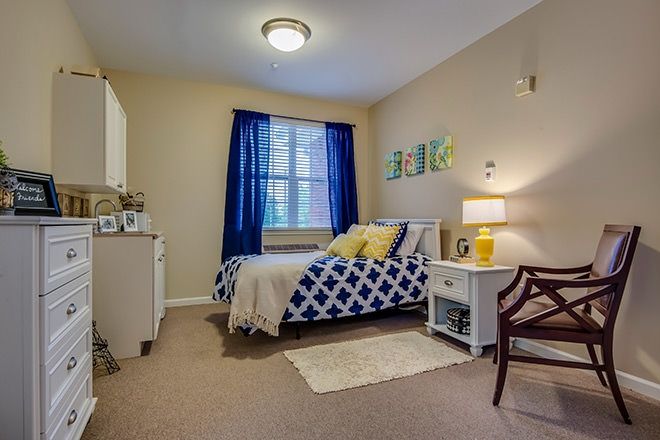
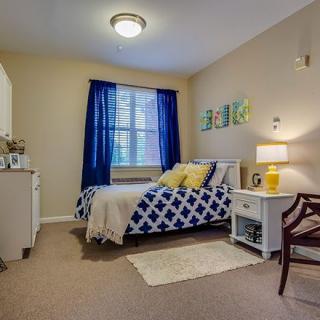
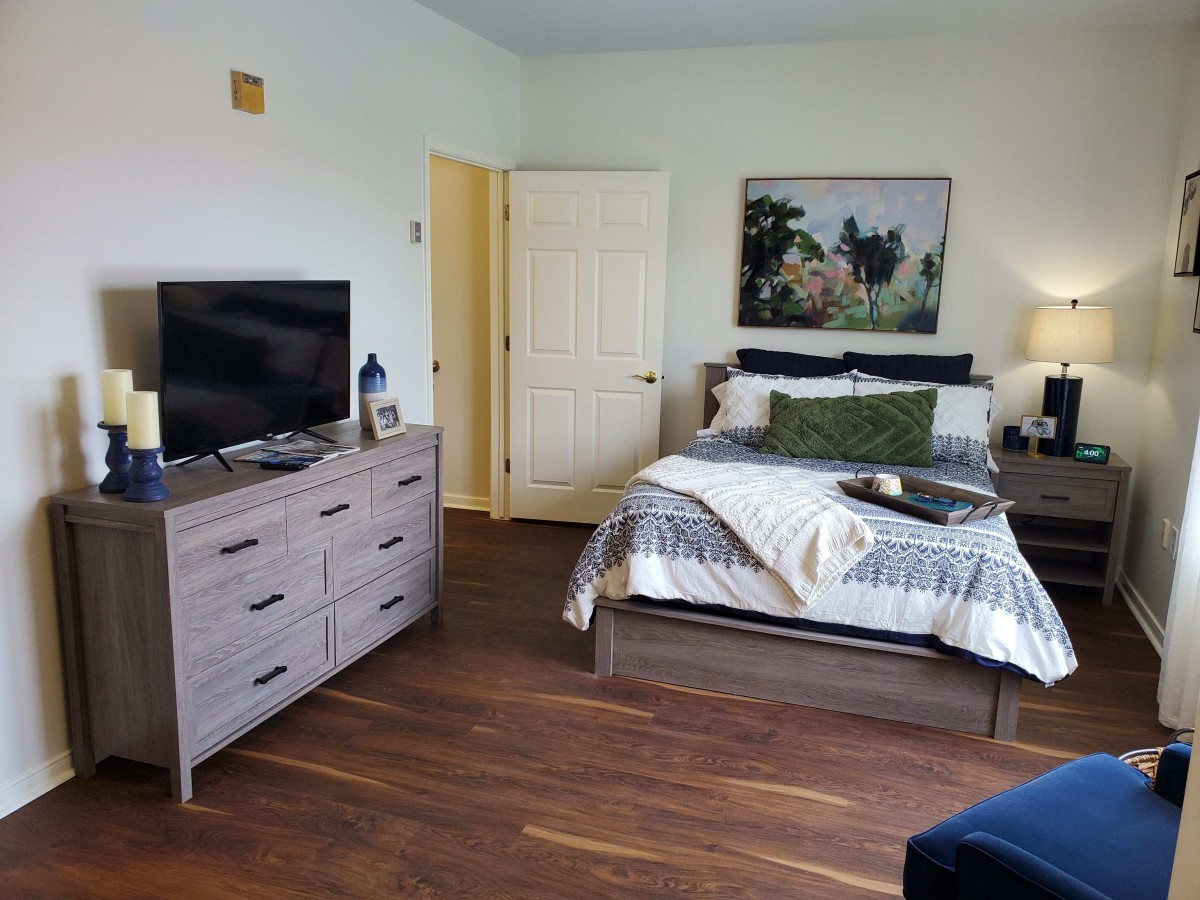
    A cozy bedroom featuring a neatly made bed with blue and white bedding, bright yellow accents, a bedside table with a lamp, and a window with blue curtains.
  • Decor

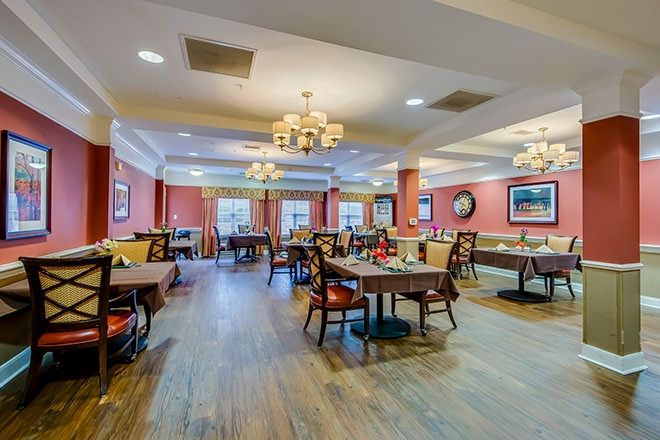
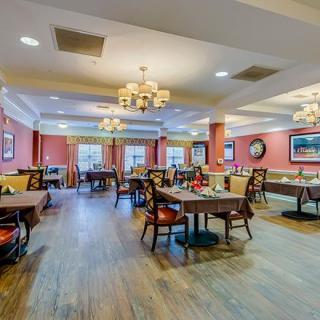
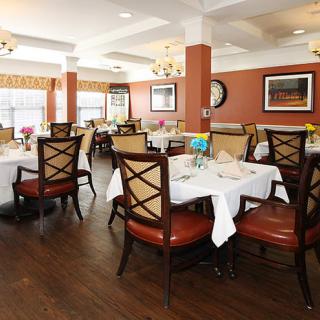
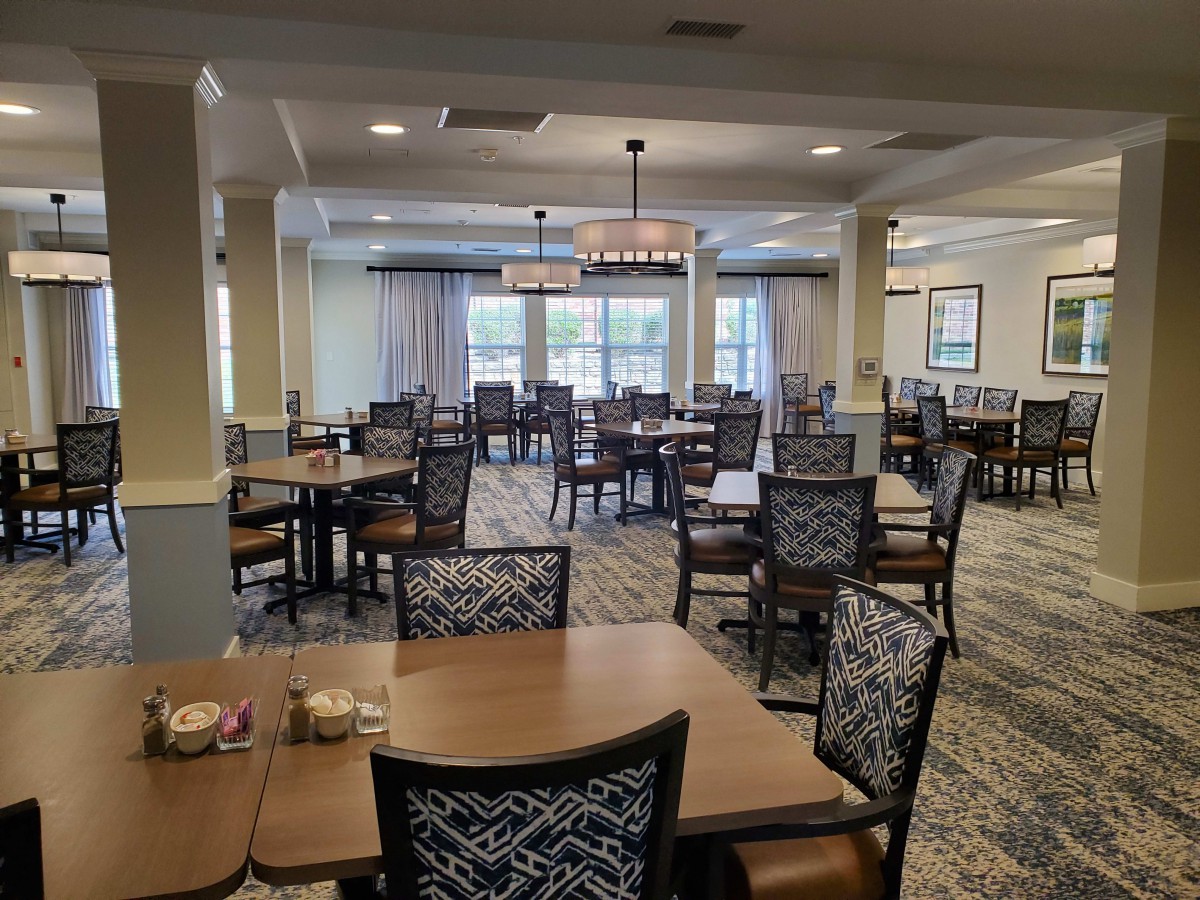
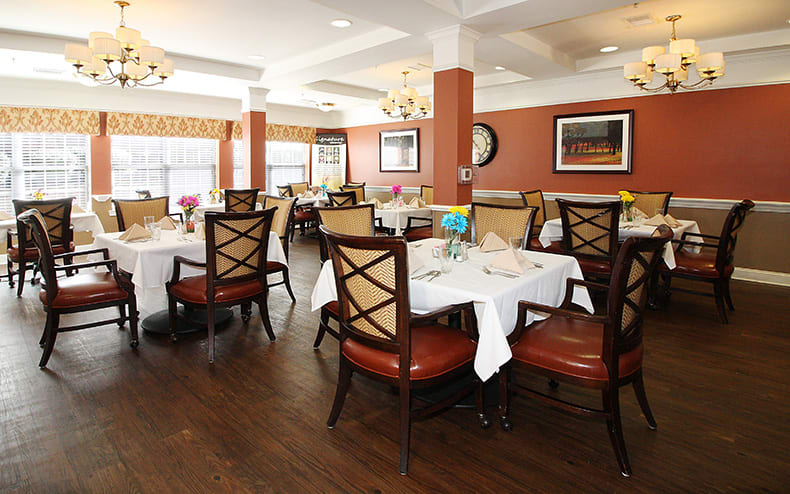
    A warm and inviting dining room with elegant chandeliers, neatly arranged tables, and a welcoming atmosphere.
  • Living Room

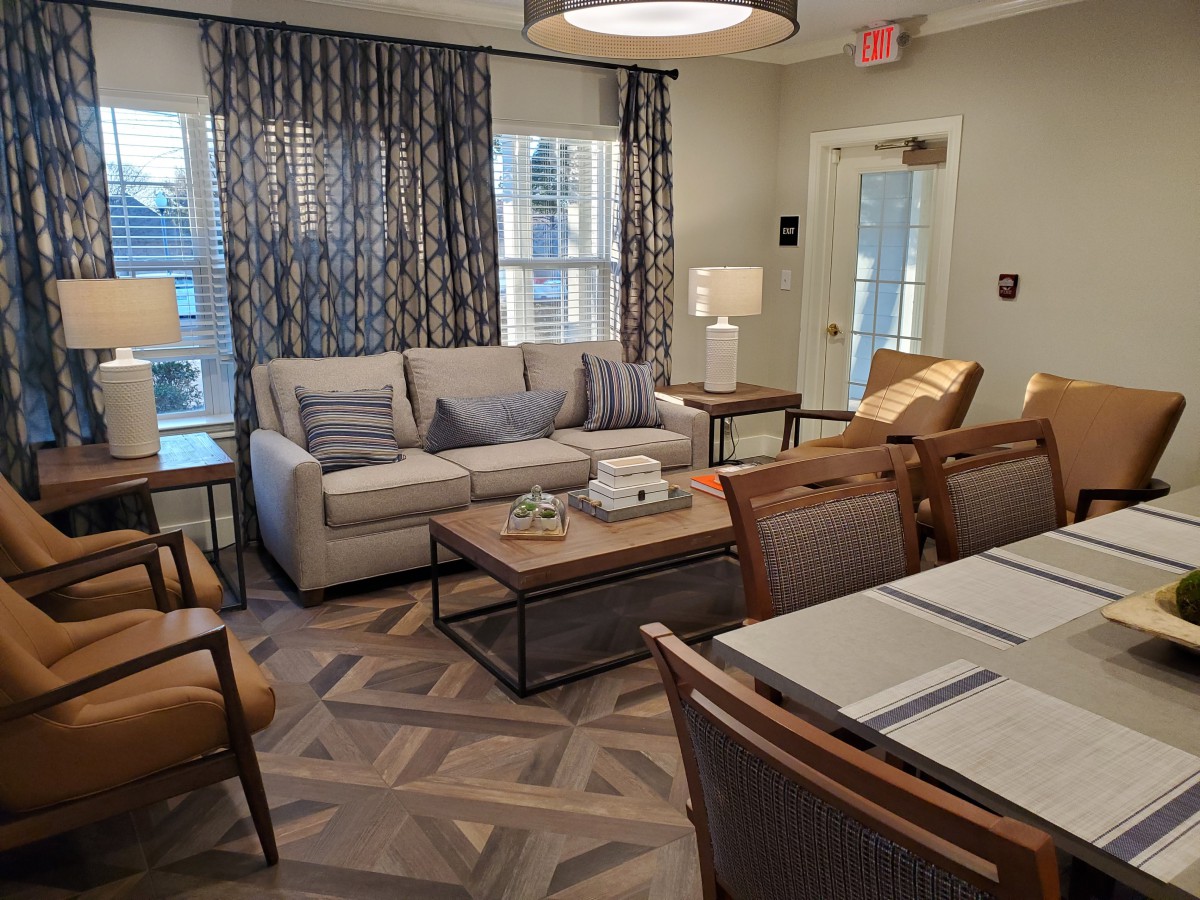
    A warm and inviting seating area with multiple chairs and tables, featuring elegant interior design and soft lighting.
  • Building

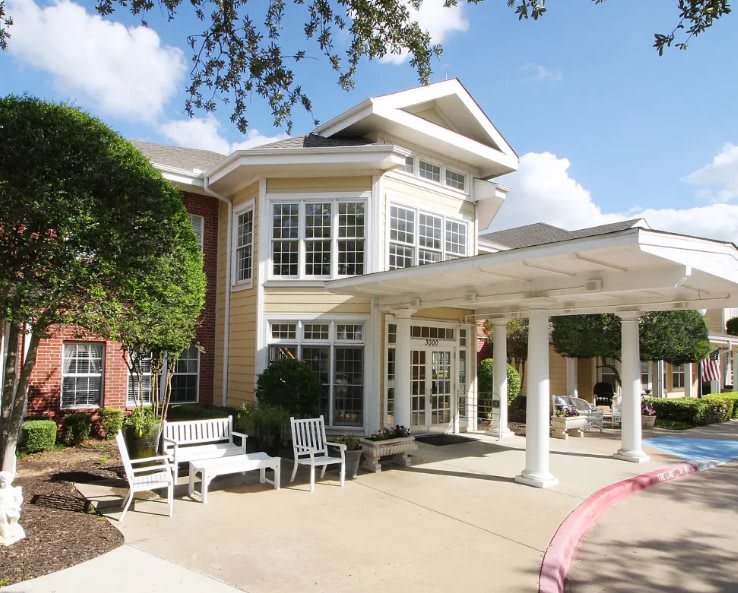
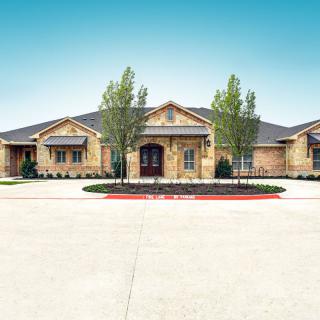
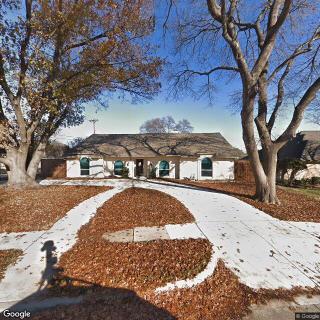
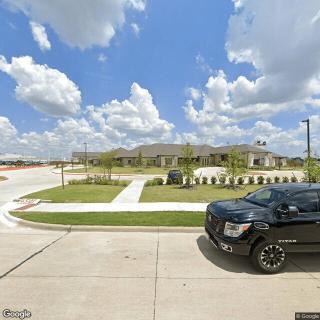
    A sunny exterior view of a residential building with benches and landscaping.
  • Bedroom

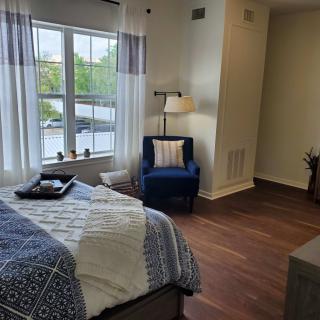
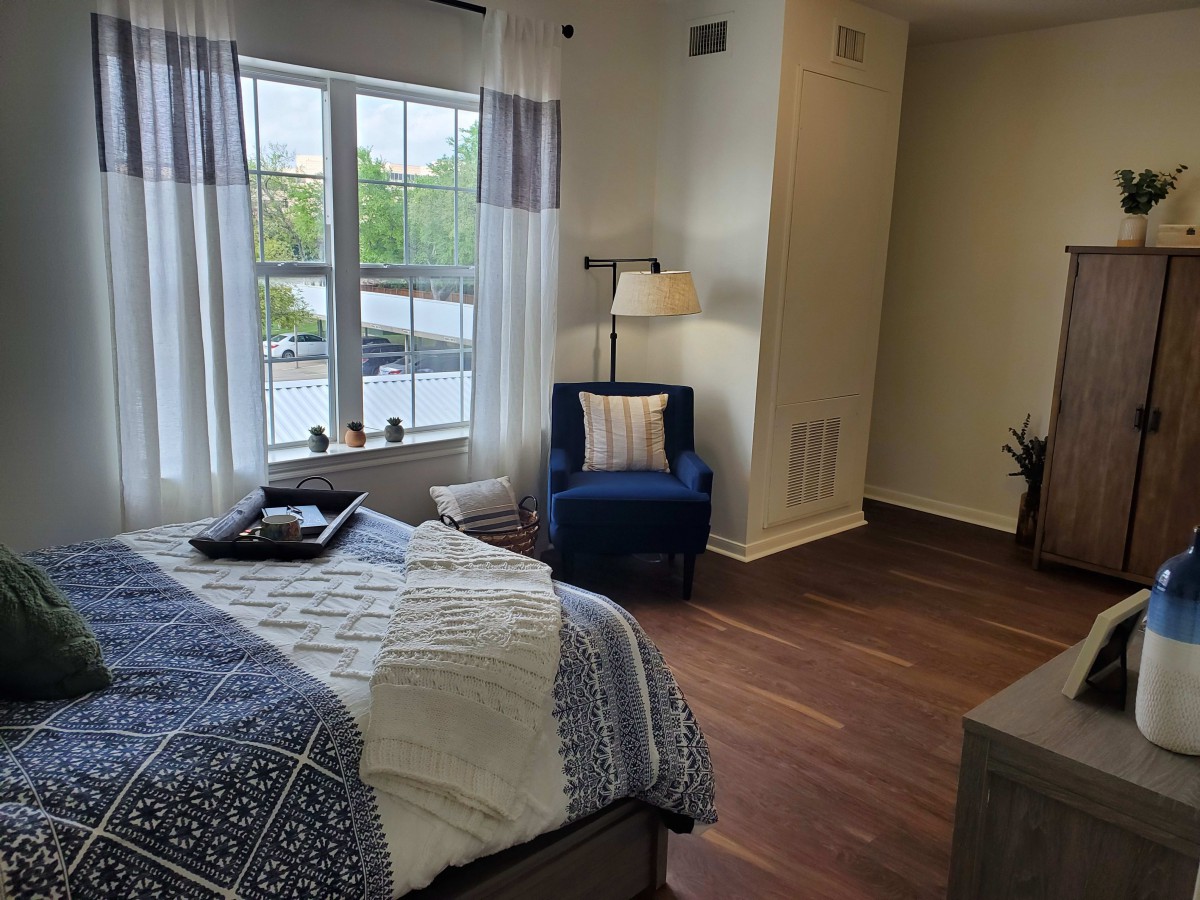
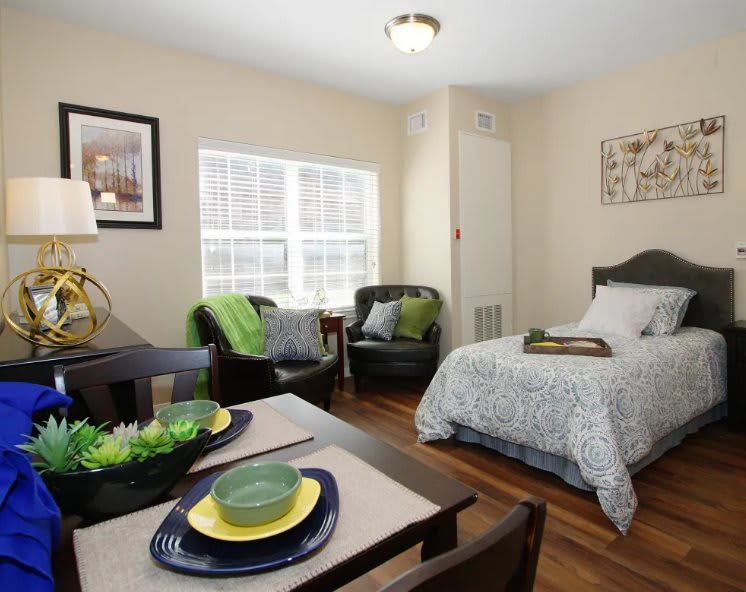
    A cozy bedroom with a large window, featuring a bed with patterned bedding, a comfortable chair, and a standing lamp.
  • Windows

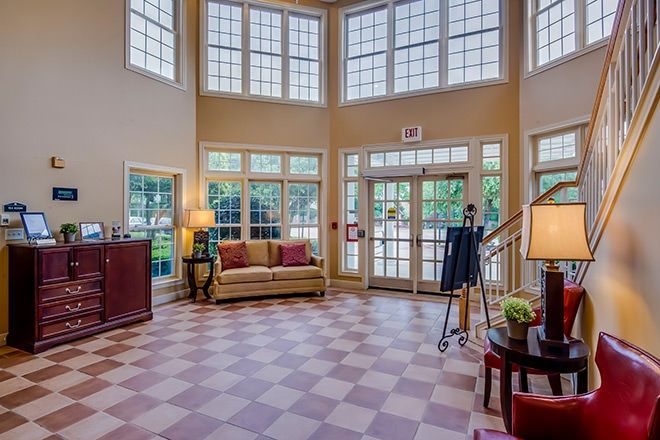
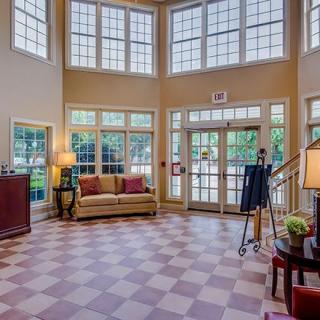
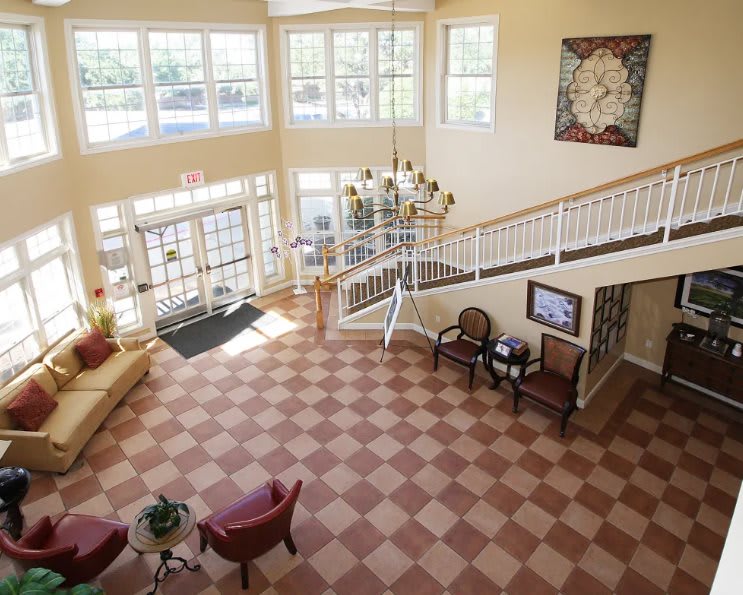
    Spacious lobby area with large windows and elegant decor.
  • Dining

    An elegant dining room with neatly arranged tables and chairs.
  • Kitchen

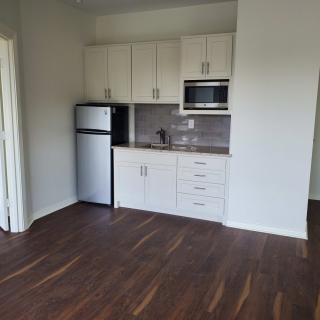
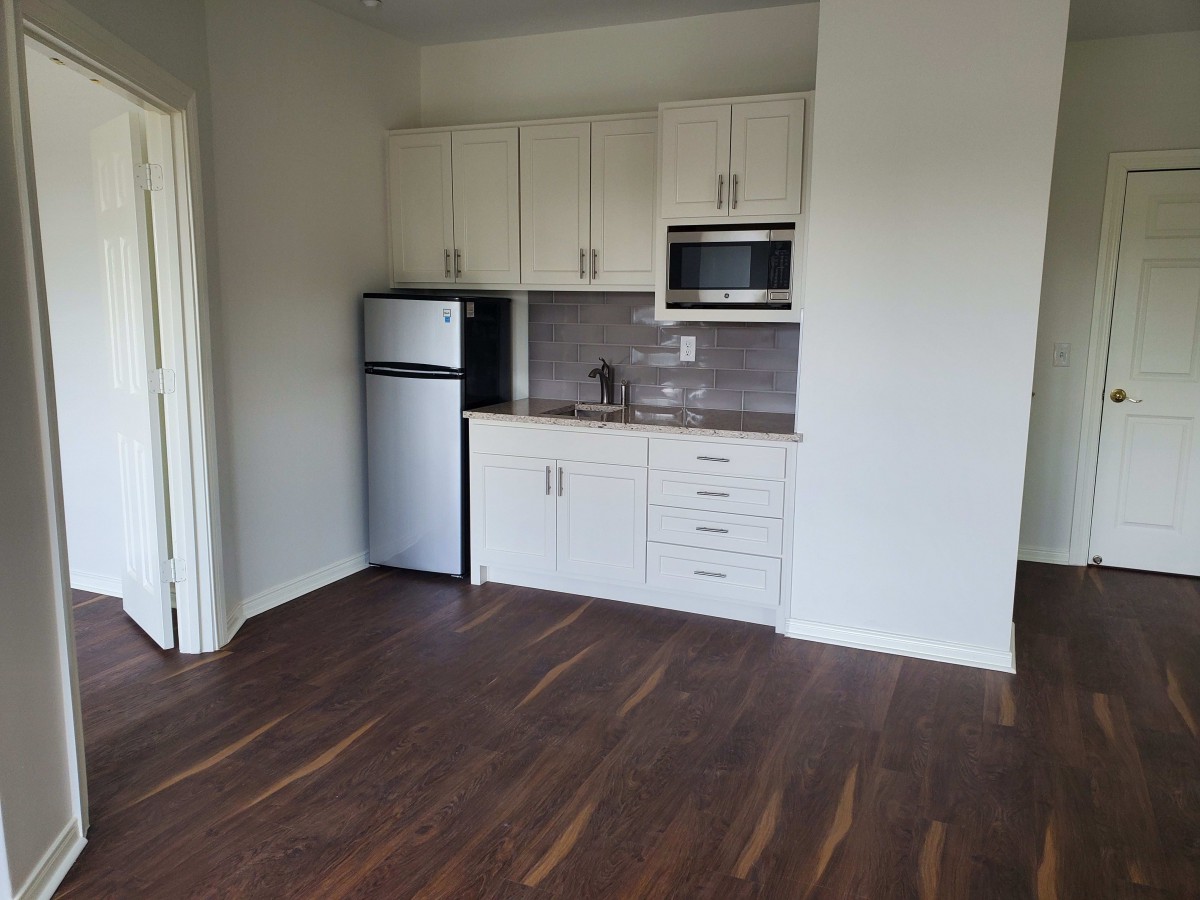
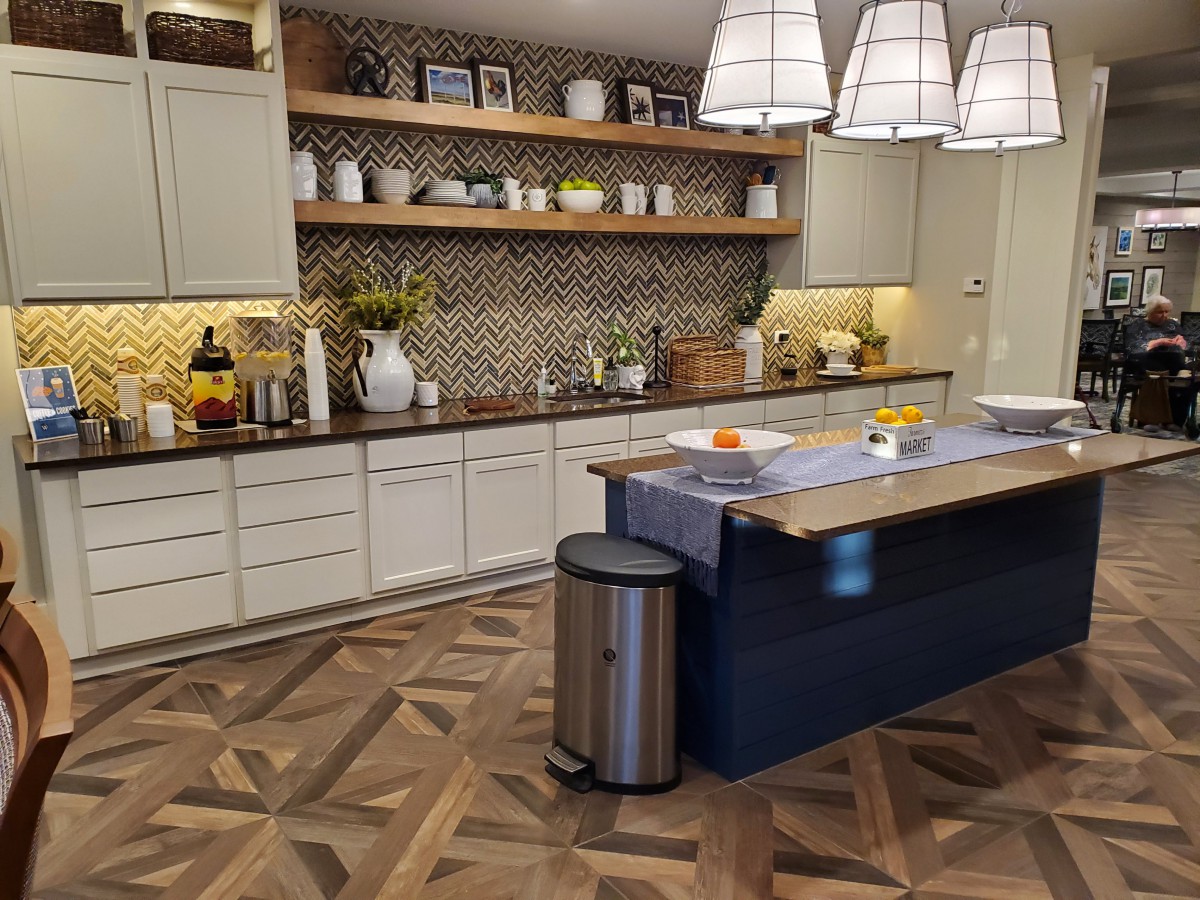
    A small, modern kitchen in an apartment with wood flooring and white cabinets.
  • Lighting

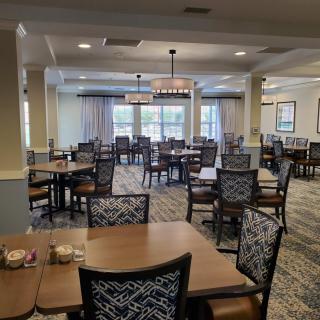
    An empty dining room featuring neatly arranged tables and chairs under soft lighting.
  • Garden

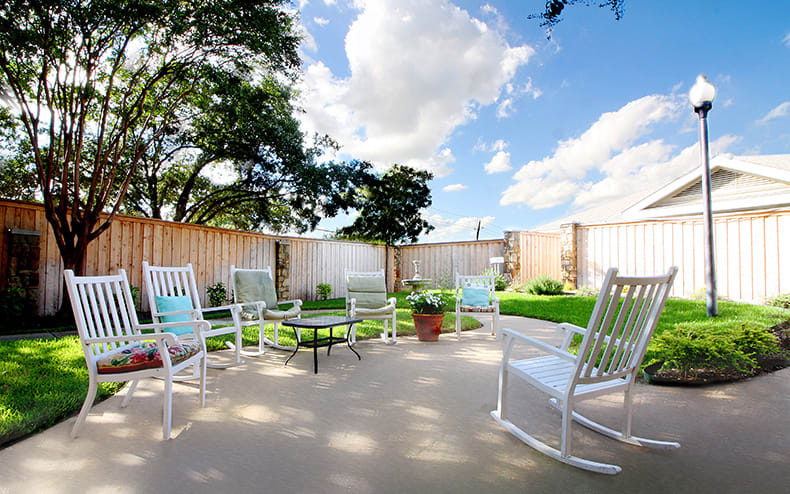
    A sunny patio with white rocking chairs and a small garden area.
  • Artwork

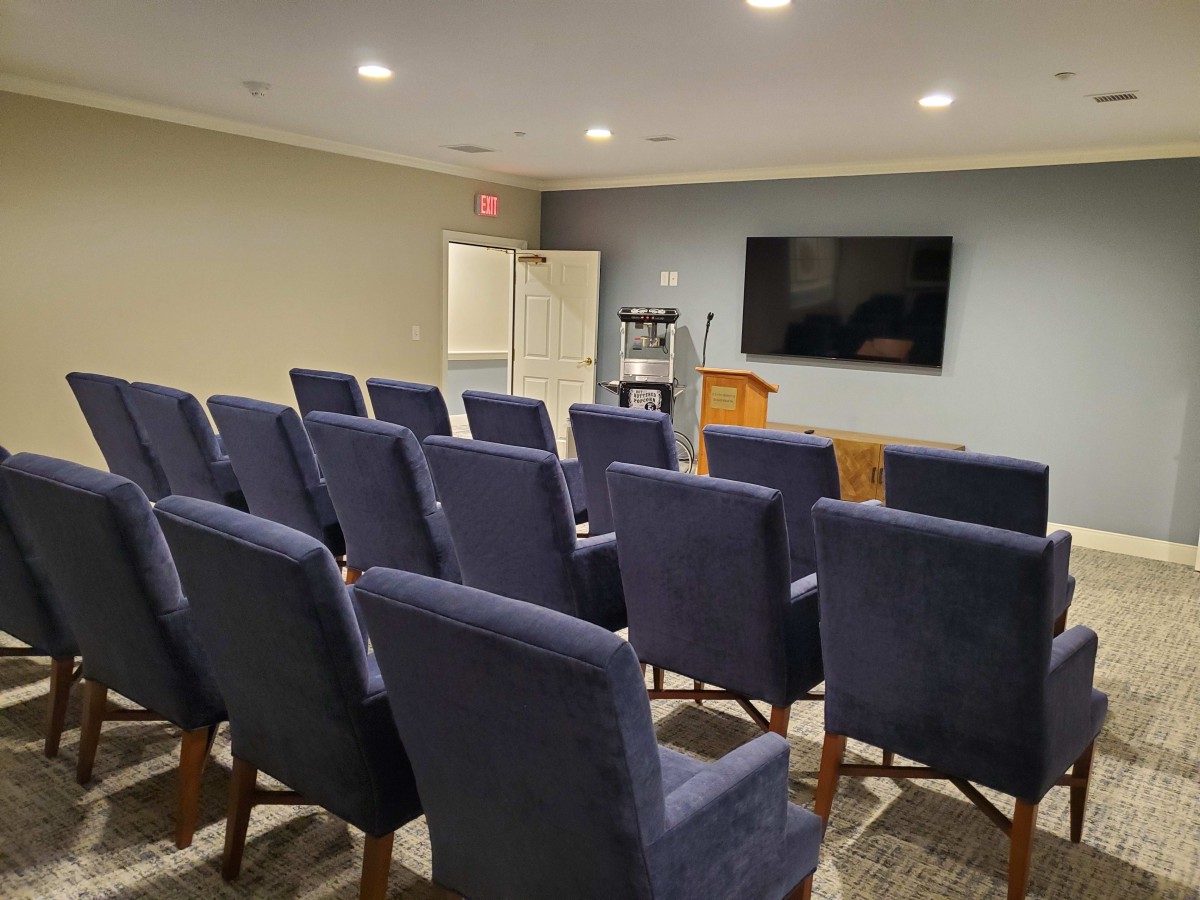
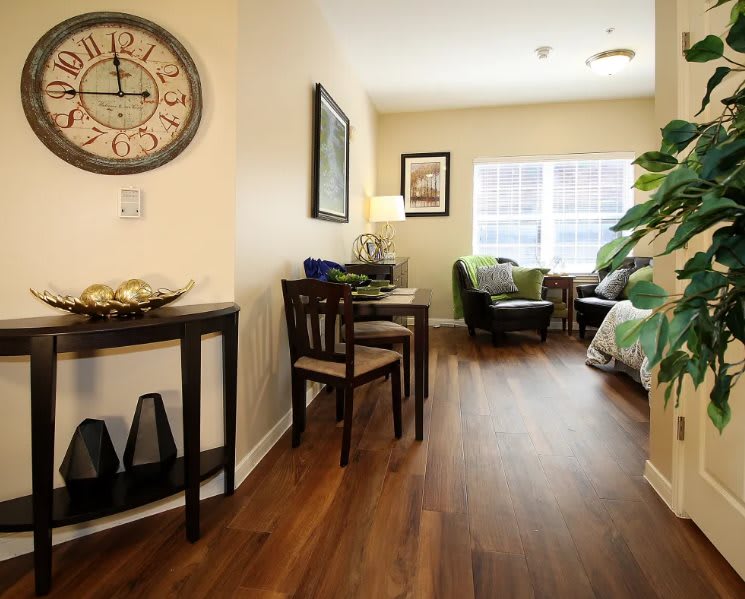
    Cozy living room with comfortable seating and modern decor.
  • Seating Area

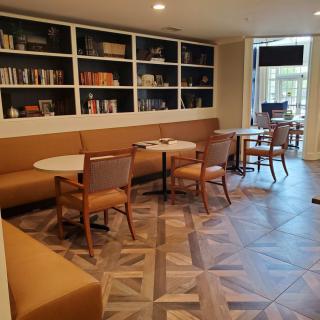
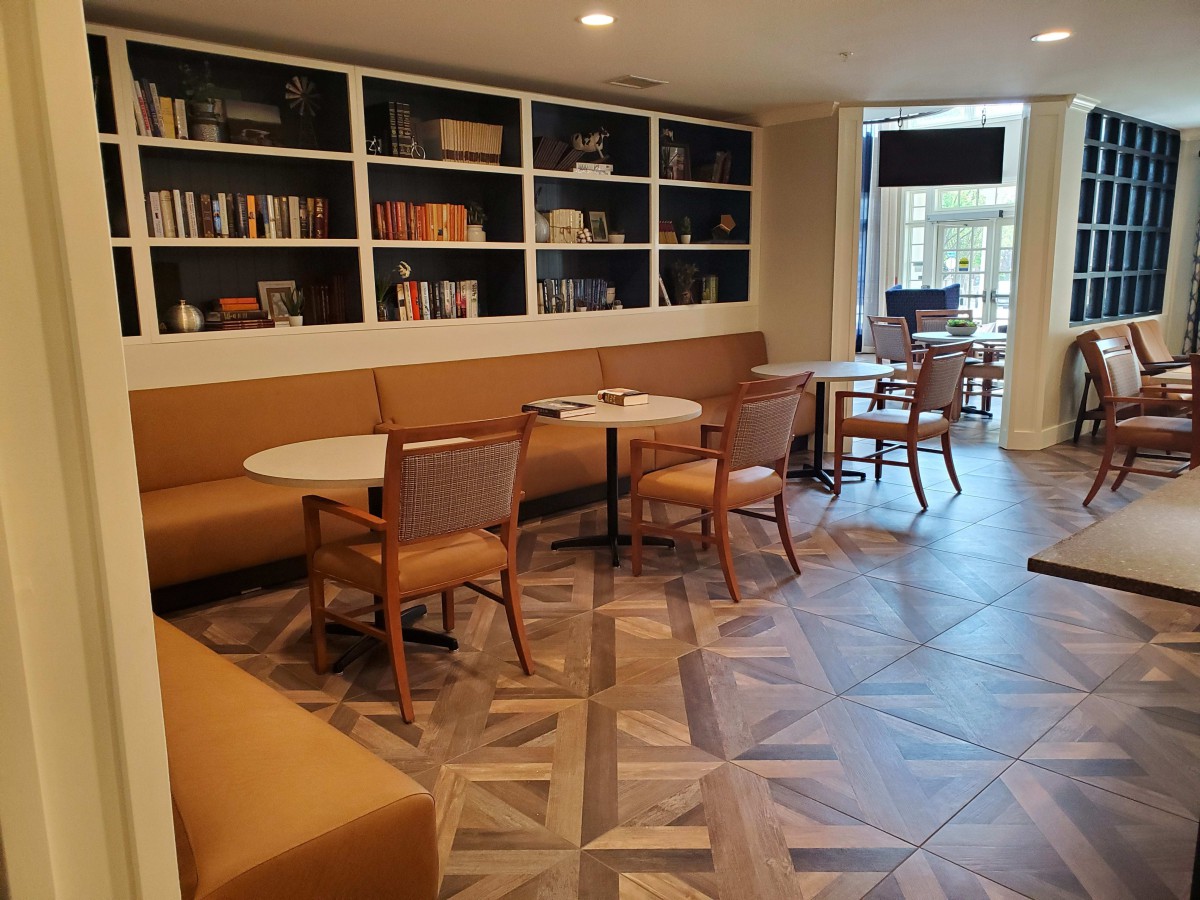
    A cozy and modern cafe seating area with tables, chairs, and a bookshelf lining the wall.
  • Floor Plan

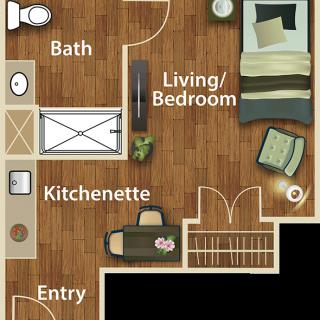
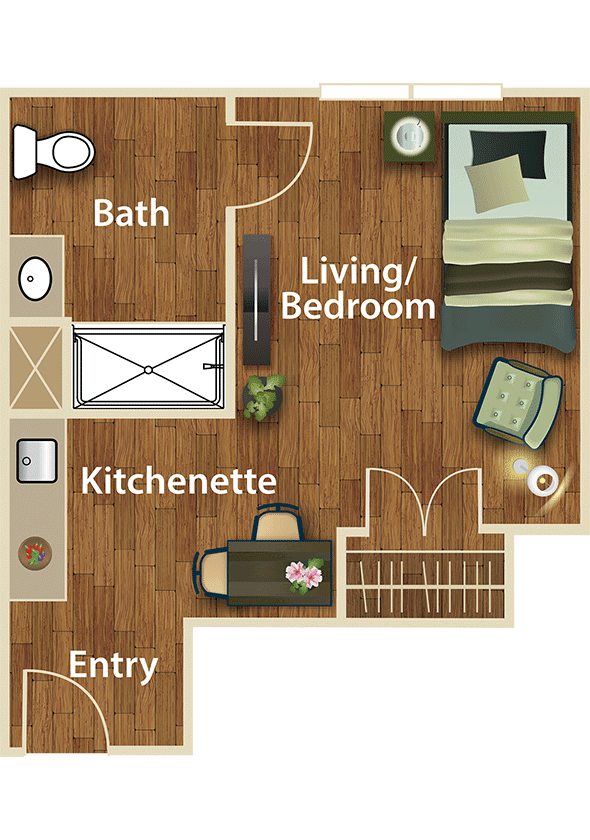
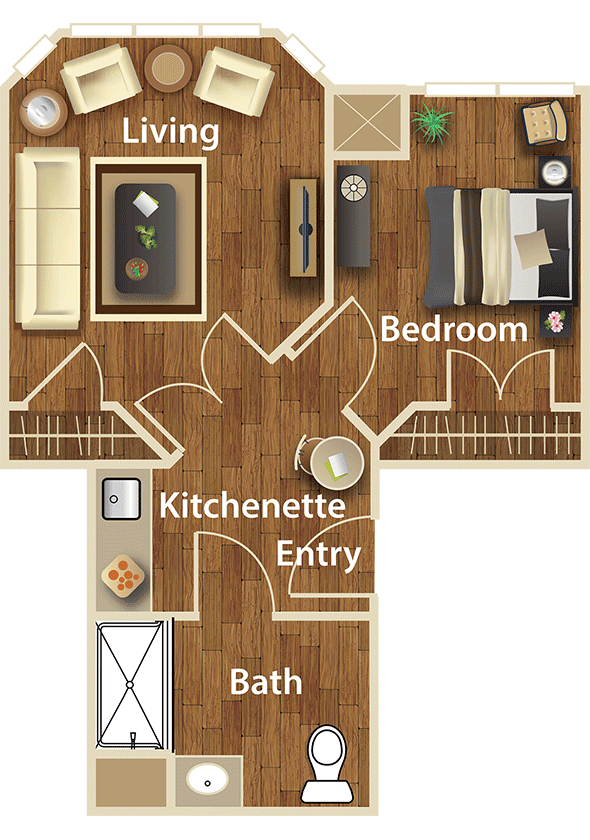
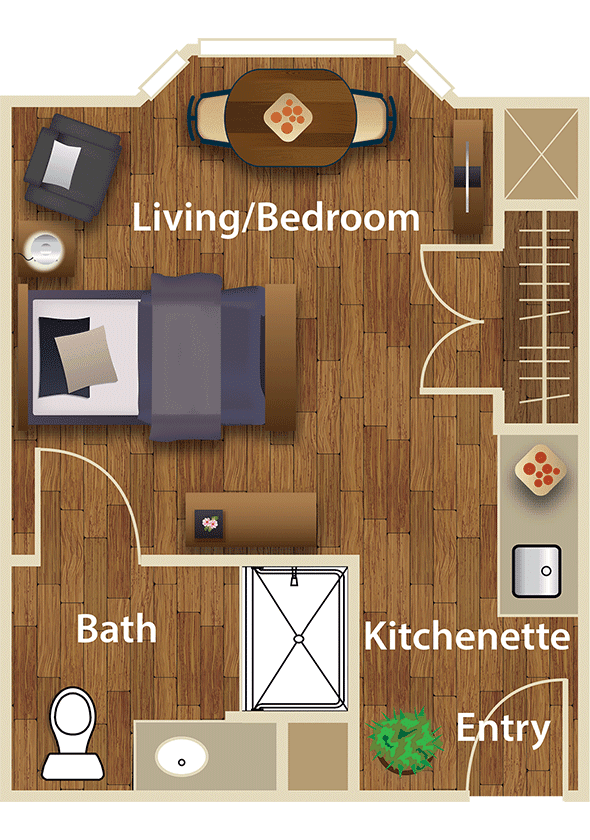
    A floor plan of a studio apartment featuring a combined living and bedroom area, kitchenette, and bathroom.
  • Bathroom

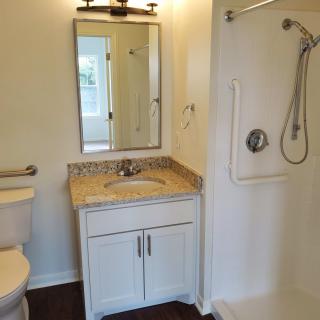
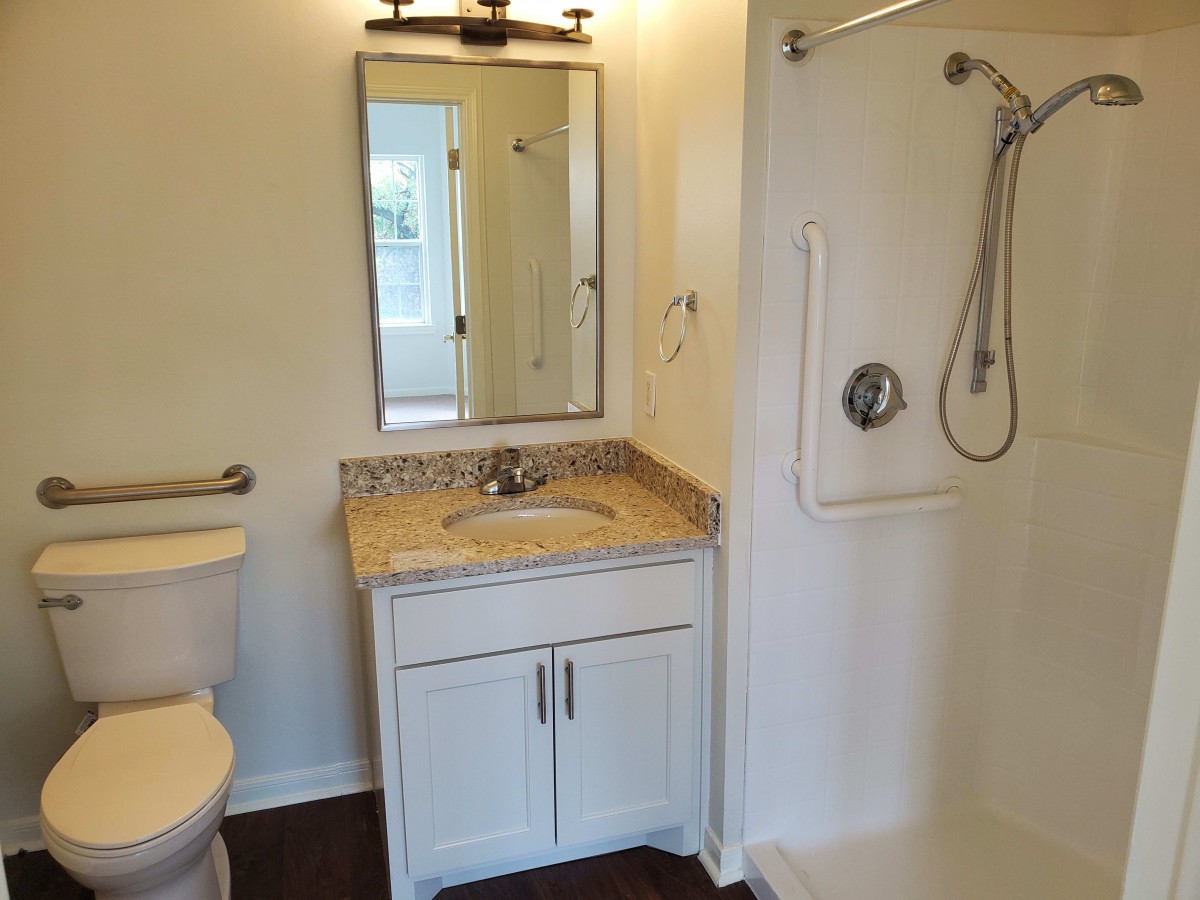
    A well-lit bathroom featuring a shower, vanity with sink and mirror, and a toilet.

Wyndham Court Of Plano

Information last verified:

3000 Midway Rd, Plano, TX 75093

For more information about senior living options: (844) 490-3973

4.5 from 88 reviews
5 stars
68
4 stars
8
3 stars
4
2 stars
3
1 stars
5

Seniors.FYI Elite Community Awards

Top 5% Senior Living Community in 2019Top 5% Senior Living Community in 2025

Add this award to your website

Wyndham Court Of Plano Costs & Pricing

Wyndham Court of Plano offers competitive pricing for its various room types when compared to both Denton County and the broader Texas market. For studio and semi-private accommodations, the facility's monthly cost of $3,400 is notably lower than the county average of $3,974 and $3,871 respectively, showcasing a compelling value proposition for prospective residents. However, when it comes to larger units such as the one-bedroom at $5,300 and two-bedroom at $6,000, prices surpass those in Denton County - where similar accommodations average around $3,749 for one-bedroom and $3,917 for two-bedroom options. Overall, Wyndham Court of Plano presents an attractive option for individuals seeking affordable studio and semi-private living arrangements while offering a more premium experience in their larger units.

Floor plansWyndham Court Of PlanoDenton CountyTexas
Semi-Private$3,400$3,871$3,680
Studio$3,400$3,974$3,758
1 Bedroom$5,300$3,749$3,761
2 Bedrooms$6,000$3,917$4,215

Overall Review of Wyndham Court Of Plano

Pros

  • pro Wyndham Court provides loving care and treats residents with dignity.
  • pro Residents thrive through healthy meals, engaging activities, and high-quality health care.
  • pro The staff are friendly, attentive, and consistently well organized, making the community feel well run.
  • pro Families praise the staff for compassion, patience, and care.
  • pro Addie offers a compassionate, wellness-focused approach that helps monitor residents' health.
  • pro Shannon, Amy, and the leadership team are welcoming, accessible, and genuinely invested in residents and families.
  • pro The community feels warm, home-like, and inviting, with staff who know residents by name.
  • pro The dining program is thoughtful and appetizing, with home-style meals and attentive service.
  • pro The activity director creates a fun, uplifting atmosphere with memorable activities.
  • pro The environment is clean, beautiful, and comfortable, with finishes that feel like home.

Cons

  • pro One reviewer described Wyndham Court as a terrible place with rampant resident abuse, alleged falsification of charting, and medications left on the floor, saying it should be shut down.
  • pro A reviewer said they would drive farther away to avoid the community and criticized staff interactions with residents.
  • pro A Brookdale Plano reviewer criticized the memory care setup, noting the upstairs placement and cramped bedrooms.
  • pro A reviewer said the facility is too expensive for the benefits received, with rent increases to cover updates.
  • pro A reviewer alleged chronic staff shortages due to low pay and condescending upper management with little contact with residents.
  • pro A reviewer claimed money was stolen by an employee and no action was taken.

Review

Wyndham Court Plano is best suited for families seeking a small, home-like assisted living and memory care environment where residents are known by name, treated with genuine warmth, and kept engaged through consistent, hands-on care. The community shines for seniors who benefit from intimate oversight, daily social activities, and meals that feel thoughtful and homelike. It is especially advantageous for families who want a facility where staff turnover is relatively low, where leaders are accessible, and where the overall atmosphere emphasizes dignity, affection, and continuity of relationships. The memory care option is integrated in a manner that allows residents to remain close to the broader community while receiving specialized attention, and the staff’s ability to personalize routines stands out as a defining strength.

Those who may want to consider alternatives include families on tighter budgets or those who prioritize size and program breadth over personalized attention. Wyndham Court Plano operates with a premium feel and a high level of service that comes with a higher price tag, and several reviews note the cost relative to what is received. For families needing robust transportation to appointments, or dialysis-specific support, potential gaps appear in some feedback. A few families also flag concerns about management communication and occasional staff shortages or turnover, suggesting that in a crisis or peak staffing period the experience could be inconsistent with the ideal. For residents who require a first-floor memory care layout or larger, more expansive living spaces, the compact footprint and upstairs memory care sometimes feel limiting.

The strongest positives center on the care culture. The staff’s ability to treat residents with respect and personal attention is repeatedly highlighted, from caregivers who remember personal details to nurses who coordinate wellness plans with families. Instances of grace under pressure, such as staff gently guiding residents through confusion while preserving self-worth, underscore a philosophy of compassionate care that many families say makes Wyndham Court feel like a true home. The atmosphere is described as warm, with friendly front-desk teams and a management group that remains visible and approachable. The quality of meals, housekeeping, and attentiveness to daily activities, ranging from organized outings to social gatherings like themed brunches, consistently reinforces the view that residents live with dignity and purpose.

The occasional drawbacks noted by some reviewers are not rare in senior living, but they warrant consideration. A subset of families points to price and value, arguing that the cost premium should fully align with the breadth of benefits, and they question whether the funding area might be stretched by renovations or staffing expenses. Others mention attrition in leadership roles or gaps in open, proactive family communication during transitions or staffing shifts. A few reviewers describe situational concerns related to memory care, such as differences in floor placement (memory care upstairs rather than on the ground level) or moments when staff interactions could be more consistent. Additionally, while not universal, there are comments about staffing levels during high-demand times, underscoring the importance of asking about current staffing ratios and how the team handles peak periods.

When the favorable dynamics dominate, they do so in ways that meaningfully offset the more general concerns. The intimate scale of Wyndham Court Plano often translates into predictable routines, quick responses, and a culture where staff feel invested in each resident’s well-being. Families repeatedly note that management, including the executive leadership and residents’ liaisons, remains reachable, transparent, and involved, qualities that reduce anxiety during care transitions and reinforce trust. The proof is in the day-to-day: residents appearing happier, more engaged, and better nourished; family members feeling welcome to participate in special events; and clinicians who collaborate with families to tailor activities and health plans. These elements collectively tilt the balance toward a favorable decision for those prioritizing companionship, continuity, and a deeply personal care approach.

In the end, Wyndham Court Plano represents a compelling option for a specific profile: a smaller, closely connected community where care staff are deeply invested in residents and families, and where memory care dovetails with assisted living to preserve autonomy within a supportive framework. It is a superior fit for families who value a home-like ambience, strong personal attention, and regular, meaningful family engagement, and who are prepared to invest in a premium care experience. For those who need a broader campus with extensive transportation services, lower price points, or a more formalized, large-scale operation, alternatives may offer a better alignment with expectations and budget. The decision should hinge on a clear assessment of three pillars: personal comfort with the care team’s continuity, financial feasibility over time, and the degree to which a small, intimately connected setting will support the resident’s day-to-day happiness and safety. Wyndham Court Plano delivers on those core needs with impressive consistency, and that steadiness is the strongest advocate for choosing it.

Features

Housing

  • 88 resident community capacity 88 resident community capacity

Types of Care

  • Assisted Living Assisted LivingAssisted living facilities provide crucial support and care for seniors who may need help with daily tasks such as medication management, bathing, and meal preparation. These communities offer a safe and comfortable environment where seniors can maintain their independence while receiving the assistance they need to thrive in their golden years.
  • Memory Care Memory CareMemory care is crucial for seniors as it provides specialized support and services for individuals with dementia or Alzheimer's disease. These programs offer a safe and secure environment where residents receive personalized care, cognitive stimulation, and help with daily activities. Memory care helps seniors maintain their independence, quality of life, and dignity while also providing peace of mind for their families.

Pets

  • Cats allowed Cats allowed"Pet friendly" senior living communities are important for seniors because pets provide companionship, reduce feelings of loneliness and depression, promote physical activity and mental stimulation, and offer a sense of purpose and responsibility. Pets can improve overall well-being and quality of life for seniors in many ways.
  • Dogs allowed Dogs allowed"Pet friendly" senior living communities are important for seniors because pets provide companionship, reduce feelings of loneliness and depression, promote physical activity and mental stimulation, and offer a sense of purpose and responsibility. Pets can improve overall well-being and quality of life for seniors in many ways.

Amenities

  • Activities off-site Activities off-siteEngaging in off-site activities is crucial for seniors to maintain social connections, stay active, and stimulate their minds. It promotes overall well-being and helps combat feelings of isolation and loneliness.
  • Activities on-site Activities on-siteActivities on-site are important for seniors because they provide opportunities for socialization, mental stimulation, physical activity, and overall well-being. Engaging in activities can help seniors stay active, maintain their independence, and improve their quality of life.
  • Air-conditioning Air-conditioningAir conditioning is important for seniors as they are more vulnerable to heat-related illnesses and may have underlying health conditions that make it difficult for them to regulate their body temperature. It helps to keep them comfortable, safe, and healthy in hot weather.
  • Beautician on-site Beautician on-siteHaving a beautician on-site at a senior living community is important for seniors as it allows them to easily access grooming and personal care services, boosting their self-esteem and overall well-being. It also provides convenience and helps seniors maintain their sense of independence and personal style.
  • Beauty salon Beauty salonBeauty salons are important for seniors because they provide a space for them to feel pampered, socialize, and maintain their personal grooming and hygiene. Regular visits to a beauty salon can help boost seniors' self-esteem and overall well-being.
  • Cable or satellite TV Cable or satellite TVCable or satellite TV is important for seniors because it provides entertainment, news, and companionship, helping to combat loneliness and boredom. It also offers a wide range of programming options tailored to different interests and preferences.
  • Computer center Computer centerA computer center is essential for seniors as it provides access to technology, communication tools, and resources that can enhance their daily lives. It allows them to stay connected with loved ones, engage in online activities, and learn new skills, ultimately promoting socialization and mental stimulation.
  • Devotional services on-site Devotional services on-siteDevotional services on-site provide seniors with spiritual support and a sense of community, as well as an opportunity for reflection and guidance during their senior living experience. This can promote emotional well-being and connection to others, leading to a more fulfilling and enriching lifestyle in their later years.
  • Dining room Dining roomDining rooms are important for seniors as they provide a space for socialization, connection, and nutritious meals. They offer opportunities for residents to bond over shared meals, foster a sense of community, and promote healthy eating habits. Dining rooms also ensure that seniors have access to well-balanced meals tailored to their dietary needs and preferences.
  • Fitness room Fitness roomHaving a fitness room in a senior living community is essential for seniors to stay active, maintain their physical health, and improve their overall well-being. Regular exercise can help prevent falls, reduce the risk of chronic diseases, and promote mental sharpness. It also provides social opportunities for residents to connect with others and enjoy a sense of community.
  • Fully furnished Fully furnishedFully furnished senior living communities are important for seniors because they provide convenience, comfort, and a hassle-free moving experience. Seniors can easily settle into their new living space without the stress of having to buy and move furniture. This allows them to focus on enjoying their new home and community.
  • Gaming room Gaming roomGaming rooms are important for seniors as they provide a fun and engaging environment for socializing, cognitive stimulation, and physical activity. Games can improve memory, problem-solving skills, and overall mental well-being while fostering friendships and reducing feelings of isolation.
  • Garden GardenGardens are important for seniors as they provide a peaceful and therapeutic environment for relaxation, physical activity, and socialization. Being in nature has been shown to reduce stress, improve mood, and promote overall well-being. Gardens also offer opportunities for seniors to engage in gardening activities, which can improve mobility, flexibility, and cognitive function. Additionally, gardens create a sense of community and connection with others who share a passion for plants and outdoor spaces.
  • Ground floor units Ground floor unitsGround floor units are important for seniors because they provide easy accessibility, reduced risk of falls and injuries, and convenience for those with mobility issues. Seniors can avoid climbing stairs or using elevators, making daily tasks and activities more manageable and enjoyable.
  • Housekeeping services Housekeeping servicesHousekeeping services are important for seniors because they help maintain a clean and safe living environment, promote independence, and reduce the risk of accidents or illnesses. Additionally, having assistance with household chores can alleviate physical strain and allow seniors to focus on other aspects of their well-being.
  • Indoor common areas Indoor common areasIndoor common areas are crucial for seniors as they provide a space for socialization, recreation, and community engagement, promoting overall well-being and reducing feelings of isolation and loneliness.
  • Kitchenette KitchenetteKitchenettes are important for seniors living in senior living communities because they provide the convenience and independence of being able to prepare simple meals and snacks in the comfort of their own living space. This can help promote a sense of autonomy and well-being for seniors, allowing them to maintain some level of control over their dietary choices and daily routines.
  • Move-in coordination Move-in coordinationMove-in coordination is important for seniors because it helps ease the transition into their new living environment. It ensures that all logistics, such as packing, organizing movers, and setting up utilities are taken care of, allowing seniors to focus on settling in and adjusting to their new home. Having a smooth move-in process can alleviate stress and anxiety, making the transition smoother and more enjoyable for seniors.
  • Outdoor space Outdoor spaceOutdoor spaces are important for seniors as they provide opportunities for physical activity, social interaction, exposure to natural light and fresh air, and a sense of connection to nature. Having access to outdoor spaces can improve overall well-being and quality of life for older adults living in senior communities.
  • Private bathrooms Private bathroomsPrivate bathrooms are important for seniors in senior living communities because they provide independence, dignity, and comfort. Having a private bathroom allows seniors to maintain their personal hygiene routines without the need for assistance, promoting a sense of autonomy and privacy. Additionally, private bathrooms help prevent the spread of infections and provide a safe and clean environment for seniors to navigate safely.
  • Respite or short term stays offered Respite or short term stays offeredRespite or short term stays provide seniors with a temporary solution when their regular caregiver is unavailable, offering them the opportunity to receive additional care and support during times of need, while also giving caregivers a chance to rest and recharge.
  • Restaurant-style dining Restaurant-style diningRestaurant-style dining is important for seniors because it allows them to enjoy delicious, nutritious meals in a social and upscale setting. This enhances their dining experience, promotes healthy eating habits, and fosters socialization with fellow residents, ultimately contributing to their overall well-being and quality of life.
  • Small library Small librarySmall libraries are important for seniors as they provide access to a variety of reading materials, including books, newspapers, and magazines. This can help stimulate their minds, keep them engaged, and provide a sense of community through book clubs and other social activities. Additionally, reading has been shown to improve cognitive function and overall mental well-being in older adults.
  • Telephone TelephoneTelephones are important for seniors as they provide a lifeline for communication with loved ones, emergency services, and healthcare providers. They offer a sense of security and independence, enabling seniors to stay connected and access assistance when needed.
  • Wellness center Wellness centerWellness centers are important for seniors because they offer a variety of programs and services that promote physical, mental, and emotional well-being. These centers provide opportunities for exercise, socialization, education, and relaxation, helping seniors maintain their overall health and quality of life.
  • Wheelchair accessible showers Wheelchair accessible showersWheelchair accessible showers are crucial for seniors as they provide a safe and independent bathing option for those with mobility challenges. These showers help prevent falls and allow seniors to maintain their dignity and autonomy while ensuring they can bathe comfortably.
  • Wi-Fi/high-speed internet available Wi-Fi/high-speed internet availableWi-Fi/high-speed internet is important for seniors to stay connected with loved ones, access online resources, and participate in virtual activities to combat feelings of loneliness and isolation. It also allows them to easily manage healthcare needs, access entertainment, and engage in lifelong learning opportunities.

Transportation

  • Dallas Love (13 miles away) Dallas Love (13 miles away)
  • Dallas-Fort Worth International (15 miles away) Dallas-Fort Worth International (15 miles away)
  • Community operated transportation Community operated transportationCommunity operated transportation is crucial for seniors as it provides them with the means to access essential services, social activities, and medical appointments. It allows seniors to maintain their independence and quality of life by ensuring they can participate in activities outside of their homes. Additionally, community-operated transportation services offer a safe and reliable way for seniors to travel without having to rely on family or friends for assistance.
  • Transportation arrangement Transportation arrangementTransportation arrangements are crucial for seniors as they may face challenges with driving, mobility, or access to public transportation. Having reliable transportation services ensures that seniors can easily attend appointments, social activities, and maintain their independence and quality of life.
  • Transportation arrangement (non-medical) Transportation arrangement (non-medical)Transportation arrangements are essential for seniors as they provide access to essential services, activities, and social interactions outside the home. This service helps maintain independence, mobility, and overall well-being for seniors who may have limited transportation options.
  • Transportation to doctors appointments Transportation to doctors appointmentsTransportation to doctors appointments is crucial for seniors as it ensures they have access to necessary medical care and support, promoting their health and well-being. It allows them to receive timely treatment, monitor existing conditions, and address any new health concerns efficiently. Additionally, transportation services can help seniors maintain their independence and quality of life by enabling them to stay connected with their healthcare providers.

Care Services

  • 12-16 hour nursing 12-16 hour nursing12-16 hour nursing care is crucial for seniors in order to ensure around-the-clock monitoring, timely medication administration, and prompt response to any health concerns or emergencies. This level of care helps to promote the overall well-being and safety of seniors living in senior living communities.
  • 24-hour call system 24-hour call system24-hour call systems are important for seniors because they provide peace of mind and immediate assistance in case of emergencies. This technology ensures that help is always available, promoting safety and security for elderly individuals living alone or in assisted living facilities.
  • 24-hour supervision 24-hour supervision24-hour supervision is important for seniors to ensure their safety, well-being, and access to immediate assistance in case of emergencies or health issues. This constant support provides peace of mind for both seniors and their loved ones, allowing them to age in place with dignity and security.
  • Activities of daily living assistance Activities of daily living assistanceActivities of daily living assistance are important for seniors because they provide essential support with tasks such as eating, bathing, dressing, and mobility. This assistance helps seniors maintain their independence, dignity, and overall quality of life as they age.
  • Ambulatory care Ambulatory care"Ambulatory care services provide essential medical support and treatment to seniors without requiring hospitalization, allowing them to maintain their independence and quality of life while managing chronic conditions or receiving routine medical care."
  • Assistance with bathing Assistance with bathingAssistance with bathing is crucial for seniors as it helps maintain personal hygiene, prevents infections, and ensures their overall well-being and comfort. It also provides a sense of dignity and independence for seniors who may struggle with this task on their own.
  • Assistance with dressing Assistance with dressingAssistance with dressing is important for seniors because it helps maintain their independence, promotes personal hygiene, prevents accidents and injuries, and improves overall quality of life. This service ensures that seniors can continue to dress comfortably and confidently, despite any physical limitations they may have.
  • Assistance with transfers Assistance with transfersAssistance with transfers is crucial for seniors as it helps prevent falls and injuries, maintains their independence, and ensures they can safely navigate their living environment. It also provides peace of mind for both seniors and their loved ones.
  • Coordination with health care providers Coordination with health care providersCoordination with health care providers is crucial for seniors to ensure proper medical care, medication management, and overall well-being. This collaboration helps prevent overlapping treatments, track progress more effectively, and provide comprehensive support tailored to individual needs.
  • Dementia waiver Dementia waiverDementia waivers are essential for seniors as they provide critical protections and accommodations for those experiencing cognitive decline. These waivers ensure individuals with dementia receive appropriate care, support, and resources to maintain their quality of life and dignity as they navigate the challenges of this progressive condition.
  • Diabetes diet Diabetes dietA diabetes diet is crucial for seniors as it helps manage blood sugar levels, reduce risks of complications, and improve overall health and well-being. By following a balanced and nutritious diet tailored to their specific needs, seniors can better control their diabetes and enhance their quality of life.
  • Diabetic care Diabetic careDiabetic care is crucial for seniors as they are more susceptible to developing diabetes due to aging and other health conditions. Proper management of diabetes can help prevent complications such as heart disease, vision loss, and nerve damage, improving the overall quality of life for seniors in senior living communities.
  • Hospice waiver Hospice waiverHospice waivers are important for seniors because they allow individuals to receive specialized end-of-life care and support at home or in a hospice facility. This waiver ensures that seniors can access the necessary resources and services to maintain comfort and dignity during their final days.
  • Incontinence care Incontinence careIncontinence care is essential for seniors to maintain their dignity, hygiene, and overall quality of life. By addressing incontinence issues promptly and effectively, seniors can enjoy a sense of independence and comfort in their daily activities.
  • Meal preparation and service Meal preparation and serviceMeal preparation and service are crucial for seniors as they may have limited mobility or energy to cook nutritious meals. Having access to healthy and convenient food options can ensure they are getting the proper nutrition needed to maintain their overall health and well-being.
  • Medication management Medication managementMedication management is crucial for seniors to ensure they are taking the right medications at the correct dosages and times. This helps prevent adverse drug interactions, reduces the risk of medication errors, and promotes overall health and well-being. Proactive management also allows for adjustments as needed based on changing health conditions or new prescriptions.
  • Mental wellness program Mental wellness programMental wellness programs are essential for seniors as they promote cognitive stimulation, emotional support, and social engagement. These programs help prevent isolation, depression, and cognitive decline, ultimately enhancing the overall quality of life for older adults.
  • Mild cognitive impairment Mild cognitive impairment"Mild cognitive impairment" is important for seniors because it is an early stage of cognitive decline that can potentially progress to more severe conditions such as dementia. Recognizing and addressing mild cognitive impairment can help seniors receive appropriate care and support to maintain their quality of life and independence for as long as possible.
  • Special dietary restrictions Special dietary restrictionsSpecial dietary restrictions are important for seniors because age-related changes in metabolism and health conditions can make it difficult for their bodies to process certain foods. By following a diet tailored to their specific needs, seniors can maintain their overall health and well-being, manage chronic conditions, and reduce the risk of complications such as malnutrition or food interactions with medications.
  • Specialized memory care programming Specialized memory care programmingSpecialized memory care programming is crucial for seniors with cognitive impairments such as dementia or Alzheimer's disease. These programs provide a safe and supportive environment tailored to the unique needs of individuals with memory loss, helping them maintain their independence, dignity, and quality of life.
  • Transportation arrangement (medical) Transportation arrangement (medical)Transportation arrangements for medical purposes are essential for seniors as they may have difficulty driving themselves to appointments or accessing public transportation. Having reliable and safe transportation options ensures that seniors can receive timely medical care and maintain their health and well-being.
  • Transportation to doctors appointments Transportation to doctors appointmentsTransportation to doctors appointments is crucial for seniors as it ensures they have access to necessary medical care and support, promoting their health and well-being. It allows them to receive timely treatment, monitor existing conditions, and address any new health concerns efficiently. Additionally, transportation services can help seniors maintain their independence and quality of life by enabling them to stay connected with their healthcare providers.

Dining

  • Diabetes diet Diabetes dietA diabetes diet is crucial for seniors as it helps manage blood sugar levels, reduce risks of complications, and improve overall health and well-being. By following a balanced and nutritious diet tailored to their specific needs, seniors can better control their diabetes and enhance their quality of life.
  • Guest meals Guest mealsGuest meals are important for seniors living in senior living communities because they provide an opportunity for socialization and companionship. Sharing a meal with friends, family, or new acquaintances can help combat feelings of loneliness and isolation, promote a sense of community, and enhance overall well-being. Additionally, guest meals allow seniors to enjoy delicious food in a comfortable setting without the hassle of cooking or cleaning up, making dining a pleasurable and stress-free experience.
  • Low / no sodium Low / no sodiumLow/no sodium options are important for seniors because excessive sodium intake can lead to high blood pressure, heart disease, and other health issues commonly experienced by older adults. By choosing low/no sodium foods, seniors can better manage their health and reduce their risk of developing these conditions.
  • Meals provided Meals provided"Meals provided" are crucial for seniors in assisted living communities as it ensures they have access to nutritious, balanced meals without the stress of meal planning and preparation. This can help promote overall health and well-being for seniors who may have limited mobility or cognitive abilities.
  • No Sugar No SugarNo sugar diets are important for seniors because they can help prevent or manage chronic conditions such as diabetes, heart disease, and obesity. Sugar can also contribute to cognitive decline and inflammation in the body, so reducing sugar intake can lead to overall improved health and well-being in older adults.
  • Restaurant style dining Restaurant style diningRestaurant style dining is important for seniors as it offers them a social and enjoyable dining experience, promotes healthy eating habits, and provides personalized menu options to cater to their dietary needs and preferences. This type of dining setting can enhance their overall quality of life and create a sense of community within the senior living facility.
  • Special dietary restrictions Special dietary restrictionsSpecial dietary restrictions are important for seniors because age-related changes in metabolism and health conditions can make it difficult for their bodies to process certain foods. By following a diet tailored to their specific needs, seniors can maintain their overall health and well-being, manage chronic conditions, and reduce the risk of complications such as malnutrition or food interactions with medications.
  • Special dining programs Special dining programsSpecial dining programs are important for seniors because they provide nutritious meals tailored to their dietary needs and preferences. These programs also offer socialization opportunities, promote overall health and well-being, and can help prevent malnutrition.
  • Vegetarian VegetarianA vegetarian diet is important for seniors because it can help lower the risk of chronic diseases, maintain a healthy weight, and provide essential nutrients needed for aging bodies. Additionally, plant-based diets are often easier on digestive systems and can contribute to overall well-being in older adults.

Activities

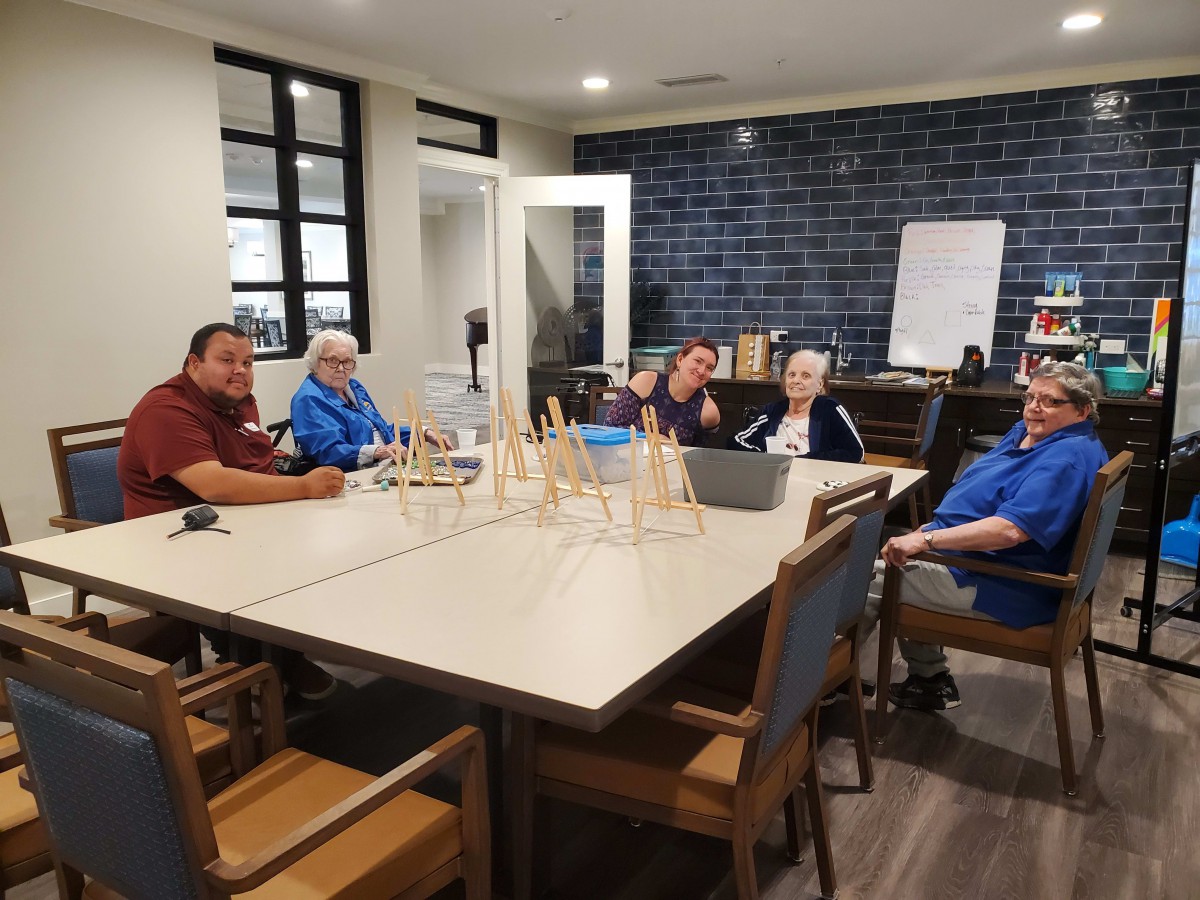
  • Art classes Art classesArt classes are important for seniors because they provide a creative outlet, improve cognitive function, reduce stress and anxiety, promote socialization, and enhance overall well-being and quality of life.
  • Brain fitness Brain fitnessBrain fitness is important for seniors as it helps to maintain cognitive function, memory, and overall mental well-being. Engaging in activities that challenge the brain can help prevent cognitive decline and promote a healthier, more fulfilling quality of life in older adults.
  • Community-sponsored activities Community-sponsored activitiesCommunity-sponsored activities are important for seniors as they provide opportunities for social interaction, mental stimulation, and physical activity. These activities can help improve overall well-being, combat loneliness and isolation, and promote a sense of belonging and purpose among older adults.
  • Concierge services Concierge servicesConcierge services are essential for seniors as they provide assistance with daily tasks and errands, enhance their quality of life by offering convenience and personalized care, and promote a sense of safety and security.
  • Day trips and outings Day trips and outingsDay trips and outings are important for seniors as they provide opportunities for socialization, mental stimulation, physical activity, and a break from daily routines. These experiences can enhance overall well-being and quality of life for older adults living in senior communities.
  • Devotional activities on-site Devotional activities on-siteDevotional activities on-site provide seniors with a sense of community, spiritual fulfillment, and emotional support, promoting overall well-being and a positive sense of purpose in their lives.
  • Educational speakers / life long learning Educational speakers / life long learningEducational speakers and lifelong learning opportunities are crucial for seniors as they provide mental stimulation, promote social engagement, and contribute to overall well-being. Continuous learning helps seniors stay mentally sharp, build new skills, and maintain a sense of purpose and fulfillment in their lives. It also allows them to stay connected to the world around them and fosters a sense of community within senior living facilities.
  • Fitness programs Fitness programsFitness programs are crucial for seniors as they help improve strength, flexibility, balance, and overall well-being. Staying active can reduce the risk of chronic diseases, improve mental health, and enhance quality of life in older adults.
  • Gardening club Gardening clubGardening clubs are important for seniors because they provide a sense of community, promote physical activity and mental well-being, and offer opportunities for socialization and connection with nature. Gardening can also improve cognitive function and overall quality of life for seniors.
  • Happy hour Happy hourHappy hour is important for seniors as it provides a social activity that promotes camaraderie and reduces feelings of loneliness or isolation. It also offers an opportunity for older adults to relax, unwind, and enjoy some drinks or snacks in a fun and welcoming atmosphere.
  • Live dance or theater performances Live dance or theater performancesLive dance or theater performances are important for seniors because they provide opportunities for socialization, mental stimulation, and emotional engagement. These performances can help combat feelings of isolation and loneliness, while also offering a sense of connection to the arts and culture. Additionally, watching live performances can bring joy and create lasting memories for seniors in their later years.
  • Live musical performances Live musical performancesLive musical performances can provide seniors with a sense of joy, nostalgia, and connection. Music has the power to evoke emotions and memories, improve mood and cognitive function, and foster social interaction among seniors. It can also serve as a form of therapy and stress relief for older adults, making it an important activity to include in senior living communities.
  • Planned day trips Planned day tripsPlanned day trips are important for seniors because they offer opportunities for socialization, mental stimulation, and physical activity. They provide a change of scenery and help seniors stay engaged and connected to their community, promoting overall well-being and quality of life.
  • Resident-run activities Resident-run activitiesResident-run activities are important for seniors as they encourage social interaction, creativity, and a sense of autonomy. These activities empower seniors to stay engaged and active in their community while fostering meaningful connections with their peers.
  • Scheduled daily activities Scheduled daily activitiesScheduled daily activities are important for seniors because they provide structure, socialization, mental stimulation, and physical activity. Engaging in regular activities can improve overall well-being and quality of life for seniors living in a community setting.
  • Stretching classes Stretching classesStretching classes are important for seniors because they help improve flexibility, reduce the risk of injury, and promote overall health and well-being. Regular stretching can also help alleviate joint pain and stiffness, enhance balance and coordination, and increase range of motion.
  • Yoga / chair yoga Yoga / chair yogaYoga and chair yoga are important for seniors as they promote flexibility, balance, strength, and overall wellbeing. These practices can help improve mobility, reduce stress, and enhance mental clarity, ultimately leading to a higher quality of life in their senior years.

Description

Wyndham Court Of Plano is an inviting and comfortable assisted living community located in Plano, TX. It specializes in providing exceptional memory care for seniors with dementia or other memory-related impairments.

Our community offers a wide range of amenities to ensure the comfort and satisfaction of our residents. They can enjoy various on-site activities designed to stimulate their minds and promote social interaction. We provide air-conditioning throughout the facility, ensuring a pleasant environment for all residents. Additionally, our beautician salon is available for them to maintain their personal grooming needs.

For entertainment purposes, we offer cable or satellite TV and gaming rooms where residents can enjoy their favorite shows or engage in friendly competition with fellow residents. Our computer center allows them to stay connected with loved ones or explore their interests online. Devotional services are also provided on-site for those seeking spiritual enrichment.

Delicious meals are served in our elegant dining room, resembling restaurant-style dining experiences. We cater to special dietary restrictions such as low/no sodium, no sugar, vegetarian options, and more.

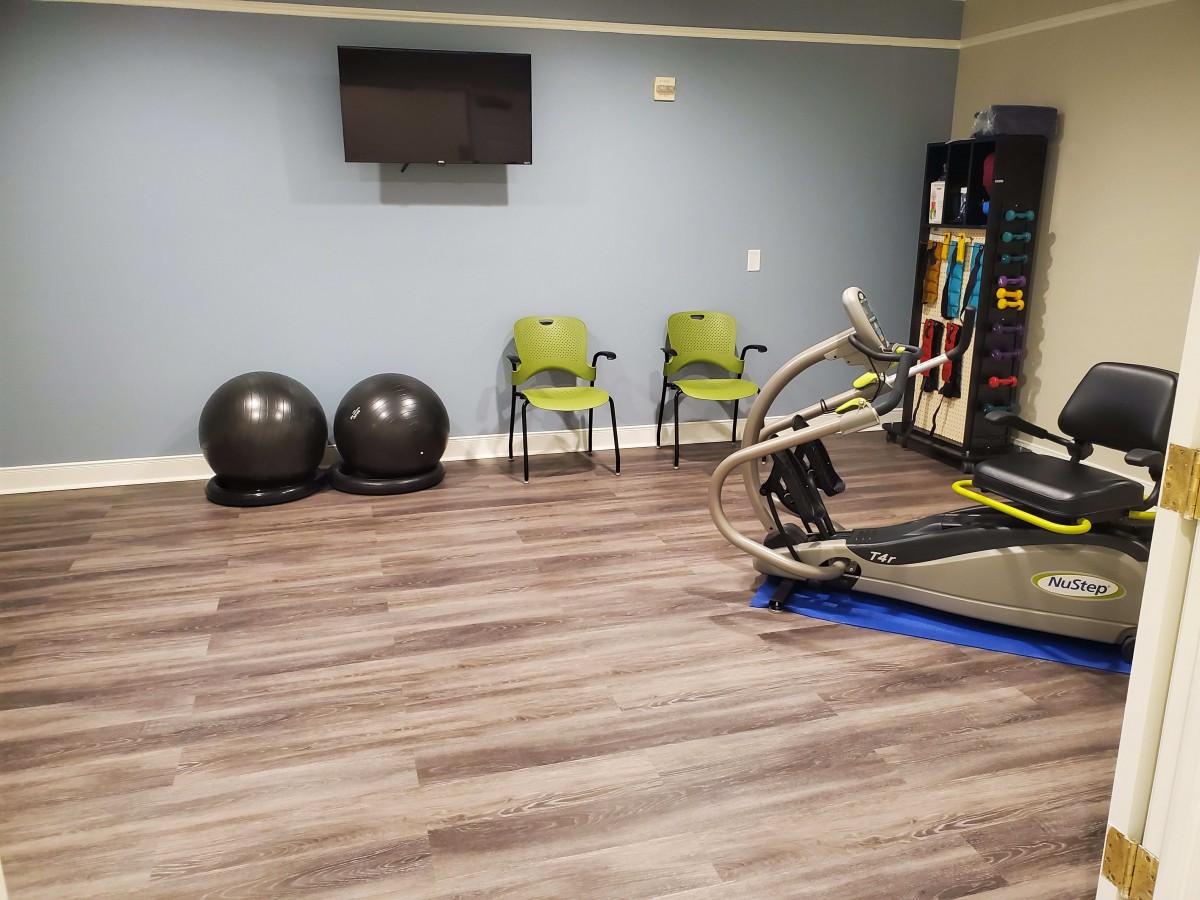
To support the physical well-being of our residents, we have a fitness room equipped for exercise routines and stretching classes. Our wellness center provides mental wellness programs to ensure the overall health of our residents.

The care services at Wyndham Court Of Plano are comprehensive and personalized. A 24-hour call system ensures that assistance is readily available whenever needed. Trained staff members provide 24-hour supervision as well as assistance with activities of daily living like bathing, dressing, transfers, and medication management.

We offer specialized memory care programming tailored specifically for individuals with cognitive impairments. This includes coordination with healthcare providers and dementia waivers when required.

Transportation arrangements are made for non-medical purposes such as community-sponsored activities and day trips nearby cafés, parks, pharmacies, restaurants, theaters, places of worship – all easily accessible from our location.

At Wyndham Court Of Plano, we strive to create a warm and engaging environment where residents can thrive and enjoy their golden years in comfort and dignity.

Videos

Nearby Places of Interest

This part of Plano, Texas, offers a convenient and diverse range of amenities for seniors considering living in the area. With multiple hospitals and medical facilities nearby, including Texas Health Presbyterian Hospital Plano and Cornea Associates of Texas, residents can feel assured about their healthcare needs. There are also plenty of dining options, from fast food chains like McDonald's to upscale restaurants like Whiskey Cake. For recreation, several parks such as Arbor Hills Nature Preserve and Windhaven Meadows Park provide opportunities for outdoor activities. In terms of cultural activities, Cinemark theater is close by for movie enthusiasts. Additionally, there are various places of worship and cafes like Starbucks and Panera Bread for socializing and community engagement. Overall, this part of Plano offers a well-rounded and vibrant environment for seniors looking to settle down in the area.

Hospitals

  • Texas Health Presbyterian Hospital Plano (0.2 miles)
  • The Heart Hospital Baylor Plano (3.4 miles)

Physicians

  • Touchstone Imaging Plano (0.5 miles)
  • Cornea Associates of Texas (1.8 miles)
  • Plano Orthopedic & Sports Medicine Center (2.6 miles)
  • Dhat (2.6 miles)
  • Family Medicine Associates of Texas (2.9 miles)
  • Dallas Associated Dermatologists (3.2 miles)
  • The ENT & Allergy Centers of Texas (4.3 miles)

Restaurants

  • McDonald's (0.6 miles)
  • Parkway Tavern (0.7 miles)
  • Whiskey Cake (0.7 miles)
  • Eatzi's Market & Bakery (0.7 miles)
  • Sonic Drive-In (0.9 miles)
  • Bread Zeppelin Salads Elevated (1 miles)
  • Main Street Cafe (1 miles)

Parks

  • Arbor Hills Nature Preserve (0.7 miles)
  • Coyote Creek Park (0.9 miles)
  • Windhaven Meadows Park (1.9 miles)
  • Russell Creek Park (2.3 miles)
  • Shoreline Trail & Dog Run (4.3 miles)
  • Addison Circle Park (5.6 miles)
  • Memorial Park (6.1 miles)

Theaters

  • Cinemark (0.8 miles)

Pharmacies

  • Walgreens (0.9 miles)
  • CVS Pharmacy (1.2 miles)
  • Walgreens (2.7 miles)
  • CVS Pharmacy (2.9 miles)
  • Walgreens (2.9 miles)
  • CVS Pharmacy (2.9 miles)
  • Walgreens (3 miles)

Places of Worship

  • Prestonwood Baptist Church (1 miles)
  • First Baptist Church at The Fields (5.1 miles)

Cafes

  • Starbucks (1.1 miles)
  • Panera Bread (3 miles)
  • Starbucks (3.3 miles)
  • Mimi's Star Cafe (3.3 miles)
  • 85C Bakery Cafe (5.2 miles)

Frequently Asked Questions

How much does it cost to live at Wyndham Court Of Plano in Plano, TX?
Where is Wyndham Court Of Plano?
Does Wyndham Court Of Plano provide care for residents with dementia or Alzheimer's disease?
Does Wyndham Court Of Plano allow residents to have pets?
What photos are available for Wyndham Court Of Plano in Plano, Texas?

Nearby Communities

  • Accel At Willow Bend

    Accel At Willow Bend

    Plano, TX

    4.1 from 162 reviews
     

    pro Dedicated therapy team and clean, well-maintained facilities.

  • Prestonwood Court

    Prestonwood Court

    Plano, TX

    4.4 from 88 reviews
    $5,700 to $7,170 / month

    pro Warm, welcoming community with clean facilities and engaging activities.

  • Prestonwood Rehabilitation & Nursing Center

    Prestonwood Rehabilitation & Nursing Center

    Plano, TX

    3.5 from 84 reviews
     

    pro Warm, attentive staff with effective rehab therapy in a clean, welcoming environment.

  • The Village at Prestonwood

    The Village at Prestonwood

    Plano, TX


    pro Convenient location with nearby amenities and adaptable dining options.

  • Encore Memory Care Day Stay

    Encore Memory Care Day Stay

    Plano, TX

    4.8 from 55 reviews
     

    pro Compassionate staff and engaging activities in a safe, well-maintained setting.

  • Accel Rehabilitation Hospital Of Plano

    Accel Rehabilitation Hospital Of Plano

    Plano, TX

    4.6 from 112 reviews
     

    pro Compassionate staff and excellent therapy in a clean facility.

  • Preston Place

    Preston Place

    Plano, TX

    4.5 from 165 reviews
    $1,895 to $2,530 / month

    pro Friendly, welcoming staff and residents, engaging activities, and well-maintained grounds.

  • The Legacy at Willow Bend

    The Legacy at Willow Bend

    Plano, TX

    3.6 from 101 reviews
    $7,625 to $8,950 / month

    pro Friendly staff and pet-friendly, well-maintained facilities with engaging activities.

  • Carrara

    Carrara

    Plano, TX

    4.2 from 110 reviews
     

    pro Caring staff with strong safety practices and improving social activities.

Related Resources

  • what do dementia patients think aboutDelving into the Inner World of Dementia: Insights into Thoughts and Awareness

    Dementia, primarily caused by Alzheimer's disease but also linked to other conditions, leads to cognitive decline impacting memory and daily functioning, with individuals experiencing varied awareness of their impairments. Despite memory loss, emotional connections persist, enabling responses to familiar stimuli, highlighting the need for caregivers to provide compassionate support that recognizes both limitations and retained emotional depth.

  • does my mom have dementia quizFive Subtle Dementia Indicators to Observe: An In-Depth Guide to Understanding “Does My Mom Have Dementia?”

    The article presents five subtle indicators of dementia, such as memory lapses and mood swings, to help families assess cognitive decline in loved ones. It emphasizes early detection, open communication, and seeking professional help while providing practical support steps.

  • dementia paranoiaDementia, Paranoia, and Caregiver Guidance: Understanding the Connection
    Dementia encompasses progressive neurological disorders that impair cognitive functions and can lead to paranoia due to cognitive decline and emotional changes. The article discusses the triggers of paranoia in dementia, caregiver strategies for managing it, and the importance of distinguishing between dementia-related paranoia and other psychiatric conditions.