Overall Review of Accel Rehabilitation Hospital Of Plano
differentiator24 reviews mention this
Therapy-focused care stands out
Residents frequently describe skilled, individualized PT and OT that helps them regain mobility.
Many residents describe recovery progressing through hands-on physical therapy and occupational therapy that felt tailored to their specific injury and limits. Several mention therapists pushing them appropriately while also paying attention to pain and safety. A few residents also note they continued treatment as outpatients after discharge, suggesting the program supports longer recovery timelines.
common41 reviews mention this
Staff kindness and attentiveness
Residents consistently describe caring, attentive staff who take safety seriously.
Across reviews, residents and families repeatedly describe staff as kind, compassionate, and responsive to day-to-day needs. Many say nurses, aides, and therapists checked in regularly and focused on comfort and safety, not just completing tasks. Several reviewers also describe clear communication and support from multiple roles during the stay.
common6 reviews mention this
Meals get positive feedback
Meals receive positive comments, including accommodating special diets.
Some residents specifically call out that the food and meals were good, with extra snacks available when needed. Multiple reviews also mention accommodating dietary needs, including vegetarian and Jain preferences, and following a specialized diet. Even when one person said food was merely okay, they still highlighted attention to dietary restrictions.
common5 reviews mention this
Facility cleanliness and comfort
Residents often mention the facility feels clean and well kept.
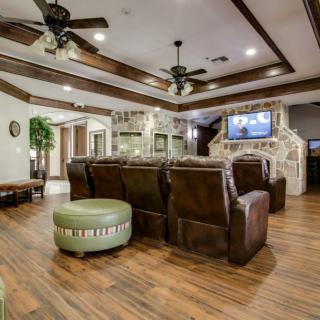
Several reviewers describe the hospital as clean and modern, with a comfortable environment during their stay. Families also describe housekeeping and supportive surroundings as part of what made the experience smoother. A few comments connect cleanliness to overall confidence in the care team.
caveat6 reviews mention this
Some call out delayed response
A minority of residents report delays when requesting help or care.
Not every experience was smooth: a few reviews mention slow responses for night care or long waits when help was requested. Other negative comments describe issues with pain medication timing, staffing attention, or care needs not being handled as expected. These reports are inconsistent with the many positive accounts of prompt attention, but they are recurring enough to stand out.
How we summarize
Counts show how many written reviews mention each theme; a review can touch several themes, and only frequently mentioned themes are displayed.
Features
Types of Care
Skilled Nursing Facility
Transportation
Dallas Love (13 miles away)
Dallas-Fort Worth International (14 miles away)
Care Services
High acuity care
Nearby Places of Interest
Restaurants
Main Street Cafe (0.4 miles)
Sonic Drive-In (0.7 miles)
Bread Zeppelin Salads Elevated (0.9 miles)
McDonald's (1.7 miles)
Parkway Tavern (1.8 miles)
Whiskey Cake (1.8 miles)
Eatzi's Market & Bakery (1.8 miles)
Places of Worship
Prestonwood Baptist Church (0.8 miles)
First Baptist Church at The Fields (4.2 miles)
Ismaili Jamatkhana & Center (5.3 miles)
Pharmacies
Walgreens (1.1 miles)
CVS Pharmacy (1.7 miles)
CVS Pharmacy (1.9 miles)
Walgreens (2 miles)
Walgreens (2.4 miles)
Walmart Pharmacy (2.5 miles)
CVS Pharmacy (2.8 miles)
Parks
Arbor Hills Nature Preserve (1.2 miles)
Coyote Creek Park (1.9 miles)
Windhaven Meadows Park (3 miles)
Russell Creek Park (3 miles)
Shoreline Trail & Dog Run (4.2 miles)
Addison Circle Park (5.1 miles)
Hospitals
Texas Health Presbyterian Hospital Plano (1.3 miles)
The Heart Hospital Baylor Plano (3.9 miles)
Cafes
Starbucks (1.5 miles)
Starbucks (3 miles)
Panera Bread (3 miles)
Mimi's Star Cafe (3.7 miles)
85C Bakery Cafe (6.2 miles)
Physicians
Touchstone Imaging Plano (1.6 miles)
Family Medicine Associates of Texas (1.9 miles)
Cornea Associates of Texas (2.9 miles)
Plano Orthopedic & Sports Medicine Center (3 miles)
The overview of blood pressure management for seniors emphasizes the importance of monitoring and interpreting blood pressure readings, noting that normal ranges can vary due to age-related factors and individual health conditions. It highlights tailored guidelines for systolic and diastolic levels, the necessity of early detection and consistent management to prevent serious health complications, and advocates for personalized care strategies that incorporate lifestyle changes and medication adherence.
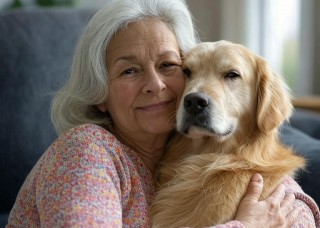
Dogs can greatly improve the lives of older adults by offering emotional support and encouraging physical activity, with factors such as size, temperament, and grooming needs being crucial in selecting a suitable breed. Senior dogs often make ideal companions for this demographic, promoting social connections and requiring care routines that align with seniors' capabilities.
The guide on blood pressure charts for older adults stresses the importance of understanding normal and high blood pressure readings influenced by age, genetics, and lifestyle, while emphasizing regular monitoring and lifestyle modifications to prevent serious health issues. It provides insights into blood pressure categories, dietary recommendations, medication considerations, and the role of caregivers in supporting healthy habits.
Get PricingAsk A QuestionSchedule A TourContact Senior Advisor
By clicking submit, you agree to our Partner's Terms of Use. You
also consent to receive calls and texts, which may be autodialed, from our Partner. Your consent is not a condition to
using our Partner's service. Please visit our Partner's Privacy Policy for information about their privacy practices.

 Skilled Nursing Facility
 Dallas Love (13 miles away)
 High acuity care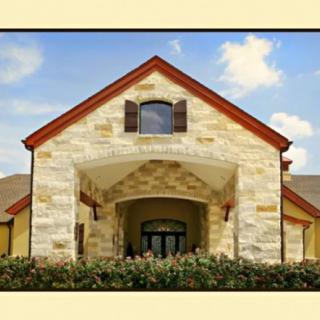
 Warm, attentive staff with effective rehab therapy in a clean, welcoming environment.
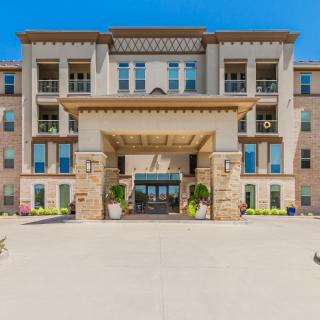




 Comprehensive Look at Senior Blood Pressure Charts: Normal and Elevated Levels by Age
 Top Canine Companions for Older Adults
 Comprehensive Guide to Blood Pressure Charts for Older Adults: Understanding Normal and High Readings by Age