A Caring Home with Friends offers competitive pricing for its services, particularly when compared to the average costs in Dallas County and across Texas. For a private room, residents can expect to pay $4,000 per month, which is notably lower than the Dallas County average of $4,702 and slightly above the state average of $4,096. In terms of one-bedroom accommodations, A Caring Home with Friends charges $4,250 monthly; this figure is higher than the county average of $3,760 but closely aligns with Texas's overall average of $3,761. Overall, A Caring Home with Friends presents an appealing option for those seeking quality care at reasonable rates within the local landscape.
Floor plans
A Caring Home with Friends
Dallas County
Texas
Private
$4,000
$4,702
$4,096
1 Bedroom
$4,250
$3,760
$3,761
Memory care communities with a similar price nearby
Memory care support shows up clearly in resident stories and care details.
Several reviewers describe care that worked with cognitive changes like dementia, paranoia, and Alzheimer’s. Families also mention day-to-day support that helped with comfort and eating, along with attention to medical needs. The community’s offerings include memory care and a range of assistance that fits changing needs over time.
common23 reviews mention this
Staff feel like family
Residents and families consistently describe the staff as caring and personally invested.
Across the reviews, families repeatedly talk about warm, supportive staff who treat residents with dignity and respect. Multiple reviewers describe strong communication, responsiveness to concerns, and staff who feel more personal than what they expected. Several also describe a “family” atmosphere—whether through everyday interactions, help with personal routines, or steady support as needs change.
common6 reviews mention this
Home-cooked meals stand out
Meals come up often, including praise for home-cooked food and options anytime.
Food is a recurring topic: one reviewer noted meals anytime, while others described home-cooked meals as delicious and tied to overall well-being. Some stories also describe daily moments around food, like caregivers cooking and families spending time in the kitchen. A minority opinion described the food as only okay or not especially memorable.
caveat4 reviews mention this
Small setting, mixed interaction
Because the setting is small, resident interaction can vary day to day.
Reviewers describe a smaller, more personalized environment where families get to know staff and residents. Some praise the caregiver-to-resident feel and highlight opportunities for connection. One tour reviewer, though, felt there wasn’t enough staff-to-resident interaction and described the food as only okay, even though the cleanliness looked good.
common4 reviews mention this
Activities keep residents engaged
Daily activities and group time show up in multiple families’ experiences.
Families mention engagement through scheduled activities, including an activities director who tries to involve residents. Some stories connect the routine to mood and enjoyment, such as spending time outdoors and participating in meaningful moments. A tour review also mentions meals anytime alongside what was seen during the visit, reinforcing that daily life centers on structured time.
common4 reviews mention this
Clean, fresh environment
Cleanliness and freshness are specifically noted in several resident experiences.
Multiple reviewers mention that the home stays clean and in good shape during their time there. Families also describe a spotless environment and fresh-feeling spaces. One tour reviewer similarly said the home looked clean when they visited.
How we summarize
Counts show how many written reviews mention each theme; a review can touch several themes, and only frequently mentioned themes are displayed.
Features
Housing
6 resident community capacity
Types of Care
Assisted Living
Board and Care Home
Day Program
Memory Care
Amenities
Activities on-site
Air-conditioning
Cable or satellite TV
Devotional services on-site
Dining room
Full kitchen
Fully furnished
Garden
Ground floor units
Handicap accessible
Housekeeping services
Indoor common areas
Move-in coordination
Outdoor common areas
Outdoor space
Private
Respite or short term stays offered
Telephone
Wheelchair accessible showers
Wi-Fi/high-speed internet available
Transportation
Dallas Love (10 miles away)
Dallas-Fort Worth International (10 miles away)
Care Services
24-hour supervision
Activities of daily living assistance
Assistance with bathing
Assistance with dressing
Assistance with transfers
Coordination with health care providers
Diabetes diet
Diabetic care
High acuity care
Incontinence care
Meal preparation and service
Medication management
Special dietary restrictions
Transportation arrangement (medical)
Transportation to doctors appointments
Dining
Anytime dining
Diabetes diet
Guest meals
International cuisine
Kosher
Low / no sodium
Meals provided
No Sugar
Organic
Professional chef
Restaurant style dining
Room service
Special dietary restrictions
Special dining programs
Vegetarian
Activities
Activities on-site
BBQs or picnics
Birthday parties
Community-sponsored activities
Devotional activities on-site
Holiday parties
Live dance or theater performances
Live musical performances
Scheduled daily activities
Nearby Places of Interest
This part of Carrollton, Texas offers a variety of amenities that cater to senior living needs. With multiple pharmacies within close proximity, access to medications and healthcare services is convenient. Places of worship are also easily accessible, providing opportunities for spiritual fulfillment and community engagement. Public transportation options, such as Trinity Mills Station, make it easy to get around the area without relying on personal vehicles. Nearby restaurants offer a diverse selection of dining options, while parks and theaters provide opportunities for leisurely activities. Additionally, there are several reputable healthcare facilities in the vicinity for any medical needs that may arise. Overall, this area provides a well-rounded environment for seniors looking for a comfortable and convenient place to reside.
Pharmacies
Walmart Pharmacy (0.5 miles)
Walgreens (0.8 miles)
CVS Pharmacy (0.9 miles)
CVS Pharmacy (1.2 miles)
Walgreens (1.4 miles)
CVS Pharmacy (2 miles)
Walmart Pharmacy (2.4 miles)
Places of Worship
Ismaili Jamatkhana & Center (1.4 miles)
First Baptist Church at The Fields (4 miles)
Webb Chapel Church of Christ (4 miles)
Prestonwood Baptist Church (4.4 miles)
Episcopal Church Of The Transfiguration (7 miles)
Transportation
Trinity Mills Station (1.7 miles)
U-Haul Moving & Storage (6.8 miles)
Restaurants
Menas Tex-Mex Grill Cantina (2.5 miles)
Chick-Fil-A (3.3 miles)
Main Street Cafe (4.3 miles)
Afrika Fusion (4.3 miles)
Sonic Drive-In (4.5 miles)
Bread Zeppelin Salads Elevated (4.5 miles)
The Mucky Duck Bar (4.6 miles)
Physicians
Family Medicine Associates of Texas (3.2 miles)
Plano Orthopedic & Sports Medicine Center (5.7 miles)
Touchstone Imaging Plano (5.7 miles)
Cornea Associates of Texas (7 miles)
Dhat (7.2 miles)
Parks
Addison Circle Park (4.4 miles)
Arbor Hills Nature Preserve (5.2 miles)
Coyote Creek Park (6 miles)
Russell Creek Park (6.4 miles)
Shoreline Trail & Dog Run (6.8 miles)
Windhaven Meadows Park (7.1 miles)
Theaters
Cinemark (4.5 miles)
Cinemark (6.1 miles)
Cafes
Starbucks (5.1 miles)
Starbucks (5.5 miles)
Starbucks (5.7 miles)
Panera Bread (6.1 miles)
Mimi's Star Cafe (6.1 miles)
Hospitals
Texas Health Presbyterian Hospital Plano (5.5 miles)
A Caring Home with Friends offers competitive pricing for its services, particularly when compared to the average costs in Dallas County and across Texas. For a private room, residents can expect to pay $4,000 per month, which is notably lower than the Dallas County average of $4,702 and slightly above the state average of $4,096. In terms of one-bedroom accommodations, A Caring Home with Friends charges $4,250 monthly; this figure is higher than the county average of $3,760 but closely aligns with Texas's overall average of $3,761. Overall, A Caring Home with Friends presents an appealing option for those seeking quality care at reasonable rates within the local landscape.
The features offered by A Caring Home with Friends are integral to enhancing the well-being and quality of life for residents with dementia or Alzheimer's disease. Assistance with dressing and bathing promotes dignity and personal hygiene, while meal preparation and service ensure that nutritional needs are met in a manner that accommodates individual preferences and dietary restrictions. Medication management safeguards medication adherence, reducing confusion around dosages and timings, while transportation arrangements facilitate access to medical appointments, ensuring continuity of care. Coordination with healthcare providers fosters a comprehensive approach to managing health issues specific to memory impairment. Furthermore, assistance with transfers enhances mobility and reduces the risk of injury, while activities of daily living support reinforces routine and familiarity, which can be comforting for residents. The provision of 24-hour supervision offers peace of mind to both residents and their families, as it ensures immediate assistance is available when needed. Finally, incontinence care addresses a sensitive but vital aspect of personal health, contributing to comfort and dignity in everyday life.
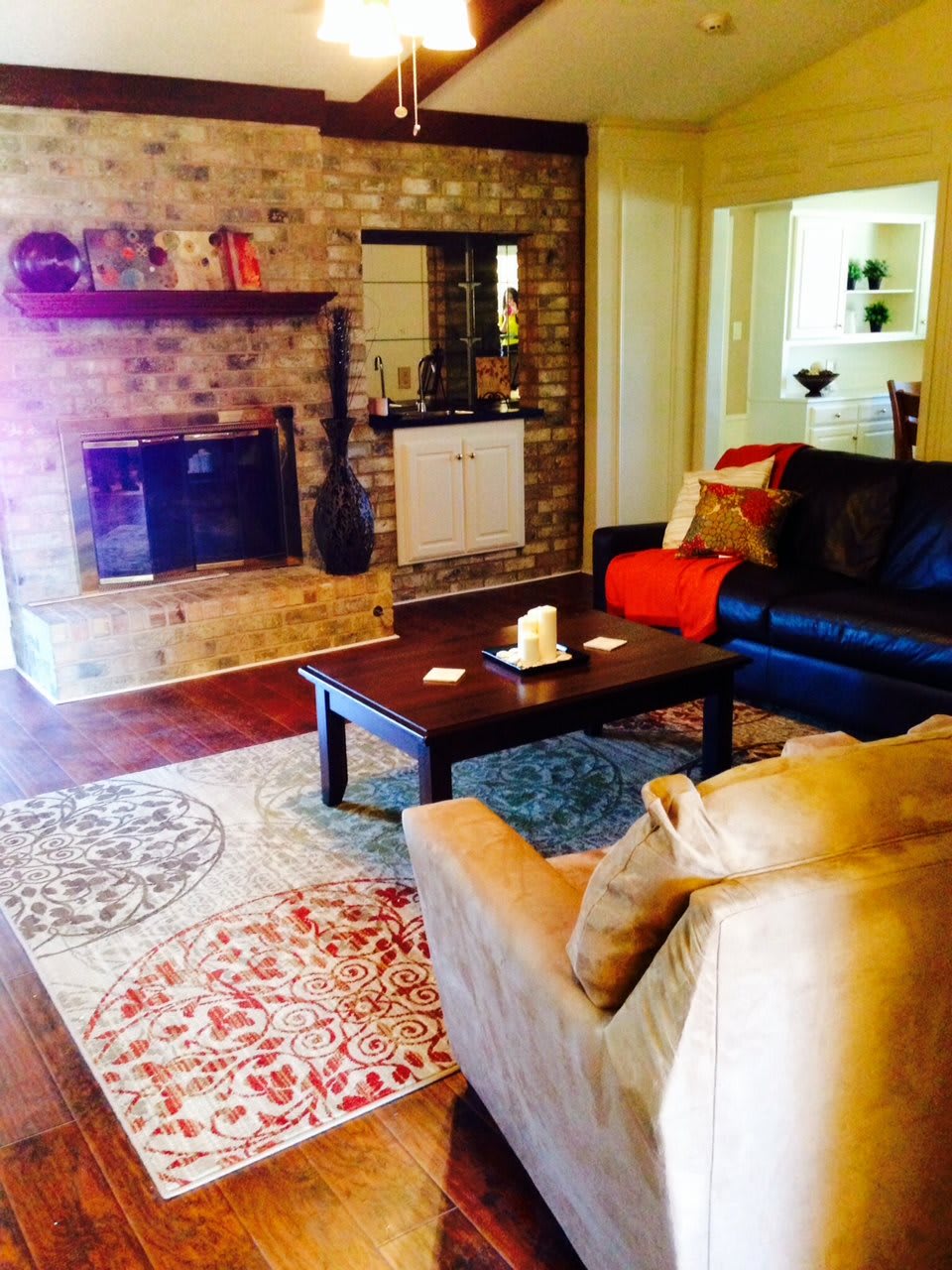
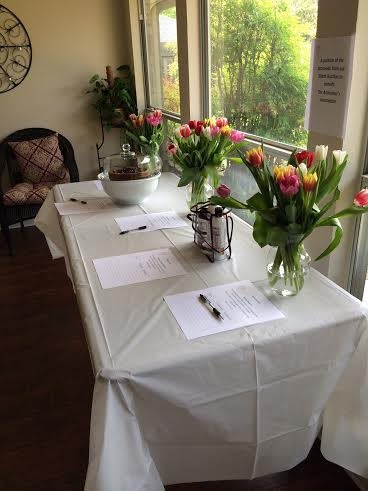
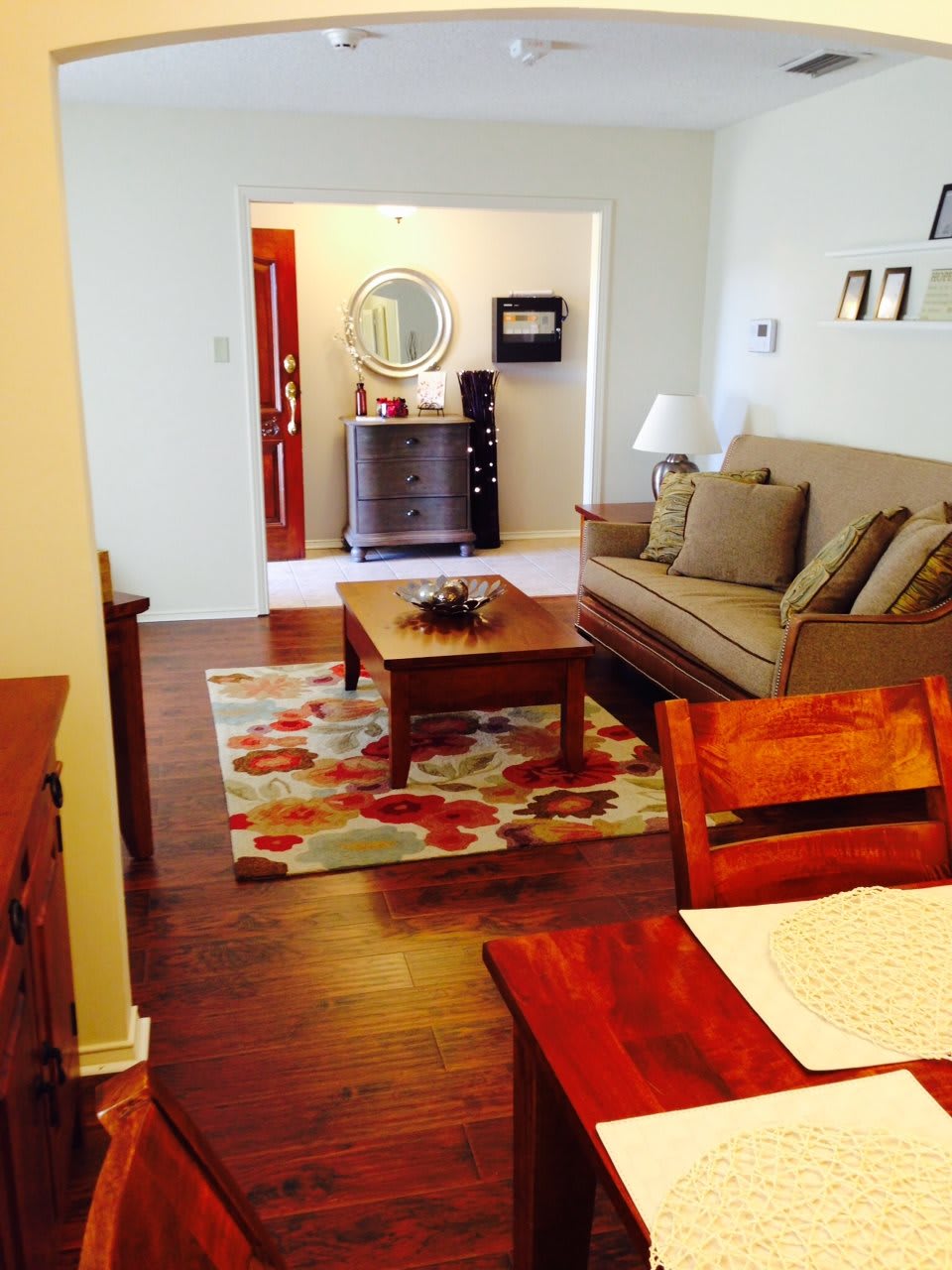
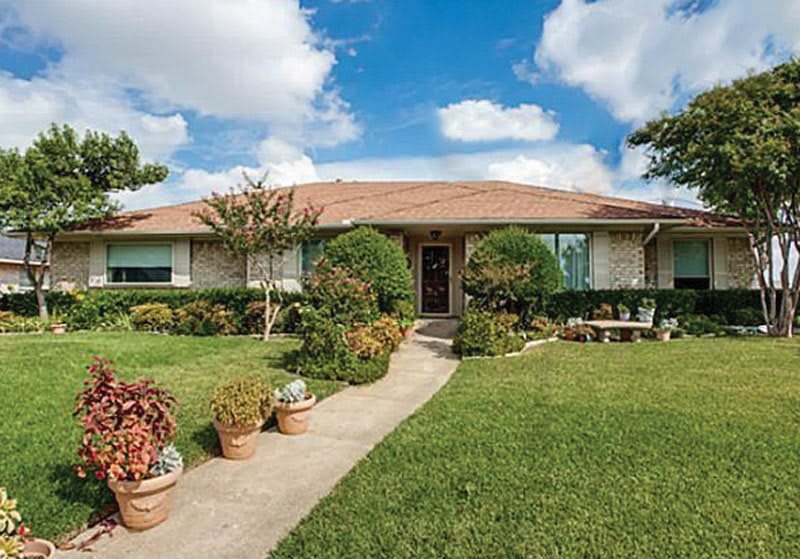
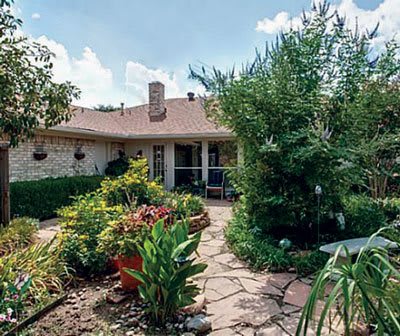
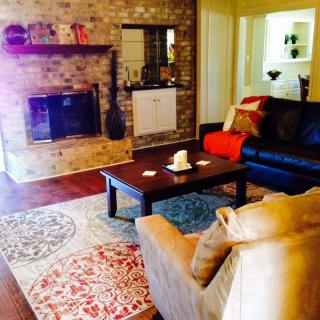
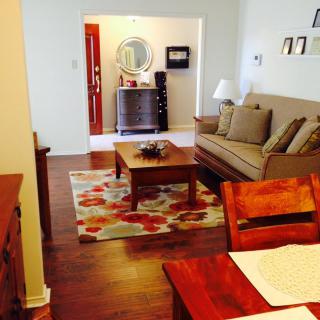
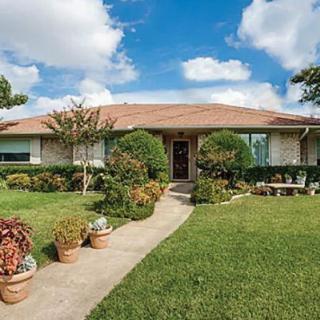
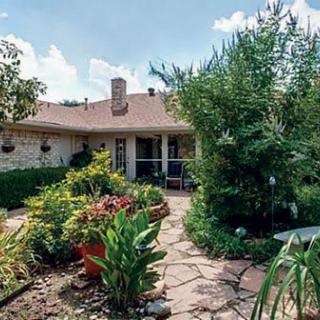
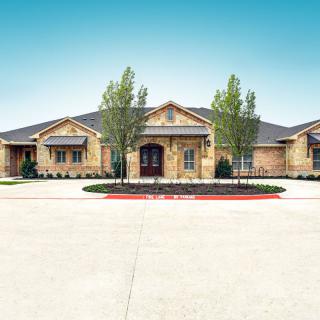
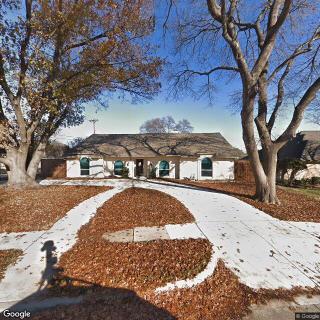
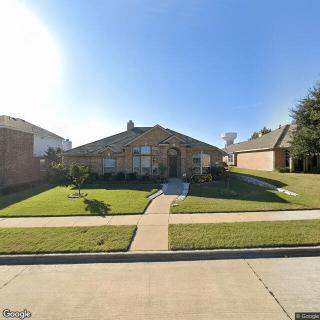
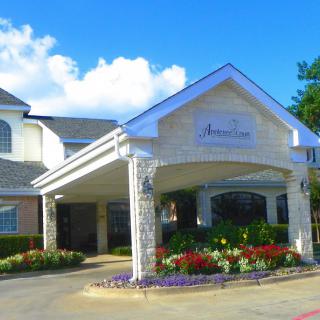
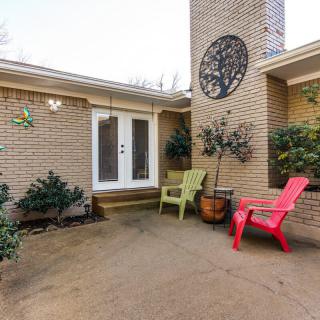
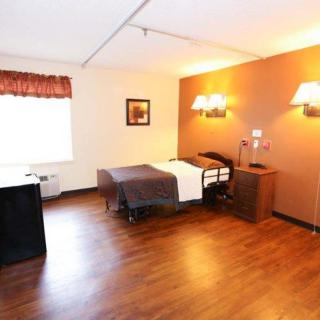
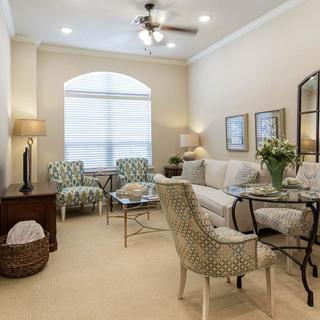
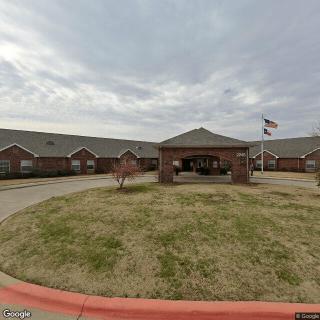
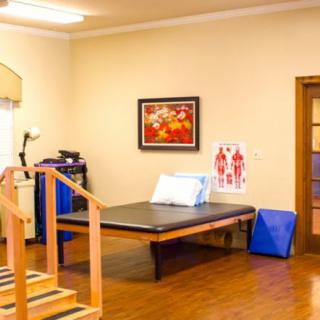
A Caring Home with Friends on seniors.fyi includes 13 photos including images showing landscaping, garden, dining, living room, decor, gardening, exterior, patio, and more.
Nearby Communities
Loved Ones Honored Home Care
Carrollton, TX
Convenient access to dining, healthcare, worship, and entertainment nearby.
B & Y Care Home - Carrolton
Carrollton, TX
3 from 1 review
$2,500 / month
Beautiful sunroom, 24/7 live-in caretakers, flexible routines with personalized attention, private rooms with large windows.
Autumn Home Health
Carrollton, TX
5 from 16 reviews
Convenient location with nearby amenities (cafes, parks, pharmacies, restaurants, worship, theater) and healthcare access.
Heritage Gardens
Carrollton, TX
4.1 from 112 reviews
Helpful director, caring staff, clean facility with quality meals and rehab services.
Heritage Gardens Rehabilitation And Healthcare
Carrollton, TX
4.2 from 93 reviews
Wide range of on-site amenities and 24/7 care support.
Lakeview At Josey Ranch
Carrollton, TX
4.5 from 161 reviews
Warm staff and a strong resident community with varied dining and activities.
Briarview Senior Living
Carrollton, TX
4.8 from 101 reviews
$2,385 to $5,715 / month
Caring, friendly staff with a clean, safe environment and engaging activities.
The Madison On Marsh
Carrollton, TX
4.1 from 144 reviews
Noted for a caring therapy team and attentive staff in positive experiences.
Sandy Lake Rehabilitation And Care Center
Coppell, TX
4.2 from 118 reviews
Some residents report attentive staff and engaging activities.
VA nursing homes, or Community Living Centers (CLCs), offer tailored long-term care for veterans, featuring medical attention and rehabilitation in a supportive environment. The guide covers facility types, eligibility criteria, financial assistance options, quality of care standards, and alternatives to full-time nursing home placement.
At-home dementia care expenses vary widely based on care levels, location, and caregiver expertise, with monthly costs for home health aides exceeding $4,500 and specialized care potentially surpassing $100,000 annually. While families favor in-home care for its comfort and personalized attention, they must consider financial planning and the challenges of caregiver fatigue.
The article discusses the late stages of dementia, detailing the progression from mild to severe impairment and highlighting key characteristics such as profound cognitive decline and dependency in daily activities. It emphasizes care strategies focused on comfort and dignity, the importance of advance directives, and the emotional support needed for family caregivers facing this challenging journey.
Get PricingAsk A QuestionSchedule A TourContact Senior Advisor
By clicking submit, you agree to our Partner's Terms of Use. You
also consent to receive calls and texts, which may be autodialed, from our Partner. Your consent is not a condition to
using our Partner's service. Please visit our Partner's Privacy Policy for information about their privacy practices.








 6 resident community capacity
 Assisted Living
 Board and Care Home
 Day Program
 Memory Care
 Air-conditioning
 Cable or satellite TV
 Devotional services on-site
 Dining room
 Full kitchen
 Fully furnished
 Garden
 Ground floor units
 Handicap accessible
 Housekeeping services
 Indoor common areas
 Move-in coordination
 Outdoor common areas
 Private
 Respite or short term stays offered
 Telephone
 Wheelchair accessible showers
 Wi-Fi/high-speed internet available
 Dallas Love (10 miles away)
 24-hour supervision
 Assistance with bathing
 Assistance with dressing
 Assistance with transfers
 Diabetes diet
 Diabetic care
 High acuity care
 Incontinence care
 Meal preparation and service
 Medication management
 Special dietary restrictions
 Transportation arrangement (medical)
 Transportation to doctors appointments
 BBQs or picnics
 Birthday parties
 Live dance or theater performances
 Live musical performances
 Convenient access to dining, healthcare, worship, and entertainment nearby.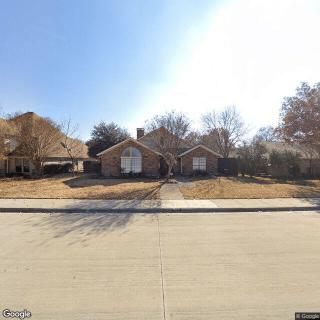


 Comprehensive Guide to VA Nursing Homes: A Crucial Long-Term Care Resource for Veterans
 Estimating the Expenses of At-Home Dementia Care: A Detailed Exploration
 Comprehensive Insights on the Late Stages of Dementia: What to Expect and How to Provide Care