
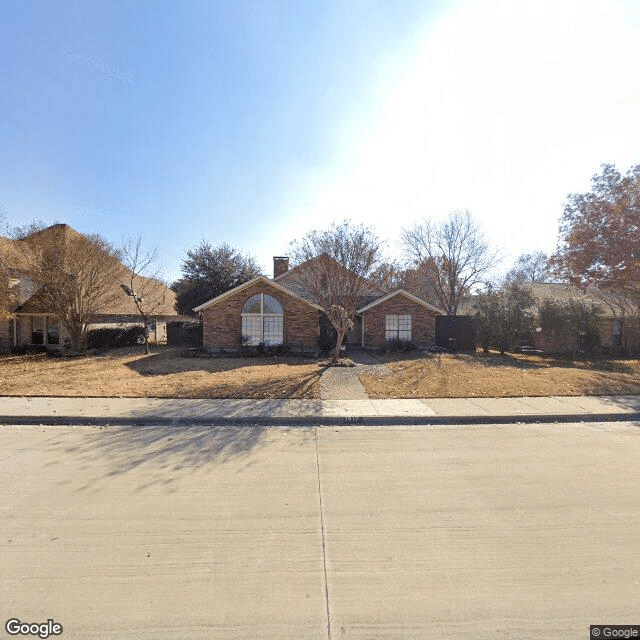
1612 Crooked Creek, Carrollton, TX 75007
To contact a resident: (972) 805-7406
For more information about senior living options: (866) 208-4318
B & Y Care Home - Carrolton Costs & Pricing
B & Y Care Home in Carrollton offers competitive pricing for its care services, with a monthly cost of $2,500 for studio, one-bedroom, and private rooms. This rate is significantly lower than the average costs in Denton County, where similar accommodations range from approximately $3,749 to $4,161. Furthermore, when compared to the broader state average of Texas, which hovers around $3,758 to $4,096 for comparable room types, B & Y Care Home positions itself as an economically appealing option for families seeking quality care without compromising on value. This pricing strategy makes it a compelling choice for those considering assisted living solutions in the area.
| Floor plans | B & Y Care Home - Carrolton | Denton County | Texas |
|---|---|---|---|
| Studio | $2,500 | $3,974 | $3,758 |
| 1 Bedroom | $2,500 | $3,749 | $3,761 |
| Private | $2,500 | $4,161 | $4,096 |
Memory care communities with a similar price nearby
-
from +$200 / mo
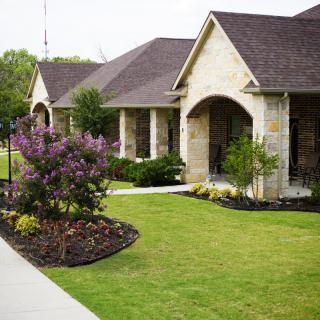
Mayberry Gardens - Denton
$2,700 / month17.2 miles away -
from +$300 / mo
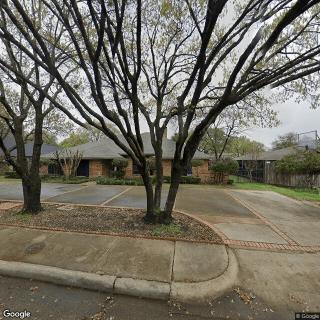
B & Y Care Home
$2,800 to $4,000 / month3.8 miles away -
from -$115 / mo
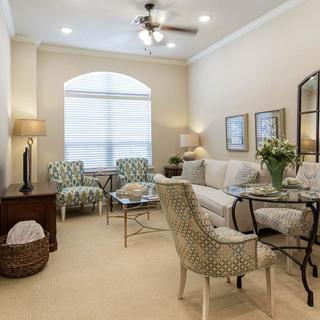
Briarview Senior Living
$2,385 to $5,715 / month2.2 miles away -
from +$495 / mo
Parsons House Preston Hollow
$2,995 to $4,295 / month9.3 miles away -
from +$225 / mo
Monticello West
$2,725 to $5,095 / month13.0 miles away
Overall Review of B & Y Care Home - Carrolton
Pros
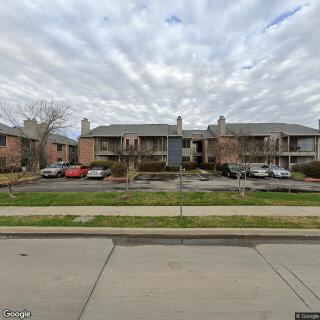
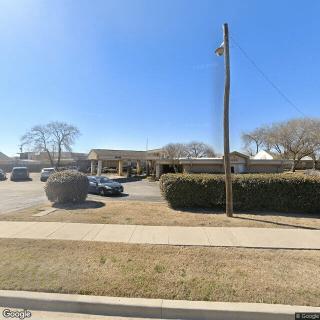
 The house is very nice and features a sunroom.
- The staff and live-in caretakers are available around the clock.
- She would receive more one-on-one attention and could be taken for walks in the neighborhood.
- The routine would be more flexible than that of a regular facility.
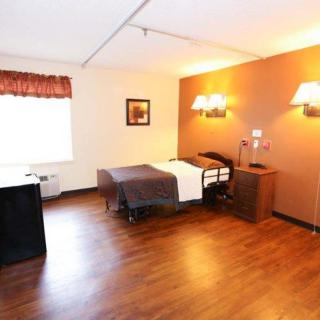
- She would have her own room with a nice big window to look out over the front yard and neighborhood.
- The home offers a bathtub instead of a shower.
Cons
 There is less privacy because she would share a bathroom with one other resident and the two caretakers.
- She would be in much closer quarters to the other residents.
- Her own room is small.
Review
Best suited for families seeking a compact, home-style residence in Carrollton, B & Y Care Home delivers care in a real-house setting rather than a campus. The presence of live-in caretakers around the clock translates into consistent, one-on-one attention and clear safety oversight, an advantage for seniors who respond well to familiar routines and a steady daily rhythm. Residents have their own room, though it runs small, with a bright window overlooking the front yard. The sunroom and overall house vibe lean toward comfort and hominess, not formality, making neighborhood walks and casual daily activity a practical possibility. This option works best when flexibility and a personal touch outweigh expansive amenities.
Those who prize total privacy, larger personal space, or a highly structured schedule may want alternatives. A larger, traditional assisted living campus with private apartments and more formal programming can better satisfy independence and social needs. Operators of this home-style setup may struggle to meet heavy medical needs or extensive memory-care requirements. The shared bathroom arrangement and closer quarters to other residents will feel constraining to someone who values solitude or meticulous privacy. Families should weigh whether living under the same roof as caretakers, rather than separate staff in a separate facility, aligns with the elderā€™s comfort level and preferences for autonomy.
Key advantages, constant caretaker presence, flexible routines, and the potential for regular neighborhood walks, partially offset the privacy drawbacks. The 24-7 staff reduces the burden of arranging help and enhances safety, while a small private room with a large window preserves a homey atmosphere. Bathtub access is a practical convenience over a shower-only option. Yet the same attributes that reassure with safety also compress privacy: bathrooms are shared, and the resident density is higher than in a private apartment, which can feel confining for some. For a senior who prioritizes personal attention and adaptability, the balance can tilt in favor of staying here; for others, the lack of private space may be a deal-breaker.
Practical due diligence should focus on logistics and safety features. Verify emergency call systems, outline who handles medications, and confirm how daily routines are coordinated with the live-in caregivers. Assess room size in person and inspect the bathroom setup to gauge privacy realistically. Inquire about transportation for outings, meal arrangements, and opportunities for quiet time versus social interaction. Observe how caretakers interact with residents during a visit to gauge compatibility, and ask about a written plan for escalation if medical needs evolve. These specifics determine whether the promise of flexibility translates into dependable daily life.
Compared with more traditional campuses, this option trades breadth for intimacy. If the elder values companionship and structured activities, a bigger facility with more residents and a formal calendar might be preferable. If privacy and independence are paramount, private apartments on a licensed campus or in-home care with periodic oversight could serve better. In all cases, clarify licensing, caregiver ratios, and the availability of specialized services to ensure the setting can meet anticipated needs without compromising safety.
Bottom line: this care home excels for a senior who wants a warm, responsive, home-like setting and can tolerate shared bathrooms and a small private room. It delivers steady staff support and a flexible approach to daily life, which can significantly ease daily management for families. However, for those whose top priorities are maximal privacy, larger personal space, or robust medical programming, exploring alternatives is prudent. The best path is a focused visit, talk with the caregivers, inspect the living spaces, verify safety features, and confirm a clear, shared plan for routines and emergencies before deciding.
 Board and Care Home
 Memory Care
 Activities on-site
 Devotional services off-site
 Indoor common areas
 Private
 Dallas Love (10 miles away)
 Ambulatory care
 Diabetic care
 Meals provided


 Nourishing the Mind: Essential Dietary Approaches for Dementia
 Understanding Dementia Behaviors: Practical Insights and Strategies for Caregivers
 When Dementia Sparks Anger and Aggression: Understanding the Connection and Ways to Cope