Parsons House Preston Hollow offers competitive pricing for its accommodations compared to both Dallas County and the broader Texas market. Monthly costs for a studio apartment at Parsons House are set at $2,995, significantly lower than the Dallas County average of $3,625 and the state average of $3,758. Similarly, their one-bedroom units are priced at $4,295, which stands in stark contrast to the county's average of $3,760 and aligns closely with the state average of $3,761. This positioning not only underscores Parsons House's commitment to providing valuable residential options but also highlights its appeal for those seeking affordability without compromising on quality in an urban setting.
Floor plans
Parsons House Preston Hollow
Dallas County
Texas
Studio
$2,995
$3,625
$3,758
1 Bedroom
$4,295
$3,760
$3,761
Skilled Nursing Facilities with a similar price nearby
Residents and families consistently describe staff as caring, personable, and responsive.
Across many reviews, families emphasize that staff treat residents with kindness and maintain a personal relationship with both residents and family members. Multiple reviewers also mention leadership presence and regular communication through tools like family council and frequent updates. When care issues come up, some families describe the team as quick to respond and helpful in getting concerns resolved.
common20 reviews mention this
Meals feel home-cooked
Dining stands out to many families as good, including home-cooked-style meals.
Many residents and families describe the meals as very good, home-cooked, or prepared by a chef, with specific praise for taste and portion quality. Several reviews also mention accommodations for health-related or personal dietary needs. A smaller number of residents are less satisfied, describing the food as bland and expressing disappointment when requests feel hard to fulfill.
common12 reviews mention this
Activities and social events
There are frequent activities that help residents stay engaged.
Reviews repeatedly mention that there is always something going on, from scheduled daily activities to outings in and around Dallas. Families also describe social events that can include gatherings for residents and their loved ones, such as themed dinners or buffets. Reviewers generally frame these programs as part of the day-to-day environment, not just occasional events.
caveat4 reviews mention this
Care coordination and staffing concerns
Some reviews say communication and staffing can make added attention harder.
While many families praise the care team, a few reviews point to challenges with how medical visits, medicine, and responsiveness are coordinated. One reviewer describes frustration when additional attention is needed and notes reliance on aides that can be short staffed. Another review mentions difficulty getting timely answers through the message process when coordinating medical-related needs.
common9 reviews mention this
Home-like, small community feel
Several reviewers value the home-like setting and smaller community size.
Multiple reviews compare the atmosphere to something less institutional, describing a warm, light, homey feel and a family-oriented environment. Families also mention smaller size as a benefit, helping residents and staff feel more connected. Some reviewers describe a comfortable setting for views, rooms, and outdoor space where residents can spend time.
How we summarize
Counts show how many written reviews mention each theme; a review can touch several themes, and only frequently mentioned themes are displayed.
Features
Housing
16 resident community capacity
Studio apartments
Types of Care
Assisted Living
Board and Care Home
Memory Care
Respite Care
Skilled Nursing Facility
Pets
Cats allowed
Dogs allowed
Amenities
Activities off-site
Activities on-site
Air-conditioning
Beautician on-site
Cable or satellite TV
Devotional services off-site
Devotional services on-site
Dining room
Fully furnished
Garden
Ground floor units
Handicap accessible
Housekeeping services
Indoor common areas
Kitchenette
Laundry
Move-in coordination
Outdoor common areas
Outdoor space
Party space
Resident parking
Respite or short term stays offered
Swimming pool
Telephone
Wheelchair accessible showers
Wi-Fi/high-speed internet available
Transportation
Dallas Love (1 miles away)
Dallas-Fort Worth International (12 miles away)
Transportation & parking
Care Services
24-hour supervision
Activities of daily living assistance
Ambulatory care
Assistance with bathing
Assistance with dressing
Assistance with transfers
Coordination with health care providers
Diabetes diet
Diabetic care
Incontinence care
Meal preparation and service
Medication management
Special dietary restrictions
Transportation arrangement (medical)
Transportation to doctors appointments
Dining
Anytime dining
Diabetes diet
Guest meals
International cuisine
Low / no sodium
Meals provided
No Sugar
Professional chef
Room service
Special dietary restrictions
Special dining programs
Vegetarian
Activities
Activities off-site
Art classes
Catholic services
Community-sponsored activities
Cooking classes
Day trips and outings
Devotional activities offsite
Devotional activities on-site
Educational speakers / life long learning
Happy hour
Live dance or theater performances
Live musical performances
Protestant services
Scheduled daily activities
Wine tasting
Languages Spoken
English
Nearby Places of Interest
This area of Dallas, Texas offers a convenient and diverse range of amenities for seniors looking to settle in the neighborhood. With multiple pharmacies like CVS and Walgreens nearby, accessing necessary medication and healthcare supplies is easily accessible. Places of worship such as St Monica Catholic Church and Temple Emanu-El provide spiritual fulfillment for residents. Transportation options are abundant with Dallas Love Field Airport and public transit stations within close proximity. There are also various dining options ranging from casual fast-food chains to upscale restaurants like Hillstone. Parks like Germany Park offer opportunities for outdoor recreation and relaxation, while medical facilities such as UT Southwestern Outpatient Building and Children’s Medical Center Dallas ensure quality healthcare services are readily available. Additionally, cafes like Starbucks provide cozy spaces for socializing and enjoying a cup of coffee. For entertainment, AMC Theater Northpark and Alamo Drafthouse Lake Highlands cater to those looking to catch a movie or enjoy live performances. Overall, this part of Dallas combines convenience, accessibility, dining options, healthcare services, recreational opportunities, and cultural experiences ideal for senior living.
Pharmacies
CVS Pharmacy (0.1 miles)
Walgreens (1 miles)
CVS Pharmacy (1.5 miles)
CVS Pharmacy (1.5 miles)
CVS Pharmacy (2.6 miles)
Walgreens (2.9 miles)
CVS Pharmacy (3.2 miles)
Places of Worship
St Monica Catholic Church (1 miles)
Preston Hollow Presbyterian Church (2.4 miles)
Cathedral of Hope (2.5 miles)
Temple Emanu-El (3.1 miles)
Northway Christian Church (3.3 miles)
Webb Chapel Church of Christ (4.9 miles)
Transportation
Dallas Love Field (DAL) (1.4 miles)
TSA Security Checkpoint (1.5 miles)
Southwest Airlines (1.5 miles)
Baggage Claim (1.6 miles)
Inwood / Love Field Station (2.9 miles)
U-Haul Moving & Storage (3.2 miles)
Park Lane Station (4.3 miles)
Restaurants
Yolk Preston Center (1.9 miles)
Jia Chinese (2 miles)
Hillstone (2 miles)
R+D Kitchen (2.1 miles)
Chick-Fil-A (2.2 miles)
Braum's (2.5 miles)
In-N-Out Burger (2.5 miles)
Parks
Germany Park (2.1 miles)
Tietze Park (5.4 miles)
Klyde Warren Park (5.6 miles)
R.P Brooks Park (5.8 miles)
Physicians
Betancourt Arlene Utsw Internal Medicine Pediatric Clinic Dallas (3.3 miles)
Texas Medical Diagnostics (3.3 miles)
Aston Ambulatory Care Center (3.6 miles)
Pediatric Associates of Dallas (4 miles)
Hospitals
UT Southwestern Outpatient Building (3.4 miles)
Parkland Health & Hospital System (3.7 miles)
Children’s Medical Center Dallas (3.8 miles)
Texas Health Presbyterian Hospital Dallas (4.6 miles)
Parsons House Preston Hollow offers competitive pricing for its accommodations compared to both Dallas County and the broader Texas market. Monthly costs for a studio apartment at Parsons House are set at $2,995, significantly lower than the Dallas County average of $3,625 and the state average of $3,758. Similarly, their one-bedroom units are priced at $4,295, which stands in stark contrast to the county's average of $3,760 and aligns closely with the state average of $3,761. This positioning not only underscores Parsons House's commitment to providing valuable residential options but also highlights its appeal for those seeking affordability without compromising on quality in an urban setting.
Parsons House Preston Hollow's comprehensive features are designed to create a supportive environment that addresses the unique needs of residents with dementia or Alzheimer's disease. The 24-hour supervision ensures that residents receive constant monitoring and immediate assistance, fostering safety and security. Activities of daily living assistance helps individuals maintain their independence while receiving support in essential tasks such as bathing and dressing, which can be challenging for those with memory impairments. The focus on transfers also minimizes the risk of falls, promoting physical well-being. Coordination with healthcare providers enhances medical oversight tailored to each resident's health needs, while incontinence care provides dignity and comfort. Meal preparation and service ensure that residents receive nutritious meals catered to their dietary requirements, promoting health and engagement during mealtime. Medication management is crucial for maintaining the effectiveness of prescribed treatments, alleviating concerns about missed doses, and enhancing overall health. Lastly, transportation arrangement for medical appointments eases logistical burdens on families, facilitating access to necessary healthcare services without added stress. Together, these features create a nurturing atmosphere that respects individual needs while supporting quality care throughout the progression of memory-related conditions.
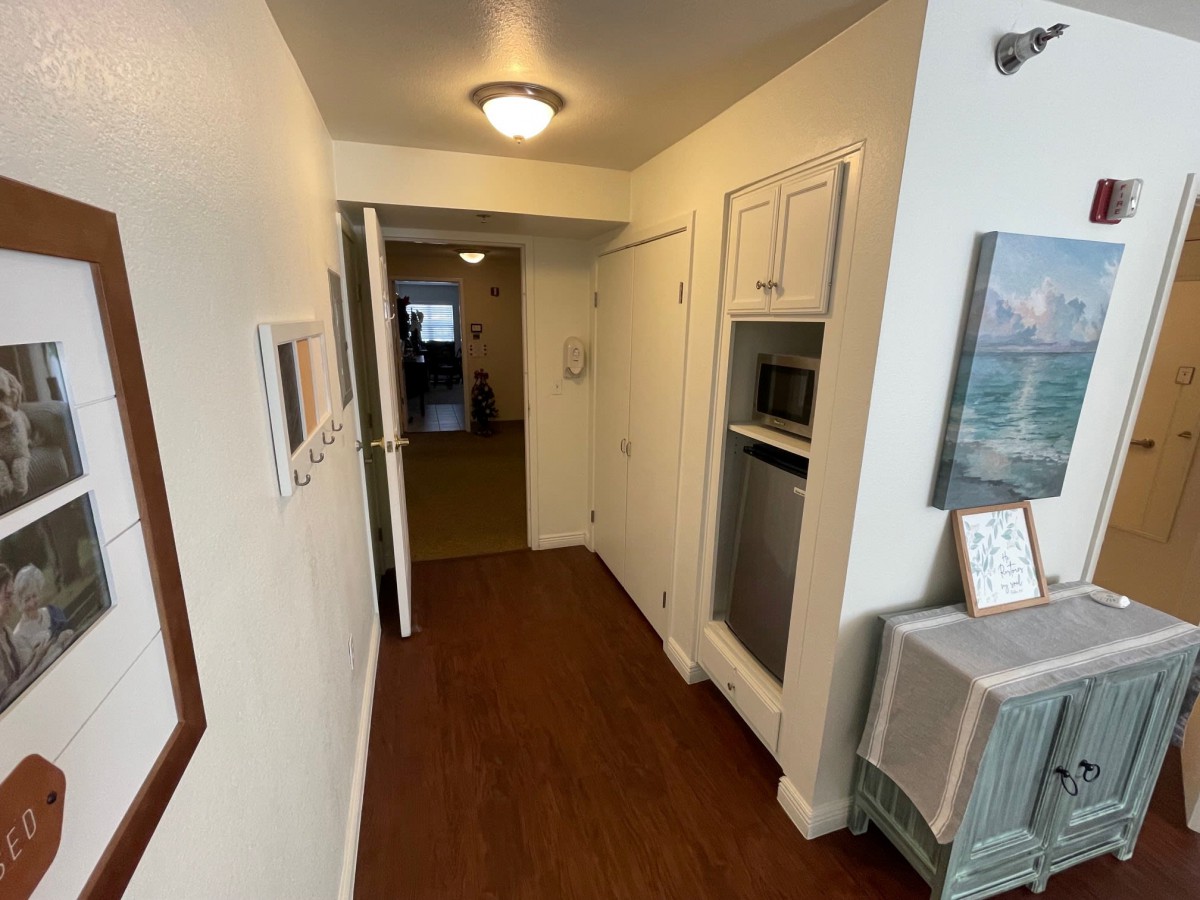
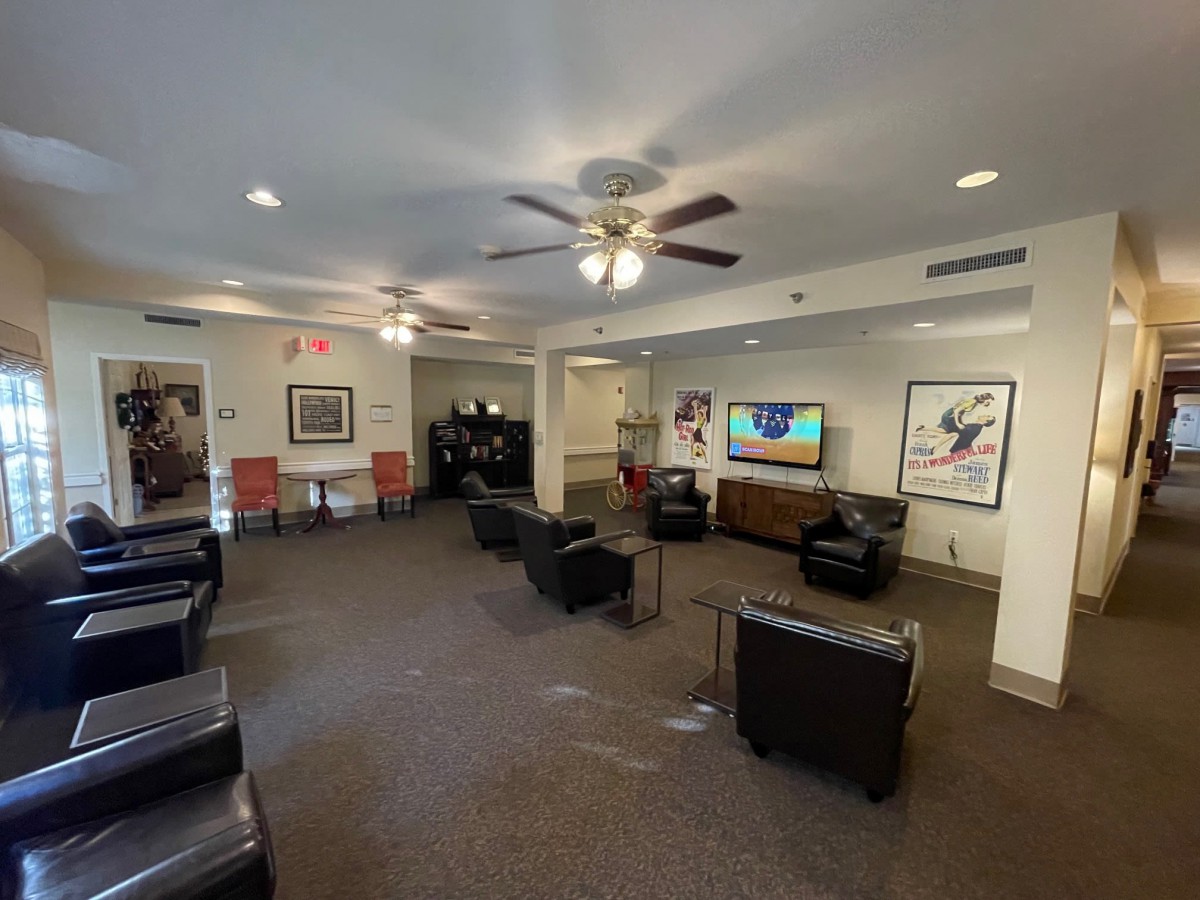
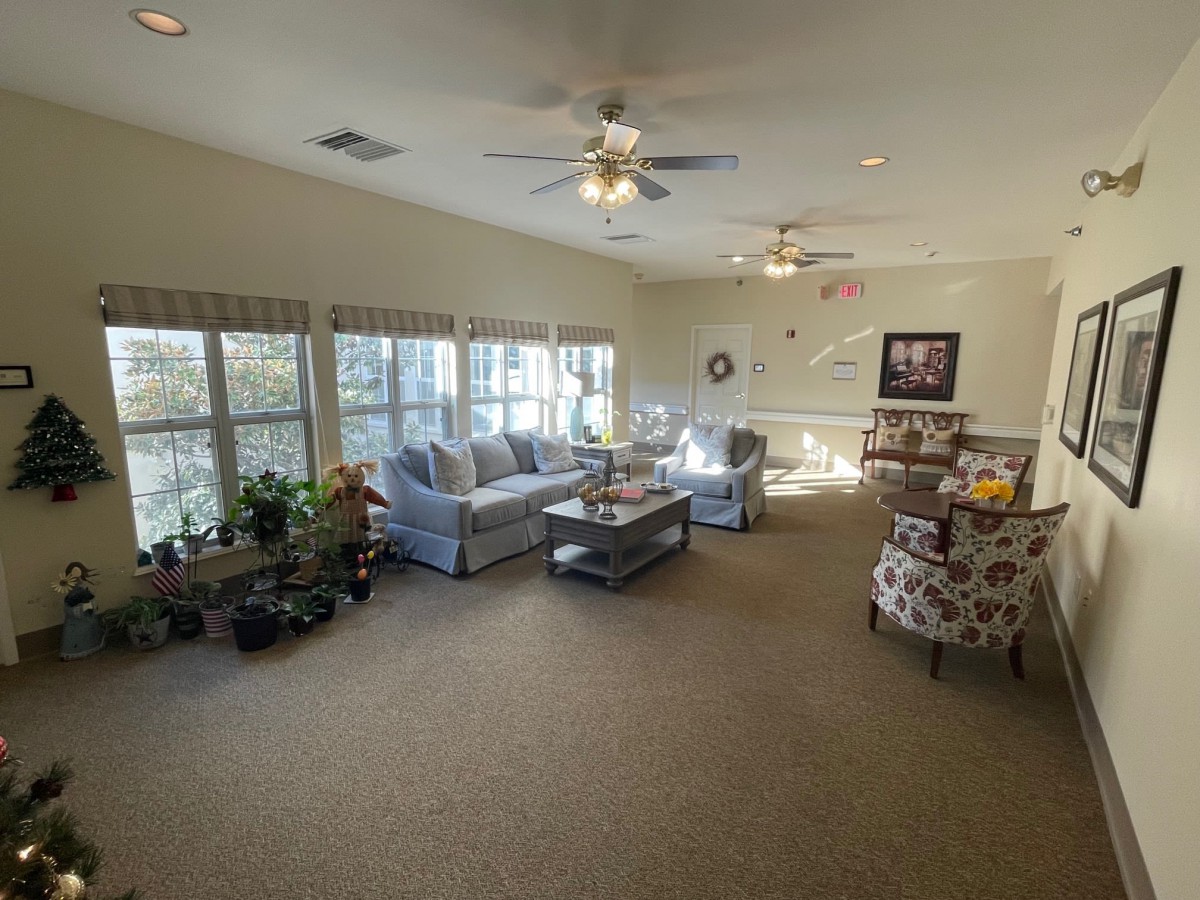
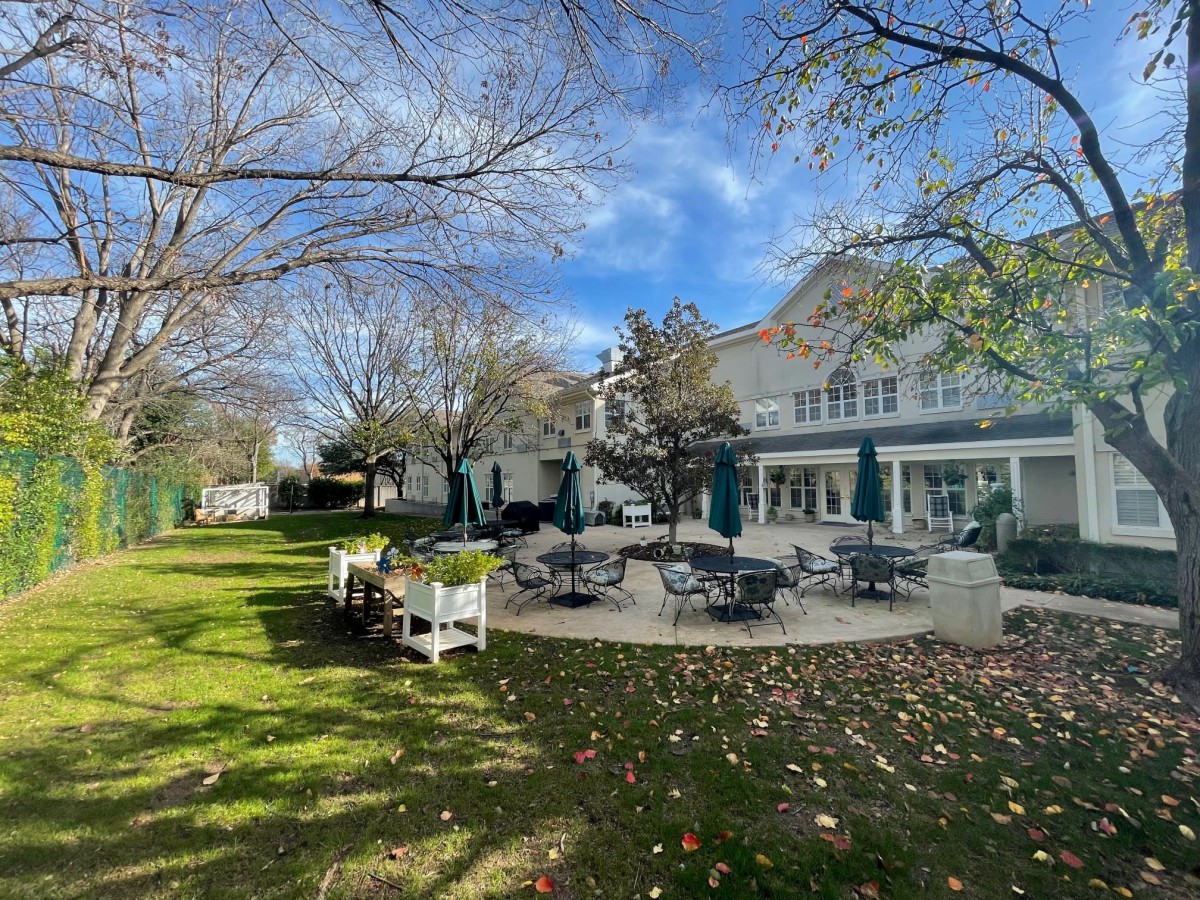
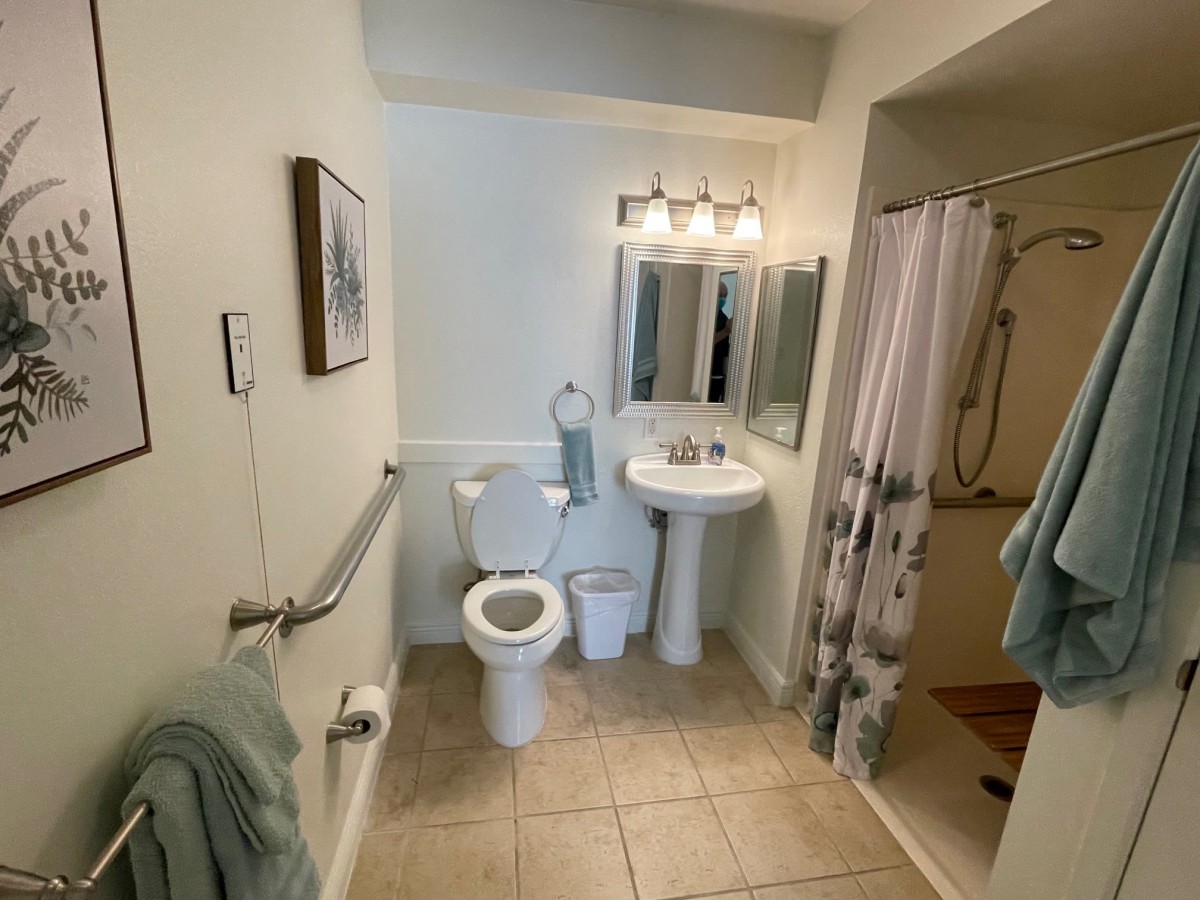
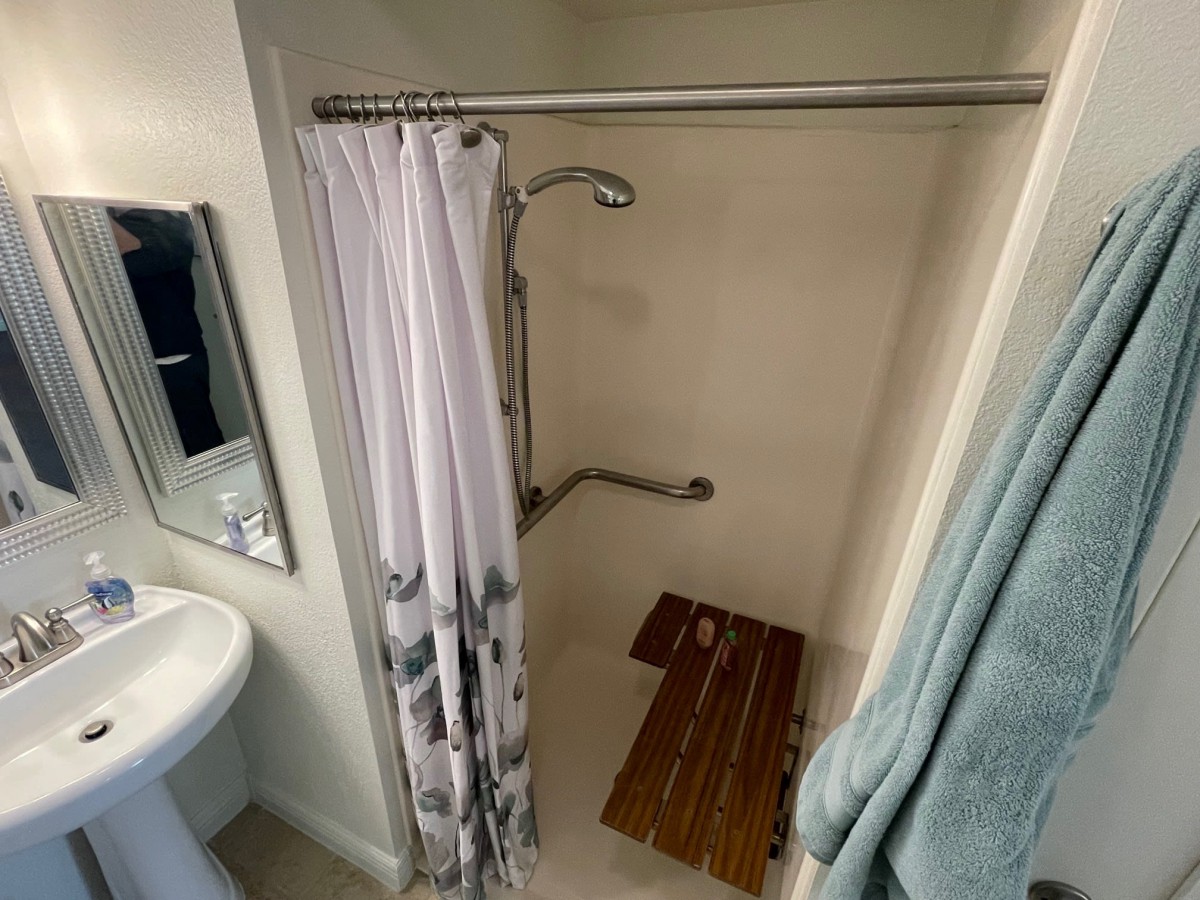
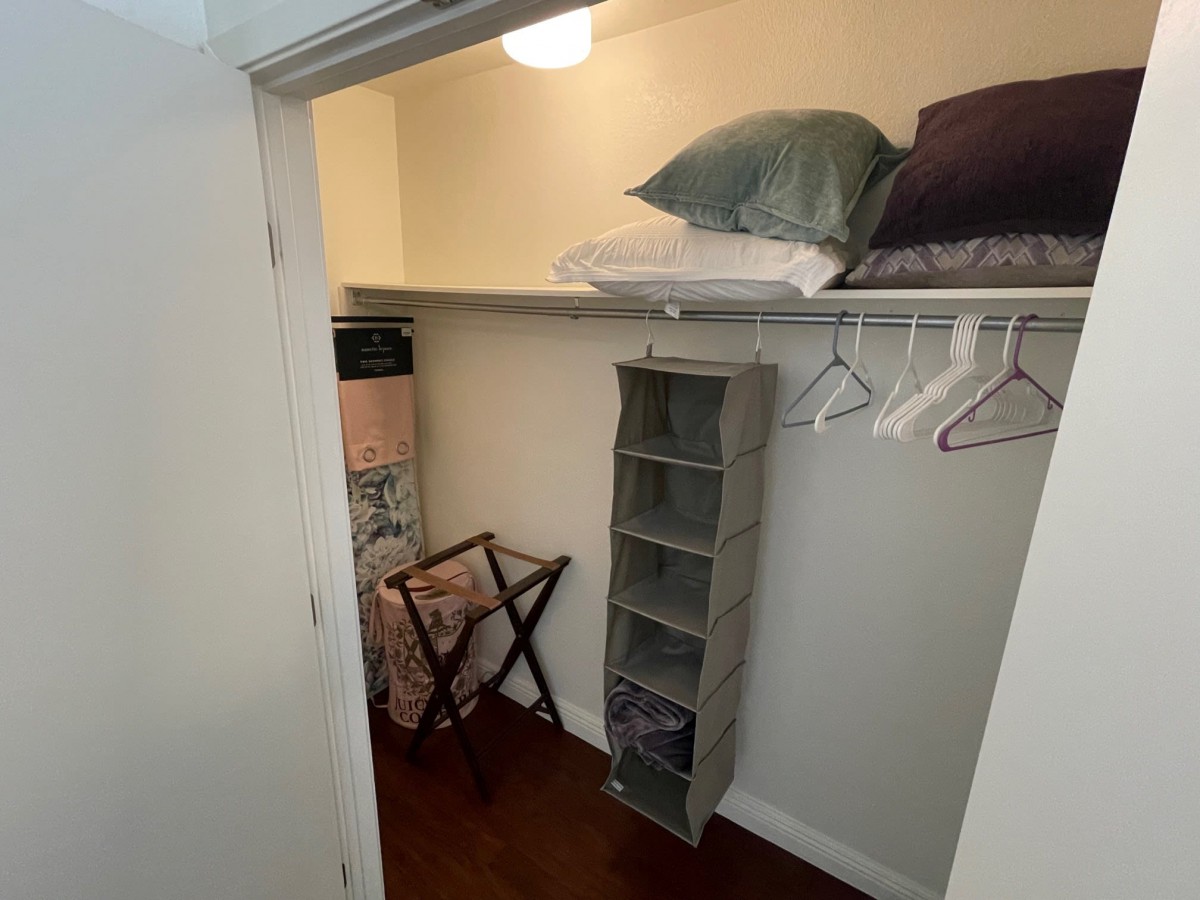
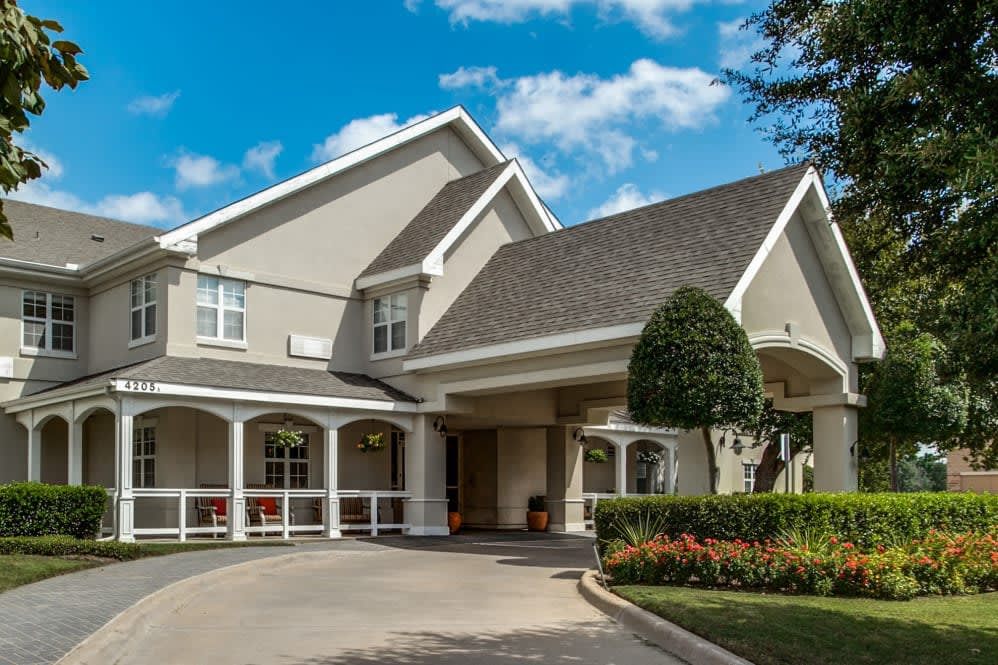
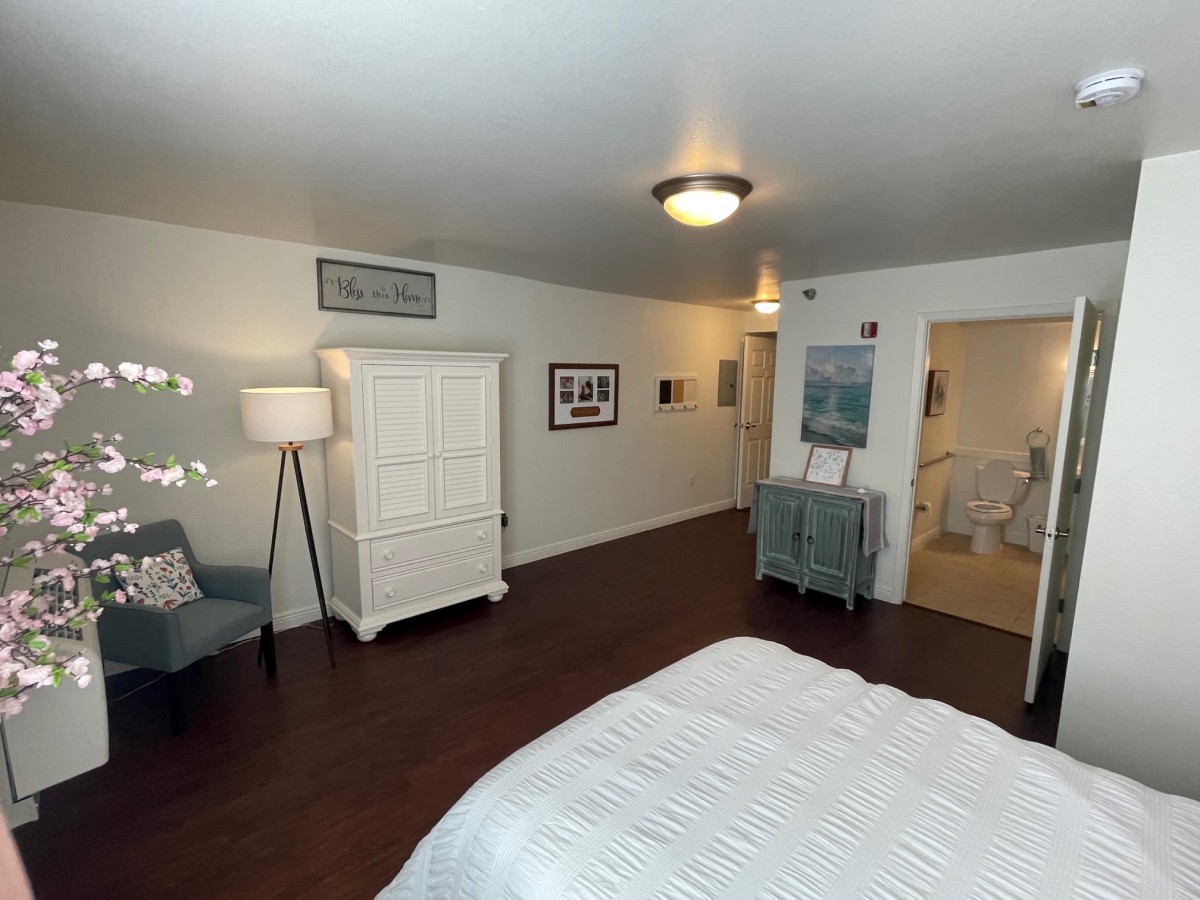
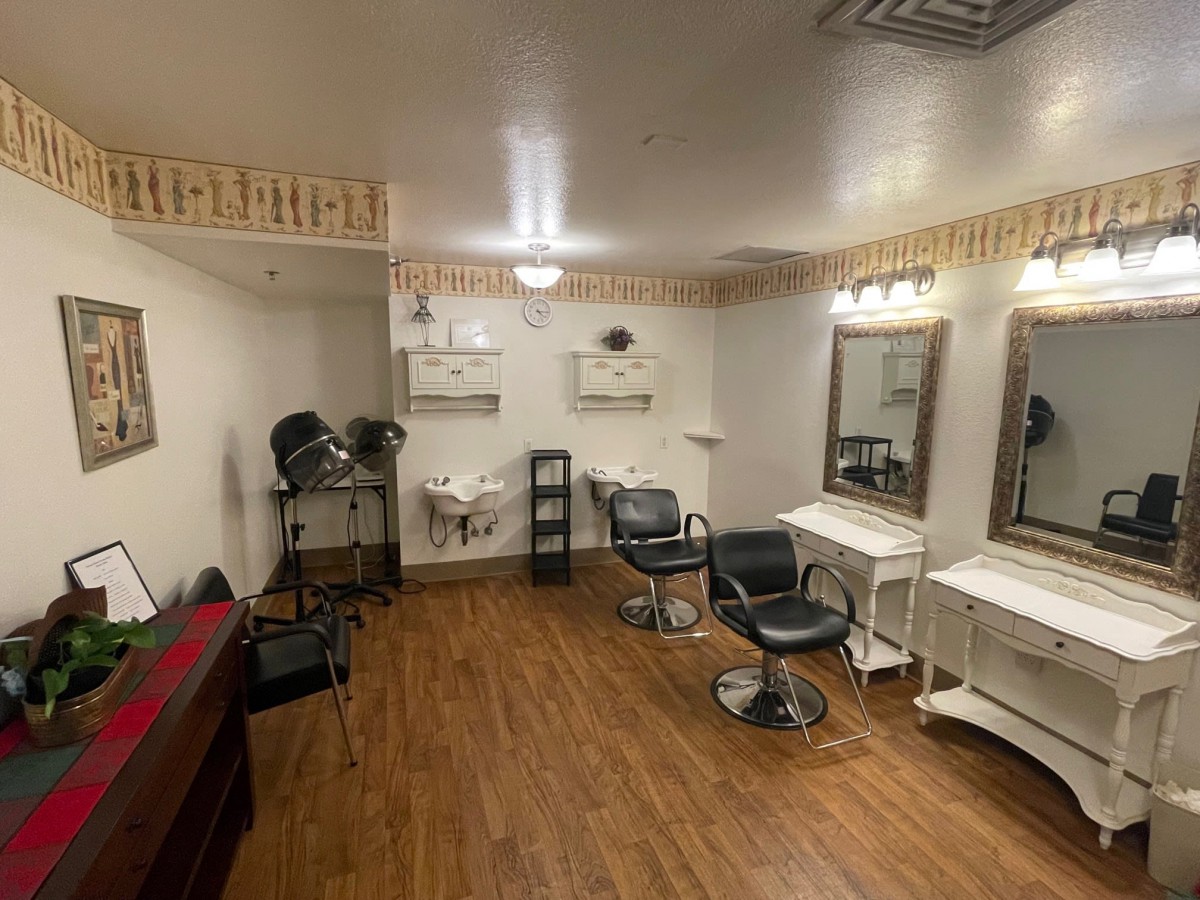
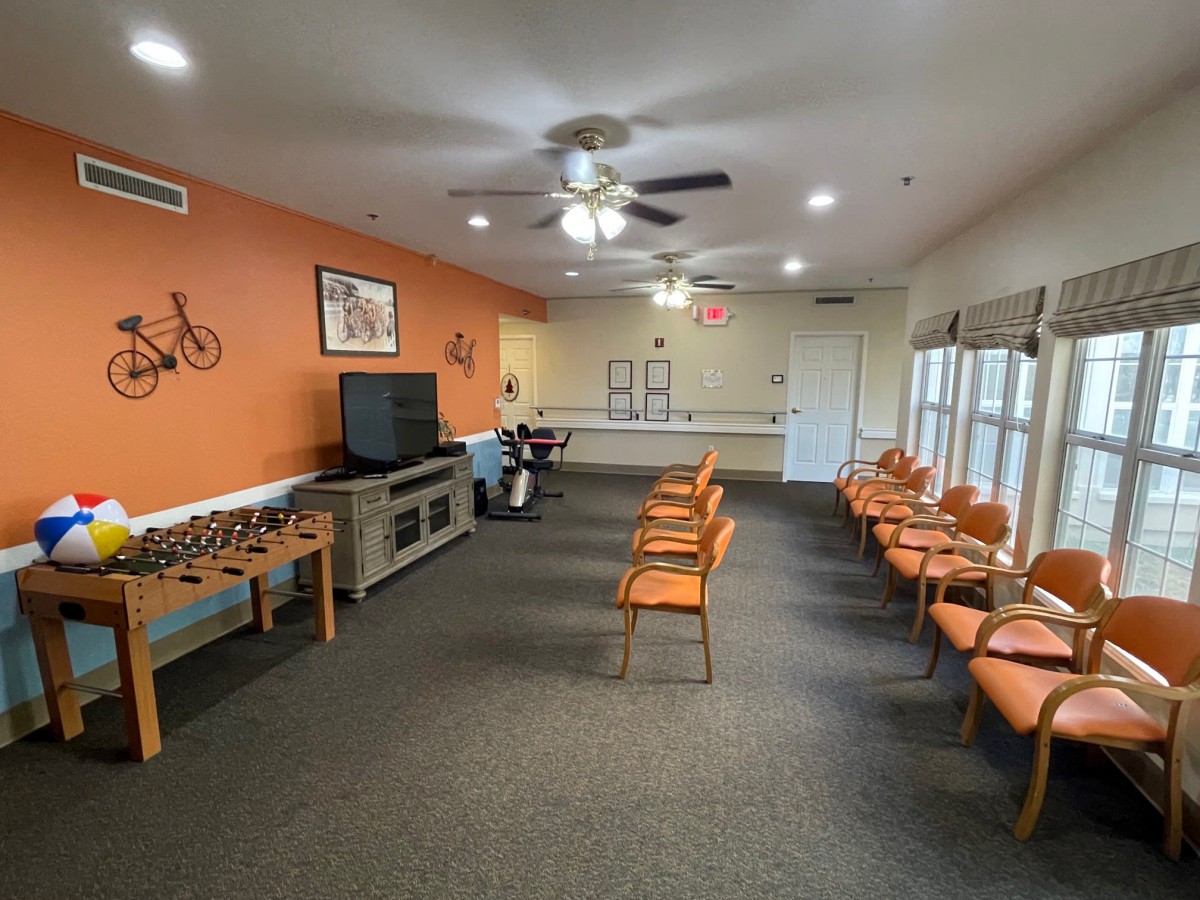
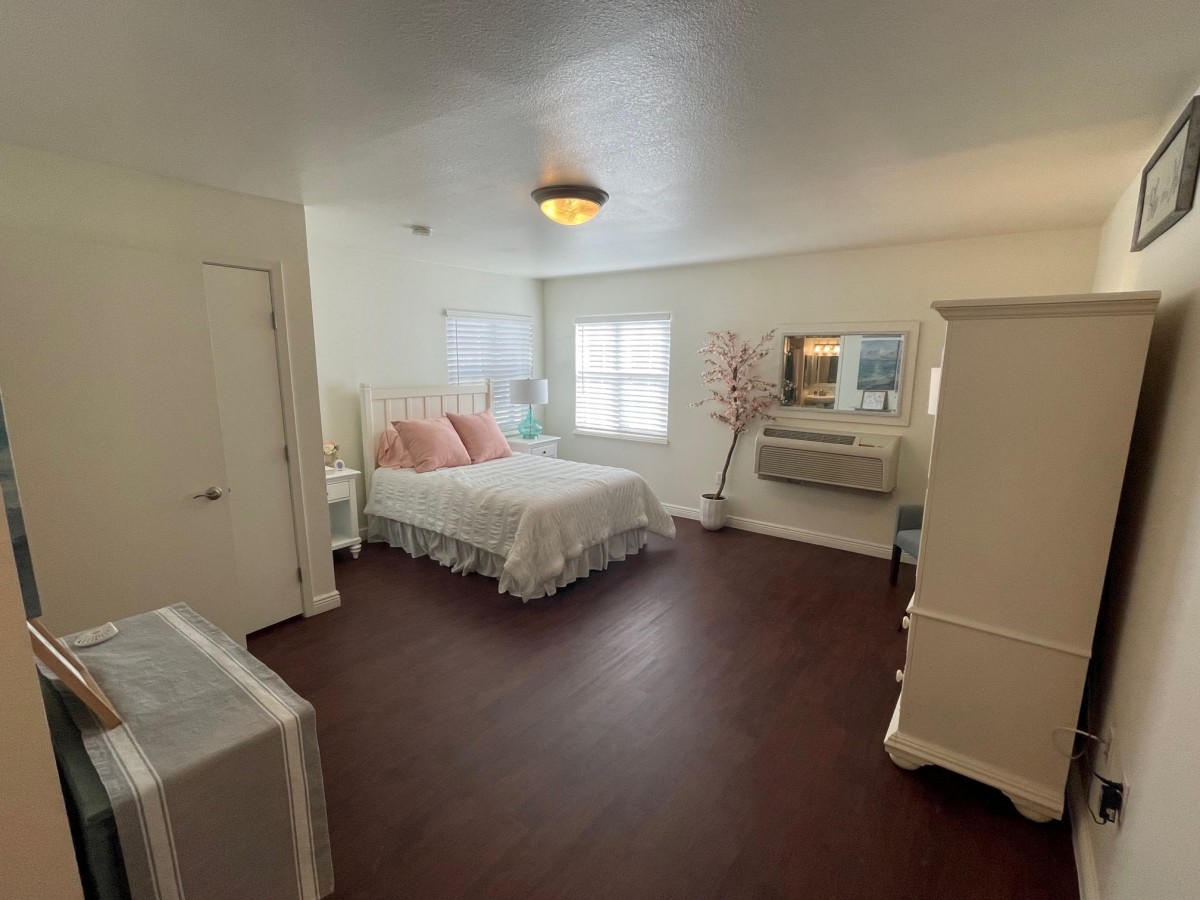
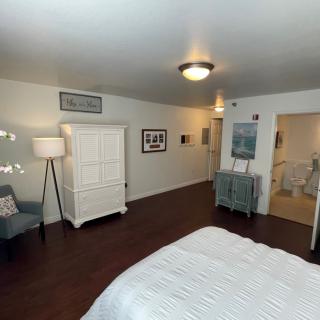
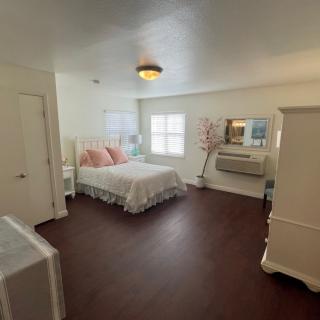
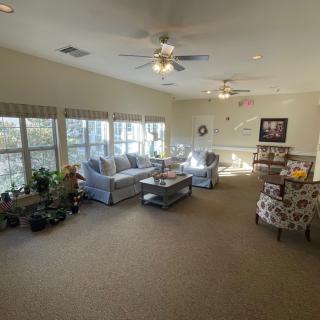
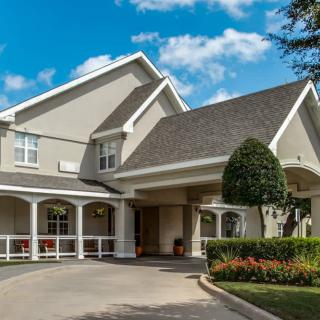
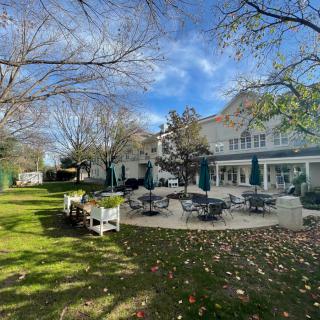
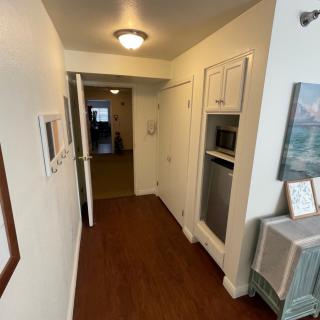
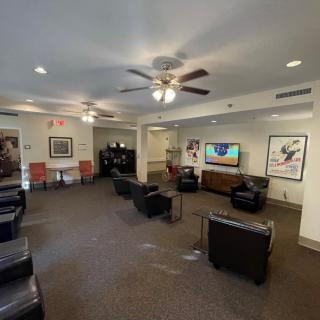
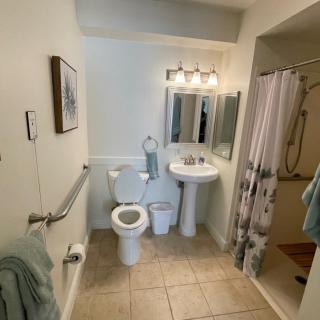
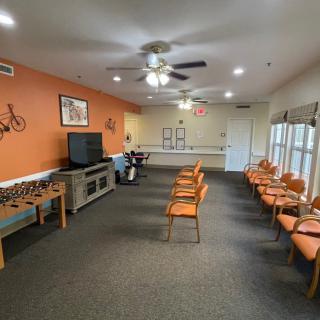
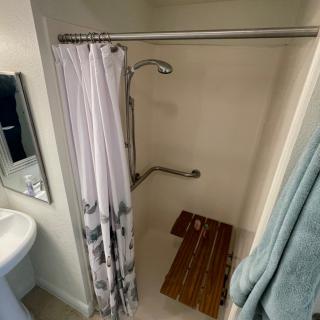
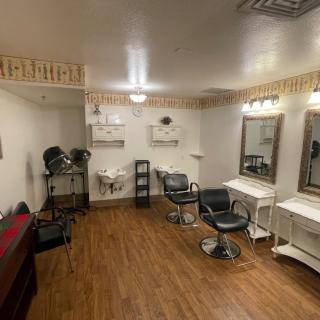
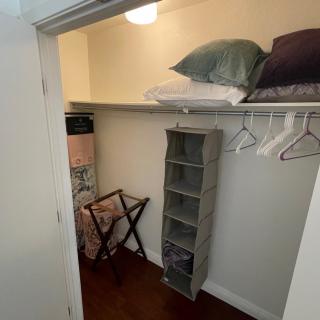
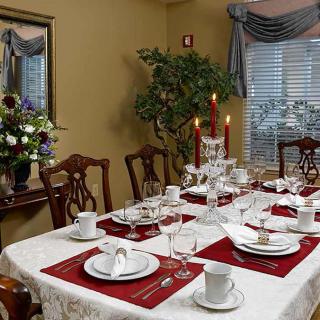
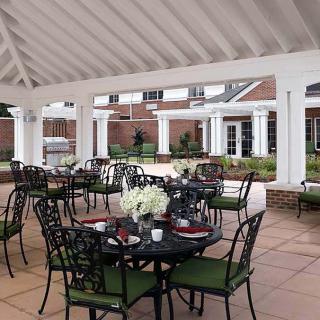
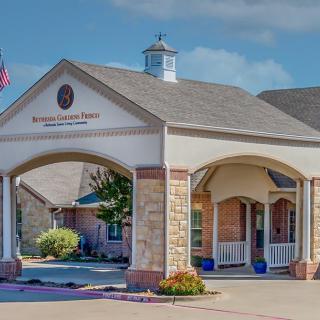
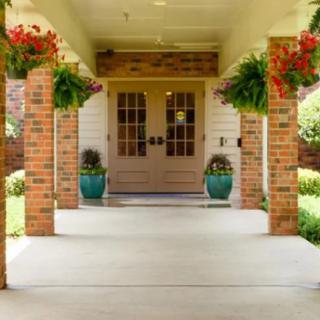
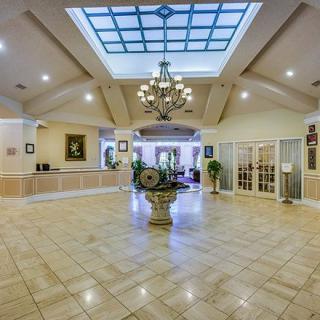
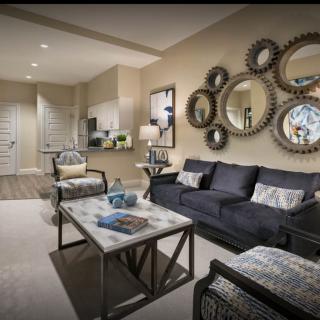
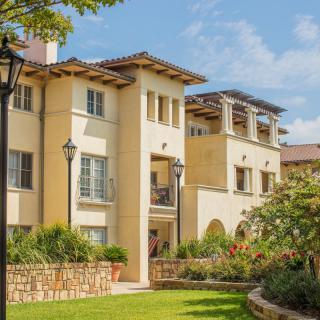
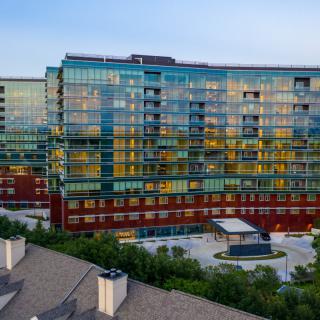
Parsons House Preston Hollow on seniors.fyi includes 13 photos including images showing interior, bathroom, landscaping, bedroom, salon, television, hardwood floor, windows, and more.
Nearby Communities
Traymore Nursing Center
Dallas, TX
3.6 from 110 reviews
Strong family communication and personalized care.
Premier Home Living
Dallas, TX
24-hour supervision with ADL support, diabetes-friendly meals, and on-site activities in a small, well-equipped setting.
The Preston Of The Park Cities
Dallas, TX
4.7 from 110 reviews
Qualified staff and strong management in a well-maintained facility with excellent dining and engaging activities.
Sonoma House Assisted Living LLC
Dallas, TX
4.2 from 22 reviews
Comfortable, caring environment with on-site activities and diabetes care.
Scenario Adult Restorative Nursing & Day Care Center
Dallas, TX
5 from 7 reviews
Small, attentive staff with engaging activities and on-site medical support.
My Loving Home
Dallas, TX
1 from 1 review
$1,500 to $2,800 / month
Lower-than-average pricing for semi-private and private rooms.
The Plaza at Edgemere
Dallas, TX
4.4 from 137 reviews
$7,589 to $10,932 / month
Attentive staff with engaging activities in a beautiful, all-inclusive community.
Edgemere
Dallas, TX
4.6 from 113 reviews
Luxurious, well-maintained community with strong staff and engaging activities.
Ventana by Buckner
Dallas, TX
4.2 from 131 reviews
$6,935 to $8,380 / month
Luxurious, well-maintained facilities with high-end dining overseen by a renowned chef and spacious, comfortable apartments.
Dementia encompasses progressive neurological disorders that impair cognitive functions and can lead to paranoia due to cognitive decline and emotional changes. The article discusses the triggers of paranoia in dementia, caregiver strategies for managing it, and the importance of distinguishing between dementia-related paranoia and other psychiatric conditions.
Memory care activities are essential for improving the quality of life of seniors with cognitive impairments, as they stimulate cognitive function, promote well-being, and encourage social interaction through tailored strategies. These activities combine structured exercises with spontaneous tasks, sensory engagement, physical workouts, creative pursuits, and intergenerational interactions to enhance emotional connection and a sense of purpose.
Transitioning from assisted living to memory care is driven by an individual's cognitive decline and specific needs, requiring careful evaluation of indicators like increased confusion and wandering. The process involves consulting medical professionals, researching suitable communities, considering financial and legal aspects, and ensuring effective communication for personalized care plans.
Get PricingAsk A QuestionSchedule A TourContact Senior Advisor
By clicking submit, you agree to our Partner's Terms of Use. You
also consent to receive calls and texts, which may be autodialed, from our Partner. Your consent is not a condition to
using our Partner's service. Please visit our Partner's Privacy Policy for information about their privacy practices.

 16 resident community capacity
 Studio apartments
 Assisted Living
 Board and Care Home
 Memory Care
 Respite Care
 Skilled Nursing Facility
 Cats allowed
 Dogs allowed
 Activities off-site
 Air-conditioning
 Beautician on-site
 Cable or satellite TV
 Devotional services off-site
 Dining room
 Fully furnished
 Garden
 Ground floor units
 Handicap accessible
 Housekeeping services
 Indoor common areas
 Kitchenette
 Laundry
 Move-in coordination
 Outdoor common areas
 Party space
 Resident parking
 Swimming pool
 Telephone
 Wheelchair accessible showers
 Wi-Fi/high-speed internet available
 Dallas Love (1 miles away)
 Transportation & parking
 24-hour supervision
 Ambulatory care
 Assistance with bathing
 Assistance with dressing
 Assistance with transfers
 Diabetes diet
 Diabetic care
 Incontinence care
 Meal preparation and service
 Medication management
 Special dietary restrictions
 Transportation arrangement (medical)
 Art classes
 Catholic services
 Cooking classes
 Day trips and outings
 Educational speakers / life long learning
 Happy hour
 Live dance or theater performances
 Live musical performances
 Wine tasting
 English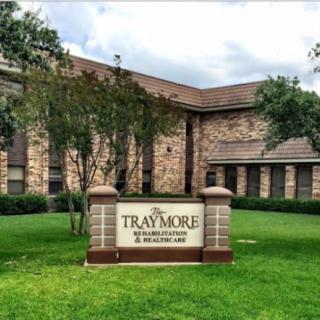
 Strong family communication and personalized care.

 Dementia, Paranoia, and Caregiver Guidance: Understanding the Connection
 Engaging Memory Care Activities That Enhance Quality of Life
 When to Transition from Assisted Living to Memory Care: Key Indicators, Steps, and Finding the Right Community