The Plaza at Edgemere in Dallas, TX

Save

  • Interior

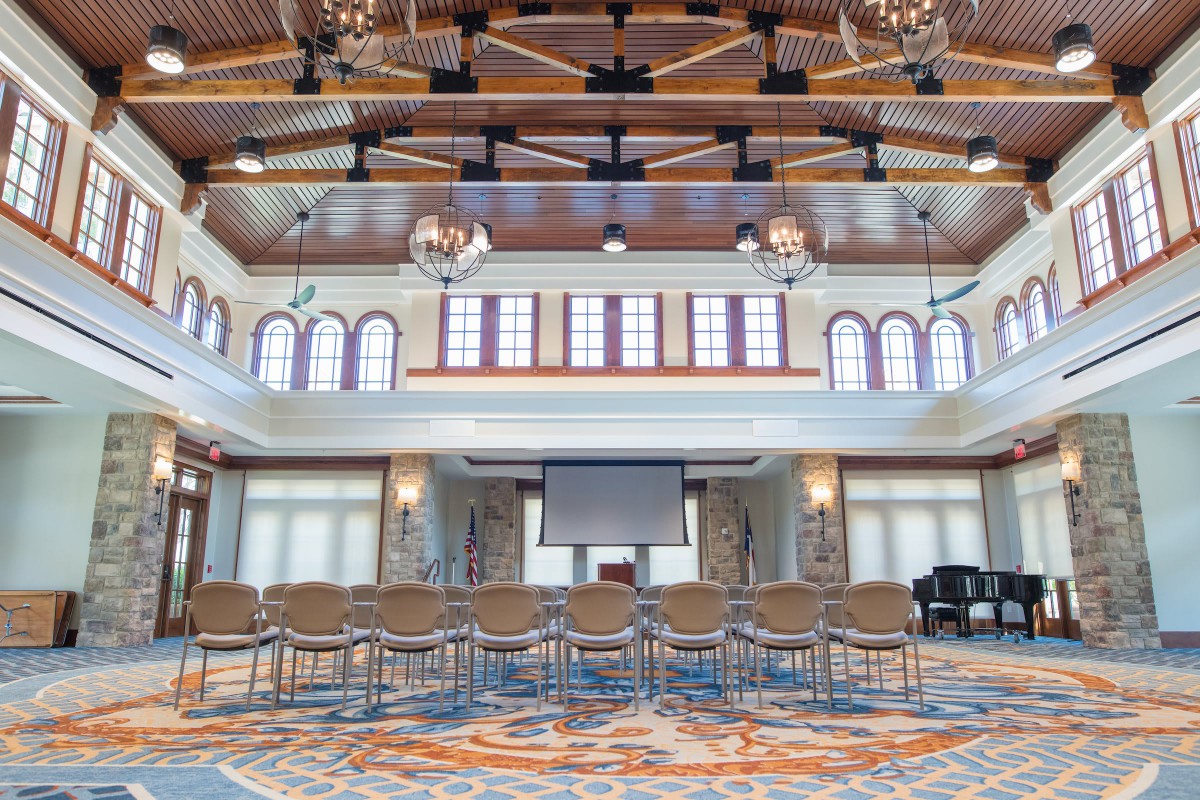
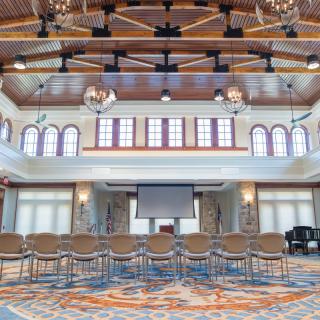
    A spacious conference room with arranged seating, a projector screen, and ornate chandeliers.
  • Outdoors

    A garden sign surrounded by vibrant flowers and lush greenery.
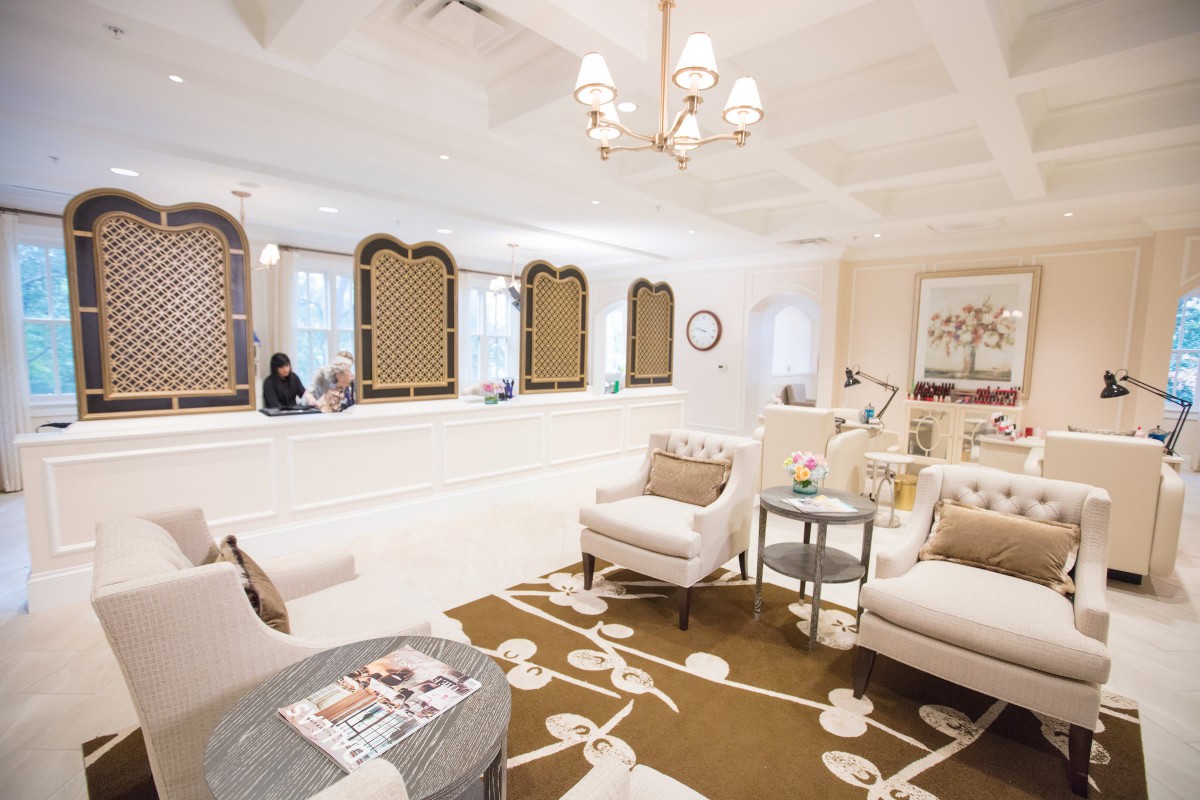
  • Decor

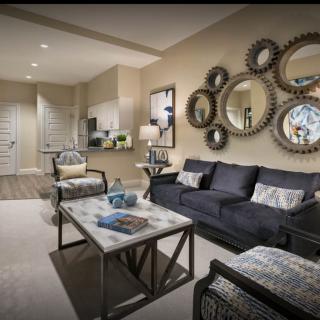
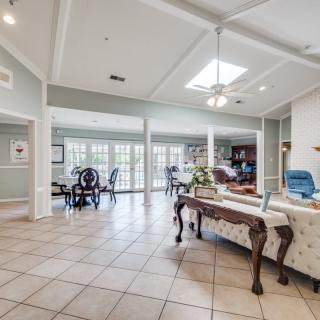
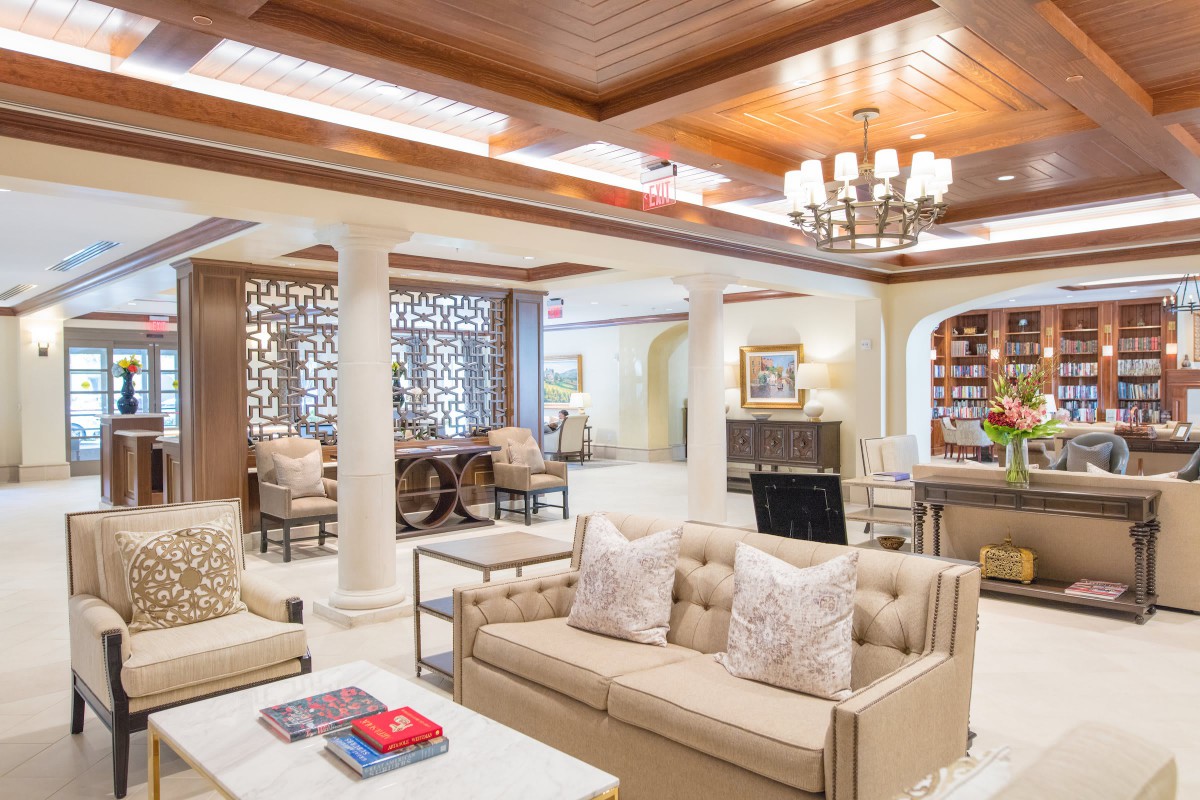
    A stylish and comfortable lobby with elegant furniture and decor.
  • Living Room

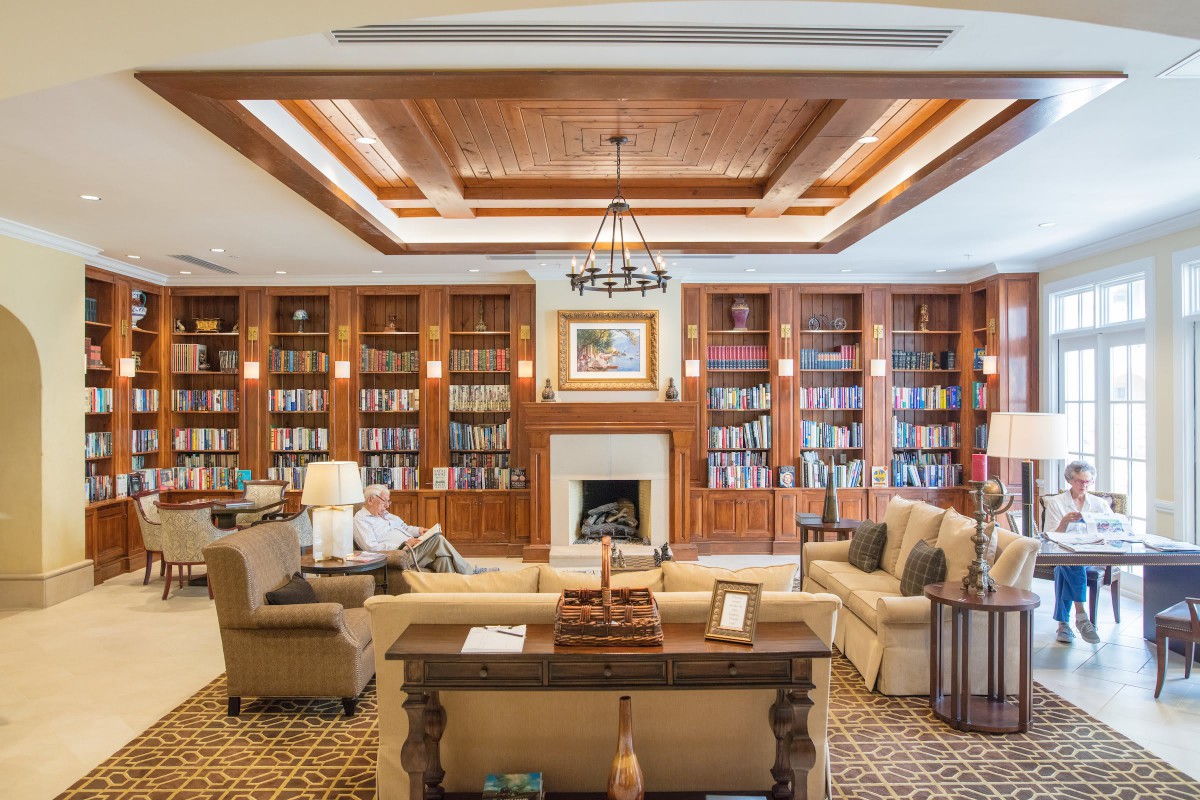
    A luxurious and cozy library with bookshelves, a fireplace, and comfortable seating.
  • Building

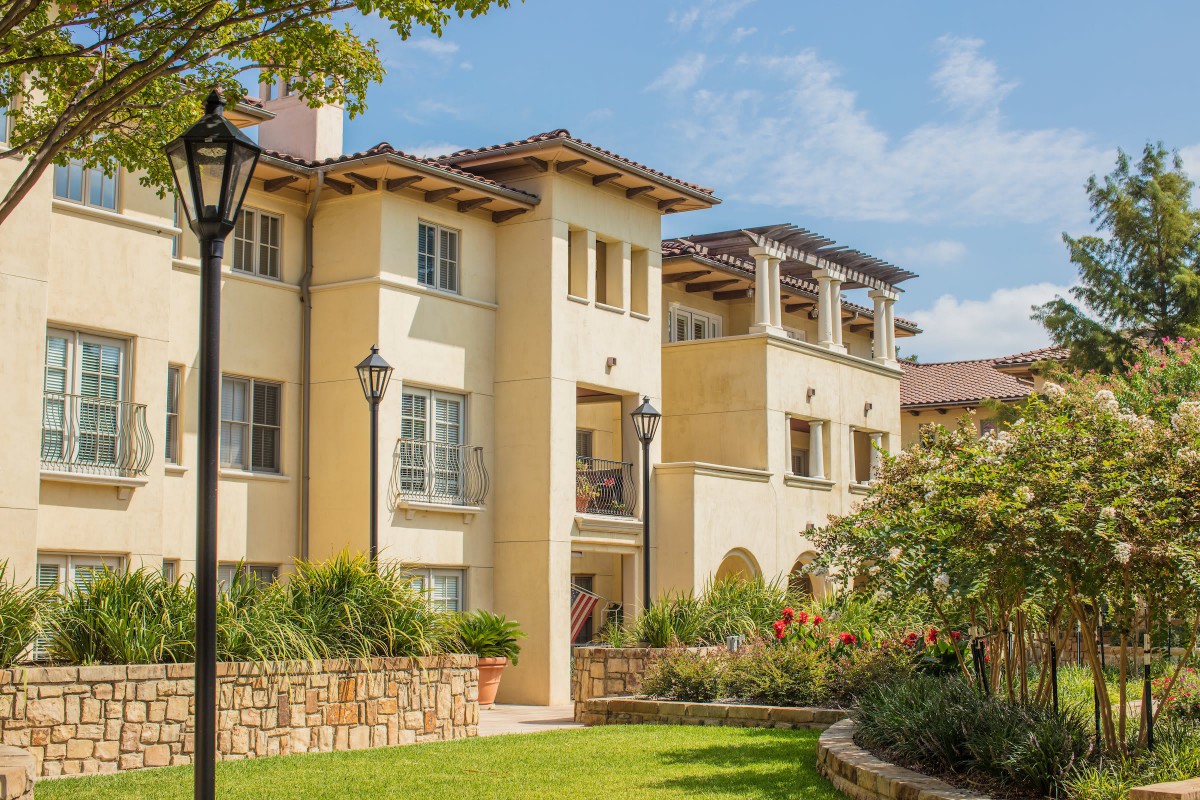
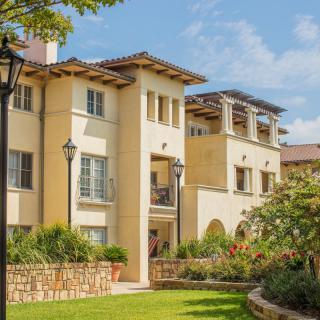
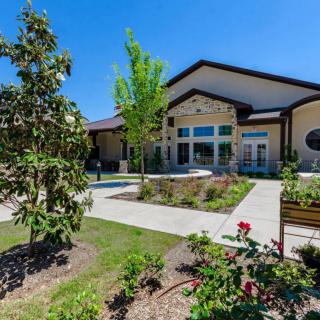
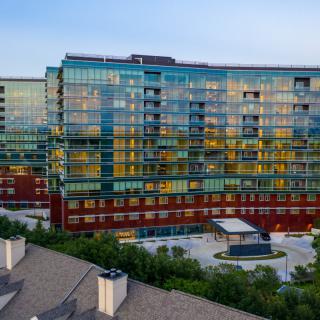
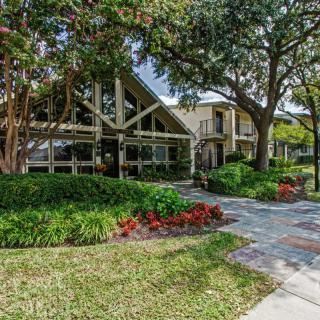
    A modern residential building surrounded by a well-maintained garden under a clear blue sky.
  • Architecture

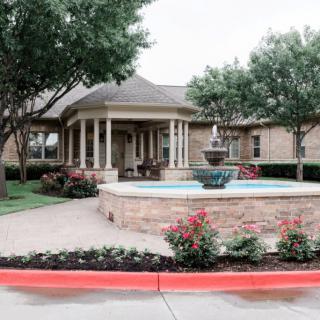
    A serene garden scene with a pond, lush greenery, and a nearby building in the background.
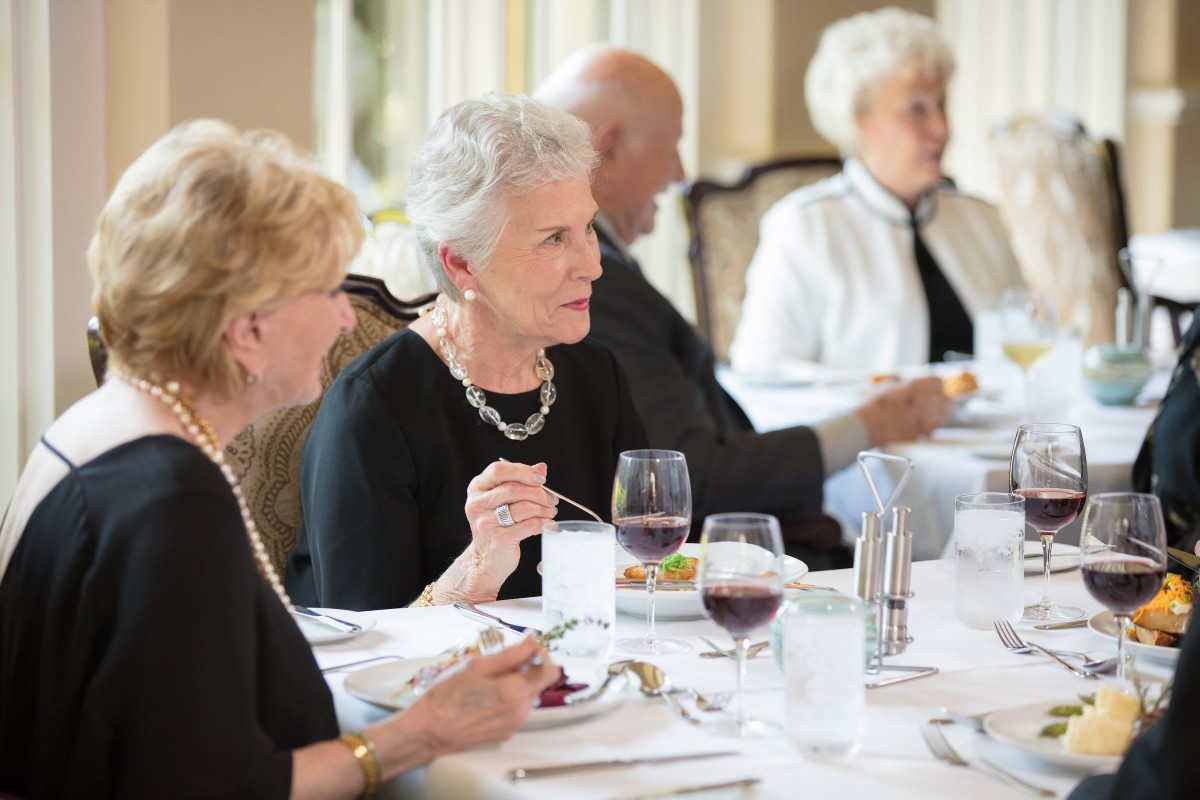
  • Dining

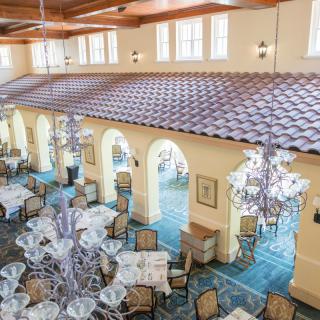
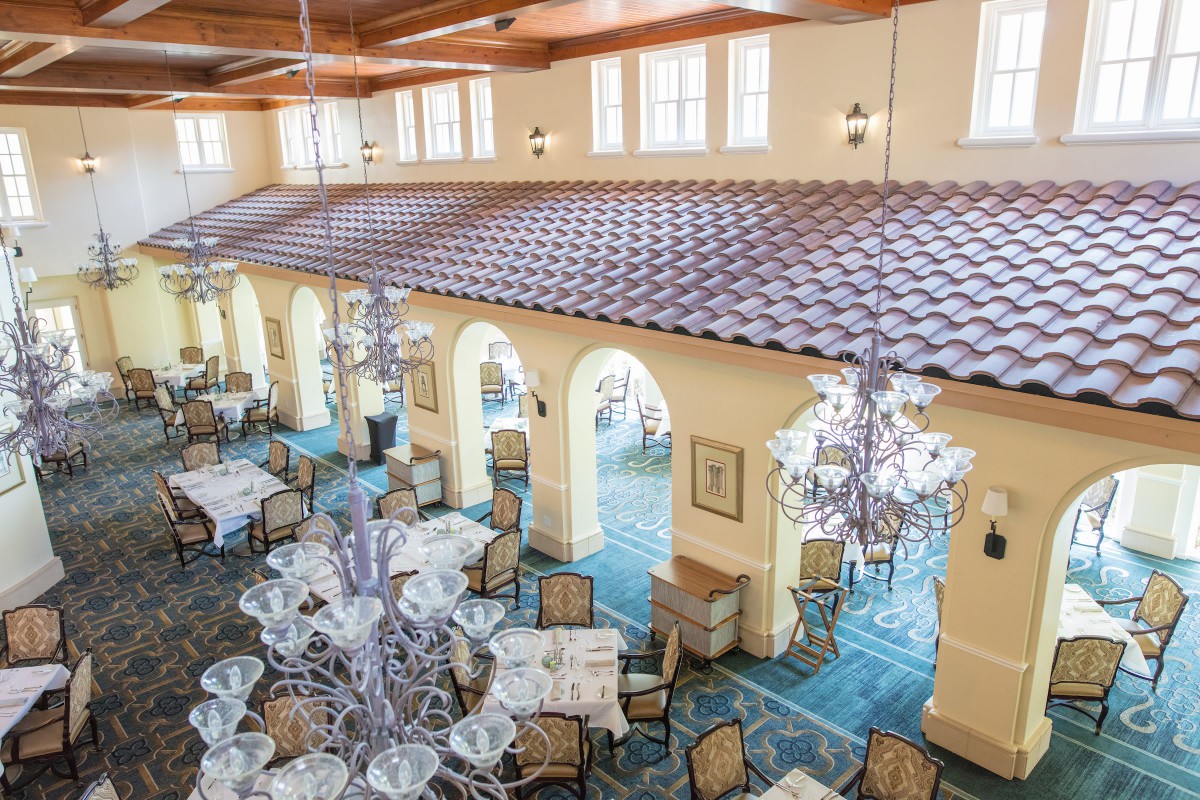
    An elegant dining area with chandeliers and neatly arranged tables and chairs.
  • Chandelier

    A luxurious and elegantly designed living room with plush sofas, a chandelier, decorative columns, and a bookshelf.
  • Bookshelves

    A luxurious living room interior with elegant furniture and decor.
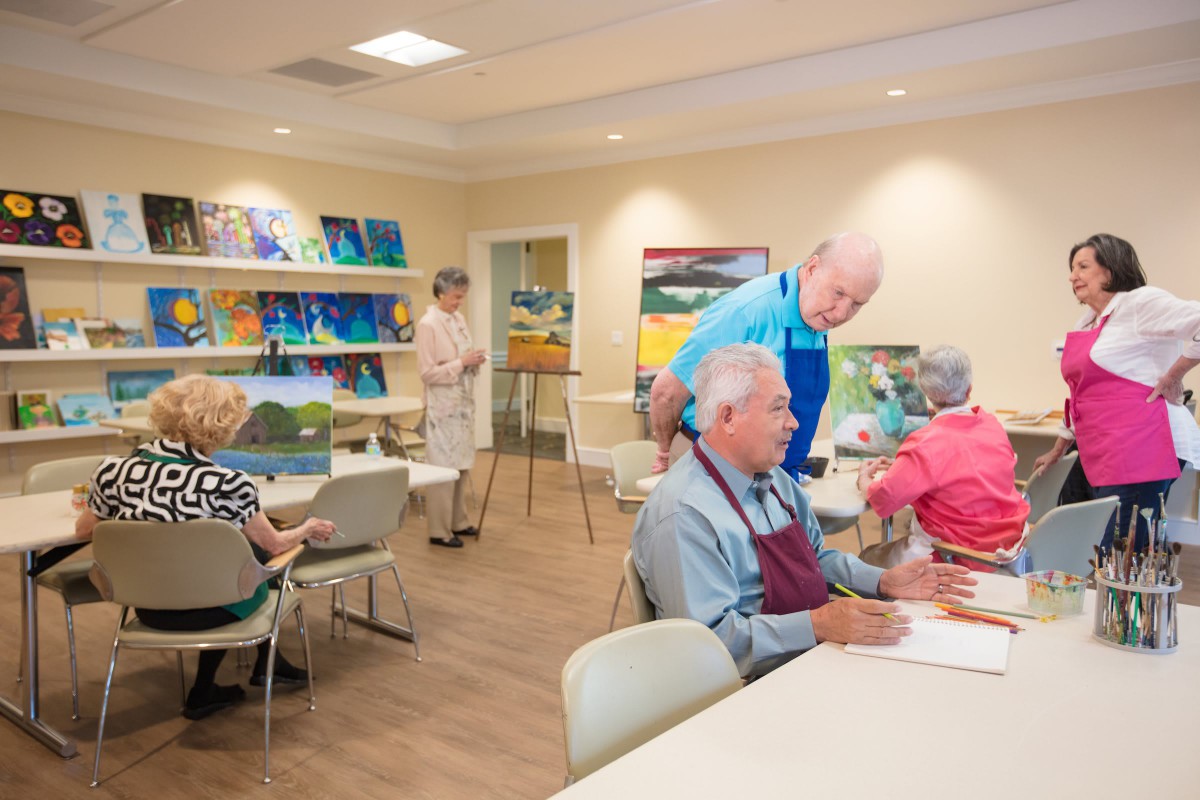
  • Painting

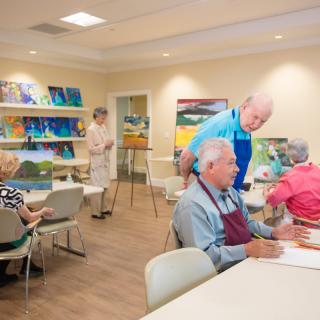
    A group of seniors participating in a painting class at a community center.
  • Exercise Equipment

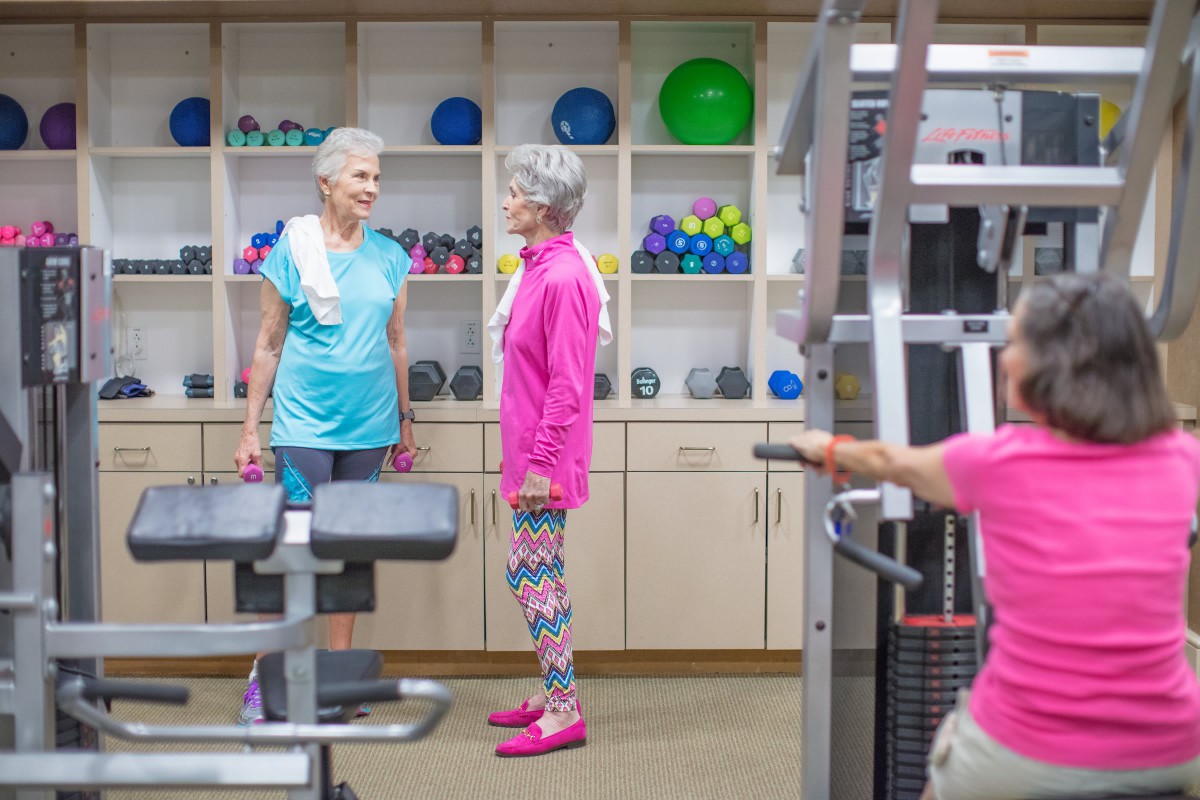
    Two senior women chatting in a gym, surrounded by exercise equipment and colorful workout gear.
  • Fitness

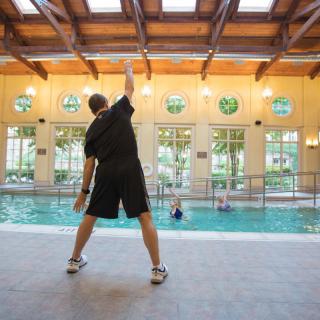
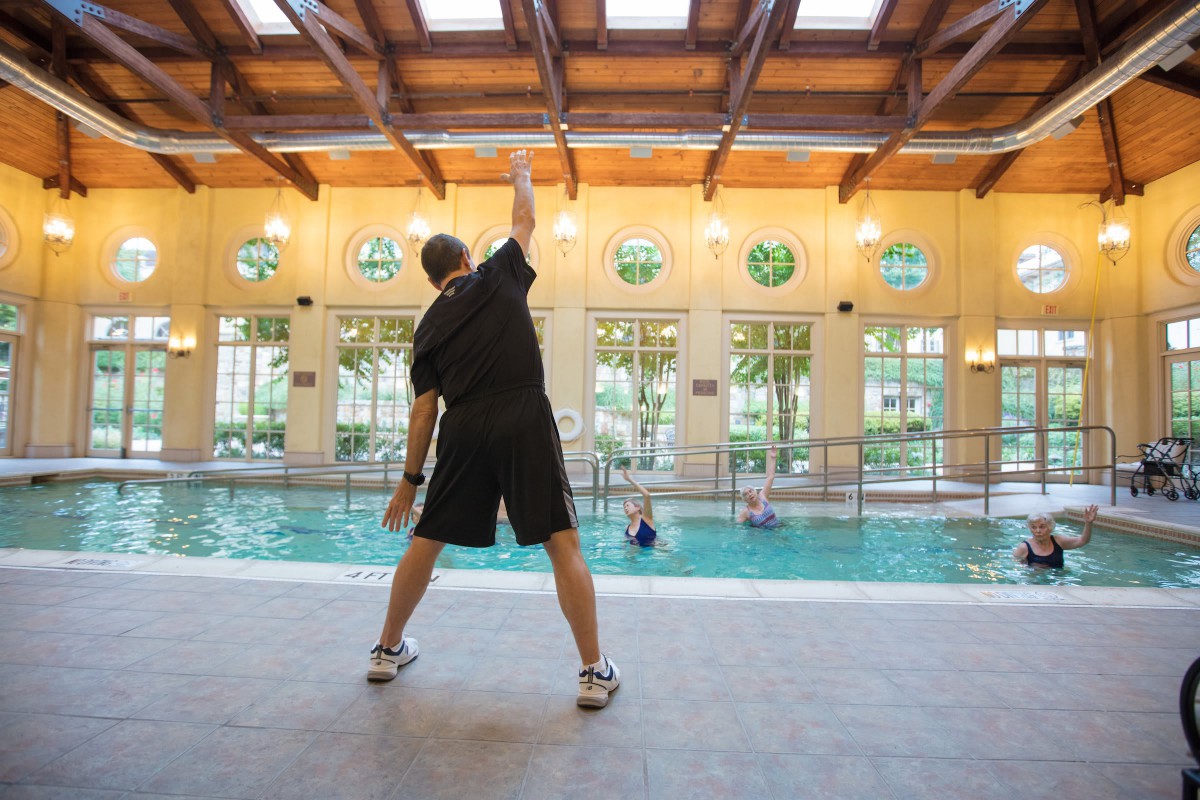
    A person stretching by an indoor pool, focusing on fitness and wellness.
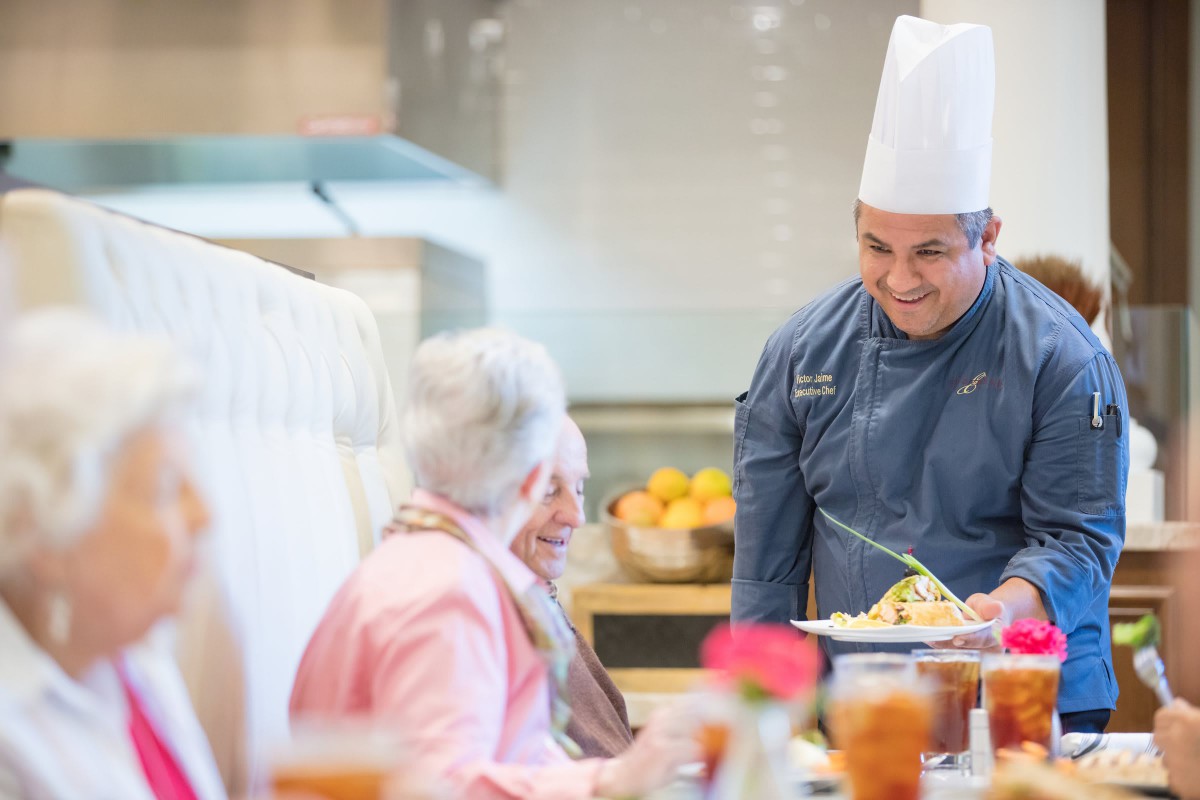
  • Cooking

    A chef serving a meal to elderly patrons in a restaurant setting.
  • Golf

    A senior person helps a child play golf outdoors on a sunny day.

The Plaza at Edgemere in Dallas, TX

8502 Edgemere Rd, Dallas, TX 75225

For more information about senior living options: (844) 490-3973

4.4 from 125 reviews
5 stars
100
4 stars
4
3 stars
2
2 stars
6
1 stars
13

Assisted Living Memory Care

The Plaza at Edgemere Costs & Pricing

At The Plaza at Edgemere, the monthly costs reflect a premium living experience in a vibrant community setting. For a one-bedroom unit, residents can expect to pay $7,589, significantly higher than the average cost of $3,760 in Dallas County and slightly above the Texas state average of $3,761. The two-bedroom option is priced at $10,932, which also positions it well above the local and state averages of $4,144 and $4,215 respectively. These rates underscore The Plaza at Edgemere's commitment to providing exceptional amenities and services that cater to those seeking a sophisticated lifestyle in an upscale environment.

Floor plansThe Plaza at EdgemereDallas CountyTexas
1 Bedroom$7,589$3,760$3,761
2 Bedrooms$10,932$4,144$4,215

Overall Review of The Plaza at Edgemere

Pros

  • pro The Plaza at Edgemere is described as comfortable, beautiful, and resort-like, making residents feel at home.
  • pro The staff are described as warm, friendly, courteous, and genuinely caring toward residents.
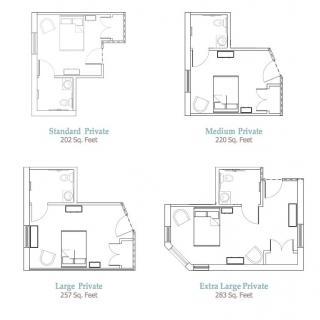
  • pro Private rooms are spacious and well-appointed, contributing to a home-like atmosphere.
  • pro On-site amenities and services, including dining, a salon, gardens, and transportation, enhance the quality of life for residents.
  • pro The care teams are praised for attentiveness and professionalism, often going above and beyond to meet residents' needs.
  • pro Dena Jackson is highlighted as an exceptional liaison and a standout representative of the facility.
  • pro The memory care neighborhood is described as safe, engaging, and devoted to residents' well-being.
  • pro Families feel supported and grateful, with many stating they would recommend The Plaza at Edgemere to others.
  • pro Several reviewers characterize The Plaza at Edgemere as top-tier, even comparing it to a five-star resort for rehab and assisted living.

Cons

  • pro The patient did not receive the level of care she needed or deserved; she was found partially hanging off her bed with the call button on the floor and out of reach.
  • pro The weekend assistant left at 2:00 p.m. and never returned, leaving her in the same position when the family arrived at 5:30 p.m.
  • pro There were repeated delays of 30 minutes to an hour for call-button assistance.
  • pro The 2:00 p.m.?6:00 a.m. shift and weekend staff were not attentive or professional, and there was no communication from the physical therapist or the attending physician.
  • pro Third-floor residents were left sitting in the hallway for 30 minutes or longer without supervision; one patient had an unsecured gown, leaving her exposed.
  • pro Video evidence showed nurses arguing in a resident's room over who was responsible for changing her, along with moments when she was audibly calling for help with no response.
  • pro The facility was criticized for discharge and billing practices, including extensions that resulted in unexpected copays and poor communication.
  • pro The care quality was described as inconsistent and sometimes neglectful, with rude or indifferent staff.
  • pro There were reports of roaches and other bugs in the facility, and the staff were described as incompetent and lazy.
  • pro Rehab/therapy care was inconsistent, with call buttons often unaddressed and medications delivered late or in incorrect quantities.

Review

The Plaza at Edgemere is best suited for families seeking a luxury, all?inclusive senior living campus that blends resort-like ambiance with comprehensive care, especially for residents who prize robust memory?care options and on?site rehabilitation. The Dallas location is renowned for its beautifully designed interiors, expansive common areas, multiple dining venues, a hair/nail salon, lush grounds, and purposeful programming. For families who want ready access to physicians, therapists, and a wide slate of daily activities without switching campuses, Edgemere presents a compelling, one?stop solution that emphasizes dignity, independence, and social engagement as core features of daily life.

That said, this community may not be the right fit for families prioritizing consistently flawless care and unwavering responsiveness around the clock. Several reviews recount extended delays in call?bell responses, missed or late medications, and weekend or overnight staff who appear distracted or inattentive. There are troubling anecdotes of residents being left unattended in hallways, and some families report communication gaps with therapy teams or physicians. For those with loved ones requiring constant supervision, acute supervision, or highly predictable care routines, Edgemere's mixed experiences on after?hours care argue for a careful comparison with other facilities that emphasize steady staffing and reliable urgent response.

On the strengths side, the facility earns strong marks for the quality of its premium amenities and the depth of its care continuum. The memory?care neighborhood is repeatedly highlighted as warm, active, and well?structured, with dementia?friendly activities and a thoughtfully designed sensory room that families value highly. Memory care leadership and engagement teams - along with the on?site nursing leadership - are frequently cited as anchors of a compassionate culture. In skilled nursing and rehab, several families note meaningful progress, effective wound care, and a sense that therapists and nurses are capable, available, and collaborative. The overall environment - clean, charming, and well maintained - often complements the care delivered by attentive staff.

Yet, the negatives temper the glow in meaningful ways. Reports of staffing inconsistencies, particularly on weekends and nights, undermine confidence in day?to?day reliability. Some families describe disorganization around discharge planning and billing issues, and a few residents have serious concerns about the care experience that can't be dismissed. Food quality is described variably, with some praising dining experiences and others characterizing meals as generic or inconsistent. Even with a beautiful campus and strong clinical partners, these recurrent themes - staffing gaps, communication lapses, and, in rare cases, care missteps - underscore that Edgemere is not immune to the frustrations found in many large, multi?level care communities.

The memory?care module, however, continues to be a standout for families seeking specialized cognitive?support living. Residents there benefit from dedicated programming, staff who know the residents by name, and a sense of continuity that can ease transitions for families worried about progression of dementia. Families frequently highlight management accessibility and hands?on leadership as a differentiator, with administrators and clinical leaders who remain engaged and responsive. For families whose loved ones need meaningful daily activity and a calm, predictable routine within a secure setting, the memory?care neighborhood often delivers outcomes that justify the premium price.

The practical takeaway for families is clear: Edgemere delivers a compelling blend of luxury, comprehensive care, and a vibrant activity calendar that can translate into real quality of life. The strongest upside comes from the care teams in memory care and skilled nursing, the all?under?one?roof structure, and the concierge approach to amenities and daily living. The caveats are equally real and nontrivial - weekday cadence can be excellent, but after?hours reliability varies; communication occasionally stalls; and the premium price requires disciplined budgeting and clear expectations about what is included. Before deciding, conduct a firsthand night and weekend observation, request to meet the DON and memory?care director, and ask for specific, written assurances about call?bell response times, medication administration processes, and discharge communications.

In the end, The Plaza at Edgemere is a strong fit for families who value luxury, convenience, and a well?supported memory?care pathway, and who are prepared to advocate actively for transparent communication and rigorous care standards. For those whose priority is cost containment, ironclad nighttime nursing coverage, or a consistently uniform care rhythm across all shifts, alternatives with smaller footprint staffing or more standardized after?hours protocols may be more suitable. When considering Edgemere, the decision hinges on aligning expectations with the leadership's demonstrated strengths in memory care and rehabilitation while acknowledging the potential variability in staffing and day?to?day responsiveness that can influence a loved one's daily experience.

Features

Types of Care

  • Assisted Living Assisted LivingAssisted living facilities provide crucial support and care for seniors who may need help with daily tasks such as medication management, bathing, and meal preparation. These communities offer a safe and comfortable environment where seniors can maintain their independence while receiving the assistance they need to thrive in their golden years.
  • Memory Care Memory CareMemory care is crucial for seniors as it provides specialized support and services for individuals with dementia or Alzheimer's disease. These programs offer a safe and secure environment where residents receive personalized care, cognitive stimulation, and help with daily activities. Memory care helps seniors maintain their independence, quality of life, and dignity while also providing peace of mind for their families.

Pets

  • Cats allowed Cats allowed"Pet friendly" senior living communities are important for seniors because pets provide companionship, reduce feelings of loneliness and depression, promote physical activity and mental stimulation, and offer a sense of purpose and responsibility. Pets can improve overall well-being and quality of life for seniors in many ways.
  • Dogs allowed Dogs allowed"Pet friendly" senior living communities are important for seniors because pets provide companionship, reduce feelings of loneliness and depression, promote physical activity and mental stimulation, and offer a sense of purpose and responsibility. Pets can improve overall well-being and quality of life for seniors in many ways.

Amenities

  • Activities off-site Activities off-siteEngaging in off-site activities is crucial for seniors to maintain social connections, stay active, and stimulate their minds. It promotes overall well-being and helps combat feelings of isolation and loneliness.
  • Activities on-site Activities on-siteActivities on-site are important for seniors because they provide opportunities for socialization, mental stimulation, physical activity, and overall well-being. Engaging in activities can help seniors stay active, maintain their independence, and improve their quality of life.
  • Air-conditioning Air-conditioningAir conditioning is important for seniors as they are more vulnerable to heat-related illnesses and may have underlying health conditions that make it difficult for them to regulate their body temperature. It helps to keep them comfortable, safe, and healthy in hot weather.
  • Beautician on-site Beautician on-siteHaving a beautician on-site at a senior living community is important for seniors as it allows them to easily access grooming and personal care services, boosting their self-esteem and overall well-being. It also provides convenience and helps seniors maintain their sense of independence and personal style.
  • Cable or satellite TV Cable or satellite TVCable or satellite TV is important for seniors because it provides entertainment, news, and companionship, helping to combat loneliness and boredom. It also offers a wide range of programming options tailored to different interests and preferences.
  • Devotional services off-site Devotional services off-siteDevotional services off-site are important for seniors as they provide spiritual nourishment, social engagement, and a sense of community outside of the senior living facility. This can enhance overall well-being and help combat feelings of isolation and loneliness often experienced by older adults.
  • Devotional services on-site Devotional services on-siteDevotional services on-site provide seniors with spiritual support and a sense of community, as well as an opportunity for reflection and guidance during their senior living experience. This can promote emotional well-being and connection to others, leading to a more fulfilling and enriching lifestyle in their later years.
  • Fireplaces FireplacesFireplaces are important for seniors as they provide warmth, comfort, and a cozy atmosphere that can help alleviate the physical discomforts of aging, such as arthritis and poor circulation. Additionally, fireplaces offer a sense of nostalgia and security, making seniors feel more at home and relaxed in their living environment.
  • Garden view Garden viewGarden views are important for seniors as they provide natural beauty and tranquility, promoting relaxation and overall well-being. Access to green spaces can also encourage outdoor activity and socialization, enhancing physical and mental health.
  • Ground floor units Ground floor unitsGround floor units are important for seniors because they provide easy accessibility, reduced risk of falls and injuries, and convenience for those with mobility issues. Seniors can avoid climbing stairs or using elevators, making daily tasks and activities more manageable and enjoyable.
  • Handicap accessible Handicap accessible"Handicap accessible" amenities are crucial for seniors to ensure they can easily navigate and access facilities, services, and activities without barriers or limitations due to physical impairments. This promotes independence, safety, and inclusivity for seniors in senior living communities.
  • Indoor common areas Indoor common areasIndoor common areas are crucial for seniors as they provide a space for socialization, recreation, and community engagement, promoting overall well-being and reducing feelings of isolation and loneliness.
  • Kitchenette KitchenetteKitchenettes are important for seniors living in senior living communities because they provide the convenience and independence of being able to prepare simple meals and snacks in the comfort of their own living space. This can help promote a sense of autonomy and well-being for seniors, allowing them to maintain some level of control over their dietary choices and daily routines.
  • Outdoor common areas Outdoor common areasOutdoor common areas are important for seniors as they provide a space for socialization, physical activity, and relaxation. Being outside in nature can improve mood and overall well-being, while also encouraging movement and engagement with others. These spaces can help combat feelings of isolation and promote a sense of community among residents.
  • Private patio, deck, or balcony Private patio, deck, or balconyHaving a private patio, deck, or balcony is crucial for seniors living in a retirement community as it provides them with access to fresh air, natural light, and the outdoors without having to leave their home. This outdoor space can promote physical activity, mental well-being, and socialization opportunities for seniors, contributing to an overall improved quality of life.
  • Respite or short term stays offered Respite or short term stays offeredRespite or short term stays provide seniors with a temporary solution when their regular caregiver is unavailable, offering them the opportunity to receive additional care and support during times of need, while also giving caregivers a chance to rest and recharge.
  • Swimming pool / hot tub Swimming pool / hot tubSwimming pools and hot tubs are important for seniors as they provide a safe and enjoyable way to stay active, improve mobility, reduce joint pain, and promote relaxation. Regular use of these amenities can contribute to overall well-being and quality of life for older adults living in senior communities.
  • Wheelchair accessible showers Wheelchair accessible showersWheelchair accessible showers are crucial for seniors as they provide a safe and independent bathing option for those with mobility challenges. These showers help prevent falls and allow seniors to maintain their dignity and autonomy while ensuring they can bathe comfortably.
  • Wi-Fi/high-speed internet available Wi-Fi/high-speed internet availableWi-Fi/high-speed internet is important for seniors to stay connected with loved ones, access online resources, and participate in virtual activities to combat feelings of loneliness and isolation. It also allows them to easily manage healthcare needs, access entertainment, and engage in lifelong learning opportunities.

Transportation

  • Dallas Love (4 miles away) Dallas Love (4 miles away)
  • Dallas-Fort Worth International (14 miles away) Dallas-Fort Worth International (14 miles away)

Care Services

  • Ambulatory care Ambulatory care"Ambulatory care services provide essential medical support and treatment to seniors without requiring hospitalization, allowing them to maintain their independence and quality of life while managing chronic conditions or receiving routine medical care."
  • Diabetic care Diabetic careDiabetic care is crucial for seniors as they are more susceptible to developing diabetes due to aging and other health conditions. Proper management of diabetes can help prevent complications such as heart disease, vision loss, and nerve damage, improving the overall quality of life for seniors in senior living communities.
  • High acuity care High acuity careHigh acuity care is important for seniors because it provides specialized medical attention and support for individuals with complex medical needs. This level of care ensures that seniors receive the appropriate treatment and assistance to maintain their health and quality of life as they age.
  • Incontinence care Incontinence careIncontinence care is essential for seniors to maintain their dignity, hygiene, and overall quality of life. By addressing incontinence issues promptly and effectively, seniors can enjoy a sense of independence and comfort in their daily activities.
  • Medication management Medication managementMedication management is crucial for seniors to ensure they are taking the right medications at the correct dosages and times. This helps prevent adverse drug interactions, reduces the risk of medication errors, and promotes overall health and well-being. Proactive management also allows for adjustments as needed based on changing health conditions or new prescriptions.

Dining

  • Anytime dining Anytime diningAnytime dining is important for seniors because it allows them the flexibility to eat when they are hungry, rather than being restricted to set meal times. This can be especially beneficial for those with medical conditions or medications that affect their appetite, as well as those who may have difficulty adhering to a strict dining schedule. Overall, anytime dining promotes independence and overall well-being for seniors in senior living communities.
  • Gluten-free Gluten-freeGluten-free options are important for seniors as they are more prone to digestive issues and dietary sensitivities. Offering gluten-free meal choices in senior living communities can help improve their overall health and well-being.
  • Guest meals Guest mealsGuest meals are important for seniors living in senior living communities because they provide an opportunity for socialization and companionship. Sharing a meal with friends, family, or new acquaintances can help combat feelings of loneliness and isolation, promote a sense of community, and enhance overall well-being. Additionally, guest meals allow seniors to enjoy delicious food in a comfortable setting without the hassle of cooking or cleaning up, making dining a pleasurable and stress-free experience.
  • International cuisine International cuisineInternational cuisine is important for seniors because it offers a variety of flavors, ingredients, and cultural experiences that can help keep their meals interesting and enjoyable. Trying new dishes can also stimulate the senses and provide different nutrients that contribute to overall health and well-being. Additionally, exploring international cuisine can bring back fond memories of travels or childhood experiences, making mealtime more nostalgic and fulfilling for seniors.
  • Kosher KosherKosher options are important for seniors because they adhere to dietary laws that are significant to many Jewish individuals, providing them with peace of mind and an opportunity to maintain their cultural traditions and beliefs while living in a senior living community.
  • Low / no sodium Low / no sodiumLow/no sodium options are important for seniors because excessive sodium intake can lead to high blood pressure, heart disease, and other health issues commonly experienced by older adults. By choosing low/no sodium foods, seniors can better manage their health and reduce their risk of developing these conditions.
  • Meals provided Meals provided"Meals provided" are crucial for seniors in assisted living communities as it ensures they have access to nutritious, balanced meals without the stress of meal planning and preparation. This can help promote overall health and well-being for seniors who may have limited mobility or cognitive abilities.
  • No Sugar No SugarNo sugar diets are important for seniors because they can help prevent or manage chronic conditions such as diabetes, heart disease, and obesity. Sugar can also contribute to cognitive decline and inflammation in the body, so reducing sugar intake can lead to overall improved health and well-being in older adults.
  • Organic OrganicOrganic foods are important for seniors because they contain fewer chemicals and pesticides, which can be harmful to aging bodies. Additionally, organic foods often have higher nutrient levels, making them a healthier choice for maintaining overall well-being in older adults.
  • Professional chef Professional chefProfessional chefs are important for seniors living in senior living communities because they provide nutritious and delicious meals that cater to their dietary needs and preferences. A professional chef can ensure that seniors are receiving balanced, flavorful meals that support their overall health and well-being.
  • Restaurant style dining Restaurant style diningRestaurant style dining is important for seniors as it offers them a social and enjoyable dining experience, promotes healthy eating habits, and provides personalized menu options to cater to their dietary needs and preferences. This type of dining setting can enhance their overall quality of life and create a sense of community within the senior living facility.
  • Room service Room serviceRoom service is important for seniors in a senior living community because it provides convenience and allows them to have their meals delivered directly to their room. This can be especially beneficial for seniors who may have mobility issues or difficulty accessing the dining area. Room service ensures that seniors are able to receive nutritious meals without having to navigate through the facility, allowing them to maintain their independence and overall well-being.
  • Special dining programs Special dining programsSpecial dining programs are important for seniors because they provide nutritious meals tailored to their dietary needs and preferences. These programs also offer socialization opportunities, promote overall health and well-being, and can help prevent malnutrition.
  • Vegan VeganVegan diets can provide numerous health benefits for seniors, including lower risk of chronic diseases, improved digestion, and increased energy levels. Additionally, plant-based diets are often rich in essential nutrients that can support overall well-being and longevity in older adults.
  • Vegetarian VegetarianA vegetarian diet is important for seniors because it can help lower the risk of chronic diseases, maintain a healthy weight, and provide essential nutrients needed for aging bodies. Additionally, plant-based diets are often easier on digestive systems and can contribute to overall well-being in older adults.

Activities

  • Art classes Art classesArt classes are important for seniors because they provide a creative outlet, improve cognitive function, reduce stress and anxiety, promote socialization, and enhance overall well-being and quality of life.
  • Bible study group Bible study groupBible study groups provide seniors with a sense of community, spiritual growth, and support during their later years. It helps them stay connected to their faith, find comfort in difficult times, and build meaningful relationships with others.
  • Catholic services Catholic servicesCatholic services are important for seniors because they provide spiritual support, a sense of community, and opportunities for social interaction that can enhance overall well-being and quality of life in their later years.
  • Cooking classes Cooking classesCooking classes are important for seniors as they provide opportunities for social interaction, enhance cognitive skills, promote healthy eating habits, and boost confidence in the kitchen.
  • Devotional activities offsite Devotional activities offsiteDevotional activities offsite are important for seniors because they provide social engagement, spiritual growth, and a sense of community outside of their living environment. This can improve overall well-being, mental health, and combat feelings of isolation or loneliness.
  • Devotional activities on-site Devotional activities on-siteDevotional activities on-site provide seniors with a sense of community, spiritual fulfillment, and emotional support, promoting overall well-being and a positive sense of purpose in their lives.
  • Jewish services Jewish servicesJewish services are important for seniors as they provide a sense of community, spiritual support, and connection to their heritage and traditions. These services help enhance overall well-being and quality of life for older adults in senior living settings.
  • Mormon/LDS services Mormon/LDS servicesMormon/LDS services are important for seniors as they provide a sense of community, spiritual support, and connection to their faith during their later years. These services offer opportunities for socialization, worship, and guidance in navigating the challenges of aging.
  • Other religious services Other religious servicesOther religious services are important for seniors as they provide a sense of community, spiritual comfort, and opportunities for socializing. These services can help seniors feel connected to their faith and maintain a sense of purpose and belonging in their later years.
  • Protestant services Protestant servicesProtestant services are important for seniors because they provide spiritual nourishment, community support, and a sense of belonging. These services can help seniors connect with others who share their faith, find comfort and guidance in times of need, and maintain a sense of purpose and fulfillment in their later years.
  • Visiting Rabbi Visiting Rabbi"Visiting rabbis provide spiritual and emotional support to seniors in assisted living communities, helping them connect with their faith, find comfort in times of need, and maintain a sense of community and belonging."
  • Visiting chaplain or priest Visiting chaplain or priestHaving a visiting chaplain or priest at a senior living community is important for seniors because it provides spiritual support, comfort, and guidance during a time of life that can be challenging and uncertain. Their presence can help seniors feel connected to their faith, find peace of mind, and cope with the emotional and mental struggles they may face in their later years.

Description

The Plaza at Edgemere in Dallas, TX is a premier assisted living community that specializes in memory care. Our community provides a comfortable and secure environment for individuals who require specialized care for memory-related conditions.

Residents at The Plaza at Edgemere can enjoy a variety of amenities and services designed to enhance their quality of life. Our on-site activities ensure that residents have plenty of opportunities for entertainment and socialization. The air-conditioned indoor common areas create a pleasant atmosphere for relaxation and socializing with fellow residents. Additionally, our outdoor common areas offer beautiful garden views, as well as private patios, decks, or balconies where residents can enjoy the fresh air.

We understand the importance of maintaining personal grooming and style, which is why we have a dedicated beautician on-site. Cable or satellite TV is available in all units for entertainment purposes. Devotional services can be enjoyed both off-site and on-site for spiritual enrichment.

Our community prioritizes accessibility and convenience with ground floor units and wheelchair accessible showers. We also offer respite or short-term stays for those who need temporary assistance or relief from caregiving responsibilities. For those who love swimming or relaxing in hot tubs, we have a swimming pool and hot tub available.

The Plaza at Edgemere provides comprehensive care services to address individual needs. Our highly trained staff can assist with diabetic care, high acuity care, incontinence care, and medication management.

When it comes to dining options, we strive to provide nutritious and delicious meals that cater to individual dietary preferences and restrictions. Our professional chef prepares international cuisine using organic ingredients whenever possible. We accommodate various dietary needs by offering gluten-free, kosher, low/no sodium, no sugar, vegan, vegetarian options alongside regular meals. Residents can choose between restaurant-style dining or opt for room service.

In terms of activities and religious services, our community offers Bible study groups, Catholic services, devotional activities offsite and on-site, Jewish services, Mormon/LDS services, Protestant services, and visiting chaplain or priest. Visitors of different faiths can have their spiritual needs met at our community.

The Plaza at Edgemere is conveniently located near several amenities and services. There are five cafes, three parks, 26 pharmacies, three physicians' offices, 36 restaurants, six transportation options, five places of worship, two theaters nearby. Additionally, there are four hospitals in close proximity for any medical emergencies or routine care needs.

At The Plaza at Edgemere in Dallas, TX, we prioritize providing a comfortable and enriching environment for individuals in need of memory care. With our range of amenities and services tailored to meet individual needs and preferences, residents can enjoy a fulfilling and vibrant lifestyle while receiving the care they require.

Videos

Nearby Places of Interest

This part of Dallas, Texas offers a convenient and diverse range of amenities for senior living. With multiple pharmacies, physicians' offices, hospitals, and transportation options nearby, residents have easy access to healthcare services. Additionally, there are various places of worship for spiritual needs and plenty of cafes and restaurants for socializing and dining out. The area also boasts several parks for outdoor activities and relaxation. Overall, this neighborhood provides a well-rounded environment with everything seniors may need within close proximity.

Pharmacies

  • Walgreens (0.3 miles)
  • CVS Pharmacy (1.8 miles)
  • CVS Pharmacy (2 miles)
  • CVS Pharmacy (2.5 miles)
  • Walgreens (2.6 miles)
  • CVS Pharmacy (2.6 miles)
  • CVS Pharmacy (2.9 miles)

Places of Worship

  • Temple Emanu-El (0.5 miles)
  • Northway Christian Church (0.7 miles)
  • Preston Hollow Presbyterian Church (1.1 miles)
  • St Monica Catholic Church (2.7 miles)
  • Cathedral of Hope (3.5 miles)
  • Episcopal Church Of The Transfiguration (5.1 miles)

Restaurants

  • R+D Kitchen (0.6 miles)
  • Hillstone (0.7 miles)
  • Jia Chinese (0.7 miles)
  • Yolk Preston Center (0.8 miles)
  • Seasons 52 (1.2 miles)
  • The Cheesecake Factory (1.2 miles)
  • In-N-Out Burger (1.5 miles)

Theaters

  • AMC Theater Northpark (1.2 miles)
  • Alamo Drafthouse Lake Highlands (3 miles)

Physicians

  • Pediatric Associates of Dallas (1.5 miles)
  • Betancourt Arlene Utsw Internal Medicine Pediatric Clinic Dallas (4.6 miles)
  • Aston Ambulatory Care Center (4.6 miles)
  • Drs. Gunby, Payne, And Littrell (5 miles)
  • Texas Medical Diagnostics (5.2 miles)

Transportation

  • Park Lane Station (1.6 miles)
  • Dallas Love Field (DAL) (3.5 miles)
  • Southwest Airlines (3.6 miles)
  • TSA Security Checkpoint (3.6 miles)
  • Baggage Claim (3.7 miles)
  • Inwood / Love Field Station (3.9 miles)

Cafes

  • Starbucks (1.7 miles)
  • Starbucks (3.5 miles)
  • Starbucks (4.1 miles)
  • Starbucks (4.8 miles)
  • Starbucks (4.8 miles)
  • Magnolias Sous Le Pont (5.2 miles)

Parks

  • Germany Park (2 miles)
  • R.P Brooks Park (3.1 miles)
  • Tietze Park (3.6 miles)
  • Exall Park (5.1 miles)

Hospitals

  • Texas Health Presbyterian Hospital Dallas (2.1 miles)
  • Parkland Health & Hospital System (4.6 miles)
  • UT Southwestern Outpatient Building (4.7 miles)
  • Children’s Medical Center Dallas (4.7 miles)

Frequently Asked Questions

How much does it cost to live at The Plaza at Edgemere in Dallas, TX?
Where is The Plaza at Edgemere?
Does The Plaza at Edgemere provide care for residents with dementia or Alzheimer's disease?
Does The Plaza at Edgemere allow residents to have pets?
What photos are available for The Plaza at Edgemere in Dallas, Texas?

Nearby Communities

  • Edgemere,  a CCRC

    Edgemere, a CCRC

    Dallas, TX

    4.6 from 100 reviews
    $4,100 to $6,200 / month

    pro Care continuum (IL to SNF) with extensive amenities and activities.

  • Edgemere

    Edgemere

    Dallas, TX

    4.6 from 113 reviews
     

    pro Luxurious, well-maintained community with strong staff and engaging activities.

  • Thackery Place

    Thackery Place

    Dallas, TX


    pro Broad nearby amenities and healthcare access

  • Ventana by Buckner

    Ventana by Buckner

    Dallas, TX

    4.2 from 131 reviews
    $6,935 to $8,380 / month

    pro Luxurious, well-maintained facilities with high-end dining overseen by a renowned chef and spacious, comfortable apartments.

  • Home Care Assistance of Dallas

    Home Care Assistance of Dallas

    Dallas, TX

    4.7 from 81 reviews
    $6,170 to $8,021 / month

    pro Premium, tailored care with extensive dietary options.

  • Home Care Assistance of Dallas - Dallas,  TX

    Home Care Assistance of Dallas - Dallas, TX

    Dallas, TX

    4.8 from 80 reviews
     

  • The Preston Of The Park Cities

    The Preston Of The Park Cities

    Dallas, TX

    4.7 from 103 reviews
     

    pro Qualified staff and strong management in a well-maintained facility with excellent dining and engaging activities.

  • Silver Leaf Assisted Living at Meadow Road

    Silver Leaf Assisted Living at Meadow Road

    Dallas, TX

    4.2 from 22 reviews
    $4,000 to $5,000 / month

    pro Caring, attentive staff with a personalized, home-like care approach.

  • Meadowstone Place

    Meadowstone Place

    Dallas, TX

    4.7 from 163 reviews
    $1,865 to $2,455 / month

    pro Friendly staff, well-maintained facilities, spacious independent-living apartments, and engaging activities.

Related Resources

  • do dementia patients sleep a lotWhy Do Dementia Patients Sleep So Much? Understanding Oversleeping, Stages, and Care Approaches

    Dementia often results in disrupted sleep patterns, leading to excessive daytime sleeping due to factors like brain damage affecting circadian rhythms, medication side effects, and lack of structure in daily activities. Caregivers must monitor these changes closely, as oversleeping can increase risks such as malnutrition or dehydration, and provide necessary support and routines to enhance patient engagement and well-being.

  • when to move from assisted living to nursing home8 Key Indicators That Suggest It May Be Time to Transition from Assisted Living to Skilled Nursing Care

    The transition from assisted living to skilled nursing care is often prompted by complex medical needs that assisted living cannot meet, with key indicators including frequent health declines, increased falls, severe memory issues, and caregiver burnout. Families should recognize these signs early to discuss options with healthcare providers and prepare for the emotional and logistical aspects of moving to a facility that offers comprehensive medical support.

  • best foods for dementia patients to eatNourishing the Mind: Essential Dietary Approaches for Dementia

    Dementia is characterized by cognitive decline, with nutrition playing a vital role in brain health; while no specific diet can prevent or reverse it, a nutrient-dense diet rich in antioxidants and healthy fats may support cognitive function. The MIND diet, which emphasizes beneficial foods and limits processed items, along with proper hydration and individualized meal strategies, can enhance the well-being of dementia patients.