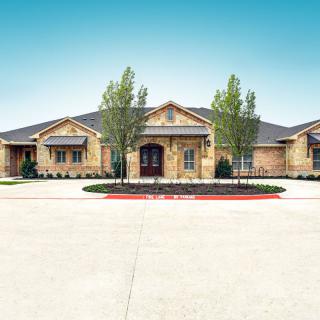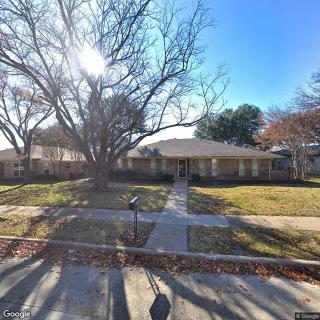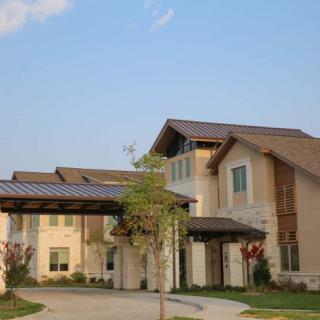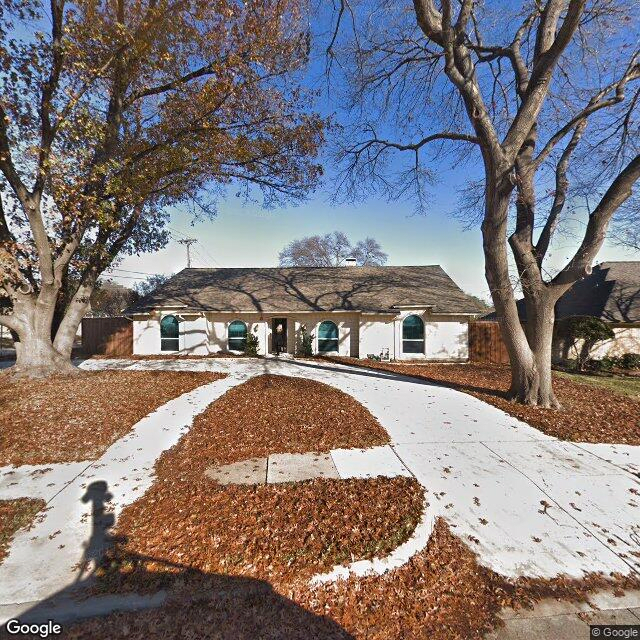
Locardia Homecare Living in Plano, TX

Save
Locardia Homecare Living

Locardia Homecare Living in Plano, TX

2609 Webster Dr, Plano, TX 75075

For more information about senior living options: (844) 490-3973

5 from 11 reviews
5 stars
11
4 stars
0
3 stars
0
2 stars
0
1 stars
0

Assisted Living Board and Care Home Memory Care

Locardia Homecare Living Costs & Pricing

At Locardia Homecare Living, the monthly costs are competitive within both Collin County and the broader Texas state landscape. For semi-private accommodations, residents can expect to pay $3,500, which is notably lower than the county average of $3,950 while remaining slightly below the state average of $3,680. When it comes to private rooms, Locardia's pricing stands at $4,500 - this is more favorable than the county rate of $4,324 and aligns closely with the state's typical cost of $4,096. Additionally, for those seeking a one-bedroom option, Locardia offers its space at the same price of $4,500; here again, it outperforms local competition by a significant margin against Collin County's average of $3,822 and Texas's overall average of $3,761. Overall, Locardia Homecare Living presents an appealing value for discerning families considering care options in this region.

Floor plansLocardia Homecare LivingCollin CountyTexas
Semi-Private$3,500$3,950$3,680
Private$4,500$4,324$4,096
1 Bedroom$4,500$3,822$3,761

Overall Review of Locardia Homecare Living

Pros

  • pro The Legacy at Home has the most caring, supportive team.
  • pro They are knowledgeable and compassionate.
  • pro They are responsive and attentive to patients and families in their time of need.
  • pro Legacy At Home provides in-home care and hospice services with compassion, experience, and dedication.
  • pro They engage with patients to provide a quality of life.
  • pro The care team and staff are available 24/7 for families, with nurses and social workers delivering tenderness that goes above and beyond.
  • pro They treat clients with dignity and respect, and are consistently present, responsive, and kind.

Cons

  • pro They didn't have an opening, so the family was put on the wait list.
  • pro The journey from symptom onset to final days is horrific.
  • pro The prognosis of survival at 3 to 8 years is described as horrific.

Review

Locardia Homecare Living is best suited for families who want robust, hands-on in-home hospice and end-of-life caregiving in Plano, Texas. The community fits patients who can remain at home while receiving expert medical and supportive care, especially when the goal is to preserve dignity and quality of life as conditions progress. It is ideal for families facing neurodegenerative diagnoses or complex caregiving needs who value around-the-clock accessibility, responsive communication, and a locally owned, nonprofit framework that puts families at the center of care.

Those who may want alternatives include families seeking immediate admission without a wait, or those who prefer a facility setting with built-in social programs and 24/7 clinical teams on-site. If the patient requires a level of medical infrastructure that goes beyond what home-based hospice typically provides, or if the home environment is unsuitable for ongoing skilled care, exploring hospital-based or facility-based hospice options may be prudent. Additionally, those outside the Plano/DFW region should consider options closer to home to minimize logistics for caregivers and loved ones.

Accounts describe a care team that is consistently caring, knowledgeable, and compassionate. 24/7 availability means families are never left waiting for guidance, and nurses, social workers, and aides coordinate to honor patient wishes while supporting kin. The provider's approach extends beyond bedside tasks to actively engage with the patient to improve quality of life, integrating spiritual care and family support as standard practice. The nonprofit, locally owned model reinforces a patient-first orientation, contributing to stability and trust when navigating the end-of-life journey. The ability to tailor care for challenging conditions like PSP, CBD, and MSA stands out as a major strength.

While the care is outstanding, a practical drawback is the potential for limited openings and wait times. One account notes a tour that led to being placed on a wait list, indicating demand outpaces immediate capacity at times. For families in urgent need, or those requiring rapid placement, this can be a meaningful hurdle. Additionally, as a home-based program, space and equipment considerations in the home can influence the pace and scope of care. Geographic coverage is naturally tied to Plano and surrounding areas, which may push families in distant suburbs toward alternative arrangements.

The strengths - near-constant accessibility, deep staff engagement, and a holistic care model - offset many of these drawbacks by delivering assurance and safety even during any wait for an opening. The specialized knowledge in neurodegenerative care translates into practical support for swallowing, mobility, and communication challenges, reducing family stress and the risk of needless hospitalizations. The nonprofit, community-focused ethos helps ensure that care decisions revolve around quality of life rather than volume, which can be a crucial offset when timing for admission is uncertain.

For families prioritizing home-based hospice with a compassionate, capable team in the Plano area, Locardia Homecare Living stands out as a serious option worth pursuing promptly. The program is particularly compelling for those with PSP, CBD, MSA, or other complex needs where expert, engaged care matters most and where 24/7 support can relieve caregiver burnout. If speed of access is non-negotiable or if a more social, campus-style environment is desired, consider alternatives and plan accordingly. Begin with an in-depth assessment, tour, and a candid discussion about openings, on-call coverage, and care planning to align goals with the practical realities of availability and service scope.

Features

Housing

  • 5 resident community capacity 5 resident community capacity

Types of Care

  • Assisted Living Assisted LivingAssisted living facilities provide crucial support and care for seniors who may need help with daily tasks such as medication management, bathing, and meal preparation. These communities offer a safe and comfortable environment where seniors can maintain their independence while receiving the assistance they need to thrive in their golden years.
  • Board and Care Home Board and Care HomeBoard and care homes provide a smaller, more intimate setting for seniors who require assistance with daily tasks but do not need the level of care offered by a nursing home. They offer personalized care, meals, and social activities in a homelike environment, ensuring that seniors receive individualized attention and support in their golden years.
  • Memory Care Memory CareMemory care is crucial for seniors as it provides specialized support and services for individuals with dementia or Alzheimer's disease. These programs offer a safe and secure environment where residents receive personalized care, cognitive stimulation, and help with daily activities. Memory care helps seniors maintain their independence, quality of life, and dignity while also providing peace of mind for their families.

Amenities

  • Activities on-site Activities on-siteActivities on-site are important for seniors because they provide opportunities for socialization, mental stimulation, physical activity, and overall well-being. Engaging in activities can help seniors stay active, maintain their independence, and improve their quality of life.
  • Air-conditioning Air-conditioningAir conditioning is important for seniors as they are more vulnerable to heat-related illnesses and may have underlying health conditions that make it difficult for them to regulate their body temperature. It helps to keep them comfortable, safe, and healthy in hot weather.
  • Bath tubs Bath tubsBath tubs are important for seniors because they provide a safe and relaxing way to bathe, helping to prevent slips and falls while promoting independence and overall well-being.
  • Cable or satellite TV Cable or satellite TVCable or satellite TV is important for seniors because it provides entertainment, news, and companionship, helping to combat loneliness and boredom. It also offers a wide range of programming options tailored to different interests and preferences.
  • Dining room Dining roomDining rooms are important for seniors as they provide a space for socialization, connection, and nutritious meals. They offer opportunities for residents to bond over shared meals, foster a sense of community, and promote healthy eating habits. Dining rooms also ensure that seniors have access to well-balanced meals tailored to their dietary needs and preferences.
  • Full kitchen Full kitchenHaving a full kitchen in a senior living facility is important for seniors because it allows them to maintain their independence and prepare their own meals. This promotes healthy eating habits, saves money on dining out, and provides a sense of familiarity and comfort for residents.
  • Fully furnished Fully furnishedFully furnished senior living communities are important for seniors because they provide convenience, comfort, and a hassle-free moving experience. Seniors can easily settle into their new living space without the stress of having to buy and move furniture. This allows them to focus on enjoying their new home and community.
  • Garden GardenGardens are important for seniors as they provide a peaceful and therapeutic environment for relaxation, physical activity, and socialization. Being in nature has been shown to reduce stress, improve mood, and promote overall well-being. Gardens also offer opportunities for seniors to engage in gardening activities, which can improve mobility, flexibility, and cognitive function. Additionally, gardens create a sense of community and connection with others who share a passion for plants and outdoor spaces.
  • Ground floor units Ground floor unitsGround floor units are important for seniors because they provide easy accessibility, reduced risk of falls and injuries, and convenience for those with mobility issues. Seniors can avoid climbing stairs or using elevators, making daily tasks and activities more manageable and enjoyable.
  • Handicap accessible Handicap accessible"Handicap accessible" amenities are crucial for seniors to ensure they can easily navigate and access facilities, services, and activities without barriers or limitations due to physical impairments. This promotes independence, safety, and inclusivity for seniors in senior living communities.
  • Housekeeping services Housekeeping servicesHousekeeping services are important for seniors because they help maintain a clean and safe living environment, promote independence, and reduce the risk of accidents or illnesses. Additionally, having assistance with household chores can alleviate physical strain and allow seniors to focus on other aspects of their well-being.
  • Indoor common areas Indoor common areasIndoor common areas are crucial for seniors as they provide a space for socialization, recreation, and community engagement, promoting overall well-being and reducing feelings of isolation and loneliness.
  • Move-in coordination Move-in coordinationMove-in coordination is important for seniors because it helps ease the transition into their new living environment. It ensures that all logistics, such as packing, organizing movers, and setting up utilities are taken care of, allowing seniors to focus on settling in and adjusting to their new home. Having a smooth move-in process can alleviate stress and anxiety, making the transition smoother and more enjoyable for seniors.
  • Outdoor common areas Outdoor common areasOutdoor common areas are important for seniors as they provide a space for socialization, physical activity, and relaxation. Being outside in nature can improve mood and overall well-being, while also encouraging movement and engagement with others. These spaces can help combat feelings of isolation and promote a sense of community among residents.
  • Outdoor space Outdoor spaceOutdoor spaces are important for seniors as they provide opportunities for physical activity, social interaction, exposure to natural light and fresh air, and a sense of connection to nature. Having access to outdoor spaces can improve overall well-being and quality of life for older adults living in senior communities.
  • Private PrivatePrivacy is important for seniors as it allows them to maintain their independence, dignity, and sense of control over their own lives. It also gives them the space and freedom to relax, reflect, and engage in activities that bring them joy and fulfillment. Creating private spaces within senior living facilities is crucial for promoting overall well-being and quality of life.
  • Private bathrooms Private bathroomsPrivate bathrooms are important for seniors in senior living communities because they provide independence, dignity, and comfort. Having a private bathroom allows seniors to maintain their personal hygiene routines without the need for assistance, promoting a sense of autonomy and privacy. Additionally, private bathrooms help prevent the spread of infections and provide a safe and clean environment for seniors to navigate safely.
  • Respite or short term stays offered Respite or short term stays offeredRespite or short term stays provide seniors with a temporary solution when their regular caregiver is unavailable, offering them the opportunity to receive additional care and support during times of need, while also giving caregivers a chance to rest and recharge.
  • Telephone TelephoneTelephones are important for seniors as they provide a lifeline for communication with loved ones, emergency services, and healthcare providers. They offer a sense of security and independence, enabling seniors to stay connected and access assistance when needed.
  • Wheelchair accessible showers Wheelchair accessible showersWheelchair accessible showers are crucial for seniors as they provide a safe and independent bathing option for those with mobility challenges. These showers help prevent falls and allow seniors to maintain their dignity and autonomy while ensuring they can bathe comfortably.
  • Wi-Fi/high-speed internet available Wi-Fi/high-speed internet availableWi-Fi/high-speed internet is important for seniors to stay connected with loved ones, access online resources, and participate in virtual activities to combat feelings of loneliness and isolation. It also allows them to easily manage healthcare needs, access entertainment, and engage in lifelong learning opportunities.

Transportation

  • Dallas Love (14 miles away) Dallas Love (14 miles away)
  • Dallas-Fort Worth International (19 miles away) Dallas-Fort Worth International (19 miles away)

Care Services

  • 24-hour supervision 24-hour supervision24-hour supervision is important for seniors to ensure their safety, well-being, and access to immediate assistance in case of emergencies or health issues. This constant support provides peace of mind for both seniors and their loved ones, allowing them to age in place with dignity and security.
  • Activities of daily living assistance Activities of daily living assistanceActivities of daily living assistance are important for seniors because they provide essential support with tasks such as eating, bathing, dressing, and mobility. This assistance helps seniors maintain their independence, dignity, and overall quality of life as they age.
  • Assistance with bathing Assistance with bathingAssistance with bathing is crucial for seniors as it helps maintain personal hygiene, prevents infections, and ensures their overall well-being and comfort. It also provides a sense of dignity and independence for seniors who may struggle with this task on their own.
  • Assistance with dressing Assistance with dressingAssistance with dressing is important for seniors because it helps maintain their independence, promotes personal hygiene, prevents accidents and injuries, and improves overall quality of life. This service ensures that seniors can continue to dress comfortably and confidently, despite any physical limitations they may have.
  • Assistance with transfers Assistance with transfersAssistance with transfers is crucial for seniors as it helps prevent falls and injuries, maintains their independence, and ensures they can safely navigate their living environment. It also provides peace of mind for both seniors and their loved ones.
  • Coordination with health care providers Coordination with health care providersCoordination with health care providers is crucial for seniors to ensure proper medical care, medication management, and overall well-being. This collaboration helps prevent overlapping treatments, track progress more effectively, and provide comprehensive support tailored to individual needs.
  • Diabetes diet Diabetes dietA diabetes diet is crucial for seniors as it helps manage blood sugar levels, reduce risks of complications, and improve overall health and well-being. By following a balanced and nutritious diet tailored to their specific needs, seniors can better control their diabetes and enhance their quality of life.
  • High acuity care High acuity careHigh acuity care is important for seniors because it provides specialized medical attention and support for individuals with complex medical needs. This level of care ensures that seniors receive the appropriate treatment and assistance to maintain their health and quality of life as they age.
  • Incontinence care Incontinence careIncontinence care is essential for seniors to maintain their dignity, hygiene, and overall quality of life. By addressing incontinence issues promptly and effectively, seniors can enjoy a sense of independence and comfort in their daily activities.
  • Meal preparation and service Meal preparation and serviceMeal preparation and service are crucial for seniors as they may have limited mobility or energy to cook nutritious meals. Having access to healthy and convenient food options can ensure they are getting the proper nutrition needed to maintain their overall health and well-being.
  • Medication management Medication managementMedication management is crucial for seniors to ensure they are taking the right medications at the correct dosages and times. This helps prevent adverse drug interactions, reduces the risk of medication errors, and promotes overall health and well-being. Proactive management also allows for adjustments as needed based on changing health conditions or new prescriptions.
  • Special dietary restrictions Special dietary restrictionsSpecial dietary restrictions are important for seniors because age-related changes in metabolism and health conditions can make it difficult for their bodies to process certain foods. By following a diet tailored to their specific needs, seniors can maintain their overall health and well-being, manage chronic conditions, and reduce the risk of complications such as malnutrition or food interactions with medications.
  • Transportation arrangement (medical) Transportation arrangement (medical)Transportation arrangements for medical purposes are essential for seniors as they may have difficulty driving themselves to appointments or accessing public transportation. Having reliable and safe transportation options ensures that seniors can receive timely medical care and maintain their health and well-being.
  • Transportation to doctors appointments Transportation to doctors appointmentsTransportation to doctors' appointments is crucial for seniors as it ensures they have access to necessary medical care and support for their health needs. Without reliable transportation, seniors may struggle to attend important appointments, leading to potential delays in treatment and health complications. Providing transportation services helps seniors maintain their overall well-being and quality of life.

Dining

  • Diabetes diet Diabetes dietA diabetes diet is crucial for seniors as it helps manage blood sugar levels, reduce risks of complications, and improve overall health and well-being. By following a balanced and nutritious diet tailored to their specific needs, seniors can better control their diabetes and enhance their quality of life.
  • Low / no sodium Low / no sodiumLow/no sodium options are important for seniors because excessive sodium intake can lead to high blood pressure, heart disease, and other health issues commonly experienced by older adults. By choosing low/no sodium foods, seniors can better manage their health and reduce their risk of developing these conditions.
  • Meals provided Meals provided"Meals provided" are crucial for seniors in assisted living communities as it ensures they have access to nutritious, balanced meals without the stress of meal planning and preparation. This can help promote overall health and well-being for seniors who may have limited mobility or cognitive abilities.
  • Room service Room serviceRoom service is important for seniors in a senior living community because it provides convenience and allows them to have their meals delivered directly to their room. This can be especially beneficial for seniors who may have mobility issues or difficulty accessing the dining area. Room service ensures that seniors are able to receive nutritious meals without having to navigate through the facility, allowing them to maintain their independence and overall well-being.
  • Special dietary restrictions Special dietary restrictionsSpecial dietary restrictions are important for seniors because age-related changes in metabolism and health conditions can make it difficult for their bodies to process certain foods. By following a diet tailored to their specific needs, seniors can maintain their overall health and well-being, manage chronic conditions, and reduce the risk of complications such as malnutrition or food interactions with medications.

Activities

  • Activities on-site Activities on-siteActivities on-site are important for seniors because they provide opportunities for socialization, mental stimulation, physical activity, and overall well-being. Engaging in activities can help seniors stay active, maintain their independence, and improve their quality of life.
  • Birthday parties Birthday partiesBirthday parties are important for seniors as they provide an opportunity for celebration, socialization, and joy. They allow seniors to feel special and appreciated, boosting their mood and overall well-being. Additionally, birthday parties can help combat feelings of isolation and loneliness by fostering connections with friends, family, and community members.
  • Community-sponsored activities Community-sponsored activitiesCommunity-sponsored activities are important for seniors as they provide opportunities for social interaction, mental stimulation, and physical activity. These activities can help improve overall well-being, combat loneliness and isolation, and promote a sense of belonging and purpose among older adults.
  • Holiday parties Holiday partiesHoliday parties are important for seniors because they provide opportunities for socialization, community involvement, and mental stimulation. These festive events offer a sense of belonging and connection during a time that can be lonely for many older adults. Additionally, participating in holiday celebrations can boost mood and overall well-being for seniors living in senior living communities.
  • Live musical performances Live musical performancesLive musical performances can provide seniors with a sense of joy, nostalgia, and connection. Music has the power to evoke emotions and memories, improve mood and cognitive function, and foster social interaction among seniors. It can also serve as a form of therapy and stress relief for older adults, making it an important activity to include in senior living communities.
  • Scheduled daily activities Scheduled daily activitiesScheduled daily activities are important for seniors because they provide structure, socialization, mental stimulation, and physical activity. Engaging in regular activities can improve overall well-being and quality of life for seniors living in a community setting.
  • Stretching classes Stretching classesStretching classes are important for seniors because they help improve flexibility, reduce the risk of injury, and promote overall health and well-being. Regular stretching can also help alleviate joint pain and stiffness, enhance balance and coordination, and increase range of motion.

Description

Located in Plano, TX, Locardia Homecare Living is an assisted living community specializing in Memory Care. Our residents enjoy a range of amenities designed to provide comfort and convenience. Each unit is equipped with air-conditioning and features a private bathroom, ensuring privacy and personal space. The ground floor units are handicap accessible and wheelchair accessible showers are available for ease of use.

Our community offers both indoor and outdoor common areas where residents can socialize and engage in various activities. Wi-Fi/high-speed internet is also provided to keep our residents connected with their loved ones.

We understand the importance of individualized care, which is why our experienced staff offers incontinence care and medication management services to meet the unique needs of our residents.

Dining at Locardia Homecare Living is a pleasure, with delicious meals provided and even room service available for added convenience. We also organize special events such as birthday parties, holiday parties, live musical performances, and stretching classes to keep our residents engaged and entertained.

For those looking to explore the local area, there are numerous amenities nearby including cafes, parks, pharmacies, physicians' offices, restaurants, places of worship, theaters, and hospitals. Additionally, transportation options are readily available for easy access to surrounding areas.

At Locardia Homecare Living in Plano, TX, we strive to create a warm and inviting environment where our residents can feel safe and well cared for while enjoying an active lifestyle filled with meaningful activities.

Nearby Places of Interest

This part of Plano, Texas offers a convenient and diverse range of amenities suitable for senior living. With several pharmacies located within a short distance, accessing medications and healthcare services is easily manageable. The area also features a variety of dining options, from casual fast food to sit-down restaurants, catering to different tastes. Additionally, there are reputable physicians and medical facilities nearby for any healthcare needs. For leisure activities, residents can enjoy the nearby parks for outdoor recreation or catch a movie at one of the theaters in the vicinity. Places of worship are also available for spiritual engagement. Overall, this neighborhood provides easy access to essential services and recreational opportunities for seniors looking for a comfortable and well-rounded living environment.

Pharmacies

  • Walgreens (0.5 miles)
  • CVS Pharmacy (1.5 miles)
  • Walgreens (2.3 miles)
  • CVS Pharmacy (2.3 miles)
  • CVS Pharmacy (2.4 miles)
  • CVS Pharmacy (2.6 miles)
  • Walgreens (3 miles)

Restaurants

  • Sonic Drive-In (0.7 miles)
  • Braum's (1.2 miles)
  • Rodeo Goat (2 miles)
  • King Buffet (2 miles)
  • In-N-Out Burger (2.3 miles)
  • Vickery Park (2.5 miles)
  • Chuy's (2.7 miles)

Physicians

  • The ENT & Allergy Centers of Texas (1.5 miles)
  • Eminent Medical Center (2 miles)
  • Dhat (3.1 miles)
  • Eye Care Associates (3.4 miles)
  • Plano Orthopedic & Sports Medicine Center (3.7 miles)
  • Dallas Associated Dermatologists (4.3 miles)
  • Elizabeth Jekot Breast Imaging Center (5.1 miles)

Cafes

  • Red Truck Cafe (1.9 miles)
  • Mozart Bakery (2.3 miles)
  • Mimi's Star Cafe (3.3 miles)
  • Starbucks (4.9 miles)
  • Starbucks (5.9 miles)

Parks

  • Memorial Park (2.2 miles)
  • Hoblitzelle Park (3.1 miles)
  • Russell Creek Park (3.4 miles)
  • Windhaven Meadows Park (4.4 miles)
  • Coyote Creek Park (5.7 miles)
  • Twin Creeks Park (6 miles)
  • Arbor Hills Nature Preserve (6.3 miles)

Places of Worship

  • Shiloh Missionary Baptist Church (2.4 miles)
  • Chase Oaks Church (4 miles)
  • Prestonwood Baptist Church (5.7 miles)

Hospitals

  • The Heart Hospital Baylor Plano (2.8 miles)
  • Texas Health Presbyterian Hospital Plano (5.5 miles)
  • Baylor Scott & White Medical Center (6.3 miles)

Theaters

  • Cinemark Holdings (4.3 miles)
  • Cinemark (5.1 miles)
  • Alamo Drafthouse Cinema (5.3 miles)

Transportation

  • Arapaho Center Station (4.5 miles)

Frequently Asked Questions

How much does it cost to live at Locardia Homecare Living in Plano, TX?
Where is Locardia Homecare Living?
Does Locardia Homecare Living provide care for residents with dementia or Alzheimer's disease?

Nearby Communities

  • Sunny Oak Assisted Living & Memory Care Home

    Sunny Oak Assisted Living & Memory Care Home

    Plano, TX


    pro Comprehensive 24/7 supervision, daily living assistance, and medication management, with nearby amenities.

  • Joy Town Care Home

    Joy Town Care Home

    Plano, TX


    pro Well-connected location with abundant nearby amenities (parks, pharmacies, doctors, dining, worship, theaters, hospital).

  • Silver Leaf Assisted Living at Appalachian Way II

    Silver Leaf Assisted Living at Appalachian Way II

    Plano, TX

    4.7 from 9 reviews
    $3,000 to $5,000 / month

    pro Attentive staff, strong on-site health services (including physical therapy), and a welcoming, well-furnished setting with nice views.

  • Silver Leaf Assisted Living at Appalachian Way

    Silver Leaf Assisted Living at Appalachian Way

    Plano, TX

    4.1 from 32 reviews
    $3,000 to $5,000 / month

    pro Caring staff in a beautiful, clean, and quiet memory-care setting.

  • Allegro Assisted Living Services Of Texas

    Allegro Assisted Living Services Of Texas

    Plano, TX


    pro Small, intimate community with personalized care and comprehensive services.

  • NTS Senior Services - Plano,  TX

    NTS Senior Services - Plano, TX

    Plano, TX


    pro Personalized care in an amenity-rich Plano location.

  • Arbor Hills Memory Care

    Arbor Hills Memory Care

    Plano, TX

    4.7 from 83 reviews
    $5,500 to $7,300 / month

    pro Warm, communicative staff with improved leadership and engaging activities.

  • Evergreen at Plano

    Evergreen at Plano

    Plano, TX

    4.2 from 98 reviews
     

    pro Active community with spacious, well-kept apartments and friendly staff.

  • The Healthcare Resort of Plano

    The Healthcare Resort of Plano

    Plano, TX

    4.6 from 138 reviews
    $3,500 to $5,800 / month

    pro Caring staff, clean facility, and effective therapy programs.

Related Resources

  • assisted living vs memory careUnderstanding the Distinctions: Assisted Living and Memory Care Explained

    The article differentiates between assisted living and memory care, explaining that assisted living supports seniors with daily activities while promoting independence, whereas memory care provides specialized services for individuals with dementia, focusing on secure environments and cognitive support. It also addresses staff training, safety considerations, costs, family involvement, and transition strategies for families navigating these care options.

  • how to talk to someone with dementiaHow to Communicate with a Loved One Living with Dementia: 10 Supportive Strategies
    The article outlines effective communication strategies for interacting with loved ones with dementia, highlighting the need for empathy, patience, and understanding while emphasizing supportive approaches like using simple language, minimizing distractions, and focusing on feelings over facts to maintain dignity and foster connection. It also suggests seeking professional guidance when needed as communication challenges evolve.

  • va nursing homeComprehensive Guide to VA Nursing Homes: A Crucial Long-Term Care Resource for Veterans

    VA nursing homes, or Community Living Centers (CLCs), offer tailored long-term care for veterans, featuring medical attention and rehabilitation in a supportive environment. The guide covers facility types, eligibility criteria, financial assistance options, quality of care standards, and alternatives to full-time nursing home placement.