
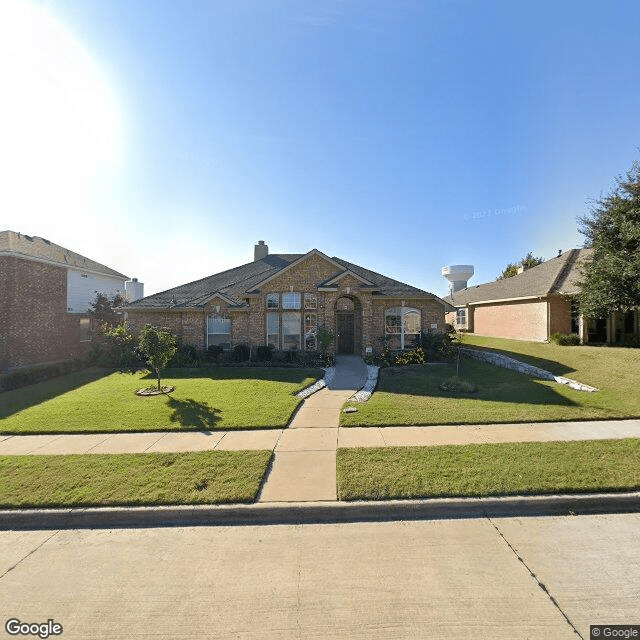
1608 Warm Springs Dr., Allen, TX 75002
To contact a resident: (972) 805-7406
For more information about senior living options: (866) 208-4318
Nedges Nest Costs & Pricing
Nedges Nest offers competitive pricing for its residents, with monthly costs that reflect both the quality of care and the local market. For a semi-private room, residents can expect to pay $3,500, notably lower than the average of $3,950 in Collin County and close to the state average of $3,680. Similarly, the studio option is priced at $4,000, which is more affordable than Collin County's average of $4,225 while still being slightly higher than the Texas state rate of $3,758. The private rooms at Nedges Nest are also set at $4,000 per month; this figure stands out as more affordable compared to Collin County's average of $4,324 and aligns closely with Texas's overall average of $4,096. These pricing strategies not only demonstrate Nedges Nest's commitment to providing value but also illustrate its alignment with broader regional trends.
| Floor plans | Nedges Nest | Collin County | Texas |
|---|---|---|---|
| Semi-Private | $3,500 | $3,950 | $3,680 |
| Studio | $4,000 | $4,225 | $3,758 |
| Private | $4,000 | $4,324 | $4,096 |
Memory care communities with a similar price nearby
-
from +$500 / mo

A Caring Home with Friends
$4,000 to $4,250 / month17.2 miles away -
About the same
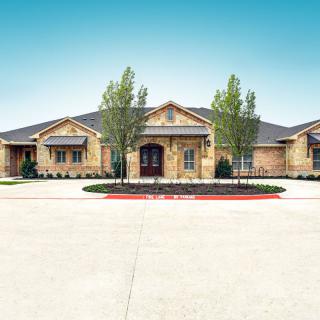
Avalon Memory Care - Allen
$3,466 to $6,475 / month0.6 miles away -
About the same
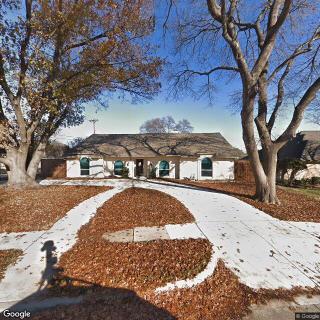
Locardia Homecare Living
$3,500 to $4,500 / month8.0 miles away -
from -$500 / mo
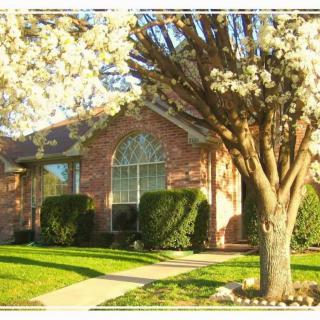
Sophyas Assisted Living
$3,000 to $4,200 / month23.2 miles away -
from +$410 / mo
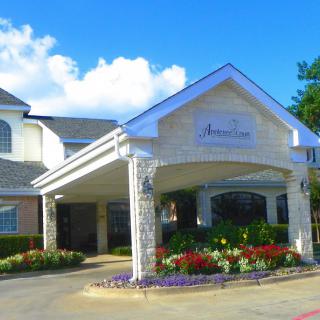
Appletree Court, A Vitality Living Community
$3,910 to $5,225 / month11.2 miles away
Overall Review of Nedges Nest
Pros
 The staff are caring, skilled, and dedicated to residents' comfort and well-being.
- The home is immaculate, clean, and filled with love.
- Residents are treated as individuals and welcomed with open arms.
- Families feel blessed to have found Nedges Nest, with staff who become part of the family.
- The owner-operator is an incredible, patient, and kind person who attentively addresses residents' needs.
- The food is good and made fresh daily, and the garden is wonderful.
- The care and support extend to families during difficult times, with staff by loved ones' sides.
Cons
 Finding a suitable home for his mom was one of the hardest things he had ever done.
- Unfortunately, his father passed away on July 4th with the staff by his side.
- Unfortunately, his father only lived a short two months at Nedges Nest before he passed away.
- He was diagnosed with bone cancer a few months ago and had a difficult time processing the new diagnosis, losing his home and independence.
- Mom had not been content until she moved there.
Review
Nedges Nest in Allen, TX is best suited for families seeking an intimate, home-like assisted living where residents receive highly personalized care from a multi-generational caregiving family. It fits seniors who thrive on daily companionship, consistent attentiveness, and a warm, non-institutional atmosphere. This community works especially well for those transitioning from independent living who value being treated as a member of a caring household, with a sense of belonging and continuity that large facilities often struggle to reproduce.
Those who require advanced medical supervision, 24/7 on-site nursing, or highly structured memory-care programming should consider alternatives. The setting is purposefully small and family-operated, which means it may not offer the breadth of clinical services, high-level therapy schedules, or formalized programming found in bigger campuses. Families prioritizing abundant organized activities, specialized dementia care, or rapid access to a broader spectrum of medical specialists may find a larger community a more suitable fit.
The strongest advantages here center on character and connection. A family-owned operation with three generations actively caring for and visiting residents delivers a level of warmth and continuity that is palpable in everyday life. Residents are treated as individuals, not as bed numbers, and staff consistently demonstrate patience, kindness, and a genuine calling to their work. Cleanliness and a home-like ambiance reinforce a sense of safety, while fresh, well-prepared meals and a garden that brightens daily life contribute to noticeable quality of life improvements for many residents.
These advantages offset tangible gaps by weaving emotional security into the care plan. The intimate scale allows for flexible routines, personalized social moments, and rapid responsiveness to changing needs, benefits that often compensate for the lack of a large activity calendar or clinical depth. For families, the emotional reassurance of a familiar, family-style environment reduces anxiety during transitions and daily worry, particularly during health scares or end-of-life moments, where staff members are described as stepping in with grace and support.
Nevertheless, prudent evaluators recognize a few practical caveats. Capacity is inherently limited in a home setting, so availability can be tight and growth unlikely unless the home itself expands. Prospective residents should clarify what happens in emergencies and how the staff handles complex medical changes when on-site resources are stretched. Those who require rigorous, ongoing clinical oversight or a broad menu of therapy options should plan to complement this setting with external providers. In short, this is a home-first option that delivers remarkable personal touch, excellent for those who prize family-like care, while not substituting for a full-service medical model.
For families prioritizing warmth, belonging, and a highly relational care experience, Nedges Nest offers a compelling, practical fit. The decisive move is to visit with the aim of meeting the caregiving team, examining daily routines, and understanding how decisions are made around dietary preferences, activities, and end-of-life support. Ask about room choices, upfront costs, what is included in monthly charges, and how staffing levels fluctuate across days and nights. Investigate the plan for medical emergencies, hospital transfers, and coordination with external professionals. If these align with expectations, this community can become more than a residence, it can become a trusted extended family. If not, alternatives that deliver more clinical structure, larger community resources, or dementia-specific programs will be more appropriate investments of time and money.
 Board and Care Home
 Memory Care
 Activities on-site
 Bath tubs
 Beautician on-site
 Devotional services off-site
 Handicap accessible
 Indoor common areas
 Outdoor common areas
 Private
 Respite or short term stays offered
 Wheelchair accessible showers
 Dallas Love (21 miles away)
 Diabetic care
 High acuity care
 Incontinence care
 Medication management
 Low / no sodium
 BBQs or picnics
 Birthday parties
 Live musical performances

 Illuminating Insights About Alzheimer's Disease: Ten Crucial Realities
 A Thorough Discussion of Medications Potentially Linked to Dementia Risk
 Why Do Dementia Patients Sleep So Much? Understanding Oversleeping, Stages, and Care Approaches