Morada Cedar Hill

Save

  • Interior

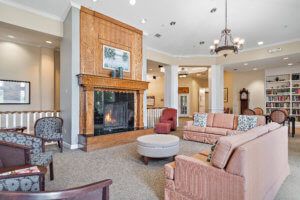
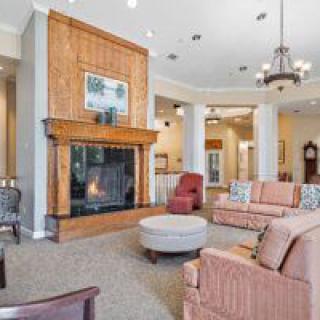
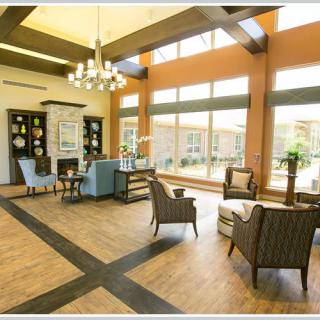
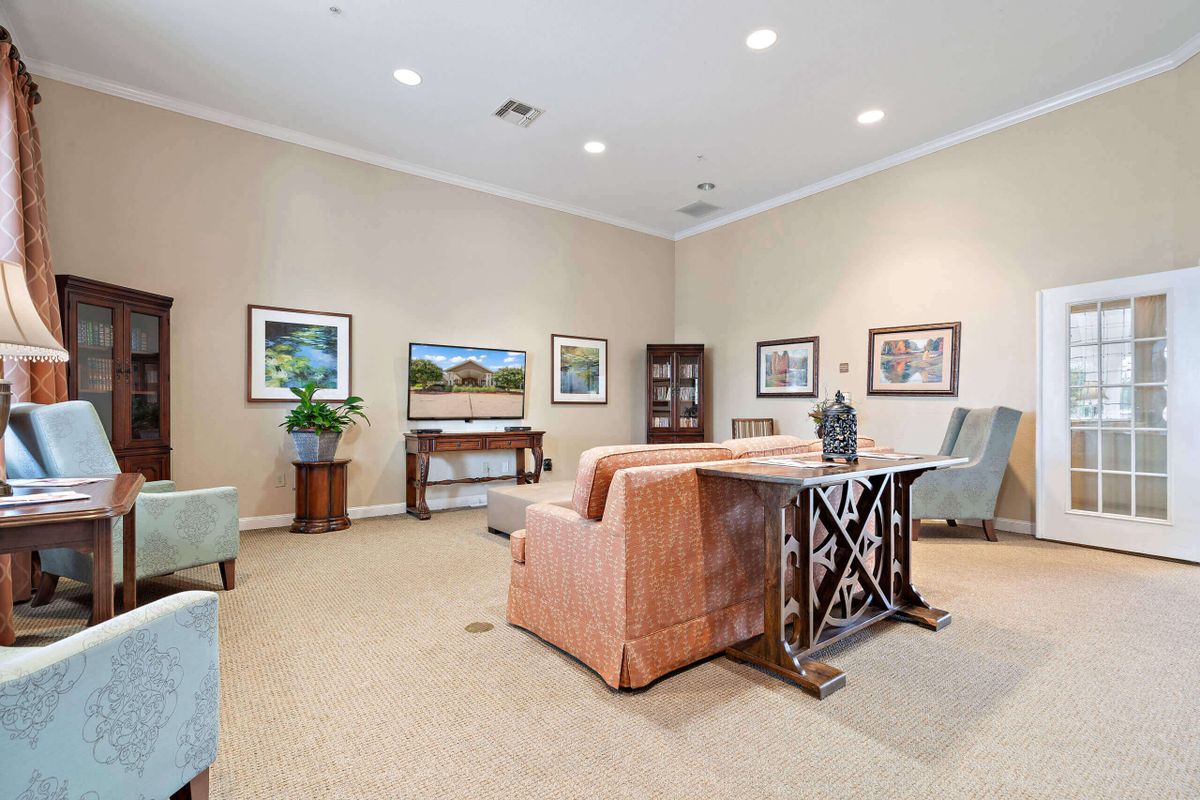
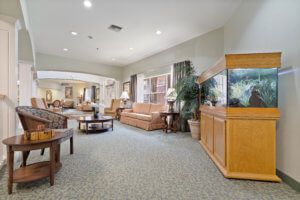
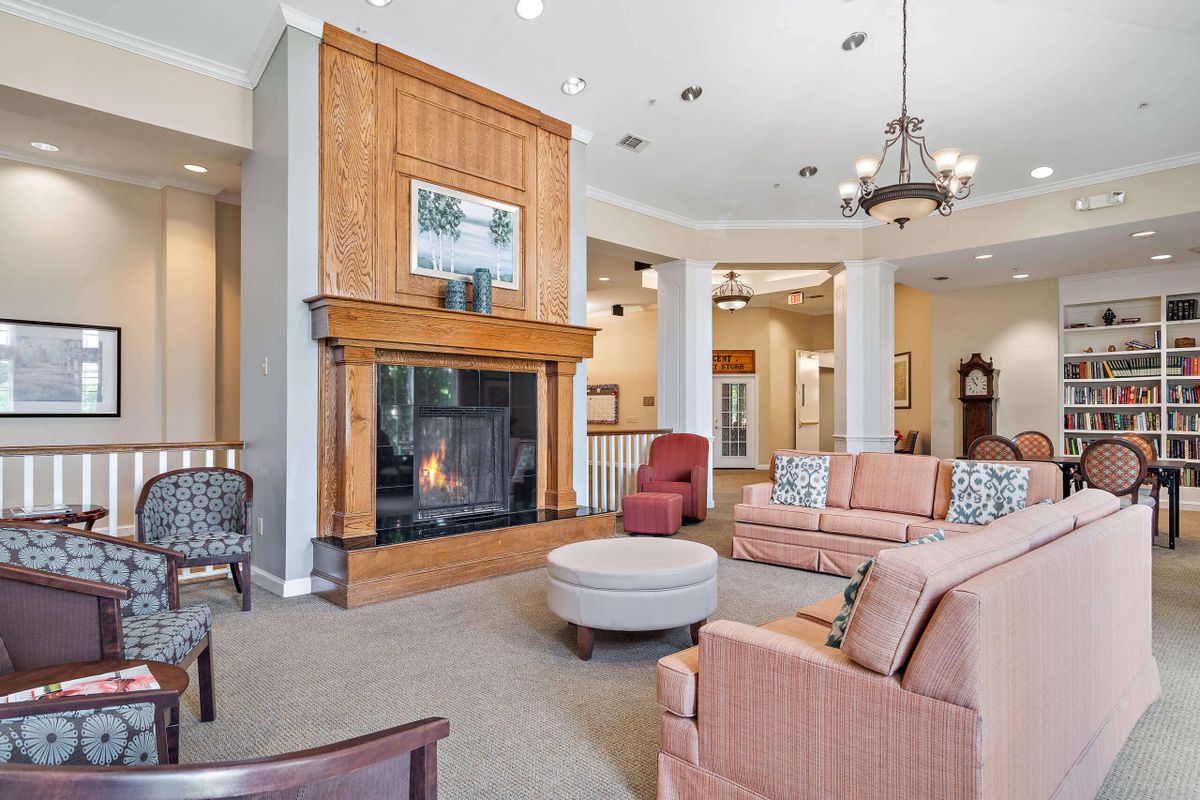
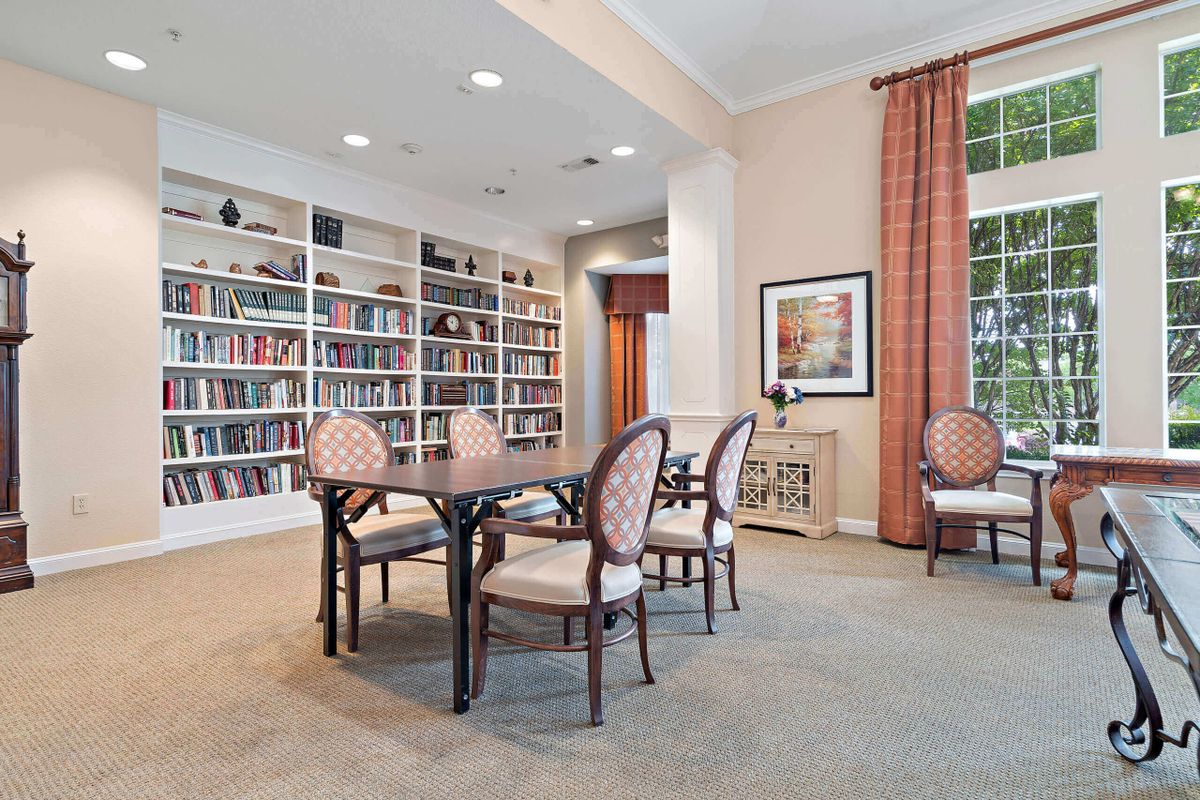
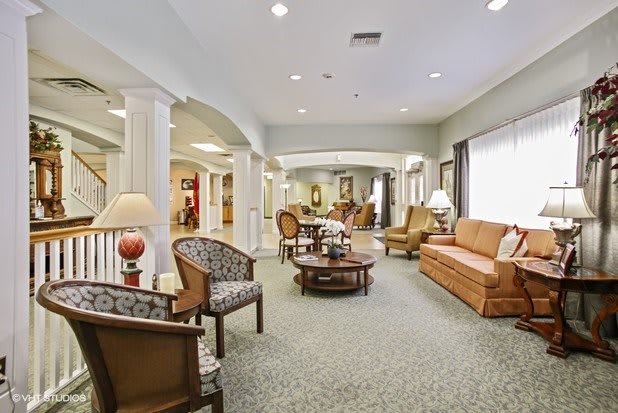
    A spacious living room with a cozy fireplace and comfortable seating arrangements.
  • Decor

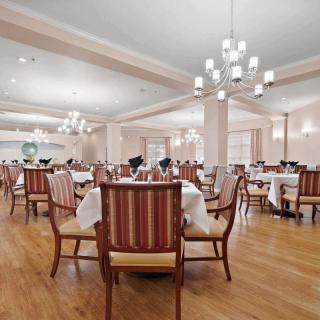
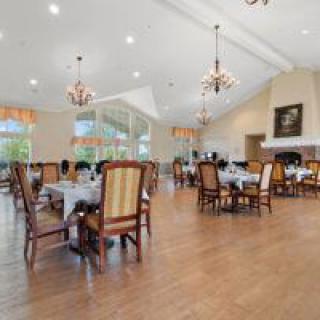
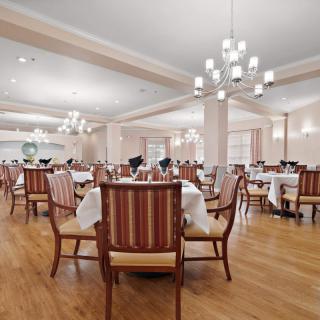
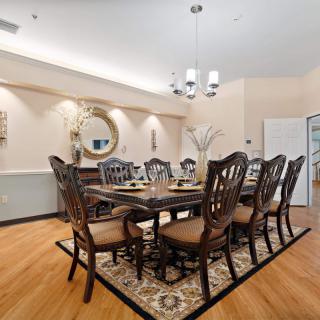
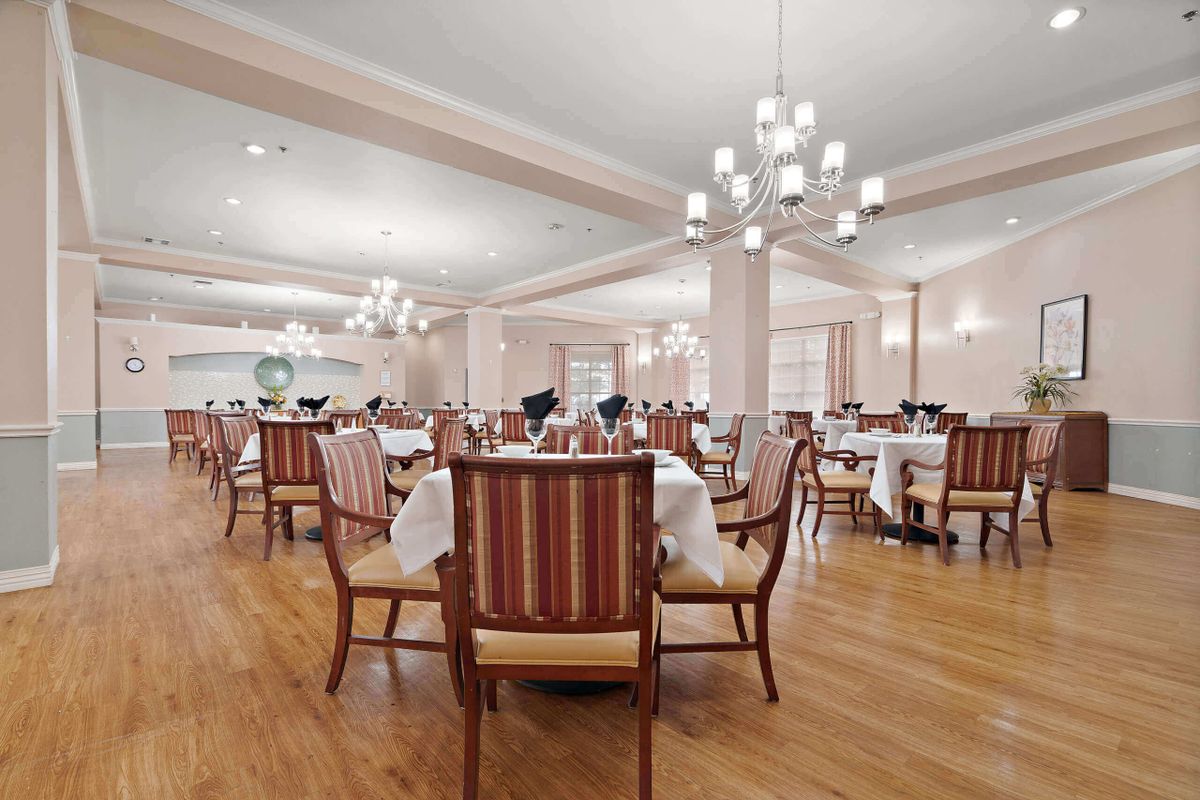
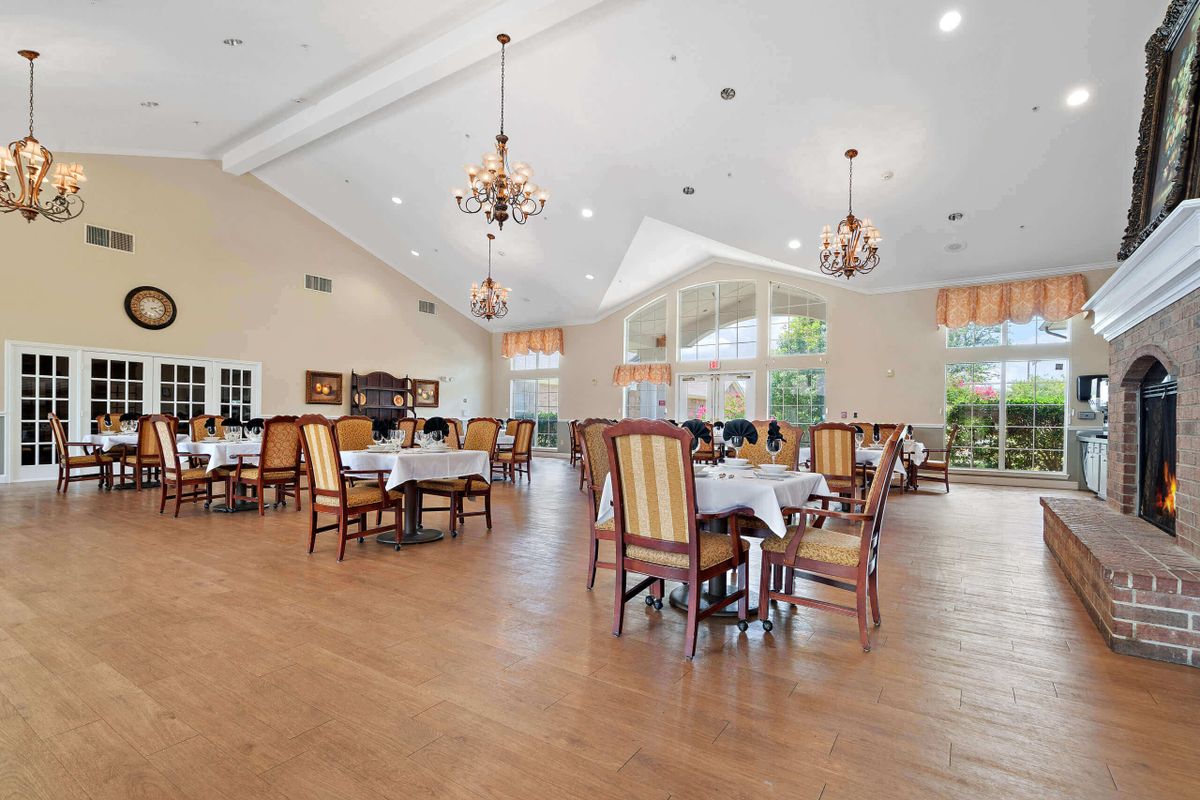
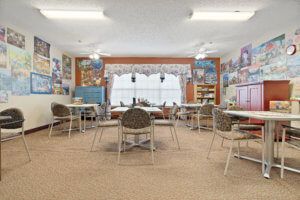
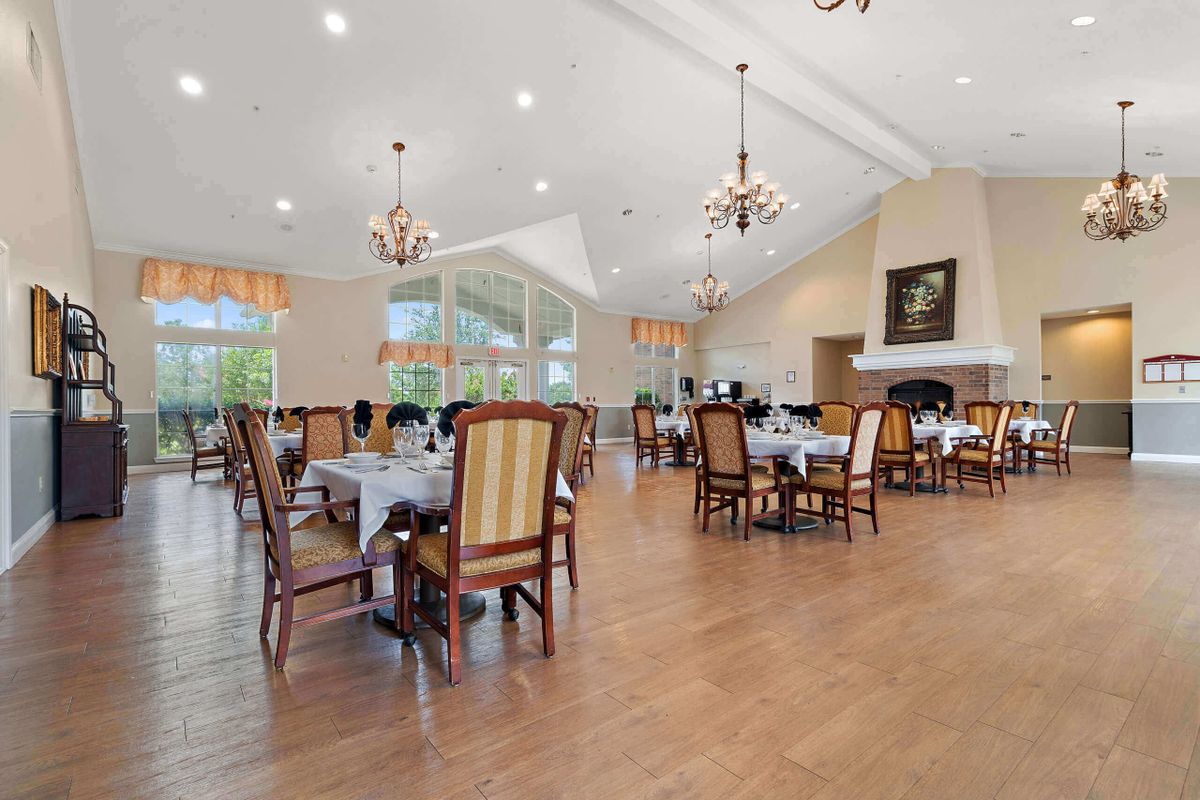
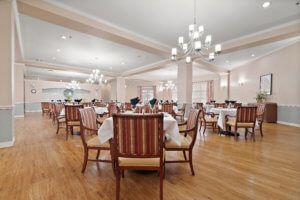
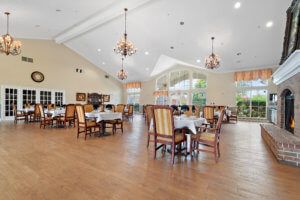
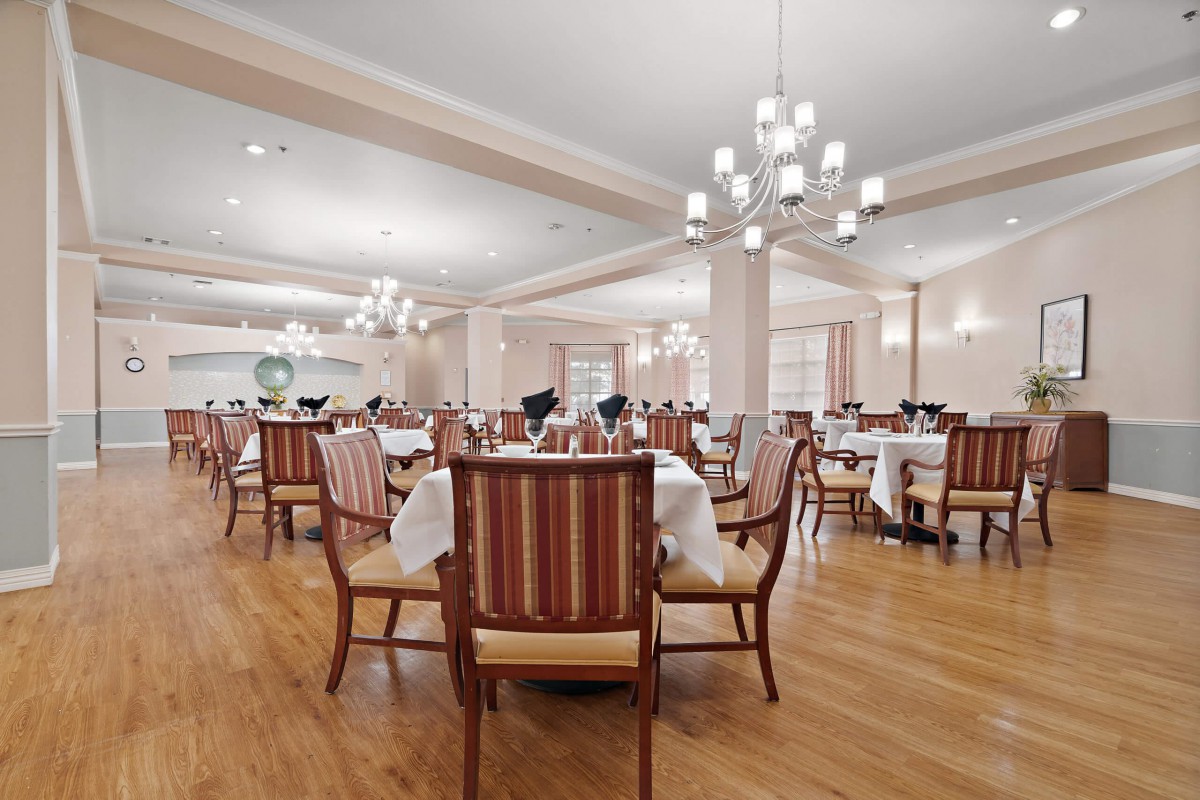
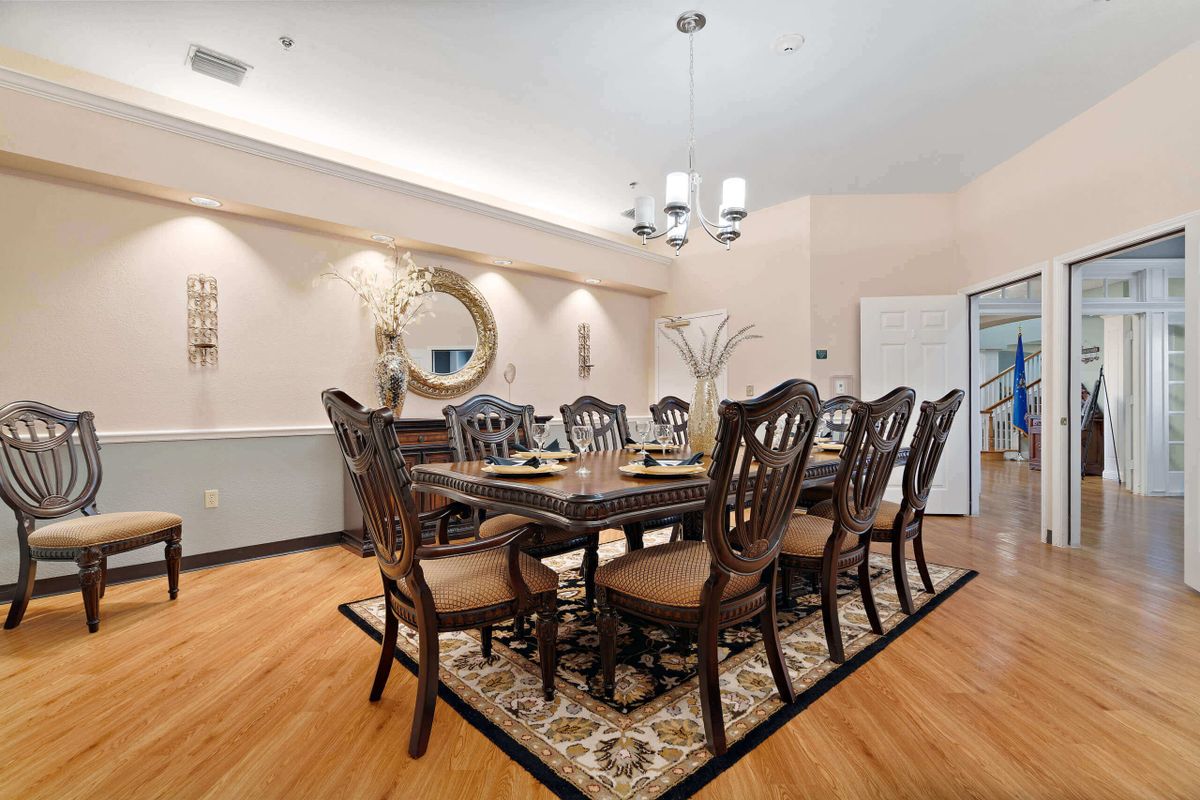
    An elegant dining room with neatly arranged tables and chairs, illuminated by chandeliers.
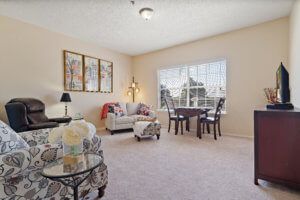
  • Living Room

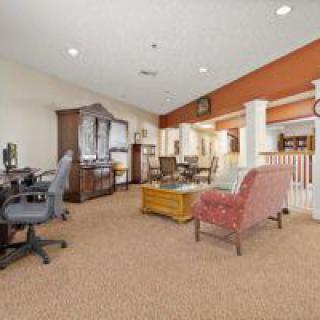
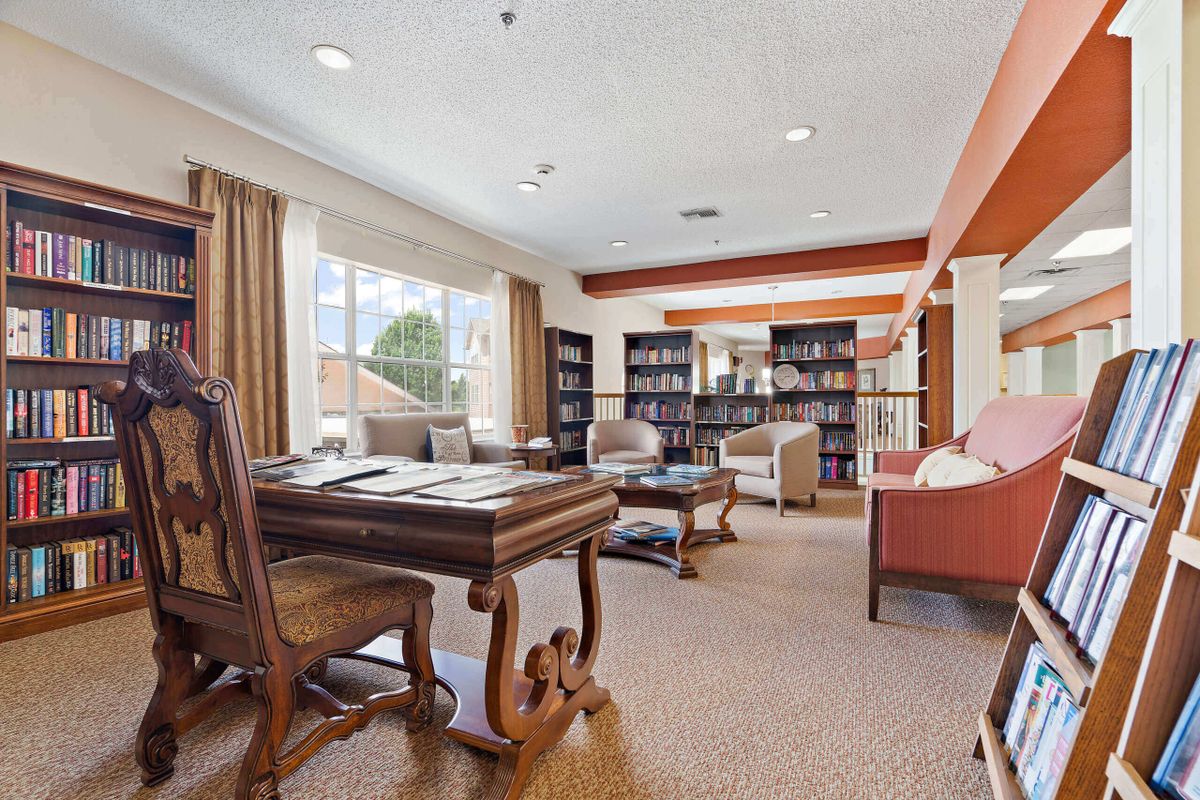
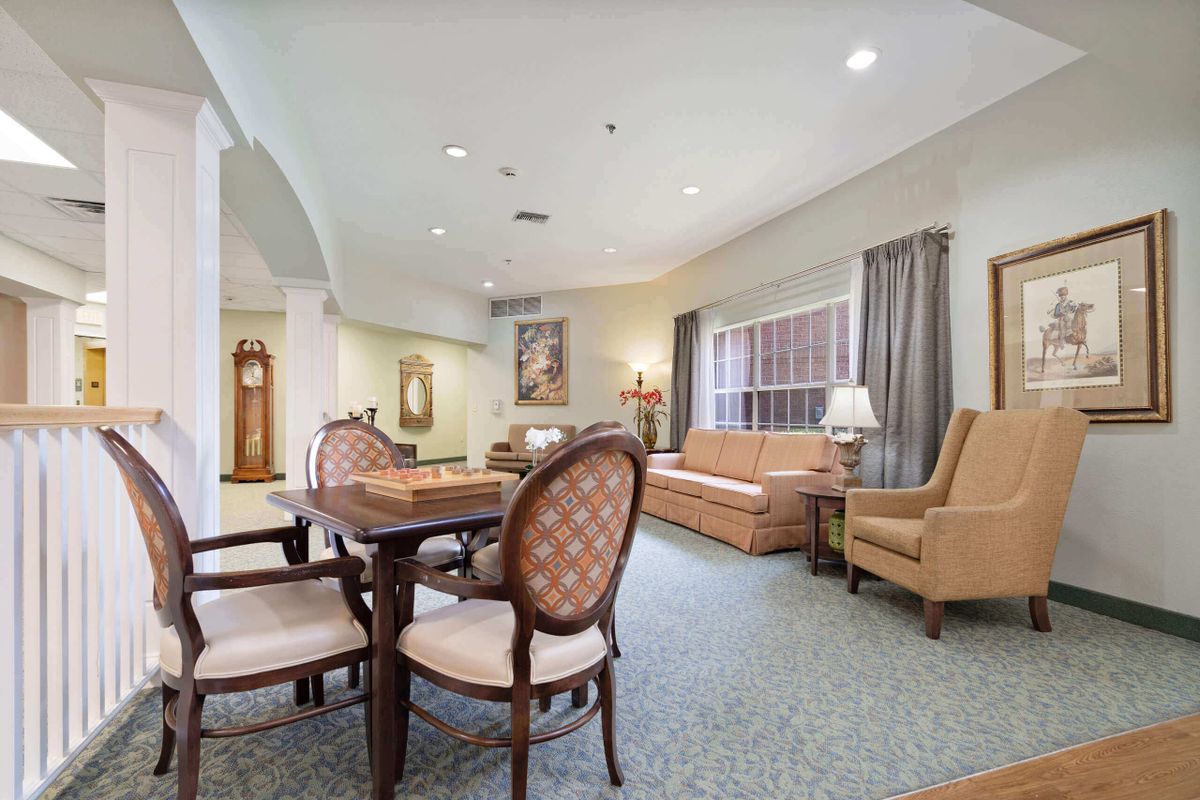
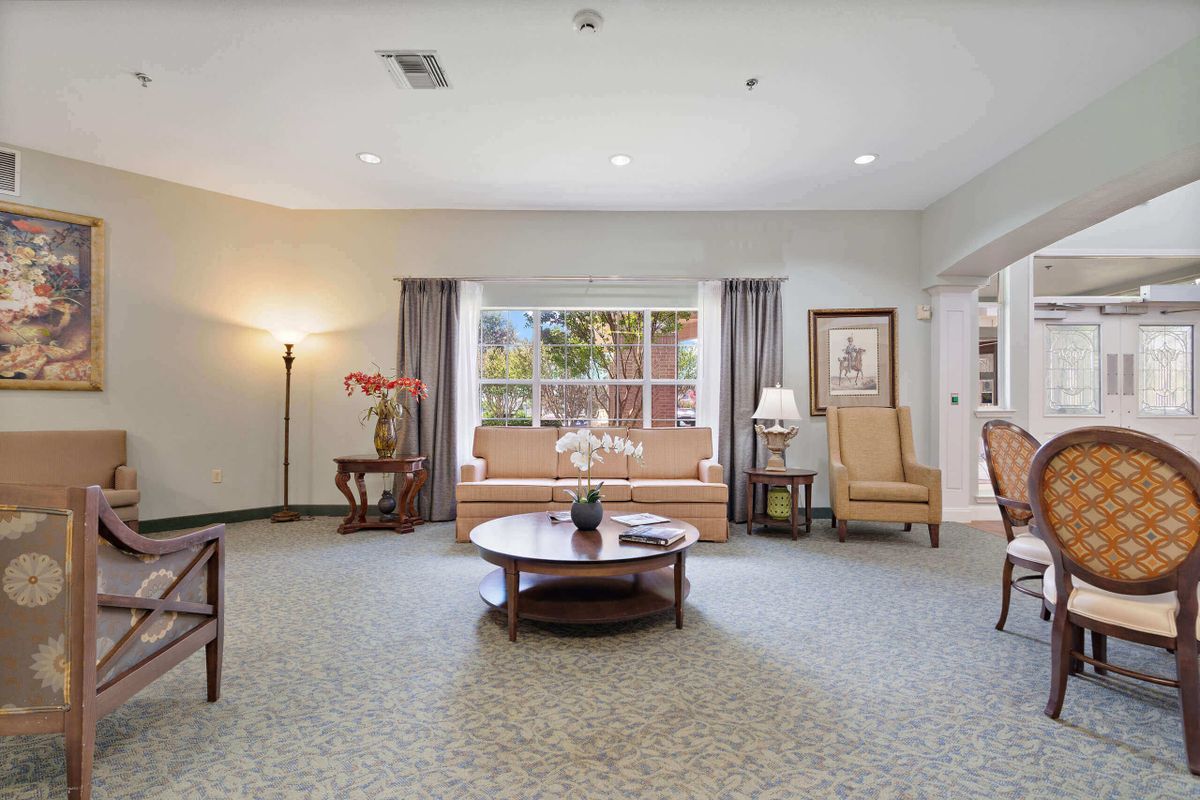
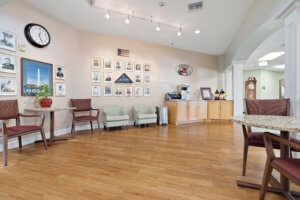
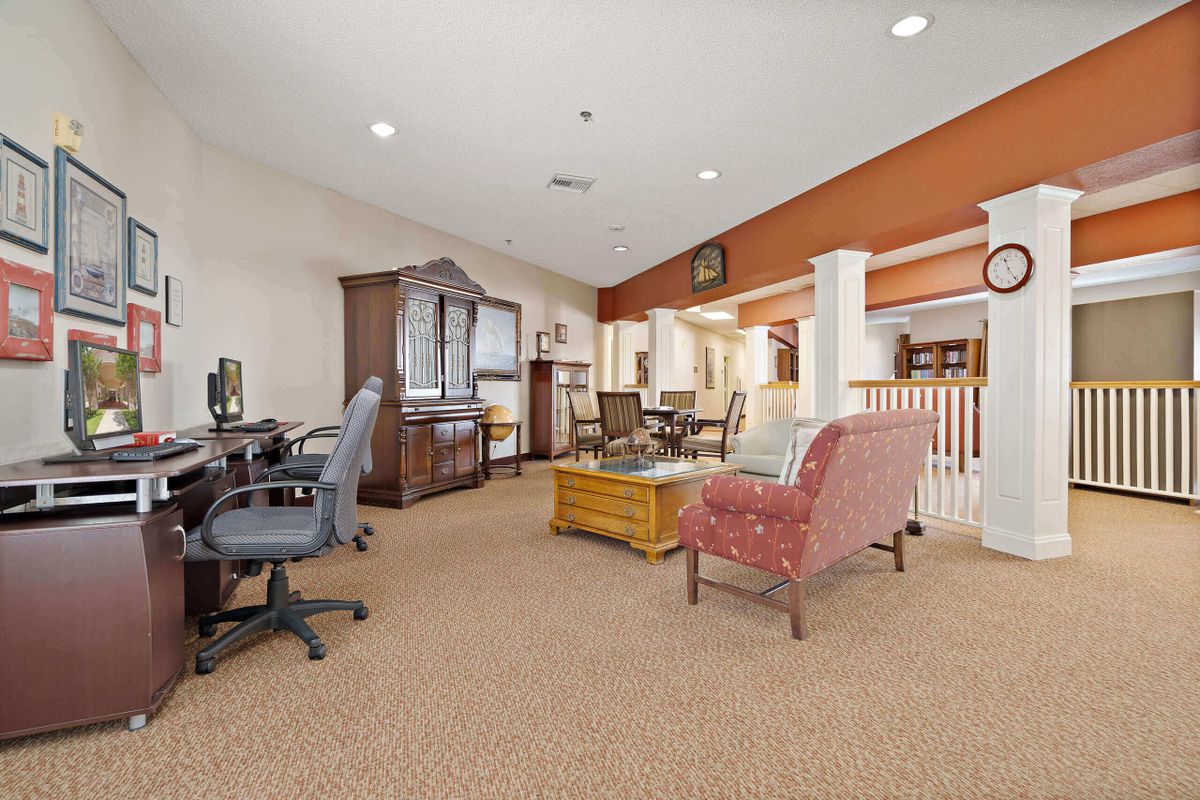
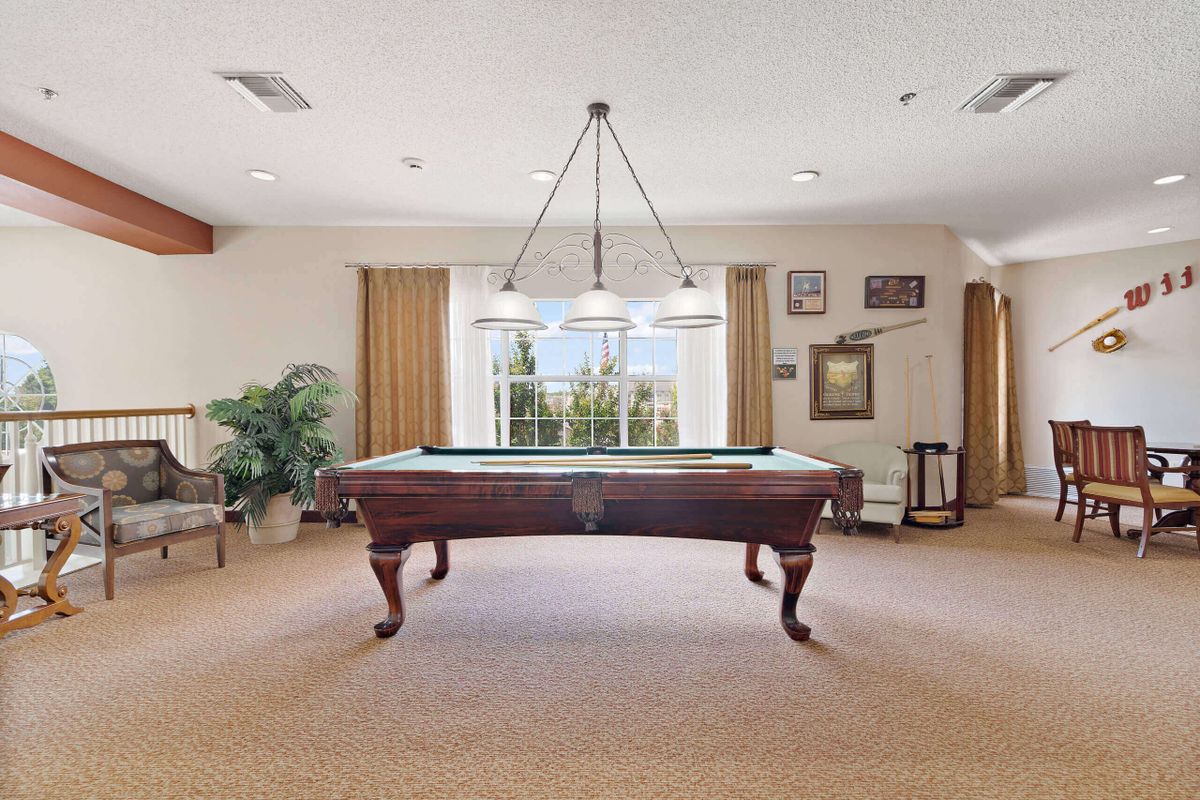
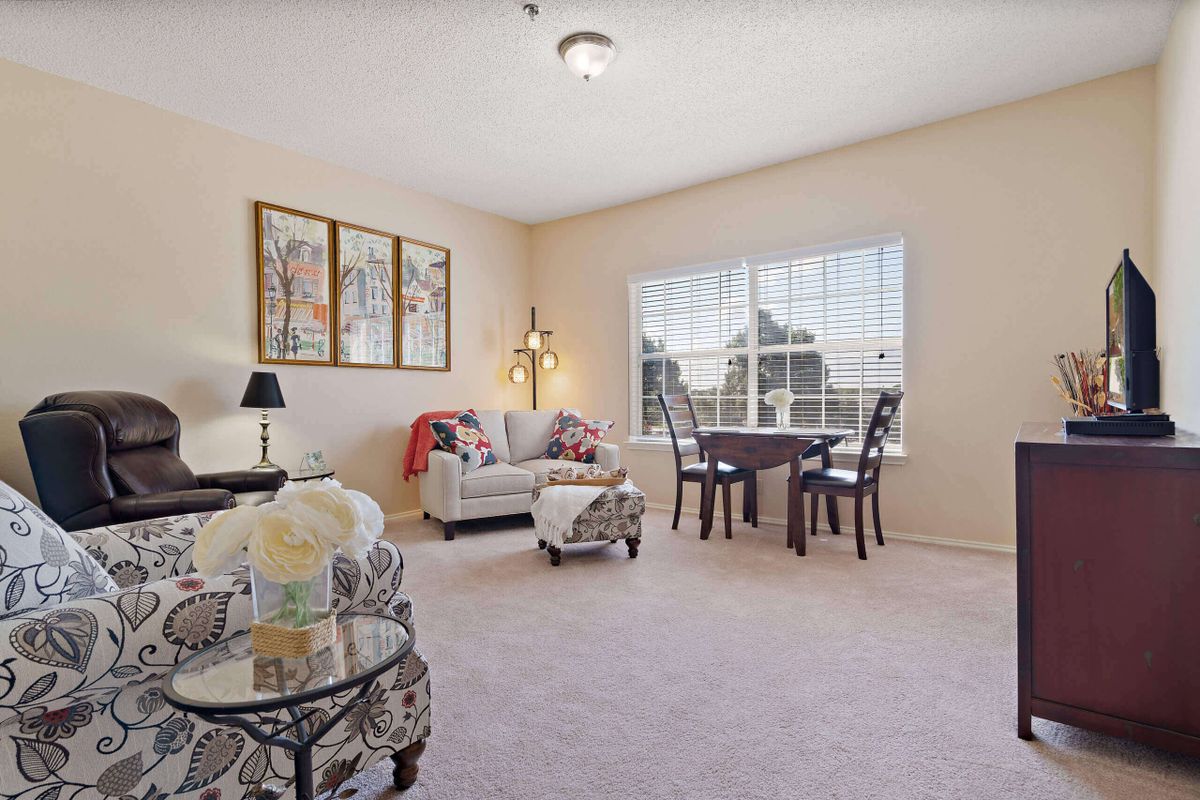
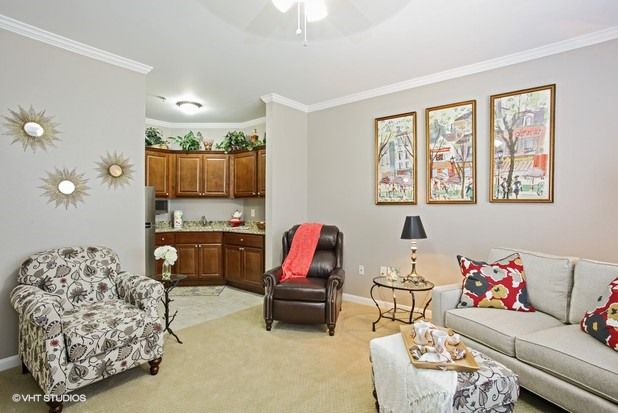
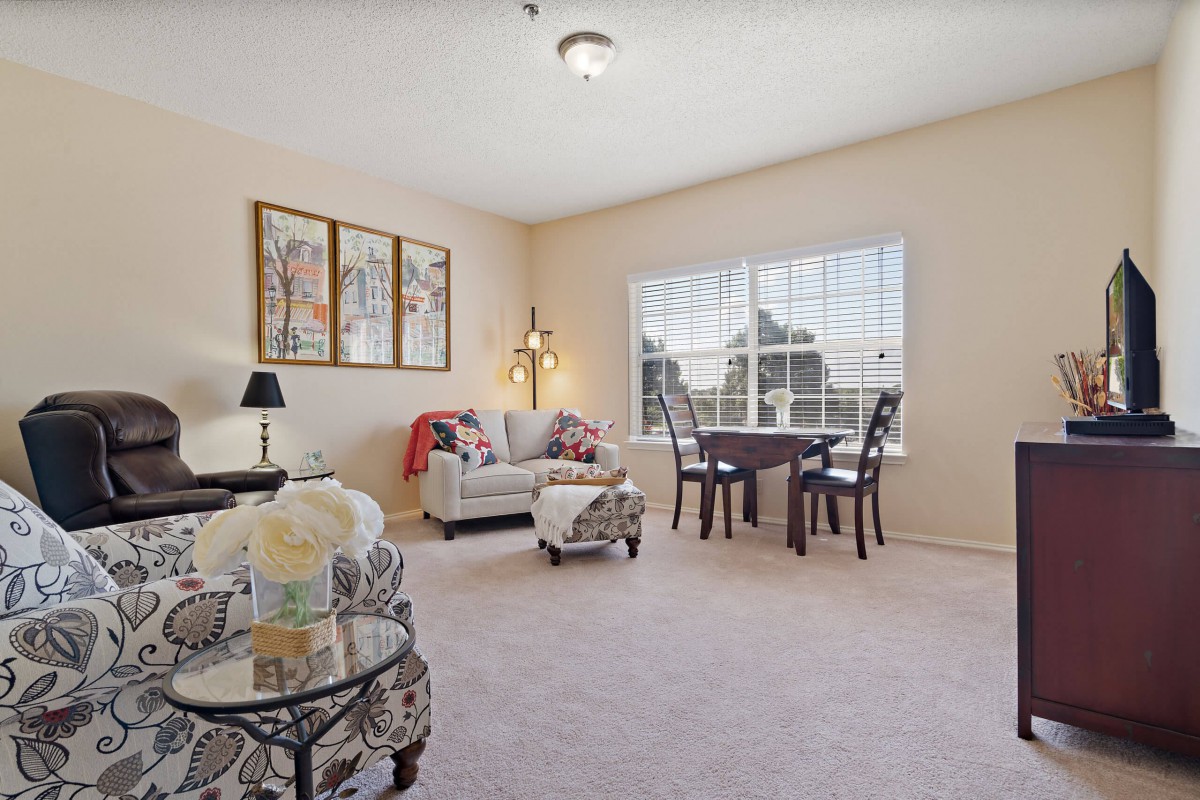
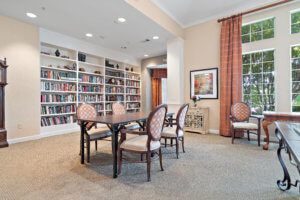
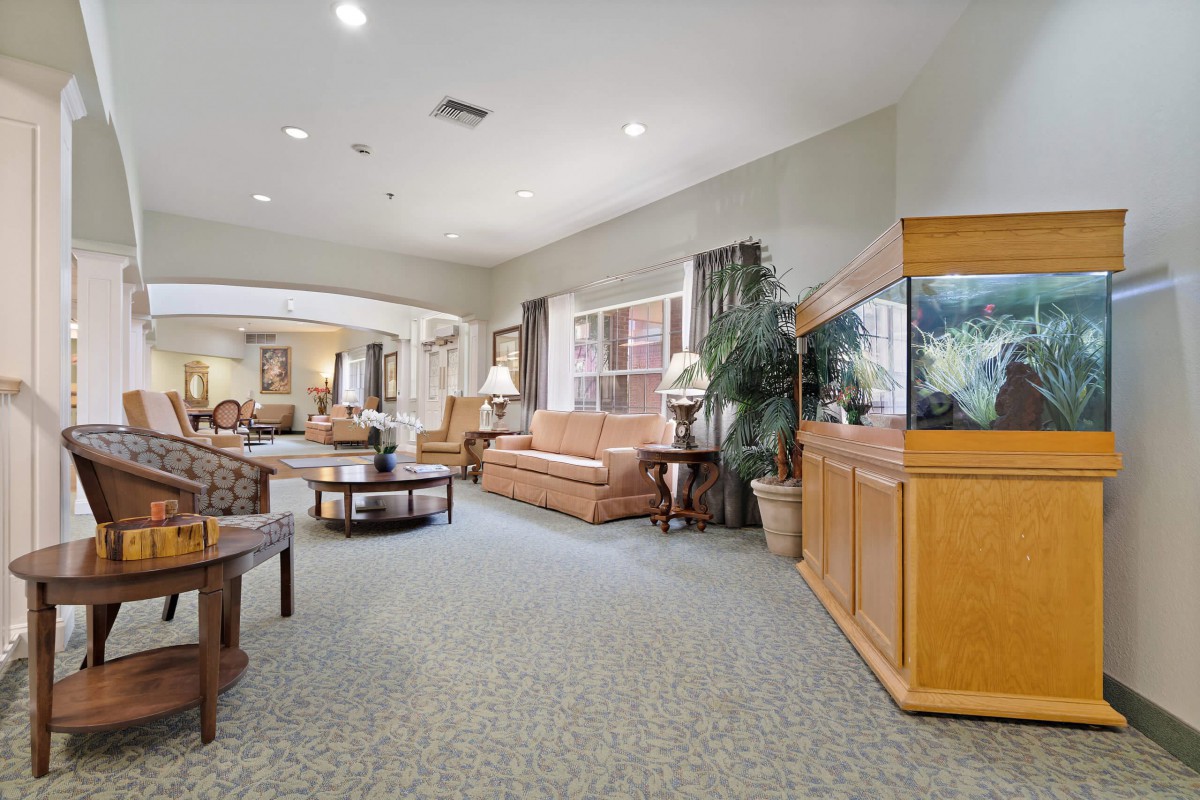
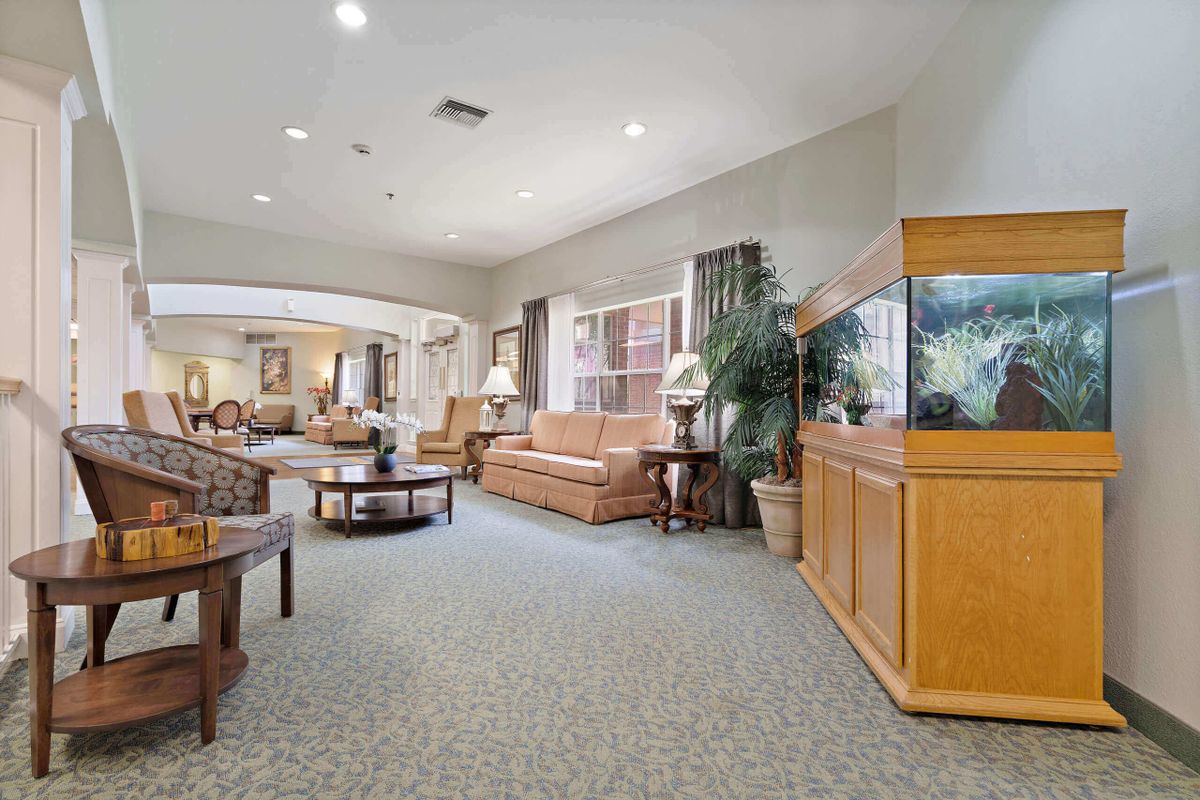
    A cozy living room with traditional decor and comfortable seating.
  • Building

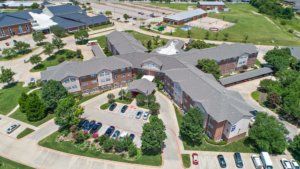
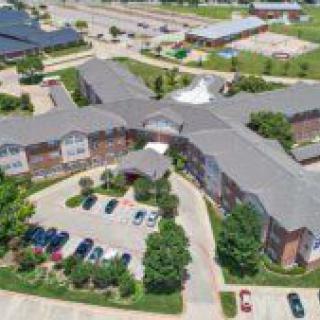
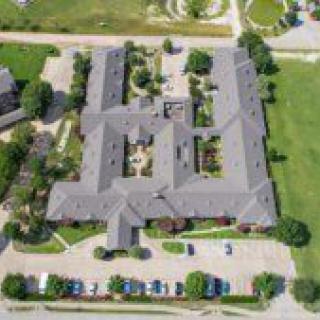
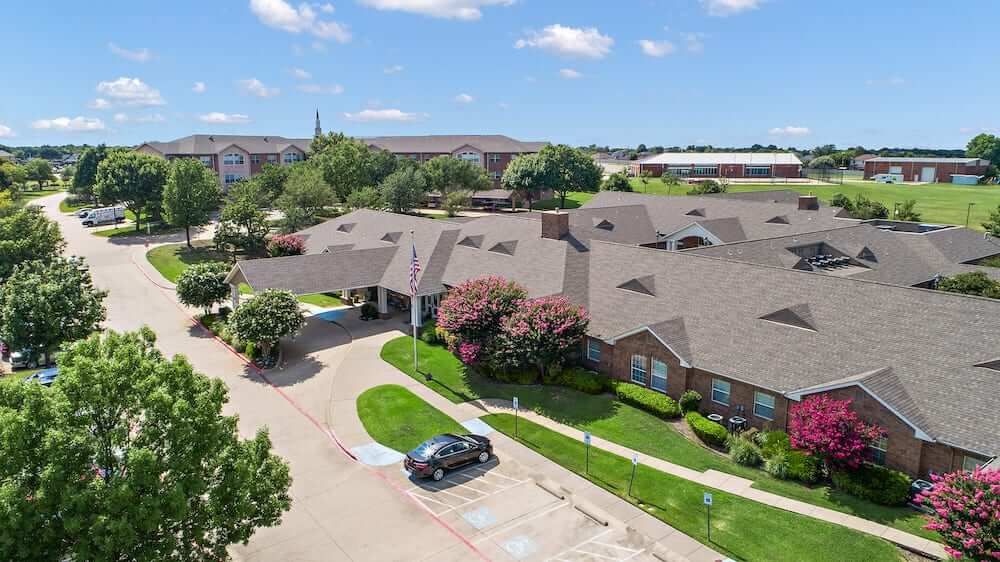
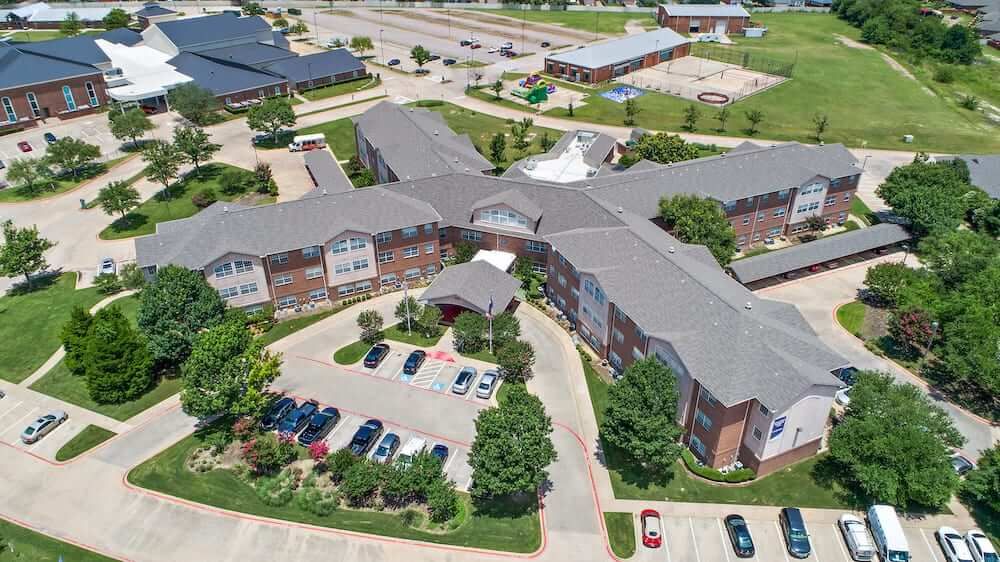
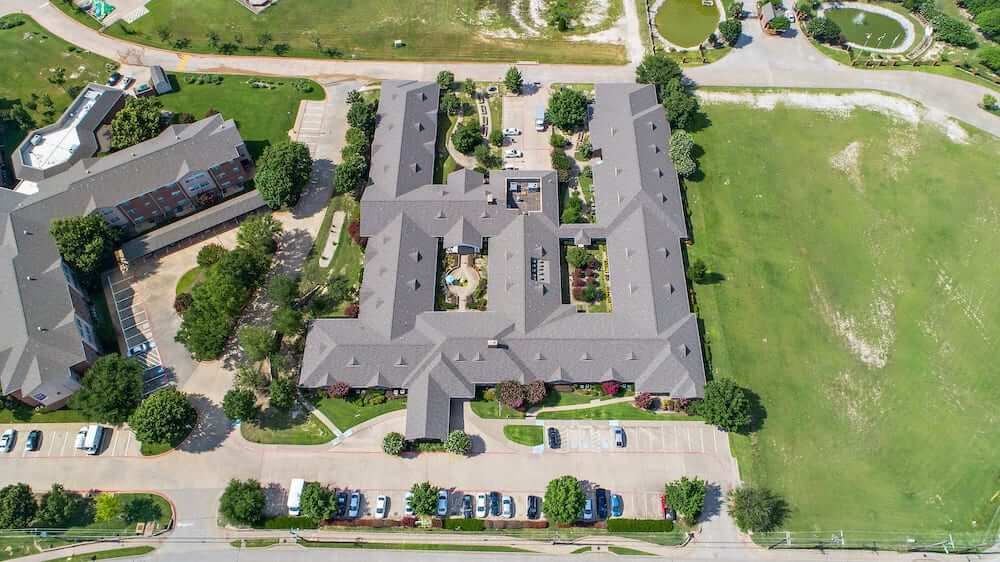
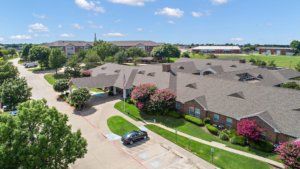
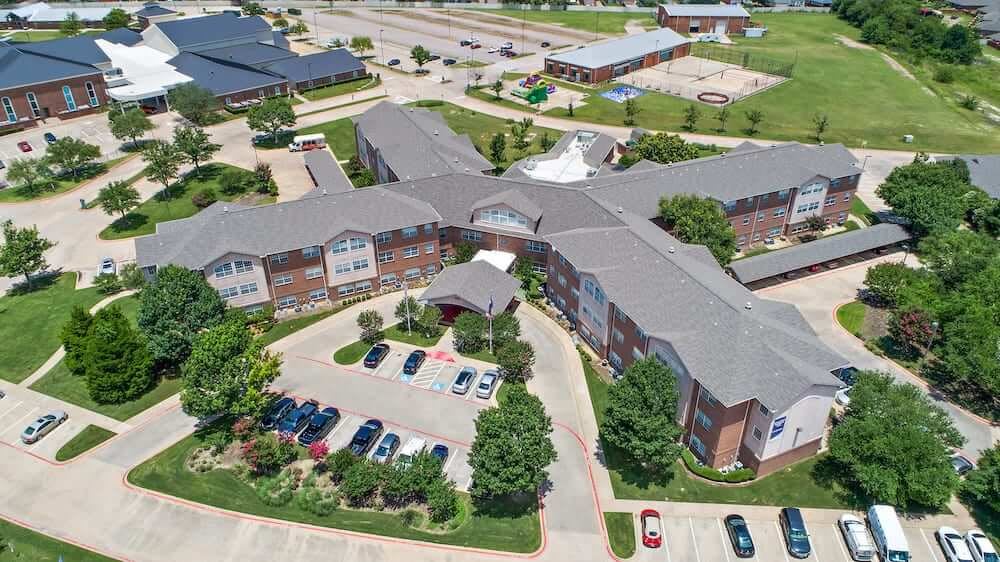
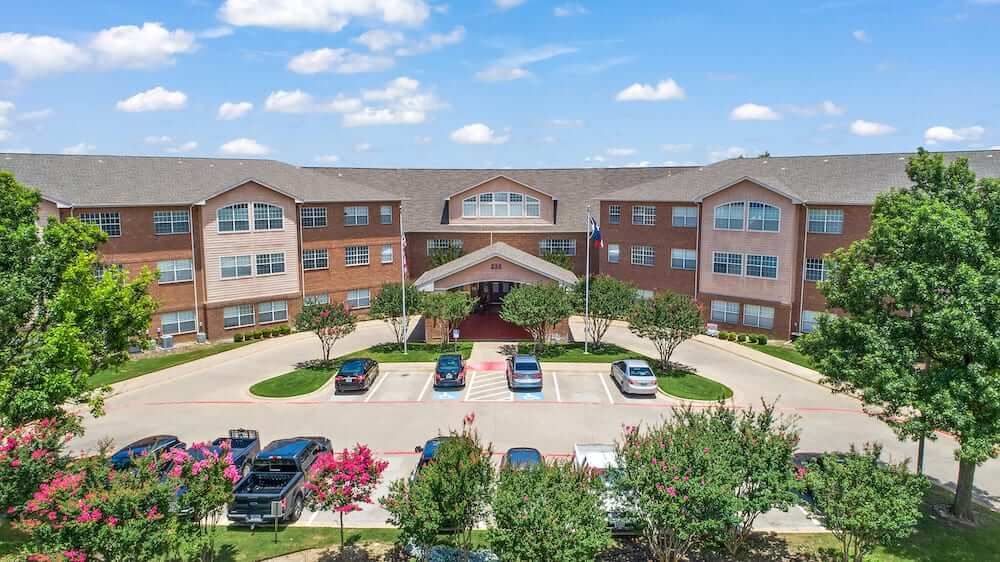
    Aerial view of a large building complex with surrounding parking and landscaped areas.
  • Architecture

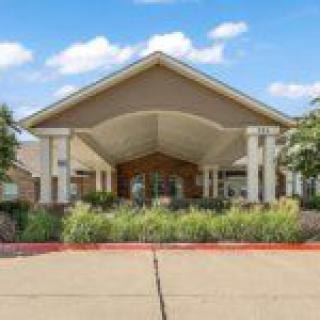
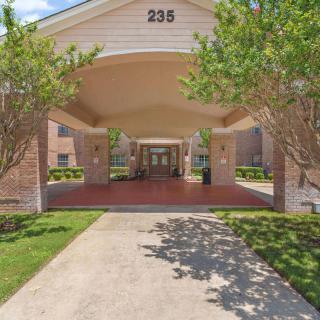
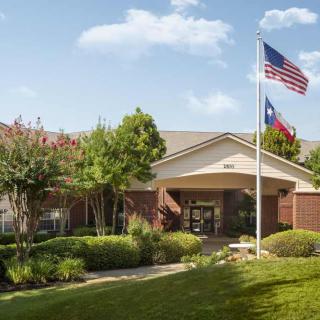
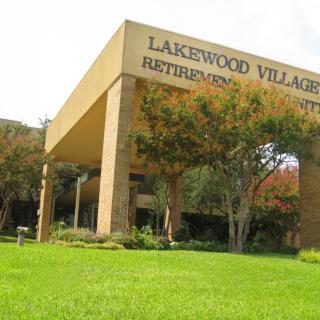
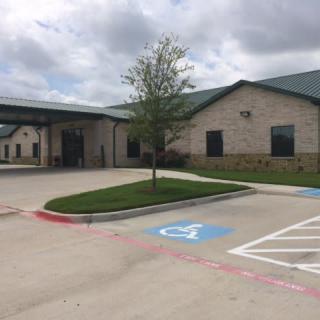
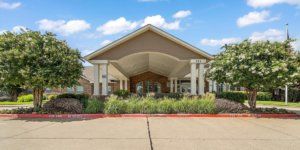
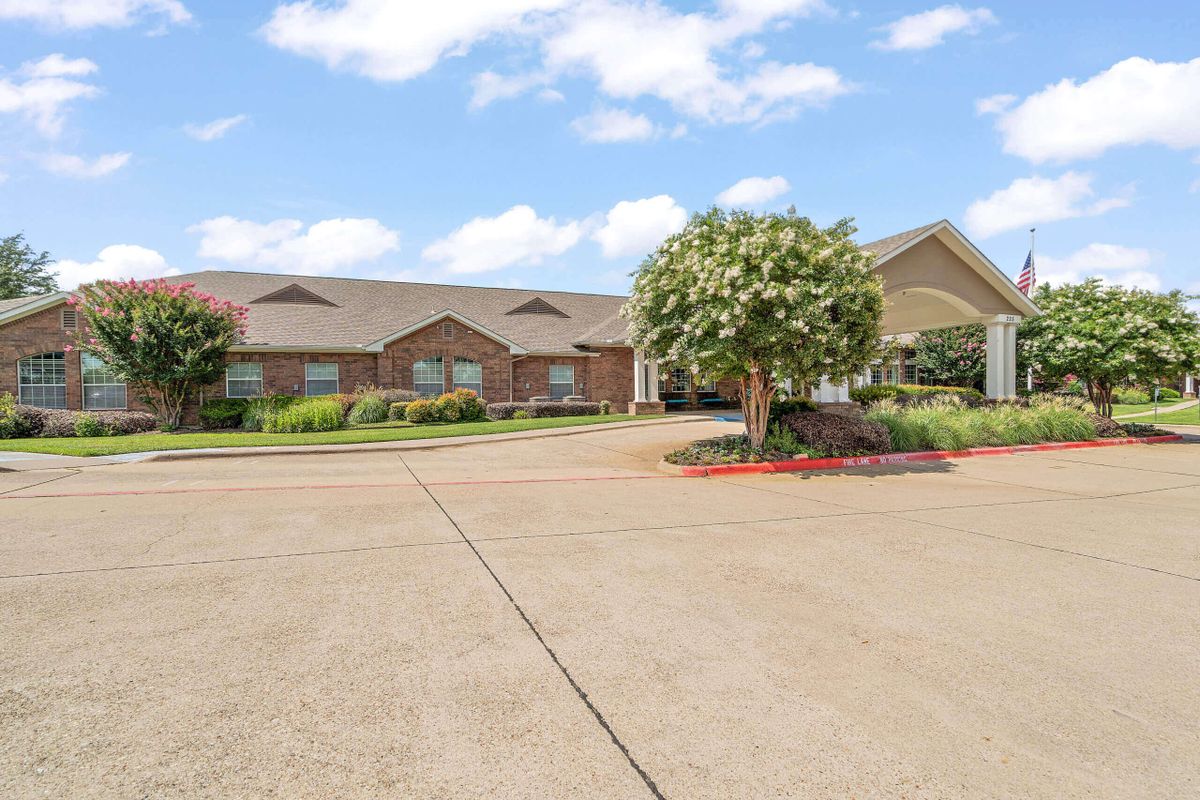
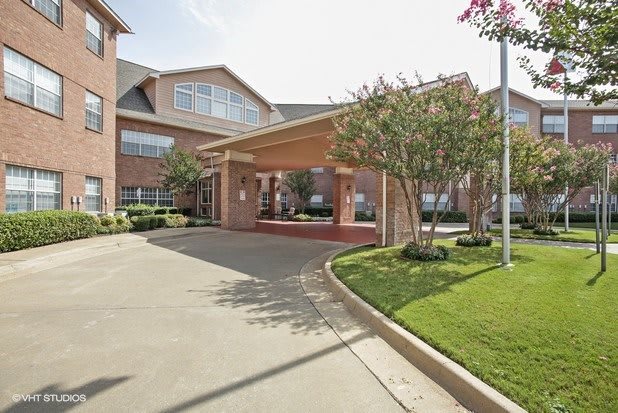
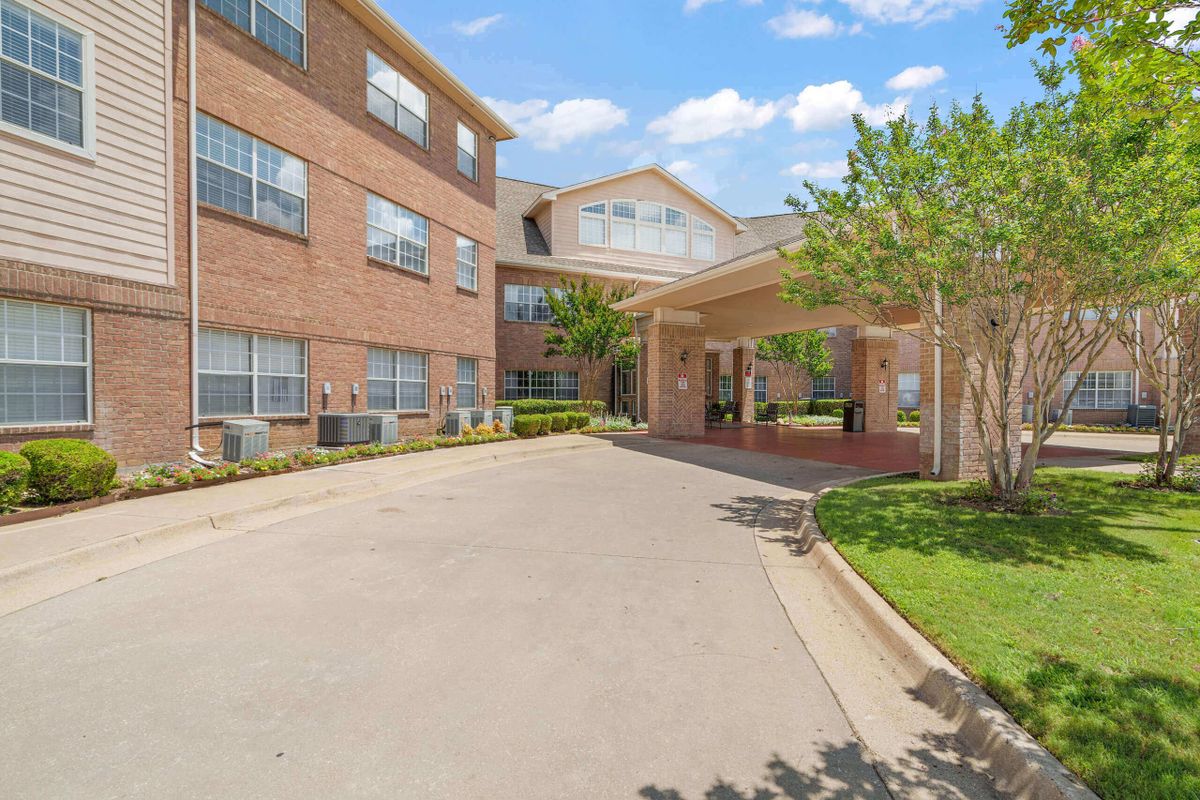
    A modern building entrance with landscaped surroundings and a driveway under a clear sky.
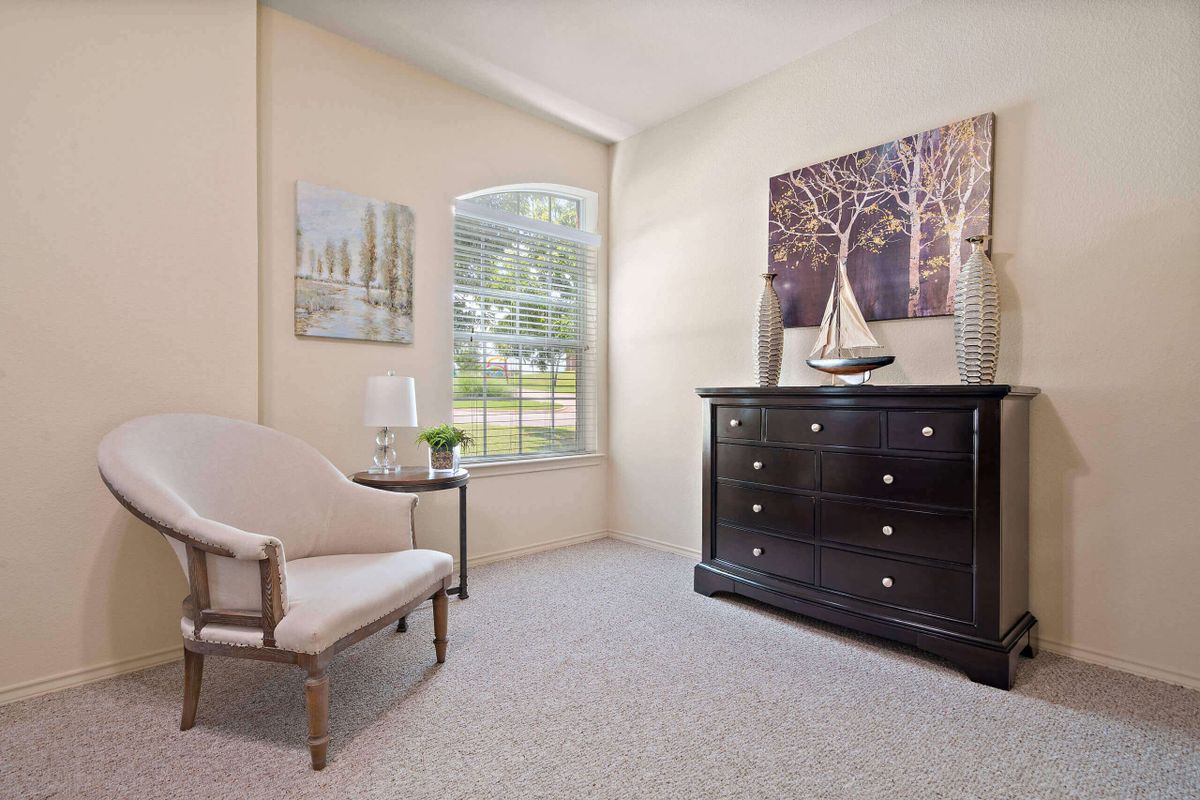
  • Bedroom

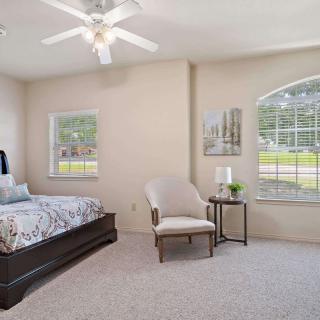
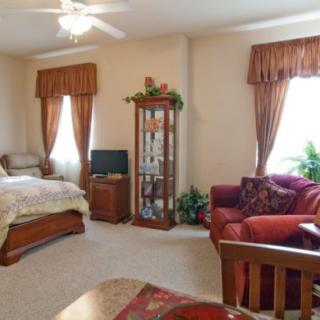
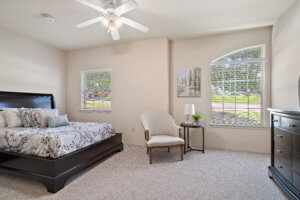
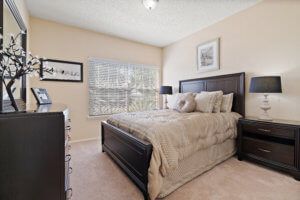
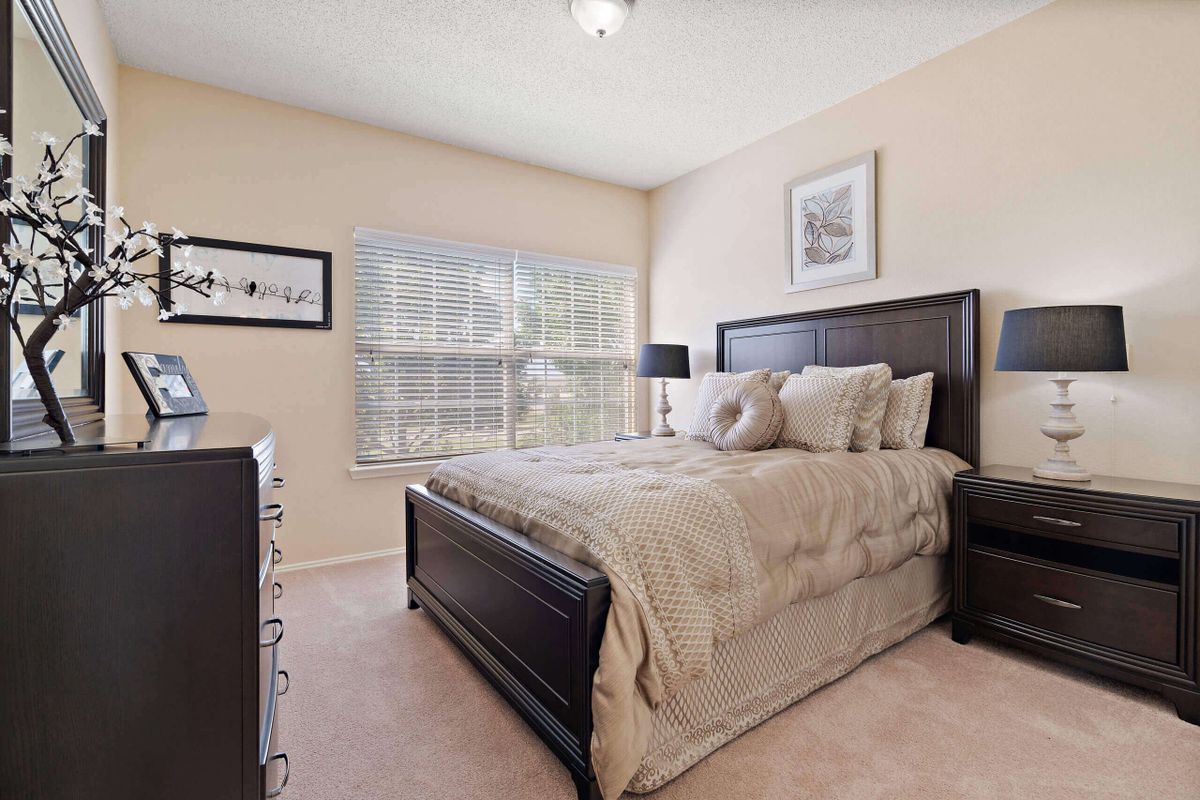
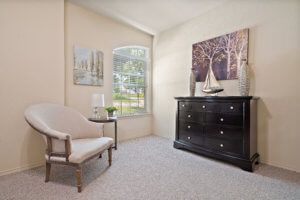
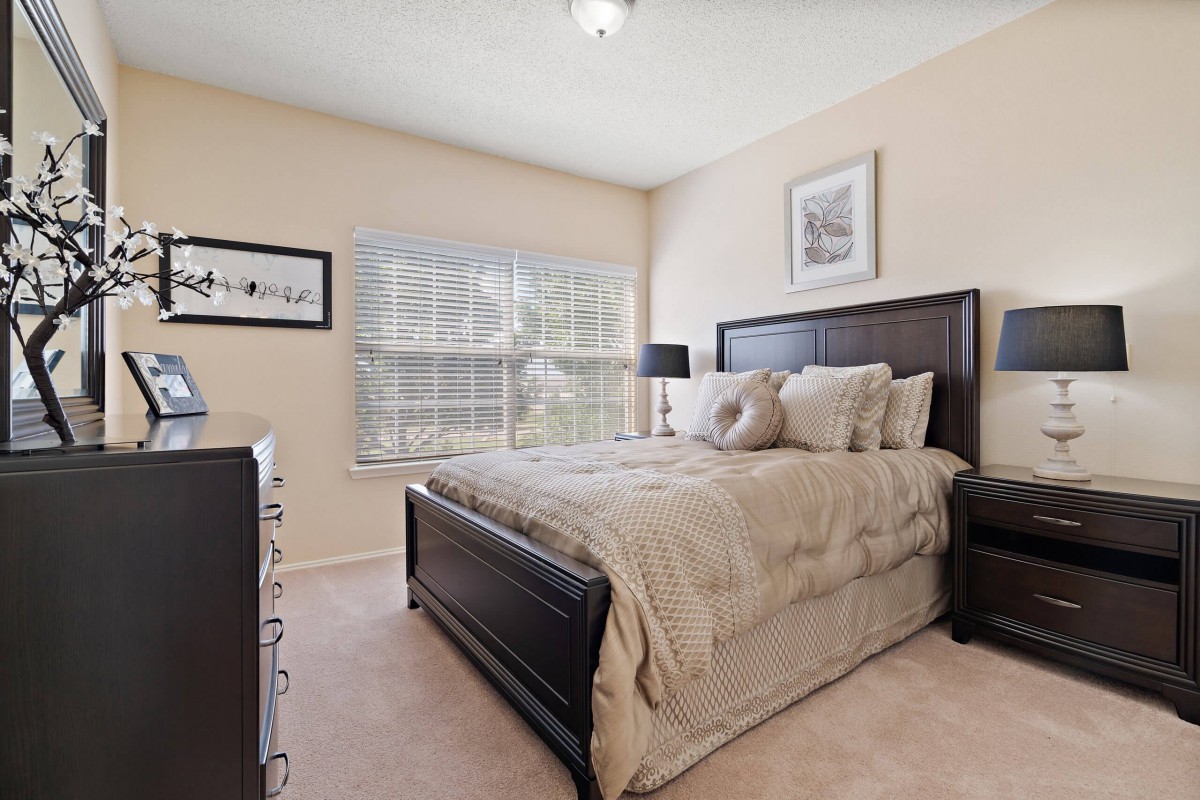
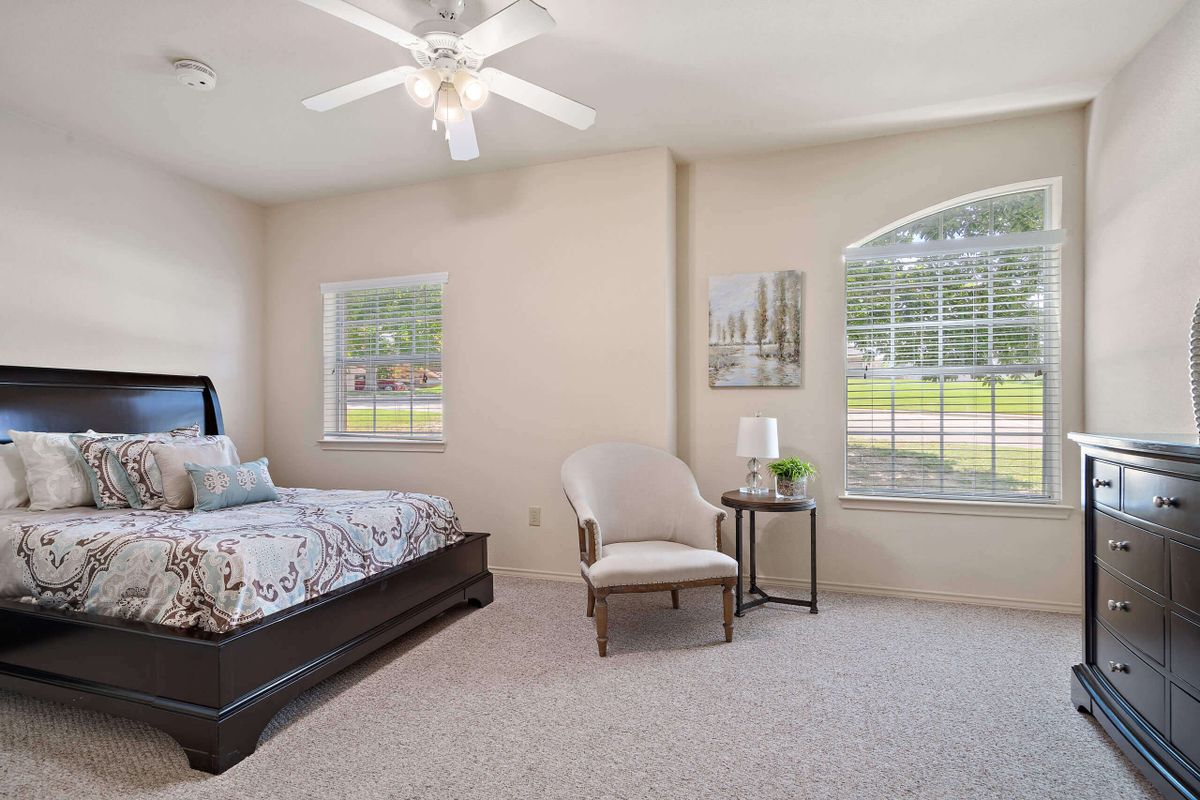
    A cozy bedroom featuring a single bed, chair, and large windows with plenty of natural light.
  • Trees

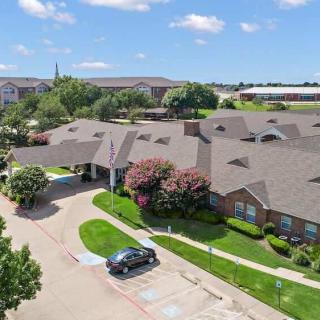
    Aerial view of a residential building with a parking lot and landscaped surroundings.
  • Windows

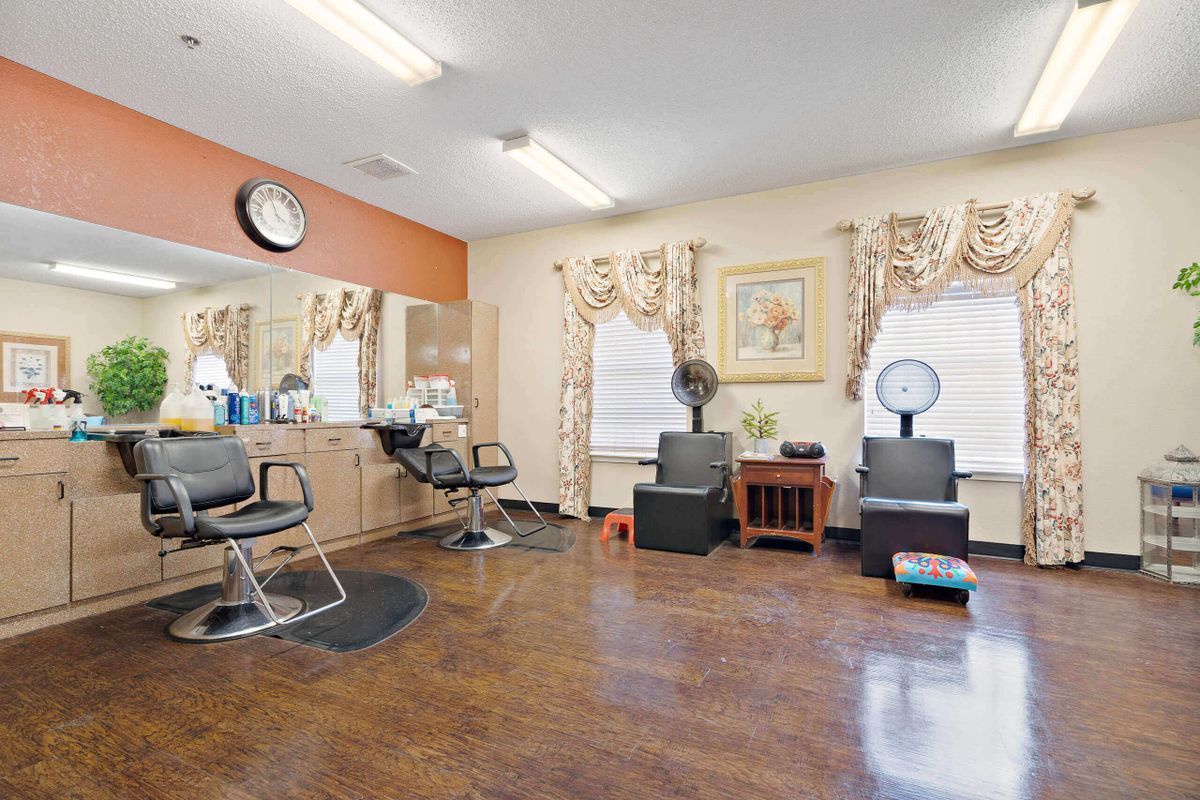
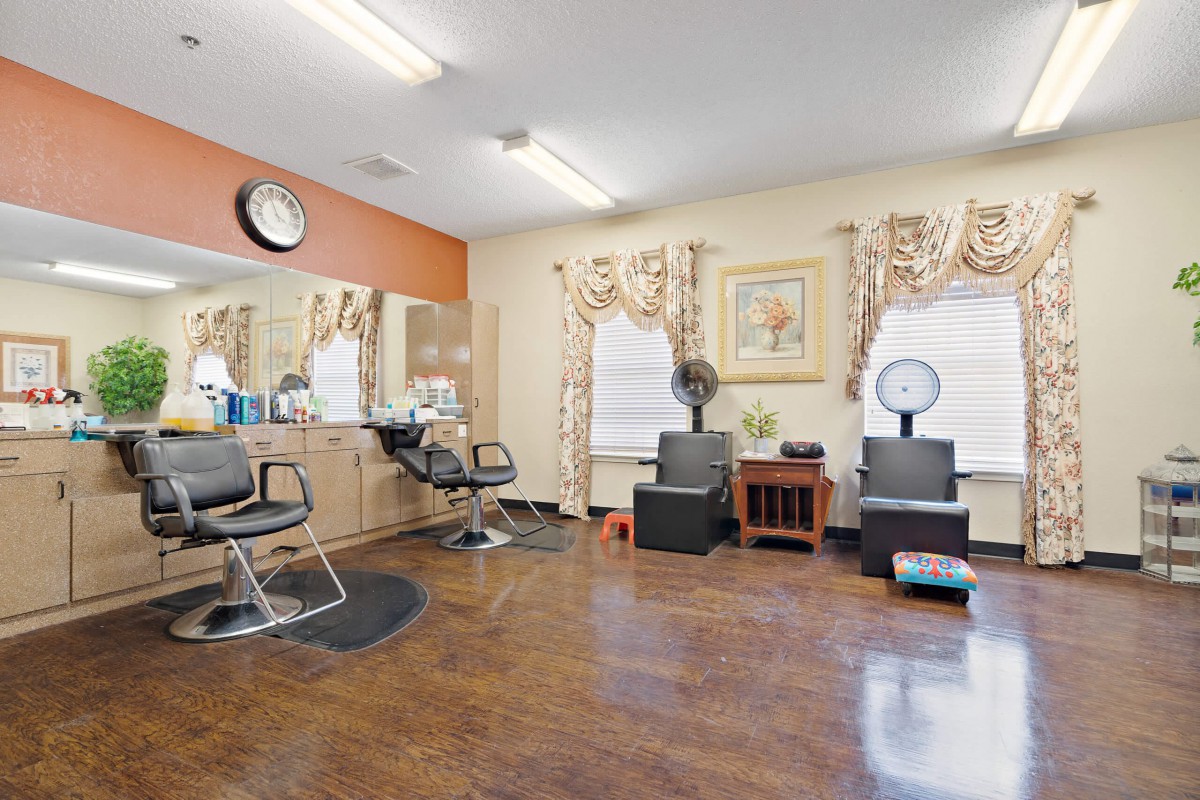
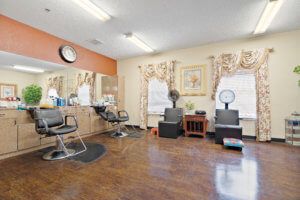
    A well-arranged hair salon with chairs, mirrors, and salon equipment.
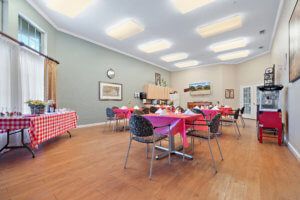
  • Dining

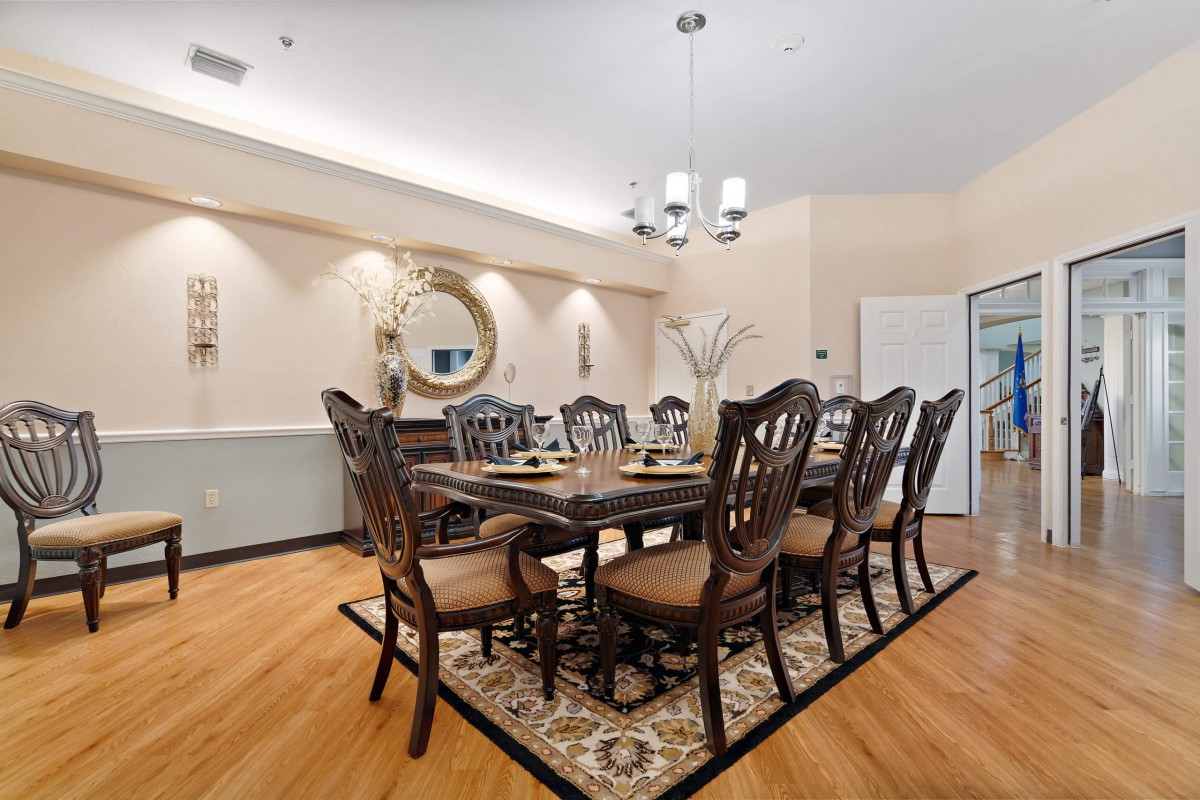
    An elegant dining room with multiple tables and upholstered chairs, featuring chandeliers and a hardwood floor.
  • Landscaping

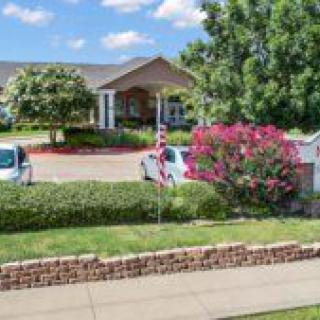
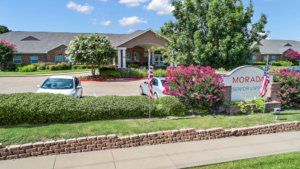
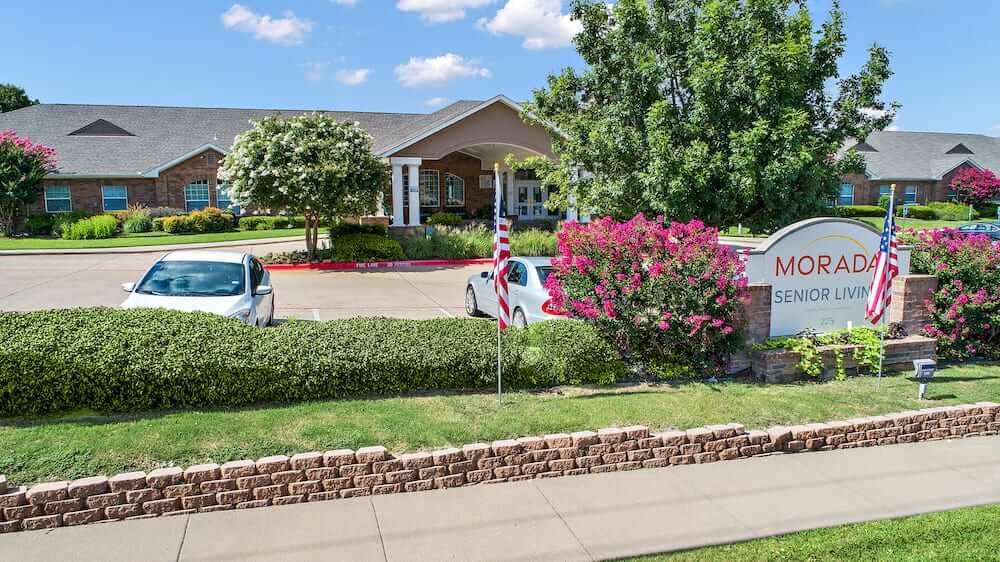
    A landscaped entrance to a building with trees and cars parked in the driveway.
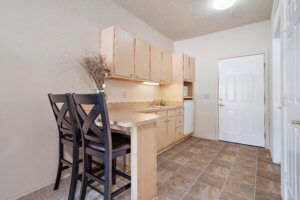
  • Kitchen

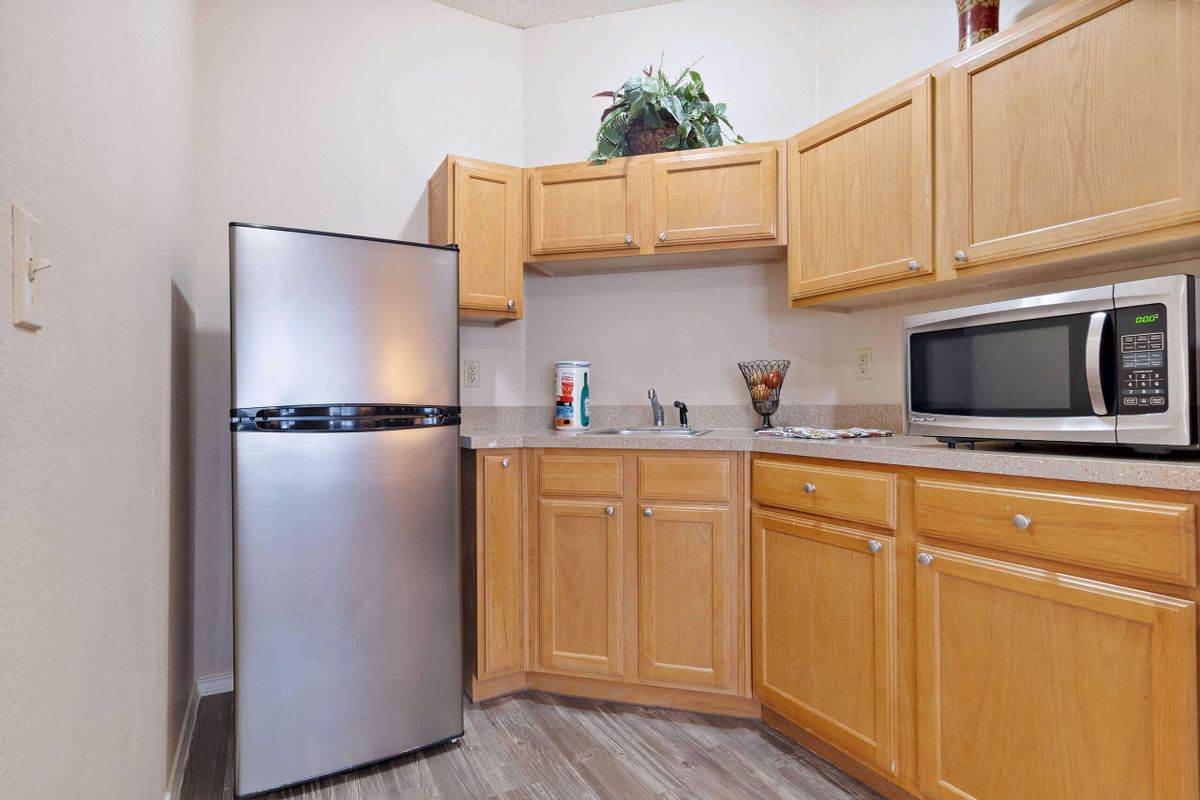
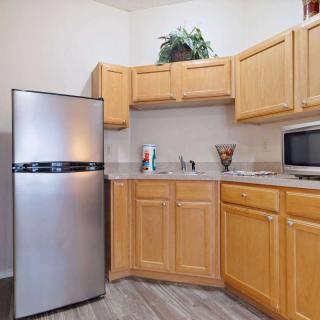
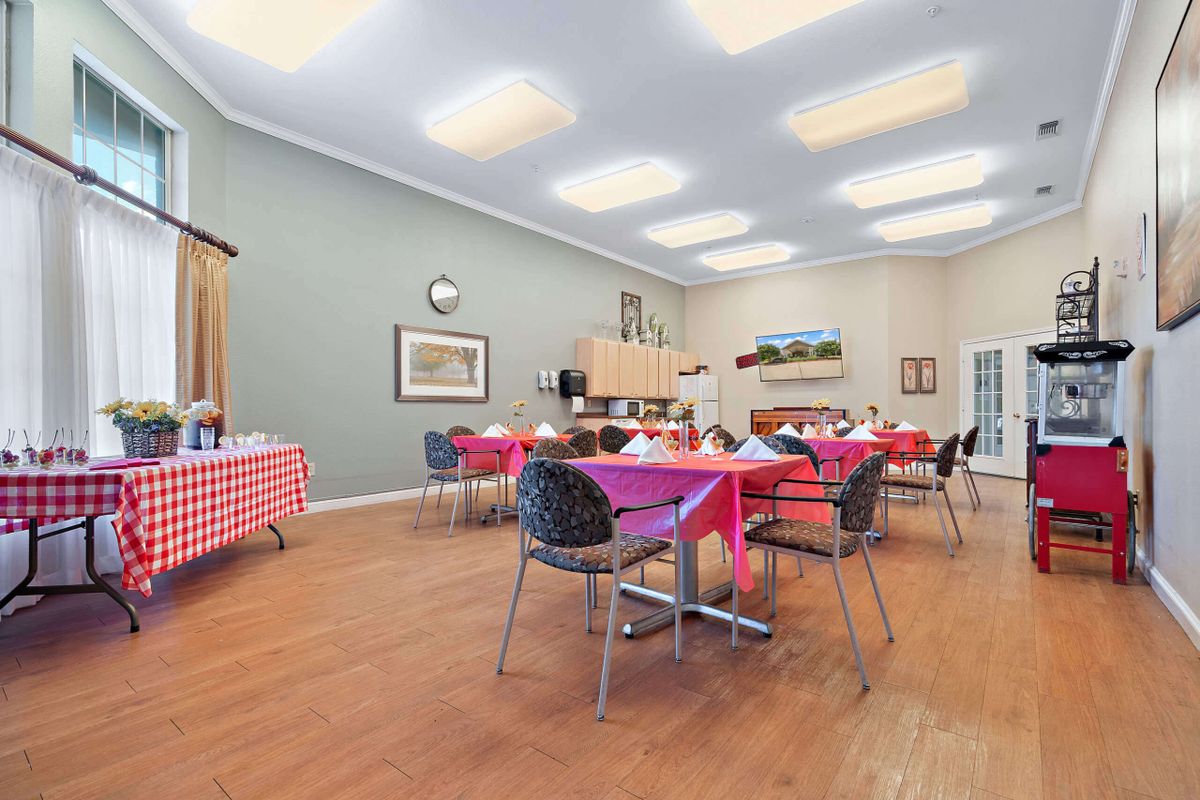
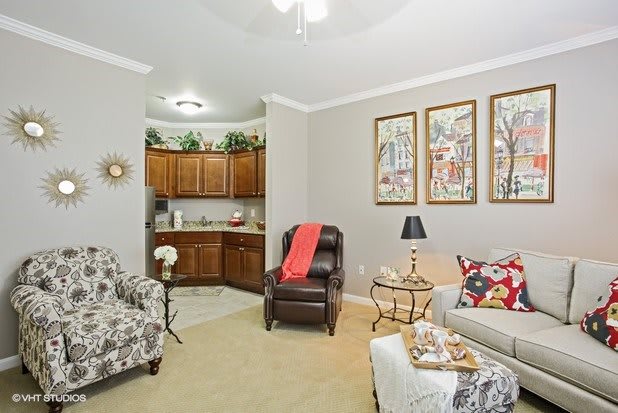
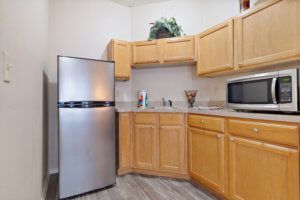
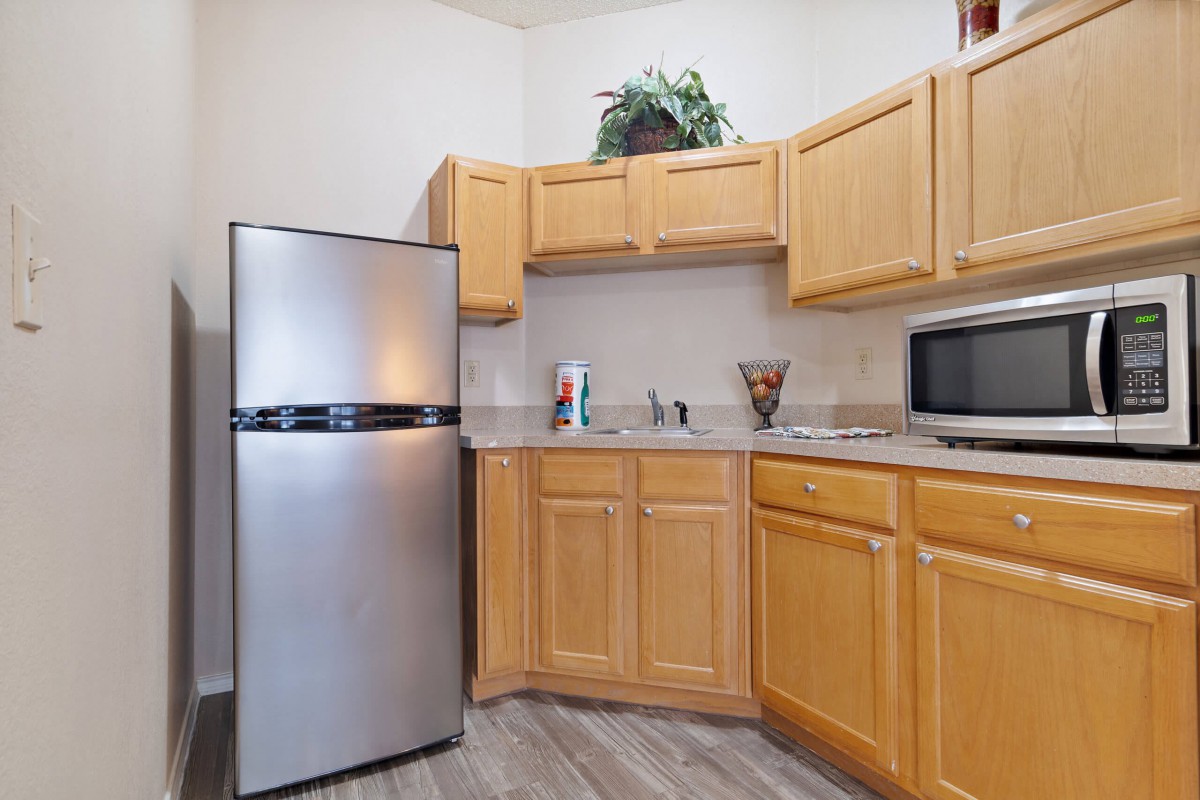
    A modern kitchen with wooden cabinets, a stainless steel fridge, and a countertop microwave.
  • Lighting

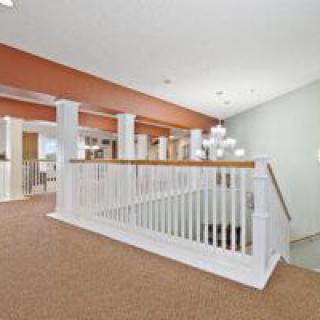
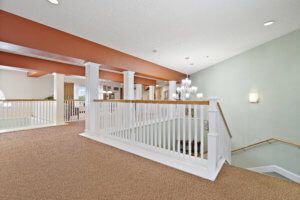
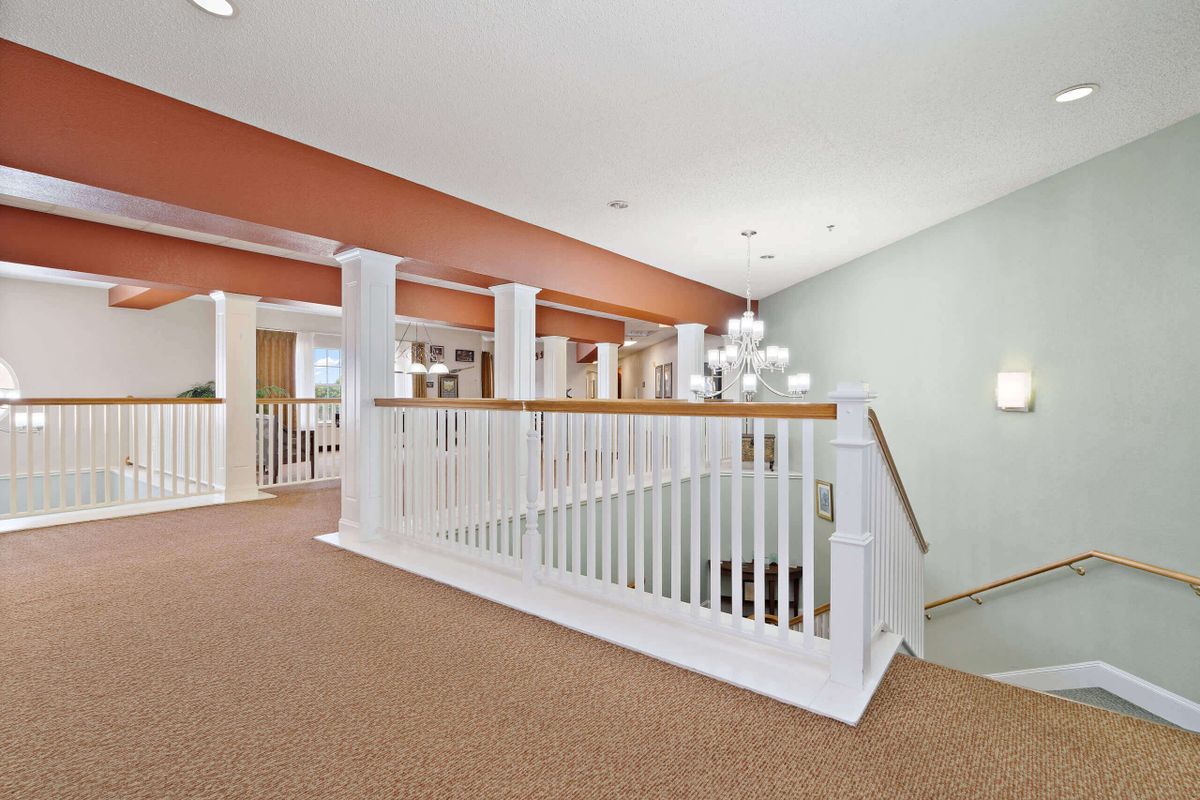
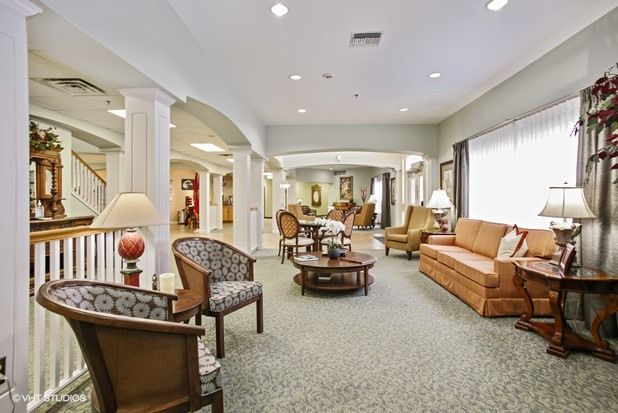
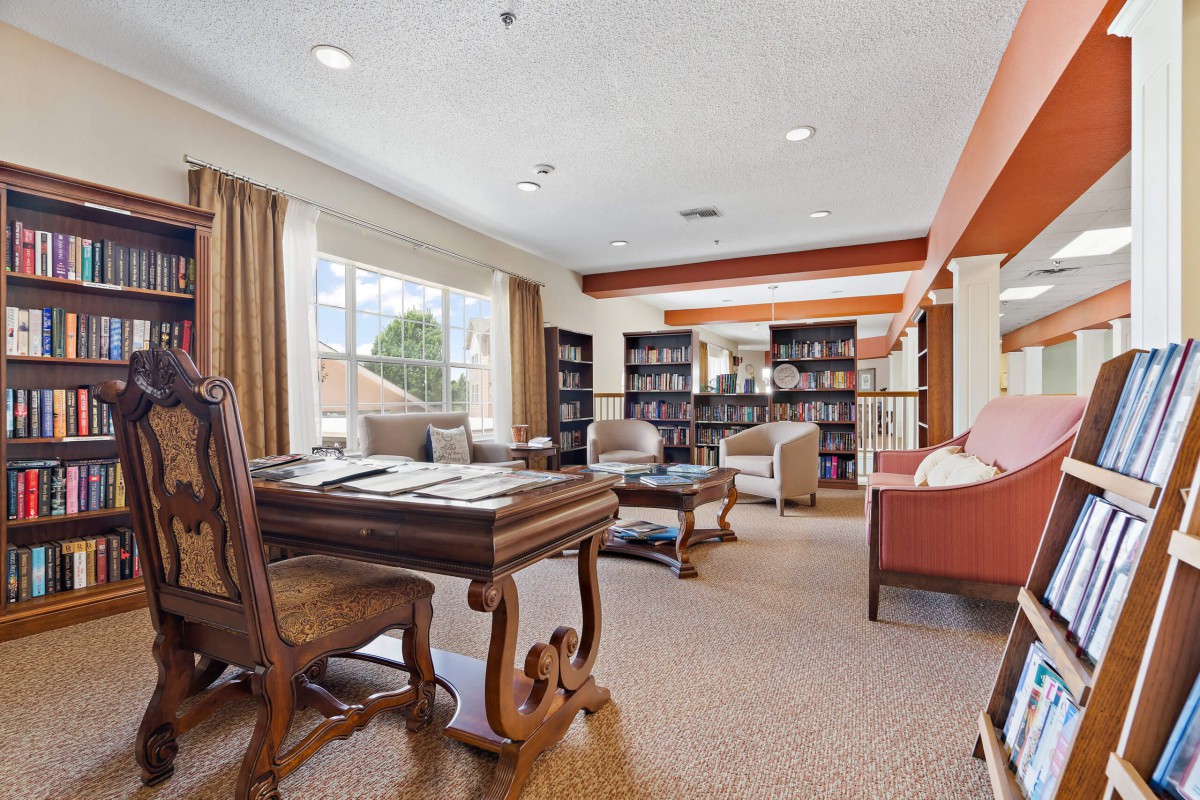
    A modern interior hallway featuring a staircase with white railings and contemporary lighting.
  • Garden

    An aerial view of a large building with surrounding greenery and a parking lot.
  • Entrance

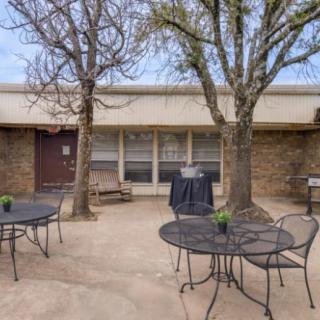
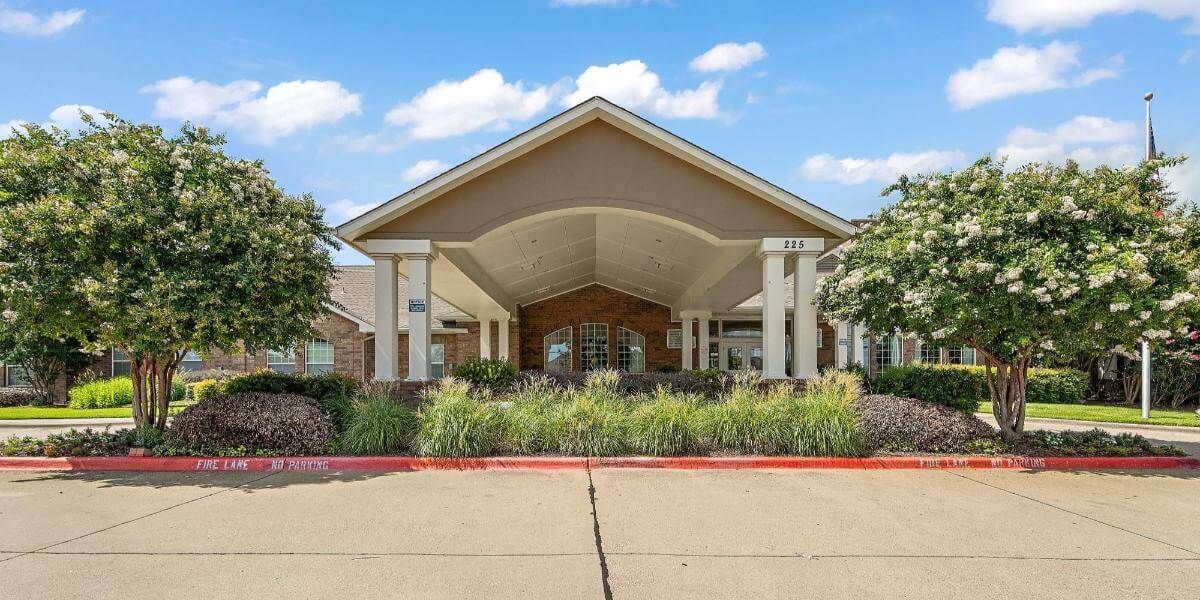
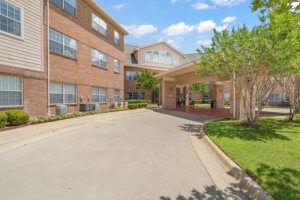
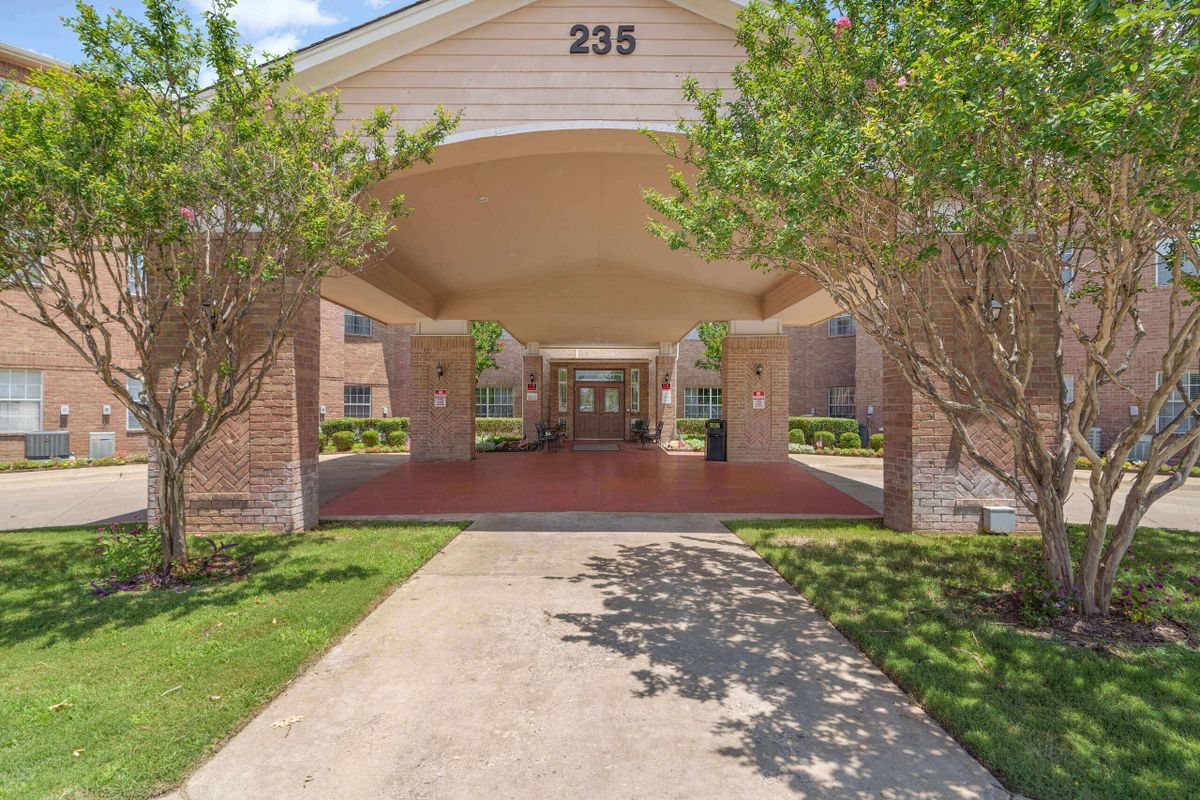
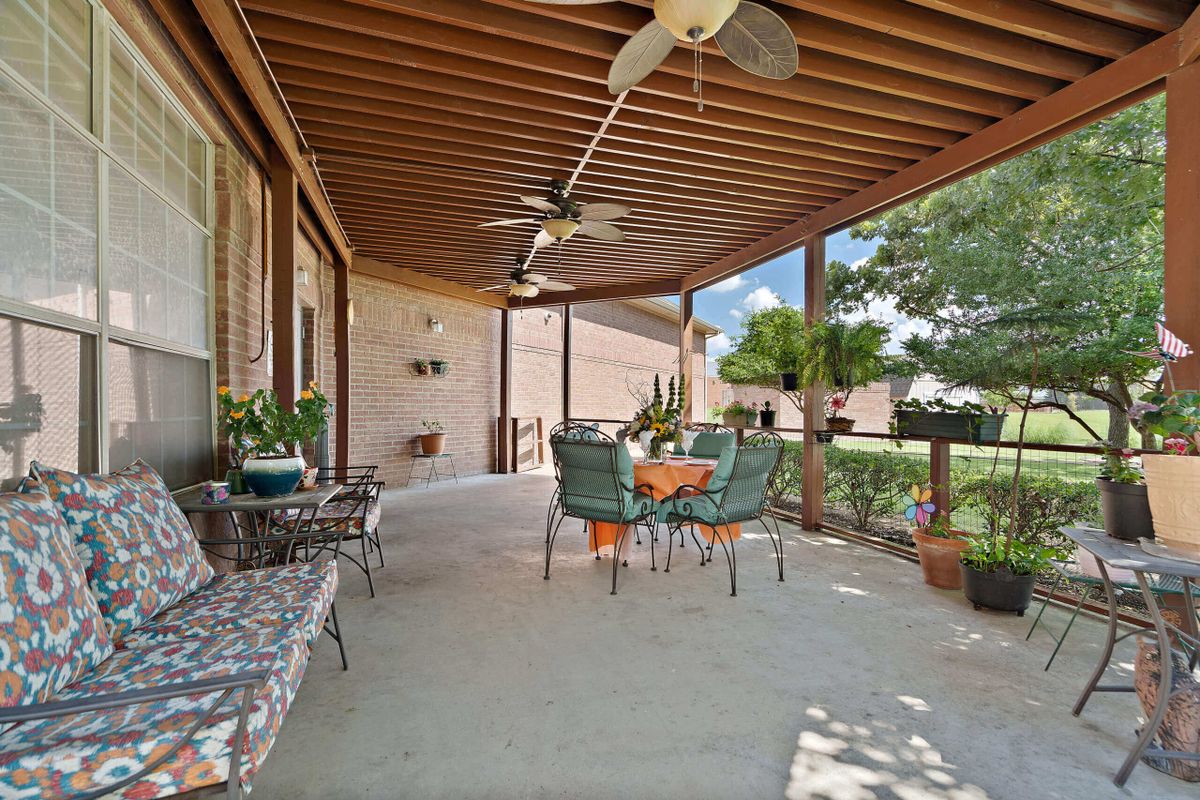
    Covered entrance to a building with surrounding greenery.

Morada Cedar Hill

Information last verified:

235 W. Pleasant Run Road, Cedar Hill, TX 75104

For more information about senior living options: (844) 490-3973

4.2 from 160 reviews
5 stars
114
4 stars
14
3 stars
4
2 stars
6
1 stars
22

Seniors.FYI Elite Community Awards

Top 5% Senior Living Community in 2023

Add this award to your website

Morada Cedar Hill Costs & Pricing

Morada Cedar Hill offers competitive pricing for its various room types when compared to both Ellis County and the broader state of Texas. Residents can expect to pay $1,595 for a semi-private room, which is significantly lower than the county average of $3,343 and the state average of $3,680. For those interested in studios, Morada Cedar Hill's rate of $1,670 stands in stark contrast to the higher costs in Ellis County ($2,876) and Texas overall ($3,758). The one-bedroom units are similarly affordable at $1,820 compared to county and state averages of $3,316 and $3,761 respectively. Even for two-bedroom accommodations, priced at $2,820 at Morada Cedar Hill, residents benefit from considerable savings against the county's cost of $4,198 and the state's price tag of $4,215. Overall, Morada Cedar Hill provides an attractive option for individuals seeking quality living spaces while adhering to budget considerations.

Floor plansMorada Cedar HillEllis CountyTexas
Semi-Private$1,595$3,343$3,680
Studio$1,670$2,876$3,758
1 Bedroom$1,820$3,316$3,761
2 Bedrooms$2,820$4,198$4,215

Overall Review of Morada Cedar Hill

Pros

  • pro The staff are friendly, attentive, and on top of things.
  • pro The meals are delicious and thoughtfully prepared with good variety.
  • pro The facility is clean, well maintained, and has a welcoming atmosphere.
  • pro There are many engaging activities and social events that residents enjoy.
  • pro The community feels like family and caregivers are compassionate and patient.
  • pro The memory care units provide respectful, high-quality care.
  • pro The on-site amenities, such as a theater and transportation, enhance residents’ quality of life.
  • pro The admissions process and management are helpful and professional.
  • pro Residents feel safe and well cared for.

Cons

  • pro Morada Cedar Hill is not a good choice for anyone to place their relative.
  • pro The care and customer service provided to the elderly residents is terrible.
  • pro They are stealing from residents and double-charging them for rent after it has already been paid.
  • pro The memory care unit is unqualified to provide the true love and attention dementia residents need.
  • pro The meals are frequently cold and the overall food quality is inconsistent.
  • pro The staff are rude and in some instances violate labor laws.
  • pro The facility is in need of repairs and upgrades and has not addressed these issues.

Review

Morada Cedar Hill is best suited for families seeking a lively, resident-centered community where seniors stay engaged through a robust slate of activities, strong social opportunities, and accessible memory-care options. The campus shines for those who want a warm, home-like atmosphere with on-site dining, a movie theater, frequent family events, and worship opportunities nearby. It appeals to independent-minded seniors anticipating a transition into assisted living or memory care, provided there is confidence in a community that treats residents with courtesy and care. The Cedar Hill location matters, offering convenient access to services and a sense of security that many families value. In practice, this is a place where staff readiness, resident camaraderie, and well-delivered services can feel transformational for everyday quality of life. That combination makes Morada Cedar Hill a practical choice for those who prize companionship, meaningful routines, and a supportive, collective living experience.

Those weighing alternatives should be mindful of notable caveats. A segment of reviews flags concerns about billing transparency and sudden rate changes, with some complaints about charges and communication that can complicate long-term budgeting. Families with loved ones who require near-constant clinical oversight or who have endured or heard about memory-care safety incidents may want facilities that offer stronger daytime and nighttime nursing continuity and more predictable leadership. For residents whose expectations include consistently high culinary quality, pest control, and maintenance, Morada Cedar Hill may not always align, given comments about food variability and occasional environmental issues. Finally, those who demand a uniformly seamless administrative experience, without turnover-related gaps in communication, might prefer options that emphasize steadier, steadier governance and fewer move-in disruptions.

On balance, the key positives at Morada Cedar Hill often outsize the drawbacks for many families. The staff, servers, med techs, and caregivers, are repeatedly described as attentive, kind, and quick to respond, with particular kudos to individuals such as Ginger, Elizabeth, Twania, and Jessica who personalize care and create a sense of belonging. The memory-care wing is frequently highlighted for its compassionate team and resident-first approach, helping families feel their loved ones are safe and engaged. The activity program is robust enough to support social interaction, outings, crafts, and live entertainment, while the on-site theater and communal spaces reinforce a sense of community. The dining experience, when executed well, offers variety and hospitality that residents and families notice, and it can be a social highlight rather than a routine necessity. Taken together, these strengths create a reliable daily structure that many residents and families come to rely on.

Operational dynamics shape the day-to-day experience in meaningful ways. The community often feels like a large, supportive family, with staff who are responsive, personable, and capable of coordinating events, transportation within a reasonable radius, and spiritual or cultural programming. Yet this same environment shows strain when leadership shifts occur or when billing practices come under scrutiny. Reviews describe periods of turnover, inconsistent communications, and some friction around financial matters, which can erode confidence during a move or a transition in care level. Prospective residents should evaluate current leadership stability, request a detailed price sheet with a transparent explanation of any upcoming increases, and confirm how care services, meal plans, and ancillary charges are billed and tracked over time. A clear governance framework reduces ambiguity and reinforces trust in day-to-day operations.

To decide with confidence, prospective families should conduct deliberate, concrete checks. Visit during typical meal hours to observe service speed, meal quality, and the ability to accommodate dietary needs; request recent billing statements and a clear explanation of how charges are calculated, including any annual increases. Tour both independent living and memory-care areas to gauge staff-to-resident ratios, daily routines, and how emergencies are handled, speaking with multiple caregivers about consistency of care. Inspect the physical environment for cleanliness, any pest concerns, maintenance responsiveness, and the overall atmosphere. Ask current residents and families about management communication, the speed and fairness of issue resolution, and whether they feel the environment is safe and dignified. This hands-on due diligence clarifies how Morada Cedar Hill performs in ordinary days and extraordinary moments alike.

In the end, Morada Cedar Hill offers a compelling, practical package for families who want a warm, active, socially rich setting with accessible memory-care options and an on-site culture of care. The positives, genuine staff warmth, a strong activity calendar, flavorful meals when executed well, and a theater-equipped campus, create meaningful advantages for daily living. However, there are real risks in the mix: leadership turnover, billing disputes, and reports of variable care quality tied to staffing and process stability. For families that can tolerate occasional financial ambiguity and prioritize a sense of community, belonging, and consistent social engagement, Morada Cedar Hill is a sound, value-driven choice. For those whose priorities include flawless transparency, ironclad safety histories, and uniformly high-quality dining and maintenance, exploring alternatives with a steadier financial and operational track record is prudent. The right fit hinges on aligning the community’s strengths with the resident’s care needs and the family’s expectations for stability and communication.

Features

Housing

  • 22 resident community capacity 22 resident community capacity

Types of Care

  • Assisted Living Assisted LivingAssisted living facilities provide crucial support and care for seniors who may need help with daily tasks such as medication management, bathing, and meal preparation. These communities offer a safe and comfortable environment where seniors can maintain their independence while receiving the assistance they need to thrive in their golden years.
  • Independent Living Independent LivingIndependent living communities are important for seniors because they offer a safe and supportive environment where older adults can live independently while still having access to amenities and services that enhance their quality of life. These communities provide social opportunities, recreational activities, and assistance with daily tasks, promoting overall well-being and allowing seniors to maintain their independence for as long as possible.
  • Memory Care Memory CareMemory care is crucial for seniors as it provides specialized support and services for individuals with dementia or Alzheimer's disease. These programs offer a safe and secure environment where residents receive personalized care, cognitive stimulation, and help with daily activities. Memory care helps seniors maintain their independence, quality of life, and dignity while also providing peace of mind for their families.

Pets

  • Cats allowed Cats allowed"Pet friendly" senior living communities are important for seniors because pets provide companionship, reduce feelings of loneliness and depression, promote physical activity and mental stimulation, and offer a sense of purpose and responsibility. Pets can improve overall well-being and quality of life for seniors in many ways.
  • Dogs allowed Dogs allowed"Pet friendly" senior living communities are important for seniors because pets provide companionship, reduce feelings of loneliness and depression, promote physical activity and mental stimulation, and offer a sense of purpose and responsibility. Pets can improve overall well-being and quality of life for seniors in many ways.

Amenities

  • Activities off-site Activities off-siteEngaging in off-site activities is crucial for seniors to maintain social connections, stay active, and stimulate their minds. It promotes overall well-being and helps combat feelings of isolation and loneliness.
  • Activities on-site Activities on-siteActivities on-site are important for seniors because they provide opportunities for socialization, mental stimulation, physical activity, and overall well-being. Engaging in activities can help seniors stay active, maintain their independence, and improve their quality of life.
  • Air-conditioning Air-conditioningAir conditioning is important for seniors as they are more vulnerable to heat-related illnesses and may have underlying health conditions that make it difficult for them to regulate their body temperature. It helps to keep them comfortable, safe, and healthy in hot weather.
  • Bath tubs Bath tubsBath tubs are important for seniors because they provide a safe and relaxing way to bathe, helping to prevent slips and falls while promoting independence and overall well-being.
  • Beautician on-site Beautician on-siteHaving a beautician on-site at a senior living community is important for seniors as it allows them to easily access grooming and personal care services, boosting their self-esteem and overall well-being. It also provides convenience and helps seniors maintain their sense of independence and personal style.
  • Beauty salon Beauty salonBeauty salons are important for seniors because they provide a space for them to feel pampered, socialize, and maintain their personal grooming and hygiene. Regular visits to a beauty salon can help boost seniors' self-esteem and overall well-being.
  • Cable or satellite TV Cable or satellite TVCable or satellite TV is important for seniors because it provides entertainment, news, and companionship, helping to combat loneliness and boredom. It also offers a wide range of programming options tailored to different interests and preferences.
  • Devotional services on-site Devotional services on-siteDevotional services on-site provide seniors with spiritual support and a sense of community, as well as an opportunity for reflection and guidance during their senior living experience. This can promote emotional well-being and connection to others, leading to a more fulfilling and enriching lifestyle in their later years.
  • Dining room Dining roomDining rooms are important for seniors as they provide a space for socialization, connection, and nutritious meals. They offer opportunities for residents to bond over shared meals, foster a sense of community, and promote healthy eating habits. Dining rooms also ensure that seniors have access to well-balanced meals tailored to their dietary needs and preferences.
  • Fully furnished Fully furnishedFully furnished senior living communities are important for seniors because they provide convenience, comfort, and a hassle-free moving experience. Seniors can easily settle into their new living space without the stress of having to buy and move furniture. This allows them to focus on enjoying their new home and community.
  • Garden GardenGardens are important for seniors as they provide a peaceful and therapeutic environment for relaxation, physical activity, and socialization. Being in nature has been shown to reduce stress, improve mood, and promote overall well-being. Gardens also offer opportunities for seniors to engage in gardening activities, which can improve mobility, flexibility, and cognitive function. Additionally, gardens create a sense of community and connection with others who share a passion for plants and outdoor spaces.
  • Handicap accessible Handicap accessible"Handicap accessible" amenities are crucial for seniors to ensure they can easily navigate and access facilities, services, and activities without barriers or limitations due to physical impairments. This promotes independence, safety, and inclusivity for seniors in senior living communities.
  • Housekeeping services Housekeeping servicesHousekeeping services are important for seniors because they help maintain a clean and safe living environment, promote independence, and reduce the risk of accidents or illnesses. Additionally, having assistance with household chores can alleviate physical strain and allow seniors to focus on other aspects of their well-being.
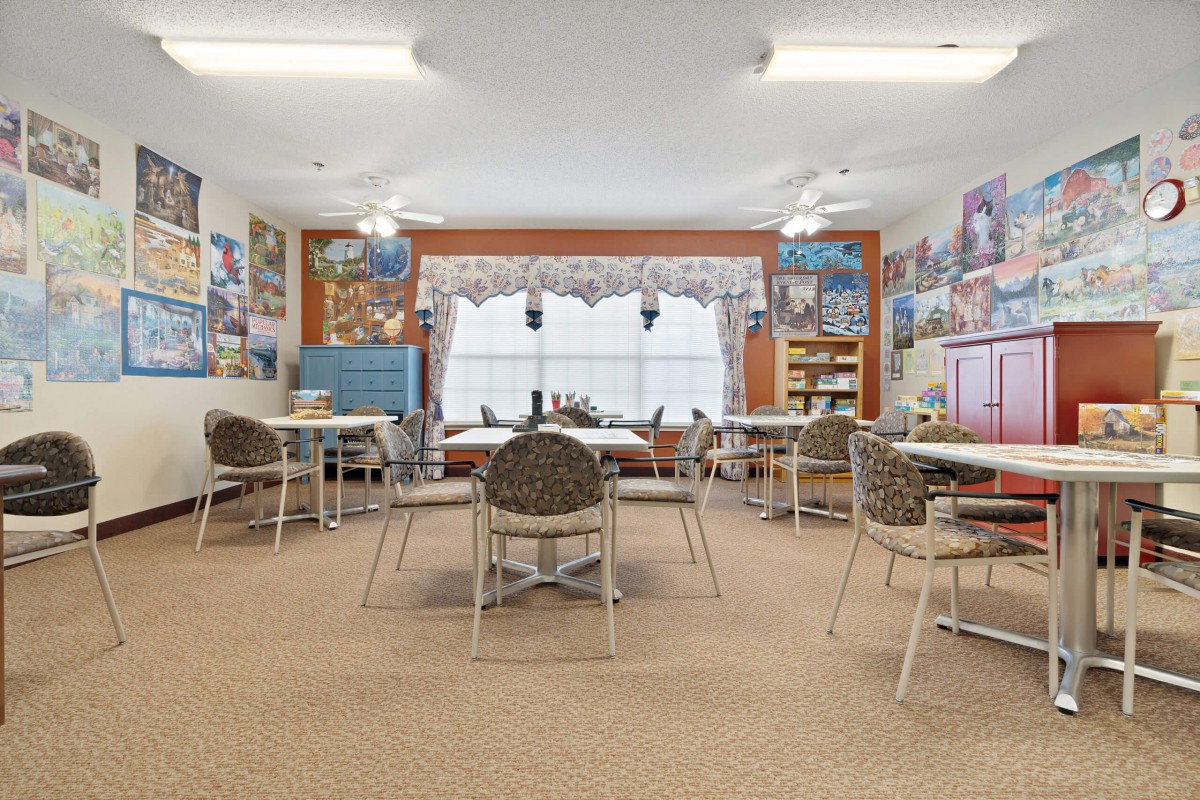
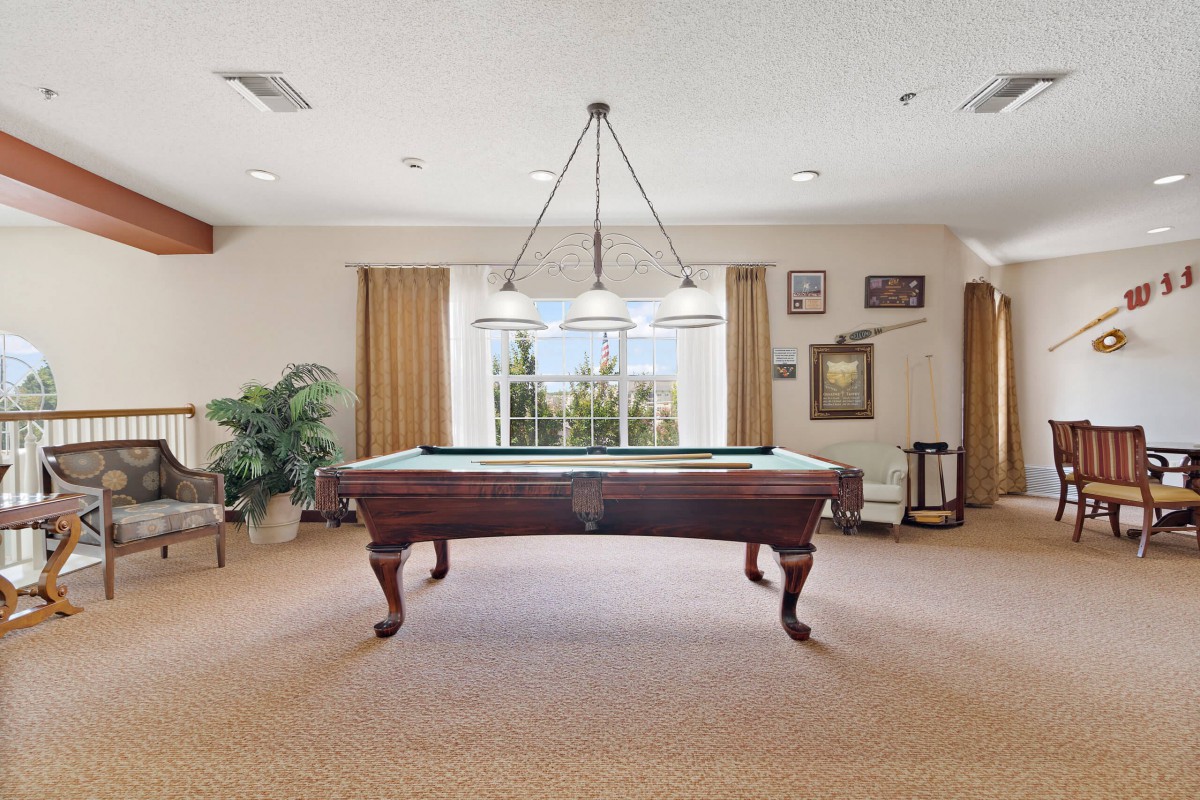
  • Indoor common areas Indoor common areasIndoor common areas are crucial for seniors as they provide a space for socialization, recreation, and community engagement, promoting overall well-being and reducing feelings of isolation and loneliness.
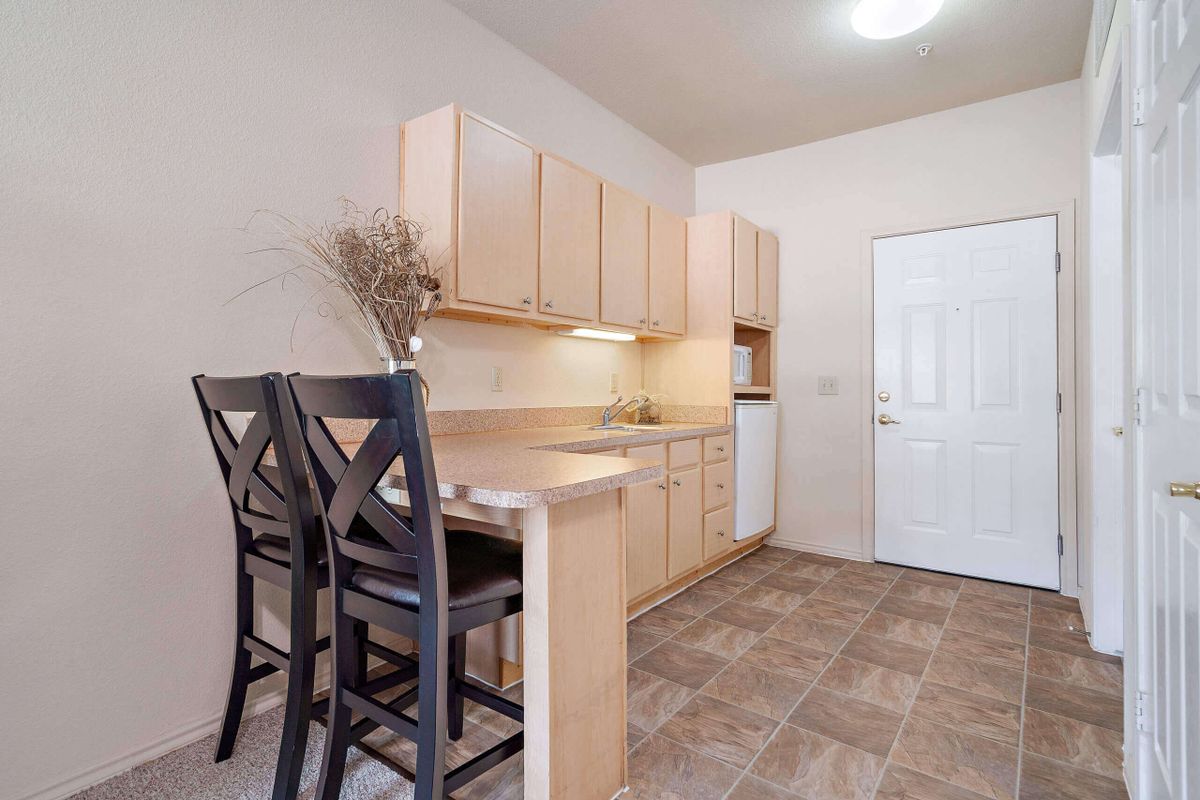
  • Kitchenette KitchenetteKitchenettes are important for seniors living in senior living communities because they provide the convenience and independence of being able to prepare simple meals and snacks in the comfort of their own living space. This can help promote a sense of autonomy and well-being for seniors, allowing them to maintain some level of control over their dietary choices and daily routines.
  • Move-in coordination Move-in coordinationMove-in coordination is important for seniors because it helps ease the transition into their new living environment. It ensures that all logistics, such as packing, organizing movers, and setting up utilities are taken care of, allowing seniors to focus on settling in and adjusting to their new home. Having a smooth move-in process can alleviate stress and anxiety, making the transition smoother and more enjoyable for seniors.
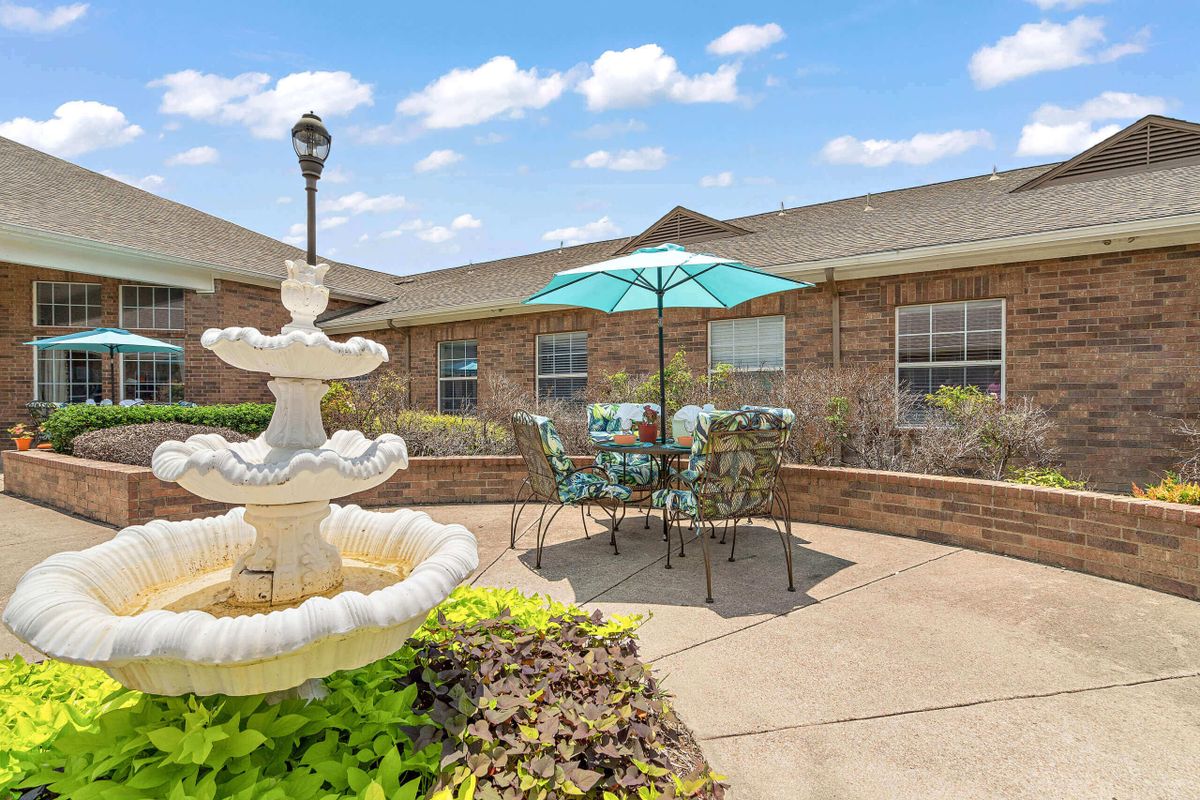
  • Outdoor common areas Outdoor common areasOutdoor common areas are important for seniors as they provide a space for socialization, physical activity, and relaxation. Being outside in nature can improve mood and overall well-being, while also encouraging movement and engagement with others. These spaces can help combat feelings of isolation and promote a sense of community among residents.
  • Outdoor space Outdoor spaceOutdoor spaces are important for seniors as they provide opportunities for physical activity, social interaction, exposure to natural light and fresh air, and a sense of connection to nature. Having access to outdoor spaces can improve overall well-being and quality of life for older adults living in senior communities.
  • Telephone TelephoneTelephones are important for seniors as they provide a lifeline for communication with loved ones, emergency services, and healthcare providers. They offer a sense of security and independence, enabling seniors to stay connected and access assistance when needed.
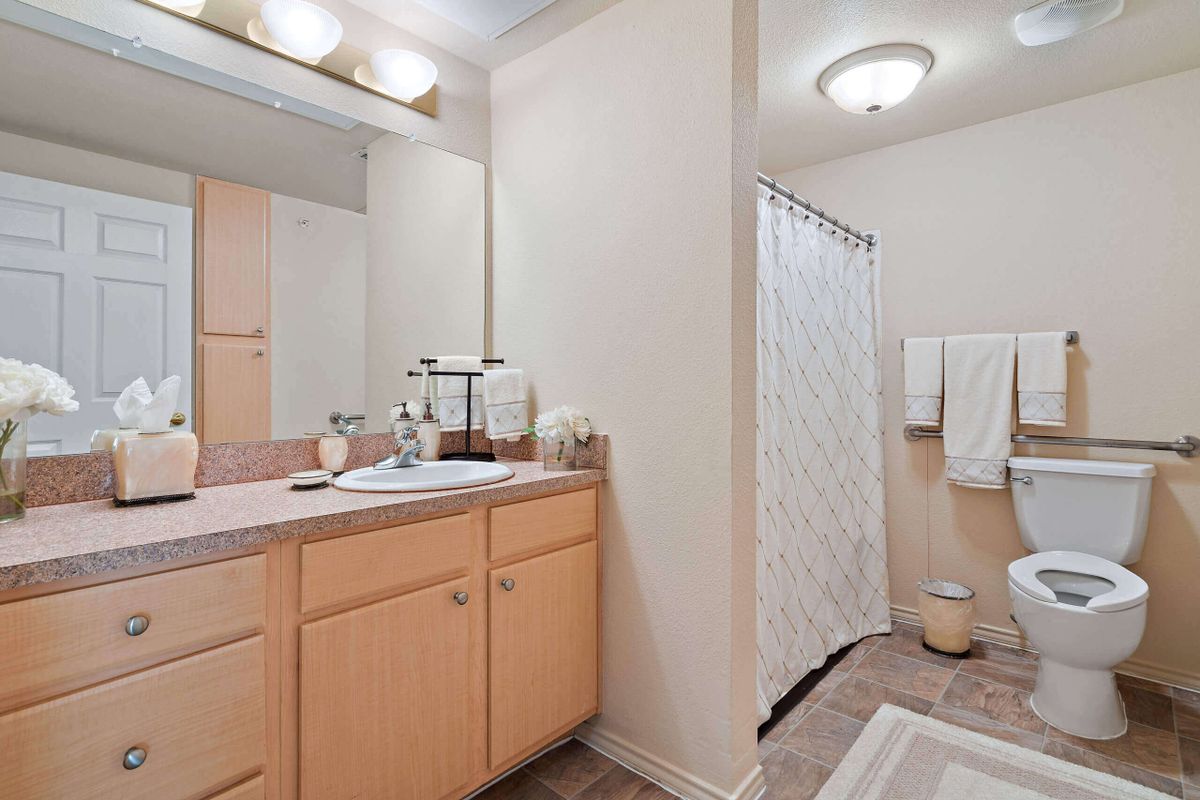
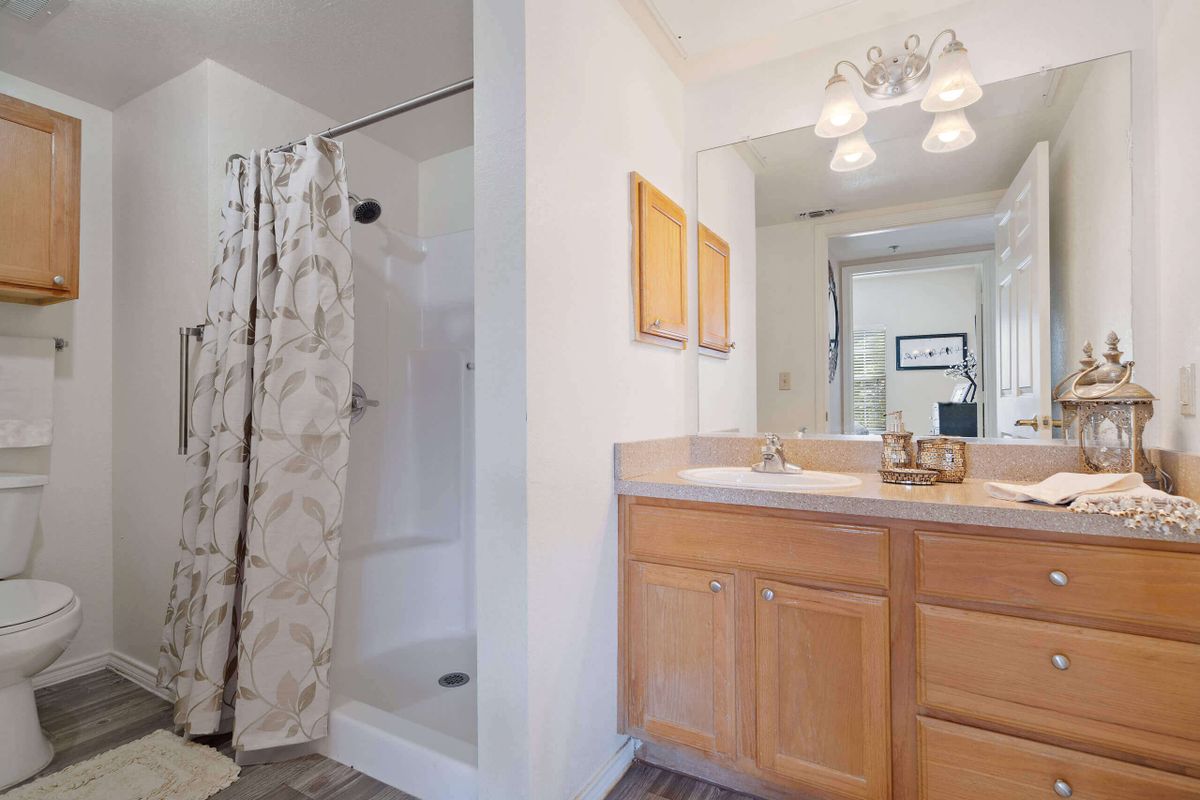
  • Wheelchair accessible showers Wheelchair accessible showersWheelchair accessible showers are crucial for seniors as they provide a safe and independent bathing option for those with mobility challenges. These showers help prevent falls and allow seniors to maintain their dignity and autonomy while ensuring they can bathe comfortably.
  • Wi-Fi/high-speed internet available Wi-Fi/high-speed internet availableWi-Fi/high-speed internet is important for seniors to stay connected with loved ones, access online resources, and participate in virtual activities to combat feelings of loneliness and isolation. It also allows them to easily manage healthcare needs, access entertainment, and engage in lifelong learning opportunities.

Transportation

  • Dallas Love (18 miles away) Dallas Love (18 miles away)
  • Dallas-Fort Worth International (21 miles away) Dallas-Fort Worth International (21 miles away)

Care Services

  • 24-hour call system 24-hour call system24-hour call systems are important for seniors because they provide peace of mind and immediate assistance in case of emergencies. This technology ensures that help is always available, promoting safety and security for elderly individuals living alone or in assisted living facilities.
  • 24-hour supervision 24-hour supervision24-hour supervision is important for seniors to ensure their safety, well-being, and access to immediate assistance in case of emergencies or health issues. This constant support provides peace of mind for both seniors and their loved ones, allowing them to age in place with dignity and security.
  • Activities of daily living assistance Activities of daily living assistanceActivities of daily living assistance are important for seniors because they provide essential support with tasks such as eating, bathing, dressing, and mobility. This assistance helps seniors maintain their independence, dignity, and overall quality of life as they age.
  • Assistance with bathing Assistance with bathingAssistance with bathing is crucial for seniors as it helps maintain personal hygiene, prevents infections, and ensures their overall well-being and comfort. It also provides a sense of dignity and independence for seniors who may struggle with this task on their own.
  • Assistance with dressing Assistance with dressingAssistance with dressing is important for seniors because it helps maintain their independence, promotes personal hygiene, prevents accidents and injuries, and improves overall quality of life. This service ensures that seniors can continue to dress comfortably and confidently, despite any physical limitations they may have.
  • Assistance with transfers Assistance with transfersAssistance with transfers is crucial for seniors as it helps prevent falls and injuries, maintains their independence, and ensures they can safely navigate their living environment. It also provides peace of mind for both seniors and their loved ones.
  • Coordination with health care providers Coordination with health care providersCoordination with health care providers is crucial for seniors to ensure proper medical care, medication management, and overall well-being. This collaboration helps prevent overlapping treatments, track progress more effectively, and provide comprehensive support tailored to individual needs.
  • Dementia waiver Dementia waiverDementia waivers are essential for seniors as they provide critical protections and accommodations for those experiencing cognitive decline. These waivers ensure individuals with dementia receive appropriate care, support, and resources to maintain their quality of life and dignity as they navigate the challenges of this progressive condition.
  • Diabetes diet Diabetes dietA diabetes diet is crucial for seniors as it helps manage blood sugar levels, reduce risks of complications, and improve overall health and well-being. By following a balanced and nutritious diet tailored to their specific needs, seniors can better control their diabetes and enhance their quality of life.
  • Hospice waiver Hospice waiverHospice waivers are important for seniors because they allow individuals to receive specialized end-of-life care and support at home or in a hospice facility. This waiver ensures that seniors can access the necessary resources and services to maintain comfort and dignity during their final days.
  • Meal preparation and service Meal preparation and serviceMeal preparation and service are crucial for seniors as they may have limited mobility or energy to cook nutritious meals. Having access to healthy and convenient food options can ensure they are getting the proper nutrition needed to maintain their overall health and well-being.
  • Medication management Medication managementMedication management is crucial for seniors to ensure they are taking the right medications at the correct dosages and times. This helps prevent adverse drug interactions, reduces the risk of medication errors, and promotes overall health and well-being. Proactive management also allows for adjustments as needed based on changing health conditions or new prescriptions.
  • Mental wellness program Mental wellness programMental wellness programs are essential for seniors as they promote cognitive stimulation, emotional support, and social engagement. These programs help prevent isolation, depression, and cognitive decline, ultimately enhancing the overall quality of life for older adults.
  • Mild cognitive impairment Mild cognitive impairment"Mild cognitive impairment" is important for seniors because it is an early stage of cognitive decline that can potentially progress to more severe conditions such as dementia. Recognizing and addressing mild cognitive impairment can help seniors receive appropriate care and support to maintain their quality of life and independence for as long as possible.
  • Special dietary restrictions Special dietary restrictionsSpecial dietary restrictions are important for seniors because age-related changes in metabolism and health conditions can make it difficult for their bodies to process certain foods. By following a diet tailored to their specific needs, seniors can maintain their overall health and well-being, manage chronic conditions, and reduce the risk of complications such as malnutrition or food interactions with medications.
  • Specialized memory care programming Specialized memory care programmingSpecialized memory care programming is crucial for seniors with cognitive impairments such as dementia or Alzheimer's disease. These programs provide a safe and supportive environment tailored to the unique needs of individuals with memory loss, helping them maintain their independence, dignity, and quality of life.
  • Transportation arrangement (medical) Transportation arrangement (medical)Transportation arrangements for medical purposes are essential for seniors as they may have difficulty driving themselves to appointments or accessing public transportation. Having reliable and safe transportation options ensures that seniors can receive timely medical care and maintain their health and well-being.
  • Transportation to doctors appointments Transportation to doctors appointmentsTransportation to doctors' appointments is crucial for seniors as it ensures they have access to necessary medical care and support for their health needs. Without reliable transportation, seniors may struggle to attend important appointments, leading to potential delays in treatment and health complications. Providing transportation services helps seniors maintain their overall well-being and quality of life.

Dining

  • Diabetes diet Diabetes dietA diabetes diet is crucial for seniors as it helps manage blood sugar levels, reduce risks of complications, and improve overall health and well-being. By following a balanced and nutritious diet tailored to their specific needs, seniors can better control their diabetes and enhance their quality of life.
  • Guest meals Guest mealsGuest meals are important for seniors living in senior living communities because they provide an opportunity for socialization and companionship. Sharing a meal with friends, family, or new acquaintances can help combat feelings of loneliness and isolation, promote a sense of community, and enhance overall well-being. Additionally, guest meals allow seniors to enjoy delicious food in a comfortable setting without the hassle of cooking or cleaning up, making dining a pleasurable and stress-free experience.
  • Meals provided Meals provided"Meals provided" are crucial for seniors in assisted living communities as it ensures they have access to nutritious, balanced meals without the stress of meal planning and preparation. This can help promote overall health and well-being for seniors who may have limited mobility or cognitive abilities.
  • Professional chef Professional chefProfessional chefs are important for seniors living in senior living communities because they provide nutritious and delicious meals that cater to their dietary needs and preferences. A professional chef can ensure that seniors are receiving balanced, flavorful meals that support their overall health and well-being.
  • Restaurant style dining Restaurant style diningRestaurant style dining is important for seniors as it offers them a social and enjoyable dining experience, promotes healthy eating habits, and provides personalized menu options to cater to their dietary needs and preferences. This type of dining setting can enhance their overall quality of life and create a sense of community within the senior living facility.
  • Room service Room serviceRoom service is important for seniors in a senior living community because it provides convenience and allows them to have their meals delivered directly to their room. This can be especially beneficial for seniors who may have mobility issues or difficulty accessing the dining area. Room service ensures that seniors are able to receive nutritious meals without having to navigate through the facility, allowing them to maintain their independence and overall well-being.
  • Special dietary restrictions Special dietary restrictionsSpecial dietary restrictions are important for seniors because age-related changes in metabolism and health conditions can make it difficult for their bodies to process certain foods. By following a diet tailored to their specific needs, seniors can maintain their overall health and well-being, manage chronic conditions, and reduce the risk of complications such as malnutrition or food interactions with medications.

Activities

  • Art classes Art classesArt classes are important for seniors because they provide a creative outlet, improve cognitive function, reduce stress and anxiety, promote socialization, and enhance overall well-being and quality of life.
  • Brain fitness Brain fitnessBrain fitness is important for seniors as it helps to maintain cognitive function, memory, and overall mental well-being. Engaging in activities that challenge the brain can help prevent cognitive decline and promote a healthier, more fulfilling quality of life in older adults.
  • Community-sponsored activities Community-sponsored activitiesCommunity-sponsored activities are important for seniors as they provide opportunities for social interaction, mental stimulation, and physical activity. These activities can help improve overall well-being, combat loneliness and isolation, and promote a sense of belonging and purpose among older adults.
  • Day trips and outings Day trips and outingsDay trips and outings are important for seniors as they provide opportunities for socialization, mental stimulation, physical activity, and a break from daily routines. These experiences can enhance overall well-being and quality of life for older adults living in senior communities.
  • Devotional activities on-site Devotional activities on-siteDevotional activities on-site provide seniors with a sense of community, spiritual fulfillment, and emotional support, promoting overall well-being and a positive sense of purpose in their lives.
  • Educational speakers / life long learning Educational speakers / life long learningEducational speakers and lifelong learning opportunities are crucial for seniors as they provide mental stimulation, promote social engagement, and contribute to overall well-being. Continuous learning helps seniors stay mentally sharp, build new skills, and maintain a sense of purpose and fulfillment in their lives. It also allows them to stay connected to the world around them and fosters a sense of community within senior living facilities.
  • Fitness programs Fitness programsFitness programs are crucial for seniors as they help improve strength, flexibility, balance, and overall well-being. Staying active can reduce the risk of chronic diseases, improve mental health, and enhance quality of life in older adults.
  • Forever fit Forever fit"Forever fit" programs are crucial for seniors as they promote physical activity, social engagement, and overall well-being. These programs help seniors maintain their independence, improve their strength and flexibility, and reduce the risk of chronic diseases. By participating in these activities, seniors can enjoy a higher quality of life and live independently for longer.
  • Happy hour Happy hourHappy hour is important for seniors as it provides a social activity that promotes camaraderie and reduces feelings of loneliness or isolation. It also offers an opportunity for older adults to relax, unwind, and enjoy some drinks or snacks in a fun and welcoming atmosphere.
  • Live dance or theater performances Live dance or theater performancesLive dance or theater performances are important for seniors because they provide opportunities for socialization, mental stimulation, and emotional engagement. These performances can help combat feelings of isolation and loneliness, while also offering a sense of connection to the arts and culture. Additionally, watching live performances can bring joy and create lasting memories for seniors in their later years.
  • Live musical performances Live musical performancesLive musical performances can provide seniors with a sense of joy, nostalgia, and connection. Music has the power to evoke emotions and memories, improve mood and cognitive function, and foster social interaction among seniors. It can also serve as a form of therapy and stress relief for older adults, making it an important activity to include in senior living communities.
  • Resident-run activities Resident-run activitiesResident-run activities are important for seniors as they encourage social interaction, creativity, and a sense of autonomy. These activities empower seniors to stay engaged and active in their community while fostering meaningful connections with their peers.
  • Scheduled daily activities Scheduled daily activitiesScheduled daily activities are important for seniors because they provide structure, socialization, mental stimulation, and physical activity. Engaging in regular activities can improve overall well-being and quality of life for seniors living in a community setting.
  • Stretching classes Stretching classesStretching classes are important for seniors because they help improve flexibility, reduce the risk of injury, and promote overall health and well-being. Regular stretching can also help alleviate joint pain and stiffness, enhance balance and coordination, and increase range of motion.
  • Wine tasting Wine tastingWine tasting can be a fun and social activity for seniors, allowing them to engage their senses, learn about different varieties of wine, and potentially meet new friends. It also offers health benefits such as improved cognitive function and reduced risk of heart disease when consumed in moderation.
  • Yoga / chair yoga Yoga / chair yogaYoga and chair yoga are important for seniors as they promote flexibility, balance, strength, and overall wellbeing. These practices can help improve mobility, reduce stress, and enhance mental clarity, ultimately leading to a higher quality of life in their senior years.

Description

Morada Cedar Hill is an assisted living community located in Cedar Hill, TX. We offer a range of care services including independent living and memory care for those with Alzheimer's or other forms of dementia. Our community is well-equipped with amenities to ensure the comfort and convenience of our residents.

Residents can enjoy various activities on-site to stay engaged and socialize with others. Our air-conditioned apartments are fully furnished and equipped with modern amenities such as cable or satellite TV and Wi-Fi/high-speed internet. We also have a comfortable dining room where residents can enjoy delicious meals prepared by our professional chef. Special dietary restrictions are accommodated.

At Morada Cedar Hill, we provide 24-hour supervision and assistance with daily living activities such as bathing, dressing, and transfers. Our experienced staff coordinates with healthcare providers to ensure residents receive the necessary care. We also offer specialized memory care programming for those with dementia, as well as mental wellness programs for overall emotional wellbeing.

Our community offers a range of recreational activities to keep residents active and entertained. This includes brain fitness exercises, educational speakers, fitness programs, stretching classes, live dance or theater performances, and resident-run activities. Residents can also enjoy day trips and outings to nearby attractions.

Additionally, our location offers convenient access to nearby cafes, parks, pharmacies, physicians' offices, and restaurants. Transportation arrangements are available for medical appointments.

Morada Cedar Hill is a warm and welcoming community that prioritizes the comfort and wellbeing of our residents. With our variety of care services, amenities, and recreational activities, we strive to create a fulfilling living experience for all members of our community.

Videos

Nearby Places of Interest

This part of Cedar Hill, Texas offers a variety of amenities that cater to the needs of seniors. There are several restaurants nearby such as IHOP and Chili's Grill & Bar for dining options, as well as cafes like Panera Bread and multiple Starbucks locations for coffee outings. In terms of healthcare, there are pharmacies like Walgreens and CVS Pharmacy within a short distance, along with physicians' offices like Karen Baker, MD - Family Medicine and Southwest Urology Associates for medical care. Additionally, there are parks like Cedar Hill State Park and Valley Ridge Park for leisurely walks and outdoor activities. Nearby hospitals such as Methodist Rehabilitation Hospital provide access to quality healthcare services. Places of worship like Matthew Road Baptist Church and Creekwood Church offer spiritual support for those seeking religious community involvement.

Restaurants

  • Menchie's - Hillside Village (0.4 miles)
  • Whataburger (0.6 miles)
  • KFC (0.7 miles)
  • McDonald's (0.7 miles)
  • IHOP (0.7 miles)
  • Chili's Grill & Bar (0.9 miles)
  • Chick-Fil-A (1.1 miles)

Cafes

  • Panera Bread (0.8 miles)
  • Starbucks (1.2 miles)
  • Starbucks (2.7 miles)
  • Starbucks (5.6 miles)
  • Starbucks (5.7 miles)
  • Panera Bread (5.8 miles)
  • Starbucks (7.3 miles)

Pharmacies

  • Walgreens (1.4 miles)
  • CVS Pharmacy (3.2 miles)
  • Walgreens (3.2 miles)
  • CVS Pharmacy (3.4 miles)
  • Albertsons Pharmacy (3.5 miles)
  • CVS Pharmacy (4.4 miles)
  • Walgreens (4.5 miles)

Physicians

  • Karen Baker, MD - Family Medicine (1.9 miles)
  • Methodist Family Health Center - Cedar Hill East (1.9 miles)
  • Total Eye Care (3.2 miles)
  • Southwest Urology Associates (4.7 miles)
  • Raymond S Khouw (5 miles)
  • Methodist Charlton Medical Center - Azhar A Kazi MD (5 miles)
  • Texas Oncology (5 miles)

Parks

  • Cedar Hill State Park (2.1 miles)
  • Valley Ridge Park (4.8 miles)
  • Webb Community Park (8.4 miles)
  • Elmer W. Oliver Nature Park (9.1 miles)

Hospitals

  • Methodist Rehabilitation Hospital (5.3 miles)
  • ER at Grand Prairie (6.3 miles)
  • Medical Center At Lancaster (7.9 miles)
  • Methodist Mansfield Medical Center (8.9 miles)
  • JPS Diagnostic and Surgery Hospital (9.1 miles)

Places of Worship

  • Matthew Road Baptist Church (5.9 miles)
  • Rccg House On The Rock (6.1 miles)
  • Walnut Ridge Baptist Church (8 miles)
  • Creekwood Church (8.7 miles)
  • Mansfield Bible Church (8.9 miles)

Frequently Asked Questions

How much does it cost to live at Morada Cedar Hill in Cedar Hill, TX?
Where is Morada Cedar Hill?
Does Morada Cedar Hill provide care for residents with dementia or Alzheimer's disease?
Does Morada Cedar Hill allow residents to have pets?
What photos are available for Morada Cedar Hill in Cedar Hill, Texas?

Nearby Communities

  • Morada Cedar Hill II

    Morada Cedar Hill II

    Cedar Hill, TX

    4.1 from 101 reviews
     

    pro Specialized memory care with 24/7 staff and extensive amenities (dining, activities, wellness, transportation).
  • Crestview Court

    Crestview Court

    Cedar Hill, TX

    4.3 from 135 reviews
    $4,500 / month

    pro Well-kept, pleasant environment with engaging activities and comfortable accommodations.

  • Morada Cedar Hill Assisted Living and Memory Care

    Morada Cedar Hill Assisted Living and Memory Care

    Cedar Hill, TX

    4.1 from 128 reviews
    $2,570 to $4,250 / month

    pro Loving, attentive staff and a clean, homey environment.

  • The Luxe at Cedar Hill

    The Luxe at Cedar Hill

    Cedar Hill, TX

    4.3 from 55 reviews
    $1,225 to $1,780 / month

    pro Friendly staff and a welcoming, active community.

  • Angels of Hands Assisted Living

    Angels of Hands Assisted Living

    Cedar Hill, TX

    3.3 from 3 reviews
     

    pro Convenient location near cafes, parks, pharmacies, physicians, restaurants, and a hospital.

  • Cedar Hill Healthcare Center

    Cedar Hill Healthcare Center

    Cedar Hill, TX

    3.7 from 88 reviews
     

    pro Some full-time staff show genuine care; good meals and pleasant grounds.

  • Angels of Hands Assisted Living

    Angels of Hands Assisted Living

    Lancaster, TX

    4.3 from 8 reviews
    $3,000 / month

    pro Affordable pricing with comprehensive on-site care and amenities.

  • The Pavilion At Creekwood

    The Pavilion At Creekwood

    Mansfield, TX

    3.1 from 106 reviews
    $2,800 / month

    pro Strong rehabilitation services in a modern, well-maintained setting.

  • The Orchard at Arlington Highlands

    The Orchard at Arlington Highlands

    Arlington, TX

    4.6 from 73 reviews
    $1,705 to $2,263 / month

    pro Active 55+ community with extensive amenities, strong management, and secure, well-kept facilities.

Related Resources

  • how to talk to someone with dementiaHow to Communicate with a Loved One Living with Dementia: 10 Supportive Strategies
    The article outlines effective communication strategies for interacting with loved ones with dementia, highlighting the need for empathy, patience, and understanding while emphasizing supportive approaches like using simple language, minimizing distractions, and focusing on feelings over facts to maintain dignity and foster connection. It also suggests seeking professional guidance when needed as communication challenges evolve.

  • va nursing homeComprehensive Guide to VA Nursing Homes: A Crucial Long-Term Care Resource for Veterans

    VA nursing homes, or Community Living Centers (CLCs), offer tailored long-term care for veterans, featuring medical attention and rehabilitation in a supportive environment. The guide covers facility types, eligibility criteria, financial assistance options, quality of care standards, and alternatives to full-time nursing home placement.

  • in home dementia care costsEstimating the Expenses of At-Home Dementia Care: A Detailed Exploration
    At-home dementia care expenses vary widely based on care levels, location, and caregiver expertise, with monthly costs for home health aides exceeding $4,500 and specialized care potentially surpassing $100,000 annually. While families favor in-home care for its comfort and personalized attention, they must consider financial planning and the challenges of caregiver fatigue.