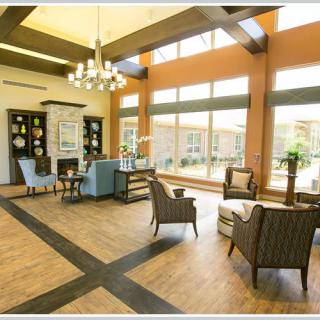
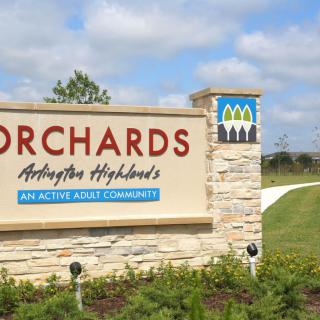
Morada Cedar Hill II in Cedar Hill, TX

Save
Morada Cedar Hill II Morada Cedar Hill II Morada Cedar Hill II

Morada Cedar Hill II in Cedar Hill, TX

Information last verified:

225 West Pleasant Run Road, Cedar Hill, TX 75104

For more information about senior living options: (844) 490-3973

4.1 from 101 reviews
5 stars
72
4 stars
6
3 stars
2
2 stars
3
1 stars
18

Seniors.FYI Elite Community Awards

Top 5% Senior Living Community in 2023

Add this award to your website

Overall Review of Morada Cedar Hill II

Pros

  • pro Gloria is a genuine gem who shows love and concern for the residents.
  • pro The staff are very attentive, and the food is amazing.
  • pro Mckenzie is especially helpful, making the process smooth and easy.
  • pro The community has been great for four months.
  • pro The staff were great, and the residents were welcoming and caring.
  • pro The rooms are affordable, the staff are wonderful, and the med techs are kind and attentive.
  • pro Ginger is kind, professional, and keeps residents well informed.
  • pro Jessica is an awesome activities director, and there are always fun activities.
  • pro Morada Cedar Hill feels like one big family, with Cathy being patient, caring, and thoughtful.

Cons

  • pro The new management billed patients arbitrarily and even issued eviction notices without explanation.
  • pro Morada is accused of mishandling funds, including losing a rent check and prompting a bank investigation.
  • pro The facility is alleged to be stealing from residents and double-charging rent after it’s already paid.
  • pro The bookkeeper allegedly never follows up on billing issues.
  • pro Former residents say they were not treated with respect upon moving out.
  • pro Reviewers describe Morada as unorganized and unloving, as if they take from families.
  • pro The memory care unit is deemed unqualified to provide proper dementia care.
  • pro Night shifts reportedly leave residents dirty, with morning staff cleaning them later.

Review

Morada Cedar Hill II is best suited for families seeking a warm, people-first community where residents are enveloped by a lively social fabric, tasty meals, and abundant daytime activities. The place shines for those who want a home-like atmosphere with authentic personal connections to staff and fellow residents, front-desk warmth from Gloria, attentive med techs, and activity teams that regularly orchestrate outings, movie nights, and craft sessions. It works well for seniors who are transitioning from independent living to assisted living and those who value a strong sense of “being cared for like family.” The memory-care option is present, and several caregivers and directors earn praise for their compassion and the way they tailor routines to individual needs. In short, this community delivers a high-quality life experience for residents who prize social engagement, approachable staff, and a welcoming campus.

However, the community is not the right fit for every family. A recurring theme in the feedback is the need for tighter financial controls and clearer communication around billing. Several reviews allege billing inconsistencies or overcharges, including eviction-like notices and difficulty obtaining refunds or detailed explanations. Those who require rigorous, error-free financial stewardship should proceed with extreme diligence and demand written policies, itemized statements, and prompt escalation pathways to corporate leadership. Additionally, safety and care quality concerns recur in the narratives: accounts of assaults by staff, claims of neglect or uneven care, and reports of care gaps after leadership changes. For families prioritizing needle-point safety, predictable care, and consistently transparent governance, alternatives with clearer track records may be worth exploring.

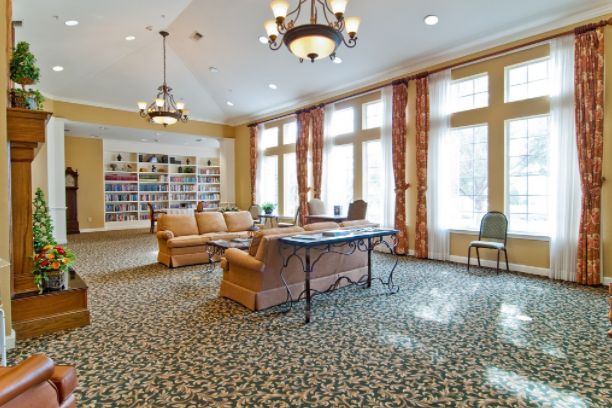
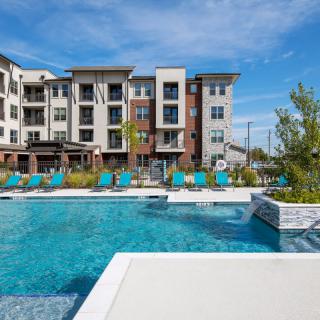
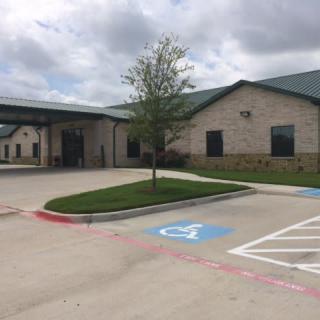
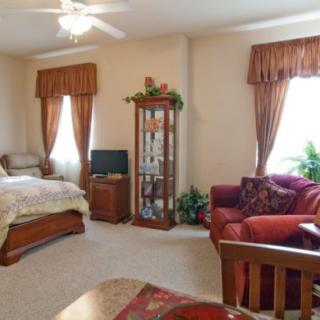
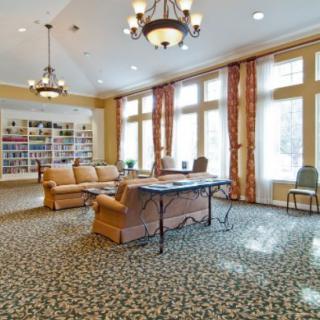
The strongest case for Morada Cedar Hill II rests on tangible, everyday strengths that frequently offset concerns for many families. The dining program earns praise for delicious, varied meals, with residents noting that the kitchen staff delivers consistent quality. The facility itself is described as clean, well-maintained, and thoughtfully designed, with features such as a movie theater, common social spaces, and accessible activity options that create opportunities for resident interaction. Front-line staff earn trust for their responsiveness and warmth, with names like Ginger and Elizabeth repeatedly highlighted for keeping families informed and residents engaged. The activities team, led by Kiki and supported by Felicia, gets residents out into the community and into routines that foster a sense of belonging. When care teams function smoothly, families feel empowered and comfortable with daily life inside the community.

Memory care, in particular, illustrates the mixed but instructive reality at Morada Cedar Hill II. Several reviews celebrate dedicated caregivers and memory-care professionals who connect with residents, organize meaningful activities, and foster a sense of dignity. Elizabeth, Twania, and KiKi emerge as touchpoints when families seek reassurance about routine, safety, and personalized care. Yet other accounts describe uneven hands-on care, communication missteps, and a loss of continuity after staff turnover or leadership shifts. The result is a spectrum: for some families, the memory-care experience is compassionate and well-tuned; for others, concerns about consistency and oversight persist. This suggests a prudent approach: evaluate memory care separately, with direct conversations about staffing ratios, training, incident reporting, and concrete care plans before committing.

Financial and operational realities further shape the decision calculus. The most cautionary notes center on disputes over charges and the perception that administrative processes can lag or become opaque. Prospective residents should request a comprehensive, written understanding of all fees, how charges are calculated, and the steps for dispute resolution. In parallel, confirm the facility’s escalation path to regional leadership or corporate offices, and insist on timely responses to questions or concerns. The reviews that speak highly of admission and marketing staff signal a strong first impression; use that to secure a formal, clearly defined transition plan with the exact dates of service start, billing cycles, and any prorations. The practical takeaway is to couple the positive experiences of staff with a rigorous, paper-trail-driven approach to finances.

In the end, Morada Cedar Hill II offers a compelling option for families who value community, connection, and quality-of-life amenities. The pros, affectionate, attentive staff; robust programming; clean, well-appointed spaces; and food that many residents genuinely enjoy, often create a compelling case for choosing this community. The main drawbacks revolve around governance and care consistency: financial disputes, reports of neglect or safety incidents, and variability in how memory care is staffed and managed. For families where those negatives are manageable or where the positives align with their loved one’s preferences, Morada Cedar Hill II remains a strong contender. For others, particularly those needing ironclad financial controls or highly regulated, consistently hands-on dementia care, it makes sense to compare alternatives and push for detailed, verifiable assurances before committing.

When forming a final decision, the recommended approach is disciplined and thorough. Schedule multiple visits, including time in memory-care spaces, and request candid conversations with the Executive Director, the Memory-Care Director, and the Wellness Director. Speak with current residents and family sponsors about daily routines, incident reporting, and how often they see care plans updated. Review state inspection reports and ask for sample care plans, medication administration records, and staff-to-resident ratios. Require written policies on billing, refunds, and dispute resolution, and confirm contact points for escalation beyond the local campus. If the goal is a vibrant, welcoming home with rich activities and a committed front-line team, Morada Cedar Hill II can deliver. If the priority is flawless financial governance and unimpeachable, consistently high-touch dementia care, the search should continue a bit longer.

Features

Housing

  • 85 resident community capacity 85 resident community capacity

Types of Care

  • Assisted Living Assisted LivingAssisted living facilities provide crucial support and care for seniors who may need help with daily tasks such as medication management, bathing, and meal preparation. These communities offer a safe and comfortable environment where seniors can maintain their independence while receiving the assistance they need to thrive in their golden years.
  • Memory Care Memory CareMemory care is crucial for seniors as it provides specialized support and services for individuals with dementia or Alzheimer's disease. These programs offer a safe and secure environment where residents receive personalized care, cognitive stimulation, and help with daily activities. Memory care helps seniors maintain their independence, quality of life, and dignity while also providing peace of mind for their families.

Amenities

  • Air-conditioning Air-conditioningAir conditioning is important for seniors as they are more vulnerable to heat-related illnesses and may have underlying health conditions that make it difficult for them to regulate their body temperature. It helps to keep them comfortable, safe, and healthy in hot weather.
  • Beauty salon Beauty salonBeauty salons are important for seniors because they provide a space for them to feel pampered, socialize, and maintain their personal grooming and hygiene. Regular visits to a beauty salon can help boost seniors' self-esteem and overall well-being.
  • Cable or satellite TV Cable or satellite TVCable or satellite TV is important for seniors because it provides entertainment, news, and companionship, helping to combat loneliness and boredom. It also offers a wide range of programming options tailored to different interests and preferences.
  • Computer center Computer centerA computer center is essential for seniors as it provides access to technology, communication tools, and resources that can enhance their daily lives. It allows them to stay connected with loved ones, engage in online activities, and learn new skills, ultimately promoting socialization and mental stimulation.
  • Dining room Dining roomDining rooms are important for seniors as they provide a space for socialization, connection, and nutritious meals. They offer opportunities for residents to bond over shared meals, foster a sense of community, and promote healthy eating habits. Dining rooms also ensure that seniors have access to well-balanced meals tailored to their dietary needs and preferences.
  • Fitness room Fitness roomHaving a fitness room in a senior living community is essential for seniors to stay active, maintain their physical health, and improve their overall well-being. Regular exercise can help prevent falls, reduce the risk of chronic diseases, and promote mental sharpness. It also provides social opportunities for residents to connect with others and enjoy a sense of community.
  • Fully furnished Fully furnishedFully furnished senior living communities are important for seniors because they provide convenience, comfort, and a hassle-free moving experience. Seniors can easily settle into their new living space without the stress of having to buy and move furniture. This allows them to focus on enjoying their new home and community.
  • Gaming room Gaming roomGaming rooms are important for seniors as they provide a fun and engaging environment for socializing, cognitive stimulation, and physical activity. Games can improve memory, problem-solving skills, and overall mental well-being while fostering friendships and reducing feelings of isolation.
  • Garden GardenGardens are important for seniors as they provide a peaceful and therapeutic environment for relaxation, physical activity, and socialization. Being in nature has been shown to reduce stress, improve mood, and promote overall well-being. Gardens also offer opportunities for seniors to engage in gardening activities, which can improve mobility, flexibility, and cognitive function. Additionally, gardens create a sense of community and connection with others who share a passion for plants and outdoor spaces.
  • Housekeeping services Housekeeping servicesHousekeeping services are important for seniors because they help maintain a clean and safe living environment, promote independence, and reduce the risk of accidents or illnesses. Additionally, having assistance with household chores can alleviate physical strain and allow seniors to focus on other aspects of their well-being.
  • Kitchenette KitchenetteKitchenettes are important for seniors living in senior living communities because they provide the convenience and independence of being able to prepare simple meals and snacks in the comfort of their own living space. This can help promote a sense of autonomy and well-being for seniors, allowing them to maintain some level of control over their dietary choices and daily routines.
  • Move-in coordination Move-in coordinationMove-in coordination is important for seniors because it helps ease the transition into their new living environment. It ensures that all logistics, such as packing, organizing movers, and setting up utilities are taken care of, allowing seniors to focus on settling in and adjusting to their new home. Having a smooth move-in process can alleviate stress and anxiety, making the transition smoother and more enjoyable for seniors.
  • Outdoor space Outdoor spaceOutdoor spaces are important for seniors as they provide opportunities for physical activity, social interaction, exposure to natural light and fresh air, and a sense of connection to nature. Having access to outdoor spaces can improve overall well-being and quality of life for older adults living in senior communities.
  • Private bathrooms Private bathroomsPrivate bathrooms are important for seniors in senior living communities because they provide independence, dignity, and comfort. Having a private bathroom allows seniors to maintain their personal hygiene routines without the need for assistance, promoting a sense of autonomy and privacy. Additionally, private bathrooms help prevent the spread of infections and provide a safe and clean environment for seniors to navigate safely.
  • Restaurant-style dining Restaurant-style diningRestaurant-style dining is important for seniors because it allows them to enjoy delicious, nutritious meals in a social and upscale setting. This enhances their dining experience, promotes healthy eating habits, and fosters socialization with fellow residents, ultimately contributing to their overall well-being and quality of life.
  • Small library Small librarySmall libraries are important for seniors as they provide access to a variety of reading materials, including books, newspapers, and magazines. This can help stimulate their minds, keep them engaged, and provide a sense of community through book clubs and other social activities. Additionally, reading has been shown to improve cognitive function and overall mental well-being in older adults.
  • Telephone TelephoneTelephones are important for seniors as they provide a lifeline for communication with loved ones, emergency services, and healthcare providers. They offer a sense of security and independence, enabling seniors to stay connected and access assistance when needed.
  • Wellness center Wellness centerWellness centers are important for seniors because they offer a variety of programs and services that promote physical, mental, and emotional well-being. These centers provide opportunities for exercise, socialization, education, and relaxation, helping seniors maintain their overall health and quality of life.
  • Wi-Fi/high-speed internet available Wi-Fi/high-speed internet availableWi-Fi/high-speed internet is important for seniors to stay connected with loved ones, access online resources, and participate in virtual activities to combat feelings of loneliness and isolation. It also allows them to easily manage healthcare needs, access entertainment, and engage in lifelong learning opportunities.

Transportation

  • Dallas Love (18 miles away) Dallas Love (18 miles away)
  • Dallas-Fort Worth International (21 miles away) Dallas-Fort Worth International (21 miles away)
  • Community operated transportation Community operated transportationCommunity operated transportation is crucial for seniors as it provides them with the means to access essential services, social activities, and medical appointments. It allows seniors to maintain their independence and quality of life by ensuring they can participate in activities outside of their homes. Additionally, community-operated transportation services offer a safe and reliable way for seniors to travel without having to rely on family or friends for assistance.
  • Transportation arrangement Transportation arrangementTransportation arrangements are crucial for seniors as they may face challenges with driving, mobility, or access to public transportation. Having reliable transportation services ensures that seniors can easily attend appointments, social activities, and maintain their independence and quality of life.
  • Transportation arrangement (non-medical) Transportation arrangement (non-medical)Transportation arrangements are essential for seniors as they provide access to essential services, activities, and social interactions outside the home. This service helps maintain independence, mobility, and overall well-being for seniors who may have limited transportation options.
  • Transportation to doctors appointments Transportation to doctors appointmentsTransportation to doctors appointments is crucial for seniors as it ensures they have access to necessary medical care and support, promoting their health and well-being. It allows them to receive timely treatment, monitor existing conditions, and address any new health concerns efficiently. Additionally, transportation services can help seniors maintain their independence and quality of life by enabling them to stay connected with their healthcare providers.

Care Services

  • 12-16 hour nursing 12-16 hour nursing12-16 hour nursing care is crucial for seniors in order to ensure around-the-clock monitoring, timely medication administration, and prompt response to any health concerns or emergencies. This level of care helps to promote the overall well-being and safety of seniors living in senior living communities.
  • 24-hour call system 24-hour call system24-hour call systems are important for seniors because they provide peace of mind and immediate assistance in case of emergencies. This technology ensures that help is always available, promoting safety and security for elderly individuals living alone or in assisted living facilities.
  • 24-hour supervision 24-hour supervision24-hour supervision is important for seniors to ensure their safety, well-being, and access to immediate assistance in case of emergencies or health issues. This constant support provides peace of mind for both seniors and their loved ones, allowing them to age in place with dignity and security.
  • Activities of daily living assistance Activities of daily living assistanceActivities of daily living assistance are important for seniors because they provide essential support with tasks such as eating, bathing, dressing, and mobility. This assistance helps seniors maintain their independence, dignity, and overall quality of life as they age.
  • Assistance with bathing Assistance with bathingAssistance with bathing is crucial for seniors as it helps maintain personal hygiene, prevents infections, and ensures their overall well-being and comfort. It also provides a sense of dignity and independence for seniors who may struggle with this task on their own.
  • Assistance with dressing Assistance with dressingAssistance with dressing is important for seniors because it helps maintain their independence, promotes personal hygiene, prevents accidents and injuries, and improves overall quality of life. This service ensures that seniors can continue to dress comfortably and confidently, despite any physical limitations they may have.
  • Assistance with transfers Assistance with transfersAssistance with transfers is crucial for seniors as it helps prevent falls and injuries, maintains their independence, and ensures they can safely navigate their living environment. It also provides peace of mind for both seniors and their loved ones.
  • Diabetes diet Diabetes dietA diabetes diet is crucial for seniors as it helps manage blood sugar levels, reduce risks of complications, and improve overall health and well-being. By following a balanced and nutritious diet tailored to their specific needs, seniors can better control their diabetes and enhance their quality of life.
  • Meal preparation and service Meal preparation and serviceMeal preparation and service are crucial for seniors as they may have limited mobility or energy to cook nutritious meals. Having access to healthy and convenient food options can ensure they are getting the proper nutrition needed to maintain their overall health and well-being.
  • Medication management Medication managementMedication management is crucial for seniors to ensure they are taking the right medications at the correct dosages and times. This helps prevent adverse drug interactions, reduces the risk of medication errors, and promotes overall health and well-being. Proactive management also allows for adjustments as needed based on changing health conditions or new prescriptions.
  • Mental wellness program Mental wellness programMental wellness programs are essential for seniors as they promote cognitive stimulation, emotional support, and social engagement. These programs help prevent isolation, depression, and cognitive decline, ultimately enhancing the overall quality of life for older adults.
  • Mild cognitive impairment Mild cognitive impairment"Mild cognitive impairment" is important for seniors because it is an early stage of cognitive decline that can potentially progress to more severe conditions such as dementia. Recognizing and addressing mild cognitive impairment can help seniors receive appropriate care and support to maintain their quality of life and independence for as long as possible.
  • Special dietary restrictions Special dietary restrictionsSpecial dietary restrictions are important for seniors because age-related changes in metabolism and health conditions can make it difficult for their bodies to process certain foods. By following a diet tailored to their specific needs, seniors can maintain their overall health and well-being, manage chronic conditions, and reduce the risk of complications such as malnutrition or food interactions with medications.
  • Specialized memory care programming Specialized memory care programmingSpecialized memory care programming is crucial for seniors with cognitive impairments such as dementia or Alzheimer's disease. These programs provide a safe and supportive environment tailored to the unique needs of individuals with memory loss, helping them maintain their independence, dignity, and quality of life.

Dining

  • Diabetes diet Diabetes dietA diabetes diet is crucial for seniors as it helps manage blood sugar levels, reduce risks of complications, and improve overall health and well-being. By following a balanced and nutritious diet tailored to their specific needs, seniors can better control their diabetes and enhance their quality of life.
  • Special dietary restrictions Special dietary restrictionsSpecial dietary restrictions are important for seniors because age-related changes in metabolism and health conditions can make it difficult for their bodies to process certain foods. By following a diet tailored to their specific needs, seniors can maintain their overall health and well-being, manage chronic conditions, and reduce the risk of complications such as malnutrition or food interactions with medications.

Activities

  • Community-sponsored activities Community-sponsored activitiesCommunity-sponsored activities are important for seniors as they provide opportunities for social interaction, mental stimulation, and physical activity. These activities can help improve overall well-being, combat loneliness and isolation, and promote a sense of belonging and purpose among older adults.
  • Concierge services Concierge servicesConcierge services are essential for seniors as they provide assistance with daily tasks and errands, enhance their quality of life by offering convenience and personalized care, and promote a sense of safety and security.
  • Fitness programs Fitness programsFitness programs are crucial for seniors as they help improve strength, flexibility, balance, and overall well-being. Staying active can reduce the risk of chronic diseases, improve mental health, and enhance quality of life in older adults.
  • Planned day trips Planned day tripsPlanned day trips are important for seniors because they offer opportunities for socialization, mental stimulation, and physical activity. They provide a change of scenery and help seniors stay engaged and connected to their community, promoting overall well-being and quality of life.
  • Resident-run activities Resident-run activitiesResident-run activities are important for seniors as they encourage social interaction, creativity, and a sense of autonomy. These activities empower seniors to stay engaged and active in their community while fostering meaningful connections with their peers.
  • Scheduled daily activities Scheduled daily activitiesScheduled daily activities are important for seniors because they provide structure, socialization, mental stimulation, and physical activity. Engaging in regular activities can improve overall well-being and quality of life for seniors living in a community setting.

Description

Welcome to Morada Cedar Hill II, a premier assisted living community located in Cedar Hill, TX. Our community offers specialized care for individuals with memory impairments, ensuring they receive the utmost attention and support.

At Morada Cedar Hill II, we prioritize the comfort and well-being of our residents. Our facility is equipped with a range of amenities to enhance their daily lives. Residents can enjoy regular beauty salon services to look and feel their best. Cable or satellite TV is available in each room for entertainment purposes. Community-operated transportation is provided to assist residents in getting around town easily. We also have a computer center where residents can stay connected with loved ones or engage in other online activities.

Our dining room offers restaurant-style dining experiences, providing delicious and nutritious meals prepared by our dedicated kitchen staff. The special dietary restrictions of our residents are carefully taken into consideration when crafting menus.

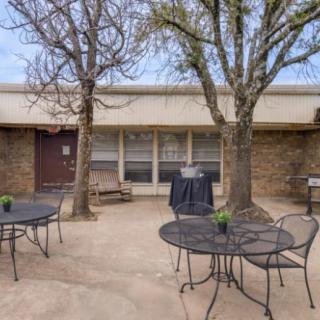
Physical fitness is encouraged through our fitness room, allowing residents to maintain an active lifestyle. Our gaming room provides opportunities for recreational activities and social interaction. A beautifully maintained garden offers a peaceful outdoor space for relaxation and enjoying nature.

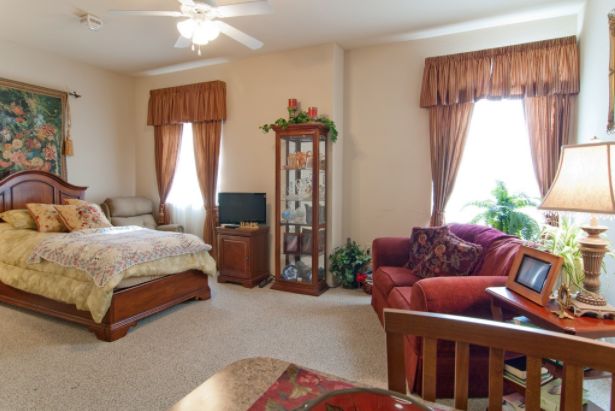
Housekeeping services ensure that the living spaces are always clean and tidy. Each resident enjoys a fully furnished room with private bathrooms for their convenience and privacy. Telephone services are provided, and Wi-Fi/high-speed internet connectivity allows residents to stay connected virtually.

We offer a comprehensive range of care services to meet the individual needs of each resident. Our highly trained staff members are available 24/7 to provide assistance with activities of daily living such as bathing, dressing, and transfers. Medication management ensures that residents receive their medications accurately and on time.

Mental wellness is prioritized through our mild cognitive impairment program and specialized memory care programming designed specifically for individuals with memory impairments. Transportation arrangements are made both non-medical purposes as well as transportation to doctors' appointments when needed.

Our vibrant community also provides numerous opportunities for engagement and socialization. Concierge services are available to assist residents with their needs and inquiries. Fitness programs and scheduled daily activities keep residents active and entertained. Planned day trips and resident-run activities further promote a sense of fulfillment.

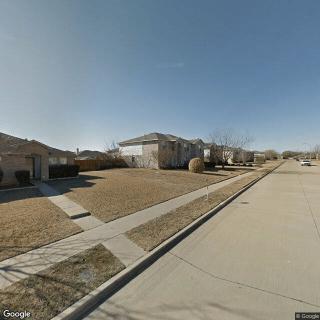
Morada Cedar Hill II is conveniently located near several pharmacies, physicians, restaurants, parks, and cafes, ensuring easy access to essential amenities within the surrounding area.

Come join our warm and caring community at Morada Cedar Hill II, where we strive to provide personalized care, outstanding amenities, and a supportive environment for individuals with memory impairments.

Nearby Places of Interest

Restaurants

  • Menchie's - Hillside Village (0.3 miles)
  • Whataburger (0.6 miles)
  • KFC (0.6 miles)
  • McDonald's (0.7 miles)
  • IHOP (0.7 miles)
  • Chili's Grill & Bar (0.9 miles)
  • Chick-Fil-A (1 miles)

Cafes

  • Panera Bread (0.7 miles)
  • Starbucks (1.2 miles)
  • Starbucks (2.6 miles)
  • Starbucks (5.6 miles)
  • Starbucks (5.8 miles)
  • Panera Bread (5.8 miles)
  • Starbucks (7.2 miles)

Pharmacies

  • Walgreens (1.3 miles)
  • CVS Pharmacy (3.1 miles)
  • Walgreens (3.2 miles)
  • CVS Pharmacy (3.3 miles)
  • Albertsons Pharmacy (3.4 miles)
  • CVS Pharmacy (4.3 miles)
  • Walgreens (4.4 miles)

Physicians

  • Karen Baker, MD - Family Medicine (1.8 miles)
  • Methodist Family Health Center - Cedar Hill East (1.8 miles)
  • Total Eye Care (3.2 miles)
  • Southwest Urology Associates (4.6 miles)
  • Raymond S Khouw (4.9 miles)
  • Methodist Charlton Medical Center - Azhar A Kazi MD (4.9 miles)
  • Texas Oncology (4.9 miles)

Parks

  • Cedar Hill State Park (2.2 miles)
  • Valley Ridge Park (4.9 miles)
  • Webb Community Park (8.5 miles)

Hospitals

  • Methodist Rehabilitation Hospital (5.2 miles)
  • ER at Grand Prairie (6.4 miles)
  • Medical Center At Lancaster (7.8 miles)
  • Methodist Mansfield Medical Center (9 miles)

Places of Worship

  • Matthew Road Baptist Church (6 miles)
  • Rccg House On The Rock (6.1 miles)
  • Walnut Ridge Baptist Church (8.1 miles)
  • Creekwood Church (8.8 miles)
  • Mansfield Bible Church (9 miles)

Frequently Asked Questions

Where is Morada Cedar Hill II?
Does Morada Cedar Hill II provide care for residents with dementia or Alzheimer's disease?
What photos are available for Morada Cedar Hill II in Cedar Hill, Texas?

Nearby Communities

  • Morada Cedar Hill Assisted Living and Memory Care

    Morada Cedar Hill Assisted Living and Memory Care

    Cedar Hill, TX

    4.1 from 128 reviews
    $2,570 to $4,250 / month

    pro Loving, attentive staff and a clean, homey environment.
  • Morada Cedar Hill

    Morada Cedar Hill

    Cedar Hill, TX

    4.2 from 160 reviews
    $1,595 to $2,820 / month

    pro Friendly staff, clean facilities, and engaging activities.

  • Crestview Court

    Crestview Court

    Cedar Hill, TX

    4.3 from 135 reviews
    $4,500 / month

    pro Well-kept, pleasant environment with engaging activities and comfortable accommodations.

  • The Luxe at Cedar Hill

    The Luxe at Cedar Hill

    Cedar Hill, TX

    4.3 from 55 reviews
    $1,225 to $1,780 / month

    pro Friendly staff and a welcoming, active community.

  • Angels of Hands Assisted Living

    Angels of Hands Assisted Living

    Cedar Hill, TX

    3.3 from 3 reviews
     

    pro Convenient location near cafes, parks, pharmacies, physicians, restaurants, and a hospital.

  • Cedar Hill Healthcare Center

    Cedar Hill Healthcare Center

    Cedar Hill, TX

    3.7 from 88 reviews
     

    pro Some full-time staff show genuine care; good meals and pleasant grounds.

  • Angels of Hands Assisted Living

    Angels of Hands Assisted Living

    Lancaster, TX

    4.3 from 8 reviews
    $3,000 / month

    pro Affordable pricing with comprehensive on-site care and amenities.

  • The Pavilion At Creekwood

    The Pavilion At Creekwood

    Mansfield, TX

    3.1 from 106 reviews
    $2,800 / month

    pro Strong rehabilitation services in a modern, well-maintained setting.

  • The Orchard at Arlington Highlands

    The Orchard at Arlington Highlands

    Arlington, TX

    4.6 from 73 reviews
    $1,705 to $2,263 / month

    pro Active 55+ community with extensive amenities, strong management, and secure, well-kept facilities.

Related Resources

  • dementia stagesUnderstanding Dementia Through Its Seven Stages: A Comprehensive Look at Progression and Expectations

    Dementia encompasses a range of cognitive impairments characterized by types such as Alzheimer's and vascular dementia, and follows a seven-stage progression model known as the Global Deterioration Scale (GDS), highlighting varying symptoms and decline timelines. Early detection allows for lifestyle adjustments to potentially slow progression, while caregivers need support and resources to manage the challenges involved in caring for affected individuals.

  • dementia careA Holistic Dementia Care Guide: Effective Strategies for Memory Support

    The guide on holistic dementia care outlines the complexity of dementia and stresses the need for individualized caregiver strategies that include medical treatment, psychological support, and environmental adaptations, while emphasizing early detection, various therapeutic options, and caregiver support to enhance quality of life and maintain dignity.

  • dementia careMemory Care Pathways: A Holistic Guide to Dementia Support
    "Memory Care Pathways: A Holistic Guide to Dementia Support" outlines the complexities of dementia and its various types, emphasizing early detection, patient-centered care strategies, caregiver support, and long-term care options while addressing legal and financial considerations to enhance the quality of life for individuals with dementia and their families.