
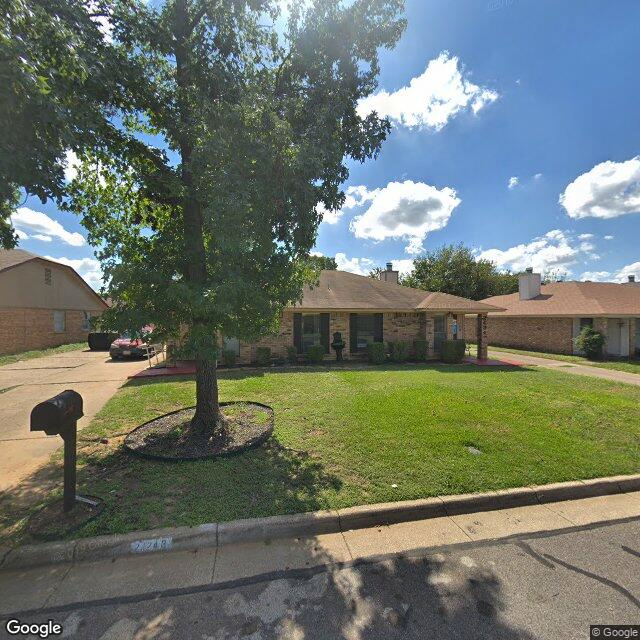
2424 Ventura, Arlington, TX 76015
To contact a resident: (817) 460-5889
For more information about senior living options: (866) 208-4318
Seasons Assisted Living Costs & Pricing
Seasons Assisted Living offers competitive pricing for its residents, with costs that generally fall below the average for both Tarrant County and Texas as a whole. For semi-private rooms, prices range from $1,800 to $3,500, significantly undercutting the county average of $3,889 and the state average of $3,680. When it comes to private rooms, Seasons Assisted Living's rates of $3,000 to $4,000 also provide a cost-effective alternative compared to Tarrant County's average of $3,704 and Texas' state average of $4,096. This makes Seasons an attractive option for families seeking quality care without breaking their budget.
| Floor plans | Seasons Assisted Living | Tarrant County | Texas |
|---|---|---|---|
| Semi-Private | $1,800 to $3,500 | $3,889 | $3,680 |
| Private | $3,000 to $4,000 | $3,704 | $4,096 |
Memory care communities with a similar price nearby
-
from +$295 / mo

Riverside Oxford Memory Care
$2,095 to $5,600 / month14.2 miles away -
from -$135 / mo

Morada Lake Arlington
$1,665 to $2,580 / month1.6 miles away -
from +$185 / mo
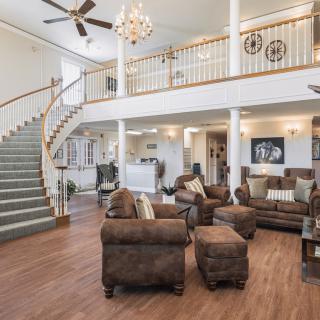
Chisholm Trail Estates Senior Living
$1,985 to $4,000 / month24.5 miles away -
from +$165 / mo
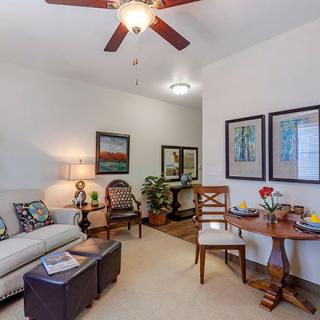
Brookdale Westover Hills
$1,965 to $3,985 / month16.0 miles away -
from -$205 / mo

Morada Cedar Hill
$1,595 to $2,820 / month13.5 miles away
Overall Review of Seasons Assisted Living
Pros
 Season's Assisted Living is praised for its home-like setting and individualized care.
- The staff are described as caring, kind, and helpful, with the facility always clean.
- Jessica, the owner, is described as loving, cheerful, and a jewel who provides personal attention to residents and visitors.
- The meals are home-cooked and the facility feels welcoming and warm, with no typical nursing home odor.
- Residents are treated with respect and are taken on outings to restaurants and other activities.
- Families feel their loved ones are safe, well cared for, and in a humane environment—a blessing.
- The care includes one-on-one attention and personalized assistance with therapies and doctor visits.
Cons
 They were repeatedly turned away despite complying with what was posted, amid unclear appointment policies.
- They were told their loved one was in bed at 2:30 p.m., which proved to be inaccurate.
- They faced scheduling constraints, with appointments said to require the owner and to be limited to weekdays, causing entry delays.
- They noted there were no activities and some staff they did not feel comfortable with.
- They felt the place resembled a group home rather than a proper assisted living facility, which did not feel like the right fit.
Review
Seasons Assisted Living in Arlington is best suited for families seeking a small, home-like environment where care feels deeply personalized. It excels for residents with serious cognitive or neurological needs, such as advanced Alzheimer’s disease or Huntington’s-related decline, and for individuals who benefit from one-on-one attention over a larger, more impersonal setting. The facility operates with a family-forward ethos, often described as warm and intimate, with a handful of residents at a time. The combination of home-cooked meals, a clean, inviting atmosphere, and staff who treat residents like family makes it a strong fit for those prioritizing dignity, daily hands-on support, and meaningful social engagement in a nonclinical milieu.
For families weighing options, consider alternatives if a bigger campus with structured programming or formal memory-care services is essential. This setting leans toward a residential-care feel rather than a large-scale assisted living model, which can mean fewer planned activities and a quieter daily rhythm. If a resident requires robust clinical supervision, frequent group activities, or easy access to a wide array of on-site amenities, a larger community may better meet those needs. The small scale that creates its charm can also feel limiting for families seeking regular, highly scheduled programming or more expansive care capabilities.
On the strength side, the staff and ownership deliver consistently exceptional, individualized attention. The owner, Jessica, and her team are repeatedly praised for going beyond standard care to support both residents and families. Notable benefits include exceptionally clean facilities, a welcoming, home-like ambiance without the “nursing home” odor, and practical daily routines, such as daily personal care and neatly maintained clothes that are washed separately. Families highlight on-site meals that taste like home, relaxed common areas, and a setting where residents are taken out for church, shopping trips, and occasional outings when health permits. This level of personal involvement, PT, OT, and doctor visits coordinated with a hands-on owner, creates a caregiving experience that many families have desperately sought after and found deeply reassuring.
Nevertheless, some reviews point to notable cons that shape how a prospective resident or family should weigh the decision. Access can feel uneven or opaque at times, with visitation and intake described as being tied to owner-led scheduling and certain gatekeeping measures. One family encountered friction around appointment requirements and inconsistent door-side policies that hinder timely visits, even when the website advertises broader hours. There are mentions of limited activities or a more emergency-oriented, residential-care vibe rather than a bustling, fully programmed setting. For families seeking a high-activity calendar, frequent group events, or more formal therapeutic programming, these aspects could be a meaningful drawback.
The positives, however, often offset these concerns for the right resident. The intimate, caregiver-driven model can deliver an unmatched level of trust and assurance for families facing dementia or brain-injury trajectories. The small size enables precise monitoring, continuity of care, and genuine relationship-building between staff and residents. The sense that “caregivers become family” is not a generic motto here but a repeatedly observed reality, with residents who need steady reminders, daily grooming, and individualized routines thriving in this atmosphere. In short, Seasons creates a protective, respectful cocoon that can dramatically reduce the anxiety families feel when transitioning a loved one from home or a hospital.
Bottom line: Seasons Assisted Living is a compelling choice for families prioritizing a humane, family-style environment where caregivers deliver unusually attentive, personalized care, especially for residents with Alzheimer’s, Huntington’s, or traumatic brain injuries. It is less suitable for those who require a bustling activity schedule, broad clinical services, or simple, unfettered access without owner involvement. Prospective clients should plan a deliberate visit strategy, ask direct questions about current resident count and staffing, and clarify visitation protocols to align expectations. If a small, devoted, home-like setting resonates and the emphasis is on one-on-one care and daily quality-of-life improvements, this community warrants thoughtful consideration.
 Board and Care Home
 Memory Care
 Activities off-site
 Bath tubs
 Beautician on-site
 Computer center
 Garden
 Indoor common areas
 Laundry
 Outdoor common areas
 Private
 Private bathrooms
 Resident parking
 Respite or short term stays offered
 Security gate
 Dallas-Fort Worth International (15 miles away)
 Transportation & parking
 Ambulatory care
 Assistance with bathing
 Assistance with dressing
 Diabetic care
 High acuity care
 Incontinence care
 Meal preparation and service
 Medication management
 English






 Guiding Your Journey: Understanding Power of Attorney for Elderly Parents
 22 Remarkable Caregiver Support Groups Available Online and In-Person
 Understanding Medicaid Coverage for Assisted Living: A Comprehensive Guide