



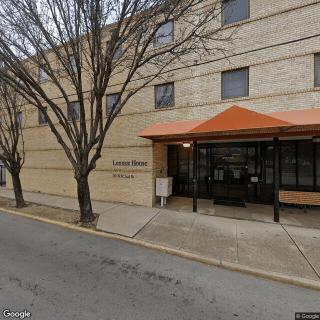
2501-03 Oak Hill Dr, Arlington, TX 76006
To contact a resident: (817) 649-4048
For more information about senior living options: (866) 208-4318
Compassion of Faith Costs & Pricing
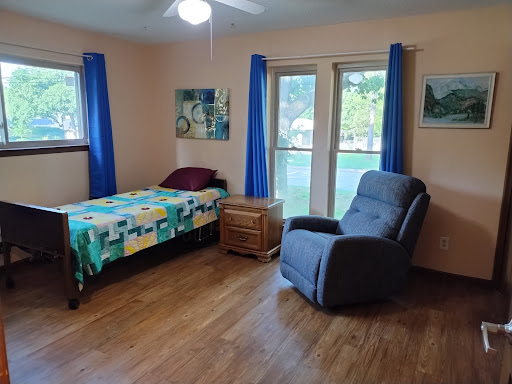
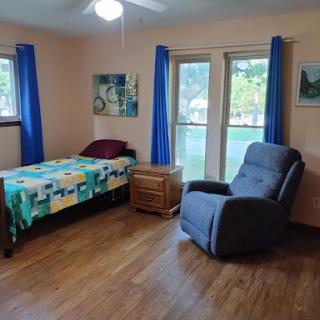
At Compassion of Faith, the monthly cost for a private room is set at $1,800, which is significantly lower than the average rates in Tarrant County and across Texas. In Tarrant County, the typical monthly expense for a private room reaches approximately $3,704, while state-wide averages can soar to around $4,096. This competitive pricing not only underscores Compassion of Faith's commitment to affordability but also offers an attractive alternative for individuals seeking quality care within a budget-friendly framework. By prioritizing both value and compassionate service, Compassion of Faith stands out as a desirable choice for residents and their families.
| Floor plans | Compassion of Faith | Tarrant County | Texas |
|---|---|---|---|
| Private | $1,800 | $3,704 | $4,096 |
Memory care communities with a similar price nearby
-
from +$295 / mo

Riverside Oxford Memory Care
$2,095 to $5,600 / month14.9 miles away -
from -$135 / mo

Morada Lake Arlington
$1,665 to $2,580 / month8.1 miles away -
from +$165 / mo
Brookdale Westover Hills
$1,965 to $3,985 / month20.6 miles away -
from -$205 / mo
Morada Cedar Hill
$1,595 to $2,820 / month13.8 miles away -
from -$275 / mo
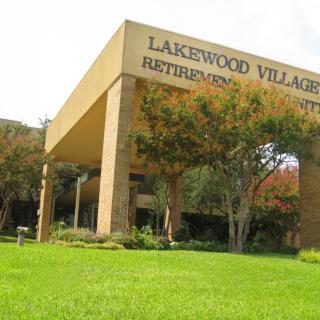
Christian Care Communities & Services Fort Worth
$1,525 to $2,945 / month10.2 miles away
Overall Review of Compassion of Faith
Pros
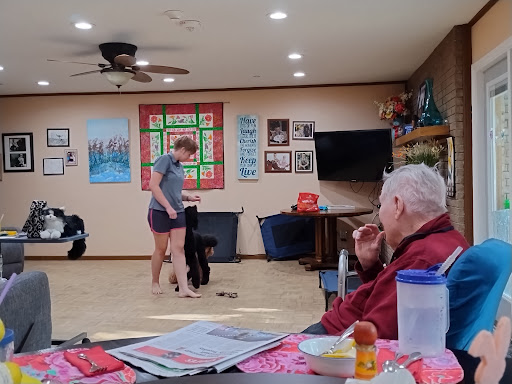
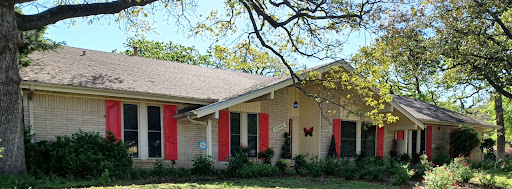
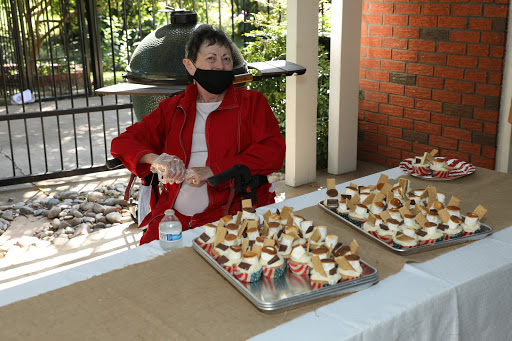
 The facility is up to date, clean, and fosters a strong sense of community.
- Residents are warm, welcoming, and friendly.
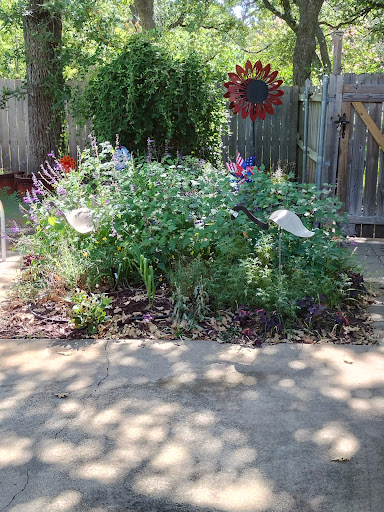
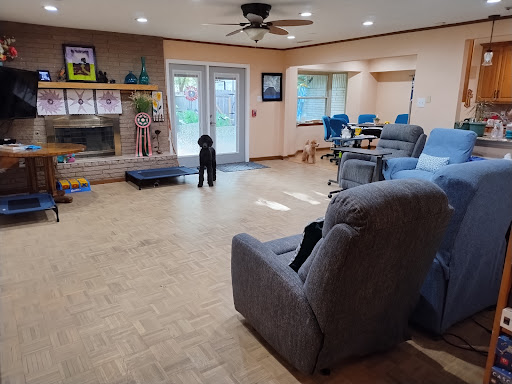
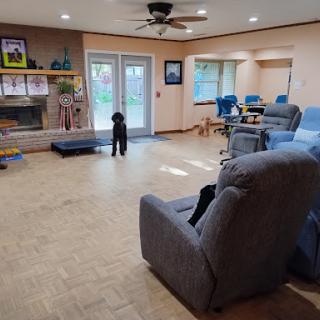
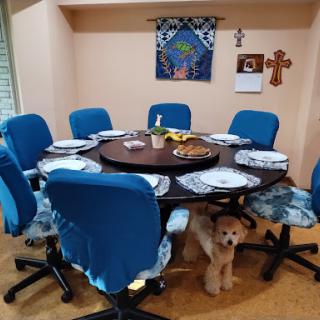
- The living and recreation areas are well maintained and comfortable, with pleasant decor.
- Regular activities like game night, film night, Bible study, and exercise classes give residents something to look forward to.
- The staff and management make visitors feel at home and keep faith central in their care.
- The reviewer would recommend this facility for the care of a family member.
- The grandma was well taken care of and watched over patiently.
Cons
 The staff are untrained.
- There are no activities for residents.
- The calendar is a joke.
- The food is terrible.
- The owner is belligerent and arrogant and rarely there.
- The hallways are too small and become crowded, almost causing traffic.
- The interior has a somewhat clinical feel.
Review
Compassion of Faith in Arlington, TX is best suited for seniors who prize a faith-forward, resident-focused atmosphere where care feels personal and anchored by a sense of family. The strongest conviction here is that staff and management create a home-like, comforting environment, with a clear emphasis on spiritual values guiding daily care. This is a good fit for families seeking reassurance that their loved one will be watched over with patience and kindness, and for residents who value routine, warmth, and a community that speaks to faith as part of daily life.
Those most likely to want alternatives are families that prioritize a consistently polished operations profile, diverse activity programming, and dining that stands up to high expectations. The most pointed concerns from some observers flag untrained or inconsistent staff, a sporadic leadership presence, and meals that fall short of quality. If a calendar of engaging activities, varied menus, and a transparent, hands-on management team are non-negotiables, keeping options open is wise. A few voices also point to tensions around leadership style and responsiveness, which can be a red flag for individuals seeking a smoothly run, professionally managed environment.
The facility’s strongest advantages, clearly trained, caring staff when they are present, and a supportive, home-like culture, often offset some operational gaps. When care staff are attentive and resident needs are met with patience, the atmosphere feels familial rather than institutional, and residents respond with warmth. Cleanliness and up-to-date interiors reinforce a sense of safety and pride in the environment, while the sense of community helps residents engage socially rather than drift toward isolation. Regular programming in some accounts, game nights, Bible study, film events, and gentle exercise, demonstrates that purposeful activities can be integrated into daily life, reinforcing independence within a supervised setting.
Nevertheless, a candid assessment must acknowledge meaningful caveats. Several reviewers describe inconsistent staffing and questions about professionalism and leadership availability, including references to an owner who is infrequently present. Food quality is mentioned as a significant weakness by some, and hallway traffic can become congested, particularly in small or narrow corridors. The interior’s comfortable feel can tilt toward a clinical ambiance for those who seek a warmer, more homelike vibe. Taken together, these factors create a variable experience: strong on personal care and faith-based warmth on some shifts, more uncertain on others where engagement, meals, and oversight falter.
For families weighing options, the decision hinges on priorities. If faith-based care, personal attention, and a cohesive, homelike environment top the list, Compassion of Faith offers genuine strengths that can translate into meaningful daily living for a loved one. Those who require consistent, high-energy programming, dependable dining quality, and steady managerial visibility may wish to compare alternatives where staffing patterns and menus receive more rigorous, ongoing oversight. The facility can deliver a comforting, community-oriented experience, but the degree of reliability in operations and programming will likely drive overall satisfaction.
The practical path forward is concrete: schedule multiple, unannounced visits to observe staff interaction, ask pointed questions about training programs and staffing ratios, and request to review the latest activity calendar and meal options. Speak with current residents about daily routines, responsiveness, and how leadership handles concerns. Seek a tour that includes a candid look at dining service, hallway traffic during peak times, and the level of owner or administrator presence on-site. If these checks align with expectations and the spiritual, home-like environment resonates, Compassion of Faith becomes a compelling choice. If not, it’s prudent to continue exploring other Arlington options that emphasize consistent programming, culinary quality, and visible professional leadership.
 1-bedroom apartments
 Board and Care Home
 Memory Care
 Private
 Dallas-Fort Worth International (8 miles away)


 Exploring the Power of Reminiscence Therapy for Individuals With Dementia
 An In-Depth Look at Reminiscence Therapy in Dementia Care
 Dementia-Related Hallucinations: Causes, Experiences, and Practical Approaches