
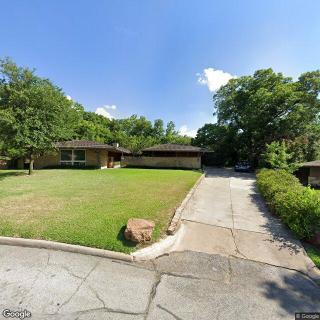
402 Duncan Perry Road, Grand Prairie, TX 75050
For more information about senior living options: (866) 208-4318
Overall Review of 402 Duncan Perry
Pros
 Magnolia Estates' small size provides a sense of safety.
- Magnolia Estates maintains secure entry, with doors kept locked and staff controlling access.
- Magnolia Estates' rooms are large and can feel very homey.
- Magnolia Estates stays clean and has a fresh smell.
- Magnolia Estates' food is described as delicious.
- Magnolia Estates' staff are consistently pleasant and helpful.
- A smaller facility like Magnolia Estates allows for more individualized attention and more healthcare-related assistance than many other facilities.
- The atmosphere at Magnolia Estates is friendly and inviting, and it is recommended for assisted living for loved ones.
- Community Assisted Living of Grand Prairie has staff who are pleasant and helpful when shown around, and offers many services and activity areas.
Cons
 The staff don't care about residents.
- Residents have to wait a long time for assistance.
- The doors are always locked, requiring staff to admit and escort visitors.
- The facility smelled like grease.
- The rooms were not very big and were cluttered.
- The facility was not modern.
Review
402 Duncan Perry in Grand Prairie, TX is best suited for seniors who want a compact, home-like setting where safety and individualized attention come first. The small footprint translates into tight site controls: doors are typically locked, and a staff member assists with ingress and egress, a feature many families equate with security. Rooms are described as spacious enough to feel comfortable and easy to personalize, and the overall atmosphere tends to be clean and inviting. This is the kind of community that rewards familiarity and consistent staff presence, making it a practical fit for residents who value predictability and a quieter, more intimate environment over a bustling campus vibe.
The strongest advantages hinge on safety, accessibility, and personal attention. Several reviewers highlight a staff dynamic that is pleasant and helpful, with a willingness to engage residents in a homier, low-key setting. The small size is repeatedly framed as an asset because it allows for more individualized attention and a sense of being known by name rather than by bed number. There is also mention that there is more healthcare-related assistance available in this kind of small operation than in larger facilities, which can ease the burden on families seeking regular monitoring without transferring to a bigger campus. Cleanliness and a homey, approachable feel reinforce the sense that this is a place where day-to-day life can be comfortable and predictable.
Yet, there are clear caveats that a pragmatic family cannot ignore. One review casts a troubling shadow: staff may appear uncaring and assistance can come with long waits, a reality that undermines trust in the daily care plan. That kind of feedback matters deeply for anyone whose loved one needs timely help around the clock. Additionally, not every visitor describes the facility as modern or well-appointed; some note smaller, cluttered rooms and a kitchen environment that carries a grease-like odor, traits that can push some families toward newer or more polished options. These critiques signal that while the setting can feel intimate and homey, it may lag behind more contemporary communities in both design and operations.
The key question for families is whether the positives can offset these potential downsides. For households prioritizing safety, routine, and a personal touch, the compact format and the affable staff can justify tradeoffs, especially for residents who do not demand constant, rapid-response assistance but instead benefit from a calm, familiar routine. The healthcare-oriented services available in a smaller environment can also be a meaningful asset for residents who need closer oversight without stepping up to a larger campus. On the other hand, if the ability to call for help and receive prompt attention is non-negotiable, or if a modern, minimally disruptive environment is essential, these concerns will loom larger and warrants careful comparison with other communities.
Before committing, prospective families should run targeted checks. Inquire about typical response times to assistance calls and how staffing levels shift during busy periods. Confirm exactly which healthcare services are offered on-site and whether any specialized care (rehabilitation, wound care, medication management) can be provided without transferring to another facility. Clarify payer options, including Medicaid or other programs, to understand how long-term affordability may change. Tour the rooms with an eye toward space, storage, and potential for personalization, and ask about ongoing maintenance plans and any plans for modernization. These questions will illuminate whether the praised safety and warmth sustain the resident’s needs over time.
Bottom line: 402 Duncan Perry offers a solid, no-nonsense option for families seeking a compact, secure setting with tangible personal attention. It is a practical choice for residents who prioritize a homey atmosphere, predictable routines, and accessible care over flashy amenities or cutting-edge design. Those who require rapid responsiveness at all hours or a consistently modern environment may want to explore alternatives with larger staff coverage and newer facilities. A candid comparison, focusing on response times, on-site healthcare capabilities, and payer flexibility, will make the decision clear: this community can be a great fit for the right priorities, but not every senior’s needs will align with its pace and polish.
 16 resident community capacity
 Assisted Living
 Board and Care Home
 Cable or satellite TV
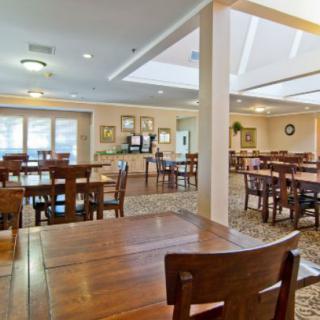
 Dining room
 Fully furnished
 Garden
 Housekeeping services
 Move-in coordination
 Outdoor space
 Telephone
 Wi-Fi/high-speed internet available
 Dallas-Fort Worth International (10 miles away)
 24-hour supervision
 Activities of daily living assistance
 Assistance with bathing
 Assistance with dressing
 Assistance with transfers
 Diabetes diet
 Meal preparation and service
 Medication management
 Special dietary restrictions
 Transportation arrangement (medical)
 Transportation to doctors appointments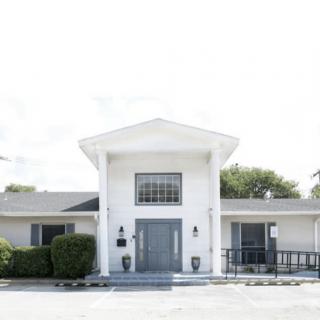






 Understanding the Distinctions: Assisted Living and Memory Care Explained
 Guiding Elderly Parents Who Refuse Assisted Living: 6 Practical Steps
 Your Comprehensive Guide to Luxury Assisted Living: Elevated Facilities, Amenities, and Costs