


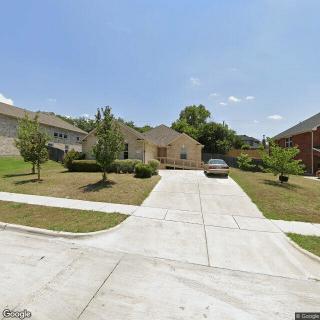
1005 South West 3rd Street, Grand Prairie, TX 75051
For more information about senior living options: (866) 208-4318
The Estates At Grand Prairie Costs & Pricing
The Estates At Grand Prairie offers competitive pricing for its living accommodations when compared to both Tarrant County and the broader state of Texas. For instance, a one-bedroom unit is available at $1,400 per month, significantly lower than the county average of $3,741 and the state average of $3,761. Similarly, their studio apartments are priced at $2,000, which also presents a favorable option in comparison to the county's average of $3,659 and the state's average of $3,758. Furthermore, the two-bedroom units are offered at $2,400 per month - again, this is markedly less than Tarrant County's average of $4,099 and Texas's average of $4,215. These cost advantages make The Estates At Grand Prairie an attractive choice for prospective residents seeking quality living spaces without the burden of inflated prices typical in the area.
| Floor plans | The Estates At Grand Prairie | Tarrant County | Texas |
|---|---|---|---|
| 1 Bedroom | $1,400 | $3,741 | $3,761 |
| Studio | $2,000 | $3,659 | $3,758 |
| 2 Bedrooms | $2,400 | $4,099 | $4,215 |
Assisted Living communities with a similar price nearby
-
from +$265 / mo

Morada Lake Arlington
$1,665 to $2,580 / month10.2 miles away -
About the same
The Villages of Dallas
$1,400 to $2,900 / month11.3 miles away -
from +$195 / mo

Morada Cedar Hill
$1,595 to $2,820 / month9.5 miles away -
from +$200 / mo

Autumn Leaves
$1,600 to $3,200 / month18.3 miles away -
from +$125 / mo

Christian Care Communities & Services Fort Worth
$1,525 to $2,945 / month14.1 miles away
Overall Review of The Estates At Grand Prairie
Pros
 Residents love it here.
- It is a wonderful place to live.
- The staff are always available to assist.
- The facility provides thorough cleaning, dishes and laundry services, and serves excellent food.
- Residents feel grateful and blessed to be there.
- Trina and Gabby are appreciated for their care.
- The Estates at Grand Prairie are described as awesome and the absolute best.
- The staff care for residents personally and are warm and welcoming.
- The director has wonderful ideas to improve the facility and create inviting spaces.
Cons
 They warn others not to move there, calling the place horrible and noting a $450 water bill.
 - They describe the place as not clean, with a nasty carpet and a moldy shower that never gets fixed.
- They mention numerous issues were not addressed and were ignored by staff.
- They allege a cook stole a bed and gave it to someone outside the facility.
- They claim you cannot trust the workers, citing low friendliness, a dirty atmosphere, lazy staff, and medications left out or misused.
- They report a lack of security: no security system, doors not locked at night, and poor communication about waiting lists.
- They describe the facility as depressing with dim lighting and unfriendly staff.
Review
Best suited for families seeking a warm, hands-on, small-community feel where staff can know residents well and care is highly personalized. The Estates At Grand Prairie functions best for seniors who prioritize daily attentiveness, personal touches, and a home-like atmosphere over glossy, roomier layouts or ultra-modern amenities. When care teams are engaged, meals are praised, and housekeeping shows up consistently, this community can feel like a family away from home. It rewards residents who value direct access to caregivers and a setting where staff visibility is high and routine feels predictable.
Those who should seriously consider alternatives are residents with rigid safety expectations or a need for highly controlled environments. The reviews reveal strains in cleanliness consistency, security measures, and formalized medication handling in places, and several comments flag signs of upkeep and communication gaps. Families who require ironclad assurance around room readiness, secure doors at night, and strict medication administration should explore other options. Prospective residents should also weigh the impact of an older facility footprint on daily comfort, potential repair delays, and the pacing of promised improvements.
The strongest positives, exceptional staff availability, detailed attention to resident needs, and a genuinely caring atmosphere, often offset many concerns when the operation is steady and well-managed. A smaller footprint can translate into quicker responsiveness, thorough cleaning, and a sense that staff know residents personally. When meals are broadly celebrated and services like laundry and dishwashing are provided in-house, the daily burden on residents and families diminishes significantly. Where relationships with staff feel authentic and the director is actively pursuing practical improvements, the overall living experience becomes more cohesive and reassuring.
Yet the reality in several reviews is not uniformly consistent, and that inconsistency matters. Cleanliness can be patchy, and safety issues, ranging from outdated security features to questions about medication handling and room readiness, cannot be dismissed. A number of postings describe missteps in coordination, troubling incidents of roommate or staff error, and even theft allegations. For families, this means asking direct, specific questions about medication protocols, incident reporting, staff supervision, and routine housekeeping audits at the point of tour. Also inquire about the physical environment: dim lighting and an older facility feel can dampen mood, so verify whether common spaces, hallways, and outdoor areas are planned for brightening and user-friendly redesign.
For decision-making, insist on seeing a current, written plan of care that clearly defines who is responsible for what, a transparent pricing structure, and a documented process for handling maintenance requests and safety checks. Verify the room configurations, whether snacks can be kept in rooms, and how meal service is arranged if a resident prefers in-room dining. Ask to meet the director and front-line caregivers, request a demonstration of how medications are stored and dispensed, and request a tour during a typical shift to observe how information flows between staff and families. It is also wise to clarify the community’s policy on pet presence and how the “house dog” is managed to ensure predictable routines for residents with allergies or fears.
In summary, The Estates At Grand Prairie may be the right choice for families prioritizing warmth, personal attention, and a smaller-scale, home-like environment, provided the operation can demonstrate steady cleanliness, reliable safety practices, and transparent communication. When those guardrails are in place, the positives, high staff engagement, attentive care, and appealing meals, can substantially offset the drawbacks of an older building and occasional process gaps. For residents where safety, consistency, and modern infrastructure are non-negotiable, pursuing alternative communities with stronger track records in governance and operational reliability remains prudent. The decision hinges on aligning the resident’s needs and expectations with how consistently the team can deliver dependable, well-coordinated care.
 60 resident community capacity
 Assisted Living
 Independent Living
 Respite Care
 Activities on-site
 Air-conditioning
 Beautician on-site
 Cable or satellite TV
 Computer center
 Devotional services on-site
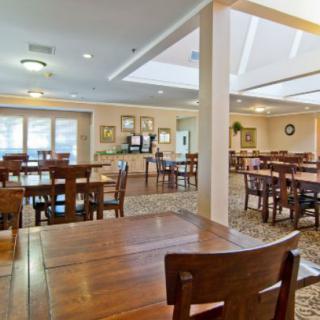
 Dining room
 Fitness room
 Fully furnished
 Gaming room
 Garden
 Housekeeping services
 Indoor common areas
 Kitchenette
 Move-in coordination
 Outdoor common areas
 Private bathrooms
 Restaurant-style dining
 Small library
 Telephone
 Wellness center
 Wi-Fi/high-speed internet available
 Dallas-Fort Worth International (11 miles away)
 Community operated transportation
 12-16 hour nursing
 24-hour call system
 Ambulatory care
 Assistance with bathing
 Assistance with dressing
 Assistance with transfers
 Diabetes diet
 Diabetic care
 Medication management
 Mental wellness program
 Special dietary restrictions
 Concierge services
 Planned day trips






 Comprehensive Insights into Activities of Daily Living (ADLs) and Their Assessment
 Medicare Coverage for Assisted Living: An In-Depth Exploration
 Choosing the Right Senior Care: A Detailed Exploration of Assisted Living and Nursing Homes