
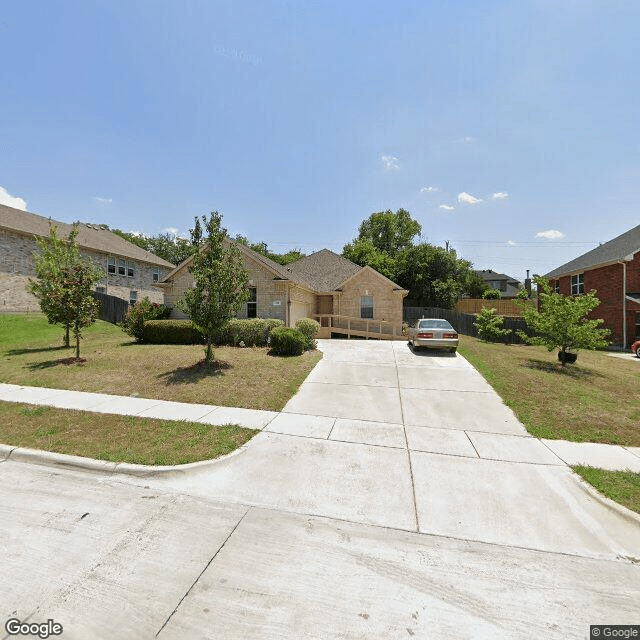
119 Matamoros Street, Grand Prairie, TX 75051
For more information about senior living options: (866) 208-4318
Renon Assisted Living Costs & Pricing
Renon Assisted Living offers competitive pricing for its services compared to both Tarrant County and the broader Texas market. For a semi-private room, residents can expect a monthly cost of $2,500, which is significantly lower than the county average of $3,889 and the state average of $3,680. This cost advantage continues with private accommodations; Renon charges $3,500 per month, again undercutting Tarrant County's average of $3,704 and the state's average of $4,096. By providing quality care at these more accessible price points, Renon Assisted Living positions itself as an appealing choice for individuals seeking supportive living arrangements without compromising on value.
| Floor plans | Renon Assisted Living | Tarrant County | Texas |
|---|---|---|---|
| Semi-Private | $2,500 | $3,889 | $3,680 |
| Private | $3,500 | $3,704 | $4,096 |
Assisted Living communities with a similar price nearby
-
About the same

Halo Residential Care Homes
$2,500 to $3,000 / month5.7 miles away -
from -$400 / mo
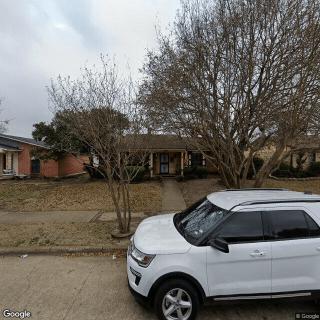
Only the Strong Survive
$2,100 to $2,500 / month21.9 miles away -
from +$349 / mo
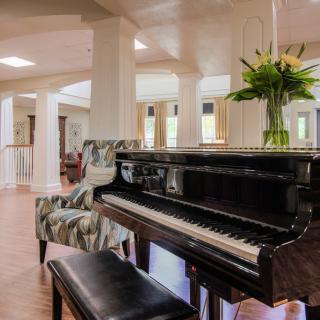
Lewisville Estates
$2,849 to $7,500 / month22.4 miles away -
from +$300 / mo

B & Y Care Home
$2,800 to $4,000 / month20.8 miles away -
from +$450 / mo

4 Seasons Senior Living IX
$2,950 to $3,750 / month20.5 miles away
Overall Review of Renon Assisted Living
Pros
 The facility is clean, calm, and safe for seniors.
- Residents look healthy and happy, with good care.
- Renon Assisted Living is clean, drug-free, and a loving place for loved ones.
- The meals are amazing, with tasty snacks between meals.
- Caregivers are compassionate and caring, making the environment comfortable.
- The home is in a quiet, safe neighborhood and feels welcoming.
- Families are relieved to have found this place, thanks to its high standards.
Review
Renon Assisted Living in Grand Prairie, TX is best suited for seniors who want a clean, safe, home-like setting where life feels calm, predictable, and human. This community excels for residents who prize a quiet residential atmosphere, reliable caregiving, and a strong emphasis on good meals and social comfort. The vibe is intimate and low-key, which translates into personal attention and a sense of belonging rather than a busy, clinical environment. The anecdotes about residents enjoying themselves, including a centenarian who was described as having fun, underscore a level of social engagement and everyday happiness that families often seek in these transitions.
Those with more intensive medical needs should consider alternatives. The setting reads as residential and supportive rather than hospital-like, which usually means fewer on-site medical interventions, skilled nursing hours, or memory-care specifics. If the priority is 24/7 nursing supervision, extensive therapy services, or specialized dementia programming, it would be prudent to compare Renon with facilities that foreground medical capability and structured clinical programming. In short, Renon shines as a comfort-focused home rather than a medical care hub, so stakeholders must align expectations with what the community can sustain daily.
The core strengths, the spotless, fresh environment, and a calm, welcoming aura, do a lot of heavy lifting in offsetting common decision drivers. Cleanliness and a fresh aroma set a reassuring baseline for peace of mind, while quiet surroundings support sleep quality and mood stability. The meals are repeatedly highlighted as exceptional, with snacks that keep nutrition and satisfaction high throughout the day. When caregivers are described as compassionate and attentive, the risk of isolation or neglect diminishes, turning daily routines into predictable, dignified experiences rather than chore-like obligations for families.
Social vitality is another standout. The facility’s residential feel, paired with friendly staff and a neighborhood setting, appears to help residents remain engaged without the friction of a high-energy, institutional calendar. The implication is that residents are not merely cared for but are legitimately included in everyday life, sharing meals, conversations, and moments of light activity in a familiar, low-stimulation footprint. For families seeking a sobering, steady rhythm rather than a constant stream of organized events, Renon’s approach can feel especially comforting and sustainable over time.
Operationally, the assurances behind the positives deserve closer scrutiny during a visit. Prospective families should verify the level of medical oversight available on-site, confirm medication management processes, and explore how activity programming is shaped day-to-day. While the reviews emphasize safety and comfort, confirming staffing ratios, response times, and the availability of nursing support during evenings and weekends is essential. Ask about transportation options, housekeeping reliability, and how the staff handles changes in a resident’s health status, as those details often determine whether the experience remains consistently positive as needs evolve.
In the end, Renon Assisted Living emerges as a practical, well-regarded option for seniors who prioritize a serene, clean, and meal-rich living environment with genuinely caring staff. It is particularly well-suited for residents who value quiet dignity, social belonging in a neighborhood setting, and a home atmosphere that supports daily comfort without the bustle of larger care institutions. Families weighing alternatives should reserve candid discussions about medical needs, memory-care requirements, and level of on-site clinical support. For the right match, one where safety, cleanliness, and compassionate daily life take center stage, Renon stands as a solid, confidence-earning choice.
 5 resident community capacity
 Assisted Living
 Board and Care Home
 Respite Care
 Activities off-site
 Cable or satellite TV
 Dining room
 Fully furnished
 Garden
 Housekeeping services
 Indoor common areas
 Move-in coordination
 Outdoor common areas
 Private
 Telephone
 Wi-Fi/high-speed internet available
 Dallas-Fort Worth International (12 miles away)
 24-hour supervision
 Ambulatory care
 Assistance with bathing
 Assistance with dressing
 Assistance with transfers
 Diabetes diet
 Diabetic care
 Incontinence care
 Meal preparation and service
 Medication management
 Special dietary restrictions
 Transportation arrangement (medical)
 Transportation to doctors appointments





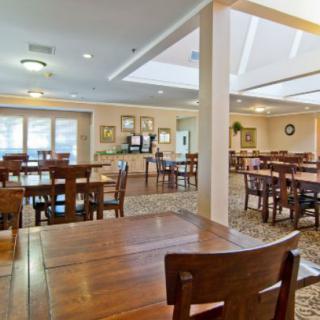


 Comprehensive Insights into Activities of Daily Living (ADLs) and Their Assessment
 Medicare Coverage for Assisted Living: An In-Depth Exploration
 Choosing the Right Senior Care: A Detailed Exploration of Assisted Living and Nursing Homes