Christian Care Communities & Services Fort Worth Costs & Pricing
Christian Care Communities & Services in Fort Worth offers competitively priced accommodations compared to the broader market in Tarrant County and the state of Texas. For instance, a studio apartment at this facility costs $1,525 per month, significantly lower than the county average of $3,659 and the state average of $3,758. Similarly, residents opting for a one-bedroom unit will find it available for $2,340 monthly - again, quite favorable compared to Tarrant County's $3,741 and Texas's $3,761 prices. Those seeking more space can choose a two-bedroom option for $2,945, which stands in stark contrast to the county's average of $4,099 and the state's typical cost of $4,215. Overall, Christian Care Communities & Services Fort Worth presents an attractive financial choice for seniors looking for quality living arrangements without sacrificing budgetary considerations.
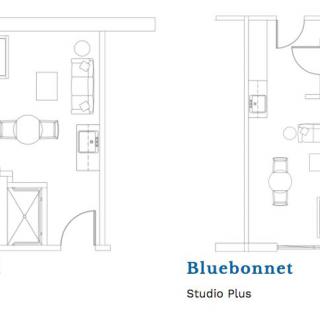
Floor plans
Christian Care Communities & Services Fort Worth
Tarrant County
Texas
Studio
$1,525
$3,659
$3,758
1 Bedroom
$2,340
$3,741
$3,761
2 Bedrooms
$2,945
$4,099
$4,215
Memory care communities with a similar price nearby
Overall Review of Christian Care Communities & Services Fort Worth
common18 reviews mention this
Friendly, caring staff stands out
Residents and families consistently describe staff as kind and attentive.
Many reviewers say the staff is welcoming, helpful, and responsive to questions and concerns. Several describe caregivers and leadership as genuinely caring, especially for memory care needs. A recurring point is that interactions feel personal, with staff taking time to learn residents’ names and greet them. A few comments add that staff friendliness is a major reason people would recommend the community.
caveat6 reviews mention this
Meals get mixed feedback
Dining is a common point of disagreement among reviewers.
Some residents and families praise the meals, describing them as good and serving three meals a day. Others are sharply critical, saying the food quality is poor and that it has declined over time. There are also comments about how flexible dining felt during a visit, including limitations to certain meal options. Overall, dining experiences vary widely from reviewer to reviewer.
common12 reviews mention this
Activities help keep residents engaged
Residents are described as staying busy with activities and outings.
Reviews frequently mention on-site activity options like exercise, games, puzzles, crafts, and bingo. Some people also describe transportation for outings and day trips, as well as devotional or worship-related activities on-site. Several reviewers say their loved ones had social connections through planned activities and that days felt structured. The community also offers fitness-oriented programming that shows up in resident descriptions.
differentiator7 reviews mention this
Strong value on pricing
Pricing is repeatedly described as more affordable than other options.
Multiple reviewers point to cost as a major reason they chose the community, calling it good value and noting lower pricing than other retirement places they considered. The community appears to offer a range of housing types, and pricing coverage is presented as comparatively low versus broader benchmarks. Several comments also mention affordability as part of why families felt comfortable moving their loved ones in.
caveat4 reviews mention this
Condition and maintenance concerns appear
A recurring concern is older building conditions and maintenance issues.
Some reviews criticize the building and rooms as outdated, including older air conditioning that doesn’t keep rooms cool. There are also complaints about repairs taking too long, with one review describing a broken AC that was eventually fixed after repeated requests. Another reviewer mentions room or facility layout and cleanliness concerns, including reports of older carpeting and dirty walls. While many reviews praise cleanliness and upkeep, these maintenance-focused comments show up often enough to be considered a caveat.
common2 reviews mention this
Nearby essentials are close by
Local pharmacies and medical services are within a few miles.
Reviewers don’t focus heavily on location, but the nearby area includes common day-to-day services like pharmacies and medical providers. That kind of proximity can make it easier to handle appointments and prescriptions without long trips. The community’s setting also places it within reach of other daily destinations reviewers may visit as part of care support.
How we summarize
Counts show how many written reviews mention each theme; a review can touch several themes, and only frequently mentioned themes are displayed.
Features
Housing
1-bedroom apartments
2-bedroom apartments
Studio apartments
Types of Care
Assisted Living
Independent Living
Memory Care
Amenities
Activities on-site
Air-conditioning
Beautician on-site
Cable or satellite TV
Computer center
Devotional services on-site
Dining room
Full kitchen
Garden
Ground floor units
Guasts at mealtime
Housekeeping services
Indoor common areas
Kitchenette
Outdoor common areas
Private bathrooms
Resident parking
Respite or short term stays offered
Security gate
Wi-Fi/high-speed internet available
Transportation
Dallas-Fort Worth International (15 miles away)
Dallas Love (23 miles away)
Transportation & parking
Care Services
Ambulatory care
Diabetic care
Incontinence care
Medication management
Personal care assistants
Physical therapy
Dining
Diabetes diet
Guest meals
International cuisine
Low / no sodium
Low fat
Meals provided
No Sugar
Professional chef
Restaurant style dining
Room service
Special dining programs
Activities
Activities off-site
Art classes
Day trips and outings
Devotional activities on-site
Educational speakers / life long learning
Fitness programs
Forever fit
Live dance or theater performances
Live musical performances
Live well programs
Protestant services
Religious services
Stretching classes
Visiting chaplain or priest
Languages Spoken
English
Spanish
Videos
Nearby Places of Interest
Pharmacies
CVS Pharmacy (2.9 miles)
Walgreens (2.9 miles)
Walgreens (3.2 miles)
Walmart Pharmacy (4.6 miles)
Walgreens (5.6 miles)
CVS Pharmacy (5.6 miles)
Walgreens (5.7 miles)
Physicians
Stop Six Sunrise Edition (3.8 miles)
Cook Children's Neighborhood Clinic (4.6 miles)
Texas Health Care, Otolaryngology & Facial Plastic Surgey Associates (5.7 miles)
Texas Medical Diagnostics (5.7 miles)
Texas Oncology (6.4 miles)
Heart Center of North Texas (6.5 miles)
Fort Worth Plastic Surgery Center (6.5 miles)
Restaurants
McDonald's (4.5 miles)
Whataburger (4.5 miles)
Babe's Chicken Dinner House (5 miles)
Olive Garden (5 miles)
Sushi Axiom (5.1 miles)
Silver Leaf Cigar Lounge (5.1 miles)
Salsa Limon Centro (5.3 miles)
Transportation
Fort Worth Intermodal Transportation Center (4.9 miles)
Parks
Fort Worth Water Gardens (5 miles)
Linwood Park (6.7 miles)
Capp Smith Park (7 miles)
Cafes
Roots Coffeehouse (5.1 miles)
Roots Coffeehouse (6.6 miles)
Starbucks (6.9 miles)
Starbucks (7.6 miles)
Places of Worship
First United Methodist Church of Fort Worth (5.5 miles)
Lake Arlington Baptist Church (6.1 miles)
St Stephen Presbyterian Church (7.5 miles)
Hospitals
JPS Hospital (5.6 miles)
Texas Health Harris Methodist Hospital Fort Worth (5.9 miles)
Texas Rehabilitation Hospital of Fort Worth (6 miles)
Klabzuba Tower / Texas Health Resources (6 miles)
Baylor Scott & White Hospital Medicine - All Saints (6.5 miles)
Christian Care Communities & Services in Fort Worth offers competitively priced accommodations compared to the broader market in Tarrant County and the state of Texas. For instance, a studio apartment at this facility costs $1,525 per month, significantly lower than the county average of $3,659 and the state average of $3,758. Similarly, residents opting for a one-bedroom unit will find it available for $2,340 monthly - again, quite favorable compared to Tarrant County's $3,741 and Texas's $3,761 prices. Those seeking more space can choose a two-bedroom option for $2,945, which stands in stark contrast to the county's average of $4,099 and the state's typical cost of $4,215. Overall, Christian Care Communities & Services Fort Worth presents an attractive financial choice for seniors looking for quality living arrangements without sacrificing budgetary considerations.
Christian Care Communities & Services Fort Worth offers a comprehensive approach to memory care through essential features like medication management, physical therapy, and incontinence care. Medication management ensures that residents receive their prescribed medications consistently and safely, which is crucial for managing cognitive decline and overall health. Physical therapy helps maintain mobility and physical function, encouraging engagement in daily activities while also providing mental stimulation through movement. Incontinence care addresses a common challenge faced by individuals with dementia or Alzheimer's, ensuring dignity and comfort while reducing anxiety around personal hygiene. Together, these services create a supportive environment that promotes wellness and enhances the quality of life for residents.
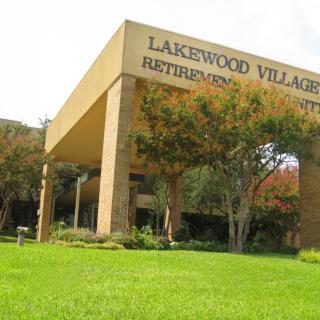
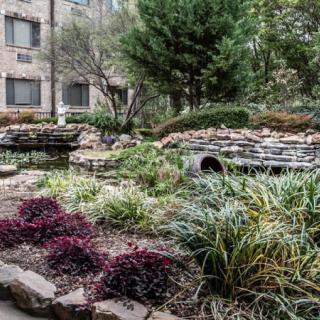
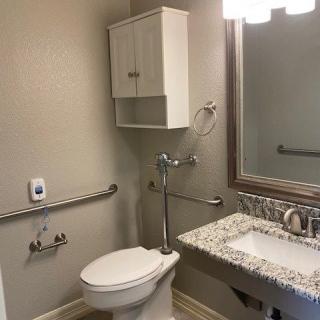
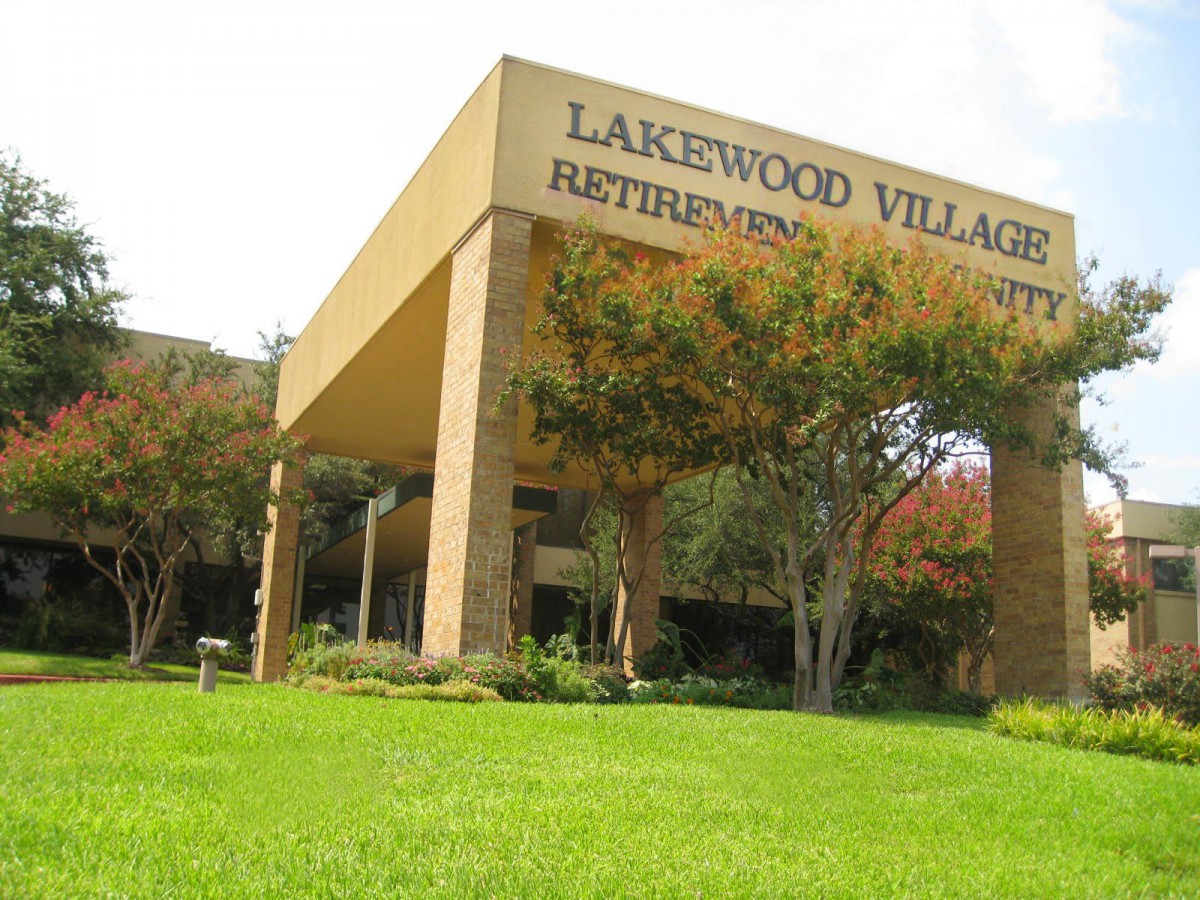
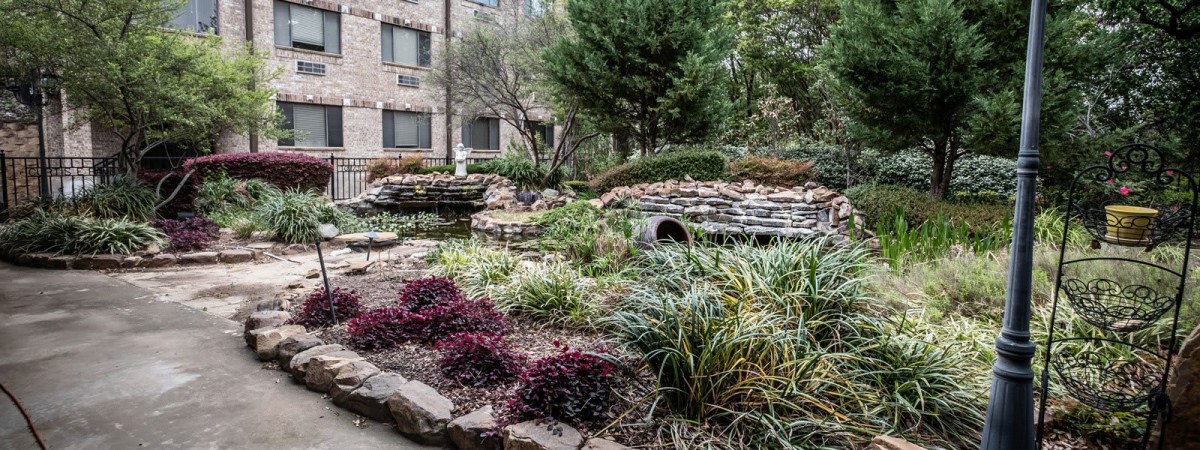
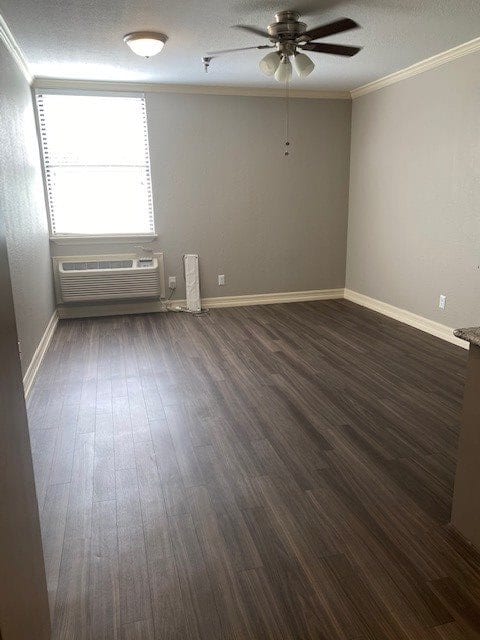
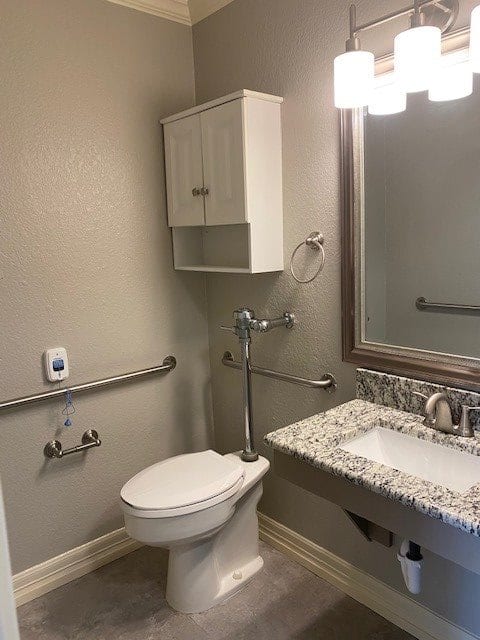
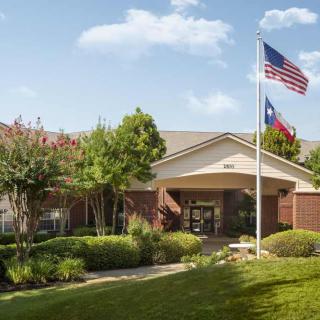
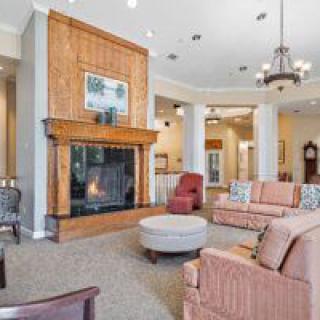
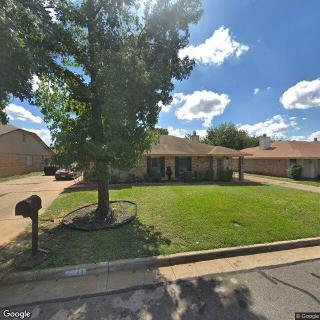
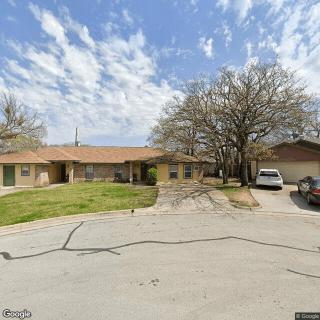
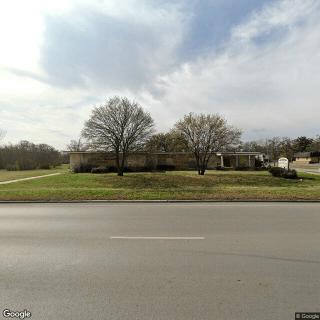
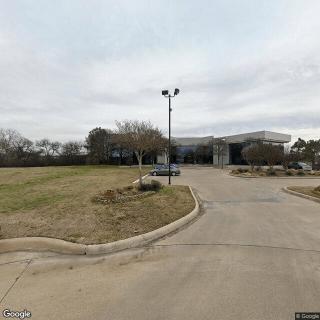
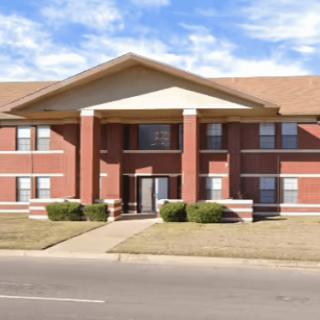
Christian Care Communities & Services Fort Worth on seniors.fyi includes 5 photos including images showing landscaping, trees, nature, outdoors, bathroom, entrance, grass, architecture, and more.
Nearby Communities
Christian Care Communities and Services-Fort Worth
Fort Worth, TX
4.3 from 123 reviews
$1,510 to $2,915 / month
Caring staff, clean facilities, and engaging activities.
Sparks Assisted Living
Fort Worth, TX
5 from 22 reviews
$3,350 to $4,250 / month
Small, home-like setting with attentive staff and proactive medical oversight from the RN owner.
St. John's Residential Care Home
Fort Worth, TX
1 from 1 review
Small 8-bed setting with personalized care and comprehensive amenities.
Fair Haven Adult Foster Care
Fort Worth, TX
2.7 from 34 reviews
Small, home-like setting with personalized care and comprehensive services (meals, activities, health coordination).
Watson Memorial Nursing Home
Fort Worth, TX
1.7 from 3 reviews
Inviting communal areas with attentive staff.
Nursefinders of North Texas
Fort Worth, TX
5 from 1 review
Personalized care with convenient access to nearby amenities.
Heritage Square
Fort Worth, TX
2.4 from 24 reviews
Private rooms available and some attentive staff; convenient location.
The Wellington At North Richland Hills
North Richland Hills, TX
4.5 from 185 reviews
$1,945 to $2,835 / month
Ashwood Court
North Richland Hills, TX
4.4 from 67 reviews
$3,320 to $4,400 / month
Caring staff with engaging activities in a clean, well-maintained setting.
Sundown syndrome, or sundowning, is a phenomenon in dementia patients characterized by increased confusion and agitation during late afternoon and evening, influenced by factors like disrupted circadian rhythms and fatigue. Effective caregiver strategies include establishing routines and managing environmental light while addressing caregiver stress through support services.
Delirium is a rapidly onset, reversible cognitive disturbance often caused by acute medical issues, while dementia is a gradual and irreversible decline due to chronic neurodegenerative diseases. Accurate differentiation between the two is essential for appropriate treatment and management in older adults.
Dementia, including Alzheimer’s disease, is often mischaracterized in terms of lethality as it leads to complications that can be fatal rather than being a direct cause of death; it causes a progressive decline in cognitive and physical health, making patients vulnerable to infections and other health crises. Effective management of nutrition, hydration, and communication is crucial in patient care, with palliative care becoming vital in advanced stages to enhance comfort and quality of life while caregivers play a key role amidst the challenges posed by the disease.
Christian Care Communities & Services Fort Worth photos
×
Outdoors
Building
Landscaping
Bathroom
Landscaping, Outdoors, and Nature
Building, Architecture, Entrance, and Grass
Bathroom, Grab Bars, and Light Fixture
Trees
Garden and Pond
Lake and Water
Get PricingAsk A QuestionSchedule A TourContact Senior Advisor
By clicking submit, you agree to our Partner's Terms of Use. You
also consent to receive calls and texts, which may be autodialed, from our Partner. Your consent is not a condition to
using our Partner's service. Please visit our Partner's Privacy Policy for information about their privacy practices.



 1-bedroom apartments
 Assisted Living
 Independent Living
 Memory Care
 Activities on-site
 Air-conditioning
 Beautician on-site
 Cable or satellite TV
 Computer center
 Devotional services on-site
 Dining room
 Full kitchen
 Garden
 Ground floor units
 Housekeeping services
 Indoor common areas
 Outdoor common areas
 Private bathrooms
 Resident parking
 Respite or short term stays offered
 Security gate
 Wi-Fi/high-speed internet available
 Dallas-Fort Worth International (15 miles away)
 Transportation & parking
 Ambulatory care
 Diabetic care
 Incontinence care
 Medication management
 Physical therapy
 Diabetes diet
 Guest meals
 Art classes
 Day trips and outings
 Educational speakers / life long learning
 Fitness programs
 Live dance or theater performances
 Live musical performances
 Live well programs
 Protestant services
 English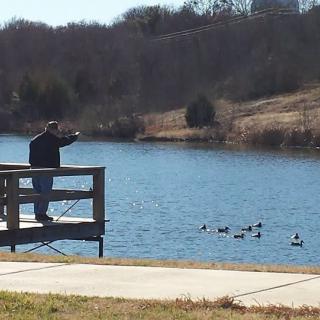
 Caring staff, clean facilities, and engaging activities.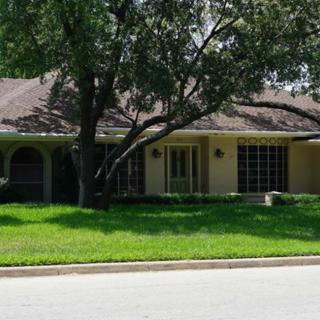

 Comprehending Evening Confusion in Dementia: Causes, Manifestations, and Support
 Delirium and Dementia: Unraveling the Key Differences
 Are Dementia and Alzheimer's Disease Lethal? A Comprehensive Exploration