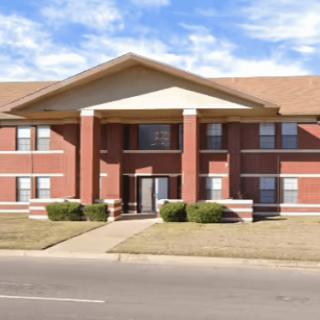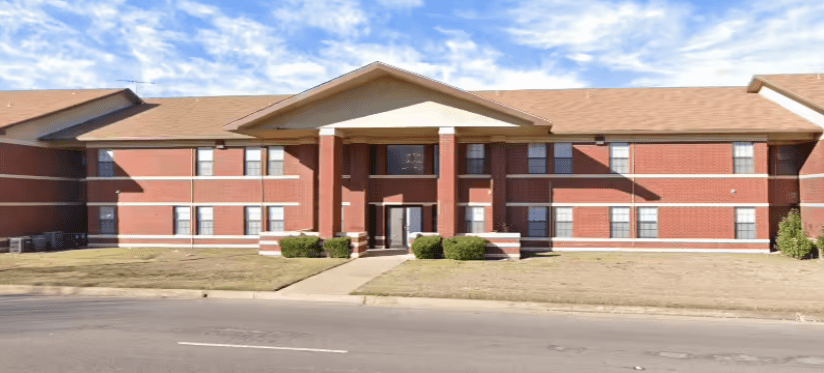

500 South Beach Street, Fort Worth, TX 76105
For more information about senior living options: (866) 208-4318
Overall Review of Heritage Square
Pros
 The staff are very friendly and nice.
- The facility offers private rooms, so residents can have their own space.
- The location is great and centrally located near city transit.
- A family member thrived under the care provided, and the staff were friendly and responsive.
- The facilities manager is direct and kind, with clear, open, and honest communication; maintenance issues are handled promptly.
- Sign language is accommodated to help communicate with residents, including those who are deaf or blind.
Cons
 They were denied financial assistance at first and refused admission because of a colostomy, despite self-care.
- No one answered the phone, and directions to the address were unreliable.
- It was described as the worst assisted living ever, with an unprofessional manager and overworked staff on 18-hour shifts with no days off.
- The facility is run-down, residents are not adequately cared for, staff seem unconcerned, and complaints go unresolved as the manager blocks contact with the owner.
- Staff are not friendly and neglectful; rooms aren’t cleaned, and the manager ignores residents’ complaints.
- The place is called the worst place in the world to put a loved one; the owner and manager are accused of mistreating staff and deaf residents and not paying workers.
- There is significant neglect, with limited feeding and a lack of professional care.
Review
Heritage Square in Fort Worth is best suited for seniors who rely on ASL and a deaf-friendly community, plus those who value private rooms, in-house medical services, and a central urban location. It is a niche option for families seeking a facility where communication with staff and other residents can happen through sign language, and where a robust, hands-on management presence is expected. This is not a universal fit; families that require consistently proactive leadership, transparent operations, and reliably responsive administration may want to consider alternatives.
On the positive side, the facility delivers several practical advantages. The staff are described as friendly and approachable, with a tangible commitment to residents on site. Private rooms help preserve dignity and reduce roommate friction, a meaningful factor for elders who value personal space. The location is convenient, with convenient transit access and in-house physician services, so essential medical tasks can be handled without excessive transport. Importantly, the community includes a sizable cohort of deaf or blind residents, with sign language understood to be widely supported; this creates a sense of belonging and a clear communication pathway for residents who rely on alternative means of interaction. Maintenance issues are noted as being addressed promptly when staff are available, and the facility’s hands-on management approach means problems are often handled directly rather than deferred.
Yet the drawbacks carry substantial weight in the decision calculus. A consistent thread across many reviews centers on leadership and administrative responsiveness, with claims of unreturned calls, delayed problem resolution, and a perception that the management team is overwhelmed or uninterested in resident complaints. Reports of overworked staff, long shifts, and a tense work environment contribute to doubts about reliability and morale. Cleanliness and upkeep appear uneven, some passable or better areas coexist with criticisms of dusty halls and inconsistent housekeeping. The most troubling feedback paints a picture of neglect or mistreatment, including accusations of resident abuse and mismanagement of finances or admissions. Taken together, these cautions suggest that day-to-day accountability can vary markedly and may not meet the expectations of families seeking a consistently steady care environment.
The key pros can offset some cons, but only for a specific subset of families. For households prioritizing effective communication and social integration among residents who share a deaf/blind culture, Heritage Square offers a compelling niche that can mitigate the impact of leadership gaps. The availability of in-house medical services and the proximity to transit help reduce logistical headaches and may streamline routine care, which is valuable when family oversight is limited. Private rooms are another meaningful counterweight to the darker impressions in some reviews, providing autonomy and reducing cross-room conflicts. However, for families that demand steady, attentive oversight, consistent scheduling, transparent incident reporting, and a track record of staff retention and accountability, the negatives may far outweigh the positives.
Those weighing alternatives should focus on leadership stability, communication reliability, and overall resident welfare. If rapid responsiveness to concerns, clear escalation paths, and proven staffing consistency are priorities, exploring other Fort Worth options is prudent. The decision becomes sharper for families with a strong preference for a sign-language-first environment: Heritage Square can deliver, but it requires a willingness to engage directly with management, conduct thorough on-site observations, and verify that current staff morale and licensing standards align with expectations. For any prospective resident, a face-to-face visit, conversations with multiple staff members, and discussions with current residents are essential to separate the genuine advantages from the episodic downsides.
In conclusion, Heritage Square serves a narrowly defined audience: seniors who rely on ASL, need a private room environment, and value on-site medical access within a central, transit-friendly setting. It is not a fit for families seeking a consistently outstanding level of care and administrative reliability, and alternatives should be considered by those who require predictable, well-documented accountability. A careful, purpose-driven vetting process is non-negotiable, schedule a tour, request candid discussions with the administrator and several frontline staff, and verify current resident experiences before making any commitment. This approach ensures the decision aligns with both communication needs and the level of organizational stability desired.
 85 resident community capacity
 Assisted Living
 Respite Care
 Activities on-site
 Air-conditioning
 Beauty salon
 Cable or satellite TV
 Computer center
 Devotional services off-site
 Dining room
 Fitness room
 Fully furnished
 Gaming room
 Garden
 Housekeeping services
 Indoor common areas
 Kitchenette
 Move-in coordination
 Outdoor space
 Private bathrooms
 Restaurant-style dining
 Small library
 Telephone
 Wellness center
 Wi-Fi/high-speed internet available
 Dallas-Fort Worth International (18 miles away)
 Community operated transportation
 12-16 hour nursing
 24-hour call system
 Ambulatory care
 Assistance with bathing
 Assistance with dressing
 Assistance with transfers
 Diabetes diet
 Diabetic care
 Medication management
 Mental wellness program
 Special dietary restrictions
 Concierge services
 Planned day trips





 When to Transition from Assisted Living to Memory Care: Key Indicators, Steps, and Finding the Right Community
 Assisted Living and Memory Care: Understanding Their Core Differences
 Beyond the Bingo Hall: 50+ Enriching Activities for Seniors in Assisted Living