
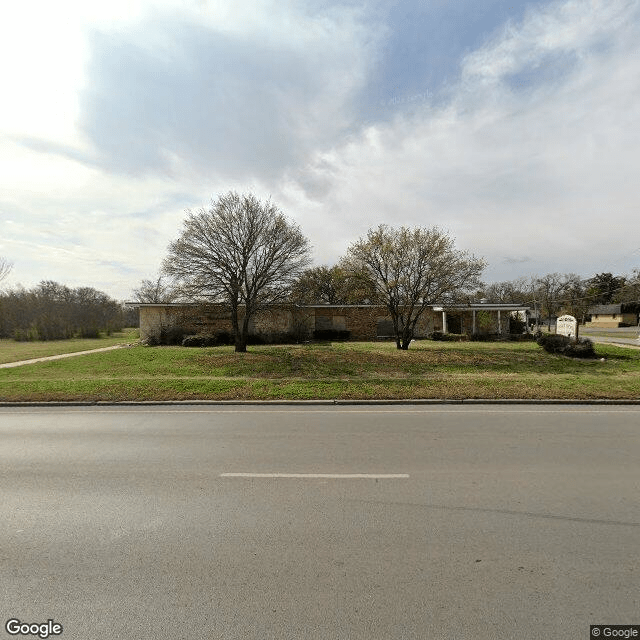
5000 E Lancaster Ave, Fort Worth, TX 76103
To contact a resident: (817) 535-3447
For more information about senior living options: (866) 208-4318
Overall Review of Watson Memorial Nursing Home
Pros
 The staff was pretty nice and very helpful.
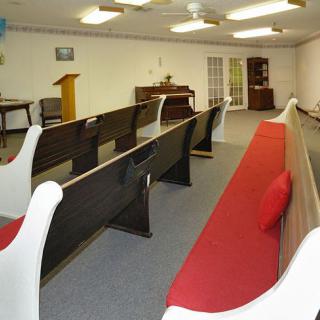
- The community area is pretty nice, with tables and chairs spread out, a TV for watching, and puzzles and games on the tables.
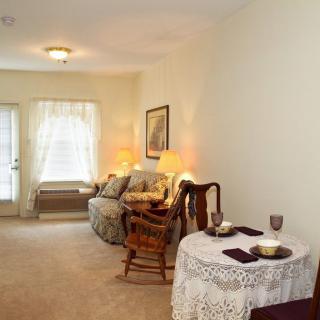
- The rooms were pretty nice, with white trim and flowery wallpaper.
- Overall, this is a good place.
Cons
 The nursing facility is described as the most depressing, unfriendly, and smelly facility the reviewer has encountered.
- The facility allegedly allowed a patient on a special liquid diet to eat meat, which led to choking and death.
- There isn’t even a 0.0001-star rating for the facility.
- The facility was described as sometimes smelling like a men’s bathroom with a foul urine odor.
Review
Watson Memorial Nursing Home in Fort Worth is not a practical fit for families seeking dependable, ongoing skilled nursing care today. The facility is described as currently closed and not in use, which means bed availability, continuity of care, and everyday oversight are unreliable at best. In practical terms, only decision-makers with an extreme urgency and a robust contingency plan, ready to relocate on short notice and to repeatedly verify status, would contemplate it. For the vast majority of families pursuing a steady, accountable care arrangement, this community should be crossed off the short list.
Those evaluating options should look to alternatives immediately. Any plan that prioritizes patient safety, predictable routines, and a respectful, sanitary environment will fare poorly here unless the operation status changes dramatically. Prospective residents and their families ought to demand current licensure, a transparent inspection history, and consistent staffing before even considering a tour. If closure remains a live issue, the risk of abrupt service disruption makes this option ill-suited for anyone who cannot tolerate frequent moves or last-minute rearrangements.
The few positives noted in the available feedback cannot meaningfully offset the core drawbacks. When present, staff are described as friendly and helpful, and the communal areas can appear inviting with tables, a television, and activity materials. Rooms are described as plain but decent. However, these surface attributes are swamped by the heavier concerns: a history of serious safety questions tied to patient meals, a haunting sense of neglect implied by the environment, and a daily atmosphere that reviewers label as depressing and unfriendly. In a setting where safety and dignity hinge on consistent operations, such contrasts are a warning sign rather than a reassurance.
The most distressing red flags center on safety and reliability. One review recounts a fatal incident tied to dietary management, alleging inadequate care that contributed to a patient’s choking and death. Even if disputes exist around the specifics, the claim underscores a fundamental risk: this is a facility where medical and dietary safeguards have, in at least one account, failed to protect a resident. Add the recurring complaints about persistent odors and a somber, unwelcoming vibe, and the overall impression is of a care environment that lacks the steady discipline and hygiene standards expected in skilled nursing. The closing status amplifies these concerns, introducing an element of uncertainty about whether meaningful improvements will occur in the near term.
For families still weighing options, the recommended course is straightforward: verify current operations first, then prioritize facilities with demonstrable stability, strong staffing models, and clean, welcoming environments. Conduct thorough inquiries into recent state inspections, deficiency reports, staffing ratios, and meal safety protocols. Schedule in-person tours focusing on odor control, cleanliness of rooms and shared spaces, and the responsiveness of front-desk and caregiving teams. Ask specifically how meals are prepared and monitored for safety, how incidents are documented, and what contingency plans exist if services are disrupted.
In sum, Watson Memorial Nursing Home does not meet the needs of most seniors seeking reliable, safe care in Fort Worth. The combination of closure status, a troubling safety anecdote, and environmental drawbacks eclipses any minor advantages in staff friendliness or room appearance. For families prioritizing continuity of care, predictability, and a sanitary, uplifting atmosphere, alternatives with current operations and transparent performance records are essential. If Watson Memorial remains on the shortlist, treat it as a last-resort, contingent option requiring uncompromising oversight, explicit exit criteria, and a clear, imminent plan to transfer to a functioning facility.
 Skilled Nursing Facility
 Dallas-Fort Worth International (16 miles away)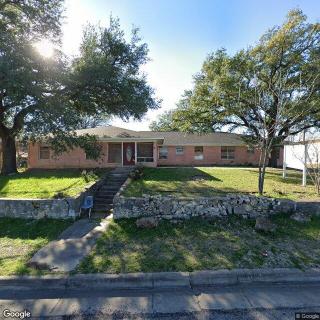

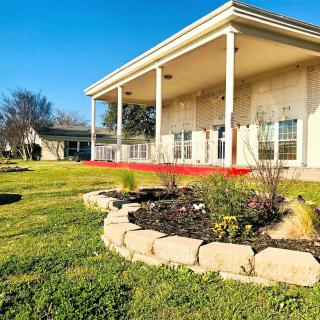


 Caring for Those Who Care: Recognizing, Understanding, and Overcoming Caregiver Burnout
 Caregiver Exhaustion: Recognizing the Signs and Restoring Your Well-Being
 Understanding Hospice Care at Home: Comprehensive Services, Key Benefits, and Eligibility