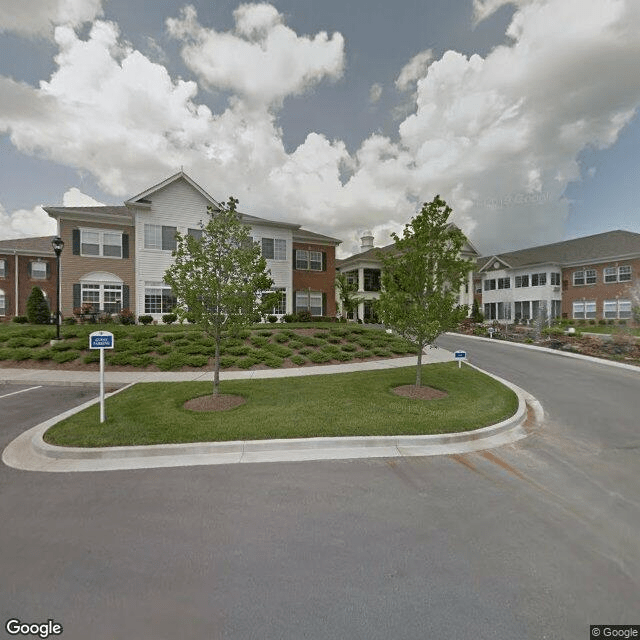
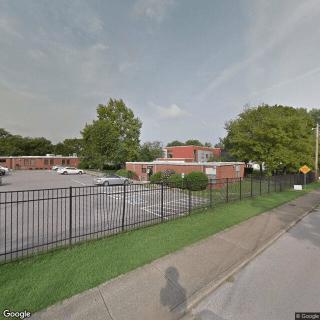
4100 Murfreesboro Road, Franklin, TN 37067
For more information about senior living options: (866) 208-4318
Overall Review of Fountains Of Franklin
Pros
 Fountains took excellent care of her mom.
- The staff at Fountains were compassionate, patient, and loving.
- The residents were friendly and fun.
- The reviewer would definitely recommend Fountains.
Review
Fountains Of Franklin is best suited for families seeking a warm, connective environment in Franklin, Tennessee, where daily kindness and social vitality take center stage. This community works especially well for seniors who prize personal attention, clear staff warmth, and a lively, neighborly atmosphere over highly specialized medical programming. It suits residents who respond well to a smaller, intimate setting where caregivers invest time in getting to know individuals, celebrate everyday interactions, and cultivate friendships among neighbors. For families monitoring visible compassion and a straightforward routine, this option delivers a comforting, approachable home base with light supports that complement independent living. In short, it is ideal for those who want companionship, approachable care, and a steady sense of belonging without demanding intensive clinical oversight.
Pros focus on the human touch that drives daily life here. Reported experiences emphasize staff who are compassionate, patient, and loving, capable of taking excellent care of a loved one. That gentleness translates into tangible benefits: aides who engage residents, respond to needs with warmth, and foster a friendly, social atmosphere where neighbors know each other by name. The resident community itself appears to be welcoming and entertaining, suggesting a place where daily interactions feel meaningful rather than routine. For families, these relational strengths translate into real peace of mind, knowing someone is watching closely, adjusting to changes, and treating elders with dignity and respect.
Yet the experience is not uniformly flawless. The community’s footprint is modest, with a small set of online ratings that include a notable one-star review. That single negative datapoint signals the possibility of inconsistencies in care, responsiveness, or administrative support under certain circumstances. In a smaller setting, such lapses can loom larger and may reflect gaps in medical oversight, escalation procedures, or care planning that some families require. Prospective residents should probe whether the level of clinical attention, memory care capabilities, and urgent-response protocols meet the specific needs of their loved one. In other words, kindness and engagement are evident, but the facility may not be the best match for those needing substantial, ongoing medical support.
Despite the caveats, the positives can substantially offset the downsides for the right resident. The combination of warm frontline staff and a lively, sociable resident population can deliver meaningful daily satisfaction and ease concerns about loneliness or isolation. For someone who thrives on personal attention, predictable routines, and regular activities, the culture of care can compensate for a leaner clinical footprint. In this dynamic, independence is respected while supportive services remain accessible without an institutional feel. When clinical needs are moderate and the emphasis is on companionship, daily involvement, and a positive social fabric, the advantages tend to dominate, helping residents maintain dignity, autonomy, and a consistent sense of belonging.
People whose care priorities lean toward robust medical oversight should consider alternatives. If memory-care programming, frequent therapeutic visits, rapid care escalation, or meticulously documented plans are non-negotiable, the limited reported data suggests shopping beyond this community. Families may prefer larger campuses with dedicated clinical teams, clearer staffing metrics, and more extensive programming. Those who value a highly structured schedule, predictable administration, and guaranteed response times may also find other communities more aligned with expectations. In short, for seniors whose needs extend well beyond light assistance and social engagement, exploring options with stronger clinical depth is prudent.
Practical next steps are clear and decisive. Schedule an on-site tour and seek candid conversations with current residents and families to gauge consistency across shifts. Request a detailed outline of available care levels, staffing ratios, escalation procedures, and a written summary of recent quality assurance measures. Verify access to physical therapy, memory care options, and physician or specialist input, whether on-site or through partnerships. Review activity calendars, transportation, and meal planning to ensure alignment with preferences and routines. Clarify the financial package: what’s included, what incurs extra cost, and the terms of admission and transfer. With these due-diligence checks, a confident, informed decision emerges, and the right match can be confirmed for the family’s unique real-world needs.
 98 resident community capacity
 Assisted Living
 Independent Living
 Memory Care
 Activities on-site
 Air-conditioning
 Beauty salon
 Cable or satellite TV
 Computer center
 Devotional services off-site
 Dining room
 Fitness room
 Fully furnished
 Gaming room
 Garden
 Housekeeping services
 Indoor common areas
 Kitchenette
 Move-in coordination
 Outdoor space
 Private bathrooms
 Restaurant-style dining
 Small library
 Telephone
 Wellness center
 Wi-Fi/high-speed internet available
 Nashville International (16 miles away)
 Community operated transportation
 12-16 hour nursing
 24-hour call system
 Ambulatory care
 Assistance with bathing
 Assistance with dressing
 Assistance with transfers
 Diabetes diet
 Diabetic care
 Medication management
 Mental wellness program
 Special dietary restrictions
 Transportation arrangement (medical)
 Concierge services
 Planned day trips




 8 Important Indicators That Memory Care May Be Necessary
 Delving into the Inner World of Dementia: Insights into Thoughts and Awareness
 Five Subtle Dementia Indicators to Observe: An In-Depth Guide to Understanding “Does My Mom Have Dementia?”