

4102 Murfreesboro Rd., Franklin, TN 37067
To contact a resident: (615) 530-7574
For more information about senior living options: (866) 208-4318
A Place Called My Home Costs & Pricing
A Place Called My Home offers competitive pricing for its accommodations when compared to the broader market in Williamson County and the state of Tennessee. For a semi-private room, residents can expect a monthly cost of $2,000, significantly lower than the county average of $4,125 and the state average of $3,162. Similarly, private rooms are priced at $3,000 per month, which is more affordable than both Williamson County's average of $4,085 and Tennessee's average of $3,696. This places A Place Called My Home as an appealing option for those seeking quality care while also being mindful of their budget.
| Floor plans | A Place Called My Home | Williamson County | Tennessee |
|---|---|---|---|
| Semi-Private | $2,000 | $4,125 | $3,162 |
| Private | $3,000 | $4,085 | $3,696 |
Senior living communities with a similar price nearby
-
from +$381 / mo
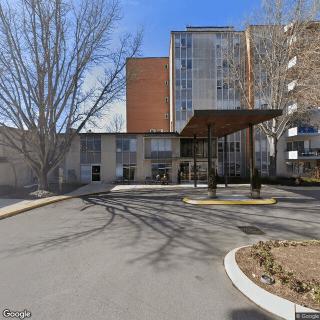
Park Manor
$2,381 to $3,950 / month15.0 miles away -
from +$200 / mo

Mary's Loving Care
$2,200 to $2,400 / month12.3 miles away -
from -$110 / mo
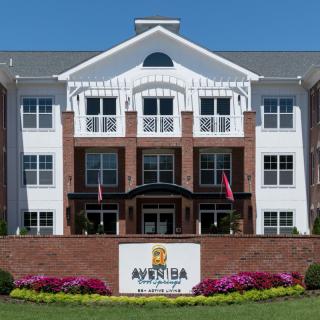
Avenida Cool Springs
$1,890 to $2,280 / month3.8 miles away -
from +$145 / mo

Stones River Manor
$2,145 to $2,665 / month23.5 miles away -
from -$225 / mo
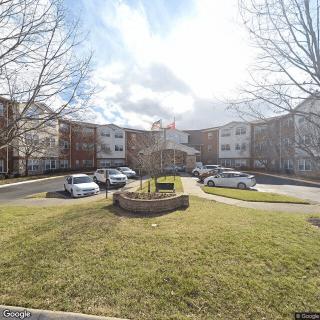
Legacy Crossing
$1,775 to $2,755 / month2.3 miles away
Overall Review of A Place Called My Home
Pros
 Right at Home is professional, caring, and thorough from the very first contact.
- They go far beyond expectations, evaluating needs, helping with legal issues, and ensuring excellent home care, including transitions to memory care.
- The family feels more capable and confident thanks to Right at Home.
- The team is completely dedicated, with a passionate commitment to helping those in need.
- Right at Home places the right person at the right time for clients and their families.
Review
Right at Home in Franklin, Tennessee is best suited for families who want a robust, adaptable in-home care solution that supports aging in place while planning for changes in condition, including memory impairment. The model serves households that need professional, hands-on guidance, from needs assessments to care-plan coordination and even help navigating legal and logistical questions. This provider excels when the goal is to remain at home as long as possible without surrendering control over the care plan, yet with a clear, expert roadmap for potential memory-care transitions.
Those weighing alternatives should consider that this is not a campus-based living option. If constant, on-site supervision and structured, social programming in a community setting are priorities, an assisted living or other senior-living campus may be a better fit. Families seeking abundant resident interactions, scheduled activities, and in-house medical oversight available around the clock may find a facility-based model to be more predictable for long-term budgeting and daily rhythm. Likewise, households with very tight budgets or those needing 24/7 live-in coverage without shifting to another housing model may prefer a different arrangement.
The strongest points here are the clearly defined advantages in professional service and care continuity. The team is described as highly professional, caring, and thorough from the very first contact, with a track record of going beyond expectations. Evaluations are comprehensive, and the provider is seen as a true partner in arranging excellent home care, including support during transitions to memory care. The ability to address a broad range of care needs while maintaining a compassionate, client-centered approach helps families feel less overwhelmed and more capable of managing the caregiving journey.
Where potential drawbacks come into focus, the in-home model can feel less comprehensive in social stimulation and communal activity compared to a living campus. Scheduling dependability and caregiver continuity can influence the consistency of care, and long-term affordability may hinge on hours, intensity of services, and the need for specialized memory-support services. However, these considerations are mitigated by the providerā€™s strengths in caregiver matching, rapid responsiveness, and the capacity to adapt the plan as conditions evolve, especially when memory care becomes part of the plan.
A notable strength across the experiences shared is the emphasis on memory-care readiness. The ability to plan ahead for memory-support services, coupled with practical help for legal issues and ensuring the right caregiver is assigned at the right time, offers a level of reassurance that is rare in in-home care narratives. Families facing abrupt declines or caregiver fatigue will find value in a team that can shoulder operational and relational burdens, enabling better prioritization of safety, routines, and daily functioning without sacrificing the comfort of remaining at home.
Decision-makers weighing options between assisted living and home-based care should treat this provider as a premium, home-first alternative with distinct advantages for those who value continuity and proactive planning. It is especially well-suited for households prioritizing independence, personalized care plans, and a clear path toward memory-care transition that preserves dignity and control. If the priority is robust social engagement in a campus setting or a fixed, predictable monthly cost structure, alternatives deserve careful comparison. Begin with a needs assessment, request a detailed care plan, and verify caregiver matching, backup coverage, and transition protocols to ensure alignment with long-term goals.
 Board and Care Home
 Activities on-site
 Bath tubs
 Beautician on-site
 Devotional services on-site
 Indoor common areas
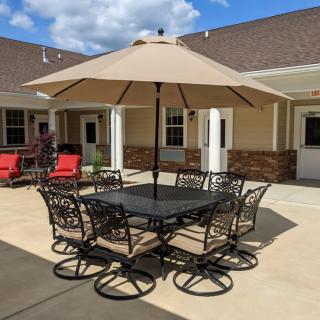
 Outdoor common areas
 Private
 Respite or short term stays offered
 Nashville International (17 miles away)
 Ambulatory care
 Diabetic care
 High acuity care
 Incontinence care
 Meals provided
 Christian services






 A Comprehensive Exploration of Common Misunderstandings about Powers of Attorney
 Senior Move Management: Understanding the Role, Value, and Associated Costs
 Weight Training for Seniors: Building Strength and Vitality