

1189 Highway 315, Ste 4, Wilkes-Barre, PA 18702
To contact a resident: (570) 883-5600
For more information about senior living options: (866) 208-4318
Overall Review of BAYADA Home Health Care - Wilkes-Barre
Pros
 Bayada Nurses has been a good move for them.
- The caregivers work well with their mom and assist with cooking and cleaning as needed.
- The office staff are great to work with.
- They plan to continue using the service and would recommend it.
Review
Bayada Home Health Care in Wilkes-Barre is best suited for families that want skilled, compassionate in-home support for an aging loved one who can remain at home but needs daily help and closer supervision. The model serves seniors who require assistance with meal preparation, light housekeeping, medication reminders, and basic nursing tasks, without the need to move into a facility. It is strongest when a plan emphasizes careful caregiver matching, predictable scheduling, and responsive office coordination, creating a steady, person-focused support network rather than a campus routine. This option suits households prioritizing privacy, familiar surroundings, and uninterrupted daily life while receiving professional care.
Anyone who expects 24/7 monitoring, a built-in social life, or expansive on-site programming should consider alternatives. In-home care excels at daily task support and comforting presence, but cannot duplicate the round-the-clock security, dense activity calendar, and broader social integration offered by an assisted living or memory-care community. If constant supervision, extensive daily medical management, or a seamless transition to a living environment with residents and staff present around the clock is essential, a facility-based option is likely a better fit. Financial considerations also matter, since long-term in-home care can map differently to monthly facility rates and coverage.
From the family perspective, the primary advantage is the way caregivers interact with mom, delivering warmth, reliability, and practical help beyond mere checks. The caregivers not only assist with daily meals but also help with cooking and cleaning as needed, easing the burden on relatives and keeping the home environment livable and comfortable. Office staff are described as great to work with, translating into smoother scheduling, fewer communication gaps, and quicker responses when plans shift or needs change. This blend of relational fit and logistical ease makes in-home care a compelling choice when the senior values continuity and a familiar rhythm.
Plans with Bayada appear adaptable, allowing tasks to be scaled up or down as health or energy changes, which matters greatly when conditions fluctuate. The on-site team tends to integrate well with the family routine, reinforcing a sense of control and predictability. The review notes a concrete timeframe, care coverage through the end of June, highlighting the importance of clarifying duration, expectations, and contingency arrangements upfront to avoid ambiguity. Practically, this means confirming the schedule, back-up caregivers, and the process for extending or transitioning care if needs evolve.
Overall, the major benefit, personalized, at-home care with direct support for meals and housekeeping, tends to offset many of the gaps typical of in-home services. The trade-off remains real: potential coverage gaps during caregiver turnover or scheduling conflicts, fewer built-in social engagements than a living community, and a healthcare footprint that relies on the availability and reliability of the assigned team. Families should establish a clear communication plan, understand projected hours and rates, and arrange backups so care does not lapse if a provider is unavailable. When these factors are managed, Bayada’s in-home model can deliver steady, home-centered security.
Bottom line: this service is a strong match for families seeking flexible, home-based support that keeps a loved one in a familiar setting while receiving professional help. Those who prefer coordinating care and prioritizing a private environment will find the benefits compelling. For anyone weighing alternatives, it is prudent to compare upfront with facility options that bundle social programming, 24/7 oversight, and comprehensive medical management in a single footprint. The next steps are a formal in-home assessment, explicit caregiver-matching criteria, a clear schedule, a transparent cost outline, and a plan for back-up coverage. With diligent planning, this option can function as the right bridge between independence and medical support.
 Wilkes-Barre Scranton International (7 miles away)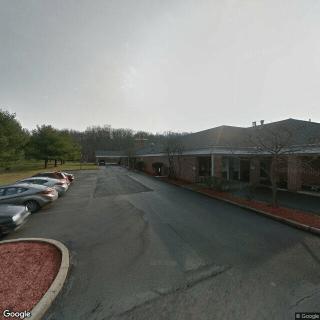






 Caregiver Exhaustion: Recognizing the Signs and Restoring Your Well-Being
 Understanding Hospice Care at Home: Comprehensive Services, Key Benefits, and Eligibility
 Understanding the Full Cost of 24/7 In-Home Care: A Detailed Overview