Heinz Transitional Rehabilitation Unit in Wilkes Barre, PA

Save

  • Interior

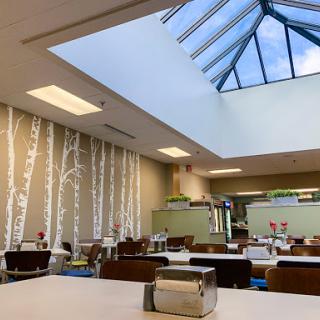
    A bright and inviting dining area featuring a skylight and elegant decor.
  • Building

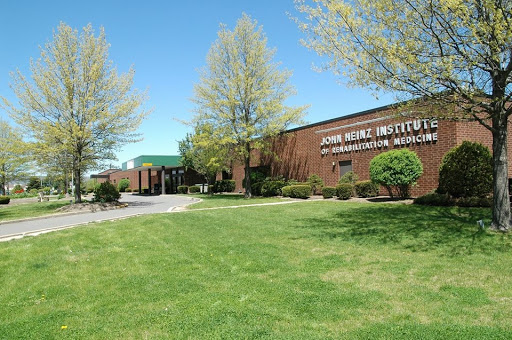
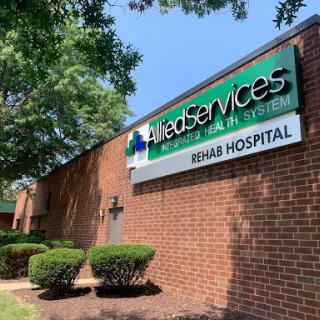
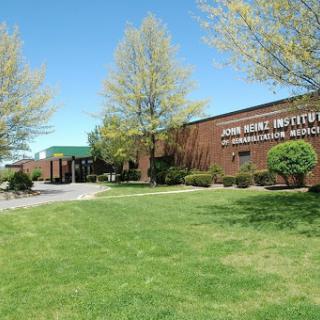
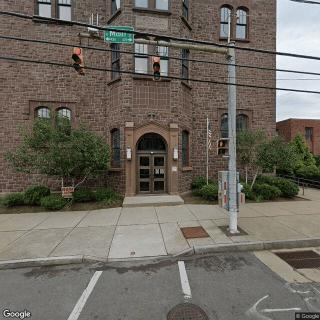
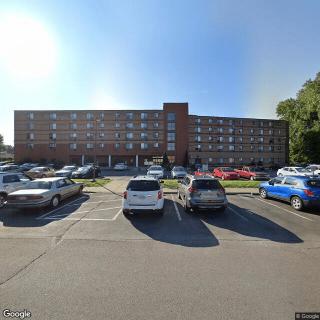
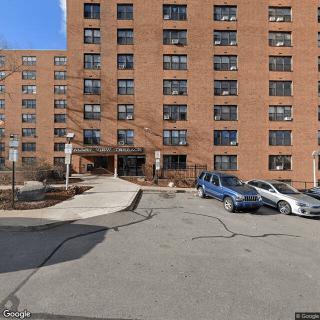
    Exterior view of a rehabilitation hospital, featuring clear signage and landscaped surroundings.
  • Architecture

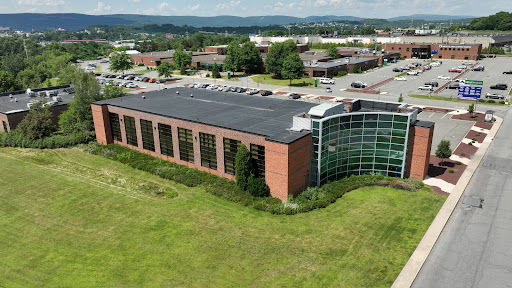
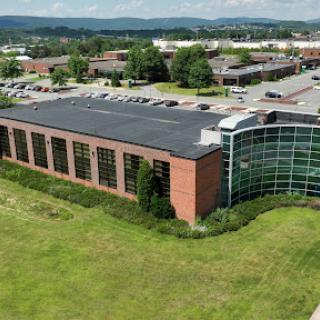
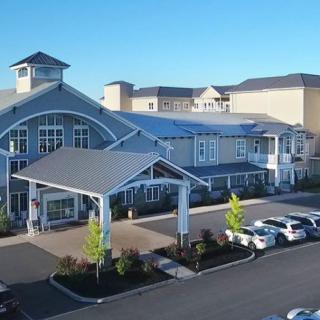
    Aerial view of a modern commercial building surrounded by green grass.
  • Bedroom

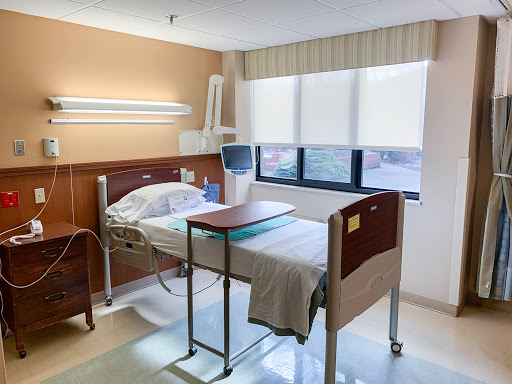
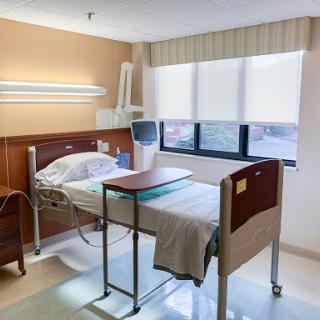
    A clean and well-lit hospital patient room equipped with essential medical facilities.
  • Trees

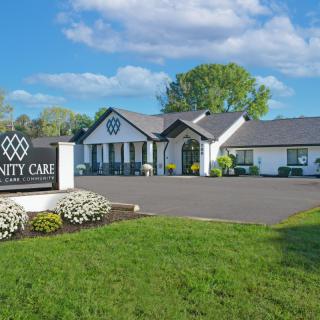
    A sunny day at the John Wood Institute, surrounded by lush greenery.
  • Outdoor

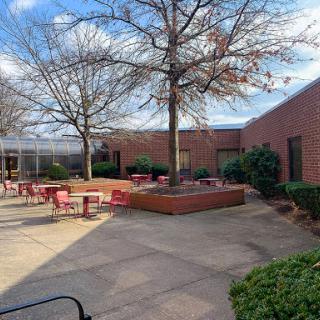
    A tranquil courtyard featuring seating areas surrounded by trees and brick walls.
  • Television

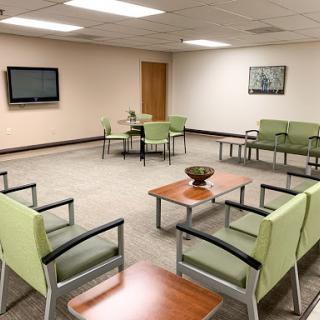
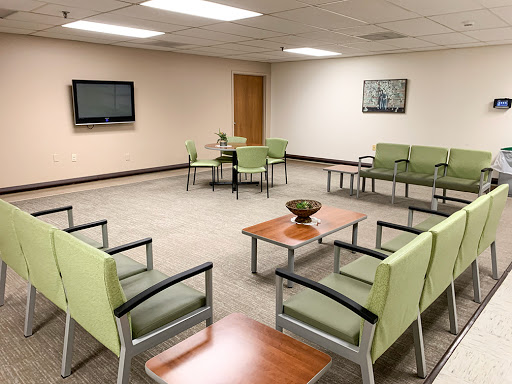
    A modern and inviting waiting room with green chairs and wooden tables.
  • Exercise Equipment

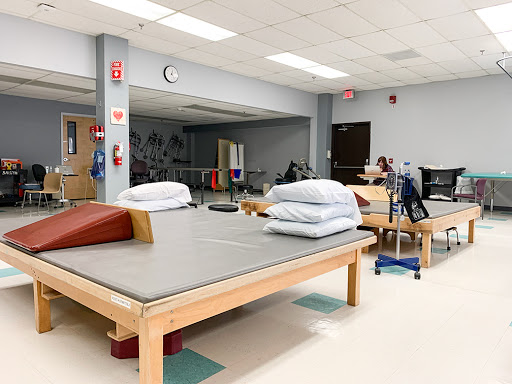
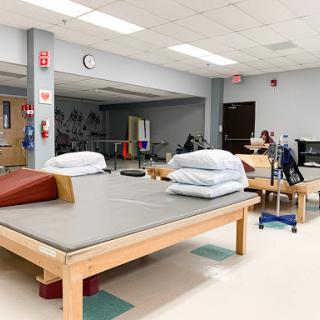
    A spacious physical therapy room equipped with exercise tables and various rehabilitation tools.
  • Rehabilitation

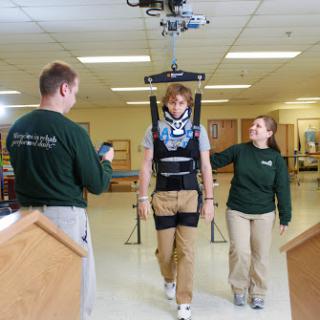
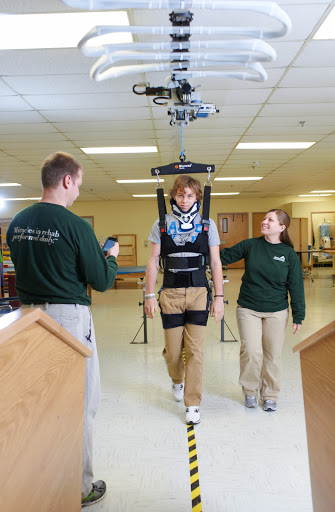
    A patient aided by an exoskeleton during rehabilitation, guided by healthcare professionals.

Heinz Transitional Rehabilitation Unit in Wilkes Barre, PA

150 Mundy Street, Wilkes Barre, PA 18702

For more information about senior living options: (844) 490-3973

3.9 from 22 reviews
5 stars
14
4 stars
2
3 stars
0
2 stars
2
1 stars
4

Skilled Nursing Facility

Overall Review of Heinz Transitional Rehabilitation Unit

Pros

  • pro The lymphedema treatments with Diane help patients physically and mentally.
  • pro Patients spend a full hour one-on-one with their therapist.
  • pro It is regarded as the best place in NEPA for physical and occupational therapy.
  • pro The lymphedema therapist is highly caring and helps patients achieve great results.
  • pro The facility is very caring and welcoming.
  • pro The physical therapists are amazing.
  • pro The staff are extremely nice and the food is really good.
  • pro The care is excellent and the therapy is awesome.

Cons

  • pro The reviewer describes the experience as horrible, with nursing medication mistakes and a threat to withhold antiseizure medication, and advises others not to go there.
  • pro They criticized the administration and scheduling as the worst, noting repeated delays due to overlap with other patients and saying they would look elsewhere.
  • pro They would not work with workers' compensation and had to rely on personal insurance, describing the service as horrible.
  • pro The staff were rude and unable to care for dementia patients, leaving residents in dirty clothes and without showers.
  • pro The rooms were dirty, and the reviewer would not recommend the facility to anyone.
  • pro The facility reportedly does not respond to negative reviews, only favorable ones.

Review

This community is best suited for seniors who need focused rehabilitation and place a premium on hands-on, one-on-one physical and occupational therapy delivered by attentive professionals. The Heinz Transitional Rehabilitation Unit in Wilkes-Barre shines for patients recovering from surgery, brain injuries, strokes, or other events that benefit from dedicated PT/OT work, frequently with a specialized emphasis on lymphedema management. The environment supports recovery with a clean, pleasant setting, solid food service, and staff who are regularly described as caring and responsive. It is a practical fit for those who want clear progress through individualized therapy plans rather than long-term custodial care.

Those who may want to consider alternatives are clear: if the top priority is flawless administrative flow and medication safety, or if a highly autonomous, fast-track discharge is essential, this unit may test those expectations. A few reviews flag scheduling glitches and administrative inefficiencies that interrupt therapy time, which can blunt momentum for patients who rely on precise, predictable routines. Some families also raise concerns about medication handling and limited opportunities for family involvement in or observation of therapy sessions. For families seeking a facility with minimal friction between therapy and daily operations, exploring other options could be prudent.

The strongest pro-conversation centers on therapy quality versus operational bumps. On the pro side, the therapists are repeatedly praised for expertise, patience, and genuine care, with many patients reporting meaningful gains from consistent, individualized sessions. The emphasis on thorough, targeted therapy - sometimes even addressing specific conditions like lymphedema with dedicated attention - translates into tangible improvements in mobility and independence for those who can sustain the program. The overall atmosphere - friendly staff, attentive nurses, and a reputation for good food and cleanliness - further supports a therapeutic mindset and helps families feel confident about day-to-day care.

The cons are real enough to weigh carefully. Administrative bottlenecks and scheduling misfires can interrupt therapy time, eroding the consistency that many patients - and families - depend on for progress. A minority of reviews recount medication and safety concerns, which are serious when a resident relies on precise treatment. Several postings suggest a perception that therapy may be more limited than anticipated or that certain protocols restrict how aggressively staff push toward independence. Family members who want direct access to therapy sessions or who expect a highly transparent, hands-on involvement may find these aspects frustrating, which can color the overall experience.

For families planning the next steps, engage early and specifically. Ask for a named therapy leader to coordinate cues across PT, OT, and any specialized services like lymphedema care, and request a written schedule that maps out daily therapy blocks. Verify the facility's medication safety processes, including how conflicts are resolved and how nurses collaborate with therapists to minimize risks. Inquire about family visitation policies related to therapy, and seek clarity on how progress is documented and communicated during discharge planning. Prospective residents should also visit with an eye on cleanliness, room condition, and the consistency of staffing across shifts.

In the final assessment, Heinz Transitional Rehabilitation Unit is a strong choice for seniors whose recovery depends on high-quality, individualized therapy delivered in a supportive environment. The clear upside - the caliber of therapists and their ability to move patients forward - can offset most concerns about scheduling hiccups or protocol rigidity, provided administration is responsive and safeguards are clearly in place. Those considering alternatives should weigh whether a facility's stronger emphasis on administrative smoothness, medical oversight, and direct family involvement better aligns with the specific care goals and pace of recovery required. When therapy is the core objective and a compassionate, patient-centric team is valued, Heinz stands out as a principled, capable option.

Features

Housing

  • 45 resident community capacity 45 resident community capacity

Types of Care

  • Skilled Nursing Facility Skilled Nursing FacilitySkilled Nursing Facilities are crucial for seniors as they provide round-the-clock medical care, rehabilitation services, and assistance with daily activities. These facilities ensure that seniors receive the specialized care they need to maintain their health and well-being as they age.

Amenities

  • Beauty salon Beauty salonBeauty salons are important for seniors because they provide a space for them to feel pampered, socialize, and maintain their personal grooming and hygiene. Regular visits to a beauty salon can help boost seniors' self-esteem and overall well-being.
  • Cable or satellite TV Cable or satellite TVCable or satellite TV is important for seniors because it provides entertainment, news, and companionship, helping to combat loneliness and boredom. It also offers a wide range of programming options tailored to different interests and preferences.
  • Dining room Dining roomDining rooms are important for seniors as they provide a space for socialization, connection, and nutritious meals. They offer opportunities for residents to bond over shared meals, foster a sense of community, and promote healthy eating habits. Dining rooms also ensure that seniors have access to well-balanced meals tailored to their dietary needs and preferences.
  • Fully furnished Fully furnishedFully furnished senior living communities are important for seniors because they provide convenience, comfort, and a hassle-free moving experience. Seniors can easily settle into their new living space without the stress of having to buy and move furniture. This allows them to focus on enjoying their new home and community.
  • Garden GardenGardens are important for seniors as they provide a peaceful and therapeutic environment for relaxation, physical activity, and socialization. Being in nature has been shown to reduce stress, improve mood, and promote overall well-being. Gardens also offer opportunities for seniors to engage in gardening activities, which can improve mobility, flexibility, and cognitive function. Additionally, gardens create a sense of community and connection with others who share a passion for plants and outdoor spaces.
  • Housekeeping services Housekeeping servicesHousekeeping services are important for seniors because they help maintain a clean and safe living environment, promote independence, and reduce the risk of accidents or illnesses. Additionally, having assistance with household chores can alleviate physical strain and allow seniors to focus on other aspects of their well-being.
  • Kitchenette KitchenetteKitchenettes are important for seniors living in senior living communities because they provide the convenience and independence of being able to prepare simple meals and snacks in the comfort of their own living space. This can help promote a sense of autonomy and well-being for seniors, allowing them to maintain some level of control over their dietary choices and daily routines.
  • Move-in coordination Move-in coordinationMove-in coordination is important for seniors because it helps ease the transition into their new living environment. It ensures that all logistics, such as packing, organizing movers, and setting up utilities are taken care of, allowing seniors to focus on settling in and adjusting to their new home. Having a smooth move-in process can alleviate stress and anxiety, making the transition smoother and more enjoyable for seniors.
  • Outdoor space Outdoor spaceOutdoor spaces are important for seniors as they provide opportunities for physical activity, social interaction, exposure to natural light and fresh air, and a sense of connection to nature. Having access to outdoor spaces can improve overall well-being and quality of life for older adults living in senior communities.
  • Restaurant-style dining Restaurant-style diningRestaurant-style dining is important for seniors because it allows them to enjoy delicious, nutritious meals in a social and upscale setting. This enhances their dining experience, promotes healthy eating habits, and fosters socialization with fellow residents, ultimately contributing to their overall well-being and quality of life.
  • Small library Small librarySmall libraries are important for seniors as they provide access to a variety of reading materials, including books, newspapers, and magazines. This can help stimulate their minds, keep them engaged, and provide a sense of community through book clubs and other social activities. Additionally, reading has been shown to improve cognitive function and overall mental well-being in older adults.
  • Telephone TelephoneTelephones are important for seniors as they provide a lifeline for communication with loved ones, emergency services, and healthcare providers. They offer a sense of security and independence, enabling seniors to stay connected and access assistance when needed.
  • Wi-Fi/high-speed internet available Wi-Fi/high-speed internet availableWi-Fi/high-speed internet is important for seniors to stay connected with loved ones, access online resources, and participate in virtual activities to combat feelings of loneliness and isolation. It also allows them to easily manage healthcare needs, access entertainment, and engage in lifelong learning opportunities.

Transportation

  • Wilkes-Barre Scranton International (9 miles away) Wilkes-Barre Scranton International (9 miles away)

Care Services

  • 24-hour call system 24-hour call system24-hour call systems are important for seniors because they provide peace of mind and immediate assistance in case of emergencies. This technology ensures that help is always available, promoting safety and security for elderly individuals living alone or in assisted living facilities.
  • 24-hour supervision 24-hour supervision24-hour supervision is important for seniors to ensure their safety, well-being, and access to immediate assistance in case of emergencies or health issues. This constant support provides peace of mind for both seniors and their loved ones, allowing them to age in place with dignity and security.
  • Activities of daily living assistance Activities of daily living assistanceActivities of daily living assistance are important for seniors because they provide essential support with tasks such as eating, bathing, dressing, and mobility. This assistance helps seniors maintain their independence, dignity, and overall quality of life as they age.
  • Assistance with bathing Assistance with bathingAssistance with bathing is crucial for seniors as it helps maintain personal hygiene, prevents infections, and ensures their overall well-being and comfort. It also provides a sense of dignity and independence for seniors who may struggle with this task on their own.
  • Assistance with dressing Assistance with dressingAssistance with dressing is important for seniors because it helps maintain their independence, promotes personal hygiene, prevents accidents and injuries, and improves overall quality of life. This service ensures that seniors can continue to dress comfortably and confidently, despite any physical limitations they may have.
  • Assistance with transfers Assistance with transfersAssistance with transfers is crucial for seniors as it helps prevent falls and injuries, maintains their independence, and ensures they can safely navigate their living environment. It also provides peace of mind for both seniors and their loved ones.
  • Diabetes diet Diabetes dietA diabetes diet is crucial for seniors as it helps manage blood sugar levels, reduce risks of complications, and improve overall health and well-being. By following a balanced and nutritious diet tailored to their specific needs, seniors can better control their diabetes and enhance their quality of life.
  • Meal preparation and service Meal preparation and serviceMeal preparation and service are crucial for seniors as they may have limited mobility or energy to cook nutritious meals. Having access to healthy and convenient food options can ensure they are getting the proper nutrition needed to maintain their overall health and well-being.
  • Medication management Medication managementMedication management is crucial for seniors to ensure they are taking the right medications at the correct dosages and times. This helps prevent adverse drug interactions, reduces the risk of medication errors, and promotes overall health and well-being. Proactive management also allows for adjustments as needed based on changing health conditions or new prescriptions.
  • Mental wellness program Mental wellness programMental wellness programs are essential for seniors as they promote cognitive stimulation, emotional support, and social engagement. These programs help prevent isolation, depression, and cognitive decline, ultimately enhancing the overall quality of life for older adults.
  • Special dietary restrictions Special dietary restrictionsSpecial dietary restrictions are important for seniors because age-related changes in metabolism and health conditions can make it difficult for their bodies to process certain foods. By following a diet tailored to their specific needs, seniors can maintain their overall health and well-being, manage chronic conditions, and reduce the risk of complications such as malnutrition or food interactions with medications.
Dining

  • Diabetes diet Diabetes dietA diabetes diet is crucial for seniors as it helps manage blood sugar levels, reduce risks of complications, and improve overall health and well-being. By following a balanced and nutritious diet tailored to their specific needs, seniors can better control their diabetes and enhance their quality of life.
  • Special dietary restrictions Special dietary restrictionsSpecial dietary restrictions are important for seniors because age-related changes in metabolism and health conditions can make it difficult for their bodies to process certain foods. By following a diet tailored to their specific needs, seniors can maintain their overall health and well-being, manage chronic conditions, and reduce the risk of complications such as malnutrition or food interactions with medications.

Activities

  • Community-sponsored activities Community-sponsored activitiesCommunity-sponsored activities are important for seniors as they provide opportunities for social interaction, mental stimulation, and physical activity. These activities can help improve overall well-being, combat loneliness and isolation, and promote a sense of belonging and purpose among older adults.
  • Resident-run activities Resident-run activitiesResident-run activities are important for seniors as they encourage social interaction, creativity, and a sense of autonomy. These activities empower seniors to stay engaged and active in their community while fostering meaningful connections with their peers.
  • Scheduled daily activities Scheduled daily activitiesScheduled daily activities are important for seniors because they provide structure, socialization, mental stimulation, and physical activity. Engaging in regular activities can improve overall well-being and quality of life for seniors living in a community setting.

Description

The Heinz Transitional Rehabilitation Unit in Wilkes Barre, PA is a premier assisted living community that offers a range of amenities and care services to ensure the comfort and well-being of its residents.

The community provides fully furnished accommodations with cable or satellite TV, Wi-Fi/high-speed internet, and a small library for entertainment and relaxation. Residents can enjoy delicious meals in the restaurant-style dining room, which offers options for special dietary restrictions. Housekeeping services help maintain a clean and organized living environment, while move-in coordination ensures a smooth transition for new residents.

Heinz Transitional Rehabilitation Unit also features outdoor spaces and a garden where residents can enjoy fresh air and nature. For those who require assistance with activities of daily living, the community provides 24-hour supervision, as well as support with bathing, dressing, and transfers. Medication management is provided to ensure proper healthcare administration.

To promote mental wellness, the community offers a mental wellness program that focuses on emotional support and engagement. Resident-run activities and scheduled daily activities provide opportunities for socialization and engagement within the community.

Additionally, Heinz Transitional Rehabilitation Unit is conveniently located near various amenities such as cafes, parks, pharmacies, physicians' offices, restaurants, theaters, and hospitals. This ensures easy access to essential services and enjoyable entertainment options for residents.

Overall, Heinz Transitional Rehabilitation Unit in Wilkes Barre provides an exceptional assisted living experience with its range of amenities and care services designed to meet the unique needs of each resident.

Nearby Places of Interest

Physicians

  • Dineshkumar Chimanlal Talati, MD (0.2 miles)
  • Northeastern Eye Institute (0.4 miles)
  • Dr. Joseph Wagner (0.5 miles)
  • Miracle-Ear Hearing Aid Center (0.6 miles)
  • Brucker, Wilma K, Md - Va Medical Center-Wilkes-Barre (1 miles)
  • Genesis Healthcare - Main Voice (1.1 miles)
  • General Laporoscopic Surgery - Joseph J Ridilla Do (1.3 miles)

Restaurants

  • Royal House Buffet (0.5 miles)
  • Mirakuya Japanese Restaurant (0.6 miles)
  • Applebee's (0.6 miles)
  • Chipotle Mexican Grill (0.6 miles)
  • Chick-Fil-A (0.7 miles)
  • Miller's Ale House (0.7 miles)
  • CoreLife Eatery (0.7 miles)

Cafes

  • Starbucks (0.6 miles)
  • Panera Bread (0.6 miles)
  • Starbucks (2.1 miles)
  • Mattern's Floral and Furnishings (2.2 miles)
  • Bistro On Hudson (2.2 miles)

Hospitals

  • General Hospital (0.7 miles)
  • VA Medical Center (1 miles)
  • Center For Same Day Surgery (1.1 miles)
  • Wyoming Valley Health Care (1.5 miles)
  • NEPA Breastfeeding Center (1.7 miles)
  • Geisinger Health System (2.2 miles)
  • Geisinger Hospital (2.3 miles)

Pharmacies

  • Wegmans (0.7 miles)
  • CVS Pharmacy (0.8 miles)
  • Rite Aid (1.5 miles)
  • General Community Pharmacy (1.5 miles)
  • Advanced Pharmacy Services (1.8 miles)
  • Pierce Drugs (1.8 miles)
  • Turkey Hill, LP (2 miles)

Theaters

  • R/C Wilkes-Barre Movies 14 (1.5 miles)

Parks

  • Kirby Park (1.9 miles)

Frequently Asked Questions

Where is Heinz Transitional Rehabilitation Unit?
What photos are available for Heinz Transitional Rehabilitation Unit in Wilkes Barre, Pennsylvania?

Nearby Communities

  • North Penn Manor

    North Penn Manor

    Wilkes Barre, PA

    4 from 44 reviews
    $1,990 to $2,550 / month

    pro Caring staff in a clean, smaller community with good value.
  • Comfort Keepers

    Comfort Keepers

    Wilkes-Barre, PA


    pro Excellent access to nearby healthcare and amenities.

  • Golden Living Center - North Pennsylvania

    Golden Living Center - North Pennsylvania

    Wilkes Barre, PA

    2.6 from 32 reviews
    $6,273 to $6,517 / month

    pro On-site amenities and a range of care services (beautician, devotional services, vegetarian meals) with private accommodations, respite stays, and wheelchair-accessible facilities.

  • Highland Park Senior Living

    Highland Park Senior Living

    Wilkes Barre Township, PA

    4.4 from 36 reviews
    $3,150 to $5,670 / month

    pro Vibrant activities, attentive staff, and a well-maintained, resort-like environment.

  • Interfaith Heights Apartments

    Interfaith Heights Apartments

    Wilkes Barre, PA


    pro Vibrant, senior-friendly community with easy access to healthcare, dining, parks, and local entertainment.

  • St. John Apartments

    St. John Apartments

    Wilkes Barre, PA


    pro Convenient location with abundant nearby amenities and healthcare access.

  • Serenity Care Kingston

    Serenity Care Kingston

    Kingston, PA

    3.4 from 31 reviews
    $3,460 to $4,800 / month

    pro Specialized memory care with compassionate staff and engaging activities.

  • Temple Apartments

    Temple Apartments

    Edwardsville, PA

    4.8 from 17 reviews
    $763 to $897 / month

    pro Strong value pricing relative to local averages.

  • Valley View Terrace

    Valley View Terrace

    Wilkes Barre, PA


    pro Diabetic care and on-site activities with meals provided.

Related Resources

  • what does the sandwich generation meanUnderstanding the Sandwich Generation: Stress and Responsibilities for Multigenerational Caregivers
    The Sandwich Generation comprises adults managing the dual responsibilities of caring for aging parents and raising children, leading to significant emotional, logistical, and financial challenges. This situation is exacerbated by longer life expectancies and cultural expectations, necessitating effective coping strategies and support resources to alleviate caregiver stress and burnout.

  • assistive devices for elderly8 Essential Assistive Devices for Older Adults
    The article highlights eight essential assistive devices that improve the independence and safety of older adults, addressing issues related to mobility, balance, vision, hearing, and dexterity. It emphasizes the importance of proper selection guided by healthcare professionals to enhance seniors' quality of life while allowing them to age in place.

  • how to pay for nursing homeNavigating the Financial Road to Nursing Home Care: In-Depth Guidance and Resources

    The article offers detailed guidance on the financial complexities of nursing home care, covering costs, payment methods, and alternative funding strategies while emphasizing the importance of proactive planning and legal considerations for individuals and families making care decisions.