Highland Park Senior Living presents a range of monthly costs that vary by room type, reflecting its comprehensive amenities and care level. For a semi-private room, residents can expect to pay $3,150, which is competitively priced compared to the average in Luzerne County at $3,056, but slightly lower than the Pennsylvania state average of $3,542. Studio apartments are available for $3,780; while this is higher than both county and state averages - $3,211 and $3,737 respectively - it may justify the premium with enhanced services or facilities. The one-bedroom option is priced at $4,920, notably higher than Luzerne County's average of $3,622 and Pennsylvania's statewide figure of $4,006. Lastly, the two-bedroom unit reaches $5,670 - a significant leap above both local ($3,857) and state ($4,242) standards - suggesting an investment in quality living designed for couples or those seeking additional space. Overall, while Highland Park Senior Living's costs exceed some local averages across most categories, they reflect a commitment to providing superior senior living experiences.
Floor plans
Highland Park Senior Living
Luzerne County
Pennsylvania
Semi-Private
$3,150
$3,056
$3,542
Studio
$3,780
$3,211
$3,737
1 Bedroom
$4,920
$3,622
$4,006
2 Bedrooms
$5,670
$3,857
$4,242
Memory care communities with a similar price nearby
Residents and families repeatedly describe staff as caring, attentive, and responsive.
Many reviews focus on how staff members treat residents well and stay in contact, with families saying they feel confident about daily care. Several also describe staff as welcoming and accommodating during visits and routines. A few reviews raise serious concerns about leadership, communication, and how some care is handled, so it’s worth asking specific questions during a tour.
common8 reviews mention this
Dining quality gets mixed but frequent mention
Dining is often praised, with room for improvement noted by a few families.
Multiple residents and families mention meals they consider enjoyable, including references to well-balanced food and cook-to-order breakfast. Others say the meals are nice and that dietary options are available, which supports satisfaction for many households. A smaller number of reviews say they were not thrilled with the taste or spice level, and a couple of notes suggest food quality is getting better over time.
common7 reviews mention this
Activities keep residents engaged
Residents and families describe plenty of things to do, from events to organized games.
Reviews commonly mention ongoing activities and scheduled events that help residents stay involved. Several specifically call out entertainment and group activities like bingo and live performances or music, plus outings and day programs. One review notes that memory care could use more activity options, even while general activities are available.
differentiator3 reviews mention this
Memory care and dementia support
Families reviewing the memory care section describe dementia-focused care and programming.
Several reviews that mention memory care or the dementia unit say loved ones are in good hands. Families describe structured approaches for cognitive impairment and report frequent communication about what’s going on with their relative. Even with that generally positive feedback, one review suggests there could be more activity options specifically within memory care.
common3 reviews mention this
Pricing feels fair versus other options
Families often describe the community’s pricing as reasonable for the level of service.
A few reviews mention the community as more affordable than expected or cheaper than other places with fewer amenities. That sentiment aligns with the published pricing position, where units are shown to be below the state average for multiple room types. Still, cost ultimately depends on the unit and care path a family chooses.
caveat3 reviews mention this
Medication handling is a key caution
Medication management is mentioned as both a strength and a serious concern.
Some families describe medication routines as handled on time, including help with meds as residents’ needs change. At the same time, at least one review raises a severe concern involving medication errors and uncaring conduct. If you’re evaluating care for yourself or a loved one, it’s especially important to ask how medication processes are monitored and documented.
common10 reviews mention this
The building looks bright and well kept
Reviews repeatedly describe the community as beautiful, bright, and clean.
Many reviews mention an attractive setting—describing bright, open spaces and well-maintained grounds. Families also comment on the apartment experience and the overall cleanliness of the community. While a couple of reviews say the facility itself is appealing, they still highlight concerns about people and processes, so appearance alone may not reflect the full experience.
How we summarize
Counts show how many written reviews mention each theme; a review can touch several themes, and only frequently mentioned themes are displayed.
Features
Housing
101 resident community capacity
Types of Care
Assisted Living
Independent Living
Memory Care
Respite Care
Pets
Cats allowed
Dogs allowed
Amenities
Activities off-site
Activities on-site
Air-conditioning
Beautician on-site
Beauty salon
Cable or satellite TV
Computer center
Devotional services off-site
Devotional services on-site
Dining room
Fitness room
Fully furnished
Gaming room
Garden
Handicap accessible
Housekeeping services
Indoor common areas
Kitchenette
Move-in coordination
Outdoor common areas
Outdoor space
Private bathrooms
Respite or short term stays offered
Restaurant-style dining
Small library
Swimming pool / hot tub
Telephone
Wellness center
Wheelchair accessible showers
Wi-Fi/high-speed internet available
Transportation
Wilkes-Barre Scranton International (10 miles away)
Community operated transportation
Transportation arrangement
Transportation arrangement (non-medical)
Transportation to doctors appointments
Care Services
12-16 hour nursing
24-hour call system
24-hour supervision
Activities of daily living assistance
Ambulatory care
Assistance with bathing
Assistance with dressing
Assistance with transfers
Diabetes diet
Diabetic care
High acuity care
Incontinence care
Meal preparation and service
Medication management
Mental wellness program
Mild cognitive impairment
Special dietary restrictions
Specialized memory care programming
Dining
Diabetes diet
Gluten-free
Guest meals
Low / no sodium
Meals provided
No Sugar
Restaurant style dining
Room service
Special dietary restrictions
Vegetarian
Activities
Art classes
Community-sponsored activities
Concierge services
Day trips and outings
Devotional activities offsite
Devotional activities on-site
Fitness programs
Gardening club
Happy hour
Live dance or theater performances
Live musical performances
Live well programs
Planned day trips
Resident-run activities
Scheduled daily activities
Stretching classes
Trivia games
Visiting Rabbi
Water aerobics
Nearby Places of Interest
This area of Wilkes-Barre Township, Pennsylvania, offers a variety of amenities that cater to senior living. With a range of dining options such as Chick-Fil-A, Olive Garden, and Miller's Ale House nearby, residents can enjoy convenient and delicious meals. In terms of healthcare, there are several pharmacies and physicians within close proximity, including the VA Medical Center and Northeastern Eye Institute. For recreational activities, seniors can visit R/C Wilkes-Barre Movies 14 for entertainment or take a stroll in Kirby Park for some outdoor relaxation. Overall, this neighborhood provides easy access to essential services and attractions that would make it a comfortable and convenient place for seniors to live.
Restaurants
Chick-Fil-A (0.3 miles)
Miller's Ale House (0.4 miles)
Applebee's (0.6 miles)
Chipotle Mexican Grill (0.7 miles)
Olive Garden (0.8 miles)
Popeyes Louisiana Kitchen (0.8 miles)
Royal House Buffet (0.8 miles)
Cafes
Starbucks (0.3 miles)
Panera Bread (0.6 miles)
Starbucks (2.6 miles)
Mattern's Floral and Furnishings (2.7 miles)
Bistro On Hudson (2.8 miles)
Pharmacies
CVS Pharmacy (0.3 miles)
Wegmans (0.6 miles)
Rite Aid (1.7 miles)
General Community Pharmacy (1.7 miles)
Turkey Hill, LP (2.1 miles)
Pierce Drugs (2.4 miles)
Advanced Pharmacy Services (2.5 miles)
Physicians
Dr. Joseph Wagner (0.8 miles)
Dineshkumar Chimanlal Talati, MD (1 miles)
Northeastern Eye Institute (1 miles)
Miracle-Ear Hearing Aid Center (1.1 miles)
Brucker, Wilma K, Md - Va Medical Center-Wilkes-Barre (1.2 miles)
General Laporoscopic Surgery - Joseph J Ridilla Do (1.2 miles)
Highland Park Senior Living presents a range of monthly costs that vary by room type, reflecting its comprehensive amenities and care level. For a semi-private room, residents can expect to pay $3,150, which is competitively priced compared to the average in Luzerne County at $3,056, but slightly lower than the Pennsylvania state average of $3,542. Studio apartments are available for $3,780; while this is higher than both county and state averages - $3,211 and $3,737 respectively - it may justify the premium with enhanced services or facilities. The one-bedroom option is priced at $4,920, notably higher than Luzerne County's average of $3,622 and Pennsylvania's statewide figure of $4,006. Lastly, the two-bedroom unit reaches $5,670 - a significant leap above both local ($3,857) and state ($4,242) standards - suggesting an investment in quality living designed for couples or those seeking additional space. Overall, while Highland Park Senior Living's costs exceed some local averages across most categories, they reflect a commitment to providing superior senior living experiences.
Highland Park Senior Living's comprehensive features are designed to support residents with dementia or Alzheimer's by addressing both their physical and emotional needs. The 24-hour supervision ensures constant safety and security, while assistance with activities of daily living, such as bathing, dressing, and transfers, fosters independence and dignity. Incontinence care is handled sensitively, allowing for comfort in personal hygiene. Meal preparation and service take dietary needs into account, ensuring that residents receive nutritious meals that cater to their preferences. Medication management is crucial for maintaining health stability among those who may struggle to remember their schedules. The mental wellness program actively promotes cognitive engagement through various therapeutic activities tailored to individual capabilities, including specialized memory care programming that addresses different stages of cognitive decline. Together, these services create a nurturing environment conducive to enhancing quality of life for residents facing memory challenges.
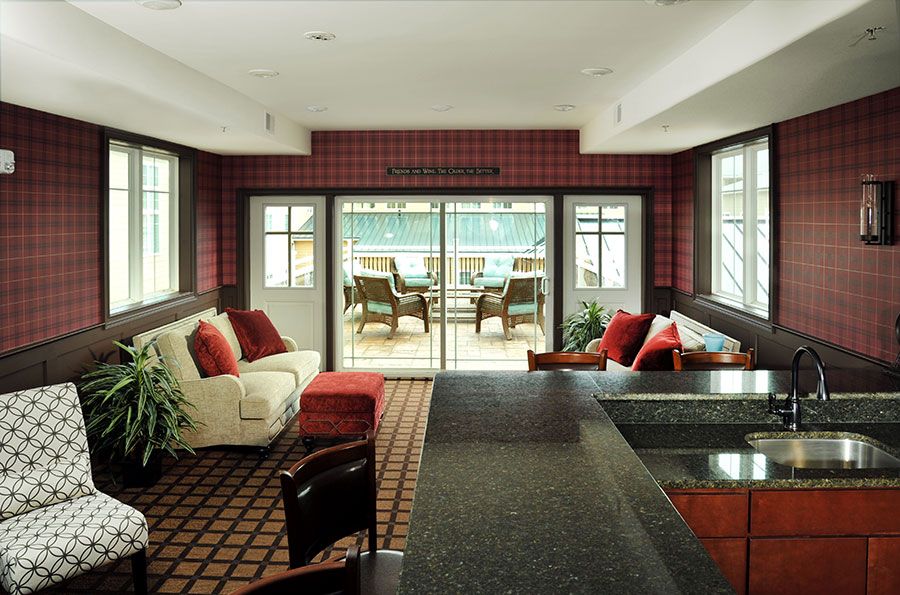
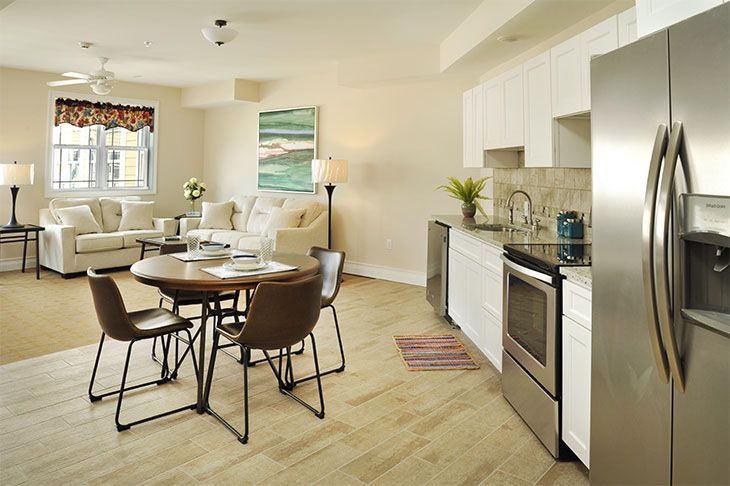
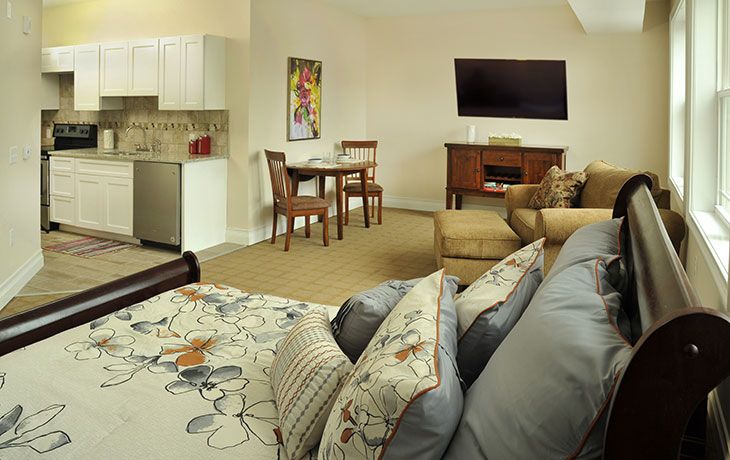
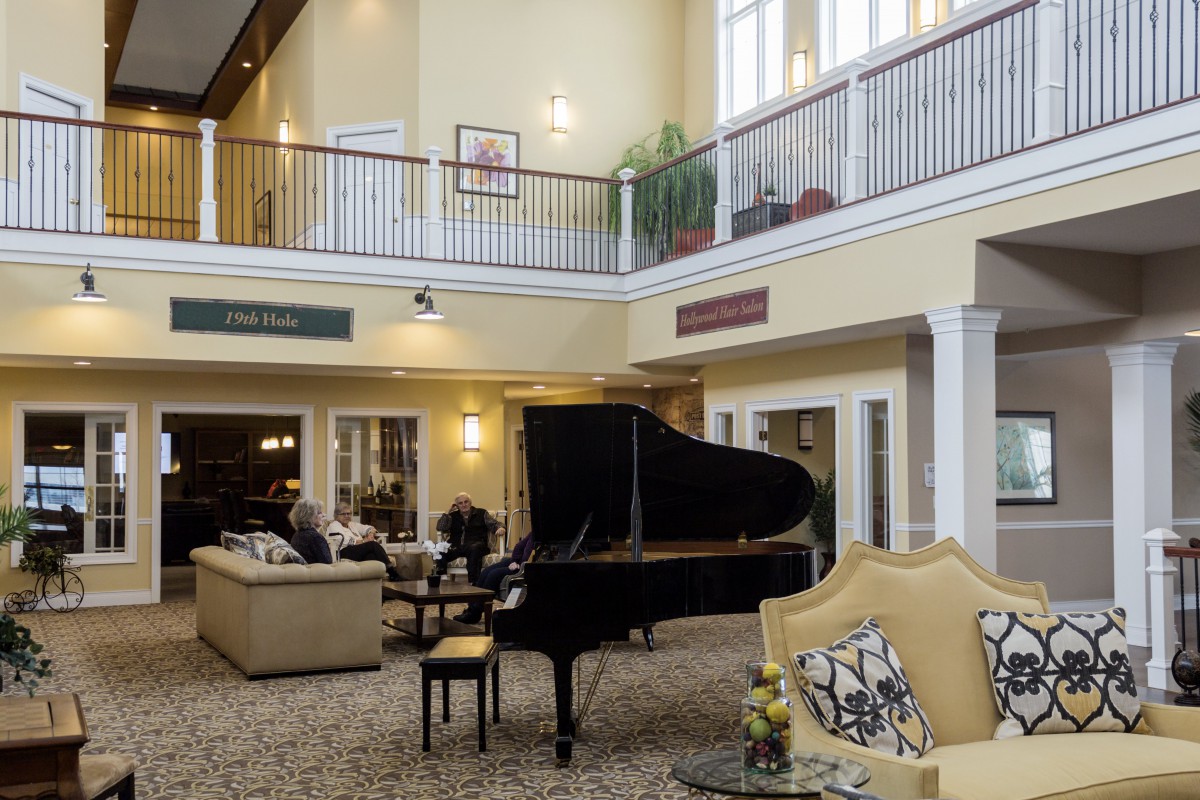
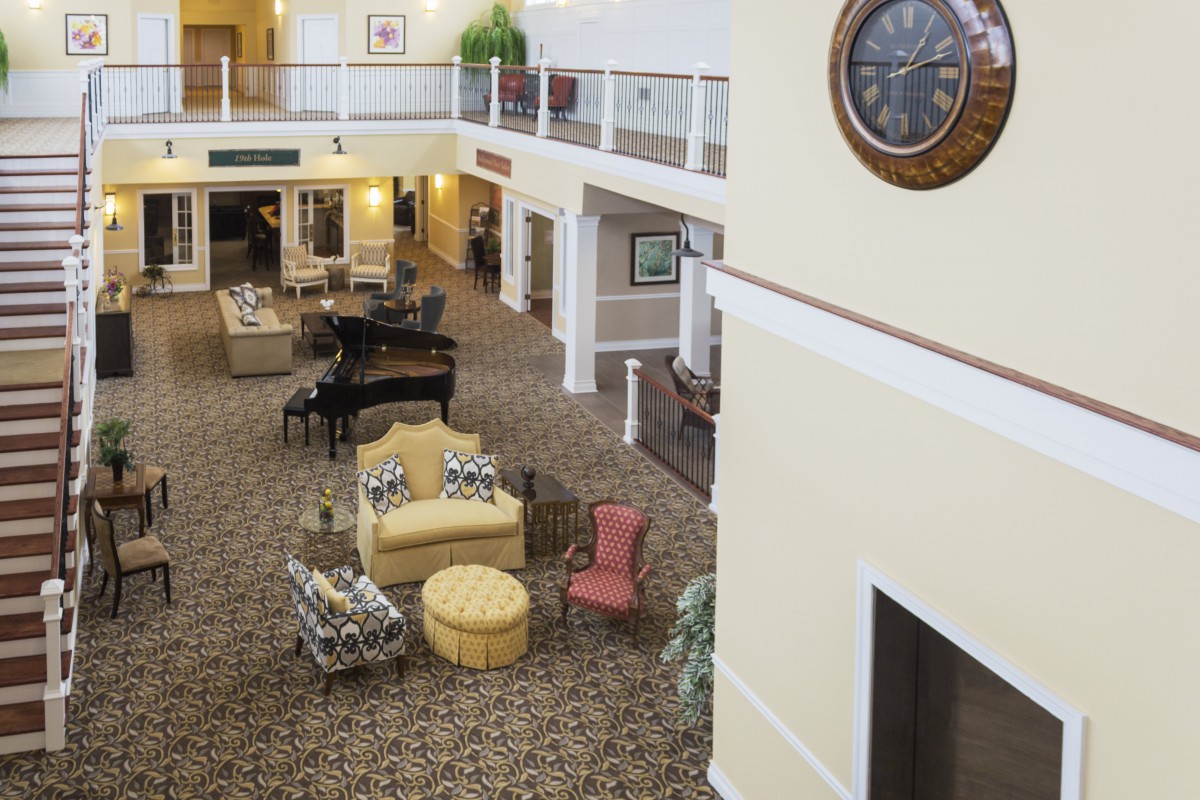
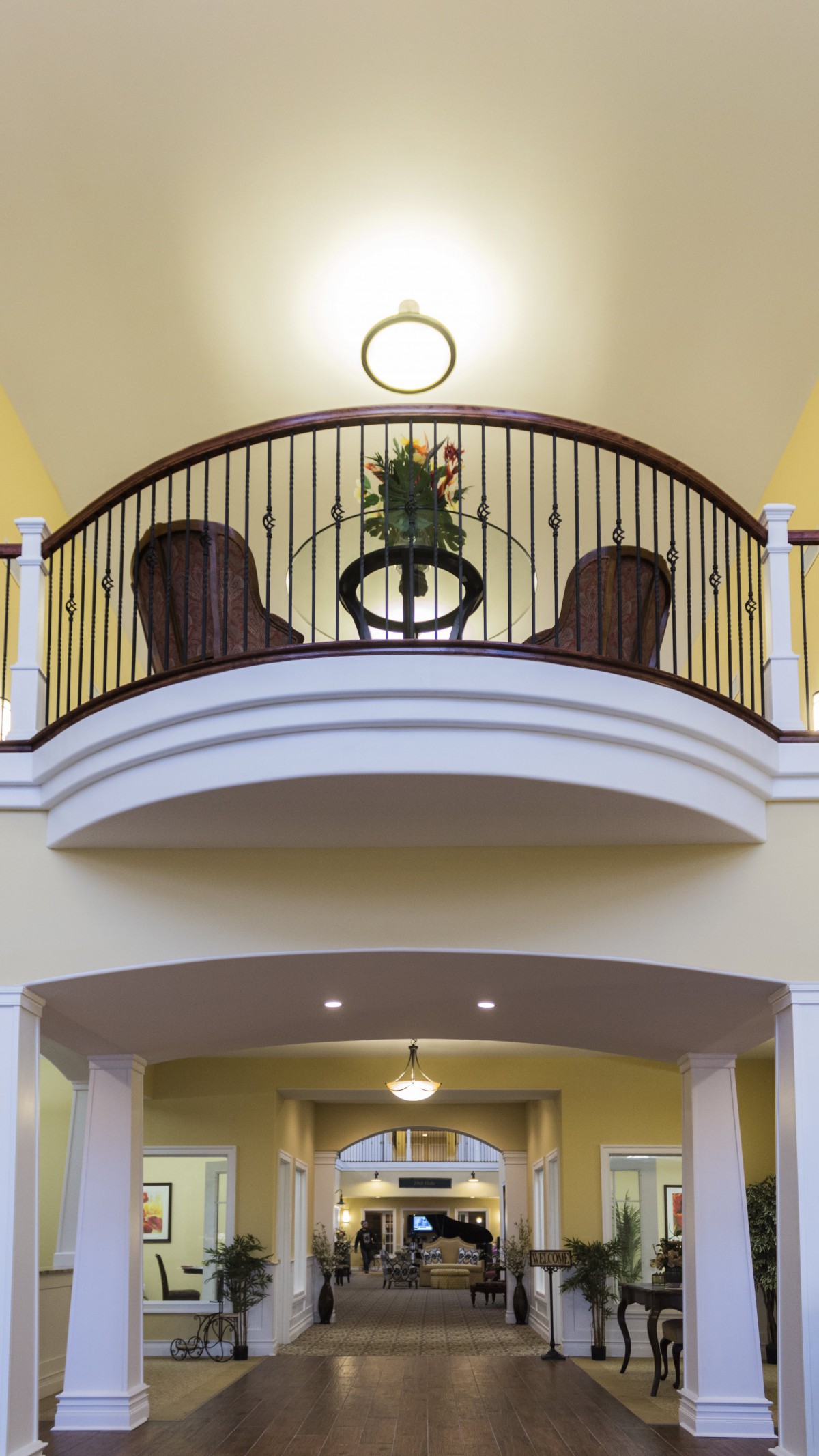
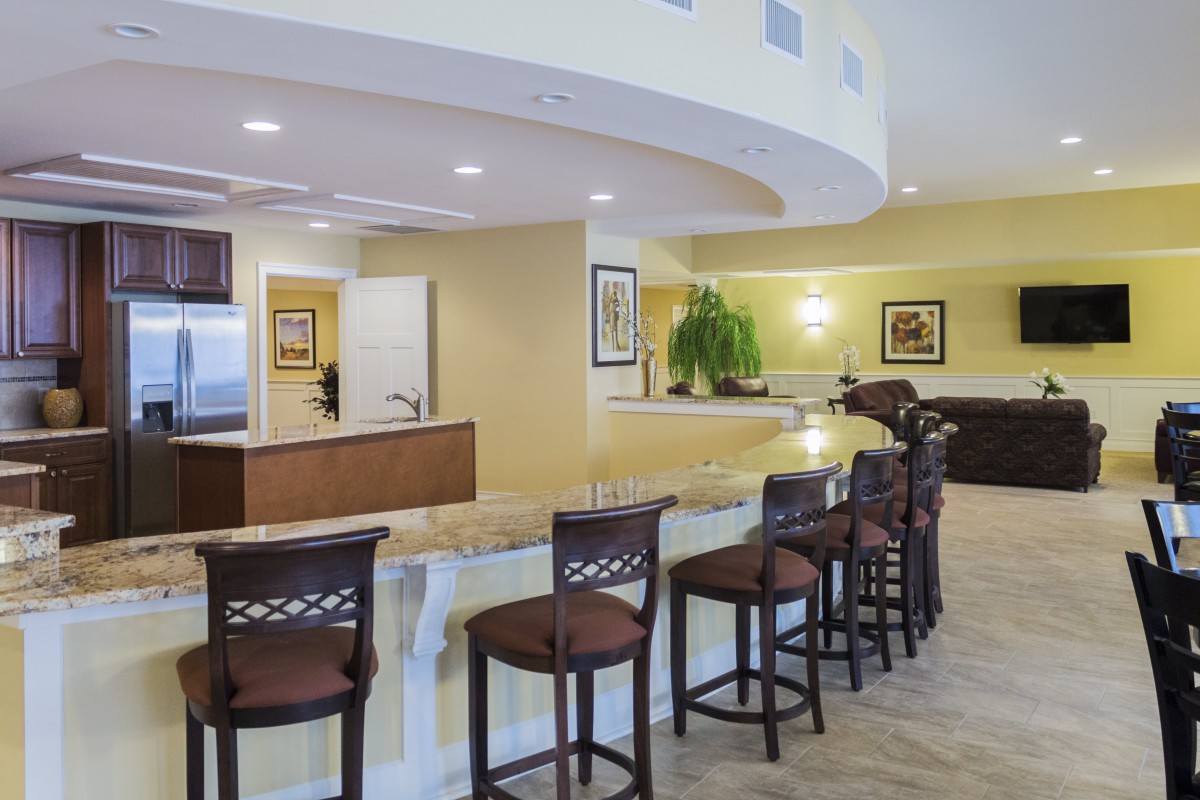
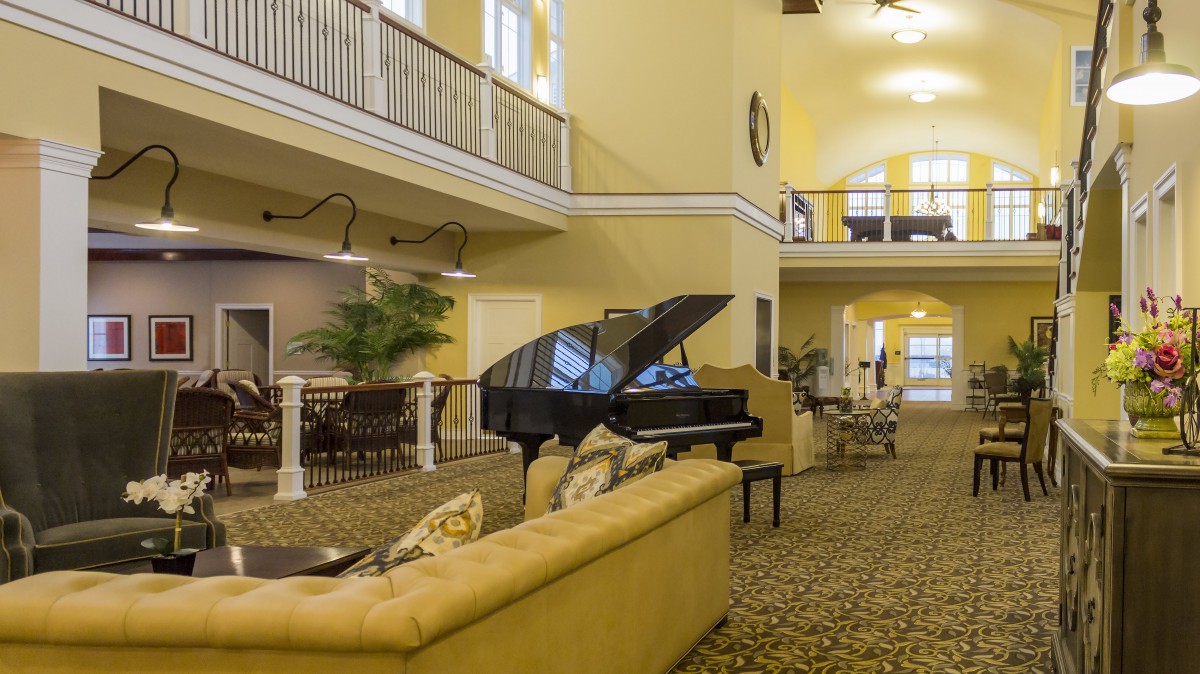
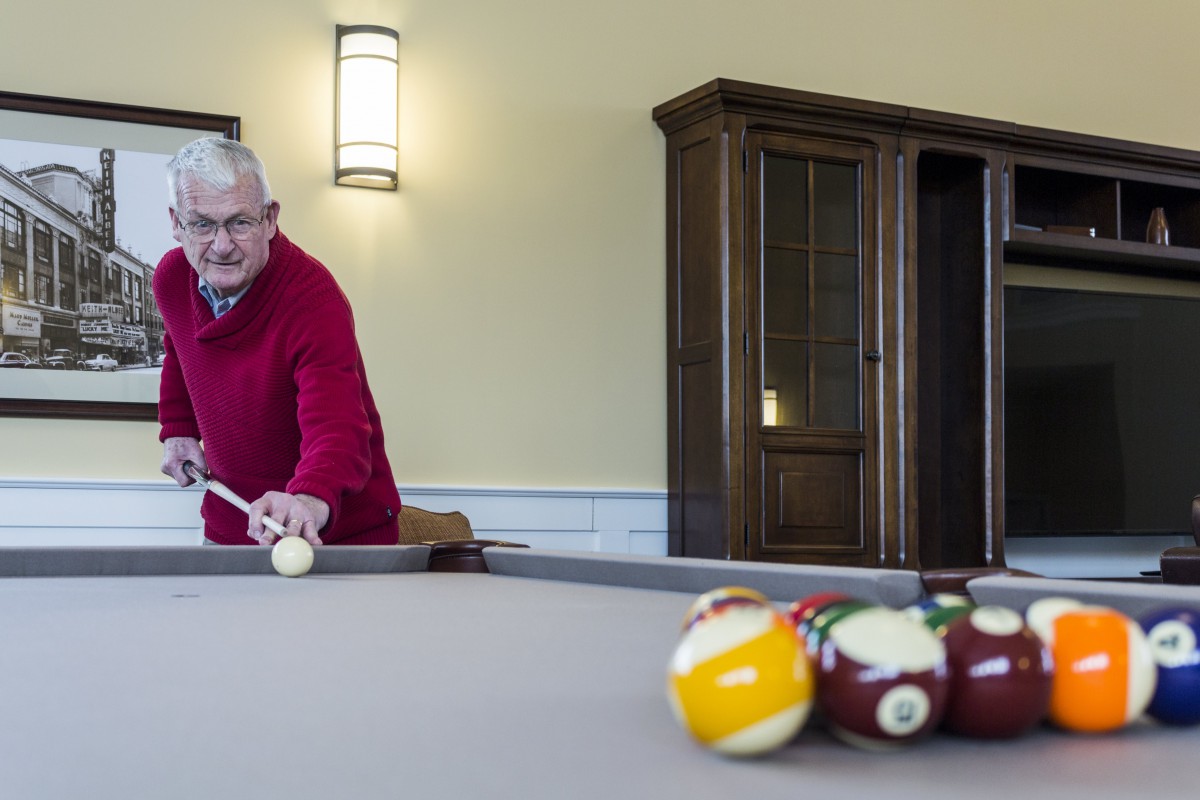
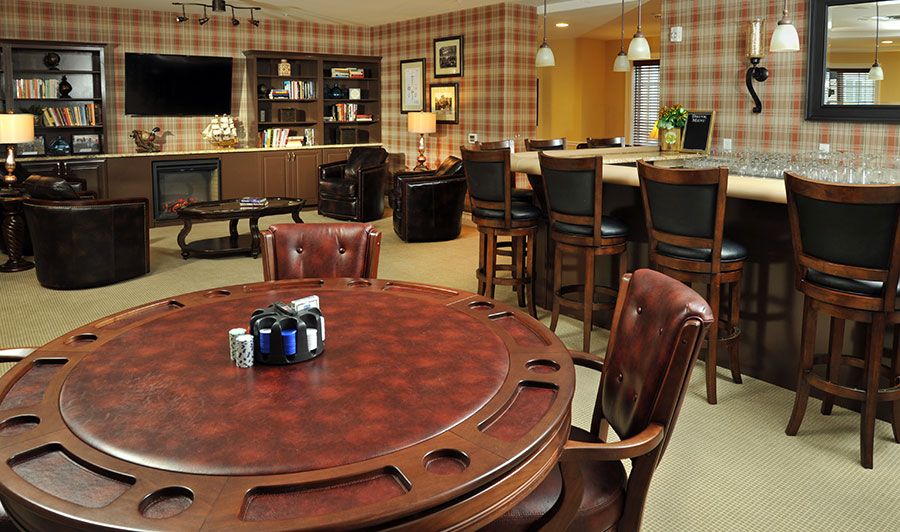
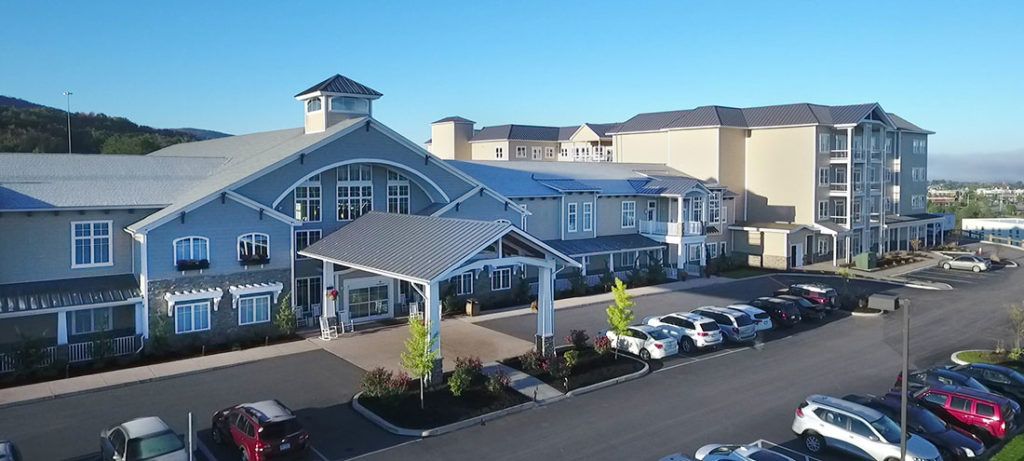
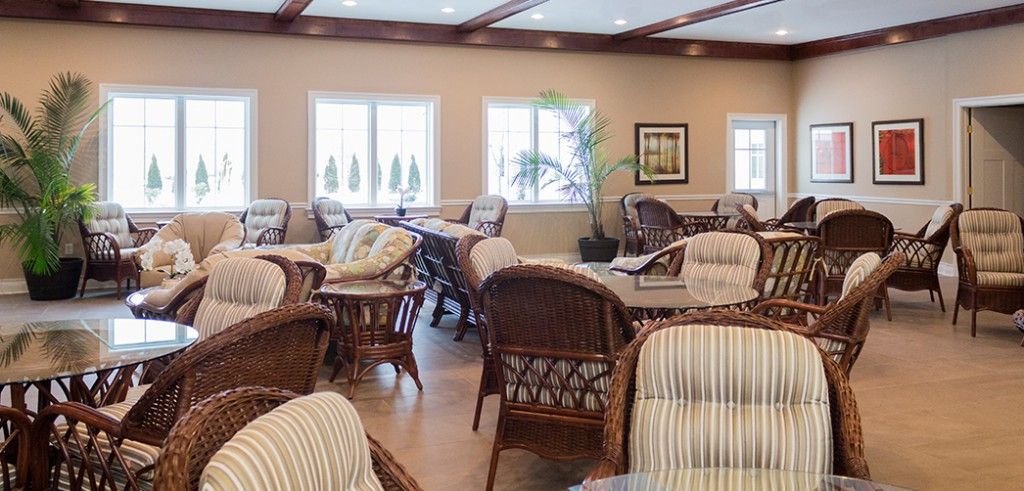
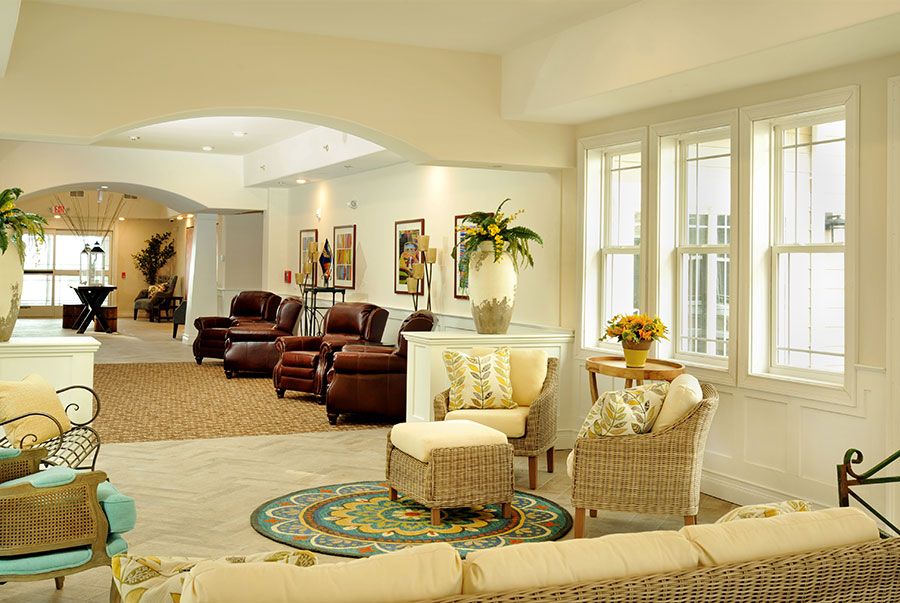
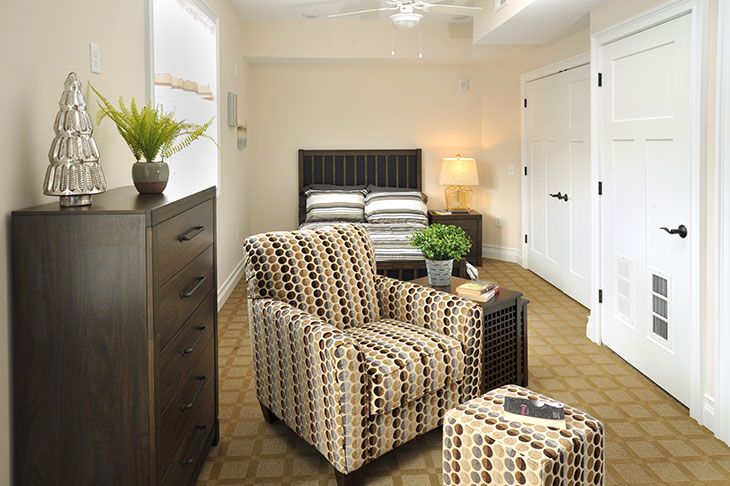
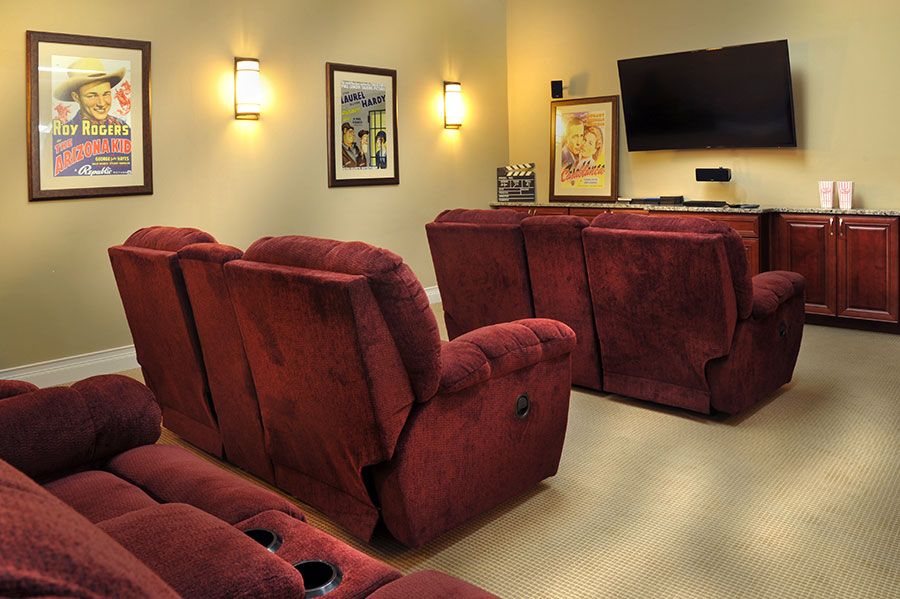
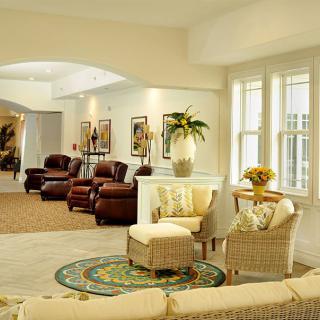
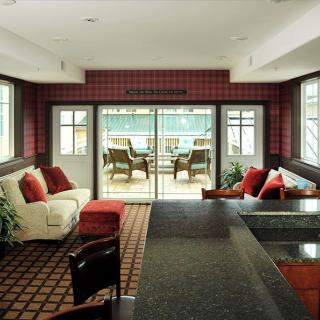
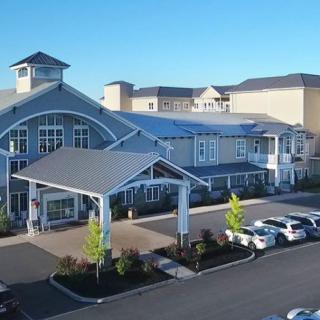
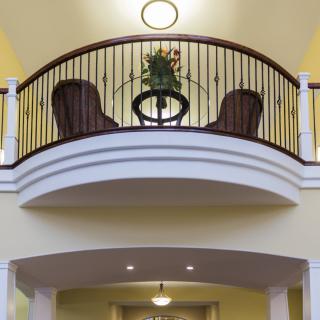
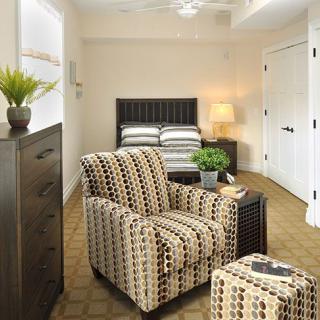
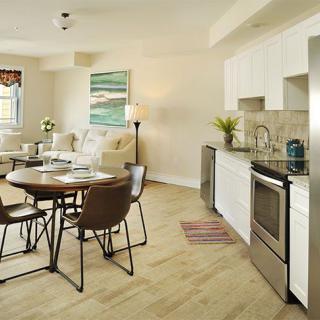
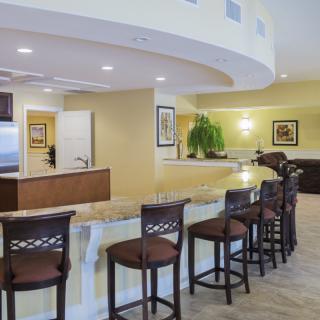
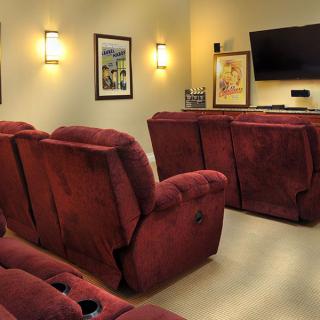
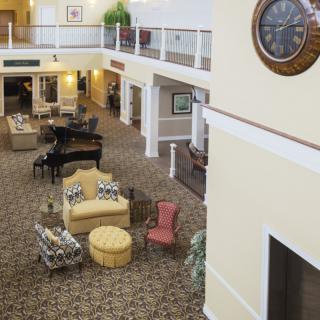
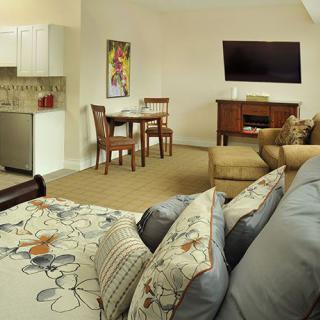
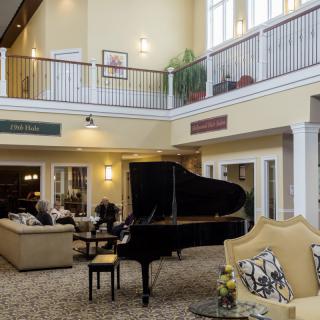
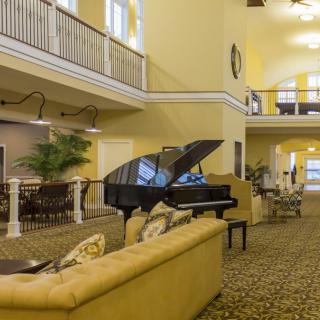
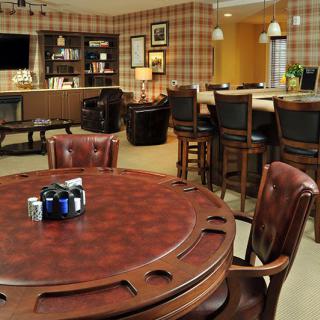
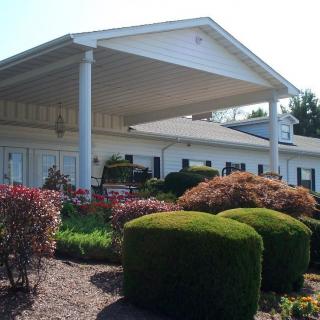
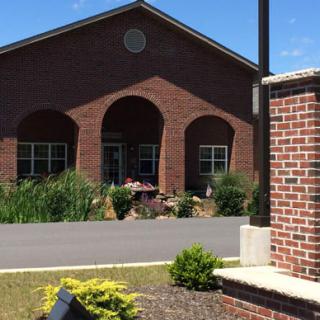
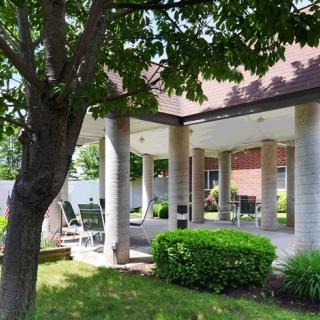
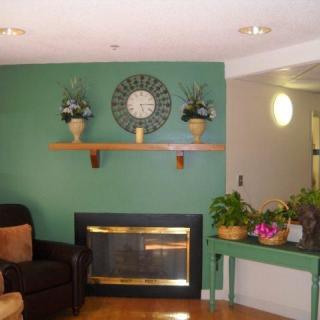
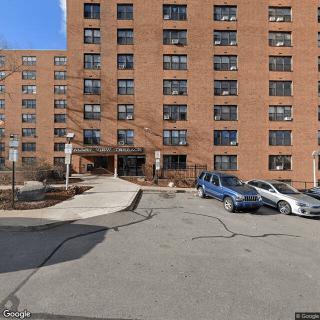
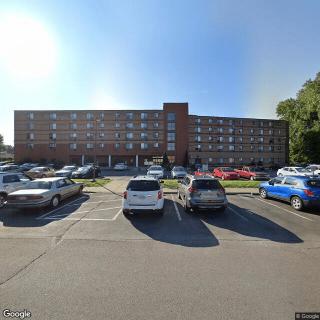
Highland Park Senior Living on seniors.fyi includes 15 photos including images showing interior, decor, living room, balcony, billiards, piano, lobby, windows, and more.
Nearby Communities
Comfort Keepers
Wilkes-Barre, PA
4.1 from 30 reviews
Excellent access to nearby healthcare and amenities.
Heinz Transitional Rehabilitation Unit
Wilkes Barre, PA
4 from 25 reviews
Clean, well-maintained facility with responsive staff and good meals.
North Penn Manor
Wilkes Barre, PA
4 from 44 reviews
$1,990 to $2,550 / month
Caring staff in a clean, smaller community with good value.
Interfaith Heights Apartments
Wilkes Barre, PA
3.3 from 9 reviews
Vibrant, senior-friendly community with easy access to healthcare, dining, parks, and local entertainment.
City Heights Apartments
Wilkes Barre, PA
2.2 from 17 reviews
Prime location with extensive nearby dining, parks, pharmacies, and healthcare.
Golden Living Center - North Pennsylvania
Wilkes Barre, PA
3.1 from 44 reviews
$6,273 to $6,517 / month
On-site amenities and a range of care services (beautician, devotional services, vegetarian meals) with private accommodations, respite stays, and wheelchair-accessible facilities.
Serenity Care Kingston
Kingston, PA
3.4 from 31 reviews
$3,460 to $4,800 / month
Specialized memory care with compassionate staff and engaging activities.
Valley View Terrace
Wilkes Barre, PA
2.8 from 4 reviews
Diabetic care and on-site activities with meals provided.
The article highlights eight indicators that a loved one with dementia may require specialized memory care, emphasizing the emotional and logistical challenges families encounter in this decision. It discusses signs such as difficulties with daily tasks, safety concerns, and caregiver burnout, suggesting that memory care facilities can provide the necessary support and structured environments for those experiencing cognitive decline.
Dementia, primarily caused by Alzheimer's disease but also linked to other conditions, leads to cognitive decline impacting memory and daily functioning, with individuals experiencing varied awareness of their impairments. Despite memory loss, emotional connections persist, enabling responses to familiar stimuli, highlighting the need for caregivers to provide compassionate support that recognizes both limitations and retained emotional depth.
The article presents five subtle indicators of dementia, such as memory lapses and mood swings, to help families assess cognitive decline in loved ones. It emphasizes early detection, open communication, and seeking professional help while providing practical support steps.
Dining, Appliances, Hardwood Floor, Modern Furniture, and Open Floor Plan
Living Room
Windows
Building and Parking
Architecture
Kitchen
Lighting
Television
Seating Area
Lobby and Piano
Natural Light
Wall Art and Theater
Billiards and Recreation
Plant
Balcony
Kitchenette and Dining Table
Game Room
Spacious and Decorative Plants
Living Area
Railing
Bar Area
Get PricingAsk A QuestionSchedule A TourContact Senior Advisor
By clicking submit, you agree to our Partner's Terms of Use. You
also consent to receive calls and texts, which may be autodialed, from our Partner. Your consent is not a condition to
using our Partner's service. Please visit our Partner's Privacy Policy for information about their privacy practices.

 101 resident community capacity
 Assisted Living
 Independent Living
 Memory Care
 Respite Care
 Cats allowed
 Dogs allowed
 Activities off-site
 Air-conditioning
 Beautician on-site
 Cable or satellite TV
 Computer center
 Devotional services off-site
 Dining room
 Fitness room
 Fully furnished
 Gaming room
 Garden
 Handicap accessible
 Housekeeping services
 Indoor common areas
 Kitchenette
 Move-in coordination
 Outdoor common areas
 Private bathrooms
 Restaurant-style dining
 Small library
 Swimming pool / hot tub
 Telephone
 Wellness center
 Wheelchair accessible showers
 Wi-Fi/high-speed internet available
 Wilkes-Barre Scranton International (10 miles away)
 Community operated transportation
 12-16 hour nursing
 24-hour call system
 Ambulatory care
 Assistance with bathing
 Assistance with dressing
 Assistance with transfers
 Diabetes diet
 Diabetic care
 High acuity care
 Incontinence care
 Medication management
 Mental wellness program
 Special dietary restrictions
 Art classes
 Concierge services
 Day trips and outings
 Happy hour
 Live dance or theater performances
 Live musical performances
 Trivia games
 Visiting Rabbi
 Excellent access to nearby healthcare and amenities.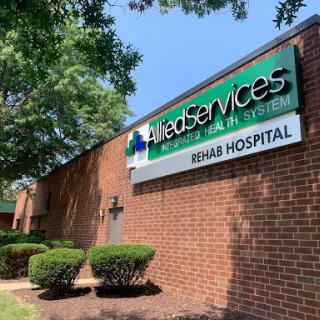

 8 Important Indicators That Memory Care May Be Necessary
 Delving into the Inner World of Dementia: Insights into Thoughts and Awareness
 Five Subtle Dementia Indicators to Observe: An In-Depth Guide to Understanding “Does My Mom Have Dementia?”