
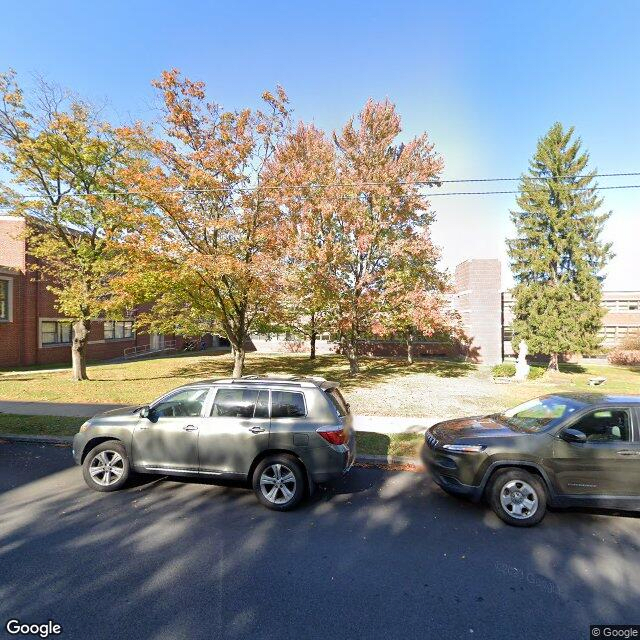
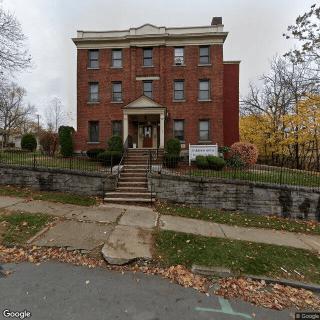
2300 Adams Ave., Scranton, PA 18509
To contact a resident: (570) 558-6177
For more information about senior living options: (866) 208-4318
LIFE Geisinger - Scranton Costs & Pricing
LIFE Geisinger in Scranton presents a monthly cost of $5,350 for studio accommodations, which is notably higher than the average monthly costs in Lackawanna County, currently at $4,967, and significantly exceeds the statewide average of $3,737 for similar arrangements across Pennsylvania. This pricing reflects not only the premium services and amenities that LIFE Geisinger provides but also the specialized care tailored to meet the needs of its residents. While the costs may appear steep when compared to local and state averages, they are indicative of the comprehensive support and quality environment aimed at enhancing the well-being of individuals in their care.
| Floor plans | LIFE Geisinger - Scranton | Lackawanna County | Pennsylvania |
|---|---|---|---|
| Studio | $5,350 | $4,967 | $3,737 |
Senior living communities with a similar price nearby
-
from +$855 / mo

Gardens At Tunkhannock
$6,205 to $6,469 / month18.5 miles away -
from +$250 / mo

Mid-Valley Health Care Center
$5,600 to $7,280 / month4.6 miles away -
from +$393 / mo

Gardens At Scranton
$5,743 / month1.5 miles away -
from +$923 / mo
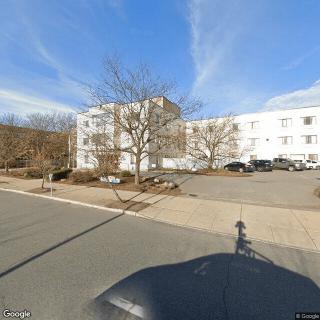
Golden Living Center - North Pennsylvania
$6,273 to $6,517 / month17.0 miles away -
from -$250 / mo
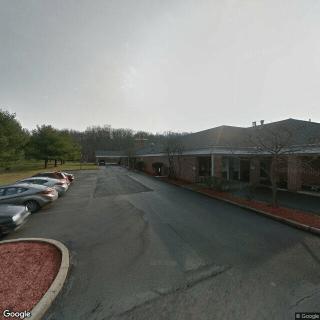
Golden Living Center - East Mountain
$5,100 / month15.1 miles away
Overall Review of LIFE Geisinger - Scranton
Pros
 The staff at Life Geisinger are friendly, helpful, and kind.
- They truly care and ensure everyone is happy and comfortable.
- They offer fun activities and keep the environment very clean.
- Saliena provides an easy and smooth enrollment with a friendly, upbeat personality.
- Bonnie the Social Worker is very caring and goes above and beyond.
- The staff treats Mom well and makes her feel welcomed.
- Life Geisinger is an excellent program with wonderful people.
- The program is fantastic for families and aims to keep moms at home.
- The day program offers activities, crafts, entertainment, transportation, and wonderful meals.
Cons
 It was not too bad.
Review
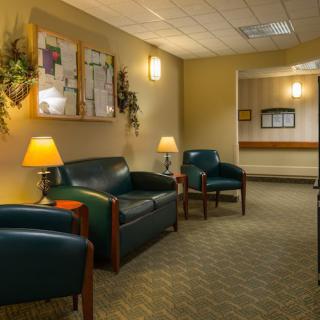
LIFE Geisinger in Scranton is best suited for families seeking a daytime, social, structured program that helps an elderly loved one stay connected, active, and supported while remaining in the community. It works exceptionally well for seniors who want friendly, attentive staff, a clean and welcoming setting, and predictable routines that include transportation, meals, and engaging activities. The program especially benefits those whose primary goal is to keep an aging parent or partner connected to peers and structured daytime activities without committing to around-the-clock residential living.
Those who may want to explore alternatives include families needing 24/7 supervision, overnight care, or memory-care specialized support. If a loved one requires constant monitoring, more intensive personal care, or a traditional, full-time assisted-living environment with private accommodations and round-the-clock staff, a residential facility designed for continuous care is likely a better fit. The Scranton LIFE program is a robust day program, but it is not a substitute for a facility that provides ongoing, live-in care.
The strongest pros cascade into meaningful, real-world benefits that offset the main limitation of a daytime-only format. A hallmark is staff warmth: a consistently friendly, helpful, and caring team that makes enrollees, and their families, feel welcome from enrollment onward. The enrollment process itself is smoothly handled by engaged coordinators, reducing friction at a stressful time. Cleanliness and a thoughtful atmosphere contribute to a sense of dignity and respect, while activities, crafts, and entertainment provide ongoing opportunities for socialization and purpose. Transportation and meals add practical value, turning the program into a convenient, one-stop solution for daily needs and companionship.
In practice, the day program model shines most when it is aligned with the family’s caregiving plan. The program’s stated aim to keep mom or dad at home resonates in real terms: a supervised, sociable daytime routine can dramatically reduce caregiver burden and loneliness for both elders and relatives. The social network tends to endure beyond weekly sessions, with residents forming meaningful friendships and staff members, such as a particular social worker named Bonnie, going above and beyond to ensure participants feel understood and valued. The daily Mass inclusion and the sense of community further reinforce belonging, making attendance more than just an activity schedule.
The most important caveat centers on scope. The life-geared structure is excellent for daytime engagement and social health, but for families whose loved one needs constant supervision, complex medical management, or memory-care specifics around the clock, alternatives should be on the table. One or more reviews signal that expectations may vary, underscoring the importance of a precise fit between needs and service level. Prospective entrants should closely assess hours, what is included in the day program, and whether transition plans can accommodate evolving needs without abruptly shifting to a higher level of care.
Practical next steps hinge on clarity about needs, logistics, and goals. Schedule an in-person tour to observe a sample day, ask detailed questions about transportation routes, meal planning, and activity calendars, and speak with the care coordinator about how a typical day unfolds for different levels of independence. If possible, arrange a trial or three days to gauge fit with the elder’s temperament, energy, and interests. Clarify cost structure, what is included, and what happens if health needs change, so that expectations remain realistic. For families prioritizing social engagement, ease of access, and a supportive milieu that complements home-based care, LIFE Geisinger Scranton offers a compelling, practical option. For those requiring comprehensive, 24/7 residential care, the search should continue with equally capable facilities designed for continuous support.
 Day Program
 Wilkes-Barre Scranton International (8 miles away)

 Weight Training for Seniors: Building Strength and Vitality
 Understanding the Sandwich Generation: Stress and Responsibilities for Multigenerational Caregivers
 8 Essential Assistive Devices for Older Adults