

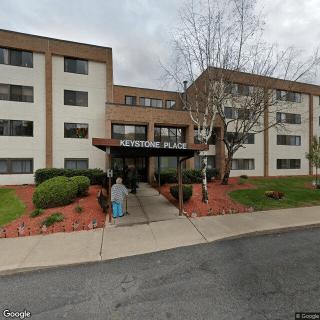
1640 North Main Avenue, Scranton, PA 18508
For more information about senior living options: (866) 208-4318
Overall Review of Minelli S Kozy Comfort Living
Pros
 They try their best.
Cons
 The place is very dirty.
- That place is depressing.
- It is not safe or healthy for residents.
- They would never choose this facility for a loved one.
- It is always understaffed and the food is terrible.
- They do not provide the best care for their residents.
- In emergencies, the facility fails to provide patients' medical directives.
- Animals in shelters are treated 100% better.
Review
This community is best suited for families that must place a loved one into a care setting only after other options have been exhausted, and where daily family oversight is prepared to supplement care. In Scranton, Minelli S Kozy Comfort Living appears most appropriate for residents whose relatives can visit frequently, monitor hygiene and safety, and intervene quickly when needs arise. It is not a fit for seniors who require reliable medical oversight, consistent staffing, or a clean, well-maintained environment. The reviews strongly suggest that without active family involvement, risks escalate quickly. Families facing limited choices or highly constrained budgets may feel compelled to consider this option, but the price of limited resources may come at a steep personal and healthcare cost.
Those who may want to consider alternatives are primarily seniors with documented medical needs requiring timely response, memory care concerns, or those who place a premium on cleanliness and dignity. Prospective residents who value a tightly supervised, well-staffed atmosphere should look elsewhere, because the consensus emphasizes chronic understaffing, unreliable medical responses, and a facility that struggles with basic hygiene. Families who cannot commit to frequent in-person oversight should not accept a setting where medical directives and urgent care do not reliably align with best practices. In short, when safety, prompt attention, and a respectful living environment are non-negotiables, this community does not rise to the standard.
The lone positive thread in the feedback, “they try their best”, is not a compensating offset for the fundamental gaps. The practical reality is that best-effort staff still operate within a framework of short staffing and limited resources, which translates into inconsistent care. An intimate or small-scale feel cannot compensate for the absence of reliable medical oversight or consistent attention to basic needs. In this light, the sole affirmative comment becomes a signal of intent rather than a proven ability to deliver dependable outcomes. Families should weigh intent against track record; in this case, intention is not enough to overcome chronic operational challenges.
From the perspective of resident safety and dignity, the dominant concerns are hard to overlook. Reviewers describe a dirty environment, with one stating that residents may be exposed to odors and inadequate hygiene. The most troubling claims center on safety failures during medical emergencies and an inability to implement medical directives when crises arise. Short staffing compounds every issue: insufficient hands on deck mean delayed assistance, rushed assistance, and a higher likelihood that basic daily needs, bathing, dressing, toileting, are handled poorly or incompletely. Food quality is noted as terrible, which compounds malnutrition risks and overall dissatisfaction. These factors collectively erode trust in the facility’s ability to protect vulnerable adults, and they should be non-negotiable red flags for any family evaluating long-term placement.
Beyond the red flags, practical steps can help families make a more informed decision. Begin with a candid on-site tour at different times of day to observe staff availability and the cleanliness of common areas and resident rooms. Ask for examples of how medical directives were executed in past emergencies and request a direct explanation of the facility’s policy for handling urgent care. Inquire about staffing ratios by shift, retention rates, and how often nursing oversight is present on evenings and weekends. Review state inspection reports and any quarterly quality-of-care audits, paying particular attention to cleanliness, odor, resident complaints, and responses. Finally, compare this community against nearby alternatives with better reputations for staffing consistency, hygiene, and prompt medical attention, and weigh the emotional and financial costs of ongoing family supervision against the benefits of moving to a higher-performing setting.
The bottom line is decisive. Minelli S Kozy Comfort Living is not well suited for seniors who require dependable medical oversight, consistent staffing, and a safe, clean living environment. For most families, the risk calculus points toward pursuing other local options that offer stronger staffing structures, better hygiene standards, and clearer adherence to medical directives. If choosing this community, it should be accompanied by a rigorous, hands-on family oversight plan and a readiness to intervene quickly whenever safety concerns arise. For those prioritizing reliability and peace of mind, alternatives exist that align more closely with the expectations of prudent, proactive aging-in-place strategies.
 27 resident community capacity
 Assisted Living
 Activities on-site
 Beauty salon
 Cable or satellite TV
 Devotional services off-site
 Dining room
 Fully furnished
 Garden
 Housekeeping services
 Indoor common areas
 Kitchenette
 Move-in coordination
 Outdoor space
 Restaurant-style dining
 Small library
 Telephone
 Wi-Fi/high-speed internet available
 Wilkes-Barre Scranton International (7 miles away)
 24-hour call system
 Ambulatory care
 Assistance with bathing
 Assistance with dressing
 Assistance with transfers
 Diabetes diet
 Diabetic care
 Medication management
 Mental wellness program
 Special dietary restrictions





 Senior Transition Services: Understanding Their Role, Cost, and Importance
 Exploring the Path to Senior Living: A Comprehensive Look at Independent Living and Assisted Living
 Is Assisted Living Deductible on Your Taxes? Understanding the Complexities of Assisted Living Expenses and Deductions