For more information about senior living options: (866) 208-4318
4.3 from 25 reviews
5 stars
18
4 stars
3
3 stars
0
2 stars
1
1 stars
3
Mid-Valley Health Care Center Costs & Pricing
Mid-Valley Health Care Center offers a range of room types at a premium compared to both Lackawanna County and the broader state of Pennsylvania. For semi-private accommodations, the monthly fee stands at $5,600, significantly higher than the county's average of $3,343 and the state average of $3,542. The private rooms also reflect this trend, costing $6,720 while local and state averages are notably lower at $4,832 and $4,890 respectively. Even for studio units, where the cost is set at $7,280, there remains a stark contrast to the county's rate of $4,967 and Pennsylvania's statewide figure of $3,737. These figures suggest that Mid-Valley Health Care Center positions itself as a more premium option in terms of care accommodations within its region.
Floor plans
Mid-Valley Health Care Center
Lackawanna County
Pennsylvania
Semi-Private
$5,600
$3,343
$3,542
Private
$6,720
$4,832
$4,890
Studio
$7,280
$4,967
$3,737
Skilled Nursing Facilities with a similar price nearby
Residents and families consistently describe staff who are kind, caring, and attentive.
A large share of reviewers say the nursing team is kind and responsive, with care that feels personal rather than distant. Families also mention multiple departments—therapy, kitchen, and activities—showing the same level of respect and helpfulness. Some residents describe staff as professional and considerate during rehab and transitions, and a few reviewers directly call out dignity and respect.
differentiator3 reviews mention this
Restaurant-style dining stands out
Dining is a frequent bright spot, including good meals for picky eaters.
Several reviews mention enjoying the food, including snacks and regular meals prepared by the kitchen team. One reviewer notes their family member was a picky eater but still liked the food, while others include specific favorites tied to the community’s daily routine. The community also offers restaurant-style dining and supports special dietary restrictions, including diabetes diet.
common3 reviews mention this
Rooms and facility feel clean
Many reviewers say the facility stays clean and rooms are well maintained.
Multiple families describe the rooms as clean and spacious, and they mention housekeeping and cleaning as part of the care experience. Some reviewers pair cleanliness with overall satisfaction during rehab stays. A separate negative review disputes hygiene practices, making cleanliness a clear point of variation across experiences.
common3 reviews mention this
Therapy support during rehab
Reviews frequently highlight therapy and rehab progress.
Reviewers describe the therapy department as getting residents up and moving quickly and providing supportive, encouraging care during recovery. Several comments focus on professional, careful staff during PT and rehab after surgeries and other ailments. While most experiences are positive, there are also complaints from a few reviewers that issues raised to administration were not handled.
caveat2 reviews mention this
Small layout can be a drawback
Some families find the building and rooms too small for comfort.
At least one reviewer says the facility feels small, with trouble locating someone on arrival and rooms described as very small. Another review calls out the facility as small on purpose, describing a homey, family feel instead. Together, the feedback suggests size is something families may interpret differently depending on expectations.
caveat2 reviews mention this
Some report serious care concerns
A small number of reviews report problems with staff help and resident treatment.
Two negative reviews describe concerns about staff response and resident treatment, including claims that issues brought to administration were not resolved. One reviewer also mentions sanitation concerns, while another describes staff being annoyed when assistance was requested. These complaints stand apart from the majority of positive experiences that describe attentive, respectful care.
How we summarize
Counts show how many written reviews mention each theme; a review can touch several themes, and only frequently mentioned themes are displayed.
Features
Housing
38 resident community capacity
Types of Care
Skilled Nursing Facility
Amenities
Beauty salon
Cable or satellite TV
Dining room
Fully furnished
Garden
Housekeeping services
Kitchenette
Move-in coordination
Outdoor space
Restaurant-style dining
Small library
Telephone
Wi-Fi/high-speed internet available
Transportation
Wilkes-Barre Scranton International (13 miles away)
Mid-Valley Health Care Center offers a range of room types at a premium compared to both Lackawanna County and the broader state of Pennsylvania. For semi-private accommodations, the monthly fee stands at $5,600, significantly higher than the county's average of $3,343 and the state average of $3,542. The private rooms also reflect this trend, costing $6,720 while local and state averages are notably lower at $4,832 and $4,890 respectively. Even for studio units, where the cost is set at $7,280, there remains a stark contrast to the county's rate of $4,967 and Pennsylvania's statewide figure of $3,737. These figures suggest that Mid-Valley Health Care Center positions itself as a more premium option in terms of care accommodations within its region.
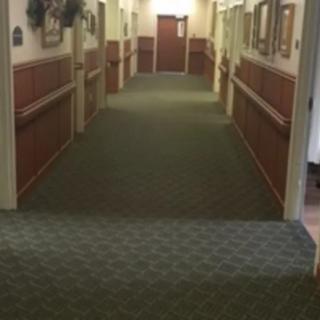
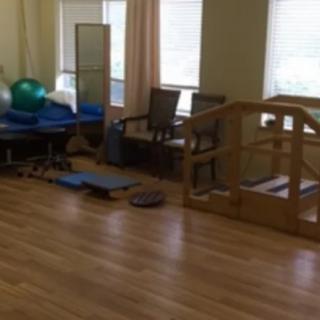
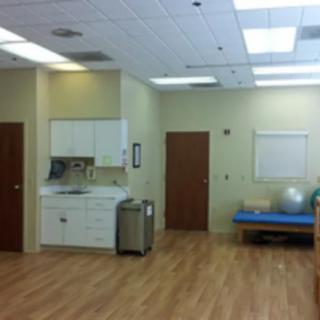
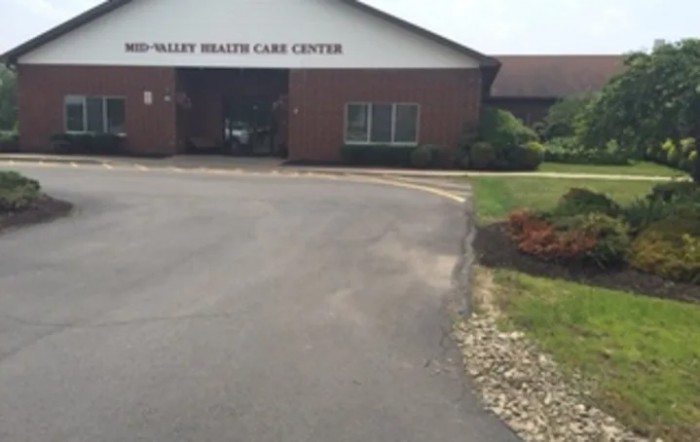
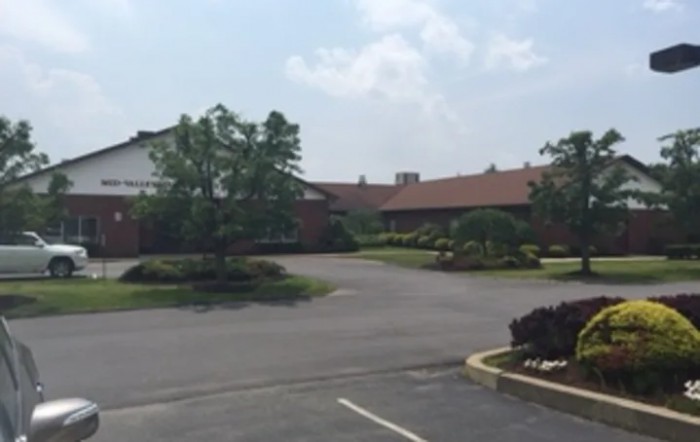
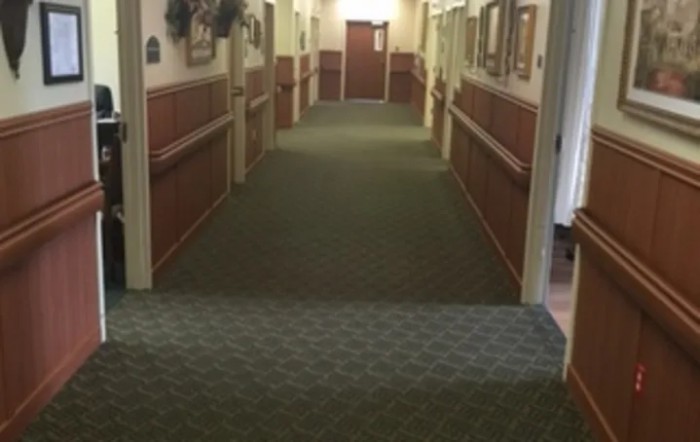
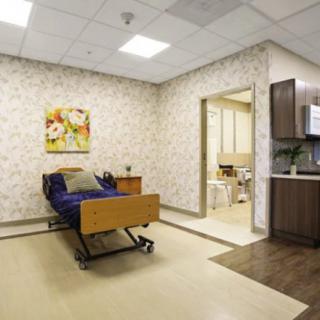
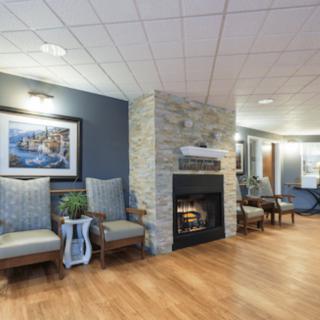
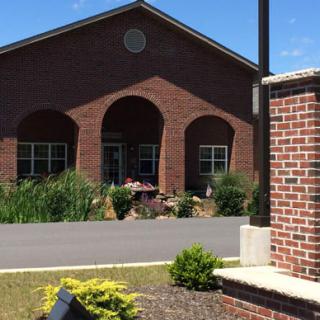
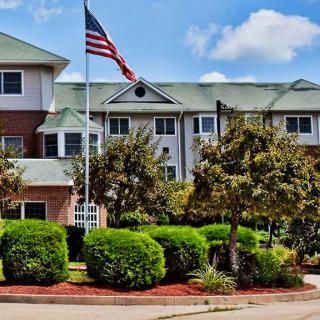
Mid-Valley Health Care Center on seniors.fyi includes 5 photos including images showing interior, building, parking, physical therapy, exercise equipment, trees, landscaping, clouds, and more.
Nearby Communities
Celebration Villa of Mid Valley
Peckville, PA
4.1 from 42 reviews
$3,695 to $6,525 / month
Caring staff with good communication and engaging activities.
Mid Valley Manor Personal Care Center
Peckville, PA
4.4 from 25 reviews
24-hour supervision with comprehensive care and extensive amenities.
Lackawanna Health And Rehab Center
Olyphant, PA
4 from 22 reviews
$2,400 to $4,200 / month
24/7 supervision with memory care and extensive on-site amenities.
Mid Valley Manor Personal Care Center
Peckville, PA
3.9 from 11 reviews
$2,450 to $3,150 / month
Compassionate staff, engaging activities, and affordable semi-private pricing.
Keystone Place Apartments
Dickson City, PA
2.6 from 5 reviews
$1,160 to $1,319 / month
Opportunity for improved management and maintenance with new leadership.
The Gardens Of Green Ridge
Scranton, PA
4.3 from 74 reviews
$2,936 to $3,708 / month
Caring, responsive staff in a clean, active community.
Abington Manor
South Abington Township, PA
4.5 from 116 reviews
Convenient access with pleasant grounds.
Elan Gardens, Inc.
Clarks Summit, PA
4.5 from 36 reviews
$4,244 to $4,764 / month
Attentive staff with engaging activities in a clean, welcoming, home-like setting.
Gardens At Scranton
Scranton, PA
3.4 from 45 reviews
$5,743 / month
Extensive on-site amenities and 24/7 care support.
The guide outlines the rising costs of 24/7 in-home care, ranging from $10,000 to over $20,000 monthly, driven by factors such as location and caregiver qualifications. It discusses the limited coverage by Medicare and private insurance, potential Medicaid support, and the emotional and living condition considerations influencing families' decisions on care arrangements.
Home health nursing is an expanding field where licensed professionals provide specialized medical care in patients' homes, addressing the needs of an aging population through personalized services like assessments and medication management. Effective collaboration with healthcare teams, cultural sensitivity, and quality assurance measures are essential for fostering trust and ensuring positive patient outcomes.
Medicare covers in-home health care services, which are medical and provided by licensed professionals under a physician's supervision, whereas non-medical personal assistance is generally not covered unless part of a broader skilled care plan. Eligibility for benefits depends on being homebound and needing intermittent skilled services from a Medicare-certified agency, with specific coverage limitations and additional resources available for navigating options.
Get PricingAsk A QuestionSchedule A TourContact Senior Advisor
By clicking submit, you agree to our Partner's Terms of Use. You
also consent to receive calls and texts, which may be autodialed, from our Partner. Your consent is not a condition to
using our Partner's service. Please visit our Partner's Privacy Policy for information about their privacy practices.





 38 resident community capacity
 Skilled Nursing Facility
 Beauty salon
 Cable or satellite TV
 Dining room
 Fully furnished
 Garden
 Housekeeping services
 Kitchenette
 Move-in coordination
 Outdoor space
 Restaurant-style dining
 Small library
 Telephone
 Wi-Fi/high-speed internet available
 Wilkes-Barre Scranton International (13 miles away)
 24-hour call system
 Activities of daily living assistance
 Assistance with bathing
 Assistance with dressing
 Assistance with transfers
 Diabetes diet
 Medication management
 Mental wellness program
 Special dietary restrictions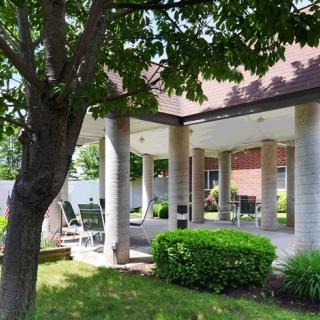
 Caring staff with good communication and engaging activities.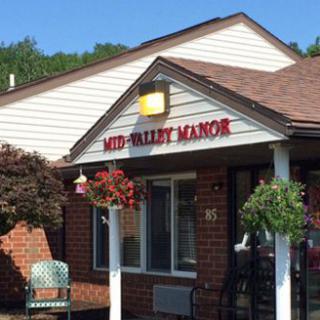


 Understanding the Full Cost of 24/7 In-Home Care: A Detailed Overview
 Exploring the World of Home Health Nurses: Qualifications, Roles, and Hiring Tips
 Navigating Medicare Coverage for In-Home Care Services