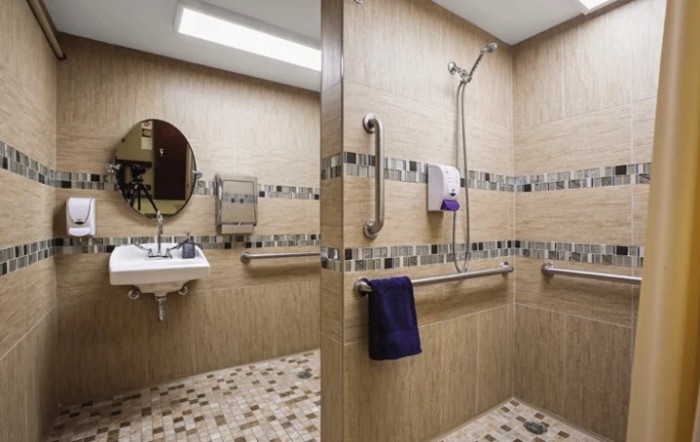
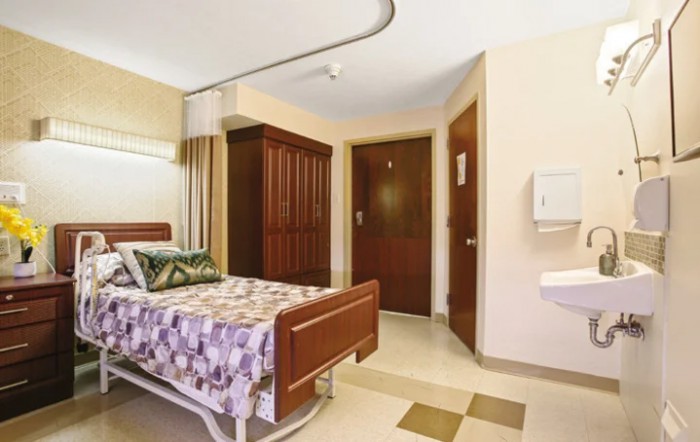
108 Terrace Drive, Olyphant, PA 18447
For more information about senior living options: (866) 208-4318
Lackawanna Health And Rehab Center Costs & Pricing
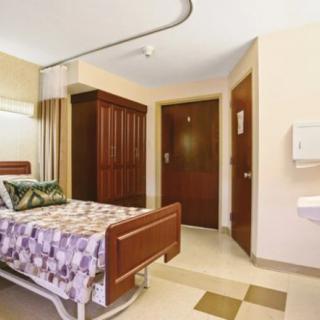
Lackawanna Health and Rehab Center offers competitive pricing for its various room types when compared to both Lackawanna County and Pennsylvania state averages. For a semi-private room, the monthly rate is $2,400, significantly lower than the county average of $3,343 and the state average of $3,542. Private rooms are available at $3,100, which again reflects a favorable rate compared to Lackawanna County's average of $4,832 and Pennsylvania's average of $4,890. The 1-bedroom suites are priced at $3,500 - higher than the county's average of $3,009 but still below the state's typical cost of $4,006. In contrast, the 2-bedroom option at Lackawanna is offered at $4,200; this is notably higher than both the county's low average of $1,976 and Pennsylvania's higher state average of $4,242. Overall, while some room types may exceed local county averages, Lackawanna Health and Rehab Center maintains a strong value proposition in comparison to broader state costs.
| Floor plans | Lackawanna Health And Rehab Center | Lackawanna County | Pennsylvania |
|---|---|---|---|
| Semi-Private | $2,400 | $3,343 | $3,542 |
| Private | $3,100 | $4,832 | $4,890 |
| 1 Bedroom | $3,500 | $3,009 | $4,006 |
| 2 Bedrooms | $4,200 | $1,976 | $4,242 |
Overall Review of Lackawanna Health And Rehab Center
Pros
 The staff were incredible and made the mother-in-law feel right at home.
- Joe went out of his way to help set up her short stay and returned calls promptly.
- They were kind, compassionate, and spoiled residents, making them feel valued.
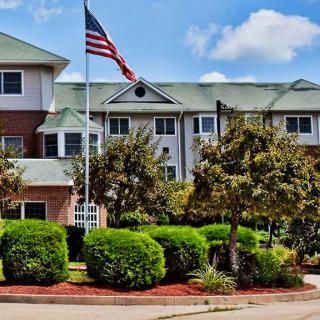
- The center is immaculate, safe, spacious, and offers a wide range of activities.
- The staff are knowledgeable, friendly, and consistently go above and beyond to improve comfort and care.
- Families are kept in the loop with regular updates and even video chats about care.
- The marketing and admissions teams are professional, patient, and helpful, ensuring smooth transitions.
Cons
 The staff are said to be too busy to answer the phone, leaving calls unanswered for long periods.
- Monica, a supervising nurse, is described as mean and unhelpful in a place meant to help people.
- The patient’s clothing, sneakers, and shaver were left at the desk and not delivered for three days.
- The caller was told there was no time to answer the phone and that if they didn’t like it, too bad.
Review
Lackawanna Health and Rehab Center in Olyphant is best suited for families that want a dependable post-acute rehabilitation option followed by long‑term care in a setting that genuinely prioritizes staff-driven care and a welcoming, home-like atmosphere. The community tends to excel for residents who need structured physical and occupational therapy after hospitalization, along with ongoing daily support and supervision. Families often value the ability to stay connected through regular updates and to sense that their loved one is in a stable, attentive environment where caregivers are consistently present and engaged.
Those who may want to consider alternatives are families who count on flawless, 24/7 responsiveness and meticulous handling of personal belongings. Several reviews flag experiences where phone calls were not promptly answered or items left behind during admissions or transfers, suggesting that communication protocols can deteriorate under busy periods. A few notes also point to interactions with individual staff members that felt less supportive, which can be a meaningful drawback for families who rely on consistent, predictable service and a uniformly compassionate tone across all shifts and departments.
The strongest positives revolve around the people delivering care. Nursing, therapy staff, and aides are repeatedly described as caring, capable, and dedicated to helping residents regain function and maintain dignity. The admissions team, especially the on-site leadership and particular individuals in the marketing and admissions roles, receives high praise for guiding families through transitions, coordinating move-in logistics, and keeping families informed when in-person visits are limited. Families appreciate the facility’s emphasis on keeping residents connected through video chats or phone calls, and they frequently highlight the genuine warmth of staff who make extra efforts to help both residents and their families feel supported.
In addition to strong personal care, the center earns positive marks for a clean, safe, and well-maintained environment with a robust range of activities. Residents often participate in programs that foster social engagement and cognitive stimulation, and families report notable improvements in mood and overall well-being. The facility’s layout and space are described as spacious and comfortable, contributing to a sense of normalcy during what can be an anxious time. For long-term residents, the continuity of daily routines and the apparent dedication of staff to daily care contribute to a reassuring, “at-home” feeling that is frequently cited as a major peace-of-mind factor for relatives.
Still, the reality is not without friction. The most persistent friction centers on communication hiccups and occasional service gaps that can leave families feeling out of the loop or uncertain about the status of personal belongings. While several reviews celebrate proactive engagement from admissions and marketing leadership, the variance in experiences suggests that not every shift or department delivers the same level of consistency. The best defense is to insist on a clearly defined point of contact and a written plan for item handling and timely updates, especially during transitions or shorter stays.
Ultimately, the decision hinges on whether the benefits align with priorities around staff warmth, active rehab programs, and reliable family updates. Lackawanna Health and Rehab Center offers a solid, practically oriented option for those seeking steady rehabilitation plus long-term care in a familiar, personable setting. Prospective families should, however, enter discussions with a clear ask: designate a primary liaison for all communications, verify policies on personal belongings, and request specific examples of how updates are delivered across weekends and holidays. For many families, this combination of compassionate care and family-centered communication makes LHRC a strong contender; for others, especially where flawless responsiveness and absolute consistency across all staff roles are non-negotiable, it may be worth evaluating a few additional nearby options to compare how each community handles the day-to-day realities of care.
 272 resident community capacity
 Memory Care
 Skilled Nursing Facility
 Air-conditioning
 Beauty salon
 Cable or satellite TV
 Computer center
 Dining room
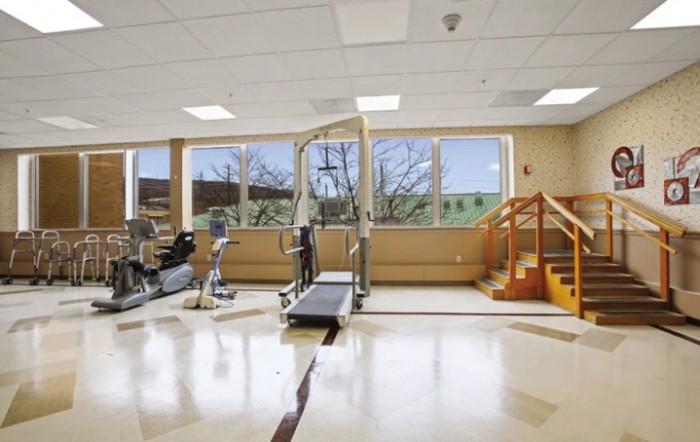
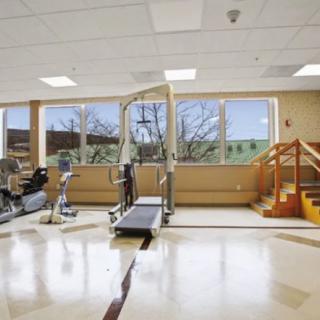
 Fitness room
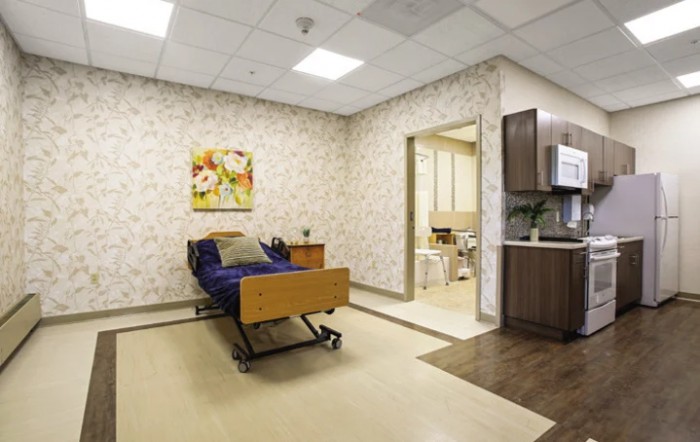
 Fully furnished
 Gaming room
 Garden
 Housekeeping services
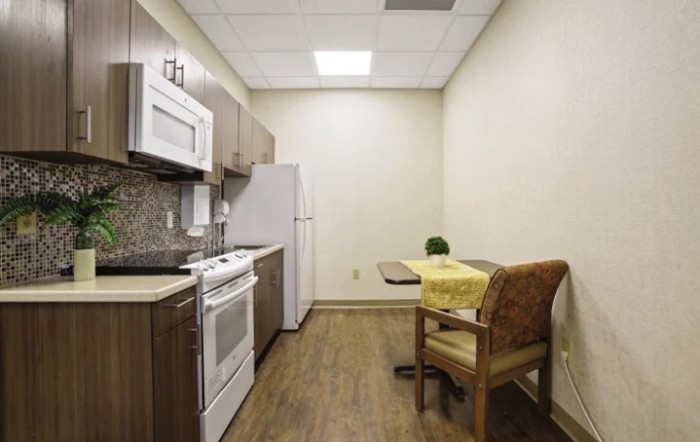
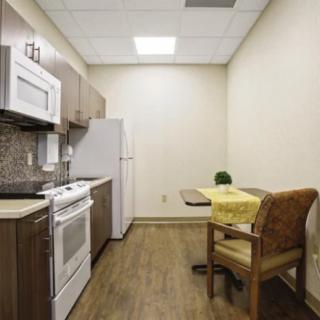
 Kitchenette
 Move-in coordination
 Outdoor space
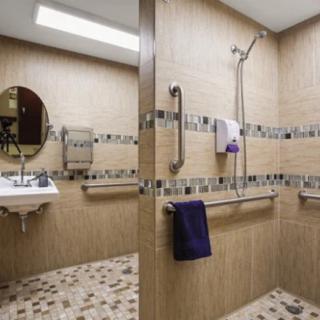
 Private bathrooms
 Restaurant-style dining
 Small library
 Telephone
 Wellness center
 Wi-Fi/high-speed internet available
 Wilkes-Barre Scranton International (13 miles away)
 Community operated transportation
 12-16 hour nursing
 24-hour call system
 Activities of daily living assistance
 Assistance with bathing
 Assistance with dressing
 Assistance with transfers
 Diabetes diet
 Medication management
 Mental wellness program
 Special dietary restrictions
 Concierge services
 Planned day trips



 22 Remarkable Caregiver Support Groups Available Online and In-Person
 Understanding Medicaid Coverage for Assisted Living: A Comprehensive Guide
 How and When Medicaid May Cover Assisted Living Costs