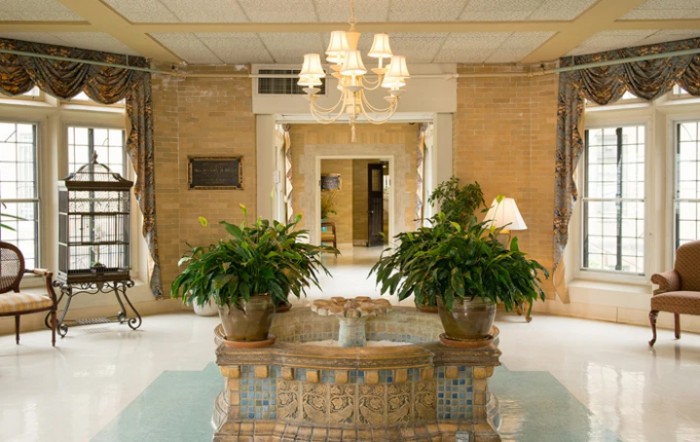
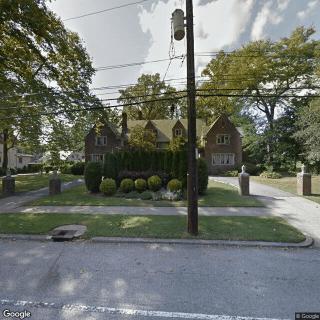
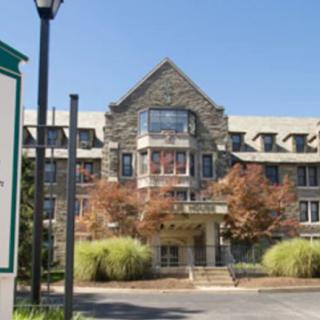
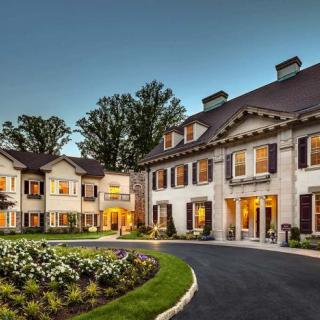
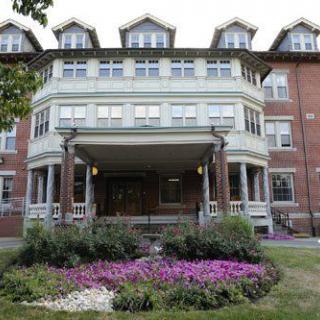
Residents repeatedly describe the building’s historic charm and the property’s pleasing grounds.
Multiple reviewers point to the Olde Main building and the overall architecture as a big part of the experience, describing it as charming and beautiful. Others add that the grounds are walkable and offer a pleasant setting, including outdoor spaces like porches. One review also ties the location to nearby West Fairmount Park, reinforcing why residents may feel connected to the surrounding area.
common8 reviews mention this
Dining and meals get praise
Meals are a consistent bright spot, with many residents saying there’s plenty to eat.
Across reviews, residents and family members mention meals positively, from food quality and satisfaction with menu selections to meals being plentiful. Several specifically call out regular dining and a dining room that feels comfortable, not like a cafeteria. A few also mention there are opportunities to dine in different ways, depending on preferences.
common9 reviews mention this
Activities and social life matter
Residents frequently highlight activities, including on-site and off-site options.
Reviews repeatedly mention that there are many things to do, including scheduled daily activities and resident-involved programming. Some reviewers also describe excursions off-site and community-centered events that make it easier to stay engaged. A few people add that the community has multiple spaces for entertainment and gatherings, which supports different interests.
caveat7 reviews mention this
Staff are caring, but not always responsive
Several reviews describe breakdowns in communication and follow-through during care needs.
Alongside praise, multiple negative reviews focus on communication and timely response when care problems come up. Reviewers describe situations involving unanswered phones, delays in getting help, and concerns that medication processes were not handled correctly. Others also mention slow response times and missed follow-through after questions or concerns were raised, including when support was expected during urgent moments.
common6 reviews mention this
Care support includes 24/7 supervision
Care is described as including around-the-clock supervision and hands-on support for daily needs.
Several residents and family members describe frequent check-ins and support that helps them feel safe day to day. Other reviews mention that care staff manage medications and assist with assistance-related needs like bathing, dressing, and transfers. Even some reviewers who were frustrated with communication still describe the facility as providing a structured care approach rather than leaving residents to manage alone.
How we summarize
Counts show how many written reviews mention each theme; a review can touch several themes, and only frequently mentioned themes are displayed.
Features
Housing
84 resident community capacity
1-bedroom apartments
2-bedroom apartments
Studio apartments
Types of Care
Assisted Living
Continuing Care Retirement Community (CCRC)
Memory Care
Respite Care
Skilled Nursing Facility
Amenities
Air-conditioning
Beautician on-site
Beauty salon
Cable or satellite TV
Cafe
Computer center
Dining room
Fitness room
Full kitchen
Fully furnished
Gaming room
Garden
General store
Guest parking
Hiking trails
Housekeeping services
Kitchenette
Laundry
Move-in coordination
Outdoor space
Overnight guests
Private bathrooms
Resident parking
Respite or short term stays offered
Restaurant-style dining
Security gate
Small library
TV room
Telephone
Wellness center
Wi-Fi/high-speed internet available
Transportation
Philadelphia International (9 miles away)
Community operated transportation
Transportation & parking
Transportation arrangement
Transportation arrangement (non-medical)
Care Services
24-hour call system
24-hour supervision
Activities of daily living assistance
Assistance with bathing
Assistance with dressing
Assistance with transfers
Diabetes diet
Meal preparation and service
Medication management
Physical therapy
Psychiatric care
Special dietary restrictions
Dining
Diabetes diet
Special dietary restrictions
Activities
Activities off-site
Arts and crafts
Community-sponsored activities
Concierge services
Cooking club
Fitness programs
Games
Gardening club
Live musical performances
Planned day trips
Religious services
Resident-run activities
Scheduled daily activities
Wii bowling
Yoga / chair yoga
Languages Spoken
English
Videos
Nearby Places of Interest
Cafes
Starbucks (0.6 miles)
Starbucks (0.8 miles)
Starbucks (0.9 miles)
Panera Bread (0.9 miles)
The Landing Kitchen (1.4 miles)
Pilgrim Roasters (1.9 miles)
Starbucks (2.5 miles)
Parks
Fairmount Park (0.6 miles)
Schuylkill River Park (3.8 miles)
Rittenhouse Square (4 miles)
Franklin Square (4.5 miles)
Piazza Dog Park (4.6 miles)
Palmer Doggie Depot (4.6 miles)
Palmer Park Farmers Market (4.7 miles)
Restaurants
Pizza Hut (0.6 miles)
Larry's Steaks (0.9 miles)
Custard & Cakes Creamery (2 miles)
Dalessandro's Steaks (2.4 miles)
McDonald's (3.6 miles)
Rosy's Taco Bar (3.7 miles)
K'Far (3.9 miles)
Pharmacies
CVS Pharmacy (0.8 miles)
Rite Aid (1.7 miles)
CVS Pharmacy (1.9 miles)
Rite Aid (2.4 miles)
CVS Pharmacy (2.5 miles)
Rite Aid (2.6 miles)
Penn Medicine University City Outpatient Pharmacy (2.9 miles)
Hospitals
Lankenau Medical Center (2.4 miles)
Philadelphia VA Medical Center (3.4 miles)
The Pavilion (3.5 miles)
Veterans Administration Community Living Center (3.6 miles)
Temple University Hospital (3.6 miles)
Episcopal Hospital (4.7 miles)
Albert Einstein Employee Health Center (4.9 miles)
Transportation
30th Street Station (3.3 miles)
SEPTA: MFL/TRL 30th Street Station (3.3 miles)
Septa Wayne Junction Station (3.6 miles)
Jefferson Station (4.3 miles)
SEPTA: 101/102 Lansdowne Avenue Station (4.6 miles)
Stenton Station (4.9 miles)
Physicians
Children's Hospital of Philadelphia (3.5 miles)
CHOP Buerger Center for Advanced Pediatric Care - Raymond G. Perelman Campus (3.6 miles)
Simms Hank Md Albert Einstein Medical Center Philadelphia (4.8 miles)
The 24-hour supervision at Simpson House ensures that residents are constantly monitored, allowing caregivers to respond promptly to any needs or emergencies related to memory loss. By assisting with activities of daily living, such as bathing and dressing, staff members can promote dignity while addressing the challenges faced by individuals with dementia or Alzheimer's disease. Assistance with transfers ensures safety and mobility for residents, reducing the risk of falls and fostering independence. Meal preparation and service tailored to dietary requirements not only ensure proper nutrition but also create a comforting routine that residents can rely on. Medication management provides peace of mind for families knowing that medications are taken correctly and on schedule, which is critical in managing cognitive decline. Additionally, physical therapy offers targeted exercises to enhance strength and mobility, helping residents maintain their physical health alongside cognitive care. Each of these features collaboratively supports the holistic well-being of those in memory care, fostering an environment where they feel safe and valued.
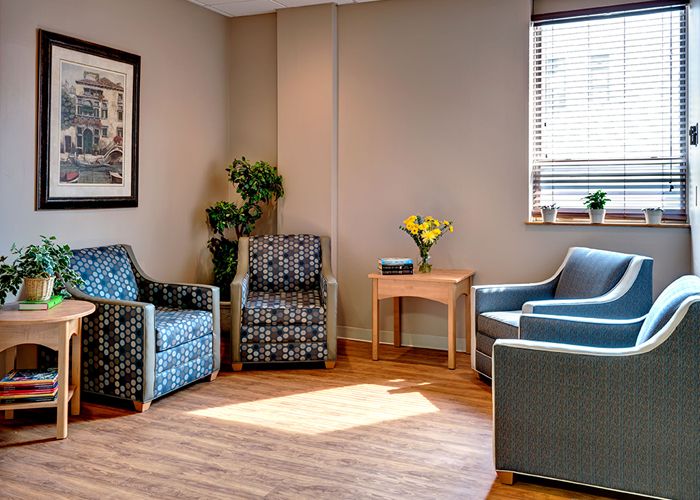
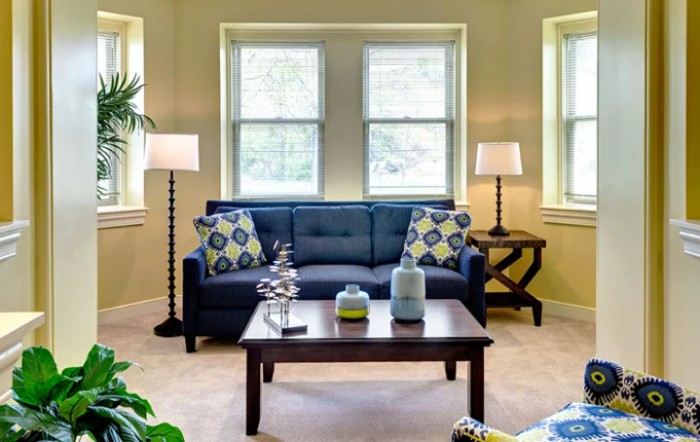
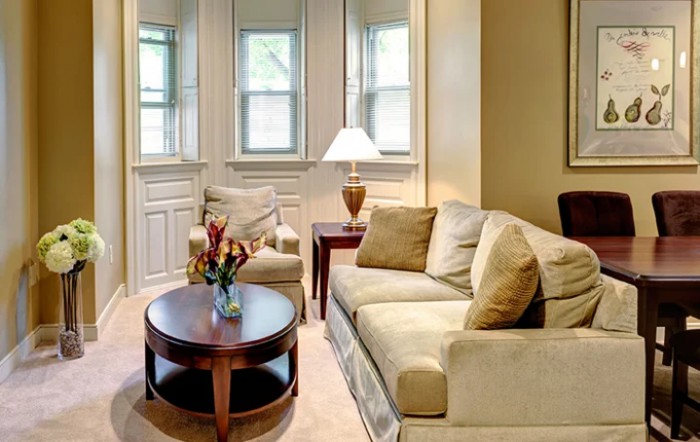
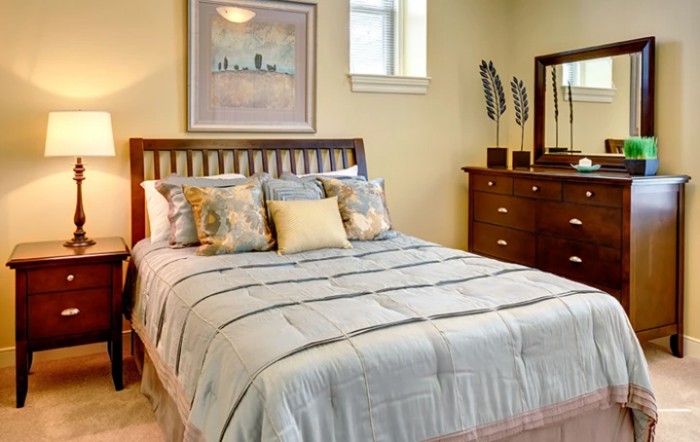
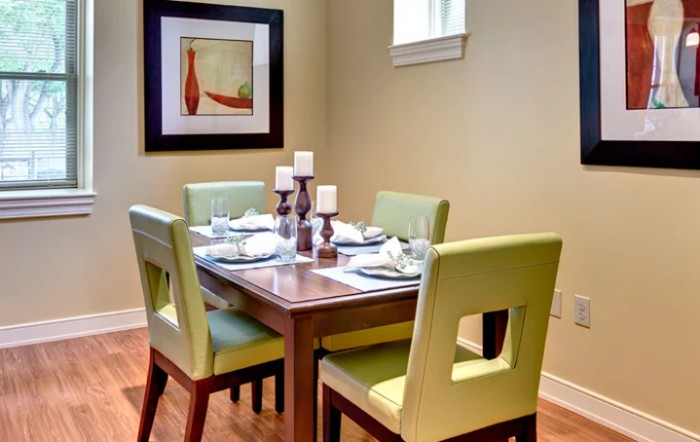
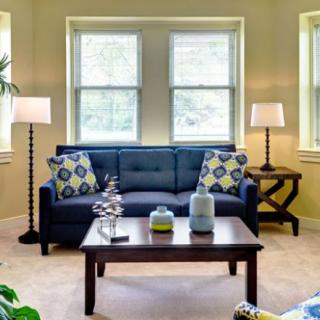
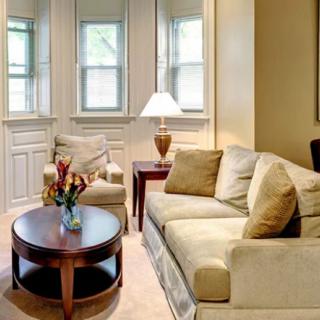
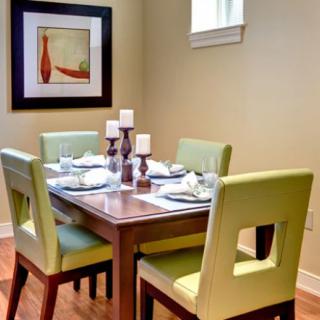
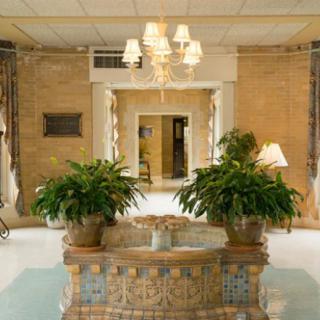
Simpson House on seniors.fyi includes 6 photos including images showing decor, interior, living room, bedroom, lounge area, indoor plants, windows, painting, and more.
Nearby Communities
Simpson House, a CCRC
Philadelphia, PA
3.6 from 66 reviews
$2,400 to $3,319 / month
Clean, well-maintained facilities with diverse activities, friendly staff, and on-site health services in a close-knit community.
Hayes Manor Retirement Residence
Philadelphia, PA
4 from 34 reviews
$2,000 to $2,600 / month
Hayes Manor
Philadelphia, PA
4.2 from 10 reviews
Friendly, attentive staff; clean facilities; engaging activities and amenities.
Bala Home
Philadelphia, PA
3.2 from 5 reviews
Excellent nearby access to healthcare, pharmacies, parks, and dining.
Parkside Manor
Philadelphia, PA
Comprehensive care with 24/7 supervision and diabetes-friendly dining.
Inglis House
Philadelphia, PA
3.1 from 27 reviews
Clean facility with caring staff and engaging activities.
The Hearth at Drexel
Bala Cynwyd, PA
4.4 from 55 reviews
$6,750 to $9,000 / month
Caring, attentive staff in a clean, engaging environment.
Wesley Enhanced Living at Stapeley
Philadelphia, PA
4.1 from 139 reviews
$2,460 to $4,331 / month
Warm, welcoming community with attentive staff, clean facilities, good dining, and engaging activities.
Fountain View at Logan Square
Philadelphia, PA
4.5 from 147 reviews
$3,500 to $6,995 / month
Vibrant community with diverse activities and a convenient Center City West location.
Dementia leads to cognitive impairment and can cause emotional and behavioral changes, including aggression that arises from frustration, confusion, or fear. Effective coping strategies for caregivers include understanding dementia's nature, recognizing triggers, using empathetic communication, and employing non-pharmacological interventions like music and art therapy.
Dementia causes cognitive decline and challenging behaviors that caregivers must manage, necessitating an understanding of the neurological basis of these issues. Effective strategies and self-care for caregivers can enhance support for those with dementia and improve their daily lives.
The content outlines five key early indicators of dementia, including significant memory loss and confusion about time and place, while emphasizing the need for professional evaluation and emotional support for both individuals showing symptoms and their caregivers. It encourages family members to monitor these signs closely and use online quizzes for initial awareness.
Get PricingAsk A QuestionSchedule A TourContact Senior Advisor
By clicking submit, you agree to our Partner's Terms of Use. You
also consent to receive calls and texts, which may be autodialed, from our Partner. Your consent is not a condition to
using our Partner's service. Please visit our Partner's Privacy Policy for information about their privacy practices.




 84 resident community capacity
 1-bedroom apartments
 Assisted Living
 Continuing Care Retirement Community (CCRC)
 Memory Care
 Respite Care
 Skilled Nursing Facility
 Air-conditioning
 Beautician on-site
 Cable or satellite TV
 Cafe
Cafe Computer center
 Dining room
 Fitness room
 Full kitchen
 Fully furnished
 Gaming room
 Garden
 General store
 Guest parking
 Hiking trails
 Housekeeping services
 Laundry
 Move-in coordination
 Outdoor space
 Overnight guests
 Private bathrooms
 Restaurant-style dining
 Security gate
 Small library
 Telephone
 Wellness center
 Wi-Fi/high-speed internet available
 Philadelphia International (9 miles away)
 Community operated transportation
 24-hour call system
 Activities of daily living assistance
 Assistance with bathing
 Assistance with dressing
 Assistance with transfers
 Diabetes diet
 Medication management
 Physical therapy
 Psychiatric care
 Special dietary restrictions
 Arts and crafts
 Concierge services
 Cooking club
 Games
Games Live musical performances
 Planned day trips
 Religious services
 Wii bowling
 English
 Clean, well-maintained facilities with diverse activities, friendly staff, and on-site health services in a close-knit community.


 When Dementia Sparks Anger and Aggression: Understanding the Connection and Ways to Cope
 Dementia Behaviors: In-Depth Understanding and Effective Coping Strategies
 5 Early Indicators of Dementia and What You Can Do