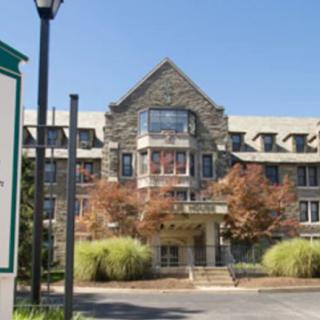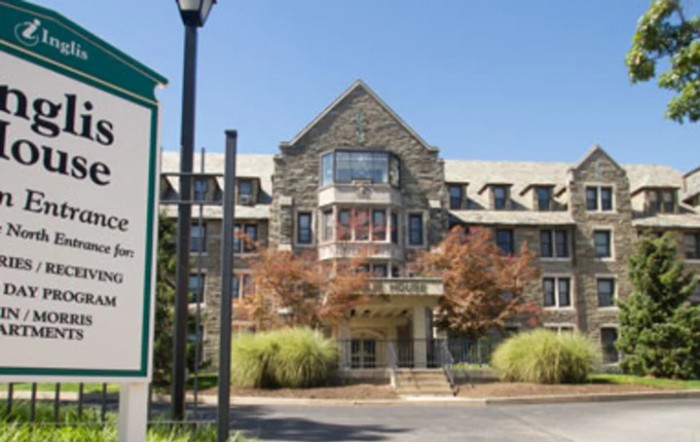
2600 Belmont Avenue, Philadelphia, PA 19131
For more information about senior living options: (866) 208-4318
Overall Review of Inglis House
Pros
 Inglis House is described as excellent by a spouse of a resident, who says it feels like extended family to many residents.
- A friend of a resident calls the facility truly amazing, noting spotless building and grounds and staff who genuinely care about residents.
- Most of the staff are described as kind and clearly caring toward residents.
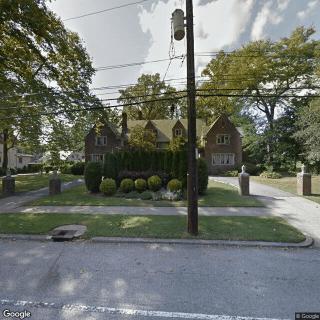
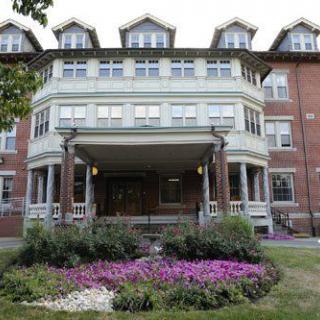
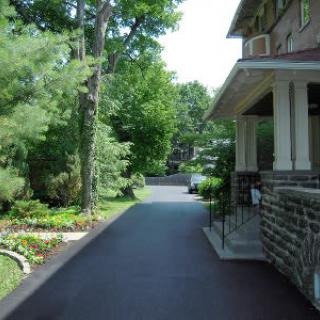
- The building and grounds are described as extraordinarily clean.
- The facility provides a variety of activities that engage residents, such as cards, computers, trips to baseball games, movies, and dining out.
- Performances by the Wheelz band bring visible joy to residents.
Cons
 The facility is accused of lacking social responsibility with unkind, unprofessional staff and a head described as nasty.
- Residents are reportedly left sitting in body fluids, and staff dismiss patients rudely.
- The care is described as horrible and unacceptable, with patients left in feces for hours and not receiving needed therapy.
- Meals have been inappropriate for dietary restrictions (e.g., serving shrimp to a shrimp-allergic resident), and portions are insufficient for a large man.
- The majority of CNAs are rude and disrespectful, with only a handful who truly do their jobs properly.
- Attempts to raise concerns are met with vague assurances to "work on it" rather than actual fixes.
- Weekends see residents left in bed for one or two days without explanation; alarms are ignored, and empathy is lacking.
- There are long-standing, unaddressed issues with accountability, and information is often inconsistent or perceived as dishonest.
- An incident where a worker dropped a resident resulted in only a write-up, raising serious safety concerns.
Review
Inglis House is best suited for socially active seniors who value a lively, engaged environment and where family oversight can supplement care. The campus excels for residents who want frequent activities, outings, and opportunities to connect with peers and volunteers. It is not the right fit for someone who relies on consistent, high-touch medical oversight or who requires strict, uniformly reliable staffing and accountability. Families considering alternatives should do so if care needs are high, if predictable response times and clear accountability are nonnegotiable, or if they prioritize a calmer, more predictable routine over a bustling social calendar.
The facility earns genuine points for a robust program of activities and a sense of community that many visitors notice and appreciate. Visitors repeatedly describe clean spaces, visible engagement from staff, and experiences like cards, computers, outings to baseball games or movies, and live performances that lift resident spirits. Several residents and outsiders report that, when the environment is functioning well, residents build meaningful connections and feel cared for by many staff members who show warmth and dedication. A few commenters even cite personal experiences in which family members felt the atmosphere and activities had a positive, transformative effect on well-being.
Yet the positive signals sit alongside a troubling pattern of inconsistencies and serious care concerns. The most troubling reviews describe residents left in incontinence or body fluids for extended periods, meals mismanaged for dietary restrictions, and rude or disengaged behavior from many CNAs. Weekend care is described as notably worse, with alarms going unanswered and perceived empathy waning when supervision is thinned. Communication gaps, conflicting information from staff, and questions about accountability create a sense that some incidents may fall through the cracks. Visitors emphasize that a few staff members clearly care, but a culture of reliability and responsiveness does not consistently permeate the facility.
Those who should seriously weigh alternatives are families prioritizing consistent safety, rapid issue resolution, and tight clinical governance. The unionized CNA environment, cited by some reviewers as a barrier to firing or replacing underperforming staff, can amplify perceptions of accountability gaps. For someone with complex medical needs, frequent medication management, or a history of safety incidents (even isolated ones), Inglis House may feel unstable relative to other options that emphasize stronger oversight, steadier staffing, and clearer escalation protocols. The mixture of praise and alarmist feedback makes it essential to compare with facilities that demonstrate a proven track record of reliable care delivery and transparent problem resolution.
A prudent visit strategy is essential before deciding. Prospective residents should request meetings with the administrator and the nurse manager, tour multiple shifts, and observe interactions during activities, meals, and routine caregiving moments. Ask to review incident logs, complaints, and how follow-through is tracked. Speak candidly with current residents and family members about weekend staffing, meal quality, and how emergencies are handled. Probe how dietary restrictions and allergies are managed in real time and how quickly staff respond to alarms or requests. This due diligence will reveal whether the above-positive experiences are representative or episodic and whether the leadership team has a credible plan to lift consistency across all shifts.
Bottom line: Inglis House offers a compelling social fabric and genuine moments of care, but the record also contains credible and persistent red flags around neglect risks, staff morale, and accountability. It can be a great fit for families who can sustain active involvement, monitor quality closely, and demand high engagement from a spectrum of staff members. For those with higher care needs or who cannot tolerate uneven staffing and variable responses, alternative communities with stronger, more uniform oversight and demonstrable safety metrics are worth pursuing. The right choice hinges on balancing the value of social vitality and community life against the imperative of steady, dependable care.
 252 resident community capacity
 Skilled Nursing Facility
 Air-conditioning
 Beauty salon
 Cable or satellite TV
 Computer center
 Dining room
 Fitness room
 Fully furnished
 Gaming room
 Garden
 Housekeeping services
 Kitchenette
 Move-in coordination
 Outdoor space
 Private bathrooms
 Restaurant-style dining
 Small library
 Telephone
 Wellness center
 Wi-Fi/high-speed internet available
 Philadelphia International (9 miles away)
 Community operated transportation
 12-16 hour nursing
 24-hour call system
 Activities of daily living assistance
 Assistance with bathing
 Assistance with dressing
 Assistance with transfers
 Diabetes diet
 Medication management
 Mental wellness program
 Special dietary restrictions
 Concierge services
 Planned day trips



 Weight Training for Seniors: Building Strength and Vitality
 Understanding the Sandwich Generation: Stress and Responsibilities for Multigenerational Caregivers
 8 Essential Assistive Devices for Older Adults