Wesley Enhanced Living at Stapeley Costs & Pricing
Wesley Enhanced Living at Stapeley offers competitive pricing for its various room types, attracting residents with a balance of affordability and quality care. For studio apartments, the monthly costs range from $2,460 to $2,740, notably lower than Philadelphia County's average of $2,752 and significantly below the Pennsylvania state average of $3,737. 1-bedroom units also present an appealing option with costs between $2,930 and $3,333, again undercutting both the county and state averages of $2,848 and $4,006 respectively. The semi-private rooms are priced at $3,570 which is slightly below Philadelphia County's figure of $3,662 while remaining comparable to the state average of $3,542. Finally, two-bedroom accommodations stand at $4,331 - a competitive rate next to Philadelphia County's average of $3,874 but still within reach when considering the Pennsylvania state's higher average of $4,242. Overall, Wesley Enhanced Living at Stapeley demonstrates an approachable price structure designed to meet the needs of its residents while providing a welcoming environment in a desirable location.
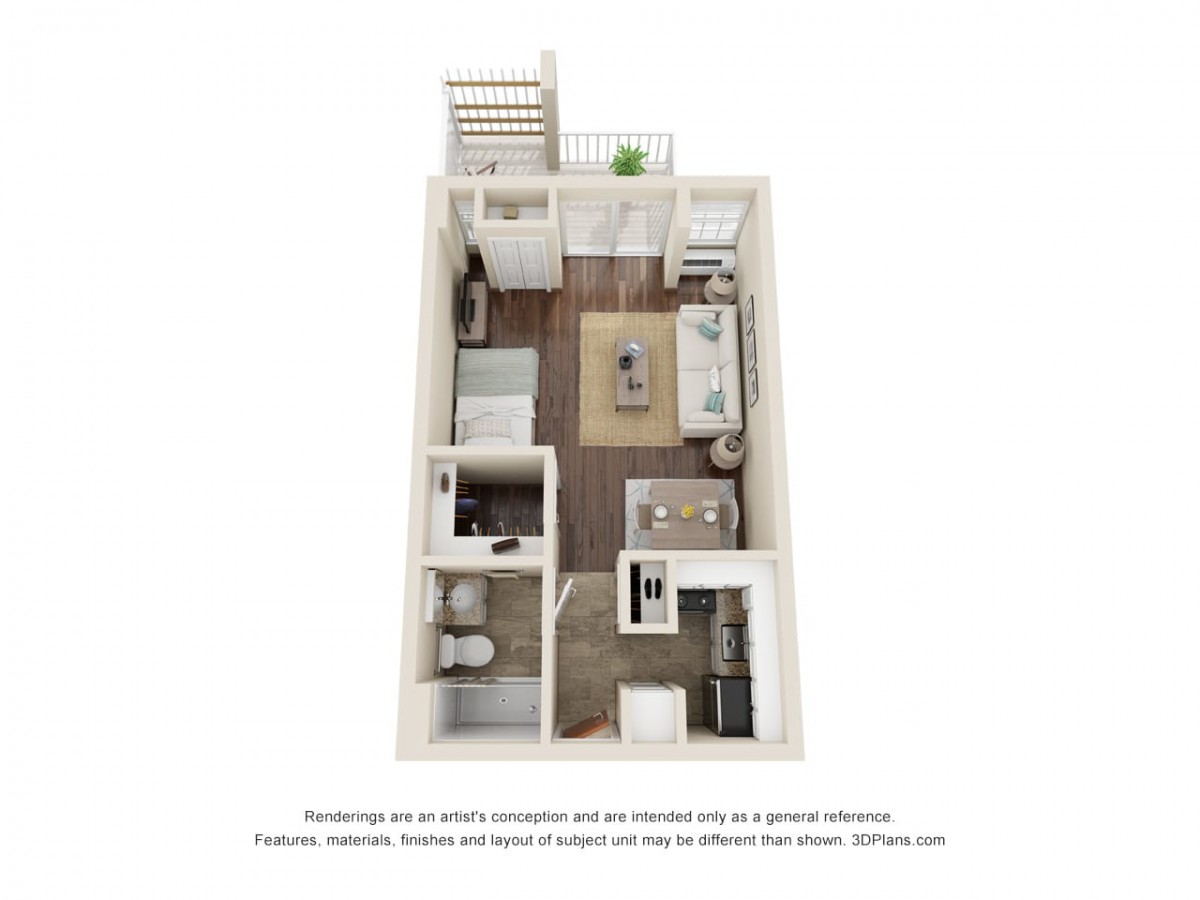
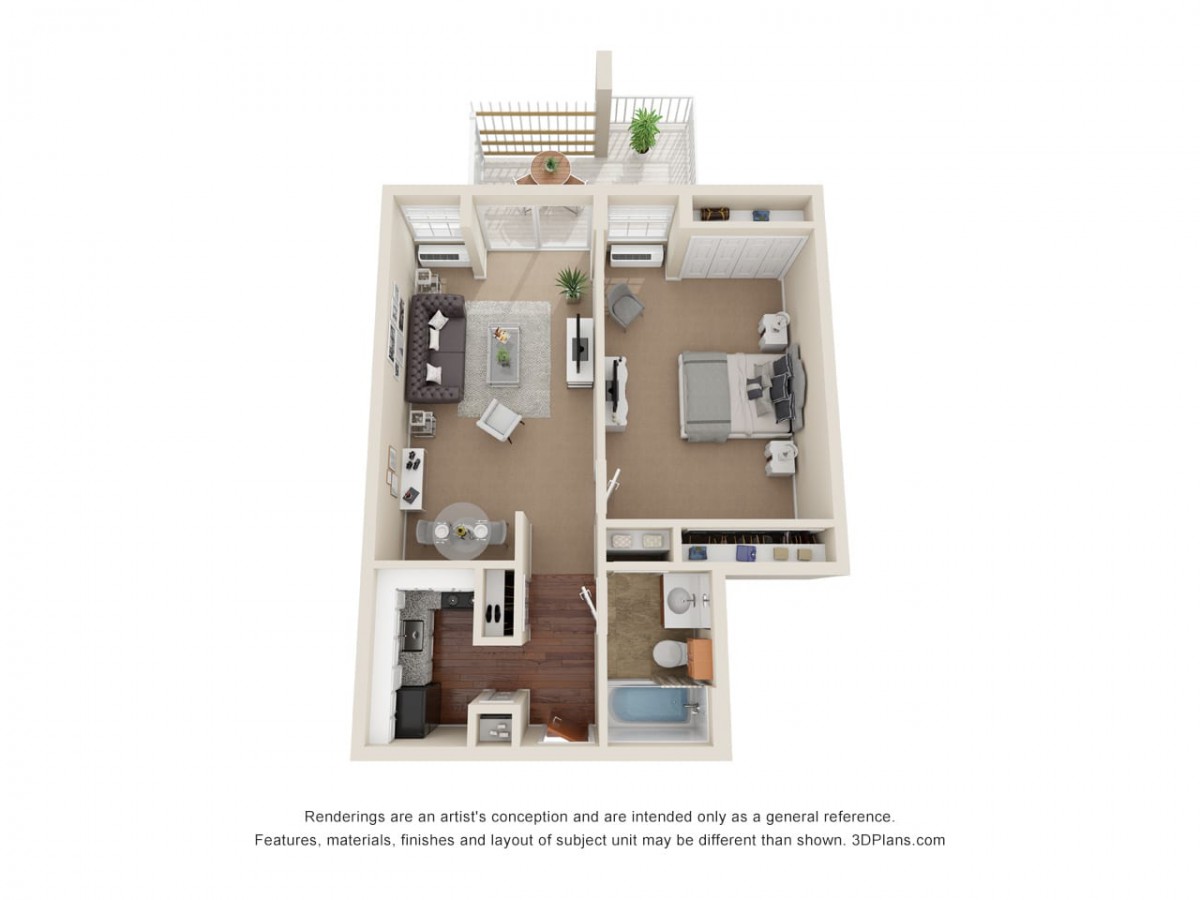
Floor plans
Wesley Enhanced Living at Stapeley
Philadelphia County
Pennsylvania
Studio
$2,460 to $2,740
$2,752
$3,737
1 Bedroom
$2,930 to $3,333
$2,848
$4,006
Semi-Private
$3,570
$3,662
$3,542
2 Bedrooms
$4,331
$3,874
$4,242
Assisted Living communities with a similar price nearby
Overall Review of Wesley Enhanced Living at Stapeley
common
Caring staff stood out most
Residents and families repeatedly describe staff as kind, attentive, and responsive.
Across many reviews, families highlight staff who take the time to know residents and help with day-to-day needs. Several also mention communication and follow-through, including addressing questions and coordinating care-related updates. A smaller number of negative reviews criticize specific nursing experiences, including dismissive behavior or slow follow-up, but they are outweighed by praise for caring interactions.
common
Food quality and dining variety
Restaurant-style meals and generally good food are a frequent point of praise.
Dining comes up often, with multiple residents and families saying the food is delicious or very good. Reviews also describe using different dining spaces and enjoying specific dining experiences like brunch or meals served daily. The menu is discussed as having variety and options for different dietary needs, which aligns with the community’s supported dining styles and diet-focused programs.
common
Activities help residents stay engaged
Residents and families describe a steady schedule of activities to keep days full.
Many reviews mention regular activities and an active community feel, including social events and outings. Several families describe residents participating more than expected, with examples like bingo, sing-alongs, music, and themed events. A few reviewers note their loved one did not take advantage of activities, but overall the day-to-day programming is described as something that supports comfort and routine.
caveat
Medical support and therapies vary
Care experiences range from praised medical support to serious nursing complaints.
A number of reviews praise nursing staff, therapy help, and on-site medical attention, including being able to get assistance with health needs and exercises. Others describe problems with nursing care, including pain management concerns, inadequate staffing, or delayed responses that affected outcomes. Because the reviews span both positive and negative medical experiences, it’s important to ask detailed questions about how care is handled for your specific needs and level of assistance.
common
Pricing is below county and state
Monthly rent levels shown are priced below both county and state averages.
The posted price ranges for studio, one-bedroom, semi-private, and two-bedroom options are all shown as below county and below state benchmarks. This can matter for families comparing affordability across unit types while still looking at the community’s care levels and services. If you’re budgeting for transitions between levels of care, consider how the unit and care mix you need could affect your total monthly plan.
common
Local access to services
The area includes nearby restaurants, pharmacies, transit, and medical facilities.
For day-to-day errands and visits, the neighborhood includes quick access to places like a pharmacy and familiar dining options. There are also nearby transit stations and multiple medical facilities within a few miles, which can support appointment planning. Reviews themselves emphasize the community’s on-site support, but the surrounding location provides additional options for visitors and family.
How we summarize
We summarize when many written reviews mention each theme; a review can touch several themes, and only frequently mentioned themes are displayed.
Features
Housing
79 resident community capacity
1-bedroom apartments
2-bedroom apartments
Studio apartments
Types of Care
Assisted Living
Continuing Care Retirement Community (CCRC)
Independent Living
Memory Care
Respite Care
Skilled Nursing Facility
Amenities
Activities off-site
Activities on-site
Air-conditioning
Bath tubs
Beautician on-site
Beauty salon
Cable or satellite TV
Cafe
Computer center
Devotional services on-site
Dining room
Financing advice
Fitness room
Full kitchen
Fully furnished
Gaming room
Garden
Ground floor units
Guasts at mealtime
Guest parking
Handicap accessible
Hiking trails
Home sale assistance
Housekeeping services
Indoor common areas
Kitchenette
Laundry
Move-in coordination
Outdoor common areas
Outdoor space
Overnight guests
Private bathrooms
Private cleaning services
Resident parking
Respite or short term stays offered
Restaurant-style dining
Security gate
Small library
TV room
Telephone
VA Benefits Consultation
Wellness center
Wheelchair accessible showers
Wi-Fi/high-speed internet available
Transportation
Philadelphia International (12 miles away)
Community operated transportation
Transportation & parking
Transportation arrangement
Transportation arrangement (non-medical)
Transportation to doctors appointments
Care Services
12-16 hour nursing
24-hour call system
24-hour supervision
Activities of daily living assistance
Ambulatory care
Assistance with bathing
Assistance with dressing
Assistance with transfers
Diabetes diet
Diabetic care
Hospice care
Incontinence care
Meal preparation and service
Medication management
Mental wellness program
Physical therapy
Psychiatric care
Special dietary restrictions
Dining
Diabetes diet
Gluten-free
Guest meals
International cuisine
Low / no sodium
Low fat
Meals provided
No Sugar
Professional chef
Renal
Restaurant style dining
Room service
Special dietary restrictions
Special dining programs
Vegan
Activities
Activities off-site
Art classes
Arts and crafts
Bible study group
Book club
Catholic services
Community-sponsored activities
Concierge services
Cooking classes
Cooking club
Devotional activities on-site
Educational speakers / life long learning
Fitness programs
Games
Gardening club
Jewish services
Live musical performances
Other religious services
Planned day trips
Protestant services
Religious services
Resident-run activities
Scheduled daily activities
Stories
Tai Chi
Visiting Rabbi
Visiting chaplain or priest
Yoga / chair yoga
Languages Spoken
English
French
Nearby Places of Interest
This area of Philadelphia, Pennsylvania, offers a variety of amenities that may be appealing to seniors looking for a convenient and vibrant neighborhood to call home. With multiple pharmacies nearby, access to healthcare services is easily accessible. Additionally, there are several reputable physicians and hospitals within a short distance which can provide peace of mind in case of medical emergencies. The abundance of restaurants, cafes, and public transportation options make daily errands and social outings convenient and enjoyable. For those who enjoy nature and outdoor activities, there are several parks in the vicinity where one can relax or engage in leisurely walks. Overall, this area presents a well-rounded community with services and attractions that cater to the needs of seniors seeking a comfortable and engaging lifestyle.
Restaurants
McDonald's (0.6 miles)
Dalessandro's Steaks (1.2 miles)
Custard & Cakes Creamery (1.6 miles)
McDonald's (1.9 miles)
Chick-Fil-A (2.9 miles)
Pizza Hut (3.4 miles)
Larry's Steaks (3.9 miles)
Pharmacies
Rite Aid (1.4 miles)
Rite Aid (1.5 miles)
Rite Aid (1.7 miles)
Rite Aid (1.8 miles)
CVS Pharmacy (2 miles)
CVS Pharmacy (2.1 miles)
Walgreens (2.5 miles)
Cafes
Starbucks (1.5 miles)
Pilgrim Roasters (2.1 miles)
The Landing Kitchen (2.1 miles)
Panera Bread (2.5 miles)
Starbucks (2.6 miles)
Starbucks (3.2 miles)
Starbucks (3.9 miles)
Transportation
Stenton Station (1.6 miles)
Septa Wayne Junction Station (1.8 miles)
SEPTA Jenkintown-Wyncote Station (4.5 miles)
30th Street Station (5.7 miles)
SEPTA: MFL/TRL 30th Street Station (5.8 miles)
Jefferson Station (6.2 miles)
Physicians
Simms Hank Md Albert Einstein Medical Center Philadelphia (2.2 miles)
Frankford Avenue Health Center (5.5 miles)
Children's Hospital of Philadelphia (6.2 miles)
CHOP Buerger Center for Advanced Pediatric Care - Raymond G. Perelman Campus (6.3 miles)
Hospitals
Albert Einstein Employee Health Center (2.3 miles)
Temple University Hospital (3 miles)
Chestnut Hill Emergency Room (3.2 miles)
St Christopher's Hospital for Children (3.9 miles)
Wesley Enhanced Living at Stapeley offers competitive pricing for its various room types, attracting residents with a balance of affordability and quality care. For studio apartments, the monthly costs range from $2,460 to $2,740, notably lower than Philadelphia County's average of $2,752 and significantly below the Pennsylvania state average of $3,737. 1-bedroom units also present an appealing option with costs between $2,930 and $3,333, again undercutting both the county and state averages of $2,848 and $4,006 respectively. The semi-private rooms are priced at $3,570 which is slightly below Philadelphia County's figure of $3,662 while remaining comparable to the state average of $3,542. Finally, two-bedroom accommodations stand at $4,331 - a competitive rate next to Philadelphia County's average of $3,874 but still within reach when considering the Pennsylvania state's higher average of $4,242. Overall, Wesley Enhanced Living at Stapeley demonstrates an approachable price structure designed to meet the needs of its residents while providing a welcoming environment in a desirable location.
Wesley Enhanced Living at Stapeley offers a comprehensive suite of features designed to enhance the quality of life for residents with dementia or Alzheimer's disease. The 24-hour supervision ensures that residents are always monitored, providing safety and security in a familiar environment. Assistance with activities of daily living--including bathing, dressing, and transfers--promotes dignity while addressing individual needs. Incontinence care further supports personal hygiene and comfort. Meal preparation and service are tailored to meet nutritional requirements, while medication management ensures adherence to prescribed regimens, which is crucial for overall health. Engaging in a mental wellness program fosters cognitive stimulation, helping to maintain mental abilities longer, while physical therapy encourages mobility and physical well-being. Collectively, these services create a supportive atmosphere conducive to managing the challenges associated with memory impairment.
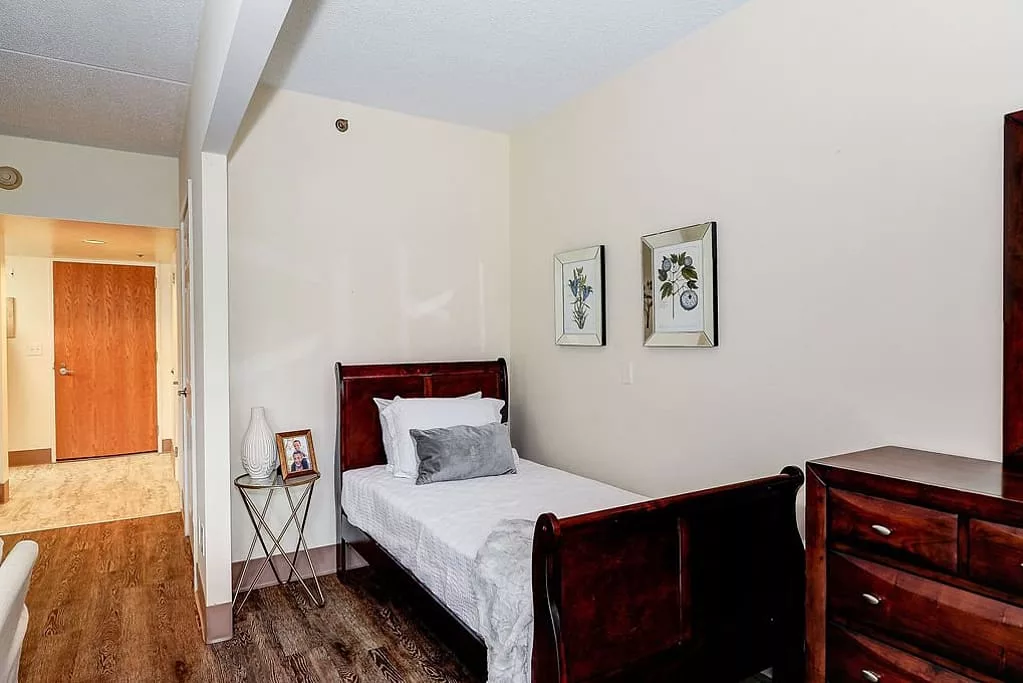
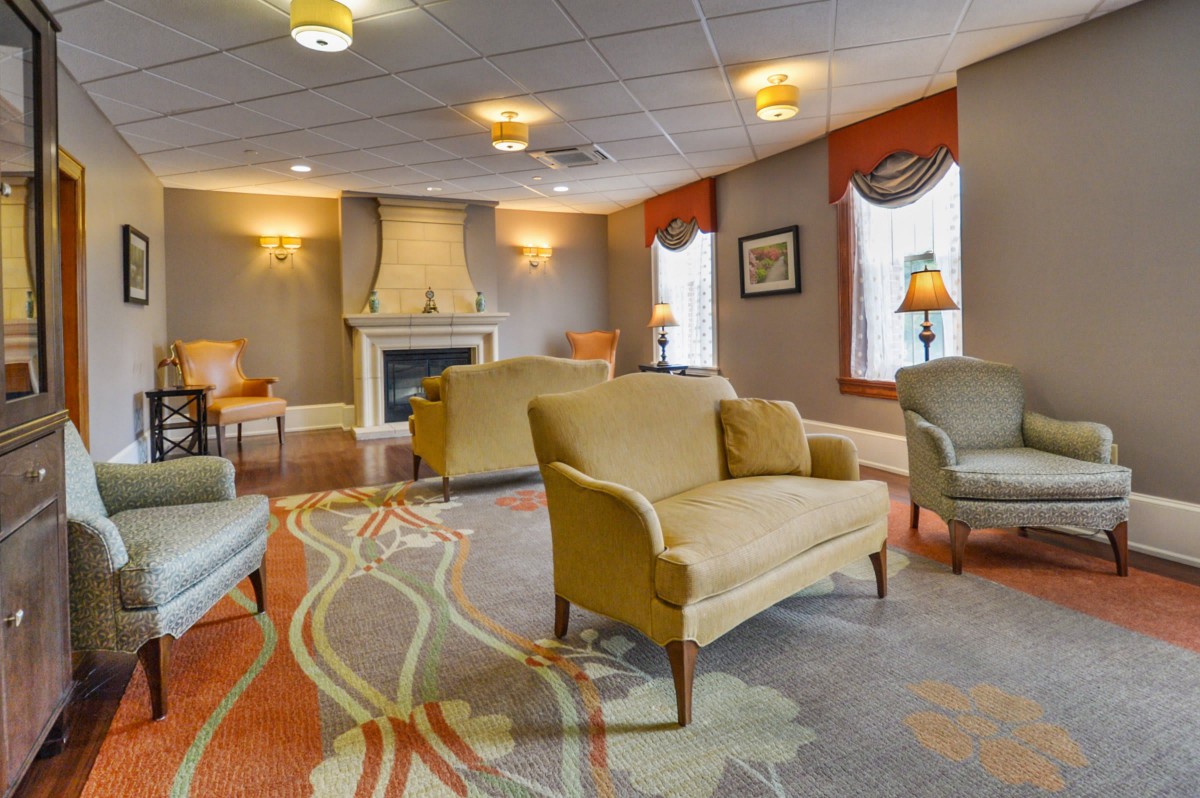
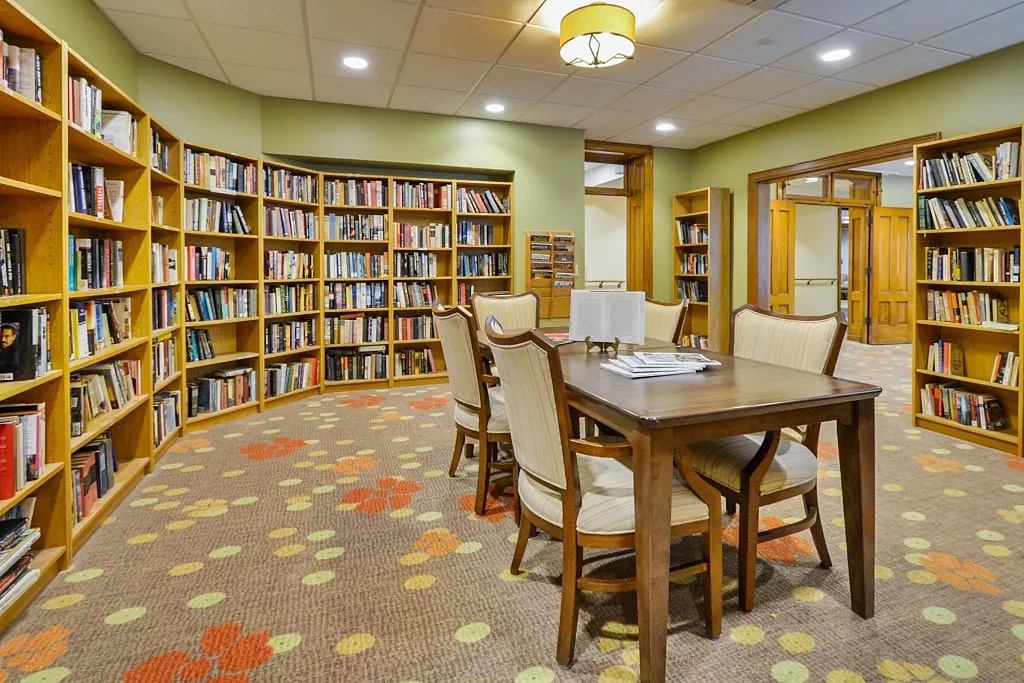
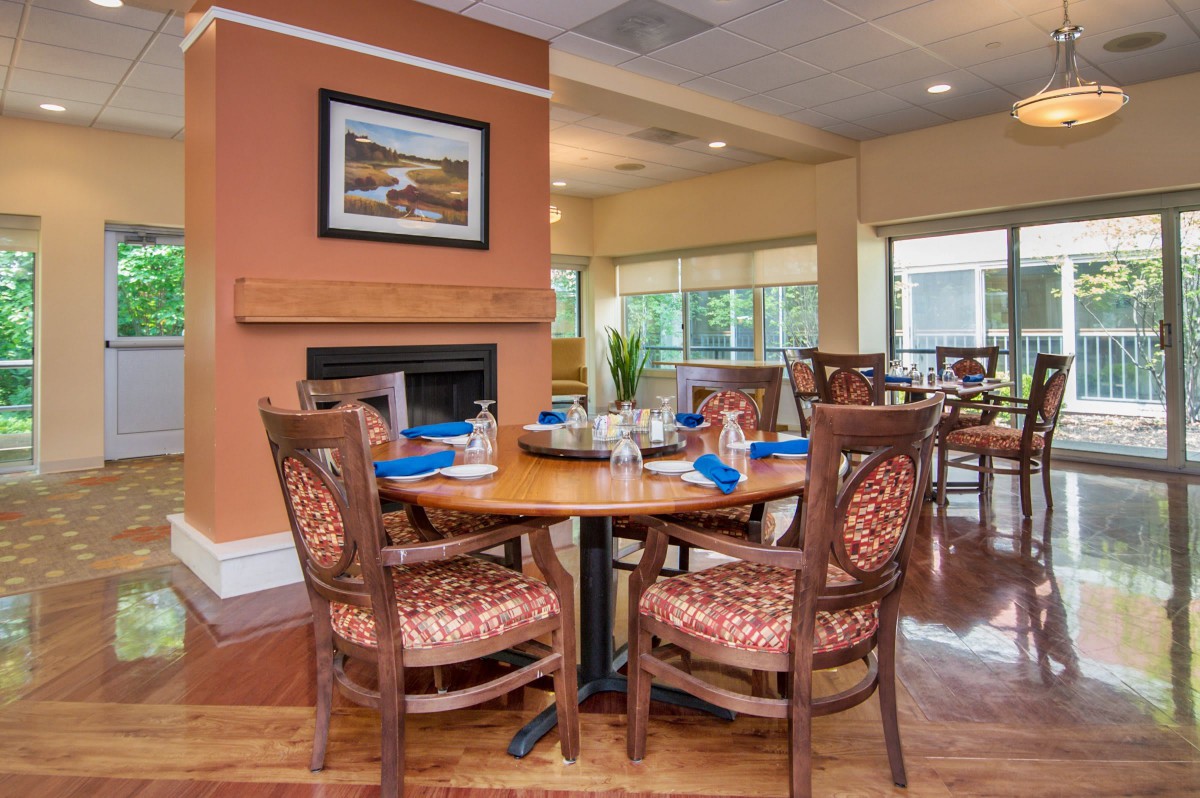
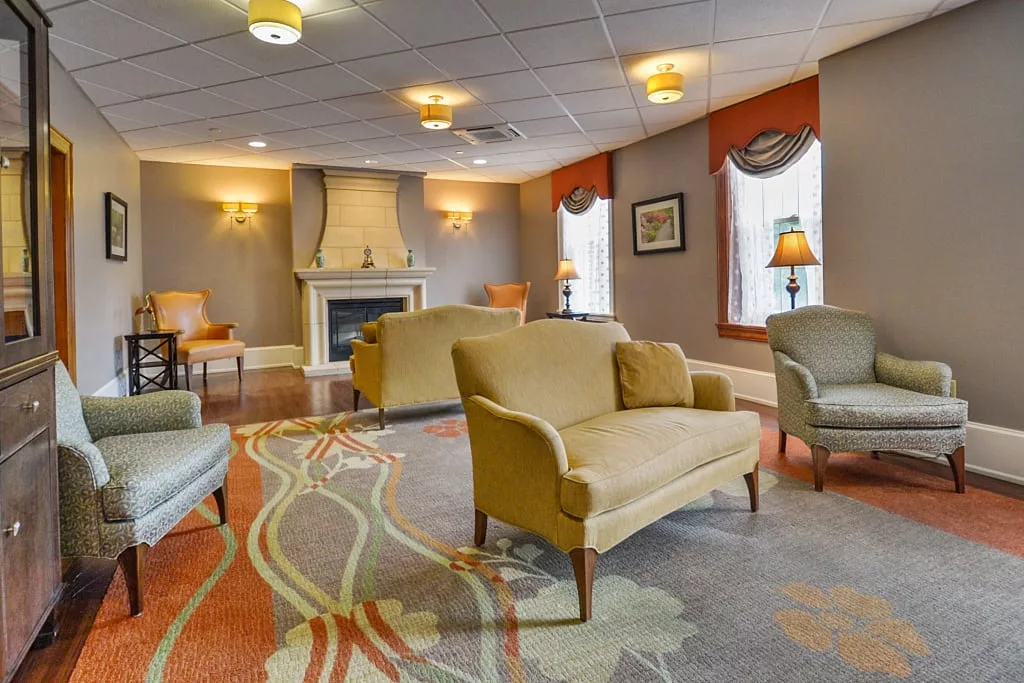
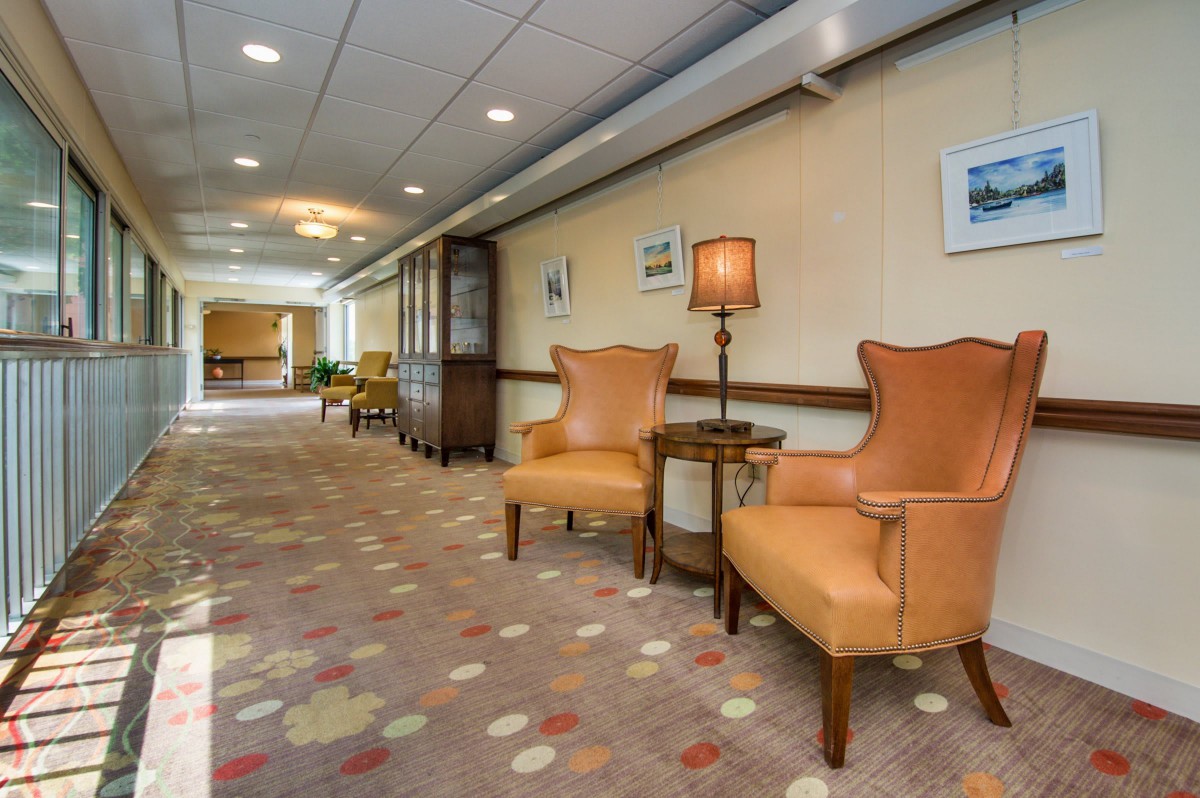
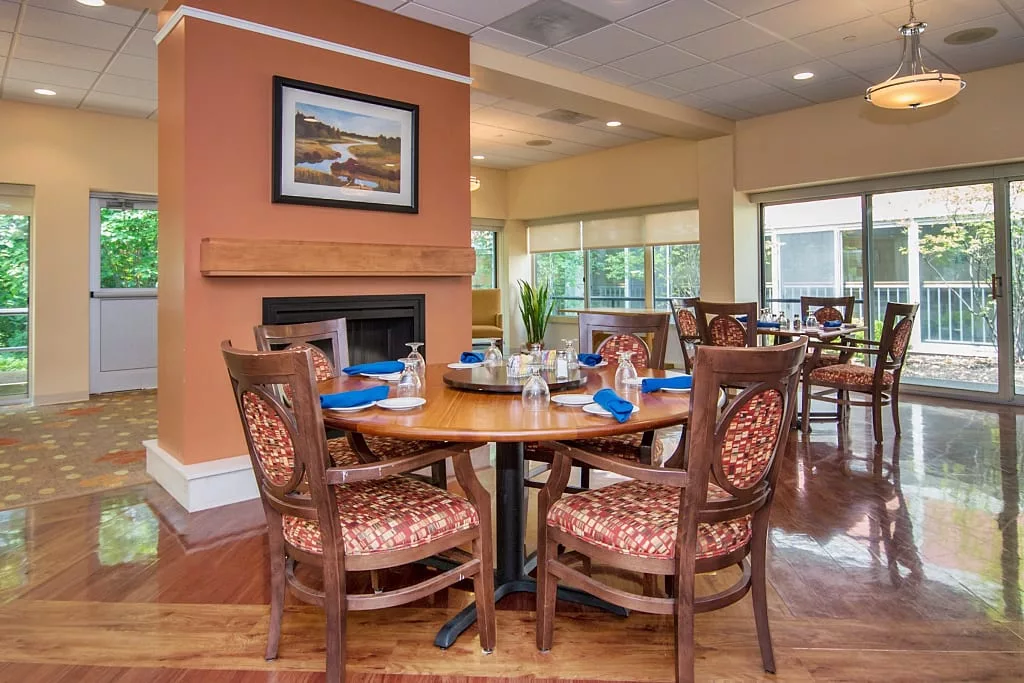
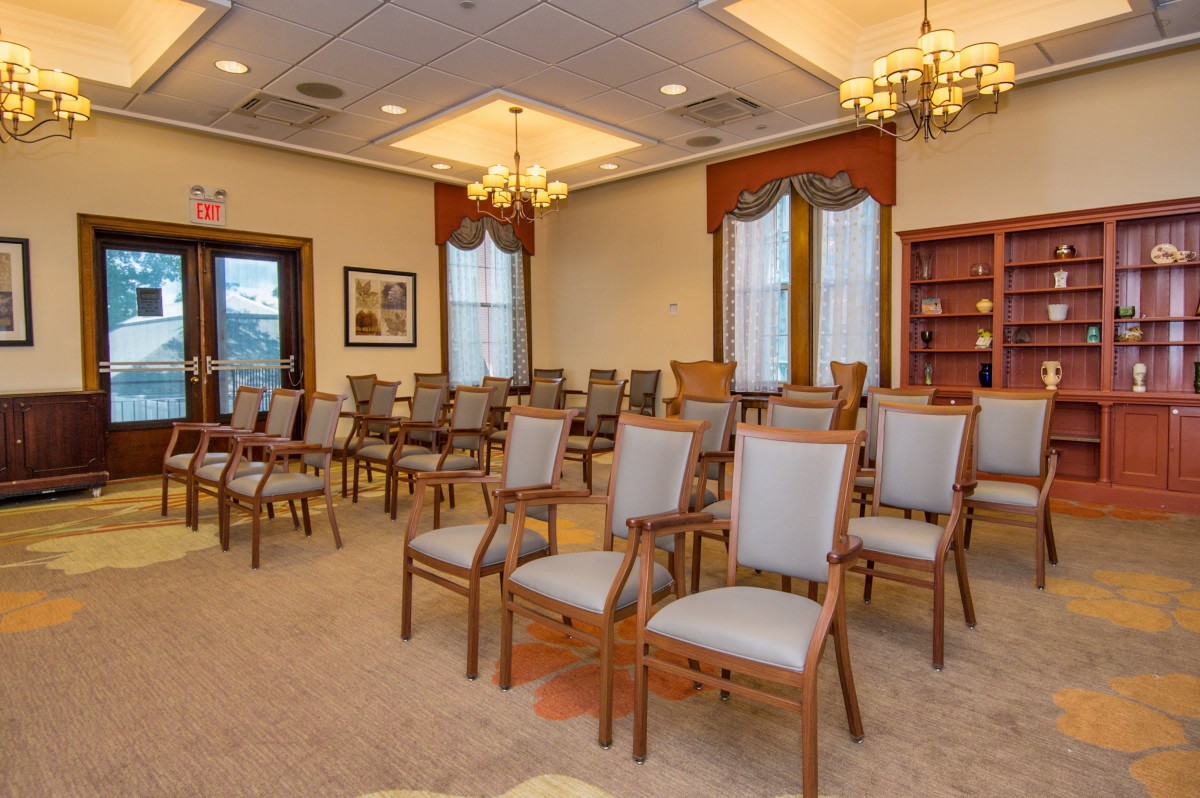
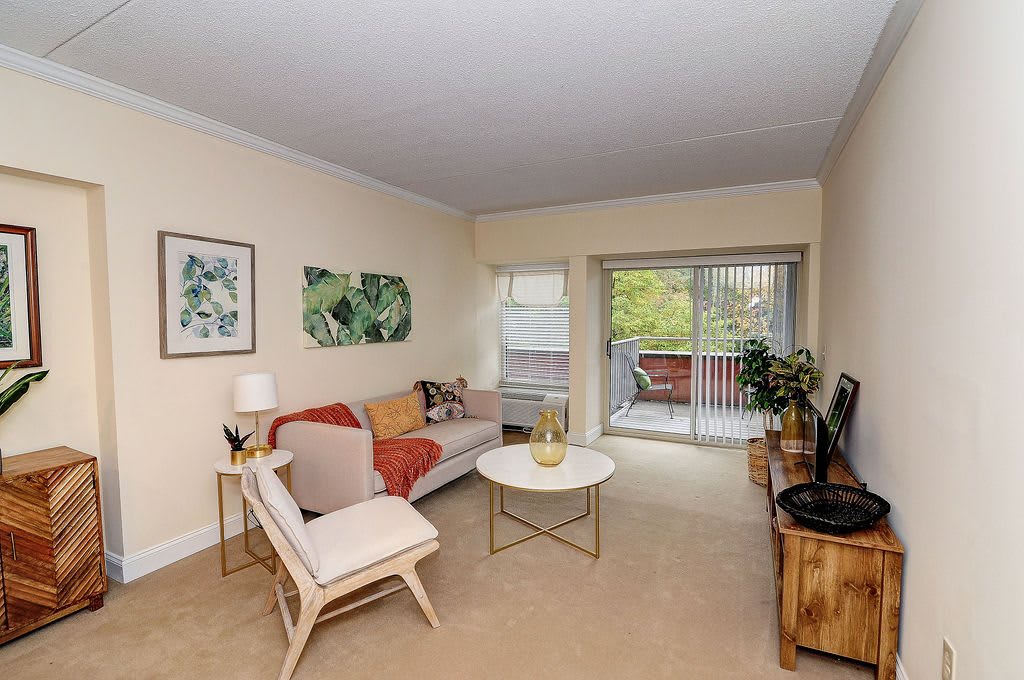
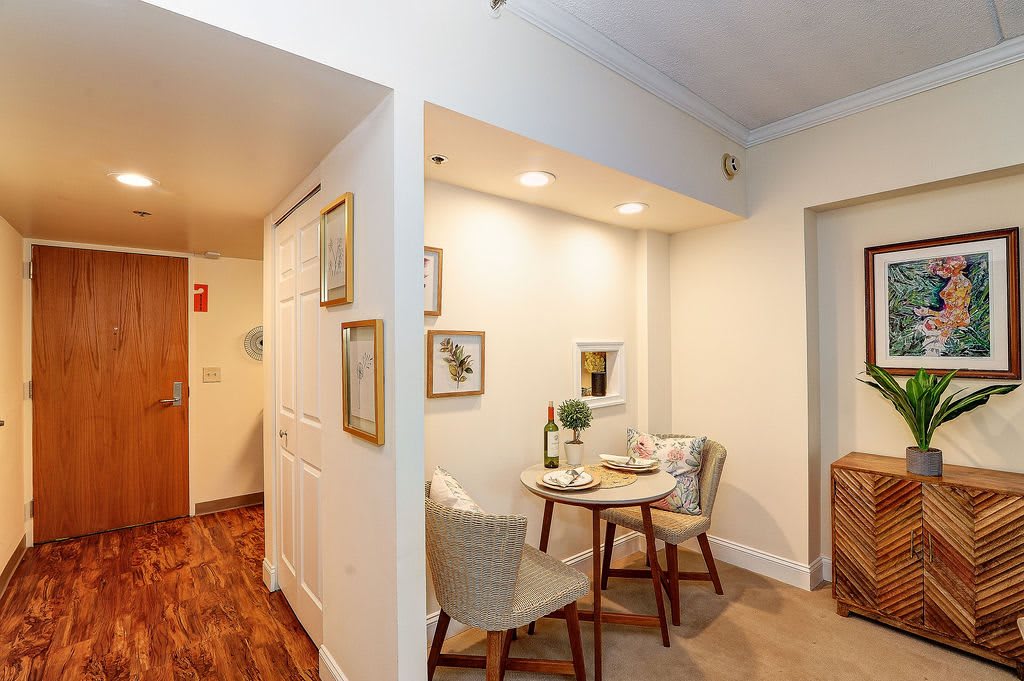
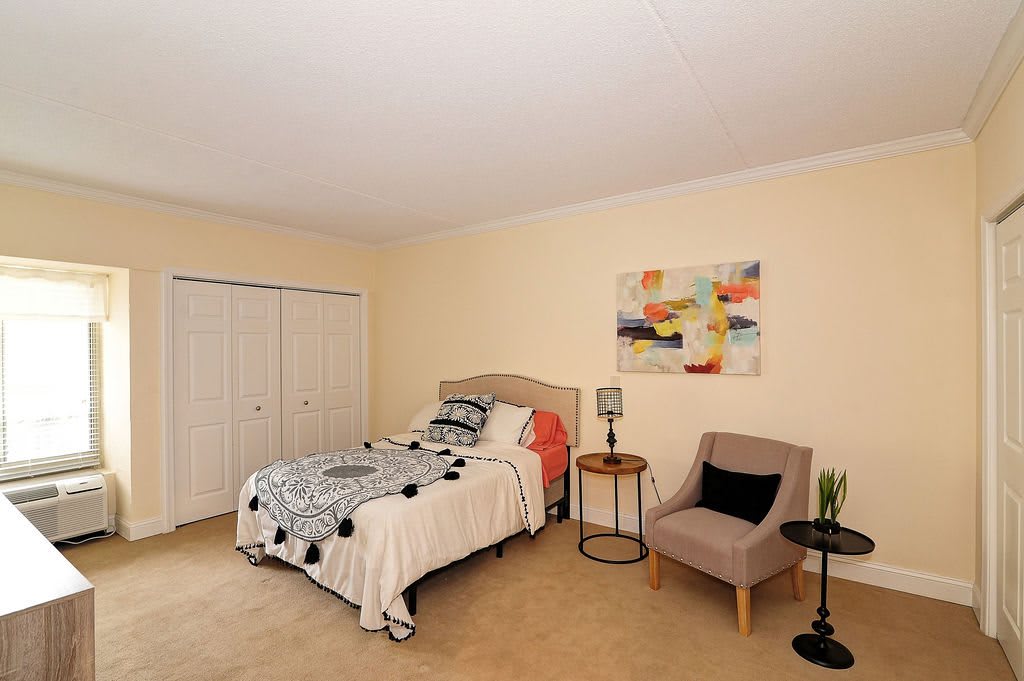
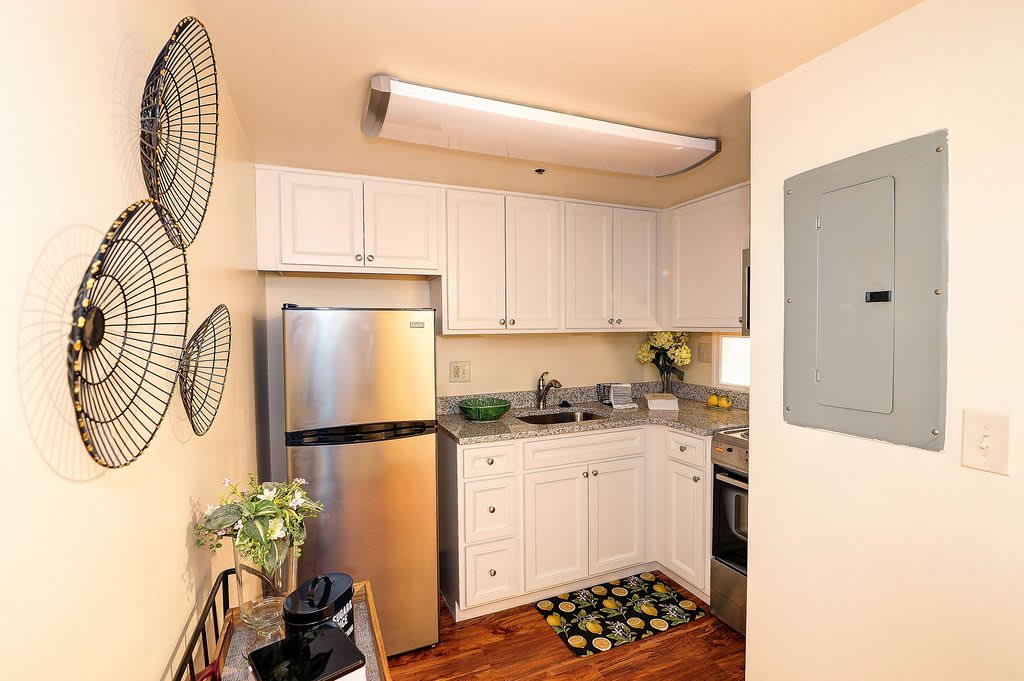
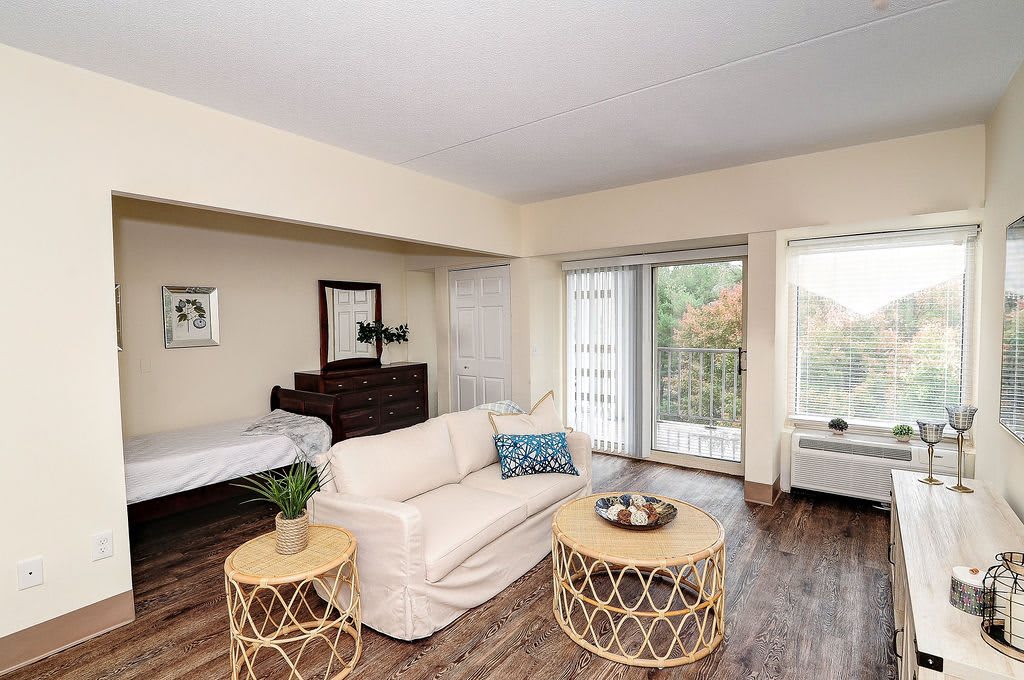
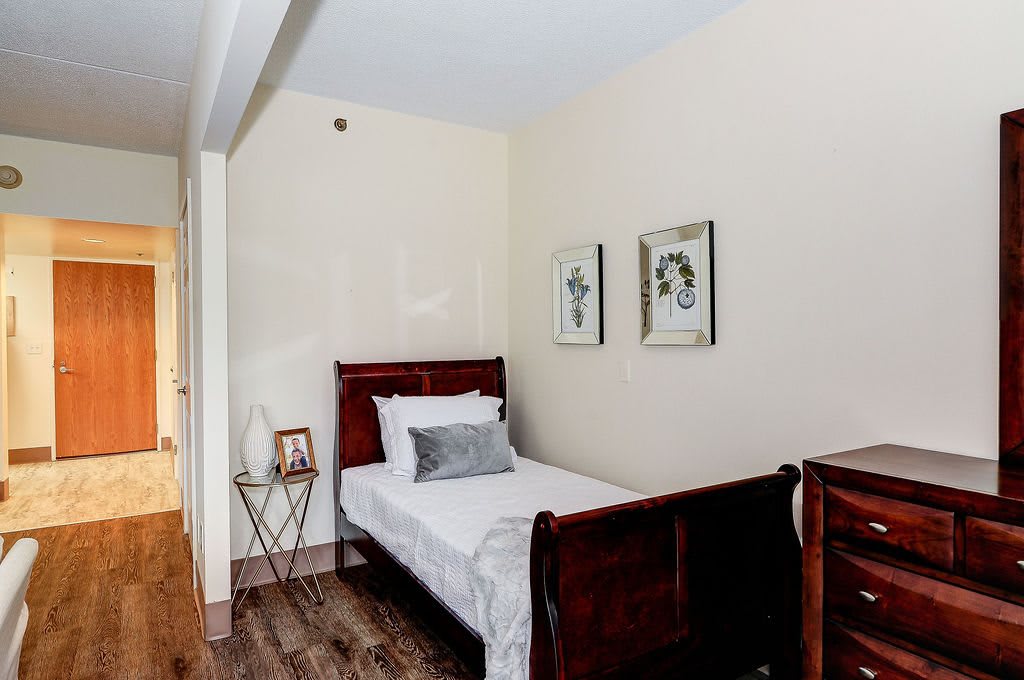
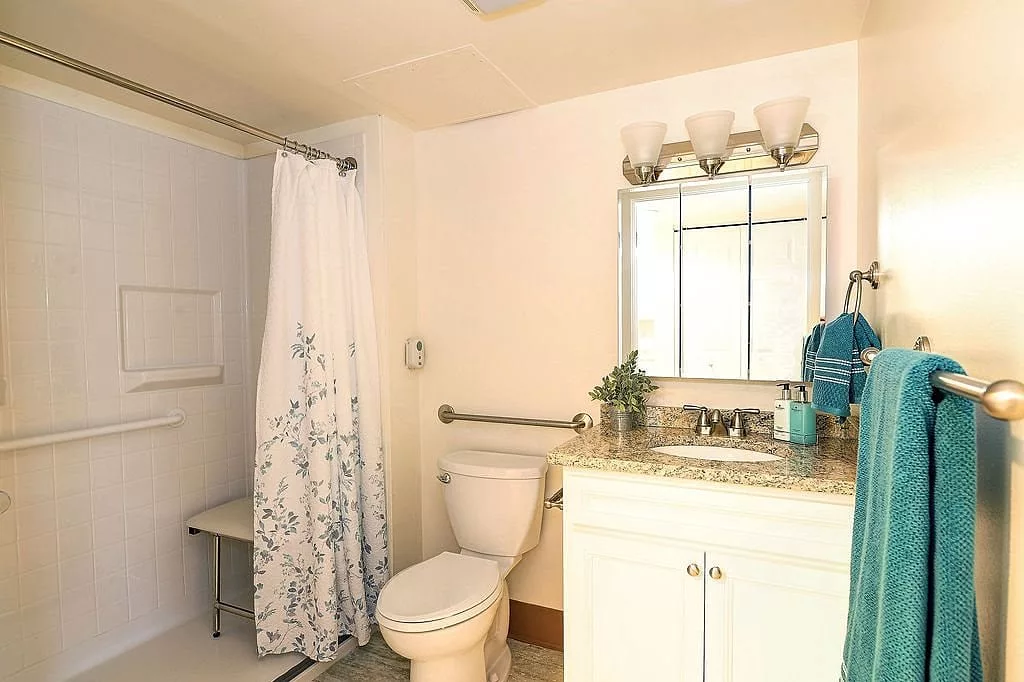
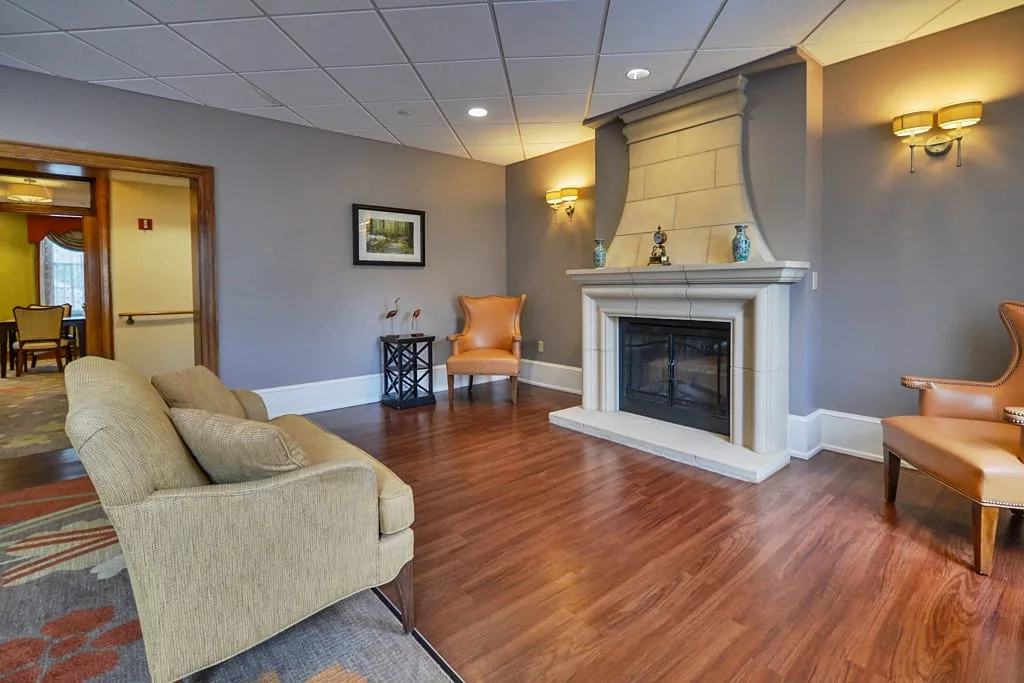
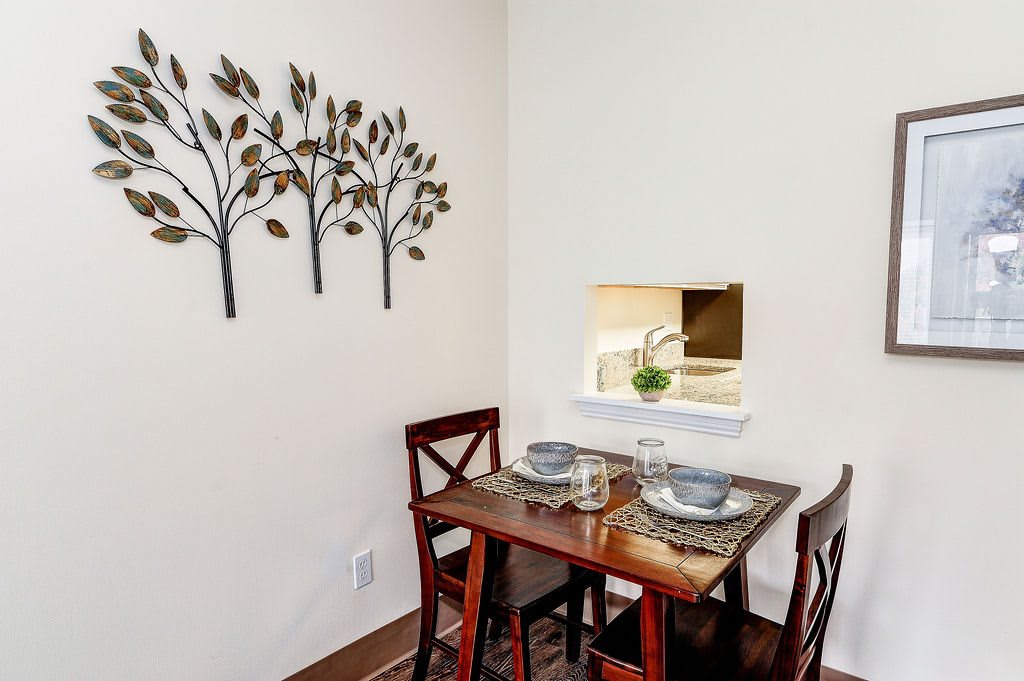
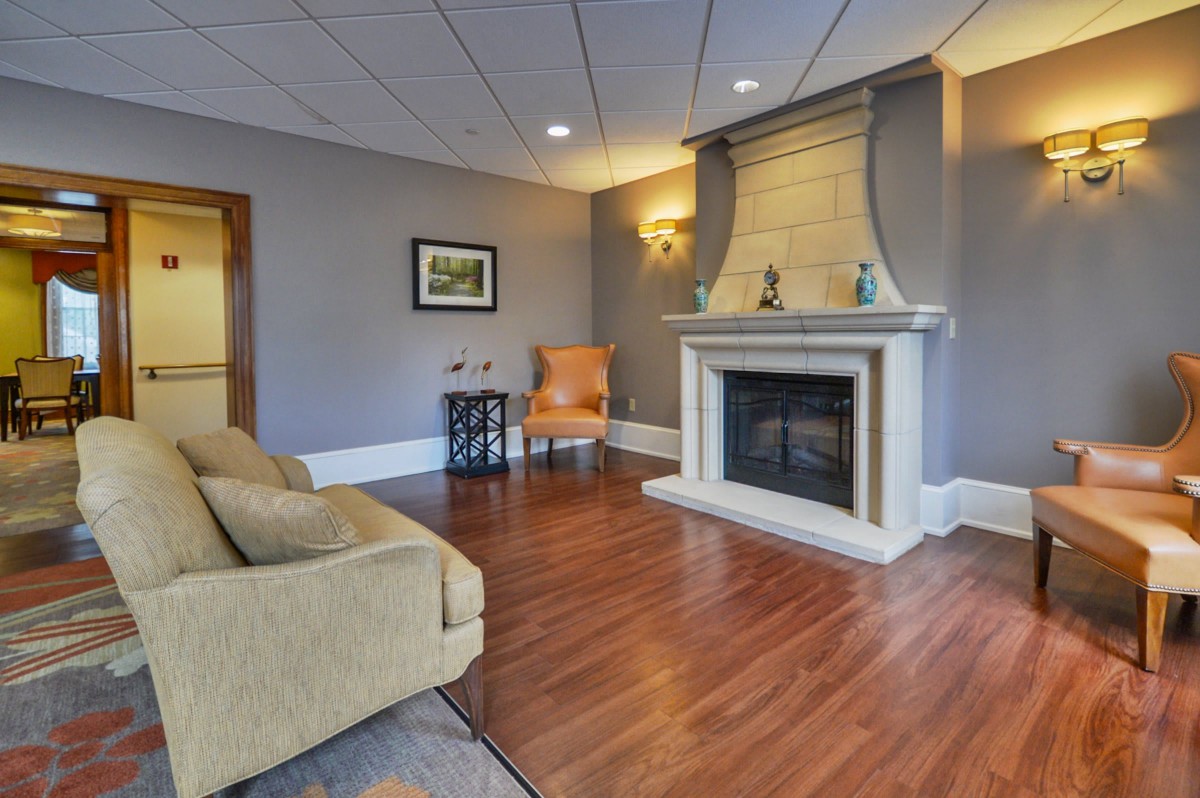
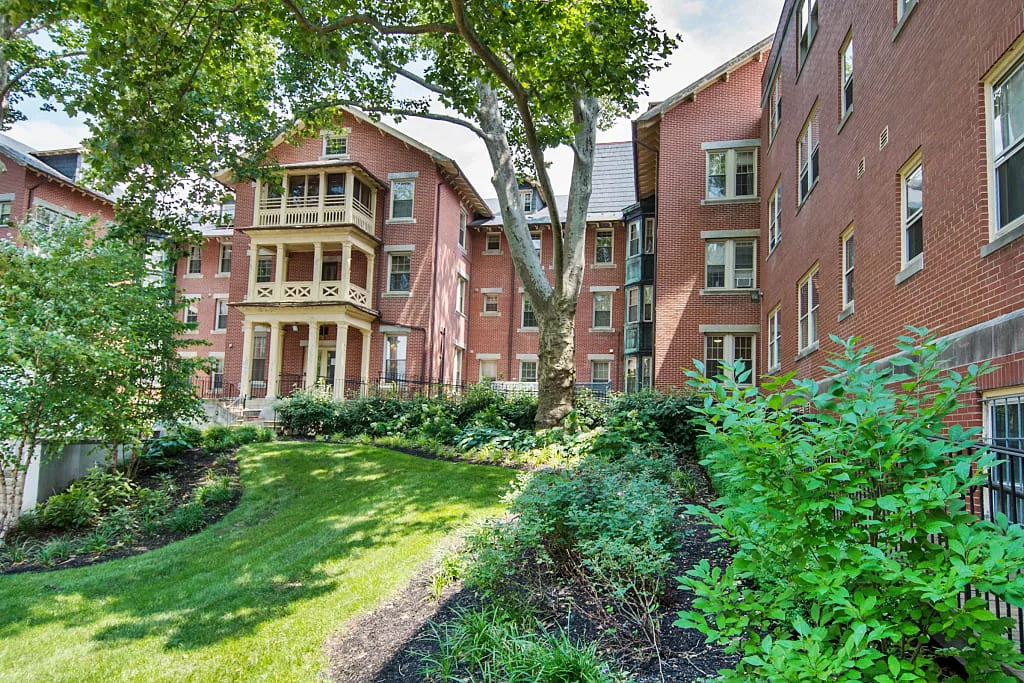
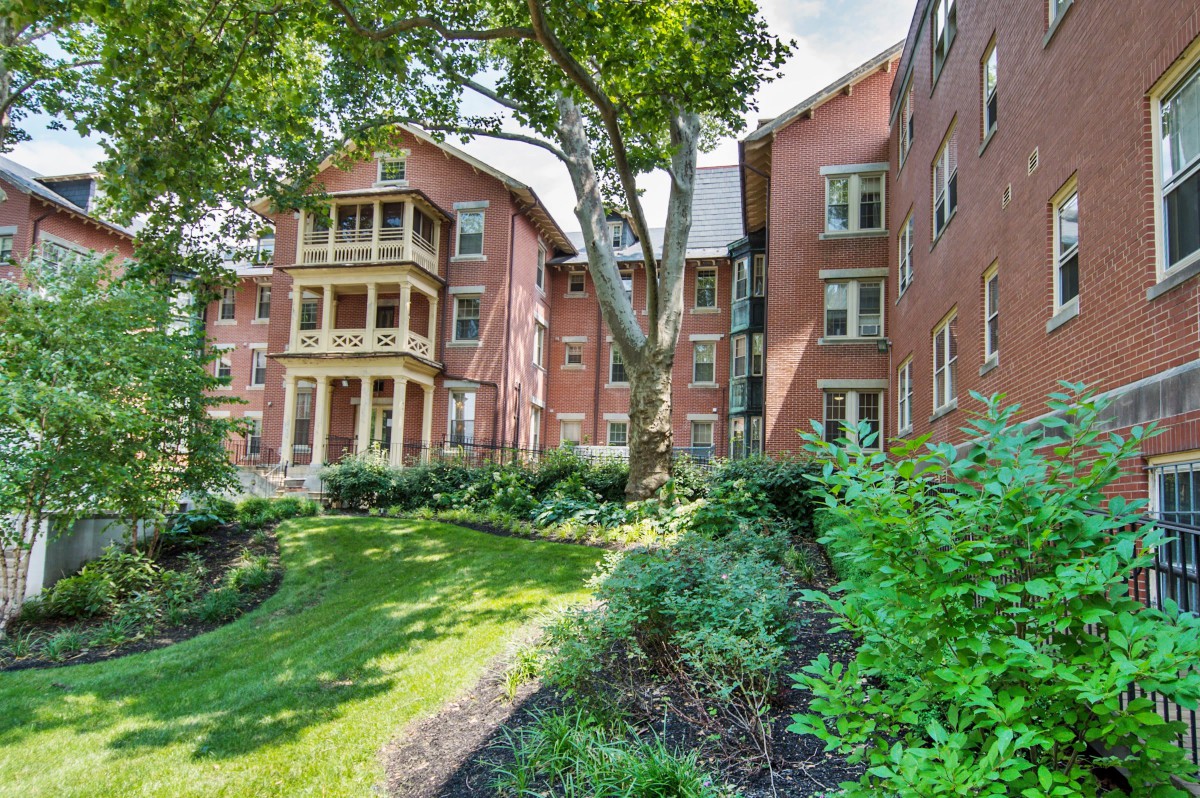
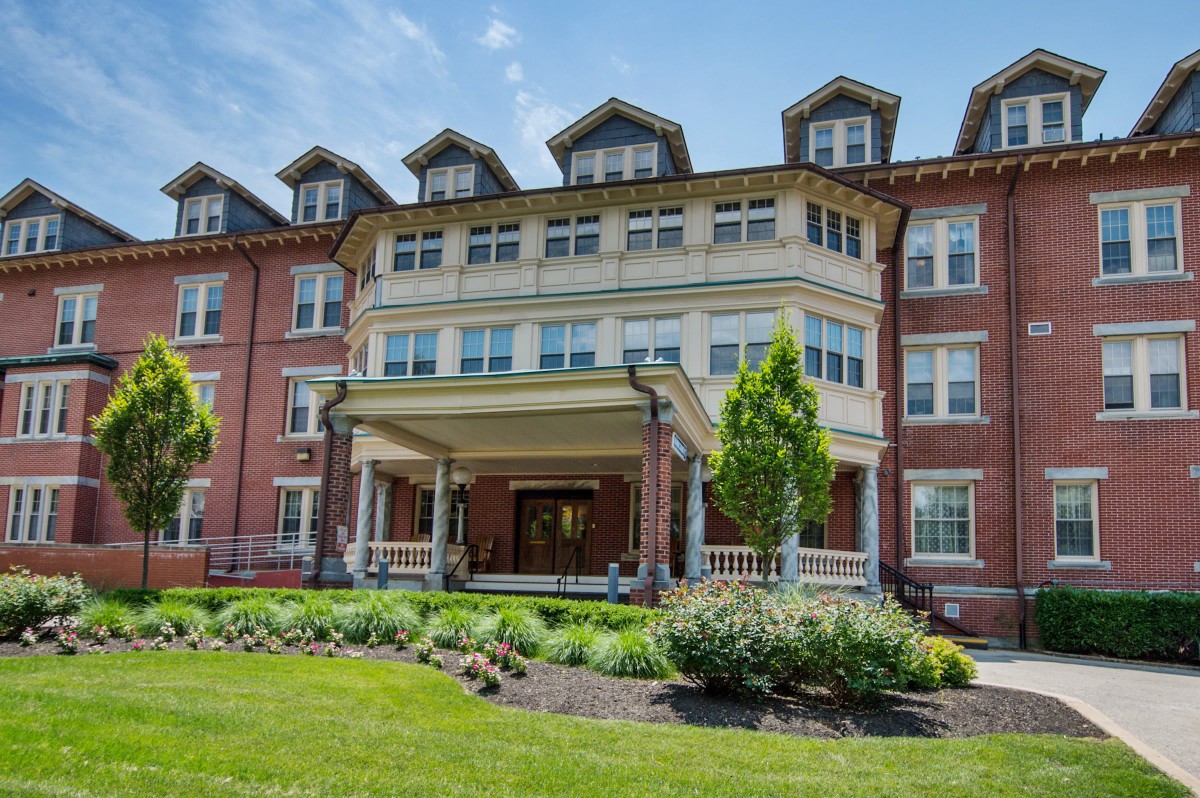
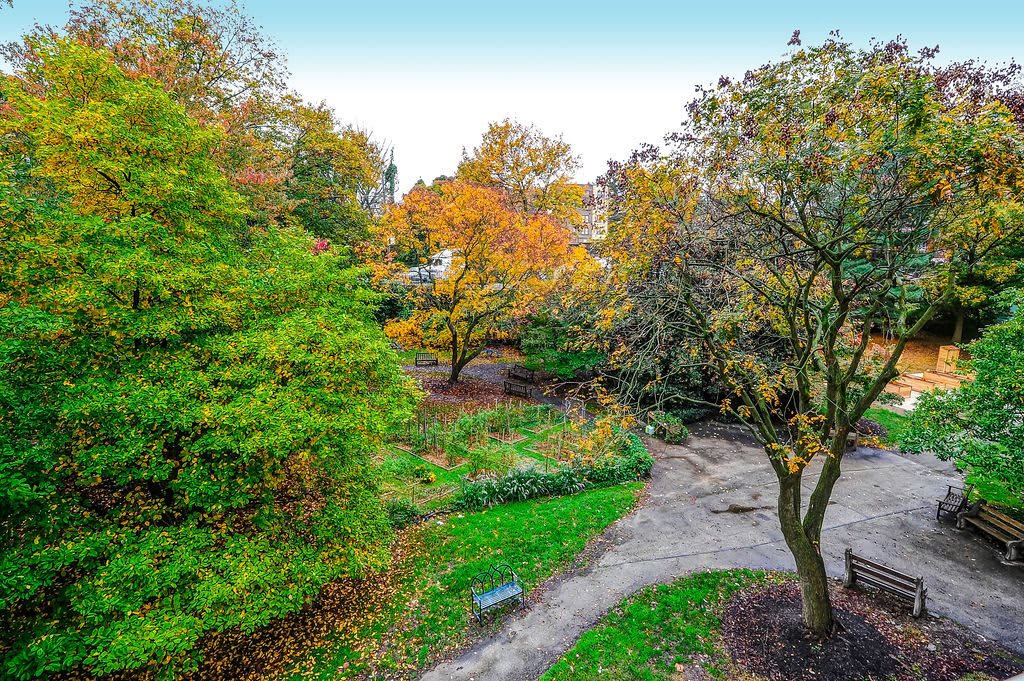
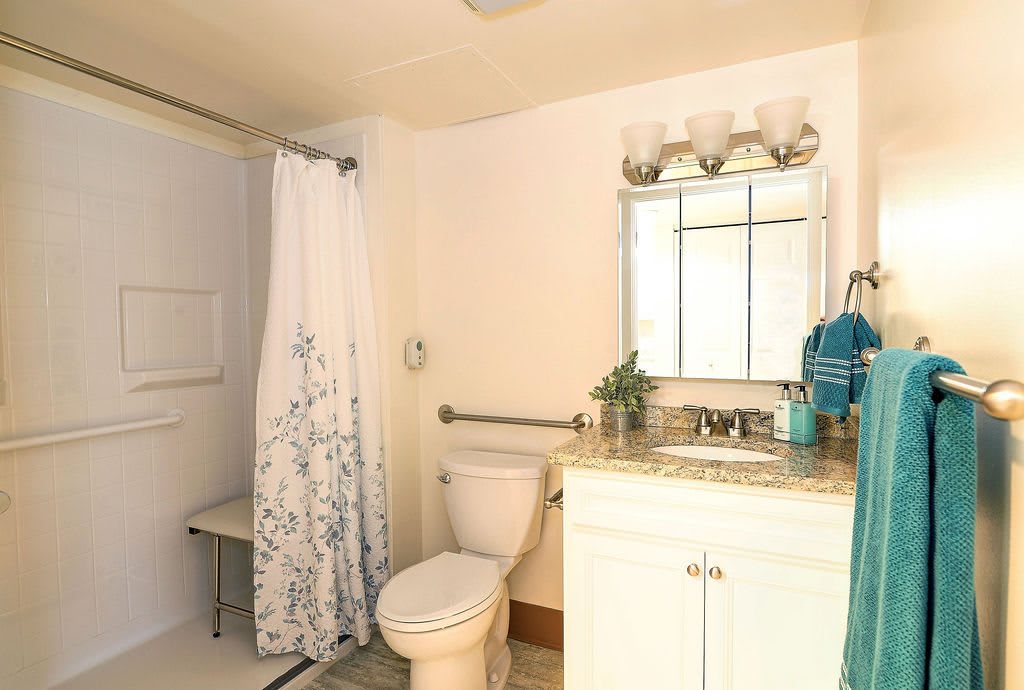
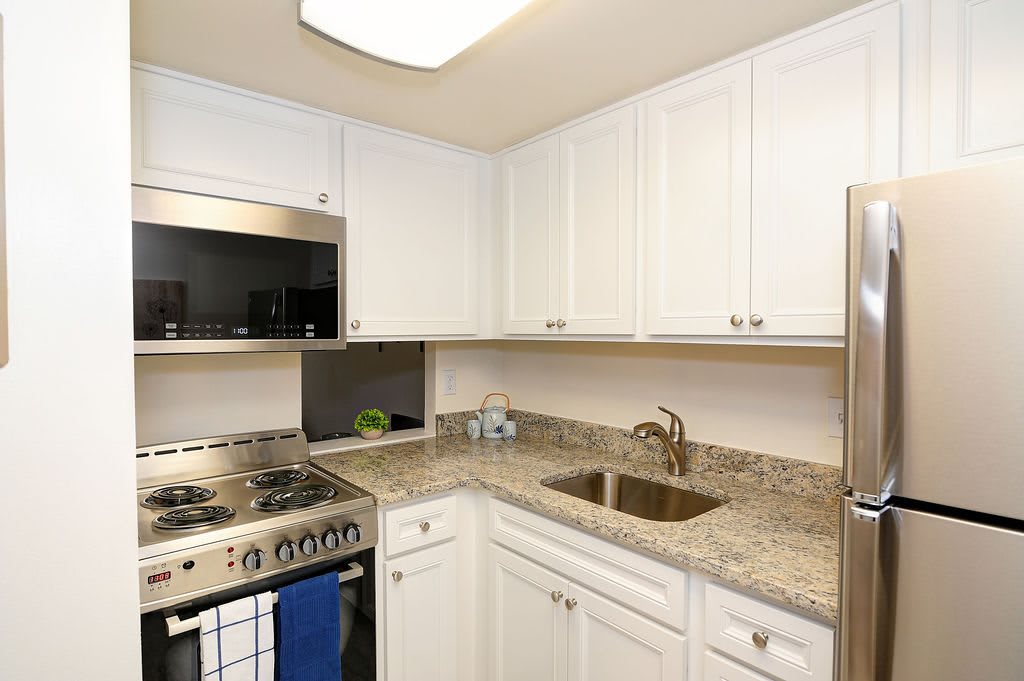
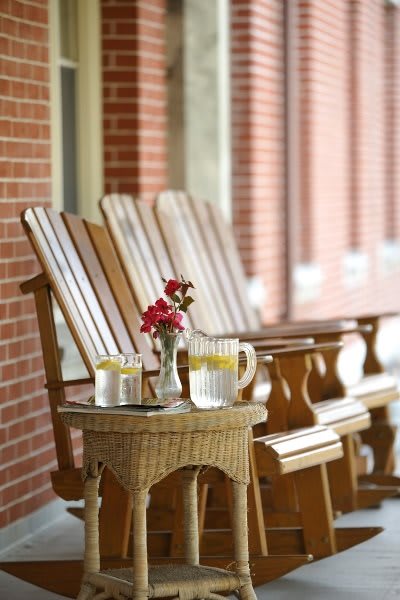
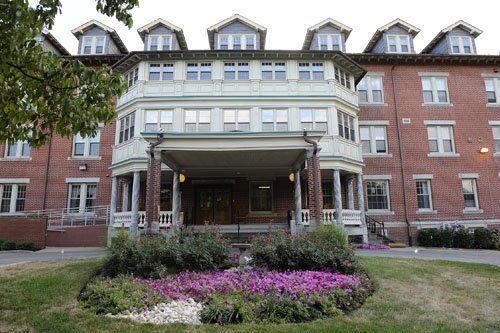
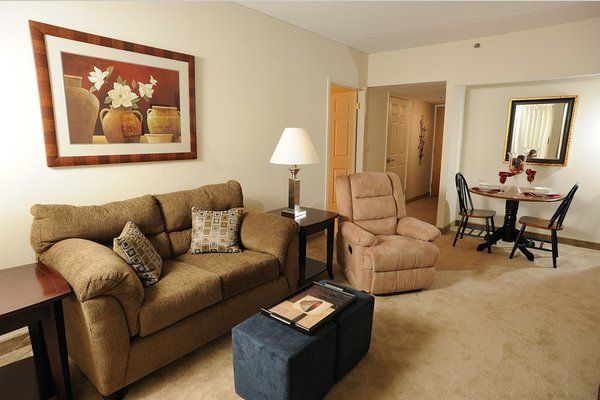
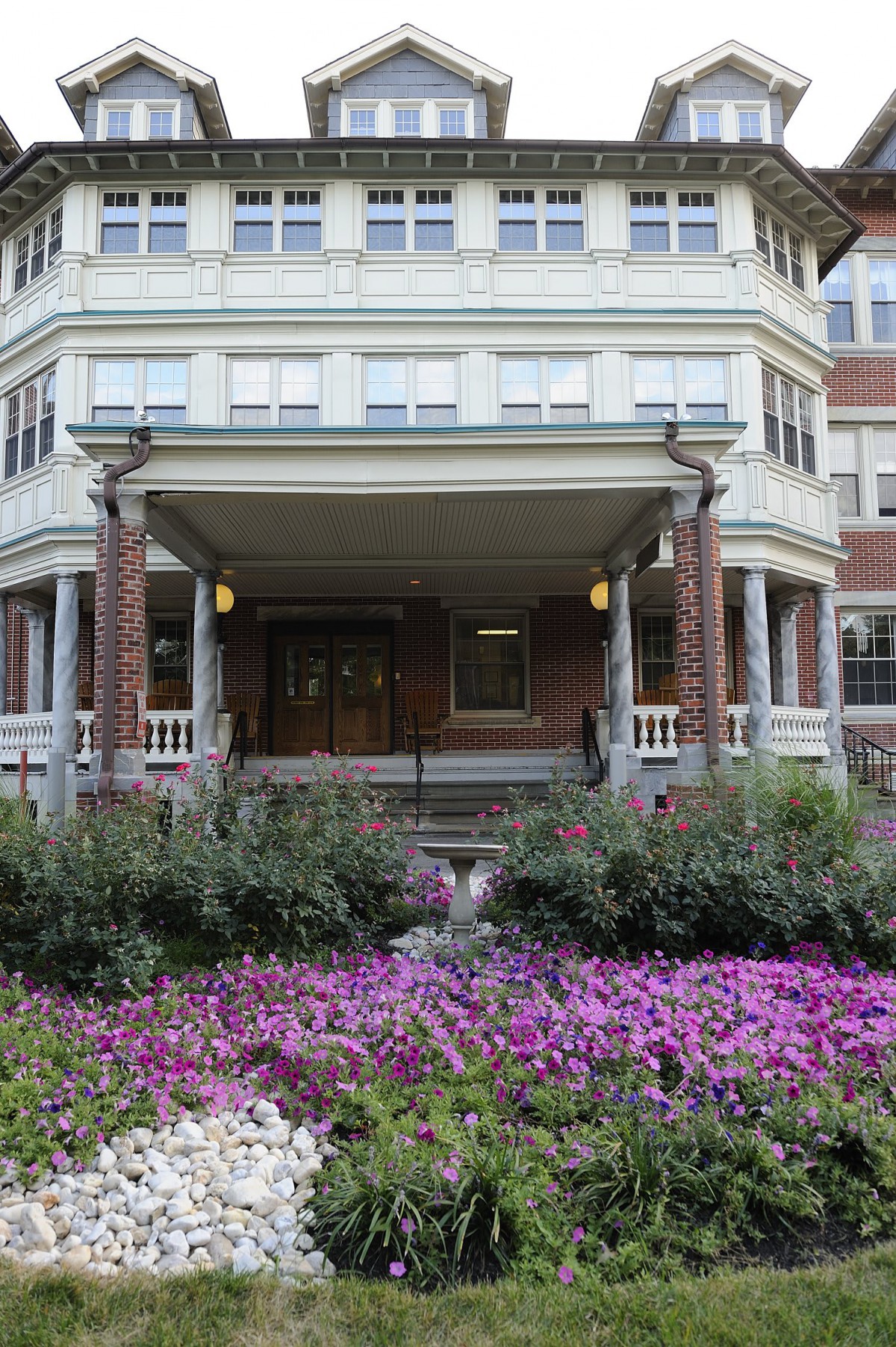
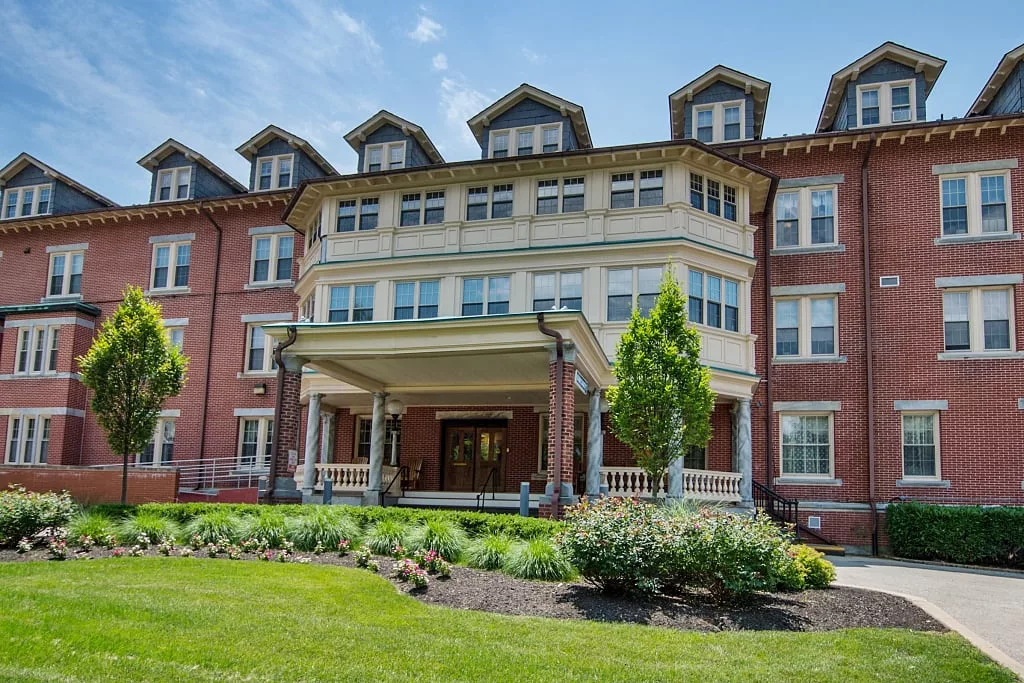
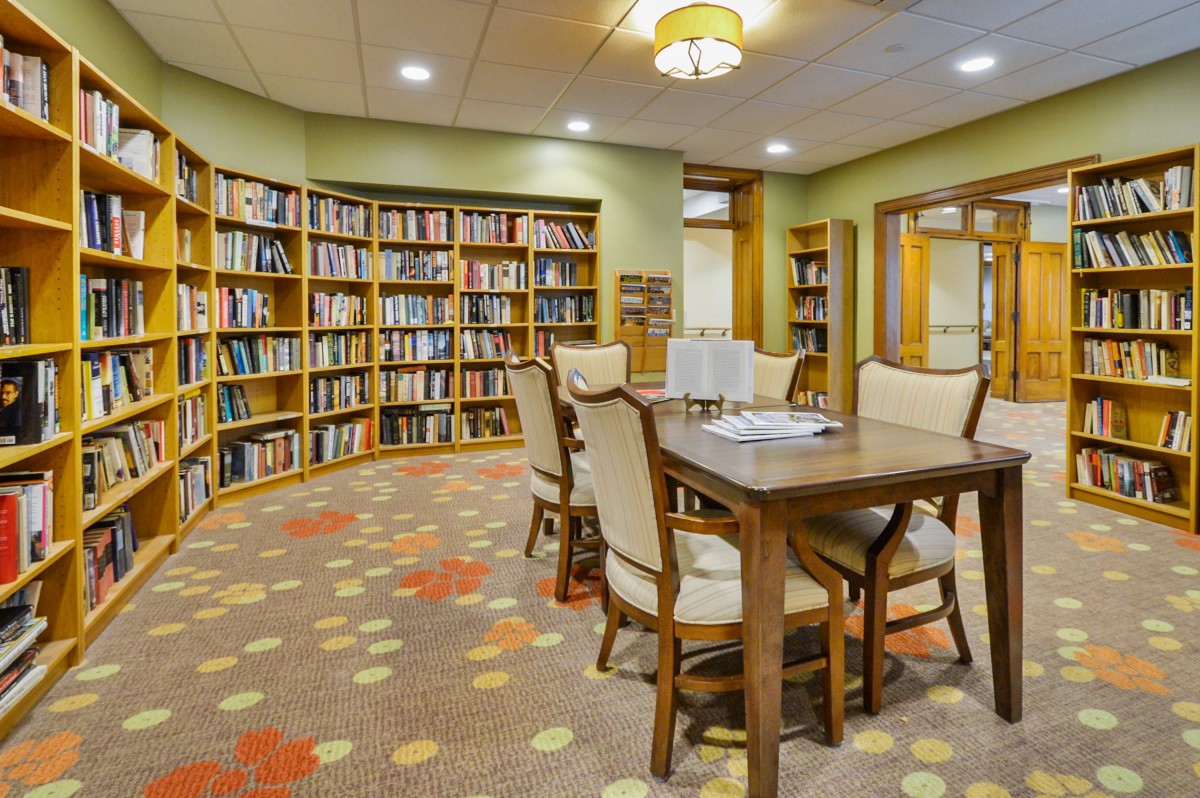
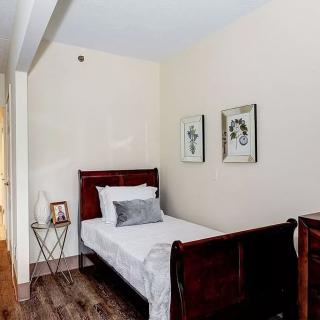
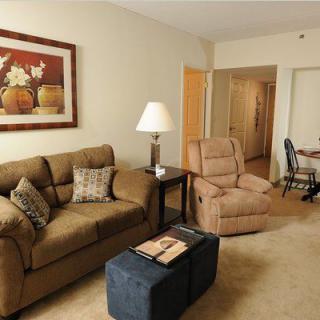
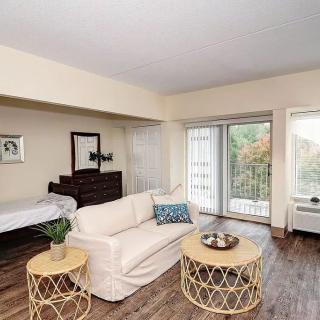
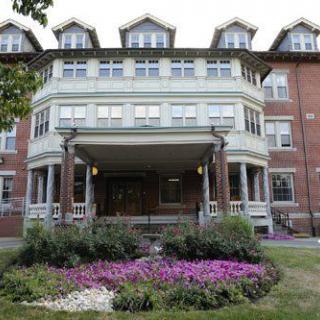
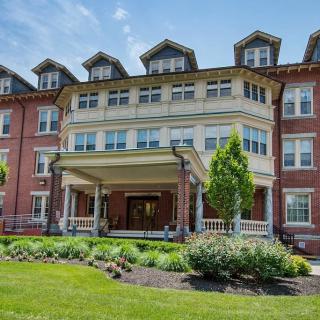
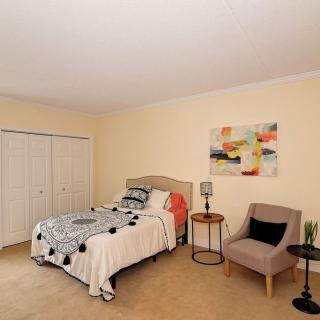
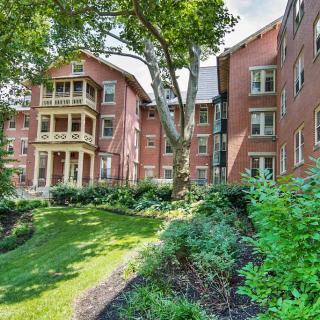
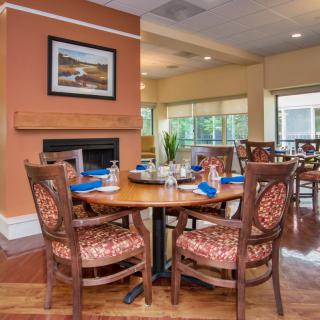
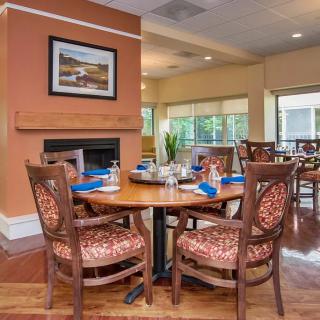
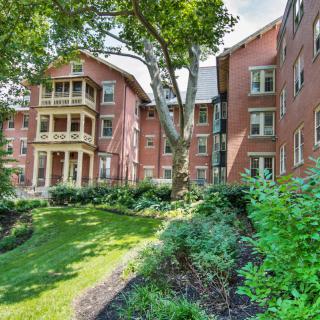
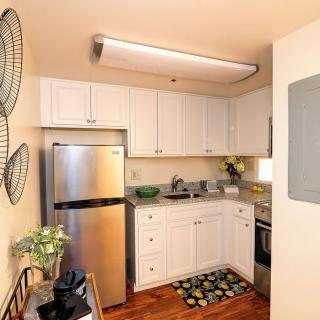
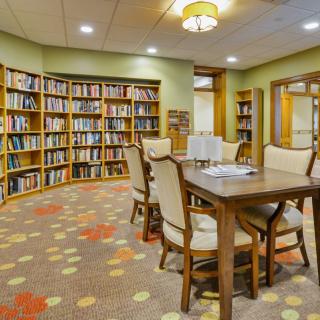
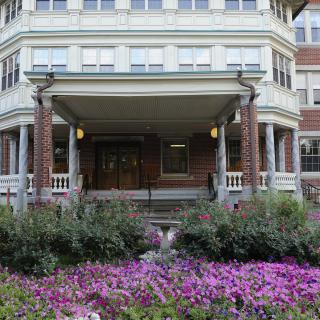
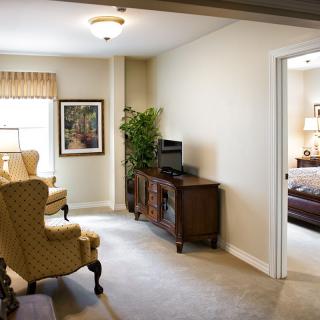
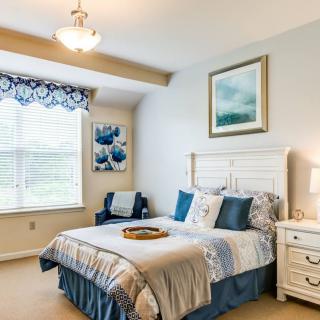
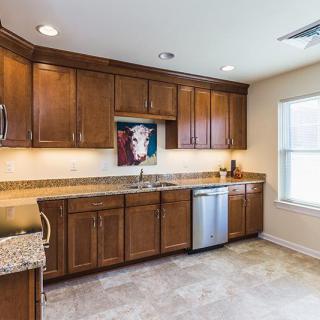
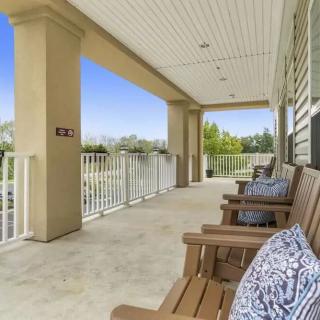
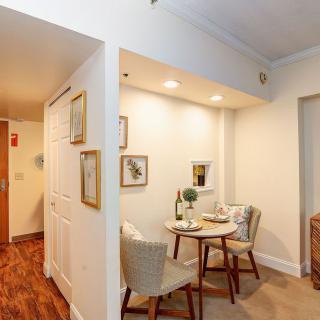
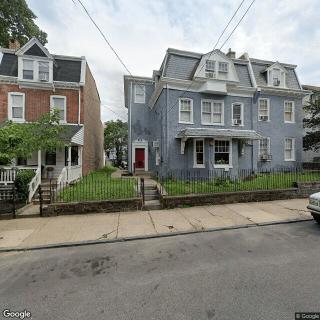
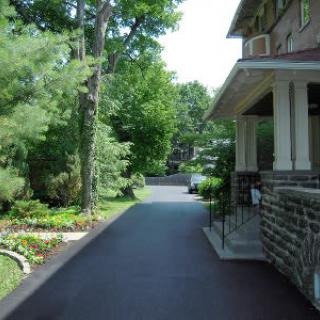
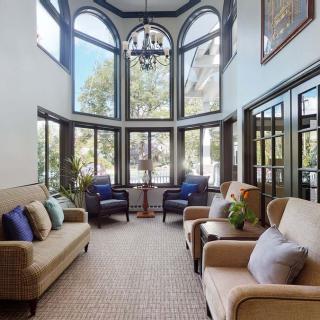
Wesley Enhanced Living at Stapeley on seniors.fyi includes 34 photos including images showing interior, decor, bedroom, living room, bathroom, landscaping, building, architecture, and more.
Nearby Communities
Unitarian Universalist House
Philadelphia, PA
5 from 1 review
Historically well-regarded facility with strong staff-to-resident ratio and skilled nursing care; UUH Outreach continues to offer in-home assistance.
Cliveden Nursing And Rehabilitation Center
Philadelphia, PA
4.4 from 120 reviews
Clean, well-maintained environment with proactive, timely staff communication.
Edgewood Retirement Home Inc
Philadelphia, PA
3.5 from 4 reviews
Many nearby amenities and healthcare options.
McCullum Place
Philadelphia, PA
$1,250 / month
Very affordable private rooms with strong access to amenities and nearby healthcare.
Parker Personal Care Home
Philadelphia, PA
Personalized care with 24-hour supervision and medication management.
Spears Personal Care And Retirement
Philadelphia, PA
1 from 1 review
Fully furnished assisted living with on-site amenities and 24/7 care.
McCallum Assisted Life
Philadelphia, PA
3.5 from 21 reviews
$2,000 to $3,000 / month
Friendly, responsive staff; clean facilities; good meals; pleasant surroundings; and affordable pricing.
Bethesda Court
Philadelphia, PA
2.7 from 14 reviews
New management and renovations improving staff compassion and facility conditions.
The Terrace at Chestnut Hill
Philadelphia, PA
4.4 from 233 reviews
$3,100 to $3,364 / month
Compassionate staff and a welcoming, engaging community with good value.
At-home dementia care expenses vary widely based on care levels, location, and caregiver expertise, with monthly costs for home health aides exceeding $4,500 and specialized care potentially surpassing $100,000 annually. While families favor in-home care for its comfort and personalized attention, they must consider financial planning and the challenges of caregiver fatigue.
The article discusses the late stages of dementia, detailing the progression from mild to severe impairment and highlighting key characteristics such as profound cognitive decline and dependency in daily activities. It emphasizes care strategies focused on comfort and dignity, the importance of advance directives, and the emotional support needed for family caregivers facing this challenging journey.
The article examines the link between certain medications and increased dementia risk, particularly in older adults, emphasizing that long-term or high-dose use of anticholinergics, benzodiazepines, and other drug classes can exacerbate cognitive impairment. It calls for careful medication evaluation and shared decision-making to mitigate these risks while managing treatment efficacy.
Outdoor Seating, Brick Wall, Rocking Chairs, and Front Porch
Exterior
Appliances
Bookshelves, Library, and Reading Area
Wall Art
Cabinets, Stove, and Fridge
Hallway
Hardwood Floor
Shower
Indoor Plants
Balcony
Brick
Closet
Home Design
Brick Exterior
Lighting Fixture
Get PricingAsk A QuestionSchedule A TourContact Senior Advisor
By clicking submit, you agree to our Partner's Terms of Use. You
also consent to receive calls and texts, which may be autodialed, from our Partner. Your consent is not a condition to
using our Partner's service. Please visit our Partner's Privacy Policy for information about their privacy practices.


 79 resident community capacity
 1-bedroom apartments
 Assisted Living
 Continuing Care Retirement Community (CCRC)
 Independent Living
 Memory Care
 Respite Care
 Skilled Nursing Facility
 Activities off-site
 Air-conditioning
 Bath tubs
 Beautician on-site
 Cable or satellite TV
 Cafe
Cafe Computer center
 Devotional services on-site
 Dining room
 Financing advice
 Fitness room
 Full kitchen
 Fully furnished
 Gaming room
 Garden
 Ground floor units
 Guest parking
 Handicap accessible
 Hiking trails
 Housekeeping services
 Indoor common areas
 Laundry
 Move-in coordination
 Outdoor common areas
 Overnight guests
 Private bathrooms
 Restaurant-style dining
 Security gate
 Small library
 Telephone
 Wellness center
 Wheelchair accessible showers
 Wi-Fi/high-speed internet available
 Philadelphia International (12 miles away)
 Community operated transportation
 12-16 hour nursing
 24-hour call system
 Ambulatory care
 Assistance with bathing
 Assistance with dressing
 Assistance with transfers
 Diabetes diet
 Diabetic care
 Hospice care
 Incontinence care
 Medication management
 Mental wellness program
 Physical therapy
 Psychiatric care
 Special dietary restrictions
 Art classes
 Bible study group
 Book club
 Concierge services
 Cooking classes
 Educational speakers / life long learning
 Games
Games Jewish services
 Live musical performances
 Planned day trips
 English
 Historically well-regarded facility with strong staff-to-resident ratio and skilled nursing care; UUH Outreach continues to offer in-home assistance.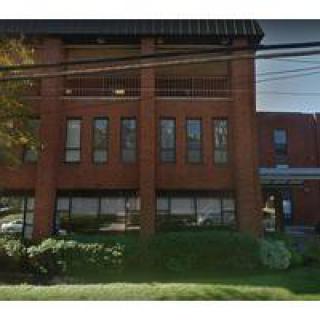


 Estimating the Expenses of At-Home Dementia Care: A Detailed Exploration
 Comprehensive Insights on the Late Stages of Dementia: What to Expect and How to Provide Care
 Medications Associated with Dementia Risk: A Comprehensive Overview