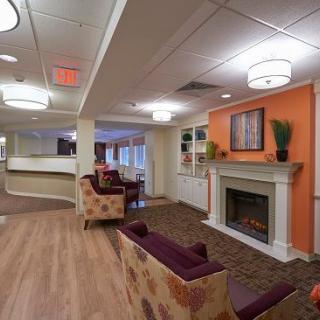
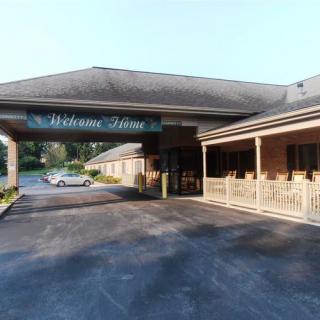
Oak Leaf Manor South in Millersville, PA

Save

Oak Leaf Manor South in Millersville, PA

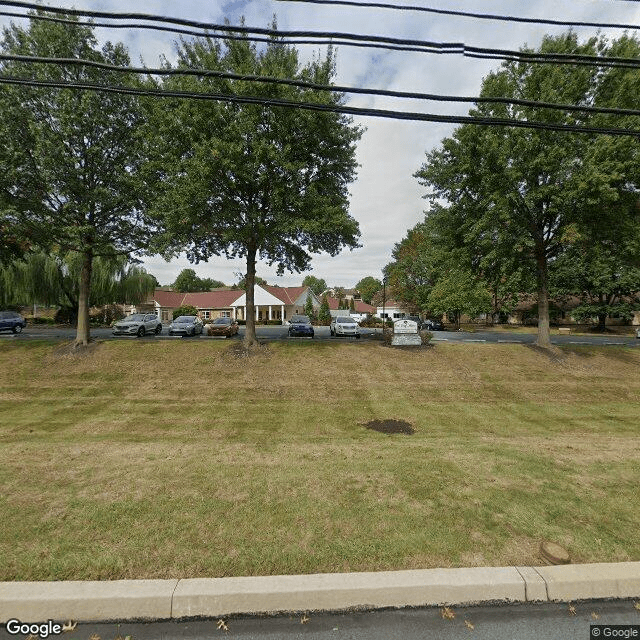
2101 Wabank Rd, Millersville, PA 17551

For more information about senior living options: (844) 490-3973

5 from 124 reviews
5 stars
120
4 stars
3
3 stars
1
2 stars
0
1 stars
0

Assisted Living Memory Care

Oak Leaf Manor South Costs & Pricing

At Oak Leaf Manor South, the monthly costs for accommodation reflect a premium experience compared to both Lancaster County and the broader Pennsylvania market. For a studio room, residents can expect to pay $4,900, significantly higher than the county's average of $4,419 and the state's average of $3,737. The semi-private option comes at $5,900, which stands out as notably more expensive than Lancaster County's rate of $3,844 and Pennsylvania's average of $3,542. Residents seeking more privacy with a one-bedroom setup will find a monthly cost of $7,500 - again exceeding the rates in both Lancaster County ($4,379) and throughout Pennsylvania ($4,006). These figures indicate that Oak Leaf Manor South positions itself as a higher-end choice within these regional markets, likely providing enhanced services and amenities that justify the elevated costs.

Floor plansOak Leaf Manor SouthLancaster CountyPennsylvania
Studio$4,900$4,419$3,737
Semi-Private$5,900$3,844$3,542
1 Bedroom$7,500$4,379$4,006

Overall Review of Oak Leaf Manor South

Pros

  • pro The staff at Oak Leaf Manor South are caring, friendly, and truly feel like family.
  • pro The facility is clean, welcoming, and well maintained.
  • pro Residents are happy, well cared for, and enjoy engaging activities.
  • pro The food is delicious, plentiful, and prepared with care.
  • pro The nursing and care teams are diligent, compassionate, and attentive.
  • pro The staff go above and beyond to support families and ensure peace of mind.
  • pro Oak Leaf Manor South provides a warm, home-like atmosphere where residents are treated with kindness.
  • pro The memory care unit and therapy services are well-regarded for quality care.
  • pro The staff communicate well and keep families informed.
  • pro The facility demonstrates a culture of teamwork and respect among staff and residents.
  • pro Visitors note that staff are friendly, patient, and helpful.
  • pro Residents are often described as happy and well looked after by the caring team.

Cons

  • pro The friendship unit was challenging, and they believe there should be at least two staff members present at all times.
  • pro They note that Oak Leaf Manor South is not a Medicaid facility, meaning residents may have to transfer elsewhere.
  • pro They criticize the communication, saying the back-and-forth isn't as good as they would have liked.
  • pro They mention the community is a little expensive.

Review

Oak Leaf Manor South in Millersville is best suited for families seeking a small, home-like assisted living where caregiving feels personal, consistent, and genuinely affectionate. This community shines for seniors who value a warm, welcoming atmosphere, dependable daily routines, and plentiful, engaging activities in a setting that still feels intimate enough for staff to know residents by name. It is especially well-matched for those who want strong in-house amenities - quality meals, accessible in-house therapy, and a memory-care wing - that support meaningful daily life without the impersonality that can accompany larger campuses. It is not the pick if Medicaid eligibility and long-term affordability are non-negotiables.

The strongest advantages are the staff culture and daily life texture. Across numerous accounts, the caregivers come across as patient, attentive, and sincerely invested in residents' well-being, with many residents and families describing staff as like family. The dining program consistently earns praise for delicious, home-style meals, ample portions, and thoughtful menu variety. Residents cite constant opportunities for socializing and activities - music, bingo, field trips, fitness, and even on-site therapy - delivering a rhythms of life that keep people engaged. The memory-care wing is cited as well-run, with a dedicated feel that helps families feel comfortable about long-term plans. Cleanliness and a well-kept environment reinforce the sense of safety and pride in the community, from the dining rooms to residents' rooms and common areas.

Still, a few drawbacks recur in the feedback. The facility's Medicaid status stands out as a real constraint for families budgeting long-term stay; the reality is that Oak Leaf Manor South is not Medicaid-eligible, which can necessitate planning for a change in funding if finances shift. One specific point of concern notes that the friendship unit could benefit from more consistent staffing, ideally two people on duty to ensure continuous coverage. A few reviews mention occasional communication gaps, suggesting that proactive, ongoing family updates should be a focus for households tracking evolving care needs. These are meaningful considerations, but they sit against a backdrop of otherwise strong operational performance and high resident satisfaction.

When weighed against the positives, the pros largely offset the main drawbacks - but only for families who can absorb the cost structure and who do not require Medicaid-supported placement. The intimate scale of Oak Leaf Manor South promotes a level of individualized attention that many larger facilities struggle to sustain. Staff turnover appears low in the narratives, with families repeatedly noting responsiveness and a willingness to coordinate with outside providers, therapists, and hospice when needed. The bundled benefits of in-house therapy, varied activities, and a home-like environment create tangible value that can justify premium pricing for families prioritizing comfort, routine, and a sense of day-to-day normalcy for their loved ones.

For families evaluating options, the practical path is clear: schedule a visit and verify the specifics that matter most - what is included in the monthly rate, how memory-care needs are managed over time, and whether there are any available financial pathways or discounts. Ask to see menus and sample activity calendars, tour the memory-care wing, and speak with current residents or family members about day-to-day life. Check the dining room flow, staffing patterns during peak hours, and how transport or outings are arranged for those who wish to participate. Above all, confirm that the pace of life, the culinary quality, and the staff-centric culture align with the resident's preferences and the family's expectations for ongoing care.

In the end, Oak Leaf Manor South stands out as a top-tier choice for families seeking a small, caring community where residents are treated with warmth, dignity, and real attention. It is a standout option for those who can manage the cost and who do not require Medicaid, yet it becomes less suitable for those whose financial plan hinges on Medicaid eligibility or on a broader corporate campus with extensive cross-facility resources. For households ready to commit to a homelike environment with exceptional staff, flavorful meals, and a robust activities slate, Oak Leaf Manor South consistently earns consideration as a preferred, practical solution that delivers peace of mind and daily vitality for loved ones.

Features

Housing

  • 82 resident community capacity 82 resident community capacity
  • 1-bedroom apartments 1-bedroom apartments1-bedroom apartments are important for seniors because they provide a sense of independence, privacy, and autonomy while still offering the necessary space for comfortable living. These apartments allow seniors to maintain their own personal space and lifestyle preferences in a supportive community setting.
  • Studio apartments Studio apartmentsStudio apartments are important for seniors because they offer a smaller, more manageable living space that is easier to navigate and maintain as physical abilities decline. Additionally, studio apartments provide seniors with independence and privacy while still being part of a community that offers support and social opportunities.

Types of Care

  • Assisted Living Assisted LivingAssisted living facilities provide crucial support and care for seniors who may need help with daily tasks such as medication management, bathing, and meal preparation. These communities offer a safe and comfortable environment where seniors can maintain their independence while receiving the assistance they need to thrive in their golden years.
  • Memory Care Memory CareMemory care is crucial for seniors as it provides specialized support and services for individuals with dementia or Alzheimer's disease. These programs offer a safe and secure environment where residents receive personalized care, cognitive stimulation, and help with daily activities. Memory care helps seniors maintain their independence, quality of life, and dignity while also providing peace of mind for their families.

Amenities

  • Activities off-site Activities off-siteEngaging in off-site activities is crucial for seniors to maintain social connections, stay active, and stimulate their minds. It promotes overall well-being and helps combat feelings of isolation and loneliness.
  • Activities on-site Activities on-siteActivities on-site are important for seniors because they provide opportunities for socialization, mental stimulation, physical activity, and overall well-being. Engaging in activities can help seniors stay active, maintain their independence, and improve their quality of life.
  • Air-conditioning Air-conditioningAir conditioning is important for seniors as they are more vulnerable to heat-related illnesses and may have underlying health conditions that make it difficult for them to regulate their body temperature. It helps to keep them comfortable, safe, and healthy in hot weather.
  • Beautician on-site Beautician on-siteHaving a beautician on-site at a senior living community is important for seniors as it allows them to easily access grooming and personal care services, boosting their self-esteem and overall well-being. It also provides convenience and helps seniors maintain their sense of independence and personal style.
  • Beauty salon Beauty salonBeauty salons are important for seniors because they provide a space for them to feel pampered, socialize, and maintain their personal grooming and hygiene. Regular visits to a beauty salon can help boost seniors' self-esteem and overall well-being.
  • Cable or satellite TV Cable or satellite TVCable or satellite TV is important for seniors because it provides entertainment, news, and companionship, helping to combat loneliness and boredom. It also offers a wide range of programming options tailored to different interests and preferences.
  • Computer center Computer centerA computer center is essential for seniors as it provides access to technology, communication tools, and resources that can enhance their daily lives. It allows them to stay connected with loved ones, engage in online activities, and learn new skills, ultimately promoting socialization and mental stimulation.
  • Devotional services off-site Devotional services off-siteDevotional services off-site are important for seniors as they provide spiritual nourishment, social engagement, and a sense of community outside of the senior living facility. This can enhance overall well-being and help combat feelings of isolation and loneliness often experienced by older adults.
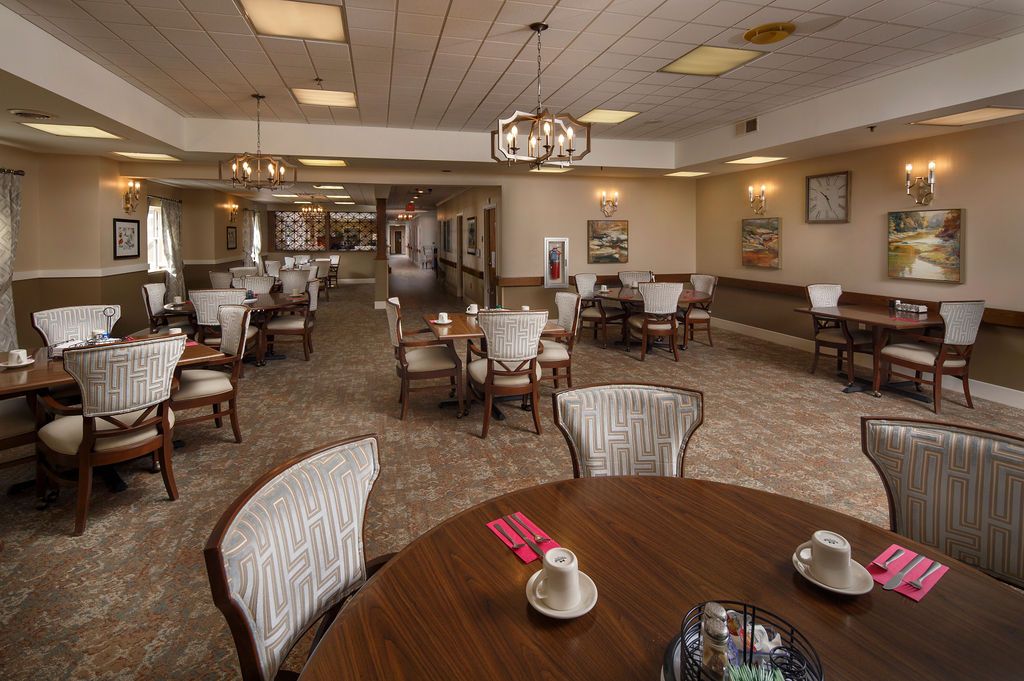
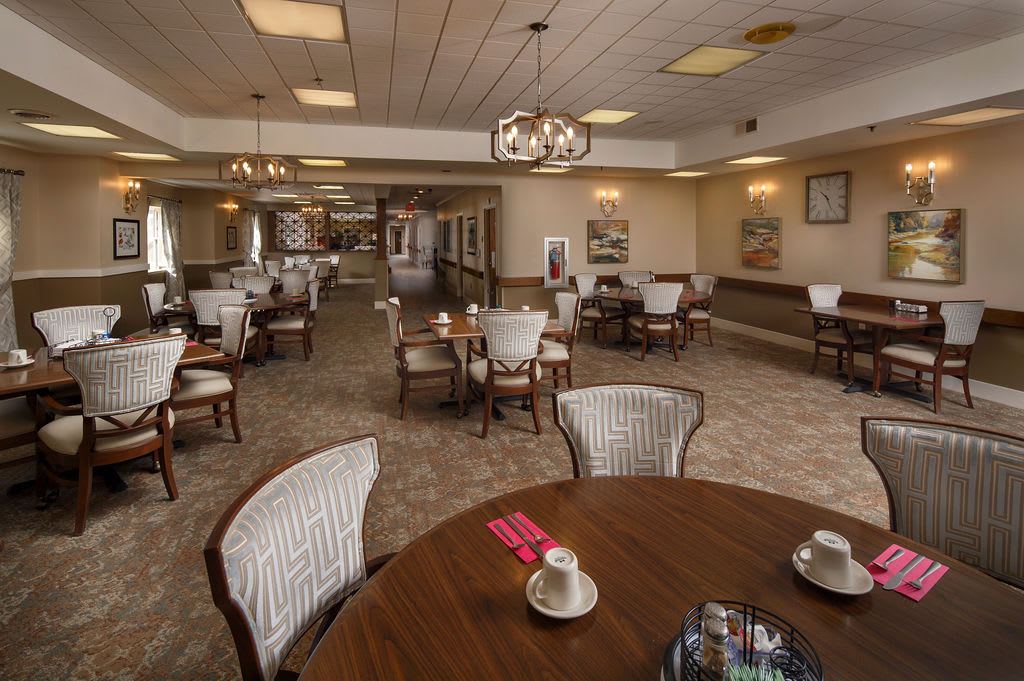
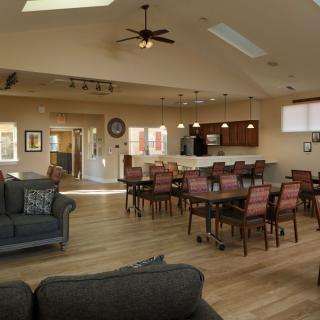
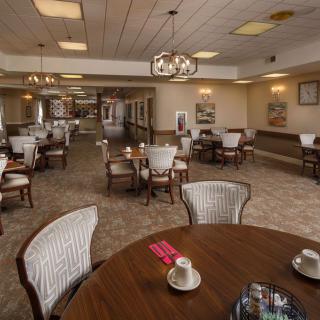
  • Dining room Dining roomDining rooms are important for seniors as they provide a space for socialization, connection, and nutritious meals. They offer opportunities for residents to bond over shared meals, foster a sense of community, and promote healthy eating habits. Dining rooms also ensure that seniors have access to well-balanced meals tailored to their dietary needs and preferences.
  • Fitness room Fitness roomHaving a fitness room in a senior living community is essential for seniors to stay active, maintain their physical health, and improve their overall well-being. Regular exercise can help prevent falls, reduce the risk of chronic diseases, and promote mental sharpness. It also provides social opportunities for residents to connect with others and enjoy a sense of community.
  • Fully furnished Fully furnishedFully furnished senior living communities are important for seniors because they provide convenience, comfort, and a hassle-free moving experience. Seniors can easily settle into their new living space without the stress of having to buy and move furniture. This allows them to focus on enjoying their new home and community.
  • Gaming room Gaming roomGaming rooms are important for seniors as they provide a fun and engaging environment for socializing, cognitive stimulation, and physical activity. Games can improve memory, problem-solving skills, and overall mental well-being while fostering friendships and reducing feelings of isolation.
  • Garden GardenGardens are important for seniors as they provide a peaceful and therapeutic environment for relaxation, physical activity, and socialization. Being in nature has been shown to reduce stress, improve mood, and promote overall well-being. Gardens also offer opportunities for seniors to engage in gardening activities, which can improve mobility, flexibility, and cognitive function. Additionally, gardens create a sense of community and connection with others who share a passion for plants and outdoor spaces.
  • Housekeeping services Housekeeping servicesHousekeeping services are important for seniors because they help maintain a clean and safe living environment, promote independence, and reduce the risk of accidents or illnesses. Additionally, having assistance with household chores can alleviate physical strain and allow seniors to focus on other aspects of their well-being.
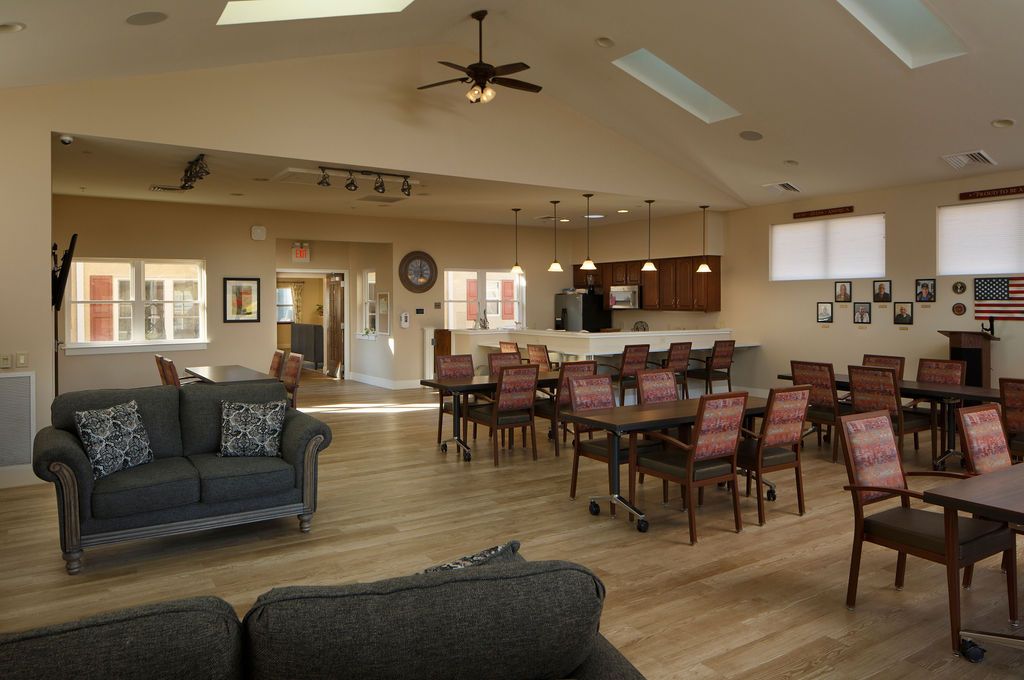
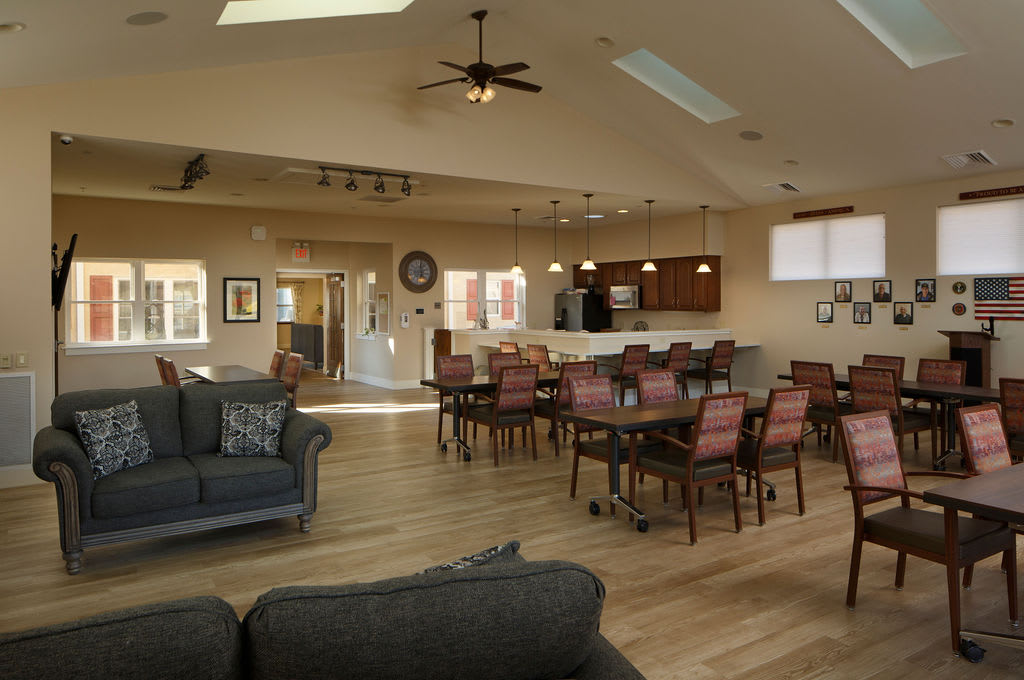
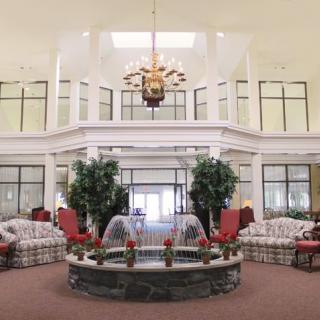
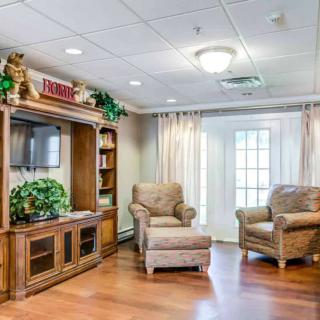
  • Indoor common areas Indoor common areasIndoor common areas are crucial for seniors as they provide a space for socialization, recreation, and community engagement, promoting overall well-being and reducing feelings of isolation and loneliness.
  • Kitchenette KitchenetteKitchenettes are important for seniors living in senior living communities because they provide the convenience and independence of being able to prepare simple meals and snacks in the comfort of their own living space. This can help promote a sense of autonomy and well-being for seniors, allowing them to maintain some level of control over their dietary choices and daily routines.
  • Move-in coordination Move-in coordinationMove-in coordination is important for seniors because it helps ease the transition into their new living environment. It ensures that all logistics, such as packing, organizing movers, and setting up utilities are taken care of, allowing seniors to focus on settling in and adjusting to their new home. Having a smooth move-in process can alleviate stress and anxiety, making the transition smoother and more enjoyable for seniors.
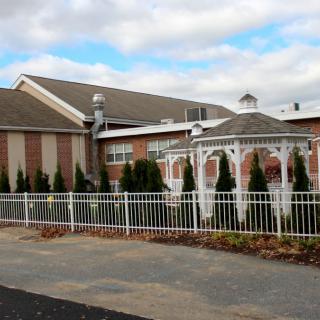
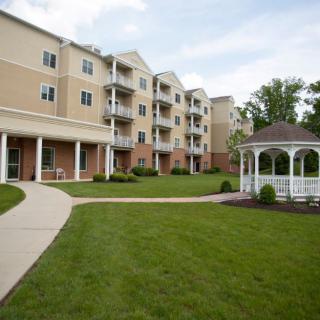
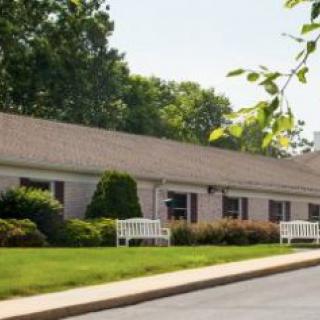
  • Outdoor common areas Outdoor common areasOutdoor common areas are important for seniors as they provide a space for socialization, physical activity, and relaxation. Being outside in nature can improve mood and overall well-being, while also encouraging movement and engagement with others. These spaces can help combat feelings of isolation and promote a sense of community among residents.
  • Outdoor space Outdoor spaceOutdoor spaces are important for seniors as they provide opportunities for physical activity, social interaction, exposure to natural light and fresh air, and a sense of connection to nature. Having access to outdoor spaces can improve overall well-being and quality of life for older adults living in senior communities.
  • Private bathrooms Private bathroomsPrivate bathrooms are important for seniors in senior living communities because they provide independence, dignity, and comfort. Having a private bathroom allows seniors to maintain their personal hygiene routines without the need for assistance, promoting a sense of autonomy and privacy. Additionally, private bathrooms help prevent the spread of infections and provide a safe and clean environment for seniors to navigate safely.
  • Restaurant-style dining Restaurant-style diningRestaurant-style dining is important for seniors because it allows them to enjoy delicious, nutritious meals in a social and upscale setting. This enhances their dining experience, promotes healthy eating habits, and fosters socialization with fellow residents, ultimately contributing to their overall well-being and quality of life.
  • Small library Small librarySmall libraries are important for seniors as they provide access to a variety of reading materials, including books, newspapers, and magazines. This can help stimulate their minds, keep them engaged, and provide a sense of community through book clubs and other social activities. Additionally, reading has been shown to improve cognitive function and overall mental well-being in older adults.
  • Telephone TelephoneTelephones are important for seniors as they provide a lifeline for communication with loved ones, emergency services, and healthcare providers. They offer a sense of security and independence, enabling seniors to stay connected and access assistance when needed.
  • Wellness center Wellness centerWellness centers are important for seniors because they offer a variety of programs and services that promote physical, mental, and emotional well-being. These centers provide opportunities for exercise, socialization, education, and relaxation, helping seniors maintain their overall health and quality of life.
  • Wi-Fi/high-speed internet available Wi-Fi/high-speed internet availableWi-Fi/high-speed internet is important for seniors to stay connected with loved ones, access online resources, and participate in virtual activities to combat feelings of loneliness and isolation. It also allows them to easily manage healthcare needs, access entertainment, and engage in lifelong learning opportunities.

Transportation

  • Community operated transportation Community operated transportationCommunity operated transportation is crucial for seniors as it provides them with the means to access essential services, social activities, and medical appointments. It allows seniors to maintain their independence and quality of life by ensuring they can participate in activities outside of their homes. Additionally, community-operated transportation services offer a safe and reliable way for seniors to travel without having to rely on family or friends for assistance.
  • Transportation arrangement Transportation arrangementTransportation arrangements are crucial for seniors as they may face challenges with driving, mobility, or access to public transportation. Having reliable transportation services ensures that seniors can easily attend appointments, social activities, and maintain their independence and quality of life.
  • Transportation arrangement (non-medical) Transportation arrangement (non-medical)Transportation arrangements are essential for seniors as they provide access to essential services, activities, and social interactions outside the home. This service helps maintain independence, mobility, and overall well-being for seniors who may have limited transportation options.
  • Transportation to doctors appointments Transportation to doctors appointmentsTransportation to doctors appointments is crucial for seniors as it ensures they have access to necessary medical care and support, promoting their health and well-being. It allows them to receive timely treatment, monitor existing conditions, and address any new health concerns efficiently. Additionally, transportation services can help seniors maintain their independence and quality of life by enabling them to stay connected with their healthcare providers.

Care Services

  • 12-16 hour nursing 12-16 hour nursing12-16 hour nursing care is crucial for seniors in order to ensure around-the-clock monitoring, timely medication administration, and prompt response to any health concerns or emergencies. This level of care helps to promote the overall well-being and safety of seniors living in senior living communities.
  • 24-hour call system 24-hour call system24-hour call systems are important for seniors because they provide peace of mind and immediate assistance in case of emergencies. This technology ensures that help is always available, promoting safety and security for elderly individuals living alone or in assisted living facilities.
  • 24-hour supervision 24-hour supervision24-hour supervision is important for seniors to ensure their safety, well-being, and access to immediate assistance in case of emergencies or health issues. This constant support provides peace of mind for both seniors and their loved ones, allowing them to age in place with dignity and security.
  • Activities of daily living assistance Activities of daily living assistanceActivities of daily living assistance are important for seniors because they provide essential support with tasks such as eating, bathing, dressing, and mobility. This assistance helps seniors maintain their independence, dignity, and overall quality of life as they age.
  • Ambulatory care Ambulatory care"Ambulatory care services provide essential medical support and treatment to seniors without requiring hospitalization, allowing them to maintain their independence and quality of life while managing chronic conditions or receiving routine medical care."
  • Assistance with bathing Assistance with bathingAssistance with bathing is crucial for seniors as it helps maintain personal hygiene, prevents infections, and ensures their overall well-being and comfort. It also provides a sense of dignity and independence for seniors who may struggle with this task on their own.
  • Assistance with dressing Assistance with dressingAssistance with dressing is important for seniors because it helps maintain their independence, promotes personal hygiene, prevents accidents and injuries, and improves overall quality of life. This service ensures that seniors can continue to dress comfortably and confidently, despite any physical limitations they may have.
  • Assistance with transfers Assistance with transfersAssistance with transfers is crucial for seniors as it helps prevent falls and injuries, maintains their independence, and ensures they can safely navigate their living environment. It also provides peace of mind for both seniors and their loved ones.
  • Diabetes diet Diabetes dietA diabetes diet is crucial for seniors as it helps manage blood sugar levels, reduce risks of complications, and improve overall health and well-being. By following a balanced and nutritious diet tailored to their specific needs, seniors can better control their diabetes and enhance their quality of life.
  • Diabetic care Diabetic careDiabetic care is crucial for seniors as they are more susceptible to developing diabetes due to aging and other health conditions. Proper management of diabetes can help prevent complications such as heart disease, vision loss, and nerve damage, improving the overall quality of life for seniors in senior living communities.
  • Incontinence care Incontinence careIncontinence care is essential for seniors to maintain their dignity, hygiene, and overall quality of life. By addressing incontinence issues promptly and effectively, seniors can enjoy a sense of independence and comfort in their daily activities.
  • Meal preparation and service Meal preparation and serviceMeal preparation and service are crucial for seniors as they may have limited mobility or energy to cook nutritious meals. Having access to healthy and convenient food options can ensure they are getting the proper nutrition needed to maintain their overall health and well-being.
  • Medication management Medication managementMedication management is crucial for seniors to ensure they are taking the right medications at the correct dosages and times. This helps prevent adverse drug interactions, reduces the risk of medication errors, and promotes overall health and well-being. Proactive management also allows for adjustments as needed based on changing health conditions or new prescriptions.
  • Mental wellness program Mental wellness programMental wellness programs are essential for seniors as they promote cognitive stimulation, emotional support, and social engagement. These programs help prevent isolation, depression, and cognitive decline, ultimately enhancing the overall quality of life for older adults.
  • Mild cognitive impairment Mild cognitive impairment"Mild cognitive impairment" is important for seniors because it is an early stage of cognitive decline that can potentially progress to more severe conditions such as dementia. Recognizing and addressing mild cognitive impairment can help seniors receive appropriate care and support to maintain their quality of life and independence for as long as possible.
  • Special dietary restrictions Special dietary restrictionsSpecial dietary restrictions are important for seniors because age-related changes in metabolism and health conditions can make it difficult for their bodies to process certain foods. By following a diet tailored to their specific needs, seniors can maintain their overall health and well-being, manage chronic conditions, and reduce the risk of complications such as malnutrition or food interactions with medications.
  • Specialized memory care programming Specialized memory care programmingSpecialized memory care programming is crucial for seniors with cognitive impairments such as dementia or Alzheimer's disease. These programs provide a safe and supportive environment tailored to the unique needs of individuals with memory loss, helping them maintain their independence, dignity, and quality of life.

Dining

  • Diabetes diet Diabetes dietA diabetes diet is crucial for seniors as it helps manage blood sugar levels, reduce risks of complications, and improve overall health and well-being. By following a balanced and nutritious diet tailored to their specific needs, seniors can better control their diabetes and enhance their quality of life.
  • Gluten-free Gluten-freeGluten-free options are important for seniors as they are more prone to digestive issues and dietary sensitivities. Offering gluten-free meal choices in senior living communities can help improve their overall health and well-being.
  • Guest meals Guest mealsGuest meals are important for seniors living in senior living communities because they provide an opportunity for socialization and companionship. Sharing a meal with friends, family, or new acquaintances can help combat feelings of loneliness and isolation, promote a sense of community, and enhance overall well-being. Additionally, guest meals allow seniors to enjoy delicious food in a comfortable setting without the hassle of cooking or cleaning up, making dining a pleasurable and stress-free experience.
  • Low / no sodium Low / no sodiumLow/no sodium options are important for seniors because excessive sodium intake can lead to high blood pressure, heart disease, and other health issues commonly experienced by older adults. By choosing low/no sodium foods, seniors can better manage their health and reduce their risk of developing these conditions.
  • Meals provided Meals provided"Meals provided" are crucial for seniors in assisted living communities as it ensures they have access to nutritious, balanced meals without the stress of meal planning and preparation. This can help promote overall health and well-being for seniors who may have limited mobility or cognitive abilities.
  • No Sugar No SugarNo sugar diets are important for seniors because they can help prevent or manage chronic conditions such as diabetes, heart disease, and obesity. Sugar can also contribute to cognitive decline and inflammation in the body, so reducing sugar intake can lead to overall improved health and well-being in older adults.
  • Special dietary restrictions Special dietary restrictionsSpecial dietary restrictions are important for seniors because age-related changes in metabolism and health conditions can make it difficult for their bodies to process certain foods. By following a diet tailored to their specific needs, seniors can maintain their overall health and well-being, manage chronic conditions, and reduce the risk of complications such as malnutrition or food interactions with medications.

Activities

  • Activities off-site Activities off-siteEngaging in off-site activities is crucial for seniors to maintain social connections, stay active, and stimulate their minds. It promotes overall well-being and helps combat feelings of isolation and loneliness.
  • Activities on-site Activities on-siteActivities on-site are important for seniors because they provide opportunities for socialization, mental stimulation, physical activity, and overall well-being. Engaging in activities can help seniors stay active, maintain their independence, and improve their quality of life.
  • Community-sponsored activities Community-sponsored activitiesCommunity-sponsored activities are important for seniors as they provide opportunities for social interaction, mental stimulation, and physical activity. These activities can help improve overall well-being, combat loneliness and isolation, and promote a sense of belonging and purpose among older adults.
  • Concierge services Concierge servicesConcierge services are essential for seniors as they provide assistance with daily tasks and errands, enhance their quality of life by offering convenience and personalized care, and promote a sense of safety and security.
  • Devotional activities offsite Devotional activities offsiteDevotional activities offsite are important for seniors because they provide social engagement, spiritual growth, and a sense of community outside of their living environment. This can improve overall well-being, mental health, and combat feelings of isolation or loneliness.
  • Fitness programs Fitness programsFitness programs are crucial for seniors as they help improve strength, flexibility, balance, and overall well-being. Staying active can reduce the risk of chronic diseases, improve mental health, and enhance quality of life in older adults.
  • Planned day trips Planned day tripsPlanned day trips are important for seniors because they offer opportunities for socialization, mental stimulation, and physical activity. They provide a change of scenery and help seniors stay engaged and connected to their community, promoting overall well-being and quality of life.
  • Resident-run activities Resident-run activitiesResident-run activities are important for seniors as they encourage social interaction, creativity, and a sense of autonomy. These activities empower seniors to stay engaged and active in their community while fostering meaningful connections with their peers.
  • Scheduled daily activities Scheduled daily activitiesScheduled daily activities are important for seniors because they provide structure, socialization, mental stimulation, and physical activity. Engaging in regular activities can improve overall well-being and quality of life for seniors living in a community setting.

Languages Spoken

  • American sign language American sign languageAmerican Sign Language is important for seniors as it provides a way for them to communicate effectively, even if they have hearing impairments or difficulties with speech. This can help them maintain social connections, access services, and participate in activities within their community. Learning ASL can also improve cognitive function and overall well-being for seniors.
  • English EnglishEnglish is important for seniors as it allows them to communicate effectively with healthcare providers, understand important information related to their health and medications, stay connected with loved ones, and engage in social activities within their communities. It also opens up opportunities for lifelong learning and intellectual stimulation.

Description

Oak Leaf Manor South in Millersville, PA is a welcoming and vibrant assisted living community that specializes in providing exceptional memory care for seniors. Our community offers comfortable studio apartments that are fully furnished, ensuring a cozy and home-like environment for our residents.

At Oak Leaf Manor South, we prioritize the well-being of our residents by offering a wide range of amenities and services. Our residents can enjoy various activities on-site, such as gaming and fitness rooms, a small library for reading enthusiasts, and beautifully landscaped outdoor spaces where they can relax or engage in gardening activities. We also provide high-speed internet access throughout the premises to keep our residents connected.

Our dedicated staff is available 24/7 to provide assistance with activities of daily living such as bathing, dressing, transfers, and medication management. Our special focus on memory care includes specialized memory programming to help residents with cognitive impairments maintain their mental wellness.

Nutritious meals are an integral part of our community, and we offer restaurant-style dining with diverse menu options including gluten-free, low/no sodium, diabetic-friendly, and sugar-free meals. Guest meals are also available for those who wish to dine with their loved ones.

We understand the importance of social engagement and offer a variety of activities tailored to our residents' interests. From community-sponsored events to resident-run activities and regular day trips, there is always something exciting happening at Oak Leaf Manor South.

Located in Millersville, PA, our community enjoys proximity to numerous amenities such as cafes, parks, pharmacies, physicians' offices, restaurants, transportation options, places of worship, and hospitals. This ensures that our residents have easy access to essential services outside the community.

At Oak Leaf Manor South in Millersville, PA, we strive to provide personalized care and create an enriching environment where seniors can thrive while receiving the support they need.

Nearby Places of Interest

This part of Millersville, Pennsylvania offers a convenient and well-equipped environment for senior living. With numerous physicians' offices nearby such as Manor Family Health Center and LG Health Physicians Family Medicine Abbeyville, comprehensive healthcare services are easily accessible. Additionally, there are several pharmacies in the area including Rite Aid and CVS Pharmacy for medication needs. For dining options, there are various restaurants like Tobias Frogg and Spring House Brewing Company within a short distance. Residents can also enjoy relaxing at cafes such as Copper Cup Coffee and Rachel's Cafe & Creperie. Nearby parks like Buchanan Park and Wood's Edge Park provide opportunities for outdoor activities and leisurely walks. Furthermore, places of worship like Sacred Heart Church cater to spiritual needs, while hospitals like Lancaster General Health ensure quality medical care is readily available. Overall, this area combines convenience, amenities, and a peaceful atmosphere suitable for seniors looking to settle down in Millersville.

Physicians

  • Manor Family Health Center (0.8 miles)
  • LG Health Physicians Family Medicine Abbeyville (1.8 miles)
  • Family Practice Associates of Lancaster (1.8 miles)
  • Pediatric Specialty Care at Lancaster (2.1 miles)
  • Family First Medical Associates PC (2.1 miles)
  • Interventional Spine Associates (2.4 miles)
  • Lancaster Pulmonary and Sleep Associates (2.4 miles)

Pharmacies

  • Rite Aid (1.9 miles)
  • CVS Pharmacy (2.2 miles)
  • Stauffers of Kissel Hill Fresh Foods (2.6 miles)
  • Rite Aid (2.8 miles)
  • CVS Pharmacy (3 miles)
  • CVS Pharmacy (3.1 miles)
  • Rite Aid (3.6 miles)

Restaurants

  • Taco Bell (1.9 miles)
  • Tobias Frogg (2 miles)
  • McDonald's (2 miles)
  • Spring House Brewing Company (2.3 miles)
  • 551 West (2.3 miles)
  • McDonald's (2.6 miles)
  • Brendee's Irish Pub (2.7 miles)

Cafes

  • Valentino's Cafe (2 miles)
  • Copper Cup Coffee (2.2 miles)
  • Prince Street Cafe (2.7 miles)
  • Splits & Giggles (2.7 miles)
  • Passenger (2.7 miles)
  • New Holland Coffee Co (2.8 miles)
  • Rachel's Cafe & Creperie (2.8 miles)

Parks

  • Buchanan Park (2.5 miles)
  • Beau's Dream Dog Park at Buchanan Park (2.7 miles)
  • Wood's Edge Park (2.8 miles)
  • Lancaster County Central Park (3 miles)
  • Musser Park (3.1 miles)
  • Long's Park (3.7 miles)

Places of Worship

  • Sacred Heart Church (2.5 miles)

Hospitals

  • Lancaster General Health (3.2 miles)
  • Lancaster Rehabilitation Hospital (3.6 miles)
  • Physicians Surgery Center (3.9 miles)

Transportation

  • Amtrak (3.6 miles)

Frequently Asked Questions

How much does it cost to live at Oak Leaf Manor South in Millersville, PA?
What floor plans and room types does Oak Leaf Manor South offer?
Where is Oak Leaf Manor South?
Does Oak Leaf Manor South provide care for residents with dementia or Alzheimer's disease?
What photos are available for Oak Leaf Manor South in Millersville, Pennsylvania?

Nearby Communities

  • Providence Place Senior Living

    Providence Place Senior Living

    Lancaster, PA

    4.1 from 38 reviews
     

    pro Caring staff with excellent communication; great dining, comfortable rooms, and engaging activities.
  • Manorcare Health Services - Lancaster

    Manorcare Health Services - Lancaster

    Lancaster, PA

    3.9 from 106 reviews
     

    pro Caring staff with strong rehab support.

  • Village Vista Skilled Nursing

    Village Vista Skilled Nursing

    Lancaster, PA

    4 from 100 reviews
     

    pro Diabetes-focused care with engaging activities and accessible indoor common areas.

  • Hamilton Arms Center

    Hamilton Arms Center

    Lancaster, PA

    4.4 from 100 reviews
    $5,400 to $5,850 / month

    pro Fully furnished apartments with 24/7 supervision, meals, and wellness programs; pet-friendly.

  • Legend Of Lancaster

    Legend Of Lancaster

    Lancaster, PA

    4 from 129 reviews
    $4,570 to $7,480 / month

    pro Small, all-on-one-floor community enables personalized care and a welcoming, hotel-like atmosphere.

  • The Long Community

    The Long Community

    Lancaster, PA

    4.4 from 5 reviews
     

    pro Reasonable pricing with flexibility for different income levels.

  • Home Instead - Lancaster,  PA

    Home Instead - Lancaster, PA

    Lancaster, PA

    4.8 from 51 reviews
     

    pro Compassionate caregivers who build meaningful relationships and offer flexible scheduling.

  • Mennonite Home Care Campus

    Mennonite Home Care Campus

    Lancaster, PA

    4 from 35 reviews
     

    pro Continuum of care (CCRC) with extensive on-site amenities.

  • Evergreen Estates Retirement Community

    Evergreen Estates Retirement Community

    Lancaster, PA

    4.1 from 59 reviews
    $3,500 to $3,700 / month

    pro Friendly staff and a welcoming atmosphere with engaging activities at an affordable price.

Related Resources

  • dementia hallucinationsDementia-Related Hallucinations: Causes, Experiences, and Practical Approaches

    Dementia, particularly Lewy body dementia, often involves hallucinations that can significantly distress both patients and caregivers due to disruptions in sensory processing and neurotransmitter imbalances. Effective management includes compassionate communication, environmental adjustments, and a multidisciplinary approach to care while addressing the emotional needs of caregivers.

  • alzheimer's factsIlluminating Insights About Alzheimer's Disease: Ten Crucial Realities

    Alzheimer’s disease is a progressive neurological disorder that significantly impacts memory and cognitive functions, accounting for 60-80% of dementia cases, with early diagnosis being crucial yet challenging. It involves brain changes like beta-amyloid plaques and tau tangles, influenced by genetic and lifestyle factors, and while there is no cure, symptom management and support for caregivers are essential.

  • list of drugs linked to dementiaA Thorough Discussion of Medications Potentially Linked to Dementia Risk
    Dementia, influenced by aging and certain medications, may be exacerbated by drug classes such as anticholinergics, benzodiazepines, and antipsychotics, which are associated with cognitive impairment. Regular medication reviews by healthcare professionals are crucial for older adults to manage risks and optimize cognitive health.