The Lakes at Jefferson offers a range of housing options that tend to be competitively priced compared to broader regional averages. For instance, their studio apartments are available from $1,900 to $2,725, significantly lower than the Mercer County average of $3,047 and the Pennsylvania state average of $3,737. Similarly, one-bedroom units at The Lakes are priced between $2,850 and $2,925, offering an appealing alternative when compared to Mercer County's average of $3,547 and Pennsylvania's average of $4,006. The pricing remains favorable for semi-private rooms as well, with The Lakes charging a fixed rate of $2,950 against local averages of $2,694 and state averages reaching up to $3,542. Even for two-bedroom accommodations at The Lakes priced at $4,395 is still within a competitive range when contrasted with the county and state averages of $3,560 and $4,242 respectively. Overall, The Lakes at Jefferson provides residents with a promising cost-effective solution in terms of housing options in both Mercer County and across Pennsylvania.
Floor plans
The Lakes at Jefferson
Mercer County
Pennsylvania
Studio
$1,900 to $2,725
$3,047
$3,737
1 Bedroom
$2,850 to $2,925
$3,547
$4,006
Semi-Private
$2,950
$2,694
$3,542
2 Bedrooms
$4,395
$3,560
$4,242
Assisted Living communities with a similar price nearby
Residents and families frequently describe staff as caring, helpful, and responsive.
Across the reviews, people repeatedly point to staff being kind, attentive, and willing to help—especially when families are visiting or when residents need support with day-to-day needs. Many also mention specific staff being patient and professional, and they describe feeling comfortable with the communication and support they received.
That said, a smaller set of reviews takes the opposite view, criticizing leadership behavior, communication style, and how staff are treated internally.
common18 reviews mention this
Clean, cared-for spaces stand out
Multiple residents describe the building as clean, well kept, and welcoming.
Several reviews highlight the facility as beautiful and kept clean, with people noting a comfortable, home-like atmosphere. Others add that common spaces and rooms look neat and that the overall environment feels safe and supportive.
A few critical reviews say cleanliness or upkeep issues show up in hallways or resident areas, so it isn’t uniformly praised.
caveat20 reviews mention this
Care support is mixed for residents
Reviews are divided on whether day-to-day care meets expectations.
Some reviewers describe strong hands-on support, including help getting to appointments, attention to needs, and reassurance for families. Others specifically mention issues with responsiveness—such as call buttons not working as expected—and describe situations where supervision seems inadequate.
The criticism also extends to staffing and leadership, with multiple accounts saying the level of care declines or becomes inconsistent for residents who need more support.
caveat11 reviews mention this
Dining earns both praise and complaints
Dining experiences range from acceptable meals to reports of poor food quality.
Several reviews mention meals being provided and generally describe healthy or enjoyable food experiences. Others go into specifics about food not being well-prepared or not meeting needs for residents, and there are accounts of complaints that went unresolved.
This creates a noticeable split: residents and families who did taste or observe meals tend to be more positive, while some longer stays include negative dining feedback.
caveat7 reviews mention this
Pricing is a recurring pressure point
Some reviewers say rent and rate changes were hard to absorb.
A few reviews focus on price increases tied to levels of care, describing them as abrupt and difficult for families to manage. Other reviewers, in contrast, mention the community as a good value compared with other options they considered.
Because both views show up in the reviews, cost appears to depend on the specific situation and care level a family ends up needing.
common14 reviews mention this
Activities and amenities help daily life
Residents describe regular activities, outings, and on-site amenities.
Reviews commonly mention things to do, from daily activities and events to group gatherings and themed celebrations. Families also bring up amenities like workout space and on-site conveniences, and some note the facility’s overall feel is engaging.
There are also a couple of reports that activities were limited at times, with expectations of offering more later on.
How we summarize
Counts show how many written reviews mention each theme; a review can touch several themes, and only frequently mentioned themes are displayed.
Features
Housing
1-bedroom apartments
Studio apartments
Types of Care
Assisted Living
Independent Living
Pets
Cats allowed
Dogs allowed
Amenities
Activities off-site
Activities on-site
Air-conditioning
Beautician on-site
Devotional services off-site
Devotional services on-site
Ground floor units
Handicap accessible
Indoor common areas
Kitchenette
Outdoor common areas
Private bathrooms
Resident parking
Respite or short term stays offered
Wheelchair accessible showers
Wi-Fi/high-speed internet available
Care Services
Ambulatory care
Diabetic care
High acuity care
Incontinence care
Medication management
Dining
Gluten-free
Guest meals
Low / no sodium
Meals provided
No Sugar
Organic
Professional chef
Restaurant style dining
Room service
Vegan
Vegetarian
Activities
Art classes
Catholic services
Cooking classes
Day trips and outings
Devotional activities offsite
Devotional activities on-site
Educational speakers / life long learning
Other religious services
Protestant services
Visiting chaplain or priest
Wine tasting
Nearby Places of Interest
Mercer, Pennsylvania, offers a variety of amenities for seniors looking to make this area their home. With several places of worship nearby, such as Shenango Valley Baptist Church and Our Lady of Fatima Church, seniors can continue to practice their faith within the community. Additionally, there are multiple pharmacies in close proximity, including Walgreens and Rite Aid, ensuring easy access to necessary medications. A range of dining options, from Red Lobster to Bob Evans, provides convenient meal choices for seniors. For medical needs, there are numerous physicians and hospitals nearby, such as Sharon Regional Health System and UPMC Horizon - Shenango Valley. Parks like Brandy Springs Park offer opportunities for outdoor recreation and relaxation. Overall, Mercer provides a well-rounded environment for senior living with essential services and recreational options readily available.
Places of Worship
Shenango Valley Baptist Church (2.4 miles)
New Virginia United Methodist Church (3.7 miles)
Calvary Fellowship Chapel (7 miles)
Sharpsville Church of the Nazarene (7.1 miles)
Fredonia United Methodist Church (7.4 miles)
Mercer Baptist Church (7.7 miles)
Our Lady of Fatima Church (7.9 miles)
Pharmacies
PharMerica (4.7 miles)
Walgreens (5.1 miles)
Rite Aid (5.9 miles)
Medicine Shoppe (5.9 miles)
Rite Aid (6.4 miles)
Rite Aid (6.9 miles)
Walgreens (7.3 miles)
Restaurants
Murcko Restaurant (4.7 miles)
Red Lobster (5 miles)
Yumberries (5 miles)
Wendy's (5 miles)
Bob Evans (5.1 miles)
Applebee's (5.1 miles)
Popeyes Louisiana Kitchen (5.1 miles)
Cafes
Starbucks (5 miles)
The Perfect Bite (5.8 miles)
Panera Bread (5.9 miles)
FIREBEAN Espresso (8 miles)
Physicians
Lucich, Adam Horizon Community Family Medicine Upmc (5.1 miles)
The Lakes at Jefferson offers a range of housing options that tend to be competitively priced compared to broader regional averages. For instance, their studio apartments are available from $1,900 to $2,725, significantly lower than the Mercer County average of $3,047 and the Pennsylvania state average of $3,737. Similarly, one-bedroom units at The Lakes are priced between $2,850 and $2,925, offering an appealing alternative when compared to Mercer County's average of $3,547 and Pennsylvania's average of $4,006. The pricing remains favorable for semi-private rooms as well, with The Lakes charging a fixed rate of $2,950 against local averages of $2,694 and state averages reaching up to $3,542. Even for two-bedroom accommodations at The Lakes priced at $4,395 is still within a competitive range when contrasted with the county and state averages of $3,560 and $4,242 respectively. Overall, The Lakes at Jefferson provides residents with a promising cost-effective solution in terms of housing options in both Mercer County and across Pennsylvania.
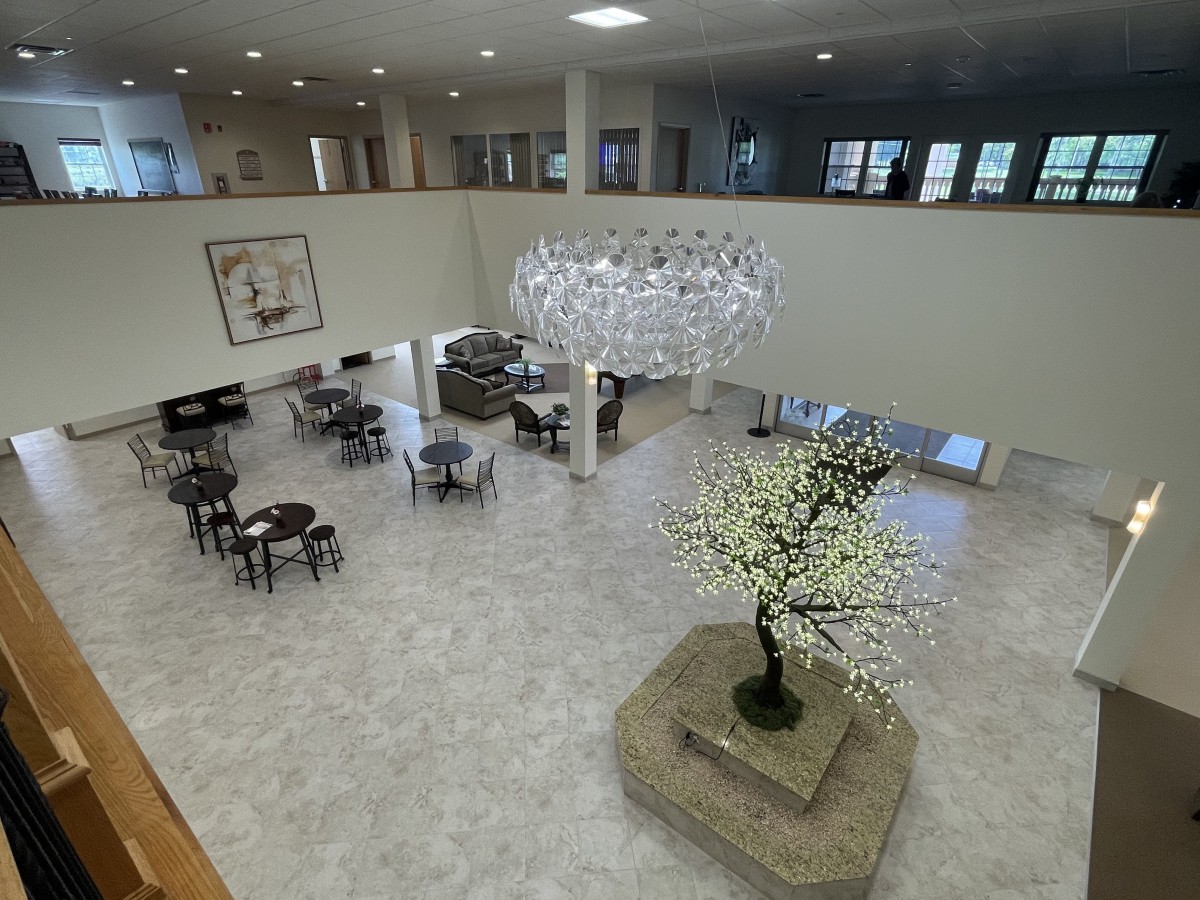
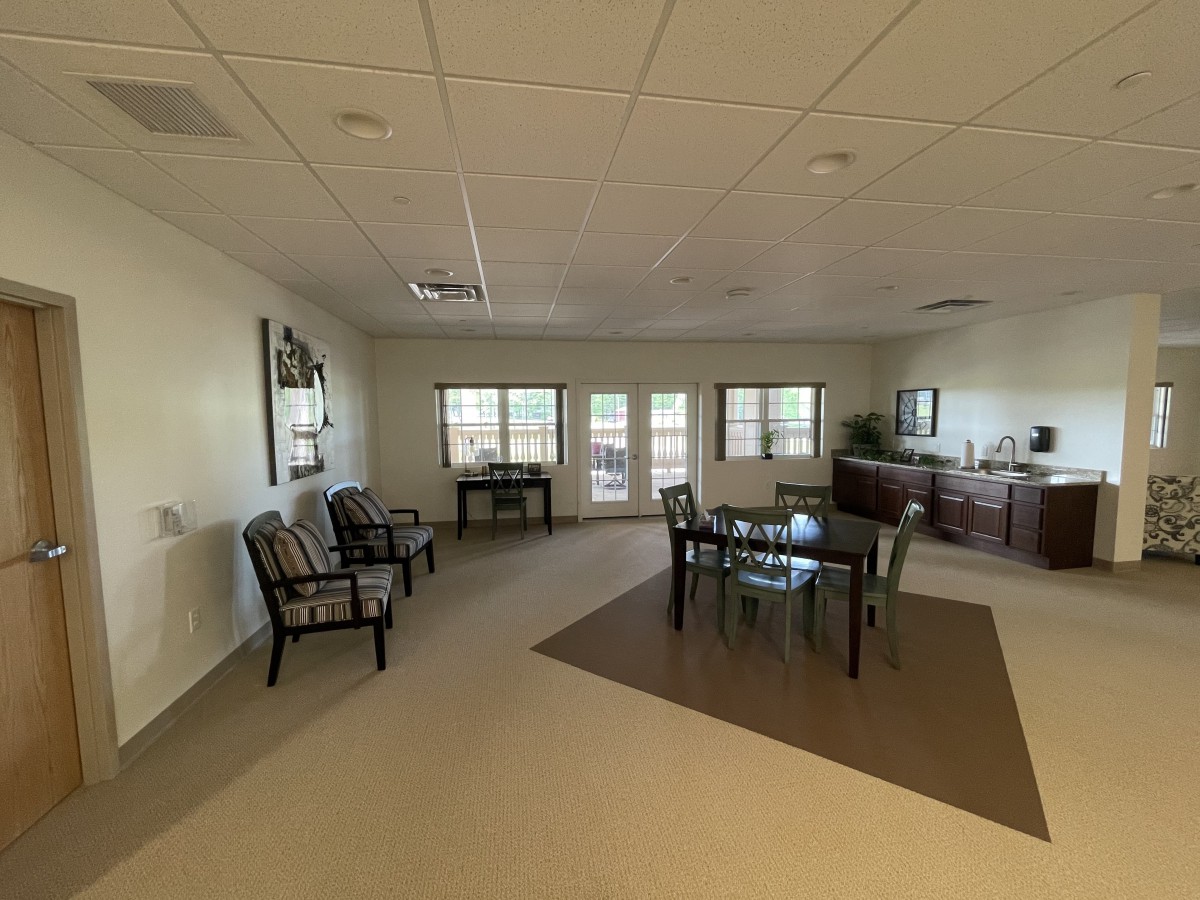
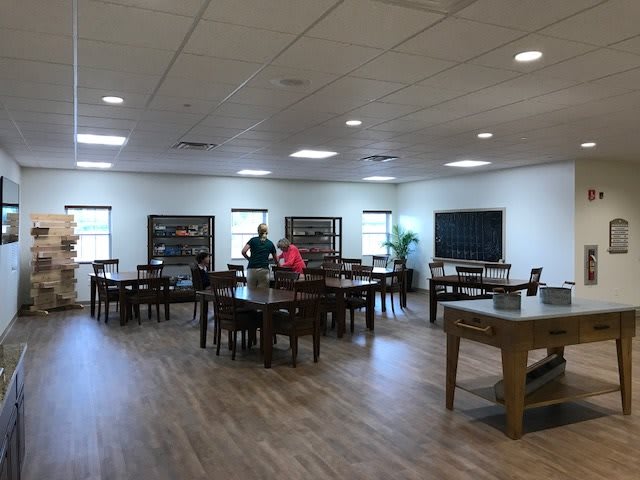
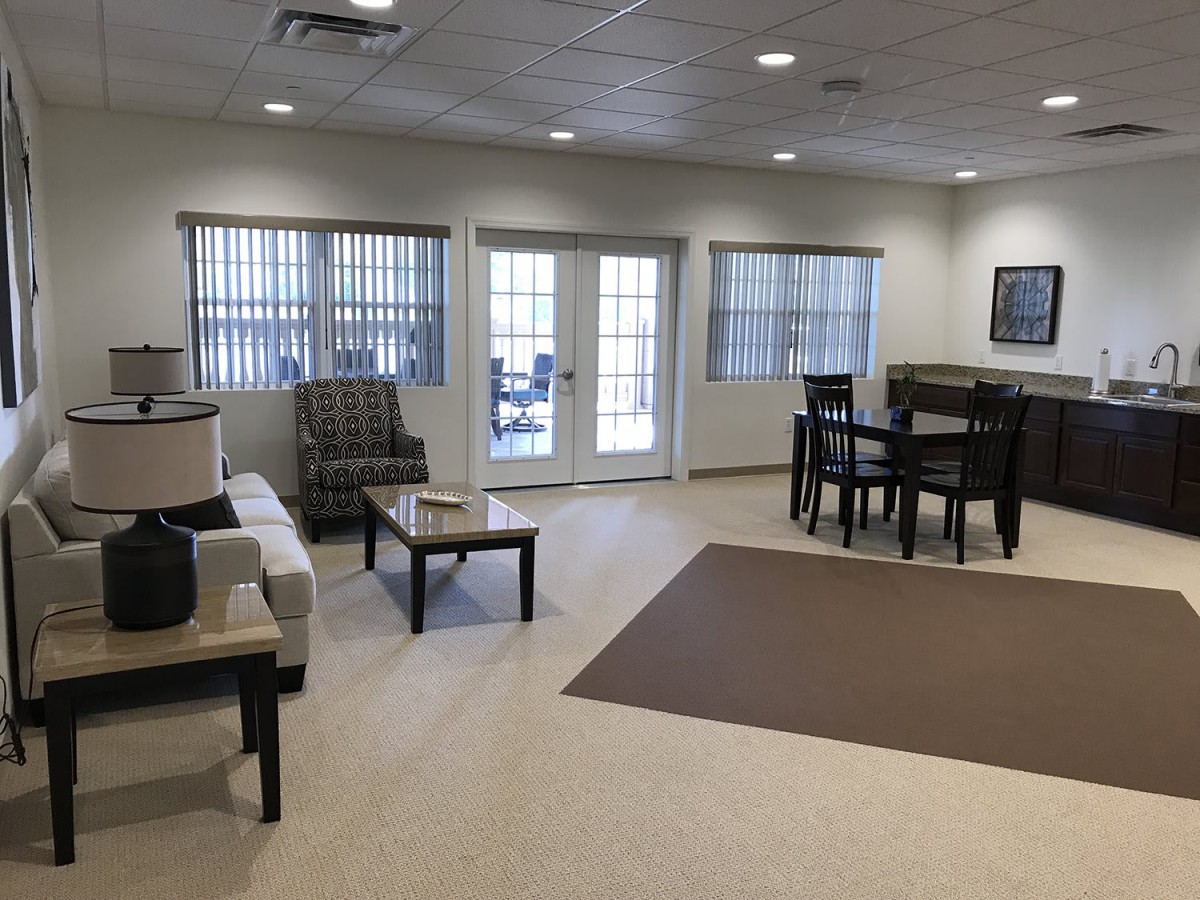
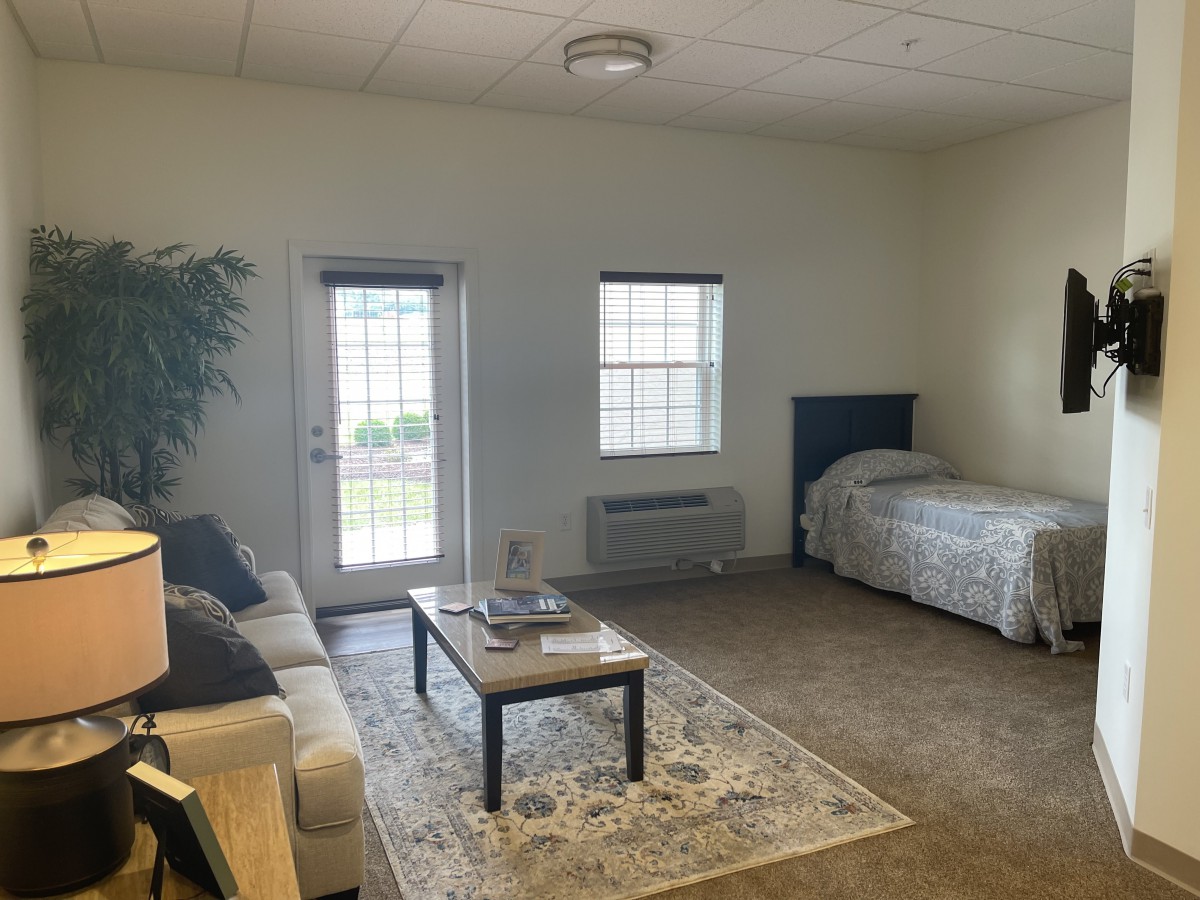
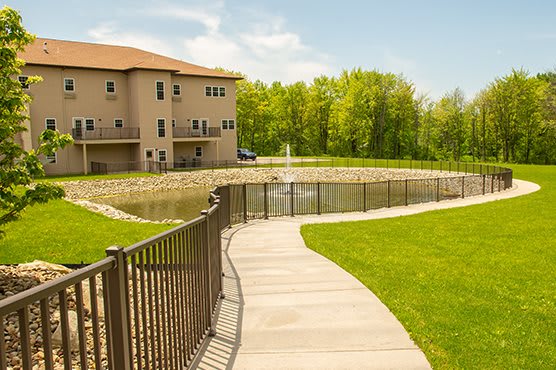
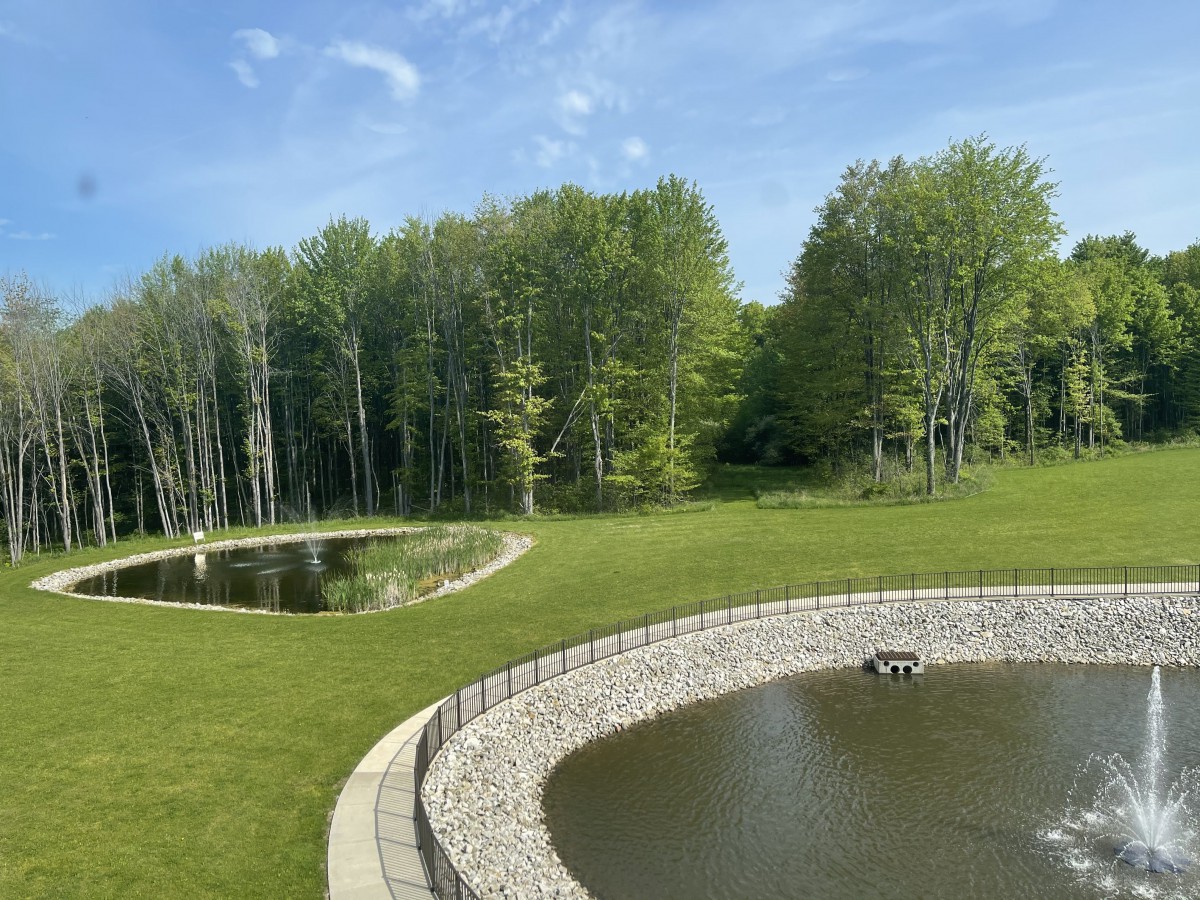
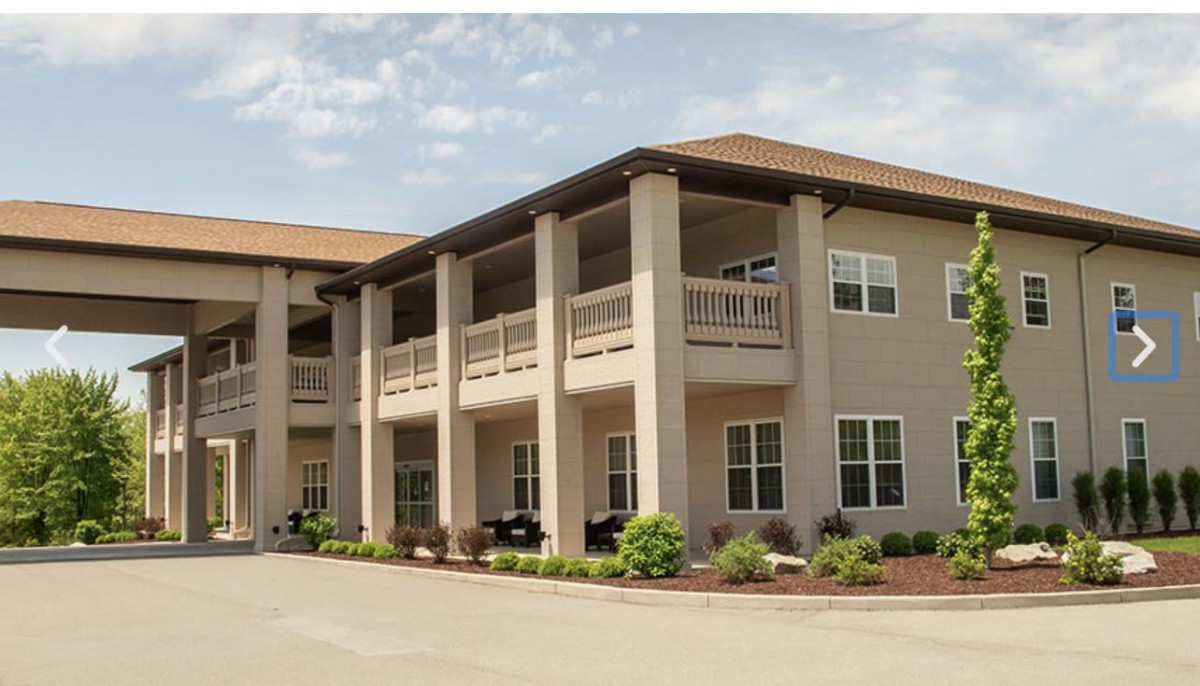
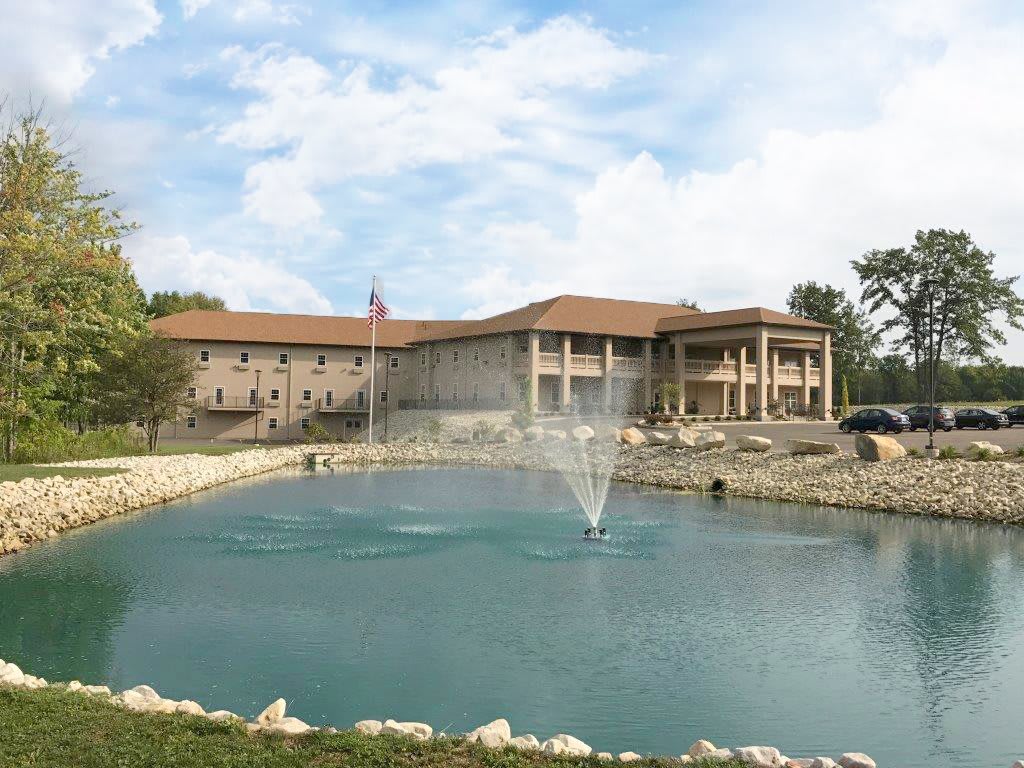
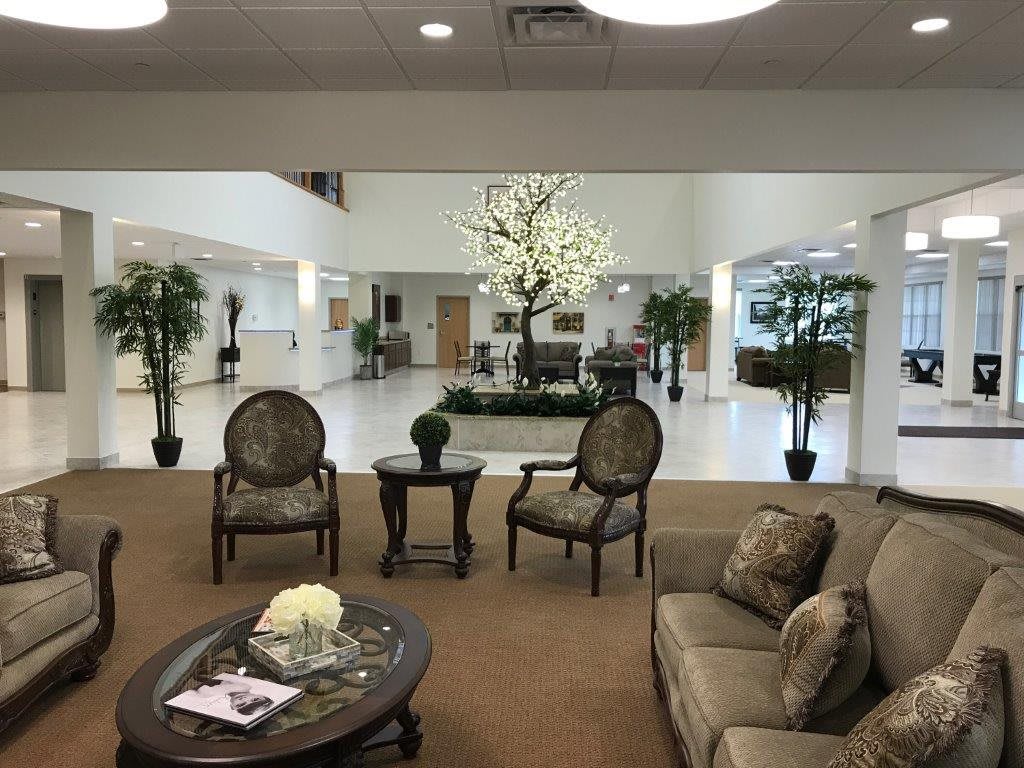
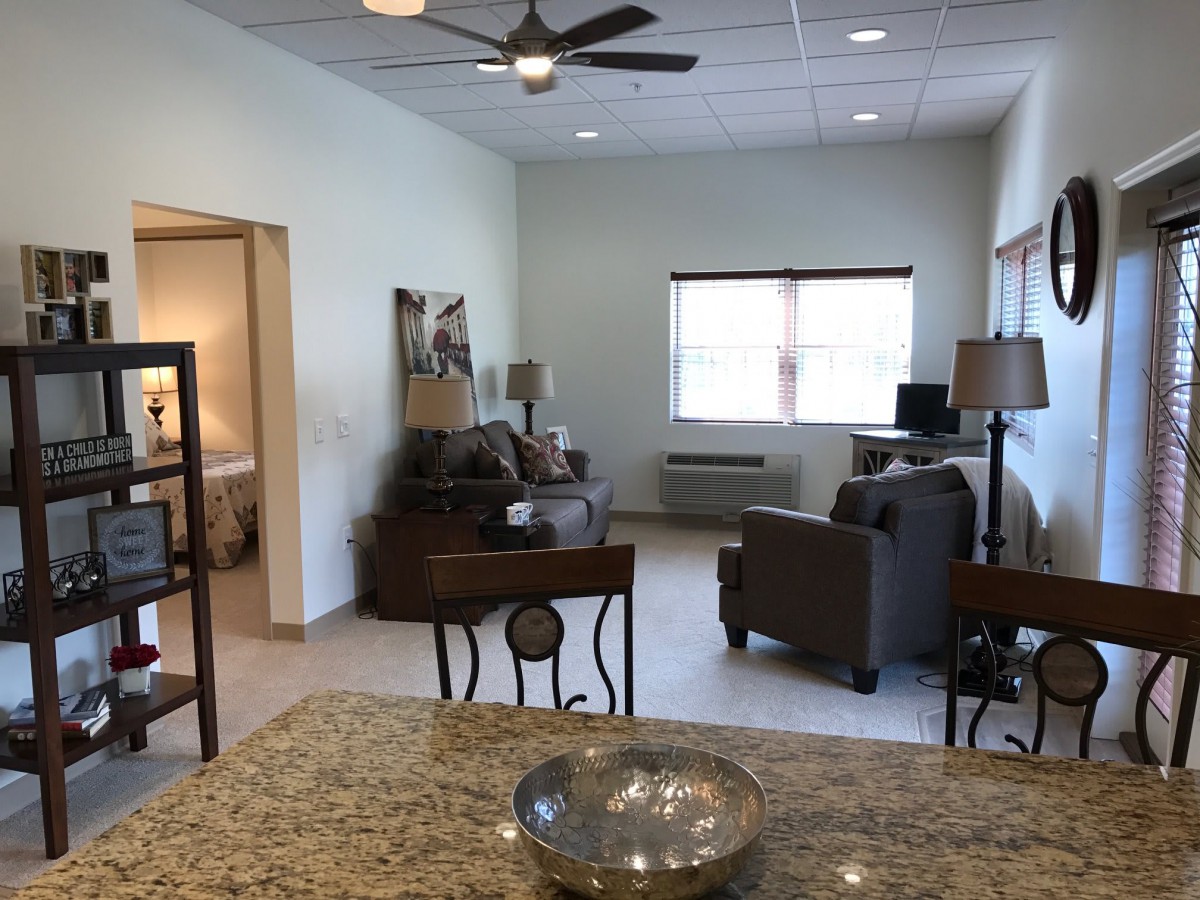
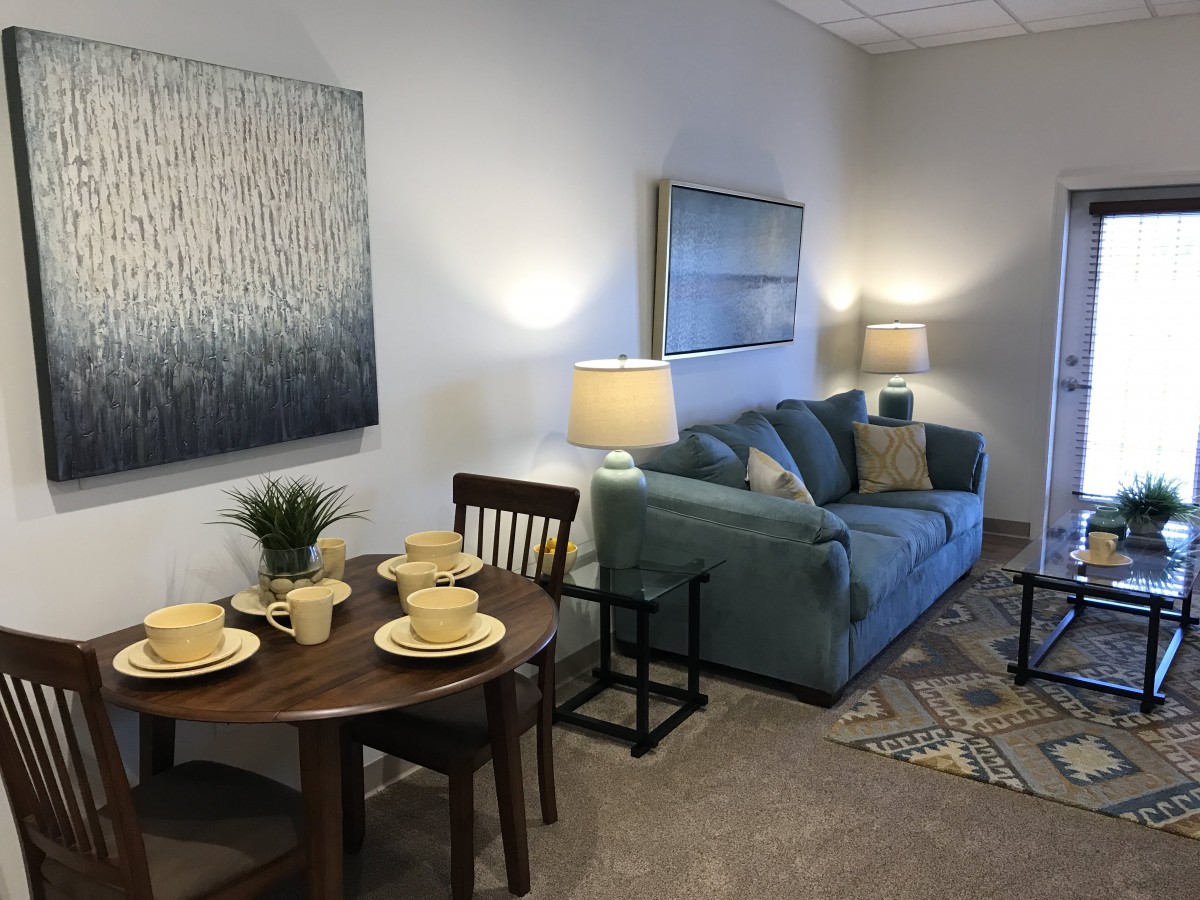
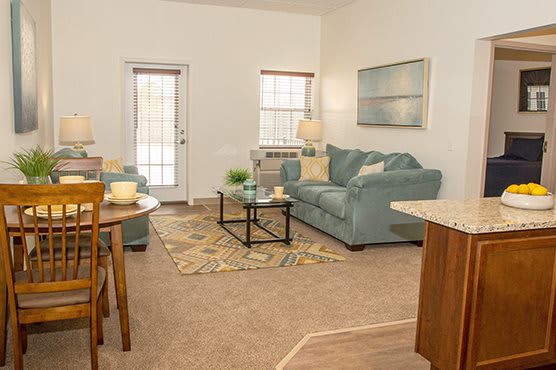
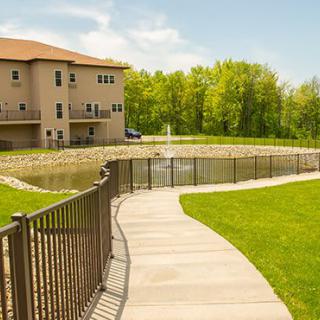
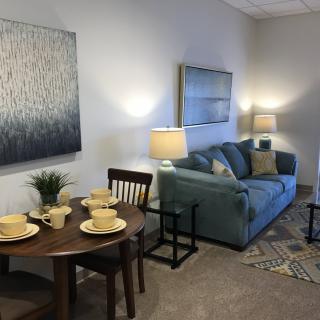
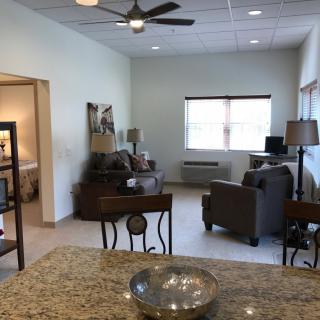
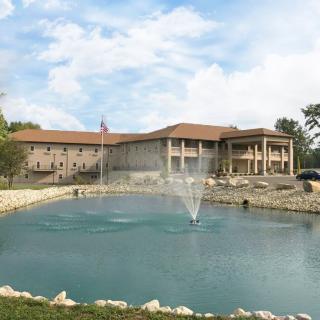
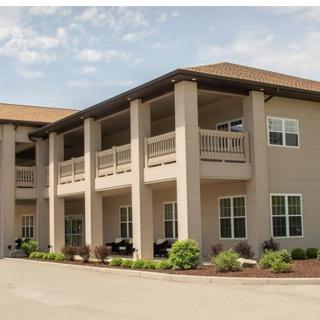
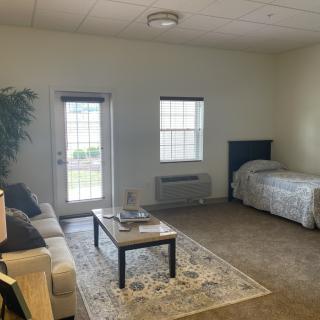
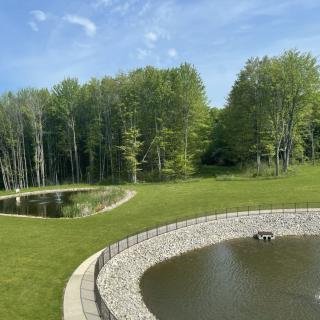
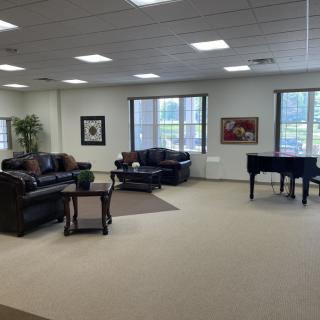
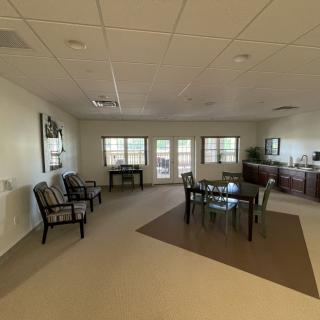
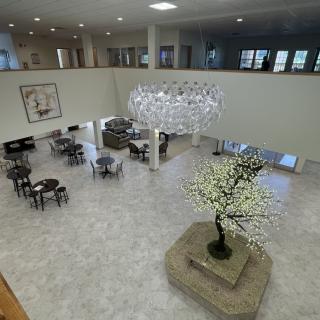
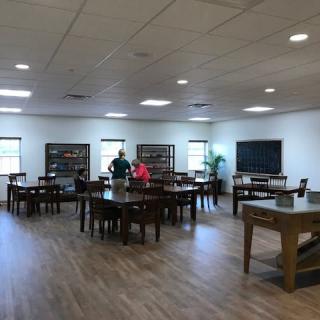
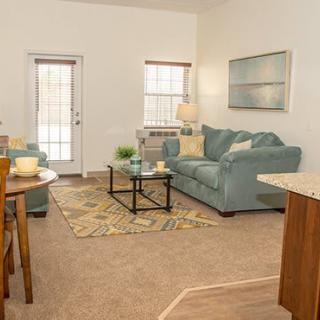
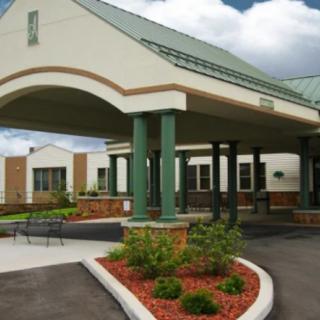
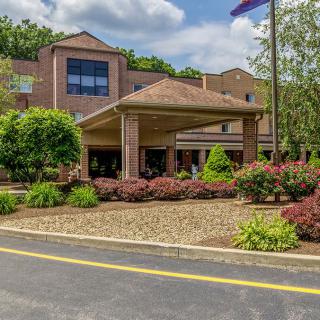
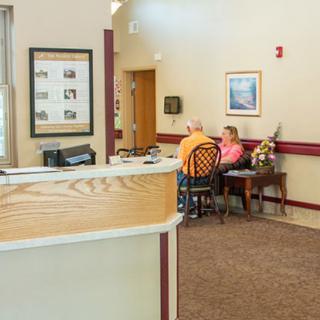
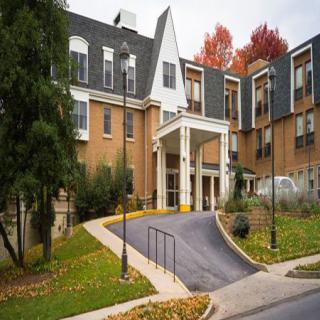
The Lakes at Jefferson on seniors.fyi includes 16 photos including images showing interior, living room, landscaping, decor, windows, pond, open space, bedroom, and more.
Nearby Communities
The Lakes At Jefferson Nugent
Mercer, PA
4.4 from 37 reviews
Comprehensive on-site amenities and 24/7 staff support.
Snyder Rest Home
Mercer, PA
3 from 24 reviews
Specialized diabetic care with personalized assisted living.
Quality Life Services Mercer
Mercer, PA
3.3 from 26 reviews
$2,325 to $3,999 / month
Exceptionally clean facility with caring, responsive staff and strong family communication.
Hospitality Care Center Of Her
Hermitage, PA
2.7 from 7 reviews
Extensive care services and on-site amenities (24-hour supervision, medication management, restaurant-style dining, activities, library, kitchenette).
Hospitality Care Ctr Inc
Hermitage, PA
3.9 from 55 reviews
On-duty staff were caring and families advocated for better conditions.
Avalon Springs Place
Mercer, PA
4.2 from 59 reviews
Compassionate, person-centered staff who treat residents with dignity.
Holiday Whispering Oaks
Hermitage, PA
4.5 from 133 reviews
$1,949 to $3,239 / month
Caring staff in a clean, welcoming community with ample activities and spacious apartments.
Clepper Manor
Sharon, PA
3.1 from 37 reviews
Compassionate hospice staff and attentive caregivers
Shenango On The Green
New Wilmington, PA
4 from 22 reviews
$2,360 to $6,330 / month
Quality meals and a welcoming, family-oriented atmosphere with social activities.
Vibrant Senior Living emphasizes active senior living communities that promote independence and engagement through diverse amenities and activities, fostering wellness and social interaction among older adults. These communities range from independent to assisted living, with a focus on personal growth, family involvement, financial planning, and leveraging technology to enhance residents' experiences.
Transitioning from assisted living to memory care is driven by an individual's cognitive decline and specific needs, requiring careful evaluation of indicators like increased confusion and wandering. The process involves consulting medical professionals, researching suitable communities, considering financial and legal aspects, and ensuring effective communication for personalized care plans.
Assisted living provides moderate support for seniors seeking independence, while memory care offers specialized support for individuals with dementia or cognitive impairments through structured routines and trained staff. Key differences include care approaches, environment security measures, staff training levels, activity types, and cost considerations.
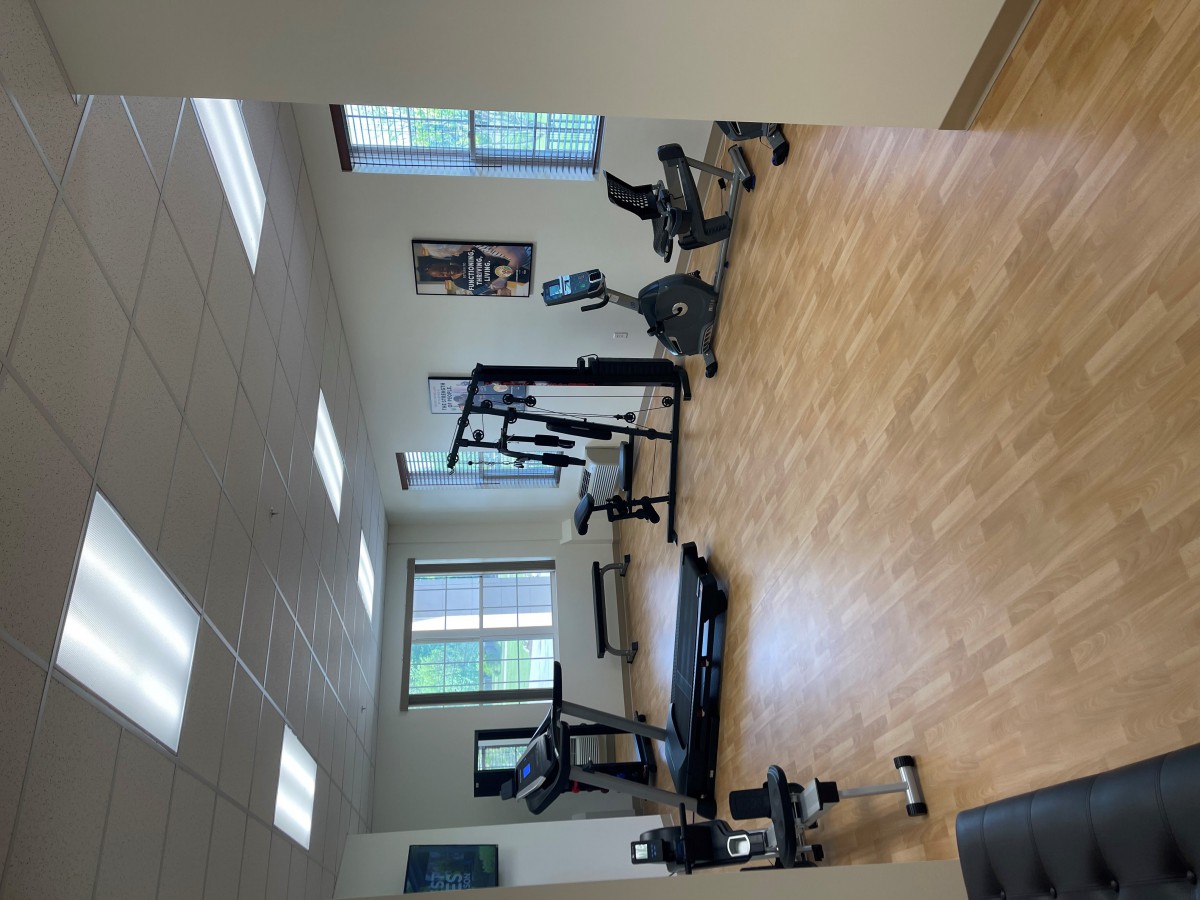
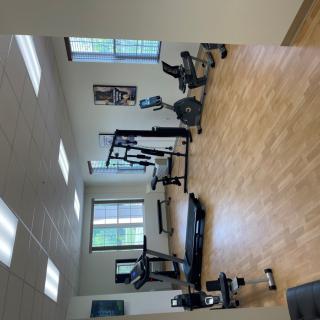
Exercise Equipment, Gym, Treadmill, and Workout Space
Natural Light
Bookshelves, Library, and Reading Area
Nature and Park
Painting
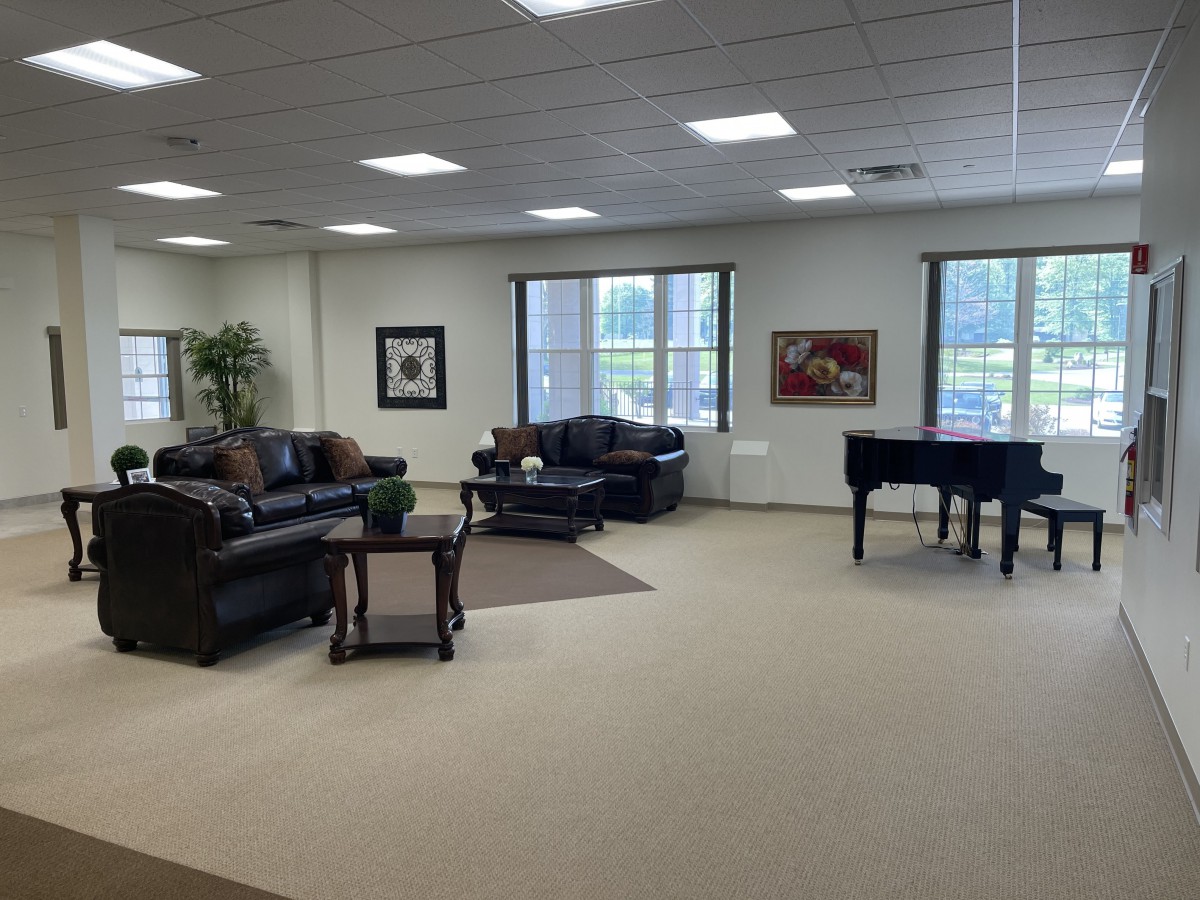
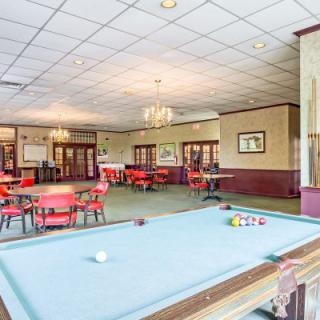
Piano and Lounge
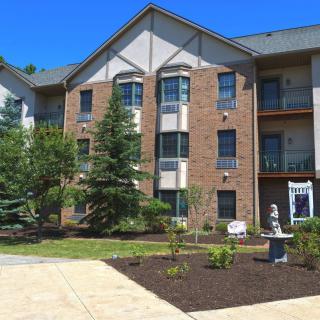
Balcony and Apartment Building
Open Space
Pond
Get PricingAsk A QuestionSchedule A TourContact Senior Advisor
By clicking submit, you agree to our Partner's Terms of Use. You
also consent to receive calls and texts, which may be autodialed, from our Partner. Your consent is not a condition to
using our Partner's service. Please visit our Partner's Privacy Policy for information about their privacy practices.



 1-bedroom apartments
 Assisted Living
 Independent Living
 Cats allowed
 Dogs allowed
 Activities off-site
 Air-conditioning
 Beautician on-site
 Devotional services off-site
 Ground floor units
 Handicap accessible
 Indoor common areas
 Kitchenette
 Outdoor common areas
 Private bathrooms
 Resident parking
 Respite or short term stays offered
 Wheelchair accessible showers
 Wi-Fi/high-speed internet available
 Ambulatory care
 Diabetic care
 High acuity care
 Incontinence care
 Medication management
 Gluten-free
 Art classes
 Catholic services
 Cooking classes
 Day trips and outings
 Educational speakers / life long learning
 Wine tasting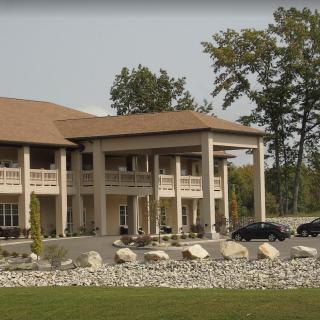
 Comprehensive on-site amenities and 24/7 staff support.


 Vibrant Senior Living: A Comprehensive Guide for Active Older Adults
 When to Transition from Assisted Living to Memory Care: Key Indicators, Steps, and Finding the Right Community
 Assisted Living and Memory Care: Understanding Their Core Differences