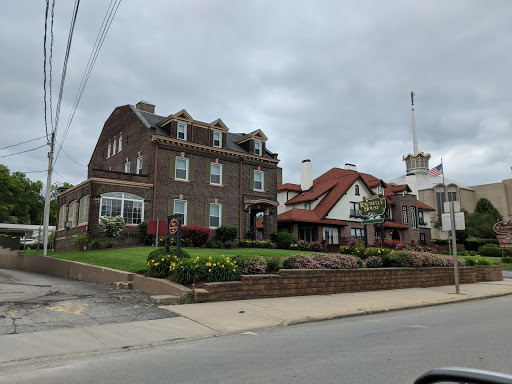
Clepper Manor in Sharon, PA

Save

  • Interior

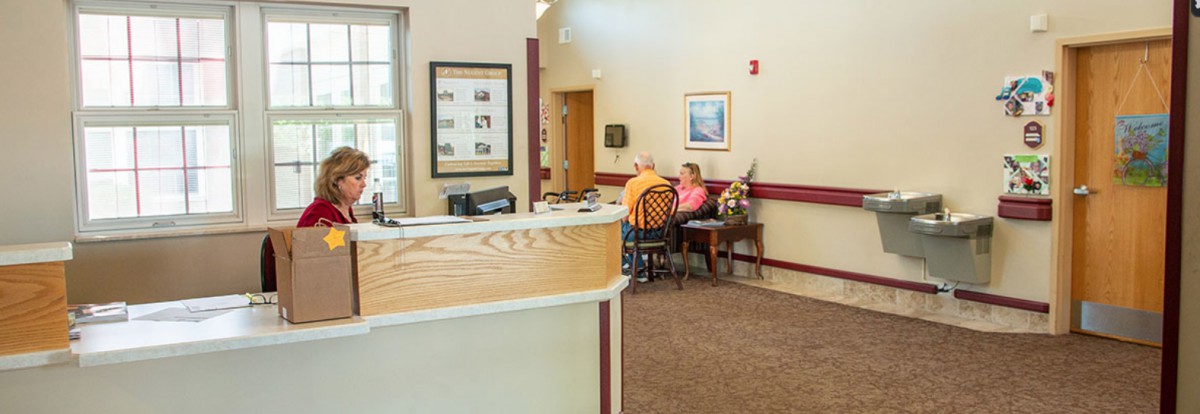
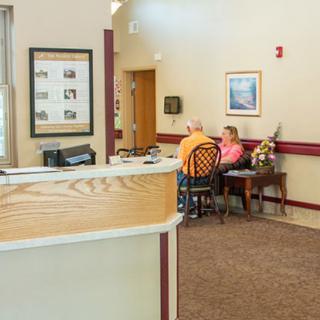
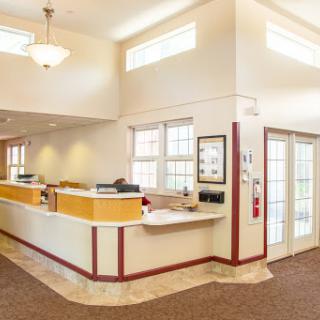
    A reception area with a couple of people seated, featuring a front desk and decorative wall art.
  • Outdoors

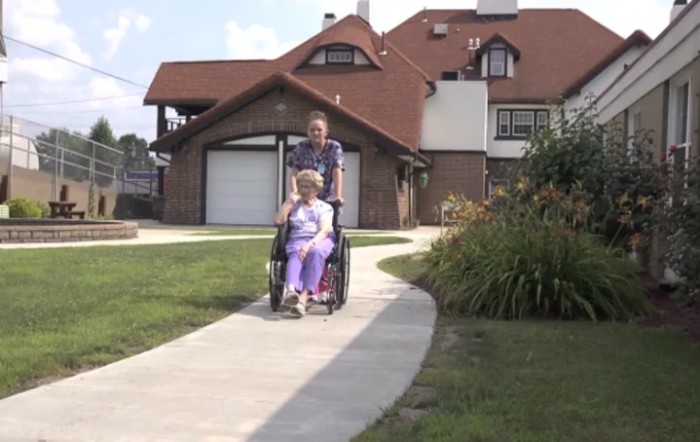
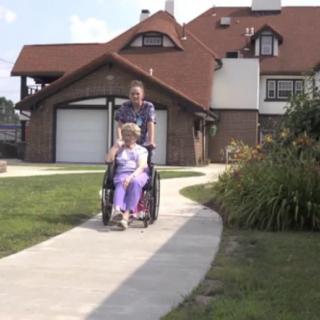
    A caretaker pushes an elderly person in a wheelchair along a pathway outside a house.
  • Decor

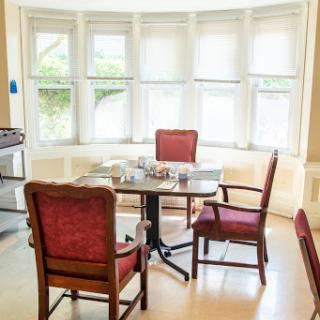
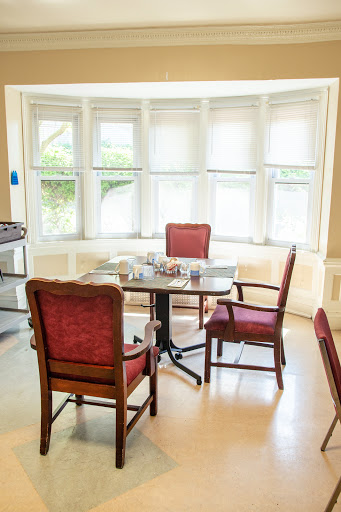
    A cozy dining area featuring a round table surrounded by red upholstered chairs, illuminated by natural light from large windows.
  • Building

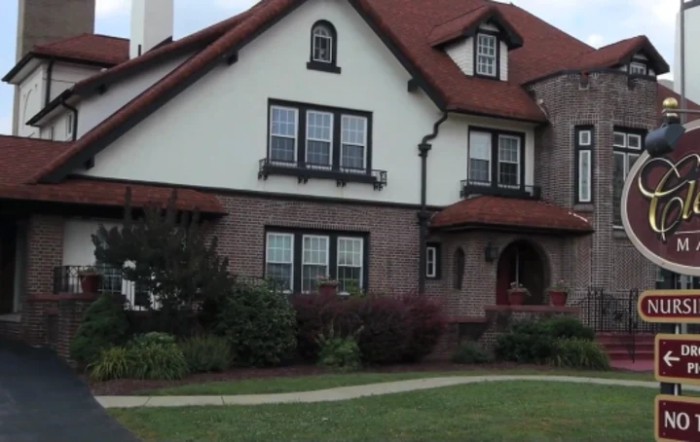
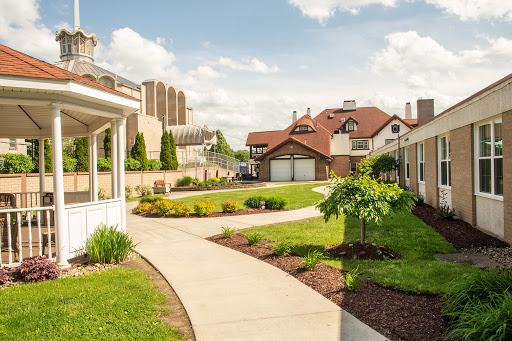
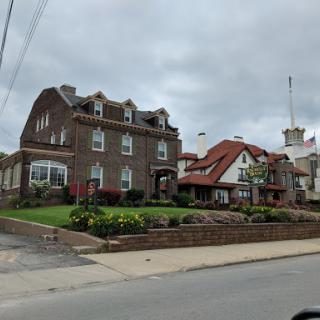
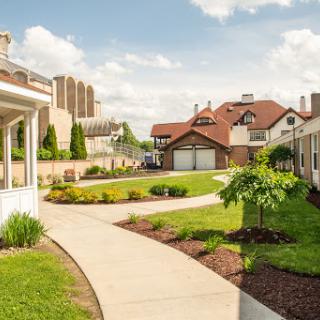
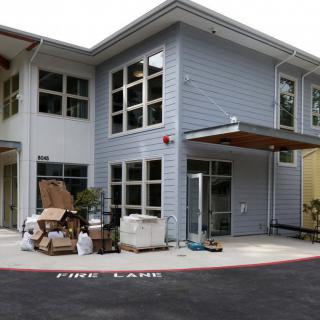
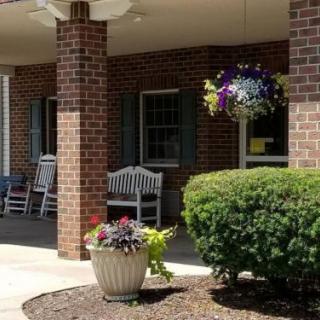
    A charming blend of architectural styles, featuring a well-kept front yard under a cloudy sky.
  • Architecture

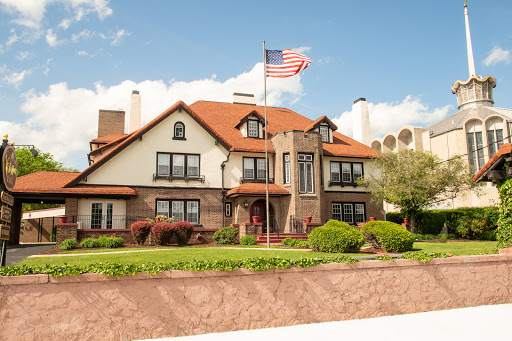
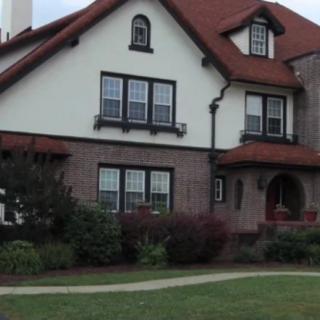
    A two-story residential house with a red roof and a well-maintained garden.
  • Landscaping

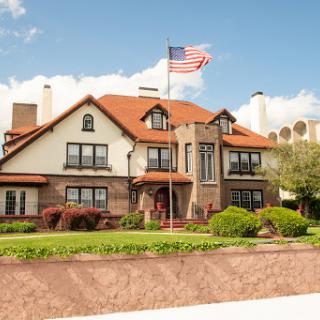
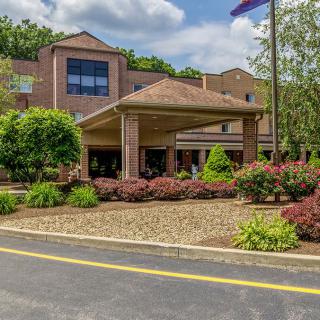
    A beautifully designed residential house featuring traditional architecture, adorned with an American flag against a clear blue sky.
  • Lighting

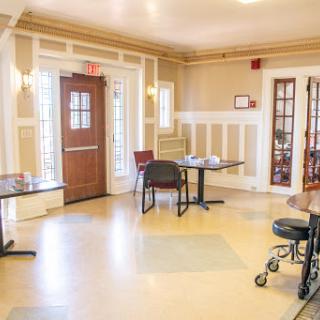
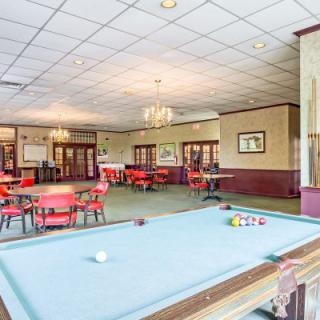
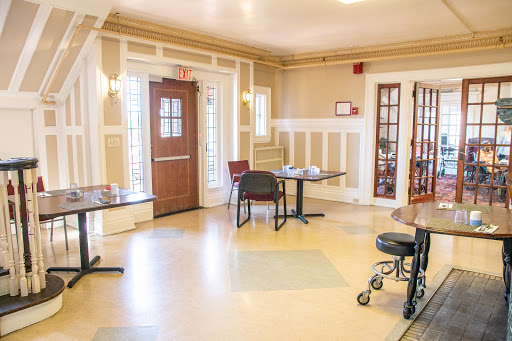
    A well-lit lobby area featuring tables and chairs, designed for comfort and accessibility.
  • Garden

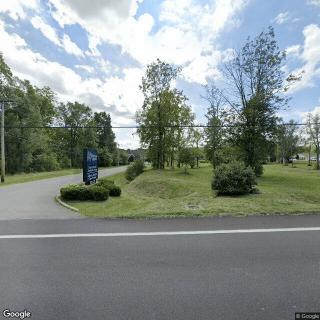
    A peaceful residential area featuring well-maintained gardens and charming houses under a clear blue sky.
  • Seating Area

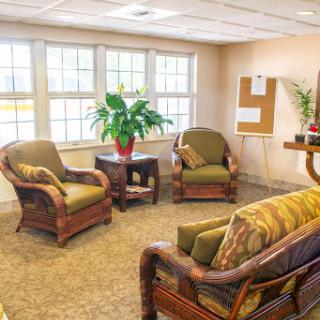
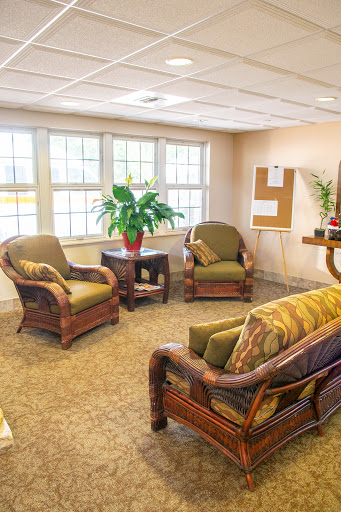
    A cozy seating area with comfortable chairs and a touch of greenery, perfect for relaxation.
  • Fireplace

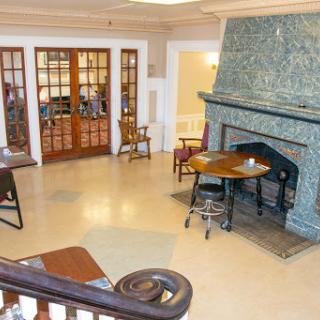
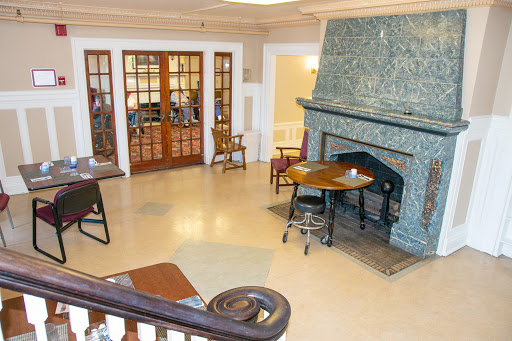
    A cozy lobby area featuring a stone fireplace and inviting seating arrangements.
  • Lobby

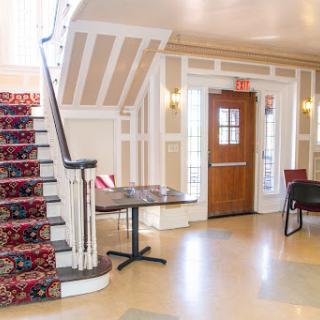
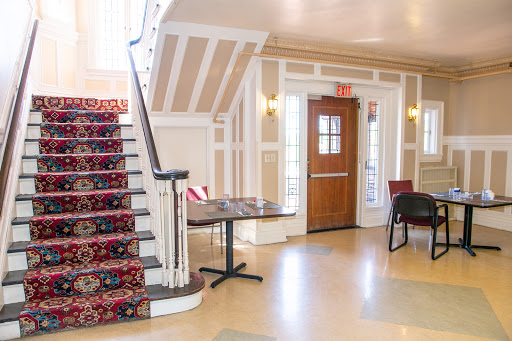
    A beautifully designed lobby featuring an elegant staircase and inviting seating arrangements.
  • Office

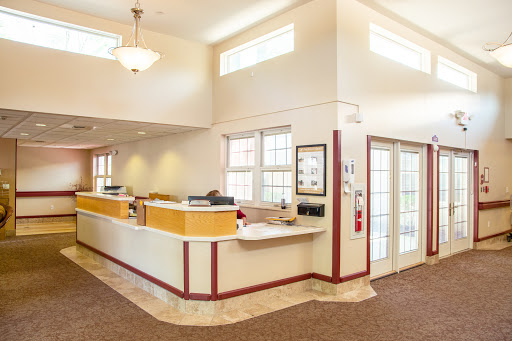
    A bright and welcoming reception area with a modern design.

Clepper Manor in Sharon, PA

959 East State Street, Sharon, PA 16146

For more information about senior living options: (844) 490-3973

3.2 from 27 reviews
5 stars
12
4 stars
3
3 stars
0
2 stars
2
1 stars
10

Overall Review of Clepper Manor

Pros

  • pro The community is very relaxed and well-maintained, with short-term therapy that’s particularly great.
  • pro The staff are caring, and residents appear happy.
  • pro The facility has fantastic staff who clearly care about their residents.
  • pro The therapy team provides first-rate physical and occupational therapy, with nursing staff who are kind, patient, helpful, and professional.
  • pro The Tudor Revival architecture and cozy, laid-back atmosphere create a welcoming short-term rehab environment.
  • pro The staff are friendly and competent, especially in PT and OT.
  • pro Rehab outcomes are excellent, with professional, kind, attentive, and knowledgeable staff.
  • pro CNAs, LPNs, and RNs work together to provide the best possible care.

Cons

  • pro A reviewer described neglect of patient care and perceived racial discrimination by an LPN.
  • pro A reviewer claimed medical concerns were minimized, updates were delayed, and responses were dismissive, while other patients reportedly received more attentive care.
  • pro A reviewer warned that the facility would face lawsuits due to one bad apple.
  • pro A reviewer stated they would not recommend the facility to anyone.
  • pro A reviewer described staff as very disrespectful and lazy, with slow response times and fights among nurses.
  • pro A reviewer said the facility was terrible, noting residents fell multiple times due to lack of assistance and meds were kept after discharge against medical advice.
  • pro A reviewer called the place the worst to send loved ones, citing not notifying families after falls, dirty rooms, and a horrible smell.
  • pro A reviewer described a relative dying from neglect and an untreated bed sore.

Review

Clepper Manor in Sharon, Pennsylvania is best suited for families seeking short-term skilled rehabilitation with a demonstrated ability to build mobility and independence quickly, set against a warm, home-like atmosphere. The facility is approachable and well-maintained, with residents and families repeatedly noting a relaxed, comfortable environment and a rehab culture that emphasizes active therapy. The standout gain is the therapy program: short-term stay targets that lead to real functional improvements, often described as impressive, thanks to a capable team. The Tudor Revival exterior and cozy interior contribute to a sense of ease that can soften the stress of transition, making it easier for families to focus on recovery rather than logistics. When the goal is to restore movement and confidence after a hospital stay, Clepper Manor has credible, well-supported advantages that can translate into meaningful outcomes.

That said, families should explicitly consider alternatives if long-term custodial care, stability of leadership, and consistent quality of day-to-day operations are priorities. Several reviewers raise red flags about long-term care dynamics, including perceived neglect in some instances, inconsistent communication, and episodic staff disengagement. Allegations range from lapses in attention to medication concerns and questions about how residents are treated, with some accounts describing friction among staff and leadership turnover that has left families unsure about accountability. Additional criticisms touch on cleanliness, odors, and responsiveness, and a few accounts describe disrespectful interactions or unsafe conditions. These themes matter for anyone weighing Clepper Manor as a long-term home rather than a temporary rehab hub.

The strongest pro-count in favor of Clepper Manor centers on rehab strength: the therapy department is described as professional, engaged, and capable of moving residents forward. When Nate and Jolena lead the therapy effort, outcomes are portrayed as first-rate, with residents gaining mobility, confidence, and independence that families had been hoping for. Nursing staff frequently receives praise for kindness, patience, and competence, and the care team that includes CNAs, LPNs, and RNs is repeatedly described as cohesive and dedicated. The administrative side also earns some praise, accessible business staff and an administrator who is visible and compassionate, factors that can matter greatly during a rehab stay when questions about insurance, discharge planning, and daily schedules arise. Taken together, these pros create a credible case for choosing Clepper Manor for short-term rehab with realistic expectations about post-discharge needs.

Yet those positives are offset by clear concerns about long-term consistency and safety. The reviews reveal a pattern where leadership instability, multiple administrators, changing directors of nursing, and periodic systemic issues, erodes reliability in day-to-day operations. When staff turnover is high, familiarity with residents’ histories and proactive care planning can suffer, and that in turn can amplify the risk of communication gaps or delays in addressing concerns. Several accounts describe unsafe or uncomfortable conditions, falls during therapy, delayed responses to call lights, and a smell or cleanliness issue, that, while not universal, are sufficiently disturbing to warrant serious scrutiny. Medication-handling questions and reports of neglect or discriminatory behavior add another layer of risk that families must weigh, particularly for residents who require constant supervision or have advancing cognitive or physical needs.

For families evaluating Clepper Manor, the practical path is to probe how the facility preserves safety, dignity, and responsiveness even as turnover occurs. Visitors should observe staffing patterns at different times of day, ask direct questions about incident history and corrective actions, and review recent inspection findings. It is essential to understand how therapy goals translate into discharge plans, what the contingency is when a resident requires more than short-term rehab, and how communication is maintained with families during a stay. Ask about how quickly call lights are answered, how room cleanliness is ensured, and what steps are taken when concerns about potential neglect or disrespect arise. In short, verify that the rehab strengths will not be undercut by long-term care gaps once the initial therapy window closes.

In the end, Clepper Manor presents a practical, not-unreasonable option for families prioritizing strong physical therapy and a compassionate, engaged staff during a defined rehab period. The facility’s rehab-centric benefits can deliver tangible gains in mobility and independence, and the environment can feel supportive to both residents and their families during a stressful transition. However, for those seeking a consistently calm, impeccably run long-term residence, with unwavering safety, spotless daily operations, and uniformly exemplary interactions, the stories of turnover, communication challenges, and some hard-edged safety concerns suggest caution. Weighing these dynamics against the rehab gains will determine whether Clepper Manor is the right match. If the priority is a short-term recovery path with clear therapy outcomes and a warm atmosphere, Clepper Manor deserves serious consideration; if long-term steadiness and flawless daily operations are non-negotiable, this community should be evaluated alongside alternatives that offer steadier leadership and a proven record of consistent, high-quality long-term care.

Features

Housing

  • 54 resident community capacity 54 resident community capacity

Types of Care

  • Assisted Living Assisted LivingAssisted living facilities provide crucial support and care for seniors who may need help with daily tasks such as medication management, bathing, and meal preparation. These communities offer a safe and comfortable environment where seniors can maintain their independence while receiving the assistance they need to thrive in their golden years.
  • Independent Living Independent LivingIndependent living communities are important for seniors because they offer a safe and supportive environment where older adults can live independently while still having access to amenities and services that enhance their quality of life. These communities provide social opportunities, recreational activities, and assistance with daily tasks, promoting overall well-being and allowing seniors to maintain their independence for as long as possible.
  • Skilled Nursing Facility Skilled Nursing FacilitySkilled Nursing Facilities are crucial for seniors as they provide round-the-clock medical care, rehabilitation services, and assistance with daily activities. These facilities ensure that seniors receive the specialized care they need to maintain their health and well-being as they age.

Amenities

  • Air-conditioning Air-conditioningAir conditioning is important for seniors as they are more vulnerable to heat-related illnesses and may have underlying health conditions that make it difficult for them to regulate their body temperature. It helps to keep them comfortable, safe, and healthy in hot weather.
  • Beauty salon Beauty salonBeauty salons are important for seniors because they provide a space for them to feel pampered, socialize, and maintain their personal grooming and hygiene. Regular visits to a beauty salon can help boost seniors' self-esteem and overall well-being.
  • Cable or satellite TV Cable or satellite TVCable or satellite TV is important for seniors because it provides entertainment, news, and companionship, helping to combat loneliness and boredom. It also offers a wide range of programming options tailored to different interests and preferences.
  • Computer center Computer centerA computer center is essential for seniors as it provides access to technology, communication tools, and resources that can enhance their daily lives. It allows them to stay connected with loved ones, engage in online activities, and learn new skills, ultimately promoting socialization and mental stimulation.
  • Dining room Dining roomDining rooms are important for seniors as they provide a space for socialization, connection, and nutritious meals. They offer opportunities for residents to bond over shared meals, foster a sense of community, and promote healthy eating habits. Dining rooms also ensure that seniors have access to well-balanced meals tailored to their dietary needs and preferences.
  • Fitness room Fitness roomHaving a fitness room in a senior living community is essential for seniors to stay active, maintain their physical health, and improve their overall well-being. Regular exercise can help prevent falls, reduce the risk of chronic diseases, and promote mental sharpness. It also provides social opportunities for residents to connect with others and enjoy a sense of community.
  • Fully furnished Fully furnishedFully furnished senior living communities are important for seniors because they provide convenience, comfort, and a hassle-free moving experience. Seniors can easily settle into their new living space without the stress of having to buy and move furniture. This allows them to focus on enjoying their new home and community.
  • Gaming room Gaming roomGaming rooms are important for seniors as they provide a fun and engaging environment for socializing, cognitive stimulation, and physical activity. Games can improve memory, problem-solving skills, and overall mental well-being while fostering friendships and reducing feelings of isolation.
  • Garden GardenGardens are important for seniors as they provide a peaceful and therapeutic environment for relaxation, physical activity, and socialization. Being in nature has been shown to reduce stress, improve mood, and promote overall well-being. Gardens also offer opportunities for seniors to engage in gardening activities, which can improve mobility, flexibility, and cognitive function. Additionally, gardens create a sense of community and connection with others who share a passion for plants and outdoor spaces.
  • Housekeeping services Housekeeping servicesHousekeeping services are important for seniors because they help maintain a clean and safe living environment, promote independence, and reduce the risk of accidents or illnesses. Additionally, having assistance with household chores can alleviate physical strain and allow seniors to focus on other aspects of their well-being.
  • Kitchenette KitchenetteKitchenettes are important for seniors living in senior living communities because they provide the convenience and independence of being able to prepare simple meals and snacks in the comfort of their own living space. This can help promote a sense of autonomy and well-being for seniors, allowing them to maintain some level of control over their dietary choices and daily routines.
  • Move-in coordination Move-in coordinationMove-in coordination is important for seniors because it helps ease the transition into their new living environment. It ensures that all logistics, such as packing, organizing movers, and setting up utilities are taken care of, allowing seniors to focus on settling in and adjusting to their new home. Having a smooth move-in process can alleviate stress and anxiety, making the transition smoother and more enjoyable for seniors.
  • Outdoor space Outdoor spaceOutdoor spaces are important for seniors as they provide opportunities for physical activity, social interaction, exposure to natural light and fresh air, and a sense of connection to nature. Having access to outdoor spaces can improve overall well-being and quality of life for older adults living in senior communities.
  • Private bathrooms Private bathroomsPrivate bathrooms are important for seniors in senior living communities because they provide independence, dignity, and comfort. Having a private bathroom allows seniors to maintain their personal hygiene routines without the need for assistance, promoting a sense of autonomy and privacy. Additionally, private bathrooms help prevent the spread of infections and provide a safe and clean environment for seniors to navigate safely.
  • Restaurant-style dining Restaurant-style diningRestaurant-style dining is important for seniors because it allows them to enjoy delicious, nutritious meals in a social and upscale setting. This enhances their dining experience, promotes healthy eating habits, and fosters socialization with fellow residents, ultimately contributing to their overall well-being and quality of life.
  • Small library Small librarySmall libraries are important for seniors as they provide access to a variety of reading materials, including books, newspapers, and magazines. This can help stimulate their minds, keep them engaged, and provide a sense of community through book clubs and other social activities. Additionally, reading has been shown to improve cognitive function and overall mental well-being in older adults.
  • Telephone TelephoneTelephones are important for seniors as they provide a lifeline for communication with loved ones, emergency services, and healthcare providers. They offer a sense of security and independence, enabling seniors to stay connected and access assistance when needed.
  • Wellness center Wellness centerWellness centers are important for seniors because they offer a variety of programs and services that promote physical, mental, and emotional well-being. These centers provide opportunities for exercise, socialization, education, and relaxation, helping seniors maintain their overall health and quality of life.
  • Wi-Fi/high-speed internet available Wi-Fi/high-speed internet availableWi-Fi/high-speed internet is important for seniors to stay connected with loved ones, access online resources, and participate in virtual activities to combat feelings of loneliness and isolation. It also allows them to easily manage healthcare needs, access entertainment, and engage in lifelong learning opportunities.

Transportation

  • Community operated transportation Community operated transportationCommunity operated transportation is crucial for seniors as it provides them with the means to access essential services, social activities, and medical appointments. It allows seniors to maintain their independence and quality of life by ensuring they can participate in activities outside of their homes. Additionally, community-operated transportation services offer a safe and reliable way for seniors to travel without having to rely on family or friends for assistance.
  • Transportation arrangement Transportation arrangementTransportation arrangements are crucial for seniors as they may face challenges with driving, mobility, or access to public transportation. Having reliable transportation services ensures that seniors can easily attend appointments, social activities, and maintain their independence and quality of life.
  • Transportation arrangement (non-medical) Transportation arrangement (non-medical)Transportation arrangements are essential for seniors as they provide access to essential services, activities, and social interactions outside the home. This service helps maintain independence, mobility, and overall well-being for seniors who may have limited transportation options.
  • Transportation to doctors appointments Transportation to doctors appointmentsTransportation to doctors appointments is crucial for seniors as it ensures they have access to necessary medical care and support, promoting their health and well-being. It allows them to receive timely treatment, monitor existing conditions, and address any new health concerns efficiently. Additionally, transportation services can help seniors maintain their independence and quality of life by enabling them to stay connected with their healthcare providers.

Care Services

  • 12-16 hour nursing 12-16 hour nursing12-16 hour nursing care is crucial for seniors in order to ensure around-the-clock monitoring, timely medication administration, and prompt response to any health concerns or emergencies. This level of care helps to promote the overall well-being and safety of seniors living in senior living communities.
  • 24-hour call system 24-hour call system24-hour call systems are important for seniors because they provide peace of mind and immediate assistance in case of emergencies. This technology ensures that help is always available, promoting safety and security for elderly individuals living alone or in assisted living facilities.
  • 24-hour supervision 24-hour supervision24-hour supervision is important for seniors to ensure their safety, well-being, and access to immediate assistance in case of emergencies or health issues. This constant support provides peace of mind for both seniors and their loved ones, allowing them to age in place with dignity and security.
  • Activities of daily living assistance Activities of daily living assistanceActivities of daily living assistance are important for seniors because they provide essential support with tasks such as eating, bathing, dressing, and mobility. This assistance helps seniors maintain their independence, dignity, and overall quality of life as they age.
  • Assistance with bathing Assistance with bathingAssistance with bathing is crucial for seniors as it helps maintain personal hygiene, prevents infections, and ensures their overall well-being and comfort. It also provides a sense of dignity and independence for seniors who may struggle with this task on their own.
  • Assistance with dressing Assistance with dressingAssistance with dressing is important for seniors because it helps maintain their independence, promotes personal hygiene, prevents accidents and injuries, and improves overall quality of life. This service ensures that seniors can continue to dress comfortably and confidently, despite any physical limitations they may have.
  • Assistance with transfers Assistance with transfersAssistance with transfers is crucial for seniors as it helps prevent falls and injuries, maintains their independence, and ensures they can safely navigate their living environment. It also provides peace of mind for both seniors and their loved ones.
  • Diabetes diet Diabetes dietA diabetes diet is crucial for seniors as it helps manage blood sugar levels, reduce risks of complications, and improve overall health and well-being. By following a balanced and nutritious diet tailored to their specific needs, seniors can better control their diabetes and enhance their quality of life.
  • Meal preparation and service Meal preparation and serviceMeal preparation and service are crucial for seniors as they may have limited mobility or energy to cook nutritious meals. Having access to healthy and convenient food options can ensure they are getting the proper nutrition needed to maintain their overall health and well-being.
  • Medication management Medication managementMedication management is crucial for seniors to ensure they are taking the right medications at the correct dosages and times. This helps prevent adverse drug interactions, reduces the risk of medication errors, and promotes overall health and well-being. Proactive management also allows for adjustments as needed based on changing health conditions or new prescriptions.
  • Mental wellness program Mental wellness programMental wellness programs are essential for seniors as they promote cognitive stimulation, emotional support, and social engagement. These programs help prevent isolation, depression, and cognitive decline, ultimately enhancing the overall quality of life for older adults.
  • Special dietary restrictions Special dietary restrictionsSpecial dietary restrictions are important for seniors because age-related changes in metabolism and health conditions can make it difficult for their bodies to process certain foods. By following a diet tailored to their specific needs, seniors can maintain their overall health and well-being, manage chronic conditions, and reduce the risk of complications such as malnutrition or food interactions with medications.

Dining

  • Diabetes diet Diabetes dietA diabetes diet is crucial for seniors as it helps manage blood sugar levels, reduce risks of complications, and improve overall health and well-being. By following a balanced and nutritious diet tailored to their specific needs, seniors can better control their diabetes and enhance their quality of life.
  • Special dietary restrictions Special dietary restrictionsSpecial dietary restrictions are important for seniors because age-related changes in metabolism and health conditions can make it difficult for their bodies to process certain foods. By following a diet tailored to their specific needs, seniors can maintain their overall health and well-being, manage chronic conditions, and reduce the risk of complications such as malnutrition or food interactions with medications.

Activities

  • Community-sponsored activities Community-sponsored activitiesCommunity-sponsored activities are important for seniors as they provide opportunities for social interaction, mental stimulation, and physical activity. These activities can help improve overall well-being, combat loneliness and isolation, and promote a sense of belonging and purpose among older adults.
  • Concierge services Concierge servicesConcierge services are essential for seniors as they provide assistance with daily tasks and errands, enhance their quality of life by offering convenience and personalized care, and promote a sense of safety and security.
  • Fitness programs Fitness programsFitness programs are crucial for seniors as they help improve strength, flexibility, balance, and overall well-being. Staying active can reduce the risk of chronic diseases, improve mental health, and enhance quality of life in older adults.
  • Planned day trips Planned day tripsPlanned day trips are important for seniors because they offer opportunities for socialization, mental stimulation, and physical activity. They provide a change of scenery and help seniors stay engaged and connected to their community, promoting overall well-being and quality of life.
  • Resident-run activities Resident-run activitiesResident-run activities are important for seniors as they encourage social interaction, creativity, and a sense of autonomy. These activities empower seniors to stay engaged and active in their community while fostering meaningful connections with their peers.
  • Scheduled daily activities Scheduled daily activitiesScheduled daily activities are important for seniors because they provide structure, socialization, mental stimulation, and physical activity. Engaging in regular activities can improve overall well-being and quality of life for seniors living in a community setting.

Description

Clepper Manor in Sharon, PA offers a comprehensive range of care services for seniors, including independent living and skilled nursing facility options. The community is proud to provide a comfortable and supportive environment where residents can thrive.

Residents at Clepper Manor can enjoy a variety of amenities designed to enhance their quality of life. These include access to a beauty salon, cable or satellite TV, community-operated transportation for errands and outings, a computer center for staying connected with loved ones, and a dining room that offers restaurant-style meals. The fitness room allows residents to stay active and maintain their physical well-being.

Each accommodation is fully furnished and includes private bathrooms. Housekeeping services are provided to ensure a clean and tidy living space. Move-in coordination is available to assist residents with a smooth transition into their new home. Outdoor spaces such as gardens provide opportunities for relaxation and enjoyment of nature.

The care services at Clepper Manor are highly comprehensive. A 24-hour call system ensures that support is always available when needed. The staff provides 24-hour supervision, assistance with daily activities such as bathing and dressing, as well as assistance with transfers for those with mobility challenges. Medication management is also offered to ensure that residents receive the proper dosage at the right time.

Clepper Manor recognizes the importance of maintaining good health through proper nutrition. Special dietary restrictions can be accommodated, including diabetes diets, ensuring that each resident's unique needs are met. Meal preparation and service are provided by skilled staff members.

The community also places an emphasis on mental wellness by offering programs tailored towards promoting overall happiness and well-being. Transportation arrangements are made for non-medical needs such as shopping trips or social outings.

Clepper Manor is conveniently located near several amenities including cafes, parks, pharmacies, physicians' offices, restaurants, places of worship, and hospitals. Residents have easy access to these resources within close proximity.

Overall, Clepper Manor strives to provide a supportive and enriching environment for seniors, offering a variety of services and amenities to meet their unique needs. With a focus on comfort, care, and community, residents can enjoy a fulfilling and independent lifestyle at Clepper Manor.

Nearby Places of Interest

Pharmacies

  • Walgreens (0.1 miles)
  • Rite Aid (0.1 miles)
  • Rite Aid (0.8 miles)
  • Sharon Pharmacy (0.8 miles)
  • Rite Aid (1.1 miles)
  • Rite Aid (1.5 miles)
  • Walgreens (2.1 miles)

Physicians

  • Adagio Health Sharon (0.1 miles)
  • Joseph A Giordano MD (0.2 miles)
  • Steward Cardiothoracic Specialists (0.2 miles)
  • Nicholas Abbott DO (0.4 miles)
  • R.W. Petruso Hearing & Audiology Center (0.6 miles)
  • Specialty Care Center Hermitage (0.8 miles)
  • Peter Barnovsky DO (1.1 miles)

Restaurants

  • Hermitage Hot Dog Hut (0.6 miles)
  • Our Gang's Lounge (0.7 miles)
  • Quaker Steak & Lube (0.8 miles)
  • Main Moon (0.9 miles)
  • McDonald's (1 miles)
  • Taco Bell (1 miles)
  • Eat'n Park Restaurant (1.3 miles)

Cafes

  • FIREBEAN Espresso (0.8 miles)
  • Panera Bread (1.4 miles)
  • The Perfect Bite (1.4 miles)
  • Starbucks (2.2 miles)
  • Fowler Grind (10.1 miles)

Hospitals

  • Wound Center (1.4 miles)
  • Sharon Regional Health System (1.5 miles)
  • UPMC Horizon - Shenango Valley (1.9 miles)
  • University of Pittsburgh Physicians (2.6 miles)
  • Brookfield Family Medicine Center (3.3 miles)
  • Belmont Pines Hospital (9.9 miles)
  • American Renal Associates (10.2 miles)

Places of Worship

  • Our Lady of Fatima Church (1.6 miles)
  • Sharpsville Church of the Nazarene (1.9 miles)
  • New Virginia United Methodist Church (3.9 miles)
  • Shenango Valley Baptist Church (4.8 miles)
  • Zion's Hill (6.1 miles)

Parks

  • HMS Playground (2.1 miles)
  • Brookfield Center (4 miles)
  • Harding Park (6.5 miles)

Transportation

  • Youngstown-Warren Regional Airport (YNG) (9.3 miles)
  • Winner Aviation (9.3 miles)

Frequently Asked Questions

Where is Clepper Manor?
What photos are available for Clepper Manor in Sharon, Pennsylvania?

Nearby Communities

  • Sharon Regional Medical Center Tcu

    Sharon Regional Medical Center Tcu

    Sharon, PA


    pro Intimate 38-bed setting with 24/7 supervision, ADL assistance, and diabetes-friendly dining.
  • Juniper Village at the Shenango Inn

    Juniper Village at the Shenango Inn

    Sharon, PA

    4.9 from 13 reviews
    $2,070 to $2,445 / month

    pro Caring, long-tenured staff in a cozy, community-focused environment with engaging activities.

  • Ashby West Personal Care Home

    Ashby West Personal Care Home

    Sharon, PA


    pro Cozy, homelike setting with convenient nearby amenities (cafes, restaurants, parks, pharmacies, doctors, worship, hospitals).

  • Helen S Place For Personal Care

    Helen S Place For Personal Care

    Sharon, PA

    3 from 1 review
     

    pro Warm, home-like setting with 24-hour supervision and personalized care.

  • Helen's Place For Personal Care

    Helen's Place For Personal Care

    Sharon, PA

    3 from 1 review
    $4,500 / month

    pro Personalized care with medication management in a welcoming, community-focused setting.

  • Crosby S Boarding Home II

    Crosby S Boarding Home II

    Sharon, PA


    pro Intimate setting with personalized care and comprehensive services (medication management, transportation, meals, housekeeping).

  • Holiday Whispering Oaks

    Holiday Whispering Oaks

    Hermitage, PA

    4.5 from 133 reviews
    $1,949 to $3,239 / month

    pro Caring staff in a clean, welcoming community with ample activities and spacious apartments.

  • Liberty Arms Assisted Living

    Liberty Arms Assisted Living

    Youngstown, OH

    3.7 from 17 reviews
    $4,035 to $5,420 / month

    pro Well-maintained rooms with good meals and an engaged activities coordinator.

  • Levy Gardens

    Levy Gardens

    Youngstown, OH

    4.9 from 18 reviews
    $4,372 to $5,450 / month

    pro Caring staff, spacious apartments, and engaging activities with included transportation.

Related Resources

  • aid and attendance vaAn Extensive Exploration of the VA Aid and Attendance Benefit

    The VA Aid and Attendance benefit provides financial support to veterans needing assistance with daily living due to medical conditions or disabilities, augmenting standard VA pensions for services like in-home care. Eligibility is based on service duration, wartime status, income, and medical needs, with a detailed application process required to access funds for caregiving and home modifications.

  • senior move managementSenior Transition Services: Understanding Their Role, Cost, and Importance
    Senior move management services assist older adults in the relocation process by providing emotional support and organizational help, addressing unique challenges like downsizing and moving from long-term homes. These specialists collaborate with real estate agents and manage logistics, making the transition smoother for seniors and their families.

  • independent living vs assisted livingExploring the Path to Senior Living: A Comprehensive Look at Independent Living and Assisted Living
    The article examines senior housing options, detailing the distinctions between independent living and assisted living, along with the emerging "independent assisted living" model that blends both approaches. It highlights the importance of assessing individual needs, preferences, and financial factors in making informed decisions about suitable living arrangements for seniors.