
3726 East State Street, Hermitage, PA 16148
For more information about senior living options: (866) 208-4318
Overall Review of Hospitality Care Center Of Her
Cons
 The facility is described as very basic, with residents having to bring their own TV, cable, and even AC, basically anything they might need.
- It feels like people have to pack up their own belongings to stay there.
- There is only one cordless phone, which is always off the hook and dead, making communication difficult.
- The "first come, first serve" policy is labeled unfair, especially for rehab patients who cannot move.
- The reviewer views the staff as unfair.
- The facility is described as illegal and filthy.
- A nurse gave an injection without cleaning the injection site, which was deemed dirty and wrong.
- The head nurse was present but did not intervene.
Review
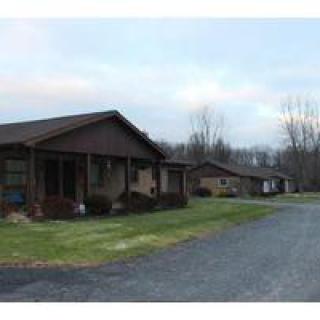
Hospitality Care Center Of Her in Hermitage, PA is best suited for families prioritizing the lowest possible cost and tolerating a severely basic environment. This community works only if residents require limited daily assistance and can function with minimal amenities, while families are prepared to supervise care closely. It is not a fit for those seeking modern accommodations, proactive care planning, or strong institutional safety nets. Prospective residents should not expect spacious rooms, robust activity programming, or polished routines, this facility trades on affordability rather than comfort or convenience.
Those weighing alternatives should consider options that offer steadier clinical oversight, cleaner facilities, and more predictable day-to-day operations. If reliable staffing, timely responses to concerns, and clean, well-maintained spaces matter, other local facilities deserve consideration. For residents with higher care needs, complex medication schedules, or mobility issues requiring consistent, attentive monitoring, the risk calculus here shifts unfavorably. Family members who cannot devote time to advocate for residents may find this setting particularly challenging.
On the upside, there is a straightforward appeal in the cost structure and the ability to access basic nursing and rehabilitation services without paying premium rates. Some reviewers describe rehabilitation efforts as functional enough for discharge planning, and a few staff members can be courteous on certain shifts. For families that place a premium on minimizing daily expense and can tolerate a bare-bones environment, these elements offer a tangible baseline level of care, even if they come with notable caveats.
The downsides are substantial and persist across multiple reports. Serious concerns about hygiene and injection practices raise real safety flags, with accounts of injections administered without proper skin preparation and visible dissatisfaction from family members who know clinical norms. The facility’s basic infrastructure is clearly limited: residents often must supply or arrange essential comforts such as their own television, air conditioning, and other essentials, signaling a stark, utilitarian setting. Communication issues, including unreliable phones and inconsistent access to staff, compound frustrations. A policy of “first come, first served” for rehab can create inequities for residents unable to advocate loudly for timely care, and this undermines trust in how needs are prioritized.
Taken together, the pros do not meaningfully offset the cons for most families. Cost alone cannot compensate for questionable safety practices, sanitation lapses, and inconsistent clinical attention. The risk of avoidable harm, from injections mishandled to delays in essential rehab, outweighs the minimal savings gained from choosing a very basic facility. In practical terms, this center should be a last resort for anyone who can access stronger options that deliver cleaner environments, more reliable staffing, and firmer adherence to standard care protocols.
If the decision rests here, a disciplined, proactive oversight plan is non-negotiable. Insist on documented procedures for all injections and wound care, and require clear accountability channels for any care concerns. Obtain a current, detailed staffing schedule with defined roles and coverage, and establish a routine for daily check-ins by a trusted family member or advocate. Verify with state health inspectors and recent resident satisfaction data to confirm improvements or ongoing gaps. In most cases, families will find superior long-term outcomes by choosing alternatives with stronger infection control, better facility upkeep, and more dependable day-to-day care, even if the initial price tag is higher.
 33 resident community capacity
 Skilled Nursing Facility
 Beauty salon
 Cable or satellite TV
 Dining room
 Fully furnished
 Garden
 Housekeeping services
 Kitchenette
 Move-in coordination
 Outdoor space
 Restaurant-style dining
 Small library
 Telephone
 Wi-Fi/high-speed internet available
 24-hour call system
 Activities of daily living assistance
 Assistance with bathing
 Assistance with dressing
 Assistance with transfers
 Diabetes diet
 Medication management
 Mental wellness program
 Special dietary restrictions
 On-duty staff were caring and families advocated for better conditions.




 California's Form 602A: An In-Depth Examination of Senior Care Assessment
 Comprehensive Look at Senior Blood Pressure Charts: Normal and Elevated Levels by Age
 Top Canine Companions for Older Adults