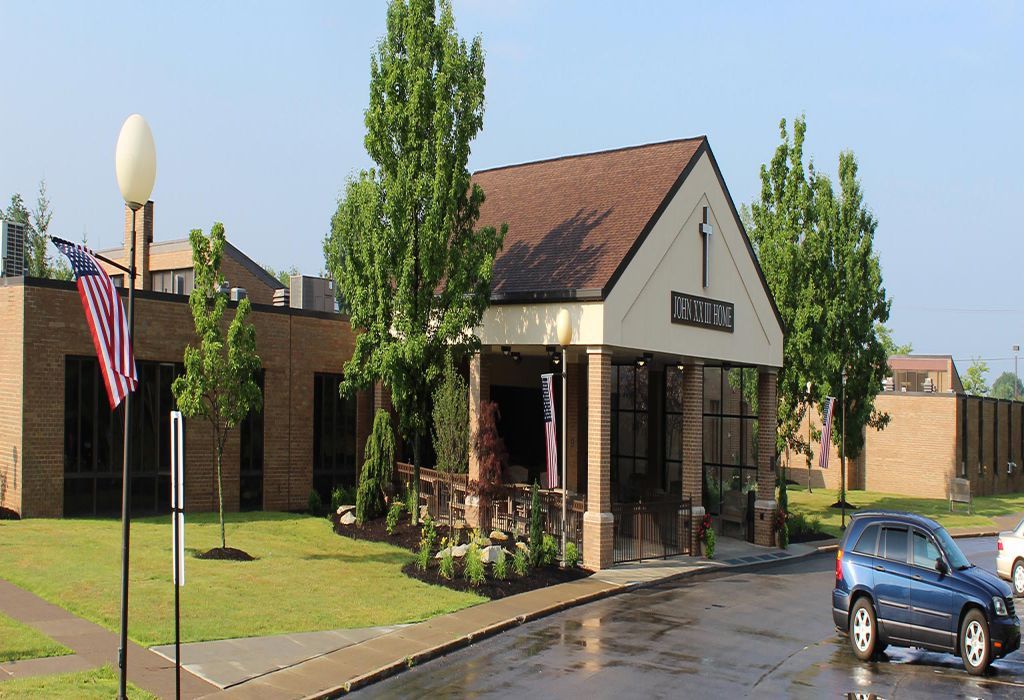

2250 Shenango Valley Freeway, Hermitage, PA 16148
For more information about senior living options: (866) 208-4318
Overall Review of Saint John Home XXIII
Pros
 The staff provided great care during her last months, making her days happy.
- Saint John XXIII Home was described as a godsend, with staff who truly care about their patients.
- The atmosphere is clean and friendly, and the rooms feel like a home.
- Admissions staff and the caregiving team were attentive and helpful in securing a room and caring for residents.
- The facility is very clean, with friendly, attentive nurses who treat residents with dignity.
- Meals offer generous portions, and there is a rich calendar of activities including live music, bingo, bocce, and shuffleboard.
- The center provides amenities such as a beauty shop, chapel services, and various therapies, contributing to a welcoming and supportive environment.
Cons
 The nursing staff and nursing directors are the worst the reviewer has encountered.
- The reviewer notes that residents were not checked on adequately, with incidents of a resident being found on the floor.
- Several nurses seemed annoyed when patients requested help, undermining care.
- A few staff members did not know how to operate a supplemental oxygen tank.
- Admissions showed a lack of professionalism and failed to return calls.
- There is a persistent lack of staff, leading to delayed responses to nurse calls.
- Tours left the reviewer with the impression that the staff were unfriendly and the facility felt rushed.
Review
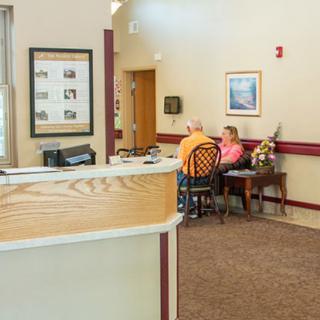
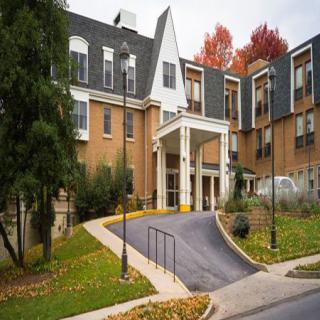
Saint John XXIII Home in Hermitage is best suited for seniors who want a warm, home-like setting with the option of on-site skilled nursing, a faith-friendly atmosphere, and a steady slate of social and therapeutic activities. The community tends to reward families seeking clean, calm surroundings, larger private rooms, and easy access to rehabilitation services, chapel offerings, and a salon. In short, it suits residents who prize a welcoming, community-oriented feel and who can benefit from nearby therapy, while having a support network to stay engaged with care planning and daily routines.
Exactly who should weigh alternatives? Families facing high acuity or persistent, hard-to-meet care needs should look elsewhere. Several reviews flag inconsistent staffing, slow responses to call bells, and gaps in practical care, including assistance with mobility or medical equipment. For those whose loved one requires constant supervision, rapid response, or very consistent nursing attention, another facility with higher staffing ratios and stronger day-to-day oversight may offer more reliability. Prospective residents who have had negative impressions of admissions responsiveness or who want a program with uniformly perceived warmth across all shifts will want to explore other options.
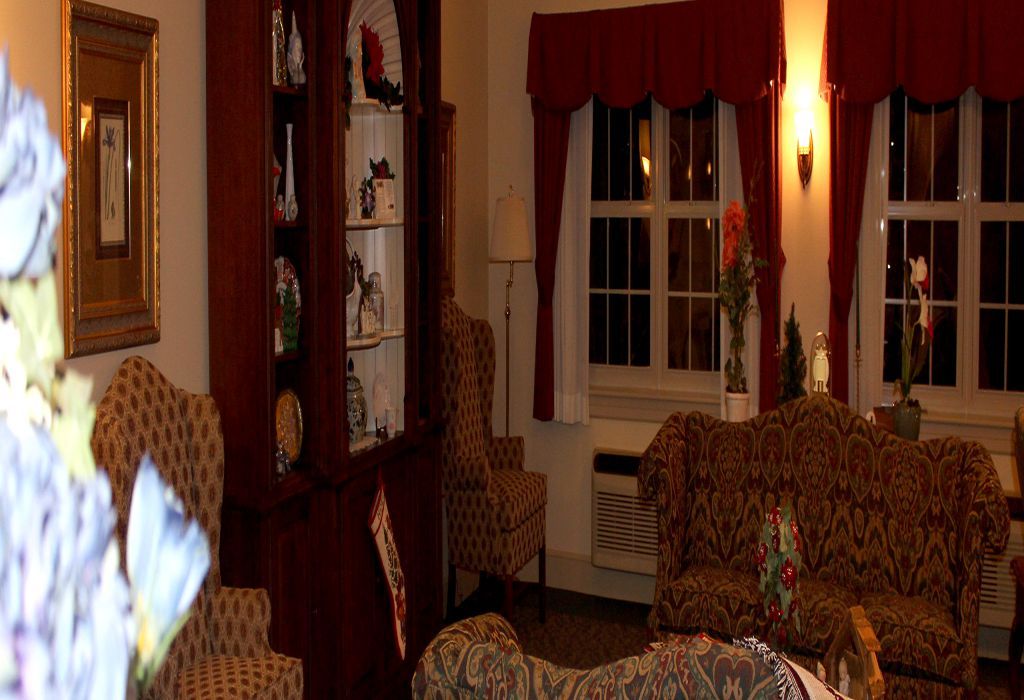
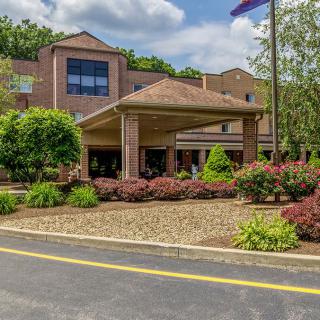
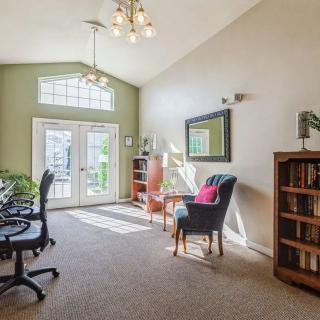
The strongest positives center on environment and engagement. The site is repeatedly described as clean, calm, and well maintained, with a real home-like atmosphere that residents and visitors notice and appreciate. Staff who do connect with residents are praised for attentiveness and kindness, and the place offers substantial social programming: frequent live music, bingo, bocce and shuffleboard, regular beauty shop visits, and accessible religious services. Rooms are described as spacious, and the facility supports a mix of dining arrangements, including private seating areas and a chapel setting, which helps many families feel their loved ones can participate in meaningful routines. The attached skilled nursing unit is a meaningful asset for transitions and ongoing care when needed, reducing the stress of moving again if medical needs escalate.
Yet the cons are consistently serious enough to shape decisions. Several reviews point to inconsistent staffing levels that lead to delays in assistance, with some staff perceived as irritated when residents ask for help. Practical gaps, such as staff unfamiliarity with operating certain medical equipment, or uneven quality of care across shifts, underscore a need for vigilant oversight and clear escalation channels. Admissions and outreach experiences also vary, with some families reporting slow or unreturned calls. While the facility’s clean, homelike vibe and the competence of a portion of the staff help, these reliability concerns can be a critical counterweight for families balancing daily care needs and long-term planning.
The pros can offset the cons for families who actively partner with the community. When care teams are at their best, Saint John XXIII excels as a sanctuary that supports not only physical wellness but emotional and spiritual well-being, with a welcoming social calendar and accessible therapies. The homey environment, room size, cleanliness, and on-site amenities matter deeply for residents who value dignity and a sense of normalcy in daily life. The attached skilled nursing option also means fewer moves if health needs rise, which is a meaningful peace of mind for many families. Taken together, these elements can justify choosing Saint John XXIII for well-matched residents who can tolerate occasional staffing gaps and who will stay engaged with proactive care planning.
The bottom-line recommendation is pragmatic: Saint John XXIII XXIII is a solid fit for families prioritizing atmosphere, accessibility to therapies, and a faith-infused, socially active setting, provided there is a clear plan to monitor staffing adequacy. Prospective residents should schedule multiple visits, observe staffing patterns across shifts, and request candid discussions about response times, fall prevention, and equipment training. Talk with admissions about a trial period or detailed care schedules, and speak with current residents or families about the consistency of daily care. If reliable staffing and steady, proactive care are non-negotiable, it is wise to compare with facilities known for higher nurse-to-resident ratios and more uniform experiences. If those criteria align with a loved one’s needs, Saint John XXIII can still be a comforting, well-rounded home that supports dignity, faith, and meaningful daily life.
 98 resident community capacity
 Assisted Living
 Independent Living
 Respite Care
 Skilled Nursing Facility
 Air-conditioning
 Beauty salon
 Cable or satellite TV
 Computer center
 Dining room
 Fitness room
 Fully furnished
 Gaming room
 Garden
 Housekeeping services
 Kitchenette
 Move-in coordination
 Outdoor space
 Private bathrooms
 Restaurant-style dining
 Small library
 Telephone
 Wellness center
 Wi-Fi/high-speed internet available
 Community operated transportation
 12-16 hour nursing
 24-hour call system
 Activities of daily living assistance
 Assistance with bathing
 Assistance with dressing
 Assistance with transfers
 Diabetes diet
 Medication management
 Mental wellness program
 Special dietary restrictions
 Concierge services
 Planned day trips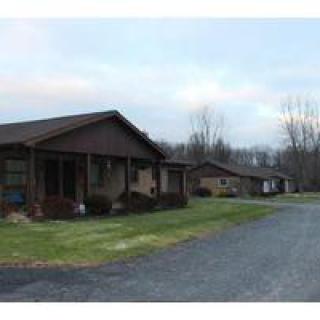


 Vibrant Senior Living: A Comprehensive Guide for Active Older Adults
 When to Transition from Assisted Living to Memory Care: Key Indicators, Steps, and Finding the Right Community
 Assisted Living and Memory Care: Understanding Their Core Differences