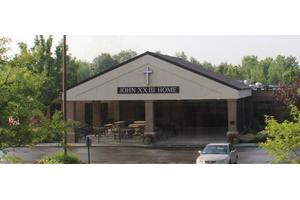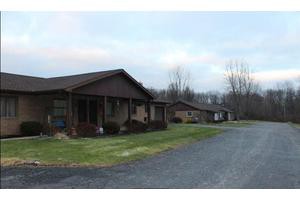
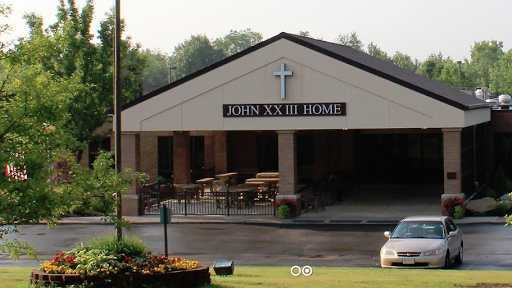
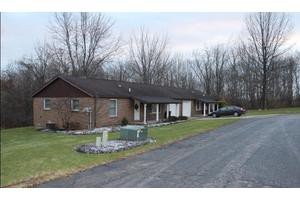
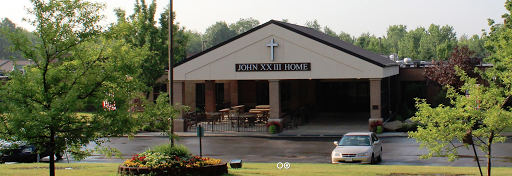
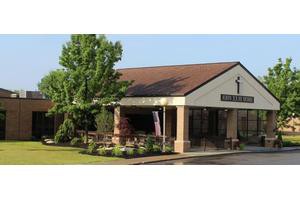
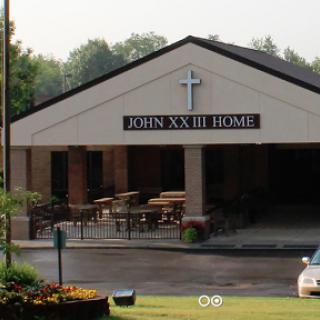
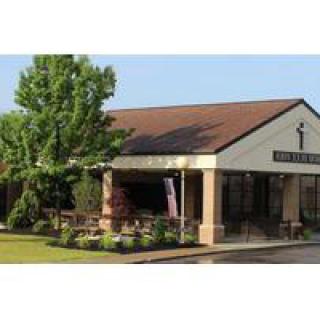
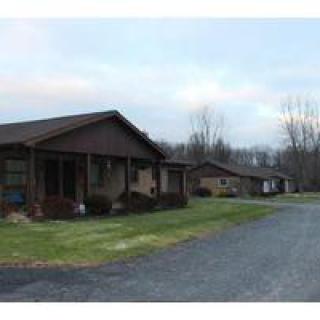
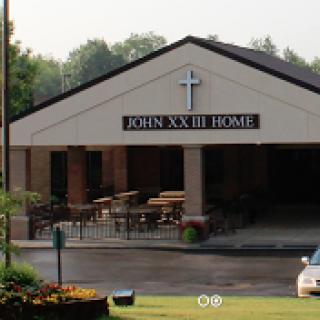
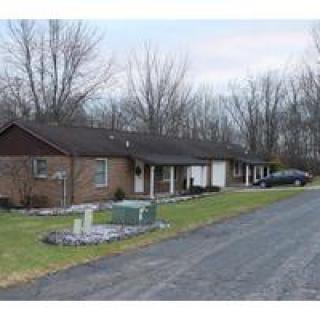
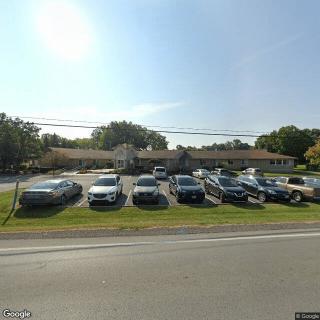
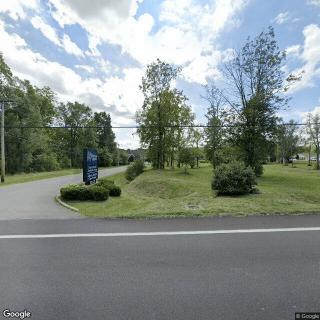
2250 Shenango Valley Fwy, Hermitage, PA 16148
To contact a resident: (724) 981-3200
For more information about senior living options: (866) 208-4318
Overall Review of Saint John Xxiii Home
Pros
 They provided great care for her during her final months.
- St. John, the 23rd, was a godsend during her last months.
- The staff truly care about their patients.
- The atmosphere was clean and friendly.
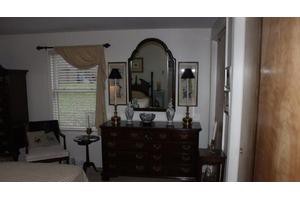
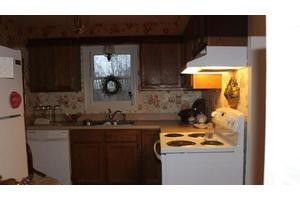
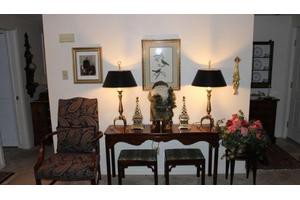
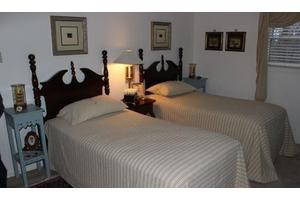
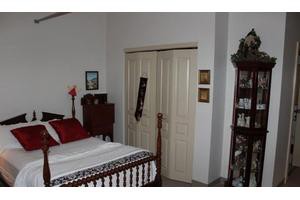
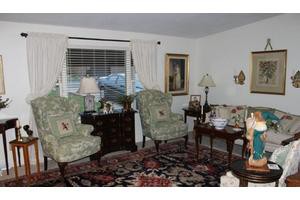
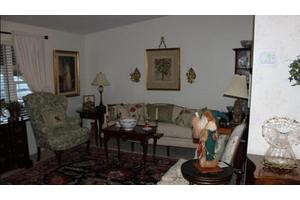
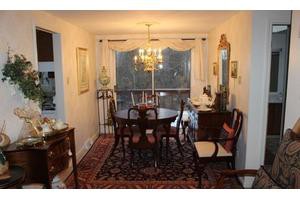
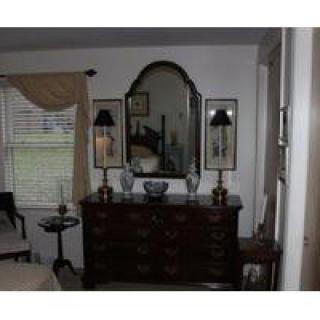
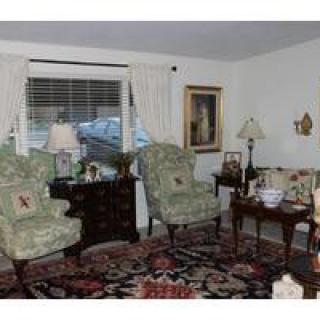
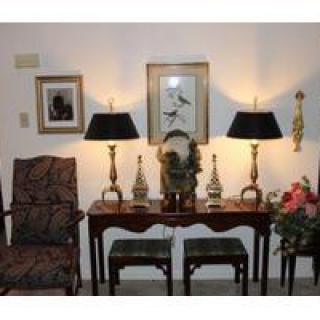
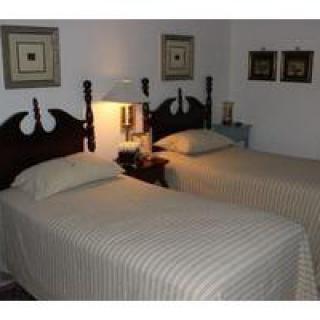
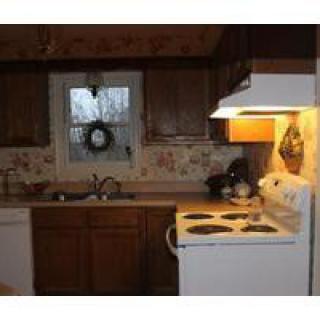
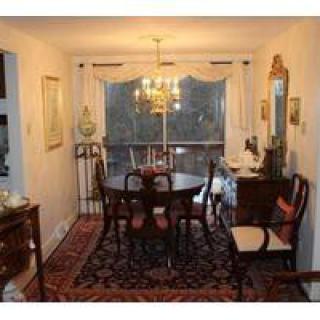
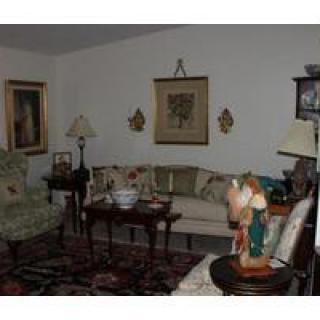
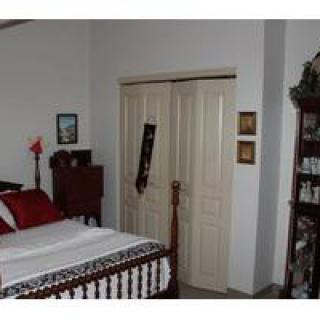
- Each room is set up like a home.
- The aides and nurses helped her and made her smile daily.
- The staff are angels on earth.
- Chrissy in admissions helped secure a room for Mom.
- The facility is by far the cleanest.
- The staff are very friendly and the nurses are attentive.
- There are large portions of food with all meals.
- There are fun activities scheduled throughout the month, including weekly live music, bingo, and bocce and shuffleboard.
Cons
 They could be a little more attentive to residents.
- The staff are blamed for issues because a resident can't push the call button, instead of being checked on.
- They are not impressed; they could do better.
- The nursing staff and nursing directors are the worst I’ve ever come across.
- The nursing and rehab care are so bad.
- Some nurses seemed annoyed when a patient requests help.
- Some staff did not know how to operate a supplemental oxygen tank.
- They need to get strong management; what is going on there is not working very well.
- Admissions lacks professionalism and fails to return a potential client’s calls.
- There is a lack of staff; nurses sometimes don’t respond to a nurse call for a long period.
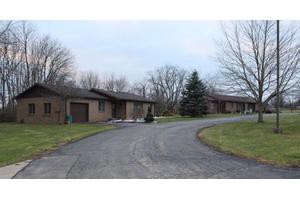
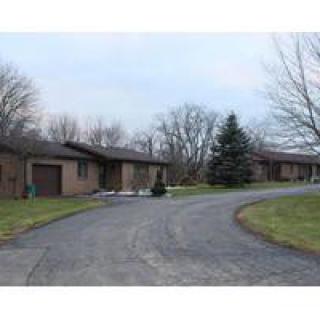
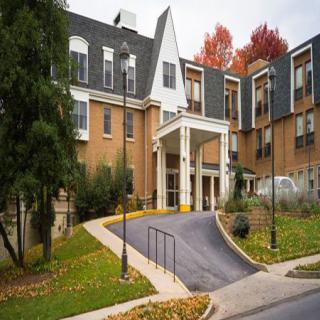
- The facility looks great but is deceiving.
Review
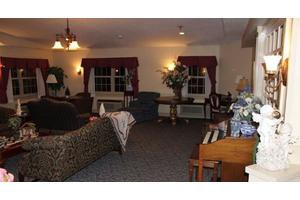
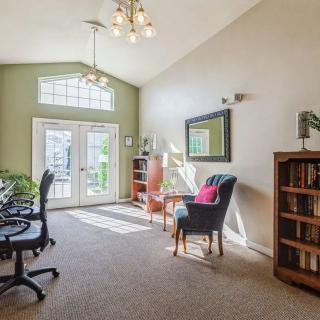
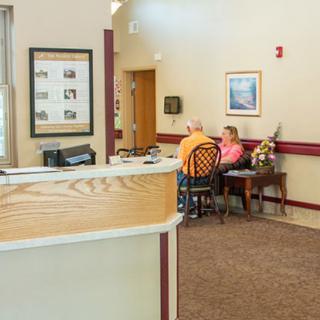
Saint John XXIII Home in Hermitage is best suited for families seeking a warm, home-like atmosphere where daily life centers on genuine caregiver attention, cleanliness, and engaging activities. This community tends to appeal to residents who respond well to routine, friendly faces, and a setting that feels less like a hospital and more like a comfortable residence. Families prioritizing visible care practices, social programming, and a clean, welcoming environment will find value here. The facility’s charm rests in its lived-in warmth, approachable admissions assistance, and amenities such as a beauty shop, cable and in-room connectivity, and regular group activities that create a sense of community.
Yet, several realities warrant careful consideration. For loved ones who require consistently reliable staffing, rapid response to calls, and tightly managed medical oversight, alternatives may be wiser. Multiple reviews flag uneven staff responsiveness, with buzzer moments going unanswered or delayed. The most serious cautions center on care gaps and questions about how well the team can manage higher-needs residents, including those with Parkinson’s or dementia who depend on proactive supervision. Families should be prepared to scrutinize staffing levels and the facility’s ability to translate compassion into consistent, timely attention.
On the positive side, the facility earns credibility through its cleanliness and the impression of a well-maintained environment. Caregivers frequently come across as genuinely caring, and the atmosphere is described as clean and friendly with rooms set up to feel like home. Residents and families highlight substantial portions at meal times, a steady stream of activities, live music, and structured recreational programs that keep daily life engaging. These strengths can meaningfully offset less-than-ideal aspects by preserving dignity, happiness, and a sense of normalcy, especially for residents who thrive on social engagement and routine.
The most troubling threads concern staffing consistency and administrative responsiveness. Reports of understaffing translate into longer waits for assistance and occasional lapses in care. Some staff members are described as either overwhelmed or unfriendly, and several reviews raise red flags about training gaps, including basic tasks like operating oxygen equipment. Adverse impressions of leadership, whether caused by slow admissions follow-up or perceived management gaps, diminish trust and complicate care planning. In short, the core risk is safety and reliability, not atmosphere, which makes these concerns central to any decision.
Practical decision-making guidance centers on due diligence and direct observation. Prospective families should schedule visits across different shifts to gauge call-bell response times, talk with front-line caregivers about training, and review current care plans with the team. Clarify staffing ratios, request examples of personalized care for dementia/Parkinson’s residents, and ask about escalation processes when concerns arise. If possible, request a short-term stay or trial period to assess how care feels on a day-to-day basis and whether staff follow through on promises. A transparent path to accountability can make a decisive difference.
Bottom line: Saint John XXIII Home delivers a distinctly homey, engaging environment with a level of warmth that families often remember fondly. The clean facility, social programming, and approachable staff mindset are meaningful strengths that can support emotional well-being and daily happiness. However, persistent questions about staffing consistency, timely assistance, and leadership responsiveness keep this community from being an automatic choice for every family. For those prioritizing steady, highly reliable care and strong clinical oversight, exploration of alternatives is prudent. For others who can maintain vigilant oversight and value a warm, activity-rich setting, Saint John XXIII may be a fitting option, provided expectations are clearly aligned with the realities of staffing and care management.
 Assisted Living
 Activities on-site
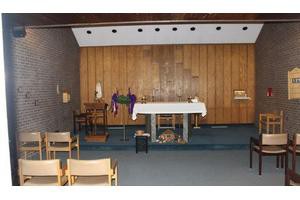
 Devotional services off-site
 Indoor common areas
 Ambulatory care
 Diabetic care
 Meals provided

 Senior Transition Services: Understanding Their Role, Cost, and Importance
 Exploring the Path to Senior Living: A Comprehensive Look at Independent Living and Assisted Living
 Is Assisted Living Deductible on Your Taxes? Understanding the Complexities of Assisted Living Expenses and Deductions