

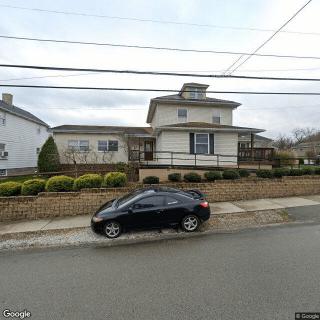
5 SECOND STREET, MASONTOWN, PA 15461
To contact a resident: (724) 322-6376
For more information about senior living options: (866) 208-4318
Divine Healing Personal Care Home Costs & Pricing
Divine Healing Personal Care Home offers competitive pricing for its accommodations, with a monthly cost of $2,000 for semi-private rooms and $3,000 for studio apartments. These rates align equally with the average costs in Greene County, but they present a significant savings compared to the state average in Pennsylvania, where semi-private rooms can reach up to $3,542 and studio units around $3,737. This positioning not only highlights Divine Healing as a cost-effective option for personal care but also underscores its commitment to providing quality services in a supportive environment.
| Floor plans | Divine Healing Personal Care Home | Greene County | Pennsylvania |
|---|---|---|---|
| Semi-Private | $2,000 | $2,000 | $3,542 |
| Studio | $3,000 | $3,000 | $3,737 |
Assisted Living communities with a similar price nearby
-
from -$350 / mo
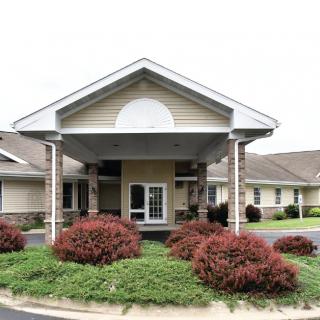
Grandview Estates Of Elizabeth
$1,650 to $1,850 / month23.0 miles away -
from -$200 / mo
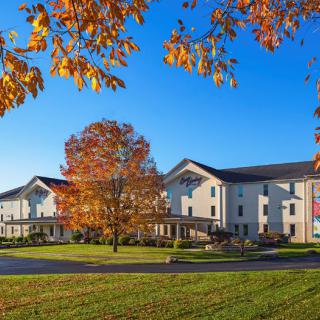
Easy Living Estates of New Stanton
$1,800 to $2,781 / month22.3 miles away -
About the same
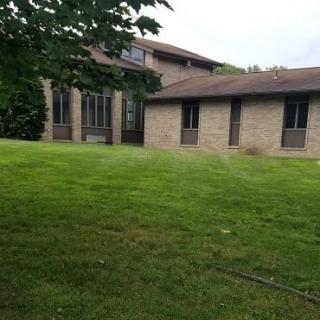
The Faidley House
$2,000 to $3,500 / month19.2 miles away -
from +$100 / mo
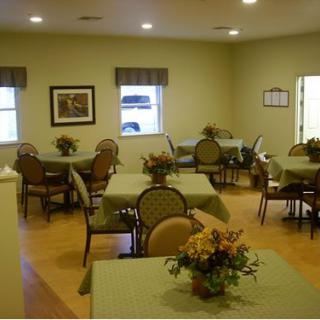
Hallsworth House
$2,100 to $2,500 / month15.1 miles away -
from -$200 / mo
Annalisa SA Touch Of Home
$1,800 to $2,300 / month8.5 miles away
Overall Review of Divine Healing Personal Care Home
Pros
 It is a good place to house a loved one.
- The staff are respectful.
- The pricing is fair.
- It is a small place tucked away.
Cons
 The location is inconveniently tucked out of the way.
- It is described as a small, out-of-the-way place.
- The tucked-away setting could be seen as a drawback.
Review
Divine Healing Personal Care Home in Masontown, PA, is best suited for families seeking a small, affordable, home-like setting where a loved one can receive steady, respectful care without the bustle of a larger campus. The facility presents as an intimate, easy-to-manage environment, prioritizing personal attention and reliability over a wide menu of high-end amenities. In practice, this setup appeals to residents who value dignity, routine, and quiet surroundings, and to families who want predictable costs without sacrificing basic courtesy and oversight. The emphasis on a calm, contained footprint translates into a setting where staff can know residents well, monitor daily needs closely, and foster a sense of security through consistent, person-centered care.
There are clear alternatives that deserve consideration for families with different priorities. If more robust medical services are required daily, or a broader array of social and therapeutic activities is essential, a larger assisted living community or a facility with on-site nursing and a wider staff roster would likely be a better match. For families who prioritize highly structured programming, frequent events, or easier access to specialized providers, exploring other options in the region could prevent compromises on care variety and emergency responsiveness. In short, Divine Healing Personal Care Home shines in simplicity and warmth, but may fall short for those chasing a comprehensive care ecosystem.
Among the standout positives, staff treatment of residents stands out as a meaningful advantage. Respectful, considerate interpersonal care matters greatly to comfort and continuity of daily living, especially for individuals who value routine and familiar faces. Pricing is described as fair, a critical factor for long-term budgeting and peace of mind when care needs may evolve. The small-scale nature of the home, described as a “little place tucked out of the way”, contributes to a quiet, manageable daily rhythm, where staff can stay close to each resident’s habits, routines, and preferences. These elements collectively support dignity, stability, and a predictable financial picture, which many families prize above all else when evaluating options.
However, the modest size of Divine Healing Personal Care Home naturally constrains what can be offered on a day-to-day basis. Fewer beds, limited space, and the inherent constraints of a single-site operation typically mean a narrower menu of activities, social opportunities, and on-site services than larger facilities. For residents with high medical needs or those requiring frequent, hands-on skilled nursing, the model may demand careful planning around external referrals or off-site coordination. Accessibility to advanced equipment, on-call specialists, and diversified programming may be more limited, and families should verify exactly what support is available around meals, transportation, rehabilitation, and emergency responsiveness.
These pros offset the principal drawbacks when the priority is a warm, affordable, low-stress environment. A home-like atmosphere, combined with respectful care and predictable costs, can deliver a quality of life that rivals more expansive campuses for seniors who do not require heavy clinical intervention. The intimate setting often translates into quicker responsiveness to daily signals, hunger, pain, fatigue, or confusion, because staff-to-resident ratios are naturally tighter. In such a context, the quiet, less commercial vibe can genuinely reduce overstimulation and help maintain familiar routines, which matters greatly for residents who thrive on consistency.
The bottom line is practical: Divine Healing Personal Care Home works best for families who want a small, cost-conscious, person-centric option where staff know residents well and the ambiance is calm and private. It is less well suited for those needing extensive medical services, diversified activities, or a bustling social calendar. Prospective families should arrange a visit to confirm staffing levels, care offerings, meal plans, and safety features, and to verify that the level of on-site assistance aligns with the resident’s current and anticipated needs. With clear expectations and careful assessment, this community can deliver a comfortable, respectful home environment that preserves independence and dignity without the overhead of larger facilities.
 Assisted Living
 Activities on-site
 Devotional services off-site
 Indoor common areas
 Ambulatory care
 Diabetic care
 Meals provided


 Senior Transition Services: Understanding Their Role, Cost, and Importance
 Exploring the Path to Senior Living: A Comprehensive Look at Independent Living and Assisted Living
 Is Assisted Living Deductible on Your Taxes? Understanding the Complexities of Assisted Living Expenses and Deductions