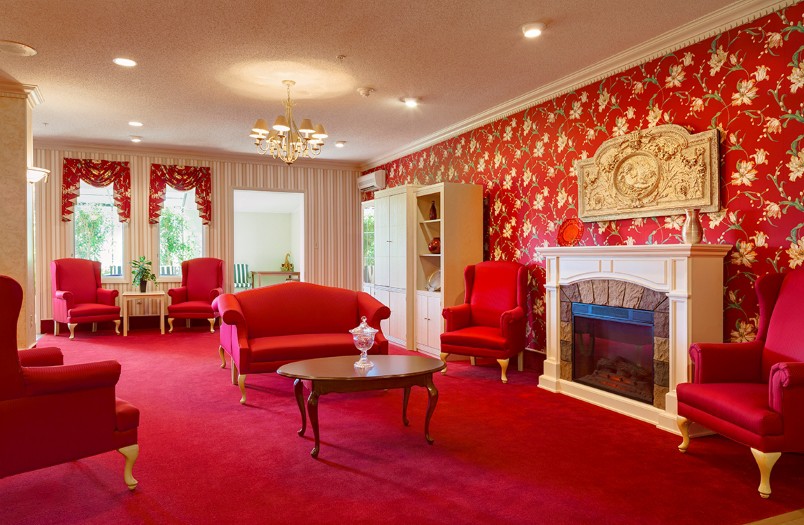

1 Easy Living Drive, Hunker, PA 15639
To contact a resident: (724) 925-1159
For more information about senior living options: (866) 208-4318
Easy Living Estates of New Stanton Costs & Pricing
Easy Living Estates of New Stanton offers competitive pricing for its accommodations when compared to the averages in Westmoreland County and across Pennsylvania. For a studio, residents can expect to pay $1,800 per month, significantly lower than the county average of $3,436 and the state average of $3,737. The one-bedroom option is available at $2,600, again providing substantial savings compared to both regional ($3,433) and state-level ($4,006) pricing. Additionally, the semi-private rooms are priced at $2,781, which is quite reasonable in light of the county's average of $2,955 and the higher state average of $3,542. This makes Easy Living Estates not only an appealing choice for those seeking affordable yet quality living arrangements but also highlights its commitment to delivering value within the community.
| Floor plans | Easy Living Estates of New Stanton | Westmoreland County | Pennsylvania |
|---|---|---|---|
| Studio | $1,800 | $3,436 | $3,737 |
| 1 Bedroom | $2,600 | $3,433 | $4,006 |
| Semi-Private | $2,781 | $2,955 | $3,542 |
Memory care communities with a similar price nearby
-
from -$150 / mo
Grandview Estates Of Elizabeth
$1,650 to $1,850 / month14.3 miles away -
from -$100 / mo

Nor-Ridge
$1,700 to $2,500 / month11.8 miles away -
from +$160 / mo
Redstone Highlands
$1,960 to $4,730 / month12.7 miles away -
from +$300 / mo
Hallsworth House
$2,100 to $2,500 / month15.6 miles away -
from +$350 / mo
Senior Care Plaza
$2,150 to $2,575 / month17.7 miles away
Overall Review of Easy Living Estates of New Stanton
Pros
 The staff are competent, caring, and clean.
- The facility and resident suites are always clean and tidy.
- The staff treat residents with kindness and dignity.
- The facility is well laid out and easy to navigate.
- The care team provides excellent, attentive care and the management is accessible and helpful.
- The environment is warm, welcoming, and feels like home.
- Residents enjoy engaging activities, entertainment, and personal touches like a salon hairdresser and music playlists.
- The rural outdoor setting and scenery provide a pleasant backdrop for residents.
Cons
 They found the food not very good and the portions small.
 - They described the facility as having very restricted use of amenities and overpriced for what is offered.
- They noted intravenous care could not be provided on site, requiring IVs to be done elsewhere, which could be an issue for residents.
- They felt there were not enough activities, and that what was advertised did not reflect reality.
- They believed there were not enough aides to meet residents’ needs.
Review
Easy Living Estates of New Stanton is best suited for families seeking a clean, well-staffed assisted-living option where daily routines are predictable and resident dignity is a clear priority. The strongest, most repeatable advantages center on the caregiving cadre: competent, caring staff who maintain a spotless environment and a layout that is easy to navigate. For families wanting a homelike setting with spacious suites, consistent housekeeping, and a sense that the operation is well managed, this community delivers reliability and comfort. It is particularly well-suited for residents who do not require high-acuity medical support and who value a steady, person-centered approach to daily care.
That said, several realities push families to consider alternatives. Medical complexity is a deciding factor for some: the facility does not handle intravenous care on site, which means residents needing that level of medical attention will need external arrangements. Another constraint is the dual-residence dynamic; reviews describe restrictions around using facilities that can complicate couples wishing to live together. Price sensitivity also enters the calculus: some families feel the value does not fully align with offerings, especially when activity depth and culinary variety fall short of expectations. These factors can steer a decision toward communities with broader medical capabilities, more flexible living arrangements for couples, or a more robust dining and activity program.
The strongest positives, staff dedication, consistent cleanliness, and a homelike atmosphere, often offset the stated drawbacks for many residents. Caregivers are described as kind, attentive, and available, with a sense that aides and nursing staff know residents well and treat them with dignity. Daily amenities, such as a salon, personal music experiences, and diligent housekeeping, contribute to a sense of well-being and routine. Leadership accessibility also shines through in families’ perceptions, reinforcing confidence that concerns will be heard and acted upon. For families prioritizing dependable companionship and a calm, predictable environment, these factors make a meaningful difference.
Another clear strength is the human dimension of care. Several reviews highlight relationships that feel longstanding and comforting: staff who become familiar with individual histories, administrators who listen and implement suggested improvements, and a willingness to coordinate hospice or comprehensive personal care as needed. The rural-appeal and outdoor opportunities offered by the setting provide a balance of serenity and familiarity that resonates with many residents and families. When the priority is a trustworthy daily life with steady routines and a sense of community, these elements offer substantial reassurance and a concrete reason to choose this path over more clinical or impersonal options.
Yet the cons deserve careful attention. Food quality is uneven in the eyes of some families, with meals occasionally falling short of expectations for flavor or variety. Activity programming, while present, can feel aspirational rather than deeply engaging, leading to gaps in daily stimulation for residents who crave a richer calendar. Operational weaknesses flagged by reviewers, such as the desire for more aides, front-door wheelchair accessibility updates, and improved signage, signal ongoing opportunities for improvement that could affect day-to-day responsiveness. Price remains a dominant consideration for those weighing long-term value, particularly when the perceived scope of services or amenities does not fully align with the monthly cost.
In conclusion, the community earns solid marks for dependable care, cleanliness, and a reassuring, home-like atmosphere that many families value highly. It is a practical choice for residents who prioritize stable staffing, clear communication, and a straightforward care plan without the need for intensive medical services or complex spousal arrangements. For those whose priorities include robust dining options, a richer activity calendar, or on-site capabilities for advanced medical needs, alternatives are likely to offer better alignment with expectations and budget. Prospective families should probe current staffing ratios, plans to address IV therapy or other medical gaps, dining improvements, and policies surrounding couples’ living arrangements. With focused questions and a clear comparison to viable options, the right fit will emerge with confidence.
 Assisted Living
 Independent Living
 Memory Care
 Activities off-site
 Beautician on-site
 Devotional services off-site
 Indoor common areas
 Outdoor common areas
 Respite or short term stays offered
 Wheelchair accessible showers
 Ambulatory care
 Diabetic care
 Incontinence care
 Medication management
 Meals provided




 Vibrant Senior Living: A Comprehensive Guide for Active Older Adults
 Assisted Living and Memory Care: Understanding Their Core Differences
 Choosing the Right Senior Care: A Detailed Exploration of Assisted Living and Nursing Homes