
111 Hydrangea Lane, Mount Pleasant, PA 15666
For more information about senior living options: (866) 208-4318
Susan S Victorian Cottage Costs & Pricing
Susan S Victorian Cottage offers competitive pricing for its accommodations, particularly when compared to the broader market in Westmoreland County and across Pennsylvania. For a semi-private room, the cost at the cottage is $1,400 per month, significantly lower than the county average of $2,955 and the state average of $3,542. Similarly, for private rooms, Susan S Victorian Cottage charges $1,600 monthly, which is again more affordable than Westmoreland County's average of $3,914 and Pennsylvania's statewide average of $4,890. This pricing structure underscores the value provided by Susan S Victorian Cottage while maintaining a commitment to quality care and comfort.
| Floor plans | Susan S Victorian Cottage | Westmoreland County | Pennsylvania |
|---|---|---|---|
| Semi-Private | $1,400 | $2,955 | $3,542 |
| Private | $1,600 | $3,914 | $4,890 |
Assisted Living communities with a similar price nearby
-
from +$250 / mo
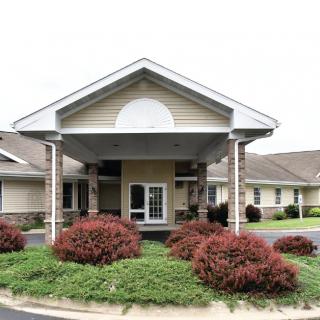
Grandview Estates Of Elizabeth
$1,650 to $1,850 / month20.6 miles away -
from -$110 / mo

The Residence at Arrowood
$1,290 to $3,570 / month24.8 miles away -
from +$100 / mo

William Penn Care Center
$1,500 to $6,300 / month17.4 miles away -
About the same

The Gardens Of Lincoln Court
$1,400 to $2,200 / month23.9 miles away -
from +$100 / mo
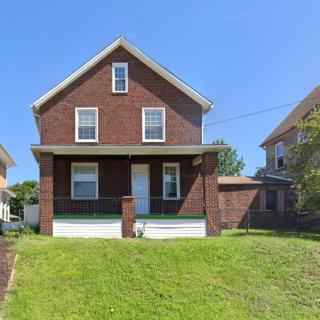
MS Care LLC
$1,500 to $2,200 / month22.2 miles away
Overall Review of Susan S Victorian Cottage
Pros
 The staff is wonderful and caring.
- Ronelle is very friendly and easy to work with.
- Everyone here is very friendly.
- The place is well kept and clean.
- They do a great job looking after the residents.
- The menu looks good.
- The community is small and has a homey feeling.
Cons
 The management is not cooperative when it comes to the care that is needed.
- They do not always listen to the information needed for care.
- They need to improve and offer more activities and small trips away from the community.
Review
Susan S Victorian Cottage is best suited for seniors who want a compact, home-like setting with personal warmth from a small, responsive staff. The community serves residents who value a cozy, low‑key atmosphere over the buzz of a large campus, and who prefer straightforward daily routines anchored by attentive care. The operator’s presence, Ronelle, is repeatedly described as approachable, which helps families feel involved without feeling overwhelmed by bureaucracy. The environment itself reinforces a sense of belonging: clean, well maintained, and inviting. For families seeking a place that feels like home and places emphasis on steady, daily caregiving over big programming, this cottage stands out as a strong option.
That said, there are clear caveats. The very small scale that yields intimacy can also hamper care coordination, and that risk is not trivial here. Several reviews note that staff are kind and capable, yet the management’s responsiveness to care information can be uneven, and changes to care plans aren’t always acted on promptly. For residents with fluctuating medical needs or complex care requirements, this inconsistency can translate into real-day friction. The dining menu is promising, but it cannot compensate for gaps in communication or the absence of a robust system to relay important updates. Additionally, the activity calendar and off-site excursions are limited, which matters for those who measure quality of life by opportunities for social engagement and exploration.
On balance, the positives do carry real weight for the right resident. The staff’s genuine warmth and the residents’ friendliness establish a trustworthy, comfortable daily rhythm, helping new arrivals settle in quickly. The facility’s cleanliness and upkeep reinforce the sense of safety and reliability in routine care. Ronelle’s leadership is frequently cited as a practical, easy-to-work-with presence that gets results where possible, which matters greatly when navigating transitions into caregiving. The menu’s perceived quality adds to satisfaction, giving families reassurance that nutrition will be cared for. In short, the core environment is dependable and inviting; it just requires a willing focus on improving care coordination to reach its full potential.
Nevertheless, the central drawback remains: care information and changes do not consistently flow to, and through, the management layer. This friction can undermine day-to-day safety and comfort if medical updates, preferences, or special requests aren’t captured and acted upon quickly. The small scale, while intimate, also limits resource depth, fewer staff, fewer specialists, and fewer opportunities for diverse activities or targeted programming. Some residents will adapt to the predictable routine, but others may feel stifled by limited outings and a thinner calendar. The risk is that needs beyond the basics, pacing, specialized therapies, or frequent social events, may not be satisfactorily met without deliberate, ongoing advocacy from family members or a more proactive administrative posture.
For families evaluating Susan S Victorian Cottage, a practical approach matters most. Schedule a candid session focused on how care plans are crafted, updated, and communicated; request a concrete care plan sample and a direct contact for ongoing updates. Review an actual activity calendar and ask for recent examples of outings or in-house programs to gauge whether the offerings align with the resident’s interests. Observe a trial stay with attention to how quickly staff respond to specific requests and whether information flows smoothly after shift changes or weekends. Confirm a clear escalation pathway for concerns and ensure accessibility of the administrator. If proactive care coordination and a richer activity slate are essential, it may be worth exploring alternatives with stronger scaffolding.
In the end, Susan S Victorian Cottage delivers a warm, trustworthy option for Mount Pleasant, especially for seniors who prize a homey vibe, a clean environment, and staff who are plainly invested in residents’ well-being. The decision hinges on care coordination and programming expectations: if those areas can be met through focused communication and a more active care plan process, this community can be an excellent fit. If, however, tenants require consistently proactive care management and a robust calendar of social adventures, families should view this as a signal to compare other options that offer tighter coordination and broader engagement opportunities. The cottage remains a compelling choice for the right profile, just ensure the care‑planning and activity components align with resident needs before committing.
 16 resident community capacity
 Assisted Living
 Board and Care Home
 Activities off-site
 Air-conditioning
 Bath tubs
 Beautician on-site
 Cable or satellite TV
 Devotional services off-site
 Dining room
 Fully furnished
 Garden
 Handicap accessible
 Housekeeping services
 Indoor common areas
 Move-in coordination
 Outdoor common areas
 Private
 Private bathrooms
 Respite or short term stays offered
 Telephone
 Wheelchair accessible showers
 Wi-Fi/high-speed internet available
 24-hour supervision
 Ambulatory care
 Assistance with bathing
 Assistance with dressing
 Assistance with transfers
 Diabetes diet
 Diabetic care
 High acuity care
 Incontinence care
 Meal preparation and service
 Medication management
 Special dietary restrictions
 Transportation arrangement (medical)
 Transportation to doctors appointments
 BBQs or picnics
 Birthday parties
 Day trips and outings
 Live musical performances
 Trivia games
 Wii bowling




 Understanding Medicaid Coverage for Assisted Living: A Comprehensive Guide
 How and When Medicaid May Cover Assisted Living Costs
 A Detailed Exploration of Assisted Living Medicaid Waivers Across the United States