Overall Review of Scottdale Healthcare And Rehabilitation Center
common26 reviews mention this
Staff feel truly caring
Residents and families repeatedly describe staff as kind, attentive, and supportive.
Across many reviews, people praise the staff for treating residents like family and pitching in to help beyond basics. Several reviewers specifically mention nurses, CNAs, and therapy staff as compassionate, encouraging, and responsive to individual needs. Even among critical reviews, a few comment positively about aides while calling out problems elsewhere, which reinforces that the experience varies by role and shift.
common11 reviews mention this
Therapy supports real progress
Therapy is frequently described as helping residents regain strength and independence.
Multiple reviews point to the therapy department as a key reason their loved one improved, including getting stronger and pushing further than expected. Some reviewers mention specific therapy experiences like starting right away after a hospital transfer or receiving wound care and skilled nursing support alongside therapy. A small number of critical reviews dispute the level of therapy received, so the day-to-day consistency seems to be a point of disagreement.
common6 reviews mention this
Dining gets mixed reactions
Dining receives both praise for variety and complaints about meal quality.
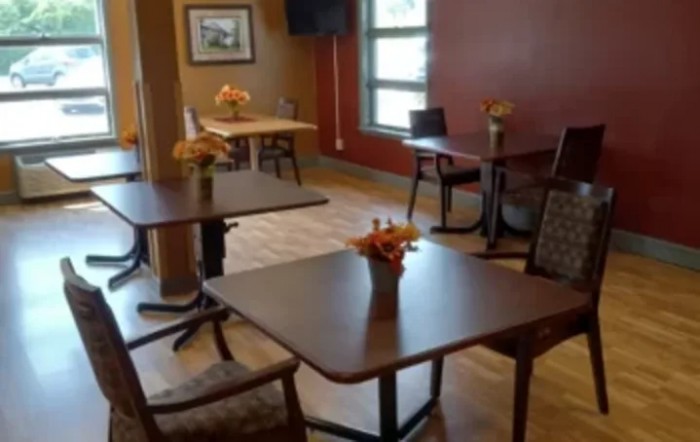
Some reviewers describe food as abundant and note meals and snacks being available to meet preferences. Others mention the dining room experience as a positive part of daily life. At the same time, several critical reviews say meals were terrible or unappetizing, including one that contrasts that point with their overall expectations for rehab.
caveat8 reviews mention this
Call-button responsiveness is a problem
Several reviews criticize long waits for help after using the call button.
A recurring concern in negative reviews is delayed assistance after residents or family members call for help. Multiple reviewers describe waiting nearly an hour or longer, along with situations where basic needs were not met promptly. Some comments also point to understaffing as part of what created the delays, while a few reviews still report positive experiences with kindness and help.
caveat4 reviews mention this
Cleanliness and condition concerns
Some reviews report unsanitary conditions and unpleasant odors.
A set of critical reviews mention the facility as dirty and describe strong unpleasant odors. These comments also pair cleanliness concerns with other issues like staffing and care not meeting expectations. On the positive side, at least two reviewers explicitly describe the facility as clean, suggesting perceptions differ across visits.
How we summarize
Counts show how many written reviews mention each theme; a review can touch several themes, and only frequently mentioned themes are displayed.
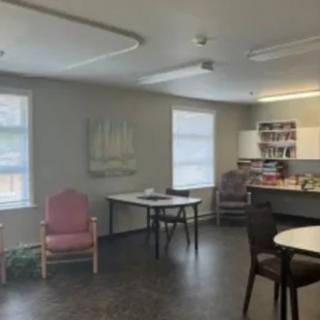
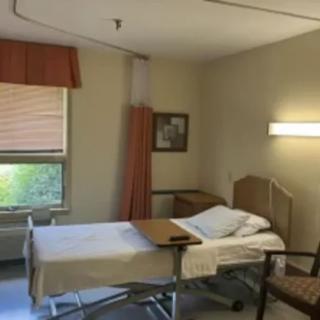
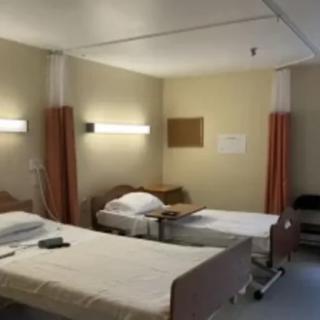
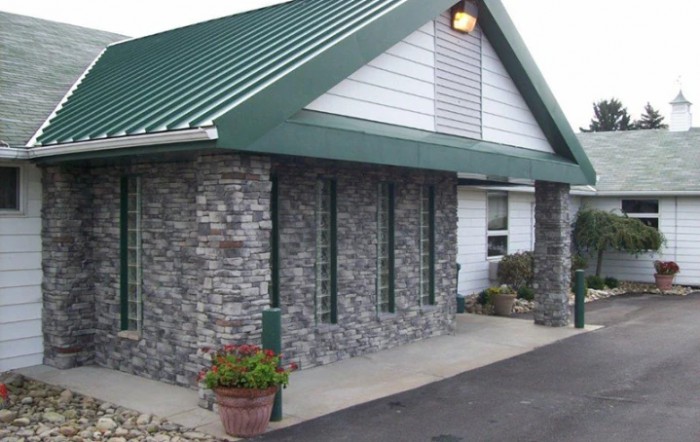
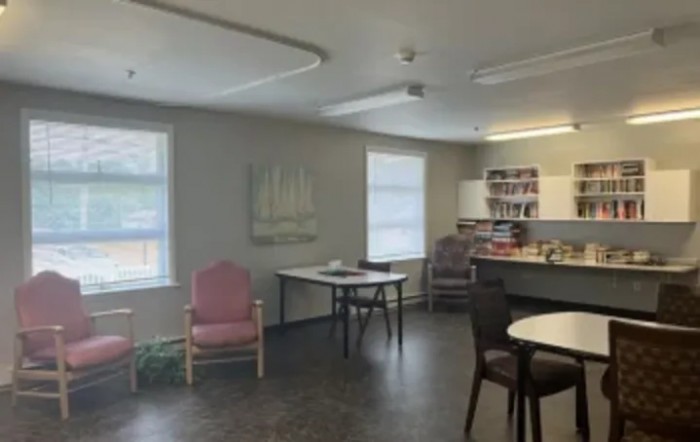
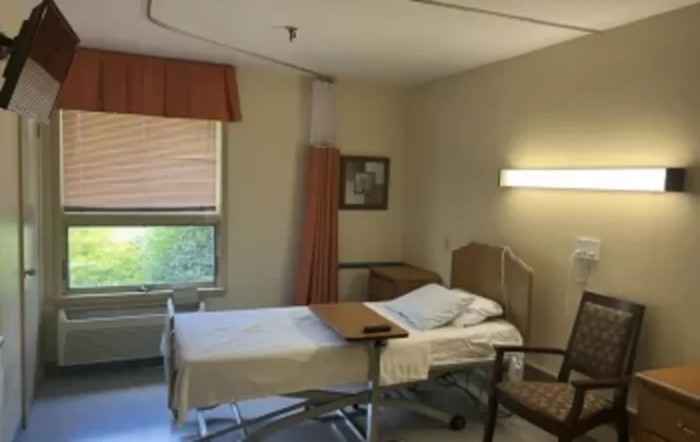
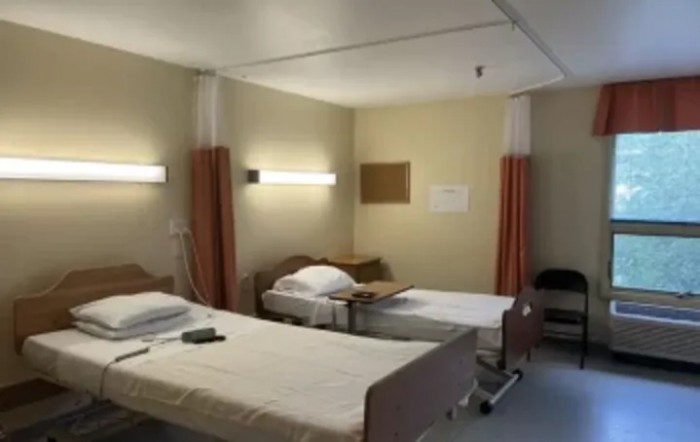
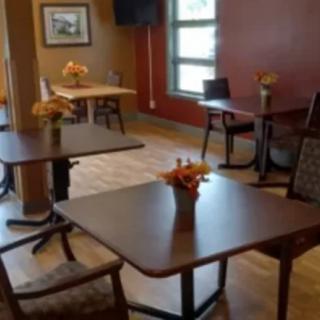
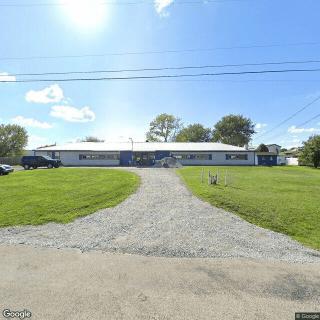
Scottdale Healthcare And Rehabilitation Center on seniors.fyi includes 5 photos including images showing windows, healthcare, dining, cozy atmosphere, building, exterior, potted plant, entrance, and more.
Nearby Communities
Personal Care Home
Scottdale, PA
4.2 from 77 reviews
Compassionate, personalized care in a smaller, homelike setting with attentive staff.
Patik Care Home
SCOTTDALE, PA
4 from 52 reviews
Warm, inviting care with convenient nearby amenities (parks, pharmacies, doctors, restaurants, worship, and hospital).
Jo Ella S Personal Care And Respite Center
Scottdale, PA
1.3 from 3 reviews
Small, personalized care with 24-hour supervision and healthcare coordination.
Jo Ella S Personal Care And Respite Care
Scottdale, PA
1.3 from 3 reviews
Intimate board-and-care setting with personalized 24/7 supervision and diet-friendly meals.
Leah S Victorian Cottage I
Scottdale, PA
4 from 1 review
Cottage-style setting with 24/7 supervision, medication management, and a mental wellness program.
Woodcrest Senior Living Community
Scottdale, PA
4.6 from 16 reviews
High-quality care with attentive staff, clean facilities, and engaging activities.
Susan S Victorian Cottage
Mount Pleasant, PA
4.5 from 4 reviews
$1,400 to $1,600 / month
Caring staff and a clean, homey environment.
Ridgeview Residential Care
Youngwood, PA
4.9 from 19 reviews
$1,700 to $2,200 / month
Friendly, compassionate staff with a clean environment, homemade meals, and engaging activities at an affordable rate.
Medicare covers in-home health care services, which are medical and provided by licensed professionals under a physician's supervision, whereas non-medical personal assistance is generally not covered unless part of a broader skilled care plan. Eligibility for benefits depends on being homebound and needing intermittent skilled services from a Medicare-certified agency, with specific coverage limitations and additional resources available for navigating options.
In-home care is increasingly sought after by older adults for maintaining independence, with average private home care rates in 2025 varying by state and service type, reflecting geographical and local labor market influences. As demand rises, families are considering funding options like Medicaid waivers and long-term care insurance to manage costs effectively while ensuring quality care.
Home health care has become essential for supporting independence among the aging population, offering diverse services such as skilled nursing and rehabilitation in familiar environments, while also incorporating technology for personalized care. Despite its benefits, including improved recovery rates and emotional well-being, challenges like safety, staff availability, and insurance navigation must be managed for effective implementation.
Scottdale Healthcare And Rehabilitation Center photos
×
Interior
Decor
Building
Bedroom
Healthcare
Interior and Kitchenette
Decor, Dining, and Cozy Atmosphere
Bedroom
Windows
Building, Entrance, Exterior, and Potted Plant
Healthcare
Get PricingAsk A QuestionSchedule A TourContact Senior Advisor
By clicking submit, you agree to our Partner's Terms of Use. You
also consent to receive calls and texts, which may be autodialed, from our Partner. Your consent is not a condition to
using our Partner's service. Please visit our Partner's Privacy Policy for information about their privacy practices.

 35 resident community capacity
 Skilled Nursing Facility
 Beauty salon
 Cable or satellite TV
 Dining room
 Fully furnished
 Garden
 Housekeeping services
 Kitchenette
 Move-in coordination
 Outdoor space
 Restaurant-style dining
 Small library
 Telephone
 Wi-Fi/high-speed internet available
 24-hour call system
 Activities of daily living assistance
 Assistance with bathing
 Assistance with dressing
 Assistance with transfers
 Diabetes diet
 Medication management
 Mental wellness program
 Special dietary restrictions
 Compassionate, personalized care in a smaller, homelike setting with attentive staff.



 Navigating Medicare Coverage for In-Home Care Services
 In-Home Care Costs in 2025: A Detailed State-by-State Exploration
 Understanding Home Health Care: A Comprehensive Guide