
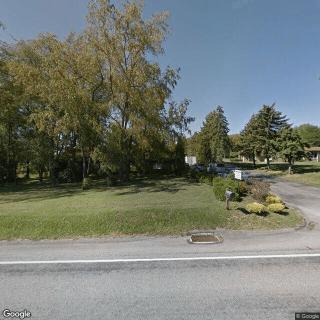
202 Spruce Street, Scottdale, PA 15683
For more information about senior living options: (866) 208-4318
Overall Review of Jo Ella S Personal Care And Respite Care
Cons
 The facility is described as horrible and in need of shutdown.
- It is severely understaffed, with one caregiver for up to 20 patients.
- Residents are not being taken to doctors or seen by medical staff.
- The exit door alarm was reportedly disconnected.
- A 90-year-old resident was mistreated, according to the reviewer.
- The staff allegedly lied when questioned about incidents.
- A resident developed pneumonia without a doctor being brought in, and the reviewer later learned of the death.
Review
This community is best suited for families facing severe budget constraints who can provide constant, hands-on supervision or have a trusted caregiver on site ready to intervene at a moment’s notice. In practical terms, it functions as a last-resort option, suitable only when no better licensed alternative is accessible and when a family member can vigilantly monitor daily care, safety protocols, and staff conduct. The real-world takeaway is that this setting demands relentless oversight; without it, risk to a vulnerable elder escalates quickly. For households unable to commit to that level of ongoing involvement, this home is unlikely to deliver reliable, safe care.
Those weighing alternatives should consider anything with robust staffing, clear oversight, and transparent incident reporting. If a loved one requires regular medical attention, consistent doctor visits, or specialized wound and infection management, other facilities with licensed medical support will serve far better. Prospective movers-up should also demand evidence of active state licensing, documented staff-to-resident ratios, and a proven track record of safety and compliance. Any option that cannot provide verifiable oversight, timely medical response, and clearly established emergency procedures warrants immediate rejection.
The facility’s stated focus includes personal care and respite services, which, on paper, can be interpreted as a basic level of day-to-day assistance. In an ideal scenario, that would translate into help with hygiene, mobility, meals, and companionship. However, the available information suggests these potential benefits do not translate into reliable, continuous care. When weighing this against the questions of safety, accountability, and medical responsiveness, the supposed pros are overwhelmed by concrete, disturbing red flags that undermine any positive attribute.
The cons, by themselves, form a persuasive risk profile. Allegations and documented concerns include a failure to follow state guidelines, a patient exit incident with no timely notification, and signs of mishandling that produced bruises and scrapes. More troubling is the claim that an exit alarm was disconnected, leaving an elderly resident unsupervised and exposed to greater risk. Reports of pneumonia, lack of medical oversight, and delayed or nonexistent physician involvement point to systemic gaps in care. An environment where staff are told to stay quiet about abuses and where door security appears lax is incompatible with responsible personal care. These issues are not minor; they indicate potential for serious harm.
From a decision-making standpoint, these findings translate into clear action steps. Prospective families should demand current licensing status, a detailed staffing plan with ratios, and a documented process for incident reporting and escalation. Insist on seeing recent inspection results, medical on-call arrangements, and proof of regular physician or nurse practitioner visits. Visit the site unannounced at different hours to assess responsiveness, door security, and the truth of care routines. Speak with current residents and independent advocates to gauge day-to-day reality. And if anything feels uncertain or unsafe, move on to a facility with demonstrable, enforceable safeguards.
In sum, this community is not suitable for anyone who cannot accept a high-risk care environment or who cannot provide meticulous, ongoing oversight. The weight of red flags, disregard for safety protocols, understaffing, limited medical oversight, and potential neglect, significantly outweigh any nominal benefits of personal care or respite services. Families should pursue alternatives with proven staffing standards, transparent governance, and reliable medical oversight. If still evaluating options in the area, prioritize facilities with strong state licensure records, proactive safety cultures, and verifiable, compassionate care practices, away from environments where alarms fail, doors aren’t secure, and accountability is questioned.
 14 resident community capacity
 Assisted Living
 Board and Care Home
 Cable or satellite TV
 Dining room
 Fully furnished
 Garden
 Housekeeping services
 Move-in coordination
 Outdoor space
 Telephone
 Wi-Fi/high-speed internet available
 24-hour supervision
 Activities of daily living assistance
 Assistance with bathing
 Assistance with dressing
 Assistance with transfers
 Diabetes diet
 Meal preparation and service
 Medication management
 Special dietary restrictions
 Transportation arrangement (medical)
 Transportation to doctors appointments
 Small, personalized care with 24-hour supervision and healthcare coordination.




 Exploring the Path to Senior Living: A Comprehensive Look at Independent Living and Assisted Living
 Is Assisted Living Deductible on Your Taxes? Understanding the Complexities of Assisted Living Expenses and Deductions
 Assisted Living Support for Veterans: A Complete and Detailed Overview