

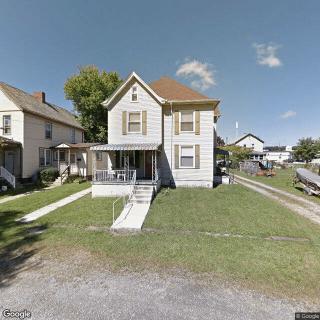
8 S 4th St, Youngwood, PA 15697
To contact a resident: (724) 439-2229
For more information about senior living options: (866) 208-4318
Overall Review of Abby Home Health
Pros
 The in-home worker for the mom is liked.
- The reviewer appreciates the person who works in the home for their mom.
Cons
 The supervisor overseeing the program took months to do her job and had to be reported for not supporting the mother correctly.
- It is described as one of the worst home health care agencies they have encountered.
- The nurse had body odor and would not wash her hands before putting on gloves.
- They could not obtain the supplies they needed, as they were told there were none.
- The workers need hygiene training.
- The reviewers would not recommend the agency to anyone.
Review
Abby Home Health in Youngwood, PA is best suited for families that can tolerate notable leadership gaps while leaning on a trusted frontline caregiver. The strongest asset here is the direct caregiver who actually works with the client, when that relationship clicks, tangible daily warmth and personal attention can be delivered. The problem lies at the top of the program: the administrator or supervisor has proven slow to take action, with concerns that persisted for months and required formal reporting. In practical terms, this agency works best for a family that can supervise, reallocate tasks internally, and buffer the care recipient from managerial inertia.
Those who should consider alternatives are families with substantial or complicated medical needs, where timely decisions, consistent staffing, and reliable operational processes are nonnegotiable. For clients who require rapid issue resolution, rigorous infection-control practices, dependable supply chains, or a consistently present leadership voice, other providers are likely to offer greater peace of mind. Options to explore include other licensed home health agencies known for steadier management and stronger QA, or a direct-hire approach where a trusted caregiver is employed independently and supervised by the family. For those stepping toward a higher level of care coordination, assisted living or memory-care communities may deliver more reliable oversight and a no-surprise care plan.
The few implied advantages center on the personal caregiver connection. A competent, compassionate frontline worker can render meaningful daily support and maintain a humane, person-centered approach. Yet these advantages are undermined if the organization behind the scenes is slow to respond, unable to secure essential supplies, or inconsistent about hygiene and safety expectations. In this context, the caregiver’s reliability becomes tethered to the agency’s leadership, so the positives of a good in-home staff member do not fully offset the risk created by management gaps and systemic operational lapses.
The most troubling takeaways from the lived reviews are concrete and non-negotiable for families evaluating risk. Reported issues include a caregiver with odor and a nurse who failed to wash hands before donning gloves, signaling troubling lapses in basic hygiene and infection-control practice. Supplies were routinely alleged to be unavailable, a symptom of broader resource and logistics shortcomings. Additional concerns point to insufficient hygiene training among staff and a leadership layer that took months to respond or adjust course after problems were raised. Together, these elements create real safety and continuity risks, especially for clients with frailty, chronic conditions, or quality-of-life goals that hinge on consistent, dependable care.
From a decision-making standpoint, these factors translate into a clear sequence: verify the provider’s willingness to implement stringent, documented hygiene protocols; insist on backup staffing and an explicit plan for supply shortages; demand timely escalation procedures and measurable response times from leadership; and compare with other agencies’ track records for stability and quality assurance. Families should require thorough caregiver training records, a written care plan with daily routines, and a guaranteed point of contact who can be reached outside ordinary business hours. Without these safeguards, the realities of the current program, slow leadership, supply gaps, and inconsistent hygiene, pose ongoing risk that cannot be ignored.
In the end, Abby Home Health presents a mixed proposition: a single, well-liked direct caregiver capable of delivering meaningful, compassionate care if properly supported, but a management structure that can undercut reliability and safety. The prudent course is to pursue alternatives unless a clear improvement plan is established, with concrete timelines and verifiable commitments. Prospective clients should line up other reputable providers for comparison, seek references, request a defined service-level agreement, and consider a trial period that includes explicit metrics for responsiveness, supply fulfillment, and infection-control adherence. For those who can manage oversight and demand accountability, Abby Home Health may function as a stopgap; for anyone seeking consistent, worry-free care, the evidence points decisively toward exploring other options.






 In-Home Care Costs in 2025: A Detailed State-by-State Exploration
 Understanding Home Health Care: A Comprehensive Guide
 Home Health Care Demystified: A Comprehensive Guide for Families and Caregivers