
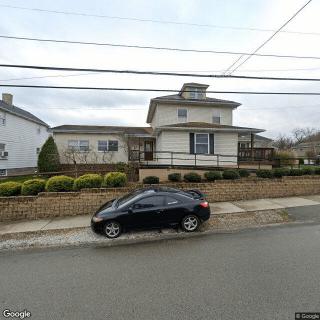
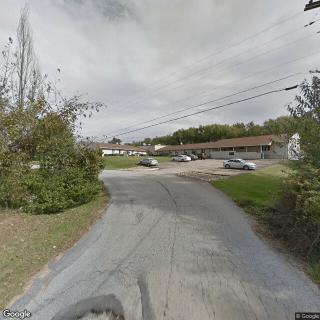
148 Hatfield Road, Smock, PA 15480
For more information about senior living options: (866) 208-4318
Overall Review of Sinclair Personal Care Home
Pros
 The owner really cares about the clients.
- It is a nice place for seniors.
- The home-like atmosphere makes residents feel at home.
- The staff are very nice, courteous, and attentive.
- The workers are hardworking and great with the patients.
- The facility is very clean and meals are prepared fresh with ample food and fluids.
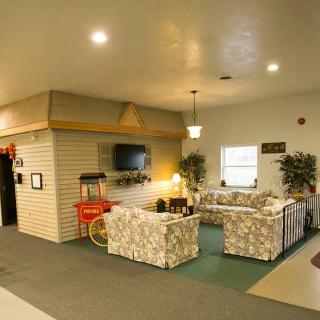
- The owners and staff are caring and attentive, creating a welcoming family atmosphere.
Cons
 The facility is out of business.
Review
Sinclair Personal Care Home in Smock, PA is best suited for seniors who want a small, home-like setting with a genuine family atmosphere and a high touch level of personal attention. The reviews paint a picture of a country-style environment where residents are treated with warmth, meals are prepared fresh, and the staff show courtesy and respect. This is the kind of place that works well for someone who needs daily assistance, help with activities, and ongoing companionship, but does not require intensive on-site medical services. It is particularly appealing for families seeking assurance that a caregiver team will know their loved one by name, monitor changes closely, and provide a comfortable, familiar daily rhythm during recovery from events like fractures or strokes.
Those weighing alternatives should consider the need for higher acuity medical care, more formal nursing oversight, or a broader activity and therapy program. If a resident requires around-the-clock licensed nursing, extensive medication management, dialysis, or other complex treatments on site, a larger or more clinically equipped community may be a better fit. Additionally, if continuity and certainty of operation are non-negotiables, the status of the facility’s viability becomes a critical factor to verify, one review alludes to the possibility that the business may no longer be active, a red flag that warrants immediate confirmation with licensing authorities before making a commitment.
The strongest positives here revolve around people and culture. Owners who genuinely care about residents set a tone that translates into attentive, compassionate care. Staff are described as nice, courteous, and hard-working, with plenty of direct interaction that makes residents feel valued. The home-like atmosphere and family-style approach reduce anxiety, while cleanliness and well-kept surroundings reinforce trust in daily routines. Families repeatedly note that residents receive respectful treatment, fresh meals, and generous portions, contributing to a sense of security and well-being that can be as important as clinical oversight for many seniors.
The most serious caveat is the ambiguous, if not daunting, question of operational stability. The claim of “out of business” cannot be ignored and should trigger urgent verification before any move is considered. A facility’s ability to honor contracts, maintain staffing, and sustain services over time matters just as much as the day-to-day warmth and attentiveness described in reviews. Beyond viability, the compact size that characterizes a personal care home can also mean fewer on-site resources, potentially less access to specialized therapies, and a narrower activity slate. Prospective residents may find these trade-offs acceptable if stability is confirmed and medical needs remain modest, but they are meaningful considerations for anyone evaluating long-term arrangements.
In balancing pros and cons, the human elements here often outweigh the drawbacks when viability is secure and medical intensity is moderate. The intimate setting, consistent caregiver relationships, and demonstrated willingness of staff to go the extra mile translate into meaningful emotional support and reliable daily routines. For families, this is the kind of environment that can reduce stress and help a loved one settle quickly, especially during transitions from home or from hospital care. The tangible benefits of cleanliness, fresh meals, and a respectful, family-oriented culture help offset the inherent trade-offs of a smaller, less resource-rich facility, provided, again, that operational status is verified and ongoing care remains viable.
Bottom line: this community is a strong match for families prioritizing warmth, personal attention, and a homey cadence of life for a senior who does not require heavy medical infrastructure. Before committing, verify current licensing and the facility’s survival status with state authorities and ask candid questions about how long it has operated under current ownership, what contingency plans exist if staffing shifts occur, and how emergencies are managed. If stability checks out and the resident’s needs align with a smaller, intimately run environment, Sinclair can offer exceptional intangible benefits, dignity, comfort, and a sense of belonging, paired with reliable daily care. If continuity of operation or higher-level medical services are non-negotiable, alternatives that deliver stronger clinical support should be pursued without delay.
 27 resident community capacity
 Assisted Living
 Beauty salon
 Cable or satellite TV
 Dining room
 Fully furnished
 Garden
 Housekeeping services
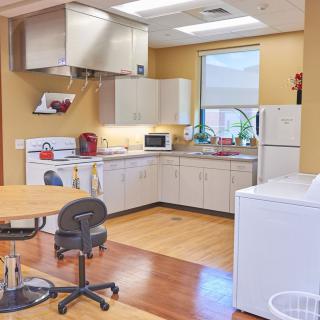
 Kitchenette
 Move-in coordination
 Outdoor space
 Restaurant-style dining
 Small library
 Telephone
 Wi-Fi/high-speed internet available
 24-hour call system
 Activities of daily living assistance
 Assistance with bathing
 Assistance with dressing
 Assistance with transfers
 Diabetes diet
 Medication management
 Mental wellness program
 Special dietary restrictions

 Exploring the Contrasts Between Assisted Living and Skilled Nursing
 8 Key Indicators That Suggest It May Be Time to Transition from Assisted Living to Skilled Nursing Care
 Vibrant Senior Living: A Comprehensive Guide for Active Older Adults